Kettlebell Defects and Quality Control: Wholesale China
Kettlebell Defects and Quality Control: Essential Standards for Bulk Procurement
Distributors often face two distinct procurement failures: accepting low-grade cast iron with surface irregularities or overlooking internal weight discrepancies. A professional kettlebell defects and quality control protocol prevents these issues by prioritizing structural integrity over the lowest unit price. When sourcing from a China factory, successful importers move beyond basic visual checks to implement rigorous commercial kettlebell inspection routines that ensure every unit meets international safety benchmarks.
In high-volume commercial settings, even minor deviations in weight consistency can lead to significant liability risks. A single batch of off-spec equipment can compromise commercial gym safety and damage a distributor's reputation. Relying on strict manufacturing standards during the wholesale process ensures that your inventory remains durable and compliant, protecting your long-term ROI and reducing the frequency of replacement-related overhead.
Technical Inspection Checklist for Professional Sourcing
To mitigate procurement risks, professional buyers should implement a standardized inspection framework during the pre-shipment stage. Effective wholesale fitness equipment QC requires more than a cursory glance; it demands a systematic verification of material science and mechanical finish. Using a technical checklist allows a supplier to provide verifiable proof of quality before the landed cost is finalized and the container is sealed.
The following table outlines the critical engineering parameters required for high-tier commercial-grade inventory. Ensuring these metrics are met helps maintain high kettlebell manufacturing standards across large-scale bulk orders.
| Inspection Parameter | Technical Requirement | B2B Procurement Focus |
|---|---|---|
| Cast Iron Integrity | Zero visible cracks, porosity, or structural air bubbles | Long-term durability and safety |
| Handle Smoothness | Seamless transition; no sharp edges or casting burrs | User ergonomics and injury prevention |
| Coating Adhesion | Uniform thickness; no peeling or bubbling under stress | Aesthetic longevity and rust resistance |
| Weight Tolerance | Strict adherence to +/- 1-3% of declared weight | Compliance with professional standards |
| Shipping Durability | Reinforced export packaging and pallet stability | Minimizing transit-related damage and loss |
When managing large-scale logistics, always confirm the MOQ and lead time with your factory to align with your distribution cycle. A detailed commercial kettlebell inspection report should be requested for every batch to ensure that kettlebell defects and quality control protocols were strictly followed during the production run.
Identifying Common Manufacturing Flaws in Commercial-Grade Units
When sourcing high-volume orders from a China factory, procurement professionals must look beyond surface aesthetics to evaluate kettlebell defects and quality control protocols. In a commercial setting, even minor engineering oversights can escalate into significant procurement risk, affecting both user safety and your long-term landed cost through premature replacement frequency.
Structural integrity is the primary concern for distributors and gym owners. One frequent issue is the presence of casting voids within the iron core, which can compromise the unit's strength during high-impact use. Furthermore, inconsistent weight consistency across a single batch can disrupt standardized training programs and damage a brand's reputation for precision. Without rigorous kettlebell manufacturing standards, a shipment may arrive with uneven weight distribution or compromised handle density.
To mitigate these issues, a professional commercial kettlebell inspection must be integrated into your sourcing workflow. Relying on a wholesale supplier that provides transparent kettlebell defects and quality control documentation ensures that your commercial-grade standards are met before the container leaves the port. Addressing these technical flaws during the initial wholesale fitness equipment QC phase prevents the high costs associated with importing defective stock and managing large-scale returns.
Technical Defect Matrix and Operational Impact
Understanding the relationship between manufacturing precision and long-term durability is essential for optimizing your total cost of ownership. A professional buyer must distinguish between cosmetic imperfections and structural failures that impact safety compliance and maintenance loads. The following table outlines how specific kettlebell defects and quality control failures translate into operational liabilities for commercial facilities and distributors.
| Defect Category | Common Technical Flaw | Commercial Operational Impact | Sourcing Mitigation Strategy |
|---|---|---|---|
| Casting & Core | Internal voids or uneven density | Structural failure during high-impact use; increased liability | Strict adherence to kettlebell manufacturing standards and density testing |
| Handle & Grip | Rough edges or inconsistent diameter | User discomfort; grip fatigue; potential for skin abrasions | Verification of commercial kettlebell inspection reports for surface smoothness |
| Surface Coating | Peeling, cracking, or uneven paint | Increased oxidation; high maintenance/repaint frequency | Requirement for high-grade wholesale fitness equipment QC on coating adhesion |
| Weight Accuracy | Significant deviation from nominal weight | Disrupted training protocols; loss of professional credibility | Pre-shipment weight verification across full batch samples |
When negotiating OEM or ODM specifications, always request detailed material data sheets and casting process documentation. For large-scale wholesale orders, it is highly recommended to book a third-party pre-shipment inspection to verify that the manufacturer's internal QC protocols align with your specific commercial requirements. This proactive approach protects your distributor margins and ensures the reliability of your imported inventory.
Critical Inspection Parameters for Bulk Procurement
For distributors managing high-volume imports, the distinction between a standard product and a premium commercial unit lies in the precision of the commercial kettlebell inspection. Beyond basic weight verification, professional buyers must mandate strict protocols for handle ergonomics and surface finish to ensure long-term ROI. A failure to verify these technical specifications during the wholesale fitness equipment QC stage often results in increased maintenance costs and diminished brand trust within the professional fitness community.
Effective kettlebell defects and quality control management requires a focus on three critical engineering dimensions: weight tolerance, surface integrity, and handle geometry. High-tier manufacturers should provide documentation proving that their production line maintains a tight weight tolerance, ensuring that a 24kg unit is consistent across the entire batch. Furthermore, the handle must be free of casting flash or sharp edges that could cause injury, a factor that directly impacts the liability reduction strategies of large-scale gym operators and facility managers.
To secure the best results when sourcing from a China factory, we recommend integrating these specific requirements into your initial RFQ. Requesting a formal sample approval process and a detailed pre-shipment inspection report allows you to verify the surface finish and grip comfort before the final container loading. This level of scrutiny is essential for maintaining high distributor margins and ensuring that your bulk orders meet the rigorous demands of global commercial fitness environments.
Standardizing Kettlebell Manufacturing Standards for Global Export
For international distributors and gym procurement leads, maintaining rigorous kettlebell manufacturing standards is a prerequisite for mitigating long-term liability. When sourcing in bulk, ensuring that every unit meets precise engineering specifications is not merely about product quality; it is about protecting your brand reputation and ensuring commercial gym safety in high-traffic environments. A China factory that prioritizes standardized production can significantly reduce the wholesale procurement risk associated with structural failures or weight inaccuracies.
Structural integrity is the foundation of commercial-grade equipment. In a professional setting, even minor deviations in casting or handle uniformity can lead to equipment failure under heavy use. By implementing strict kettlebell defects and quality control protocols, manufacturers ensure that the center of gravity remains consistent and the handle remains resilient against repetitive stress. This level of precision is essential for maintaining a low total cost of ownership (TCO) and high durability standards for your clients.
| Manufacturing Approach | Structural Durability | Weight Consistency | Typical Procurement Use Case |
|---|---|---|---|
| Standard Cast Iron | High | Moderate | General fitness and commercial gym stock |
| Precision Competition Casting | Very High | High | Professional training and high-end studios |
| Custom OEM Production | Optimized | Highly Precise | Private label and premium brand identity |
Effective commercial kettlebell inspection must go beyond surface aesthetics to evaluate the internal density and handle-to-body transition. A professional supplier should provide documentation regarding wholesale fitness equipment QC, including material certifications and weight tolerance reports. This transparency allows importers to confirm that their wholesale orders meet the specific safety requirements of their target markets, whether for retail distribution or large-scale facility installations.
To ensure long-term durability and reduce replacement costs, procurement teams must verify that all kettlebell manufacturing standards align with professional expectations. This includes rigorous testing of material integrity, specifically checking for air pockets in cast iron or uneven density in rubber-coated versions. A reliable China factory will provide detailed OEM/ODM specifications to prove that every unit meets the required weight tolerances and structural benchmarks before leaving the facility.
Technical Specifications for Professional Procurement
When evaluating a kettlebell defects and quality control protocol, buyers should demand a technical breakdown of surface and structural attributes. A high-quality commercial kettlebell inspection focuses on the seamless transition between the handle and the ball, ensuring no sharp edges or casting flaws exist that could compromise user safety or longevity. For high-volume wholesale fitness equipment QC, the following technical comparison helps differentiate between standard and premium production tiers.
| Technical Parameter | Standard Commercial Grade | Premium Professional Grade | B2B Procurement Impact |
|---|---|---|---|
| Weight Tolerance | +/- 3% to 5% deviation | +/- 1% to 2% deviation | Critical for competition and precision training |
| Surface Finish | Basic powder coat or paint | High-grade textured coating | Impacts grip stability and long-term wear |
| Handle Smoothness | Standard casting finish | Precision ground/polished | Reduces user friction and maintenance load |
| Material Density | Standard cast iron | High-density composite or iron | Ensures consistent center of gravity |
For distributors seeking to build a premium brand, selecting a supplier capable of meeting these high-level kettlebell manufacturing standards is vital. We recommend requesting a sample approval process and a formal factory audit to confirm that the production line can consistently deliver these specifications across your entire wholesale order. Ensuring these technical details are met during the initial sourcing phase protects your distributor margins and minimizes the risk of costly returns or product recalls.
Mitigating Risk Through Pre-Shipment Inspection
For high-volume importers, the most critical phase of the procurement cycle is the final verification of goods. Relying solely on factory assurances is insufficient for large-scale distribution; instead, a formal pre-shipment inspection acts as the ultimate safeguard for your bulk order reliability. This process ensures that the kettlebell defects and quality control protocols established during the initial sourcing phase are actually being executed on the production floor, preventing the arrival of substandard units at your warehouse.
A professional pre-shipment inspection focuses on identifying common issues such as weight discrepancies, uneven coating, or handle irregularities that can compromise the landed cost through unexpected returns or client dissatisfaction. By investing in thorough wholesale fitness equipment QC before the container is sealed, distributors can optimize their lead time and ensure that every unit shipped from the China factory meets the exact OEM or ODM specifications requested. This proactive approach secures your wholesale margins and builds long-term trust with your commercial clients.
Implementing Rigorous Commercial Kettlebell Inspection Protocols
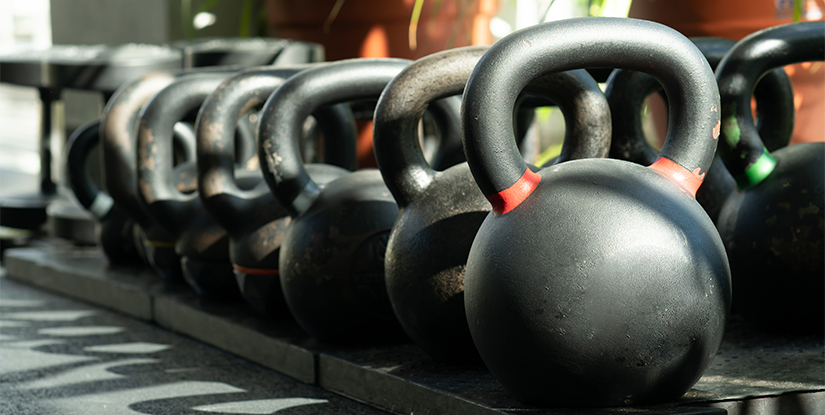
For international distributors and gym equipment importers, the cost of a single defective batch far outweighs the initial savings of low-cost sourcing. Relying on a kettlebell defects and quality control framework is essential to prevent structural failures, uneven weight distribution, or handle fractures that lead to liability claims. When managing high-volume wholesale orders, professional buyers must implement a multi-stage commercial kettlebell inspection process to ensure every unit meets the physical demands of a high-traffic fitness environment.
Effective risk mitigation begins with establishing strict manufacturing standards at the source. A reliable China factory should provide transparent documentation regarding material density, casting integrity, and coating adhesion. Without a systematic commercial kettlebell inspection, procurement teams face the high probability of receiving non-compliant goods, which disrupts wholesale procurement timelines and diminishes distributor margins. By integrating rigorous oversight into the sourcing workflow, importers can ensure that every factory-direct shipment aligns with global safety expectations and commercial durability requirements.
Technical Checklist for Structural and Surface Integrity
To maintain high standards during bulk procurement, buyers should utilize a technical verification matrix. This checklist allows your quality assurance team to evaluate the physical properties of the units before final payment or container loading. Ensuring these specifications are met reduces the risk of high return rates and protects your brand reputation as a reliable equipment provider.
| Inspection Parameter | Critical Specification Requirement | B2B Verification Method |
|---|---|---|
| Weight Accuracy | Deviation within +/- 1% to 3% of target weight | Precision digital scale testing per batch |
| Handle Smoothness | No sharp edges, burrs, or casting imperfections | Tactile manual check and high-friction surface test |
| Coating Adhesion | Uniform layer without peeling, bubbling, or cracking | Cross-cut tape test or impact resistance check |
| Structural Casting | Zero visible cracks, air pockets, or internal voids | Visual inspection under high-intensity lighting |
| Weight Tolerance | Consistent dimensions across all weight increments | Calibrated measurement against master sample |
When conducting a wholesale fitness equipment QC audit, do not overlook the importance of the kettlebell manufacturing standards regarding the handle-to-body transition. A weak weld or a thin casting in the grip area is a common point of failure in lower-tier production. We recommend requesting a sample approval and a formal test report from your supplier to confirm that the kettlebell defects and quality control protocols are being strictly followed during the production run. This level of scrutiny is vital for maintaining the long-term durability required for commercial-grade equipment.
Optimizing Landed Cost Through Pre-Shipment Oversight
A common oversight in international procurement is failing to account for the impact of shipping damage on the final landed cost. Even if a product leaves the factory in perfect condition, inadequate export packaging can lead to surface abrasions or structural compromise during ocean transit. To protect your long-term ROI, your wholesale fitness equipment QC strategy must extend beyond the production line to include rigorous container loading inspections. Ensuring that high-density cast iron units are properly palletized and secured prevents the high replacement costs associated with transit-related defects.
By prioritizing a formal pre-shipment inspection, distributors can verify that both the product quality and the export packaging meet commercial-grade requirements. This proactive approach minimizes the risk of receiving damaged goods at your warehouse, thereby protecting your distributor margins and reducing unexpected maintenance costs. We suggest that buyers coordinate with their supplier to confirm that all heavy-duty shipping materials are used, ensuring that the bulk shipment arrives ready for immediate deployment in any high-traffic commercial gym environment.
Optimizing Wholesale Fitness Equipment QC and Supplier Audits
For international distributors and gym equipment importers, managing kettlebell defects and quality control is a critical step in protecting long-term commercial liability. When sourcing high-volume orders from a China factory, the focus must shift from simple aesthetics to rigorous wholesale fitness equipment QC protocols. A failure in oversight can lead to significant procurement risk, impacting your brand reputation and increasing maintenance costs.
Ensuring commercial gym safety requires a deep understanding of structural integrity. In bulk manufacturing, minor casting flaws or inconsistent surface finish treatments can lead to catastrophic failures during heavy use. To mitigate these issues, professional buyers must implement strict kettlebell manufacturing standards that prioritize weight consistency and material density. Relying on a professional supplier who offers transparent commercial kettlebell inspection reports ensures that every unit meets the necessary density and balance requirements for high-traffic training environments.
Technical Inspection Checklist for Pre-Shipment Audits
To ensure your bulk procurement meets high-performance requirements, utilize the following technical checklist during your factory audit or third-party pre-shipment inspection. This data-driven approach helps minimize the risk of receiving substandard units that could increase your total cost of ownership or lead to product returns.
| Inspection Category | Technical Requirement | Critical Defect to Watch For |
|---|---|---|
| Casting and Structure | Uniform density and smooth exterior surface | Air bubbles, hairline cracks, or internal voids |
| Handle Ergonomics | Smooth transition and consistent diameter | Rough edges, sharp burrs, or uneven grip texture |
| Weight Accuracy | Strict adherence to specified tolerance levels | Weight variance exceeding industry-standard margins |
| Surface Coating | High adhesion strength and uniform thickness | Peeling, bubbling, or uneven paint application |
| Dimensional Integrity | Consistent center of gravity and balance | Off-center weight distribution or lopsided casting |
When finalizing your order, always verify the kettlebell manufacturing standards applied at the source. A reliable supplier should provide detailed documentation regarding their commercial kettlebell inspection processes, including weight calibration logs and material certification. Before moving to the shipping stage, confirm that the MOQ and lead time align with your distribution schedule to avoid stockouts in your local market. Finally, request a breakdown of the landed cost to ensure that your gross margins remain protected after accounting for export packaging and freight expenses.
Integrating Logistics and Packaging into the Sourcing Workflow
A robust procurement strategy extends beyond the factory floor and into the final stages of the supply chain. Even if your kettlebell manufacturing standards are strictly met during production, improper handling can compromise the finished product. For high-volume importers, the transition from the China factory to international transit is a high-risk window where structural or cosmetic damage often occurs due to inadequate protection.
To protect your distributor margin, you must mandate specific export packaging protocols. This includes utilizing heavy-duty, reinforced corrugated boxes and high-density foam inserts designed to withstand the impact of ocean freight and container stacking. High-quality export packaging prevents the common issues of dented handles or chipped coatings that often arise during long-distance shipping. By standardizing these requirements during the OEM or ODM development phase, you ensure that the product arriving at your warehouse is in the same condition as the one approved during the pre-shipment inspection.
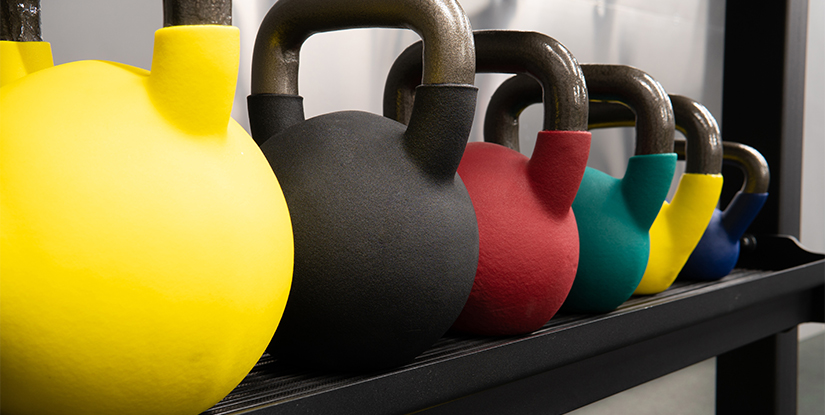
Furthermore, effective shipping safety planning involves coordinating with your supplier to optimize container loading patterns. Efficiently stacking heavy iron goods reduces movement within the container, which is essential for preventing weight shifts that can lead to damaged shipments. When calculating your total landed cost, always account for these specialized packaging requirements and potential freight adjustments. A well-integrated workflow—from initial sourcing and MOQ negotiation to final pre-shipment verification—is the most effective way to ensure long-term supplier reliability and high-volume order success.
Managing Logistics and Export Packaging to Prevent Transit Damage
When managing high-volume procurement, professional buyers must look beyond the manufacturing line to the final delivery stage. Even with rigorous kettlebell defects and quality control protocols at the factory, improper handling during sea freight can lead to surface abrasions, chipped coatings, or structural compromises. For distributors and gym owners, these transit-related issues directly impact the landed cost and overall product margin by increasing the rate of unsellable returns.
To mitigate these risks, a professional China factory specializing in wholesale fitness equipment must employ specialized export packaging strategies. This includes the use of heavy-duty cartons designed for high impact resistance and standardized palletization to ensure stability within shipping containers. Without these industrial-grade protections, the weight and density of the units can cause significant damage during ocean transit, undermining the efficiency of your sourcing strategy.
Effective commercial kettlebell inspection should therefore extend to the final packing stage. A reliable supplier will provide photographic evidence of the container loading process and the specific packaging layers used to protect the cargo. By prioritizing these kettlebell manufacturing standards for transit durability, importers can ensure that their bulk orders arrive in showroom condition, maintaining the integrity of their brand and reducing the logistical friction often associated with long-distance wholesale fitness equipment QC.
Technical Comparison of Material Packaging Requirements
Different material compositions require distinct defensive layers to prevent damage during long-haul ocean transit. For instance, cast iron units are susceptible to surface oxidation if moisture levels are not strictly managed, while urethane-coated models face risks of compression or surface tearing if stacked incorrectly. Understanding these technical nuances allows procurement managers to set precise requirements for their wholesale fitness equipment QC process.
| Material Type | Primary Transit Risk | Required Protective Layers | Moisture Control Protocol |
|---|---|---|---|
| Cast Iron | Surface Rust and Oxidation | Polyethylene film and heavy-duty corrugated dividers | Desiccant packs within individual unit wrap |
| Urethane Coated | Surface Scuffing and Compression | Non-abrasive foam padding and reinforced outer cartons | Standardized palletized stacking limits |
| Vinyl/Neoprene | Surface Tearing and Odor Absorption | Soft-touch shrink wrap and airtight inner lining | Strict container humidity monitoring |
For high-volume bulk orders, we recommend requesting a specific packaging specification sheet from your supplier. A professional China factory should be able to demonstrate how they utilize moisture-resistant barriers and pallet stability measures to protect your investment. Before finalizing your sourcing contract, ensure that your kettlebell manufacturing standards include a requirement for photographic verification of the palletization and container loading process to confirm that all kettlebell defects and quality control measures extend through to the final shipping stage.
Optimizing Container Loading for Maximum Volume and ROI
For professional importers, the efficiency of container loading is a critical variable in the total cost of ownership. When sourcing from a China factory, the ability to optimize the spatial arrangement of heavy kettlebells within a 20ft or 40ft container directly dictates the volumetric efficiency of your shipment. Inefficient loading patterns do more than just waste space; they increase the shipping cost per unit, which can significantly erode your distributor margin. A high-tier supplier will provide detailed loading plans that balance weight distribution with volume maximization to ensure your wholesale shipment is as cost-effective as possible.
Beyond volume, weight distribution is a fundamental safety and compliance requirement. Improperly balanced containers can lead to shifting during ocean transit, which poses a risk to both the cargo and the vessel. To ensure a smooth sourcing experience, procurement leads should verify that the manufacturer follows professional palletization and weight-centering protocols. This level of technical oversight is an essential component of comprehensive wholesale fitness equipment QC, ensuring that the high density of cast iron or urethane-coated units does not result in structural damage or logistical delays at the port of entry.
When evaluating your next high-volume order, we recommend requesting a formal container loading specification. A transparent factory should be able to provide a breakdown of how many units fit per pallet and how many pallets are utilized per container type. This clarity allows you to accurately calculate your landed cost and plan your inventory turnover with precision. By integrating these logistics-focused kettlebell manufacturing standards into your initial inquiry, you protect your capital and ensure that your bulk procurement remains a high-margin operation.
Strategic Sourcing: Moving from Sample Approval to Bulk Orders
Transitioning from a single sample to high-volume procurement requires a shift in focus from aesthetics to rigorous engineering. For distributors and gym owners, the primary risk during mass production is the deviation from approved specifications, which can compromise kettlebell defects and quality control protocols. A reliable China factory must demonstrate that the precision achieved in the initial sample is repeatable across thousands of units to ensure commercial gym standards are met consistently.
To protect your long-term ROI and minimize replacement costs, a professional pre-shipment inspection is non-negotiable. This stage validates that every unit maintains strict weight consistency and adheres to defined manufacturing tolerances. Without these checks, even minor variations in density or handle diameter can lead to structural failures in high-traffic environments. Implementing comprehensive wholesale fitness equipment QC ensures that your wholesale order arrives with the structural integrity required for heavy-duty commercial use.
Technical Inspection Checklist for Procurement Managers
To mitigate the risk of receiving substandard units during a large-scale bulk order, procurement leads should implement a standardized technical checklist. This ensures that the kettlebell manufacturing standards agreed upon during the OEM phase are strictly upheld throughout the production cycle. Relying on visual inspection alone is insufficient; a data-driven approach is required to verify the physical properties of the cast iron and the durability of the finish.
| Inspection Category | Technical Requirement | B2B Sourcing Verification Method |
|---|---|---|
| Mass Precision | Weight variance within +/- 1% to 3% per unit | Calibrated scale testing of 10% of batch |
| Handle Ergonomics | Seamless transition and zero sharp edges | Manual tactile sweep of 100% of handles |
| Surface Integrity | Zero cracking, pitting, or casting voids | Visual inspection under high-intensity light |
| Coating Adhesion | No peeling, bubbling, or chipping under stress | Cross-cut tape test or impact testing |
| Dimensional Accuracy | Consistent diameter and center of gravity | Vernier caliper measurement against spec sheet |
Utilizing this commercial kettlebell inspection framework allows a supplier to provide empirical evidence of quality before the landed cost is finalized. When managing a wholesale shipment, request a detailed inspection report from your factory that includes these specific metrics. This proactive approach reduces the likelihood of costly returns or distributor dissatisfaction. Before finalizing your MOQ and shipping schedule, ensure you have confirmed the specific kettlebell defects and quality control thresholds with your production contact to align on acceptable tolerances.
Beyond technical specifications, the final stage of successful procurement involves optimizing the logistical chain to protect your margins. Even a perfect product can become a liability if the export packaging is insufficient to withstand the rigors of international transit. For a high-volume distributor, the cost of a single damaged pallet can quickly erode the projected distributor margin and complicate warehouse inventory management. Therefore, your sourcing strategy must treat packaging as a critical component of the total landed cost rather than an afterthought.
Optimizing Logistics and Shipping Damage Prevention
To ensure that your wholesale shipment arrives in a condition that meets commercial-grade expectations, verify that your China factory utilizes reinforced, export-grade materials. This includes heavy-duty corrugated boxes, moisture-resistant linings, and optimized palletizing techniques designed for container loading. High-density cast iron products require specific stacking protocols to prevent crushing or structural deformation during sea freight. By prioritizing robust shipping damage prevention, you reduce the administrative burden of filing claims and the logistical headache of managing replacement shipments.
Effective export packaging also directly impacts your shipping efficiency. A professional supplier will optimize the volumetric weight and pallet dimensions to ensure you are not paying for wasted space within a 20ft or 40ft container. This level of detail is essential when calculating the true cost of your wholesale fitness equipment QC and final delivery. Before confirming your final MOQ and lead time, request a detailed packing list and photos of the palletized load. This transparency allows you to validate that the kettlebell defects and quality control standards extend all the way to the final container seal, ensuring a seamless transition from the factory floor to your distribution center.