Kettlebell Price: China Factory OEM Supply and Sourcing
Analyzing Kettlebell Price Drivers in Bulk Procurement
Distributors often face the dilemma of choosing between low-cost, low-quality units that require frequent replacement and premium options that strain initial capital expenditure. A professional kettlebell price evaluation must look beyond the initial unit cost to the total cost of ownership. When sourcing directly from a China factory, understanding the interplay between material grade and manufacturing complexity is essential to ensuring long-term profitability and equipment longevity in a commercial setting.
Material Selection and Durability Variables
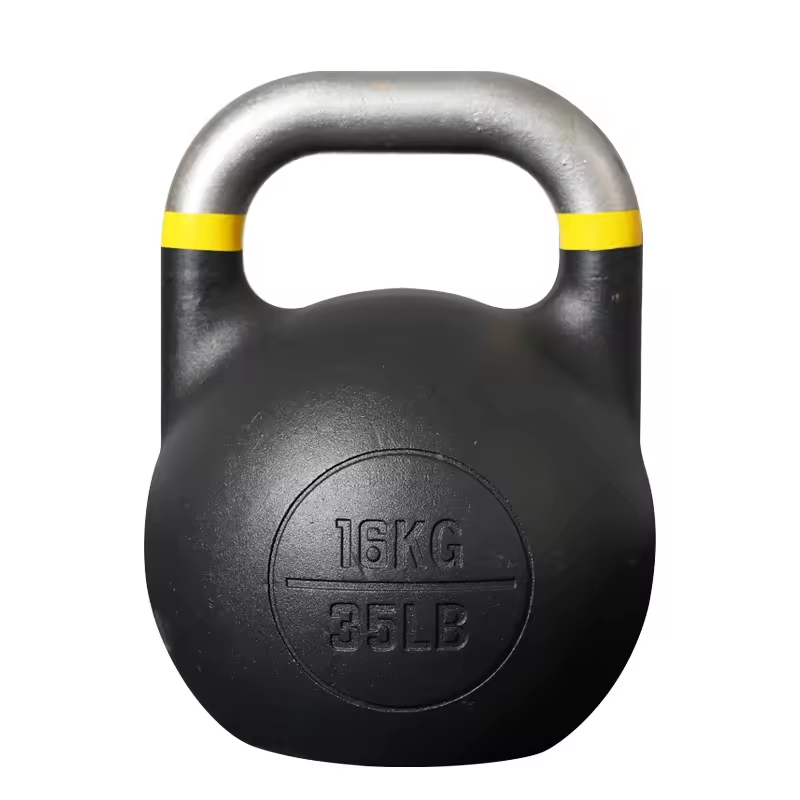
The primary factor influencing the wholesale kettlebell cost is the base material and its subsequent coating. Professional buyers must decide between cast iron, steel, or vinyl-coated options based on the intended environment. Cast iron remains the industry standard for high-traffic commercial gyms due to its density and durability, whereas steel-bodied units often provide a more consistent weight distribution for high-end functional training studios. The choice of coating—such as powder coating or urethane—directly affects the commercial kettlebell manufacturing requirements, as these layers protect the core from oxidation and impact damage, thereby extending the replacement cycle.
Selecting the wrong material profile can lead to hidden costs, such as premature rust or surface degradation, which forces frequent inventory updates. By aligning material specifications with the specific demands of the end-user, importers can optimize their bulk kettlebell procurement strategy to balance upfront investment with long-term operational stability.
| Material Type | Typical Application | ||
|---|---|---|---|
| Cast Iron | Standard Commercial Gyms | High (Impact Resistant) | Low replacement frequency |
| Steel (Powder Coated) | Premium Functional Studios | High (Surface Protection) | Optimized for aesthetics and longevity |
| Vinyl/Urethane Coated | Boutique Fitness/Home Use | Moderate (Surface Protection) | Higher initial cost; protects flooring |
| Material Type | Manufacturing Complexity | Commercial Suitability |
|---|---|---|
| Cast Iron | Moderate (Casting & Finishing) | High-traffic commercial gyms |
| Powder Coated Steel | High (Precision Machining & Coating) | Premium functional training studios |
| Competition Grade | Very High (Precision Weight Calibration) | Professional strength & conditioning facilities |
This technical variance in production directly dictates the kettlebell price across different market segments. While cast iron offers a reliable baseline for high-volume distribution, the precision required for competition-grade units necessitates advanced commercial kettlebell manufacturing standards, which in turn affects the final landed cost. Buyers should evaluate these specifications not just as a single purchase, but as a long-term asset management decision.
To ensure your selection aligns with your specific business model, we recommend requesting a detailed technical specification sheet or a sample evaluation from your supplier. Confirming the exact weight tolerance and coating thickness during the initial inquiry will help mitigate risks during your next bulk order.
Scaling Volume and Customization Logistics
The relationship between order volume and the final invoice is a critical lever for distributors looking to maximize margins. As procurement scales, the kettlebell price typically decreases due to optimized production runs and reduced setup overhead per unit. However, buyers must balance the pursuit of the lowest unit cost against the specific OEM/ODM requirements of their target market. A high-volume order of standard cast iron units follows a different cost curve than a specialized run of branded, color-coded steel kettlebells.
Customization adds layers of complexity to the bulk kettlebell procurement process. While adding a private label logo or a custom color coating can enhance your brand identity and justify a premium retail price, these features often trigger higher MOQ thresholds. For instance, a standard black powder-coated finish might be available at a lower volume, but a custom neon-colored urethane finish requires a dedicated production line and a larger minimum order to remain cost-effective. Navigating these variables is essential for importers to avoid overstocking non-standard SKUs while maintaining a competitive edge.
Understanding these scale-based price shifts allows professional buyers to plan their inventory more effectively. We suggest reviewing the specific MOQ for each customization tier—such as custom branding or specialized handle grips—before finalizing your purchase order. This proactive approach ensures that your landed cost remains within budget while meeting the high-end aesthetic expectations of your commercial clients.
Material Selection and Manufacturing Impact on Wholesale Kettlebell Cost
Determining the correct kettlebell price requires a deep understanding of how raw material grades and fabrication methods influence long-term durability. For distributors and gym owners, selecting the wrong material can lead to high replacement costs and diminished ROI. When sourcing from a China factory, the distinction between cast iron, steel, and coated variants directly dictates the total cost of ownership and the maintenance load for commercial facilities.
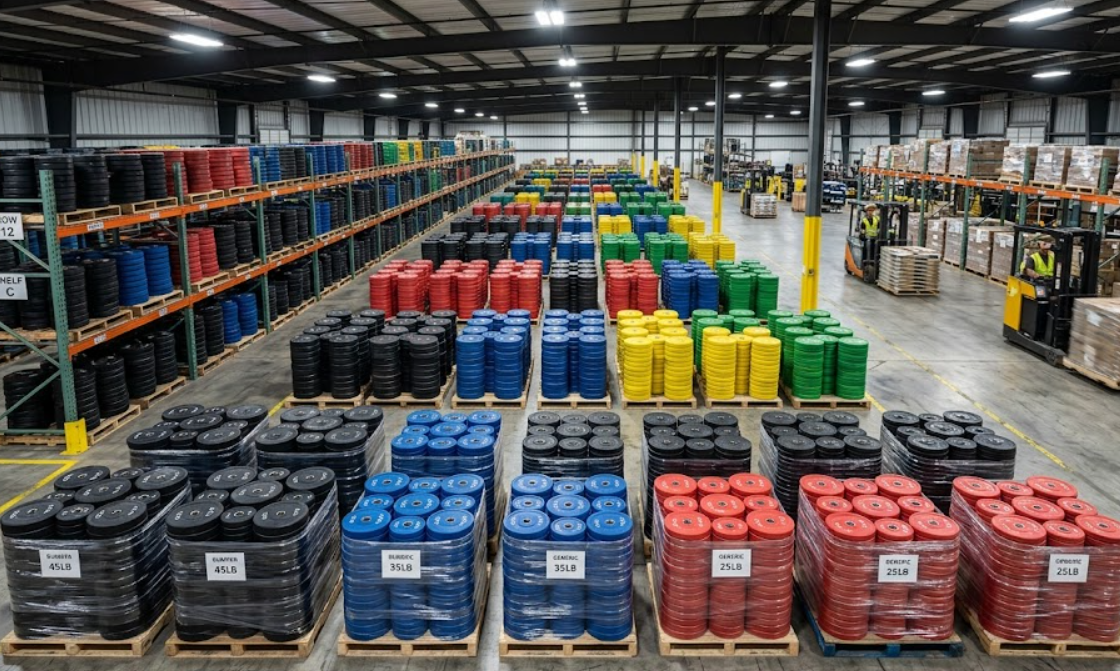
The structural integrity of a kettlebell depends on the manufacturing process used to achieve weight precision and surface uniformity. High-volume commercial kettlebell manufacturing typically utilizes either traditional sand casting or modern powder coating to ensure the unit can withstand high-frequency use in professional settings. Choosing between these options involves balancing initial wholesale kettlebell cost against the expected lifespan of the equipment in a high-traffic environment.
| Material Type | Durability Profile | Primary Use Case | Procurement Value |
|---|---|---|---|
| Cast Iron | High impact resistance | Traditional strength training | Best for high-volume bulk orders |
| Steel (Machined) | Precision weight accuracy | Performance-focused studios | Premium tier for specialized gyms |
| Vinyl/Rubber Coated | Floor and equipment protection | Commercial fitness centers | Lower maintenance oise reduction |
When managing bulk kettlebell procurement, buyers must evaluate how material thickness and coating quality affect the landed cost. For instance, while vinyl-coated options may increase the initial kettlebell price, they often reduce long-term expenses related to floor damage and equipment wear. Working directly with an OEM partner allows you to customize these specifications to meet your specific market's durability requirements and budget constraints.
Optimizing TCO Through Material Specification
A strategic approach to procurement involves looking beyond the initial invoice to the total cost of ownership. In professional training environments, the frequency of impact and the level of surface friction determine how often a product must be replaced. Selecting a material that aligns with the specific intensity of your facility ensures that your capital expenditure remains efficient over a multi-year cycle.
For distributors, understanding these nuances is essential for providing value to end-users. While standard cast iron remains a staple for general strength training, specialized coatings can mitigate the risk of surface degradation and floor damage. When negotiating with a supplier, clarify the specific grade of coating or casting used, as this directly impacts the long-term reliability of the equipment and your brand's reputation for quality.
The Importance of Surface Coating and Quality Control
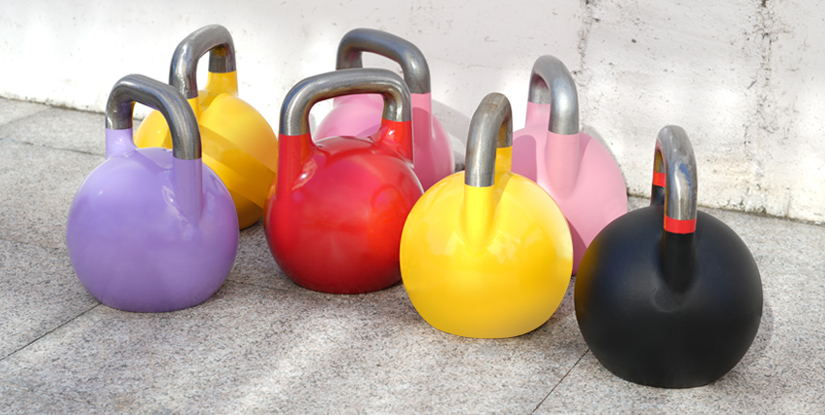
The durability of a commercial unit is often determined by the quality of its outer layer. In high-traffic environments, the choice between basic paint and professional-grade powder coating is a critical decision for procurement leads. While basic paint may lower the initial wholesale kettlebell cost, it is highly susceptible to chipping and peeling under heavy use, which can lead to premature oxidation of the iron core. High-quality powder coating provides a much more resilient barrier, ensuring the surface remains intact during rigorous training sessions and reducing the frequency of replacement cycles.
Beyond surface finish, rigorous quality control is the most effective way to protect your long-term ROI. A reliable China factory will implement multi-stage inspection protocols to verify weight tolerances, handle ergonomics, and coating adhesion before any shipment leaves the facility. For distributors managing large-scale bulk kettlebell procurement, establishing these strict manufacturing standards is essential to avoid the hidden costs of defective batches, such as high return rates or damaged reputation. We recommend requesting specific documentation regarding the factory's QC process and sample approval stages to ensure every unit meets the necessary commercial-grade specifications before final export.
Optimizing Commercial Kettlebell Manufacturing for Global Distribution
For distributors and gym equipment importers, the kettlebell price is heavily dictated by the structural integrity required for high-traffic usage. When sourcing from a China factory, the focus must shift from simple aesthetics to long-term material durability and the ability to withstand rigorous daily impact in professional fitness environments.
Low-quality casting or substandard coatings often lead to premature cracking or surface degradation, which increases the total cost of ownership for your clients. High-grade commercial kettlebell manufacturing ensures that each unit maintains its weight accuracy and surface finish despite constant use. Investing in superior material integrity during the wholesale procurement process prevents high replacement rates and protects your reputation as a reliable supplier.
Material Standards for High-Traffic Environments
In a professional setting, the kettlebell price reflects the density of the iron and the quality of the protective coating. Standard consumer-grade units often lack the impact resistance needed for heavy swings or ground drops. Professional-grade units produced by a specialized factory utilize refined casting techniques to ensure uniform density, which is critical for preventing weight fluctuations that can occur in inferior products.
When evaluating bulk kettlebell procurement, consider the following material variables that impact long-term commercial utility:
| Material Type | Commercial Application | Durability Profile |
|---|---|---|
| Cast Iron (Painted) | Standard Strength Training | High impact resistance with standard protective coating |
| Cast Iron (Powder Coated) | Premium Commercial Gyms | Enhanced surface toughness and scratch resistance |
| Competition Style (Rubberized) | High-Intensity Functional Training | Maximum floor protection and optimized grip stability |
| Technical Specification | Standard Commercial Grade | Premium Competition Grade |
|---|---|---|
| Core Material | Cast Iron | High-Density Urethane or Cast Iron |
| Coating Thickness | Standard Paint/Powder Layer | Heavy-Duty Impact Resistant Shell |
| Weight Tolerance | +/- 3% to 5% | +/- 1% to 2% |
| Surface Texture | Basic Grip Texture | Ergonomic Non-Slip Precision Grip |
| Impact Durability | Moderate (Standard Gym Use) | Extreme (High-Intensity/Drop Resistant) |
Understanding these technical variations is essential when calculating the wholesale kettlebell cost for your inventory. While cast iron remains a cost-effective staple for many distributors, the premium competition-style models offer higher value in specialized functional training facilities where equipment longevity and precision are paramount. A higher initial investment in specialized coating and tighter weight tolerances reduces long-term maintenance and replacement cycles.
Before finalizing your order, we recommend requesting a technical specification sheet or a sample for evaluation. This allows your team to verify the coating thickness, weight consistency, and grip ergonomics firsthand. We also suggest confirming the specific wholesale packaging standards and container loading optimization to ensure your landed cost remains competitive during large-scale imports.
Understanding these technical variations is essential when calculating the wholesale kettlebell cost for your inventory. While cast iron remains a cost-effective staple for many distributors, the premium competition-style models offer higher value in specialized functional training facilities where equipment longevity and precision are paramount. A higher initial investment in specialized coating and tighter weight tolerances reduces long-term maintenance and replacement cycles.
Before finalizing your order, we recommend requesting a technical specification sheet or a sample for evaluation. This allows your team to verify the coating thickness, weight consistency, and grip ergonomics firsthand. We also suggest confirming the specific wholesale packaging standards and container loading optimization to ensure your landed cost remains competitive during large-scale imports.
China Factory Capabilities: OEM and Private Label Solutions
Distinguishing between standard stock orders and customized manufacturing is essential for professional distributors looking to maximize their market position. While standard inventory offers rapid fulfillment, investing in commercial kettlebell manufacturing allows a business to build a unique brand identity that commands higher margins in the fitness industry.
When you move beyond simple wholesale kettlebell cost considerations, you enter the realm of high-value product differentiation. A China factory can provide more than just weight; they provide a platform for your brand to scale through tailored specifications and customized aesthetics.
Customization Tiers: Stock vs. OEM/ODM
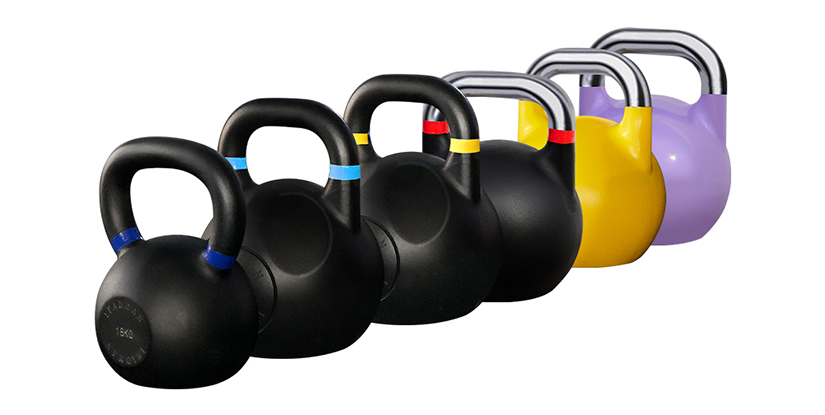
Understanding the technical depth of your kettlebell price depends heavily on the level of customization requested. Most sourcing professionals choose between three distinct levels of production to balance initial investment against brand exclusivity.
| Service Level | Description | Branding Capabilities | Typical MOQ |
|---|---|---|---|
| Standard Wholesale | Ordering existing factory designs and standard colors. | None or small sticker/engraved logo. | Low to Moderate |
| OEM (Original Equipment Manufacturer) | Applying your brand identity to existing product structures. | Custom color schemes, logo painting, and embossed branding. | Moderate to High |
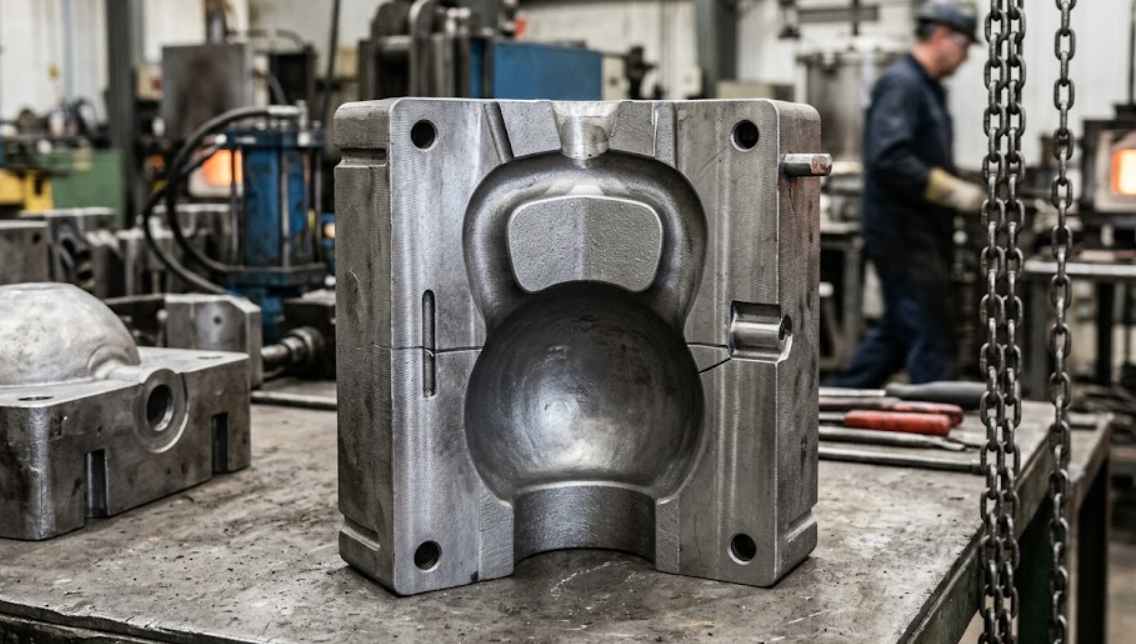
| ODM (Original Design Manufacturer) | Full product development from mold and material specifications. | Complete proprietary design, unique handles, and custom textures. | High |
For many distributors, ODM services offer the highest level of competitive advantage. By developing a proprietary handle shape or a specific cast-iron texture, you move away from generic commodity products and establish a specialized product line that is difficult for competitors to replicate.
Whether you require a simple color change for your wholesale order or a complete structural redesign, clear communication regarding technical drawings and material tolerances is vital. We recommend requesting a detailed spec sheet and a physical sample to verify that your custom branding meets your specific quality standards before proceeding to full-scale production.
Navigating the complexities of custom production requires a clear understanding of how different models impact your total landed cost and long-term inventory strategy. Choosing the right level of customization ensures that your investment aligns with your specific market tier, whether you are supplying boutique studios or large-scale commercial gyms.
| Sourcing Model | Customization Level | MOQ Requirements | Typical Lead Time |
|---|---|---|---|
| Standard Wholesale | Minimal (Stock colors/shapes) | Low | Short (Stock availability) |
| OEM/Private Label | Medium (Custom colors/logos) | Moderate | Medium (Production cycle) |
| Full ODM/Custom | High (Proprietary design/mold) | High | Long (Includes mold development) |
For procurement managers, the decision to pursue a full bulk kettlebell procurement strategy through custom molds is often driven by the need for long-term product exclusivity. While the initial development phase increases the time-to-market, the ability to own a unique product specification provides a significant barrier to entry for other distributors in your region.
Before finalizing your order, we suggest conducting a formal factory audit or requesting a sample approval process. This allows you to verify that the manufacturer's output—whether it is a standard stock item or a complex custom design—meets the rigorous durability and finish requirements of the North American commercial market.
Quality Control and Export Standards for High-Volume Orders
A common friction point in international procurement is the discrepancy between a physical sample and the final mass-produced shipment. To mitigate this risk during bulk kettlebell procurement, establishing a rigorous pre-shipment inspection protocol is non-negotiable. A professional China factory should provide a multi-stage verification process that includes material density testing, weight tolerance checks, and surface finish inspections to ensure every unit meets your brand's commercial-grade standards.
Beyond the product itself, the integrity of your landed cost depends heavily on export-ready packaging. For high-volume shipments, durability in transit is a primary concern. We recommend specifying reinforced corrugated boxes and heavy-duty palletization to prevent damage during sea freight and terminal handling. Standardizing these packaging requirements ensures that your wholesale orders arrive at your warehouse in a condition that allows for immediate distribution to your clients without the need for costly replacements or returns.
To ensure complete transparency, professional buyers should request a formal sample evaluation before any large-scale production begins. This phase allows you to verify the handle ergonomics, coating adhesion, and weight accuracy in a real-world setting. By confirming these technical details and securing a signed-off sample, you reduce the likelihood of quality disputes and ensure that your customized kettlebell price reflects a high-quality, reliable finished product ready for the commercial market.
Logistics and Quality Control for Bulk Kettlebell Procurement
Calculating the true kettlebell price requires looking beyond the initial unit cost provided by a China factory. For professional importers and distributors, the total expenditure is heavily influenced by the landed cost, which integrates various logistics and regulatory variables. Understanding these components is essential for maintaining healthy distributor margins during bulk kettlebell procurement.
The primary driver of price variance in large-scale wholesale kettlebell cost orders is the shipping method and destination logistics. While the factory quote usually covers the production of the goods, the buyer must account for freight forwarding, ocean freight, and port-to-warehouse transit. Additionally, importing heavy iron or cast iron products involves specific customs duties and compliance fees that can significantly alter the final budget if not planned during the sourcing phase.
| Procurement Model | Shipping & Logistics Complexity | Typical Lead Time Impact | Best For |
|---|---|---|---|
| FOB (Free On Board) | Buyer manages ocean freight and port-to-warehouse | Standard production + transit time | Experienced distributors with dedicated forwarders |
| CIF (Cost, Insurance, Freight) | Supplier manages freight to the destination port | Includes sea transit and insurance variables | Mid-sized importers seeking reduced logistics overhead |
| DDP (Delivered Duty Paid) | Supplier handles all duties and door-to-door delivery | Highest predictability for final arrival | Small-scale commercial buyers or rapid restock needs |
Optimizing Freight Selection and Lead Time
Selecting the appropriate shipping mode is a critical decision in managing the wholesale kettlebell cost for international shipments. Because kettlebells are high-density, high-weight products, the volumetric weight is often low, but the actual weight significantly drives the freight expense. For large-scale commercial kettlebell manufacturing orders, sea freight remains the industry standard due to its cost-efficiency for heavy iron goods, despite the longer transit periods. Conversely, air freight is rarely used for bulk iron products due to prohibitive costs, though it may be an option for lightweight specialized accessory samples.
When planning your inventory cycle, you must account for the total lead time, which encompasses both production time at the factory and transit time via your chosen shipping method. A mismatch in these calculations can lead to stockouts or excessive warehousing fees. To ensure a smooth commercial procurement process, we recommend coordinating with your supplier at least 60 to 90 days in advance of your required arrival date to accommodate production, export packaging, and ocean transit schedules.
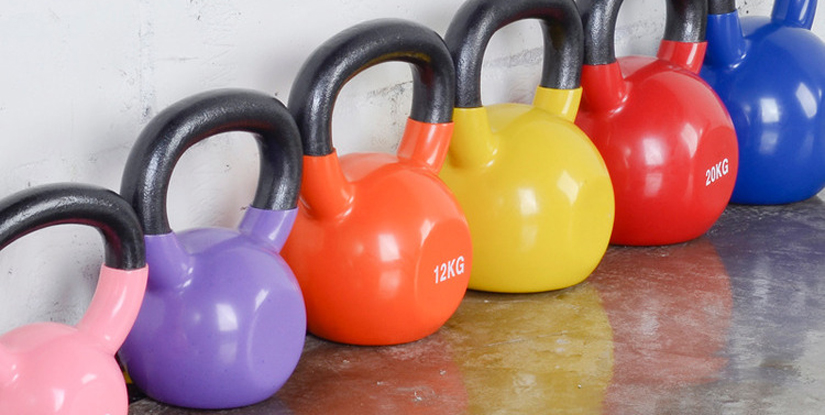
To mitigate risks during the sourcing process, professional buyers should request a detailed breakdown of the kettlebell price that distinguishes between the EXW (Ex Works) unit cost and the estimated freight-on-board costs. This transparency allows for more accurate budgeting of the final landed cost and helps in evaluating the ROI for your specific market segment.
Mitigating Hidden Costs via QC and Export Packaging
A low initial quote can quickly become a liability if the shipment arrives with surface defects, dimensional inaccuracies, or structural weaknesses. For high-volume commercial kettlebell manufacturing, the true cost of a mistake is not just the replacement unit, but the compounded loss of shipping fees, customs re-entry costs, and damaged distributor reputation. Implementing a rigorous QC protocol is the most effective way to protect your margins and ensure product consistency across every batch.
Reliable pre-shipment inspection should be a non-negotial requirement during your sourcing process. This includes verifying weight tolerances, handle smoothness, and coating adhesion to prevent premature rusting or peeling in high-use commercial environments. By conducting these checks before the goods leave the China factory, you eliminate the risk of receiving non-compliant inventory that fails to meet professional standards.
Furthermore, specialized export packaging is essential for damage prevention during long-distance ocean transit. Standard cardboard is often insufficient for the high-density weight of iron products; instead, professional suppliers utilize reinforced wooden crates or heavy-duty corrugated boxes with internal dividers. This structural support prevents metal-on-metal friction and impact damage, ensuring that your kettlebell price includes a product that arrives in showroom-ready condition, ready for immediate distribution.
Strategic Sourcing: Evaluating MOQ and Lead Times
Optimizing your procurement strategy requires a clear understanding of how volume affects the kettlebell price. For distributors and commercial gym operators, managing the balance between inventory levels and capital expenditure is critical for maintaining healthy margins.
When engaging with a China factory, the relationship between order size and unit cost is governed by economies of scale. Smaller orders often incur higher per-unit costs due to fixed setup expenses in casting and finishing, whereas high-volume bulk procurement allows the manufacturer to distribute these overheads across a larger number of units, significantly lowering the wholesale kettlebell cost.
Understanding Order Volume and Scalability
Professional buyers must evaluate tiered pricing structures to maximize their return on investment. A higher MOQ typically unlocks more competitive rates, but it also requires more significant warehouse capacity and upfront liquidity. Strategic importers often utilize a mix of high-volume core weights and smaller, specialized batches to balance stock availability with cash flow efficiency.
| Order Tier | Procurement Model | Typical Lead Time | Primary Benefit |
|---|---|---|---|
| Low Volume | Standard Stock/Ready-to-Ship | Short (15-30 days) | Testing market demand |
| Mid Volume | Standard wholesale Order | Medium (45-60 days) | Balanced unit cost |
| High Volume | Custom OEM Production | Long (60-90+ days) | Maximum margin optimization |
To ensure efficient commercial kettlebell manufacturing, we recommend coordinating your sourcing timeline at least one quarter in advance. This allows for rigorous quality control and ensures that your specific branding requirements or custom weight specifications do not cause unexpected delays in your global supply chain.
Managing the variables of a global supply chain requires more than just monitoring unit costs; it requires a proactive approach to the entire production cycle. For professional importers, failing to account for seasonal demand or logistical bottlenecks can lead to stockouts or increased landed costs, ultimately affecting distributor margins and client satisfaction.
Production Cycles and Seasonal Demand Management
A standard production cycle in a professional manufacturing environment involves several critical stages, including raw material preparation, casting, cooling, surface treatment, and final inspection. Because these processes are sequential, any disruption in the early stages can have a cascading effect on your total lead time. For example, during peak global demand periods or regional holidays, the availability of high-quality iron or specialized coatings may fluctuate, potentially extending the time required to complete a batch.
To maintain supply chain stability, we advise partners to integrate seasonal demand forecasting into their inventory planning. By anticipating shifts in the market and placing orders ahead of peak seasons, you can mitigate the risks associated with shipping logistics and container availability. This foresight ensures that your warehouse remains stocked with high-demand weights without the need for expensive, expedited air freight, thereby protecting your overall profitability and ensuring a consistent supply for your commercial clients.
Managing the variables of a global supply chain requires more than just monitoring unit costs; it requires a proactive approach to the entire production cycle. For professional importers, failing to account for seasonal demand or logistical bottlenecks can lead to stockouts or increased landed costs, ultimately affecting distributor margins and client satisfaction.