Gym Equipment Wholesale Buying Guide: Bulk OEM from China
The High Cost of Procurement Errors in Gym Equipment Wholesale
A professional gym equipment wholesale buying guide helps distributors and gym owners mitigate risks when sourcing from a China factory. Successful procurement requires balancing high-volume orders with strict standards for durability, ensuring that bulk shipments meet the rigorous demands of commercial fitness environments.
Inaccurate commercial gym equipment wholesale sourcing often leads to catastrophic operational failures. When a supplier fails to meet technical specifications, the resulting damage extends far beyond the initial purchase price. Buyers frequently face the dilemma of high landed cost paired with low-quality assets that require immediate replacement, effectively doubling the capital expenditure for a new facility or distribution center.
The impact of a failed bulk fitness equipment procurement strategy is rarely limited to the product itself. Neglecting to verify quality control protocols or ignoring the complexities of international logistics can lead to massive hidden costs. For instance, an unexpected delay in lead time can stall a grand opening, while an incorrectly calculated MOQ might tie up vital liquid capital in slow-moving or substandard inventory. Without a rigorous China factory OEM supplier vetting process, professional buyers risk significant margin erosion due to high return rates and maintenance liabilities.
Comparing High-Risk Sourcing vs. Professional Factory-Direct Models
To avoid the pitfalls of low-tier procurement, professional buyers must distinguish between high-risk trading entities and established manufacturing partners. A strategic gym equipment wholesale buying guide highlights that the difference is not just price, but the long-term total cost of ownership (TCO). While low-tier options may offer a lower initial quote, they often lack the structural integrity required for heavy-duty commercial use, leading to frequent product defects and premature equipment failure.
| Procurement Variable | Low-Tier Trading/Unverified Sourcing | Professional Factory-Direct/OEM Model |
|---|---|---|
| Primary Risk Factor | Uncontrolled product defects and high replacement costs | Standardized quality and predictable durability |
| Supply Chain Control | Limited visibility into production and QC | Full transparency via direct factory oversight |
| Logistics Impact | Frequent shipping delays and lack of export expertise | Optimized container loading and reliable lead time |
| Customization Capability | Generic stock items with no branding options | Advanced OEM and ODM for private label development |
| Financial Impact | High TCO due to maintenance and downtime | Optimized landed cost and stable distributor margins |
Choosing a reliable China factory OEM supplier ensures that your procurement remains a value-add rather than a liability. Professional manufacturers provide more than just hardware; they offer scalable solutions that include strict pre-shipment inspections and specialized export packaging to protect your investment during transit. By prioritizing a factory-direct relationship, buyers can better manage their capital by securing predictable lead times and high-performance equipment that supports long-term commercial ROI.
| Procurement Variable | Low-Tier Trading/Unverified Sourcing | Professional Factory-Direct/OEM Model |
|---|---|---|
| Primary Risk Factor | Uncontrolled product defects and high replacement costs | Standardized quality and predictable durability |
| Supply Chain Control | Limited visibility into production and QC | Full transparency via direct factory oversight |
| Logistics Impact | Frequent shipping delays and lack of export expertise | Optimized container loading and reliable lead time |
| Customization Capability | Generic stock items with no branding options | Advanced OEM and ODM for private label development |
| Financial Impact | High TCO due to maintenance and downtime | Optimized landed cost and stable distributor margins |
To protect your margins, always verify a China factory capability through a formal factory audit or by requesting a detailed specification sheet before finalizing any bulk order. A professional supplier should be able to provide clear documentation regarding their OEM processes and QC protocols to ensure your wholesale shipments arrive without structural compromise.
Evaluating Commercial Gym Equipment Wholesale Standards
In high-traffic environments, equipment failure translates directly to lost revenue and increased maintenance overhead. A professional gym equipment wholesale buying guide must emphasize that durability is not merely a feature but a critical component of total cost of ownership (TCO). When sourcing commercial gym equipment wholesale, procurement leads must prioritize heavy-duty construction and structural integrity to ensure long-term operational efficiency.
Selecting a reliable China factory OEM supplier requires moving beyond surface-level aesthetics to verify the core build quality. Relying on substandard units leads to premature replacement cycles and diminished distributor margins. To mitigate these risks, professional bulk fitness equipment procurement must integrate rigorous QC protocols and material verification into the initial sourcing phase.
| Procurement Factor | Standard Retail Grade | Commercial-Grade (Factory-Direct) |
|---|---|---|
| Frame Construction | Lightweight tubing | Heavy-duty reinforced steel |
| Usage Capacity | Low-frequency/Home use | High-traffic/Commercial settings |
| Maintenance Load | Frequent parts replacement | Low-frequency/High-durability |
| Long-term ROI | High depreciation | Optimized asset lifespan |
To ensure your investment meets international standards, always request a detailed specification sheet and confirm the factory testing protocols for load-bearing components. We recommend conducting a pre-shipment inspection or a factory audit to verify that the OEM production aligns with your brand's durability requirements.
Technical Specifications for Durability Verification
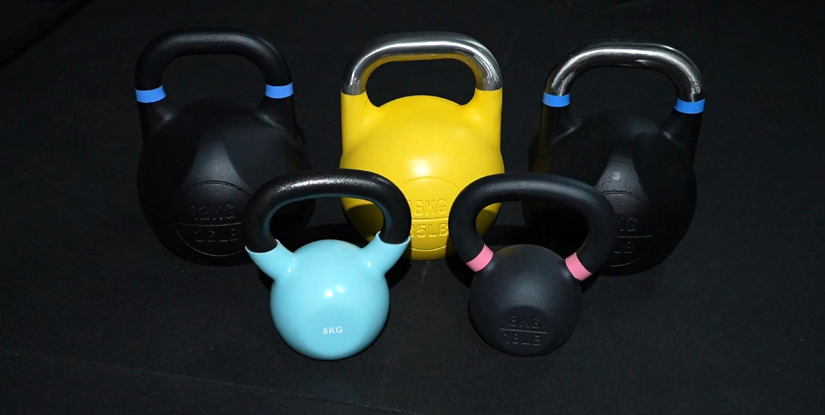
A common pitfall in international procurement is failing to distinguish between residential-grade aesthetics and true commercial-grade engineering. For distributors, the difference lies in the technical tolerance of the components. High-grade units utilize thicker steel gauge construction to prevent frame warping under heavy loads, a necessity for high-intensity training environments. When reviewing a gym equipment wholesale buying guide, look specifically for these three structural pillars: steel gauge thickness, upholstery density, and bearing precision.
Steel gauge is a primary indicator of longevity; commercial-grade equipment typically utilizes much thicker, heavy-duty steel than consumer models. Furthermore, the quality of bearing systems determines the smoothness of movement over thousands of repetitions. Low-quality bearings lead to friction, noise, and eventual mechanical failure, increasing your maintenance costs. Similarly, upholstery must be made of high-density, moisture-resistant materials that withstand constant friction and sweat without cracking or peeling.
To avoid the high costs of premature replacement, professional buyers should demand specific material certifications during the sourcing process. Requesting a sample or a detailed technical breakdown of the steel thickness and bearing type is a standard part of professional bulk fitness equipment procurement. Verifying these specs before the final wholesale order ensures that the landed products can withstand the rigors of a professional facility, protecting your reputation and your bottom line.
Material Standards and Component Longevity
The long-term ROI of a commercial facility depends heavily on the wear resistance of the moving parts and surfaces. In high-volume environments, even minor deviations in material quality can escalate maintenance costs and disrupt operational uptime. When executing a bulk fitness equipment procurement strategy, buyers must look beyond the frame to the high-wear components, such as cable coatings, upholstery density, and bearing precision. High-density, moisture-resistant upholstery and industrial-grade steel ensure that the equipment maintains its structural integrity and aesthetic appeal under constant use.
To mitigate the risk of mechanical failure, it is essential to verify the technical specifications of every moving part. A professional gym equipment wholesale buying guide should advise you to request specific material certificates or technical data sheets from your supplier. For instance, confirming the grade of steel or the thickness of the powder coating can prevent premature rust or frame deformation. We recommend requesting a sample or a technical breakdown of the bearing systems to ensure they meet the high-frequency demands of a commercial setting. Verifying these details during the initial sourcing phase protects your long-term TCO and ensures the durability of your inventory.
Optimizing Facility Deployment and Floor Layout Efficiency
A professional gym equipment wholesale buying guide must prioritize how equipment density affects long-term revenue. For distributors and gym operators, every square meter of floor space represents potential income. Selecting high-density configurations from a reliable China factory allows you to maximize member capacity without increasing your physical footprint, directly improving your net ROI through better revenue-per-square-meter metrics.
When conducting bulk fitness equipment procurement, failure to account for footprint efficiency leads to cramped training zones and diminished user experience. High-quality commercial gym equipment wholesale options often feature space-saving designs, such as compact strength machines or stackable functional trainers. By sourcing from a professional China factory OEM supplier, you can request specific dimensions that align with your facility's unique architectural constraints, ensuring a seamless floor plan optimization that balances equipment variety with safe movement corridors.
Space-To-Utility Ratio Analysis for Strategic Procurement
To assist in high-level decision-making, we have categorized common equipment types by their spatial efficiency. This comparison helps importers and distributors evaluate the trade-offs between physical footprint and training utility. When executing bulk fitness equipment procurement, understanding these ratios ensures your inventory mix supports both high-intensity training and efficient facility throughput.
| Equipment Category | Typical Space Requirement | Utility Ratio | Commercial Application | Footprint Impact |
|---|---|---|---|---|
| Free Weights (Dumbbells/Kettlebells) | Low to Medium | High | Strength & Functional Training | Minimal (Vertical Racking) |
| Selectorized Strength Machines | Medium to High | Medium | Targeted Muscle Isolation | Significant (Stationary) |
| Multi-Station Functional Trainers | Medium | Very High | Versatile Full-Body Workouts | Optimized (Multi-use) |
| Cardio Units (Treadmills/Cycles) | High | Medium | Endurance & Aerobic Training | High (Requires Clearance) |
| Modular Rig Systems | Variable | Extremely High | Crossfit & Functional Strength | Scalable (Vertical Expansion) |
For distributors looking to maximize their margins, sourcing modular or multi-functional units from a China factory OEM supplier can significantly lower the landed cost per square meter of usable training area. We recommend requesting detailed technical spec sheets and dimensional drawings during your initial inquiry to confirm that your chosen batch meets specific facility constraints.
Beyond standard dimensions, high-level bulk fitness equipment procurement requires a deep understanding of how customization influences logistics and installation. When working with an experienced China factory OEM supplier, you are not merely buying stock; you are configuring a business asset. This is especially critical when dealing with strict facility constraints such as low ceiling heights, narrow entrance widths, or non-standard floor loading capacities.
Leveraging OEM and ODM capabilities allows you to move beyond generic sizing. For instance, a wholesale order for a boutique studio might require specialized compact dimensions for strength racks to ensure proper clearance for functional movement. By integrating these custom dimensions into your initial sourcing phase, you mitigate the risk of shipping oversized units that cannot pass through local loading docks or fit within the designated training zones. This proactive approach to space optimization ensures that your bulk order arrives ready for immediate deployment, reducing on-site assembly delays and maximizing the utility of your commercial real estate.
China Factory OEM and Private Label Capabilities
For distributors looking to scale, a professional gym equipment wholesale buying guide must emphasize the transition from buying stock to building a brand. While standard wholesale involves purchasing ready-made units, high-level bulk fitness equipment procurement often requires the ability to differentiate your catalog through customization.
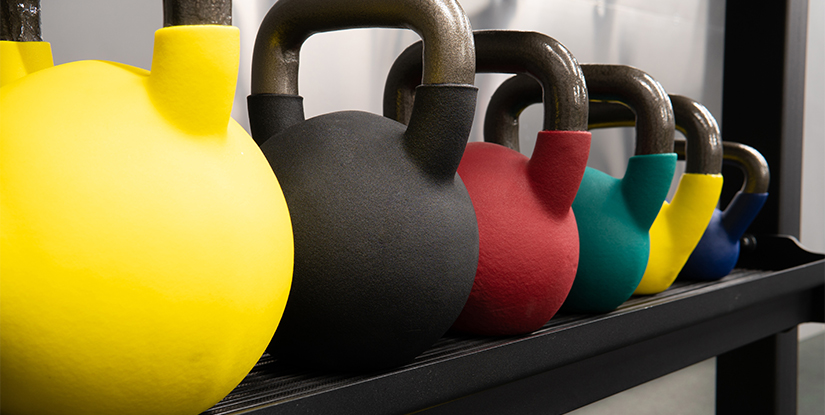
Working directly with a China factory OEM supplier allows you to move beyond generic inventory. Through OEM and ODM services, you can implement a private label strategy that includes specific adjustments to product dimensions, color schemes, and logo integration. This level of control is essential for maintaining a unique brand identity in competitive markets.
Standard Wholesale vs. Custom OEM/ODM Sourcing
| Feature | Standard Wholesale (Stock) | OEM/ODM (Customized) |
|---|---|---|
| Product Specification | Fixed industry-standard specs | Customizable dimensions and materials |
| Branding | Generic or factory branding | Your own brand/private label |
| Color & Aesthetics | Limited to available factory colors | Full color and finish customization |
| Minimum Order Quantity | Lower MOQ for existing stock | Higher MOQ due to production setup |
| Lead Time | Faster shipping from existing inventory | Longer lead time for production cycles |
Understanding these distinctions helps you manage your landed cost and inventory turnover effectively. When your goal is commercial gym equipment wholesale at scale, deciding between the speed of stock products and the long-term margin advantages of a custom factory-direct solution is a critical procurement decision.
To successfully execute a long-term sourcing strategy, buyers should initiate contact with their chosen supplier to request a detailed technical specification sheet. Before finalizing any high-volume contract, it is standard practice to confirm the exact MOQ for custom colors or dimensions, as these requirements directly influence your production timeline. We recommend requesting a formal sample approval process and a detailed factory audit report to ensure that the customized output meets your specific commercial-grade standards. Once the prototype is verified, you can proceed with bulk order scheduling and coordinate with your logistics partner regarding export packaging and container loading to optimize your landed cost.
For distributors looking to scale, a professional gym equipment wholesale buying guide must emphasize the transition from buying stock to building a brand. While standard wholesale involves purchasing ready-made units, high-level bulk fitness equipment procurement often requires the ability to differentiate your catalog through customization.
Working directly with a China factory OEM supplier allows you to move beyond generic inventory. Through OEM and ODM services, you can implement a private label strategy that includes specific adjustments to product dimensions, color schemes, and logo integration. This level of control is essential for maintaining a unique brand identity in competitive markets.
Technical Coordination and Specification Control
Successful customization relies on rigorous technical alignment between the buyer and the factory. To avoid discrepancies in the final shipment, procurement leads must provide precise technical drawings and detailed material specifications. This documentation ensures that the structural integrity and aesthetic finishes meet your specific market standards.
A well-managed customization process protects your long-term distributor margin by reducing the risk of returns or product failures. By validating every technical detail during the prototyping phase, you ensure that the bulk order aligns perfectly with your brand identity and commercial durability requirements.
| Feature | Standard Wholesale (Stock) | OEM/ODM (Customized) |
|---|---|---|
| Product Specification | Fixed industry-standard specs | Customizable dimensions and materials |
| Branding | Generic or factory branding | Your own brand/private label |
| Color & Aesthetics | Limited to available factory colors | Full color and finish customization |
| Minimum Order Quantity | Lower MOQ for existing stock | Higher MOQ due to production setup |
| Lead Time | Faster shipping from existing inventory | Longer lead time for production cycles |
Understanding these distinctions helps you manage your landed cost and inventory turnover effectively. When your goal is commercial gym equipment wholesale at scale, deciding between the speed of stock products and the long-term margin advantages of a custom factory-direct solution is a critical procurement decision.
To successfully execute a long-term sourcing strategy, buyers should initiate contact with their chosen supplier to request a detailed technical specification sheet. Before finalizing any high-volume contract, it is standard practice to confirm the exact MOQ for custom colors or dimensions, as these requirements directly influence your production timeline. We recommend requesting a formal sample approval process and a detailed factory audit report to ensure that the customized output meets your specific commercial-grade standards. Once the prototype is verified, you can proceed with bulk order scheduling and coordinate with your logistics partner regarding export packaging and container loading to optimize your landed cost.
Managing MOQ and Lead Times for Bulk Sourcing
Navigating the complexities of a gym equipment wholesale buying guide requires a clear understanding of how order volumes dictate production schedules. When sourcing from a China factory, the relationship between your purchase volume and the Minimum Order Quantity (MOQ) directly impacts your landed cost and inventory turnover efficiency.
Different product categories carry distinct procurement requirements. For instance, strength equipment like power racks or weight benches often involves higher MOQ thresholds due to heavy steel fabrication and specialized welding processes. In contrast, smaller accessory items may offer more flexibility. Furthermore, opting for commercial gym equipment wholesale via OEM or ODM paths will inevitably introduce higher customization costs and extended lead times compared to purchasing standard stock items. A professional supplier will typically provide a tiered pricing structure where increased volume reduces the per-unit cost, helping distributors optimize their margins.
| Sourcing Category | Typical MOQ Level | Lead Time Expectation | Customization Potential |
|---|---|---|---|
| Strength Equipment | Medium to High | 45–60 Days | High (via OEM) |
| Cardio Machines | Low to Medium | 60–90 Days | Moderate |
| Small Accessories | Low | 15–30 Days | High (via ODM) |
To ensure successful bulk fitness equipment procurement, always request a detailed spec sheet and confirm the exact MOQ for your specific product configuration early in the sourcing process. This allows you to accurately calculate your total landed cost and plan your warehouse intake without unexpected delays.
Understanding Production Cycles and Shipping Logistics
Effective bulk fitness equipment procurement demands more than just selecting a product; it requires precise synchronization with the factory production cycle. A standard lead time is not a static number but a variable influenced by the complexity of the manufacturing process and the current seasonal demand. For example, peak procurement seasons often coincide with major global trade windows, which can tighten availability and extend the time between your initial deposit and the completion of the production cycle.
Beyond the factory floor, the final stage of your gym equipment wholesale buying guide must account for shipping logistics and the critical role of a pre-shipment inspection. Once manufacturing is complete, the time required for container loading and port transit can add several weeks to your total timeline. To mitigate the risk of project delays or substandard arrivals, professional buyers should schedule a formal pre-shipment inspection. This step ensures that the high-volume shipment meets all technical specifications and durability standards before it leaves the China factory, protecting your investment and ensuring your commercial facility or distribution center receives exactly what was ordered.
Optimizing Inventory and Lead Time Predictability
A common pitfall in international sourcing is failing to account for the buffer required between production completion and final delivery. While a China factory might report a specific manufacturing duration, the total timeline for bulk fitness equipment procurement must include customs clearance, port handling, and ocean freight transit. For distributors, failing to synchronize these windows can lead to stockouts or excessive warehousing costs, directly impacting your ability to fulfill local market demand.
To maintain a reliable supply chain, we recommend a proactive approach to commercial gym equipment wholesale. Rather than placing reactive orders, professional buyers should establish a rolling forecast with their supplier. This allows the manufacturer to reserve production capacity and secure raw materials in advance, effectively stabilizing both the MOQ requirements and the expected lead times. By integrating these variables into your procurement strategy, you can better manage your capital expenditure and ensure a consistent flow of high-quality, commercial-grade units to your clients.
Quality Control and Export Packaging Protocols
A professional gym equipment wholesale buying guide must emphasize that product excellence is only half the battle; the other half is surviving the logistics chain. For distributors, the risk of receiving dented frames or damaged upholstery after a 30-day transit is a direct hit to the bottom line and client trust.
To mitigate these risks, a reliable China factory OEM supplier implements a multi-stage verification process. This begins with raw material testing and extends through a rigorous pre-shipment inspection to ensure every unit meets commercial-grade tolerances before leaving the floor. Relying on a factory that prioritizes these checkpoints reduces the likelihood of costly returns or replacement claims.
Furthermore, bulk fitness equipment procurement requires specialized sea freight protection to withstand the rigors of container stacking and humidity. High-volume commercial gym equipment wholesale orders should utilize reinforced heavy-duty cartons, edge protectors, and moisture-absorbing silica packets. Without these strict damage prevention protocols, even the highest quality wholesale orders can arrive at your warehouse in a sub-standard condition, increasing your landed cost through unexpected repairs.
Technical Inspection Checklist for High-Volume Orders
To ensure long-term durability and minimize maintenance costs, professional buyers should demand a standardized inspection protocol. A high-tier China factory should provide transparent documentation regarding their quality checkpoints. This technical checklist serves as a baseline for evaluating the structural integrity and finish quality of your incoming shipment.
| Inspection Stage | Standard Requirement | Verification Method |
|---|---|---|
| Structural Welding | Continuous, smooth beads without porosity or cracks | Visual inspection and tap test for hollow sounds |
| Powder Coating | Uniform thickness with no peeling or bubbling | Adhesion test and cross-cut inspection |
| Moving Components | Smooth, consistent resistance and zero friction noise | Full range-of-motion cycle testing |
| Heavy-Duty Packaging | Reinforced wooden crates or double-walled cartons | Weight-bearing stress test and moisture barrier check |
When managing bulk fitness equipment procurement, the final stage of quality control is the packaging integrity. For heavy items like power racks or weight plates, standard cardboard is insufficient. We recommend requesting reinforced wooden crates or high-density corrugated boxes with edge protectors to ensure your wholesale shipment survives sea freight transit without structural deformation. Before finalizing your gym equipment wholesale buying guide documentation, always confirm that the supplier provides detailed photos of the final packing configuration to prevent damage-related disputes upon arrival.
Optimizing Landed Cost Through Export Packaging Standards
The final variable in your gym equipment wholesale buying guide is the physical protection of the goods. Professional export packaging is not an optional add-on; it is a critical component of landed cost optimization. If a shipment of heavy dumbbells or steel frames arrives with even minor structural damage due to poor packing, the cost of replacement, shipping, and customer dissatisfaction will immediately erode your distributor margins.
For high-density or heavy-weight items, a professional China factory should utilize specialized solutions such as reinforced wooden crates or heavy-duty pallets. These structures provide the necessary sea freight durability to withstand the shifting and stacking pressures common in international container shipping. When negotiating your MOQ, ensure the supplier includes these specifications in the formal quote to avoid unexpected surcharges later. By prioritizing high-standard logistics safety at the source, you protect your capital and ensure that your wholesale inventory is ready for immediate commercial deployment upon arrival.
Finalizing Your Bulk Fitness Equipment Procurement Strategy
Transitioning from product research to active gym equipment wholesale buying guide execution requires a shift in focus from individual unit specifications to complex supply chain management. Once you have identified the ideal equipment profiles, your priority must move toward formalizing orders with a reliable China factory to ensure long-term operational stability.
Effective bulk fitness equipment procurement involves more than just selecting weights or machines; it requires a structured approach to managing logistics and verifying China factory capabilities. To move from a potential lead to a confirmed supplier, you must establish clear protocols for procurement, including technical documentation review, MOQ verification, and final shipping arrangements to mitigate landed cost risks.
Pre-Shipment Verification and Final Logistics Checklist
Before finalizing any large-scale purchase, professional importers must execute a rigorous verification protocol. Relying on a single specification sheet is insufficient for high-volume orders; instead, implement a structured validation process to ensure that the commercial gym equipment wholesale order aligns perfectly with your brand standards and local regulatory requirements.
Use the following technical checklist to manage your final stages of bulk fitness equipment procurement and minimize unexpected expenses during transit:
| Verification Stage | Critical Requirement | Procurement Objective |
|---|---|---|
| Sample Evaluation | Physical testing of material durability and finish consistency | Confirming product quality before full production run |
| MOQ Confirmation | Finalizing minimum order quantities for custom colors or branding | Optimizing container utilization and inventory management |
| QC Inspection | On-site pre-shipment inspection of structural integrity and welding | Reducing the risk of defective units arriving at your facility |
| Lead Time Audit | Verifying production schedules against your market launch date | Preventing stockouts and managing distributor timelines |
| Landed Cost Analysis | Calculating final price including freight, duties, and local taxes | Ensuring accurate margin projections for your business |
Once these technical parameters are validated, your next step is to request a formal proforma invoice. This document should clearly detail the China factory OEM terms, including specific dimensions, material grades, and the exact MOQ for your custom branding. Ensure that all OEM specifications are documented to prevent discrepancies during the final QC process. A successful gym equipment wholesale buying guide strategy always concludes with a confirmed inspection schedule and a clear understanding of the total landed cost before any capital is deployed.
To conclude your gym equipment wholesale buying guide, you must select a sourcing model that aligns with your business scale and brand vision. Choosing between a factory-direct model and a trading company is a decision that impacts your long-term margins, customization depth, and shipping control. While a trading company may offer easier communication for small-scale orders, a China factory provides the direct oversight necessary for high-volume bulk fitness equipment procurement and true OEM integration.
| Sourcing Model | Customization Capability | Logistics & Control | Ideal Business Profile |
|---|---|---|---|
| Factory-direct | High: Full OEM and ODM control | High: Direct shipping control and QC | Large distributors and large-scale gym chains |
| Trading Company | Moderate: Limited to existing stock variations | Moderate: Managed by the middleman | Small studio operators or first-time importers |
Your final action items should prioritize risk mitigation. Once you have identified a supplier, request a detailed technical spec sheet and confirm the exact MOQ for any private label requirements. We recommend scheduling a formal factory audit or a third-party pre-shipment inspection to verify that all commercial gym equipment wholesale standards are met. Secure a finalized proforma invoice that accounts for all sourcing variables to ensure your projected landed cost remains accurate for your upcoming deployment.