Pavel Kettlebell: Top Tier China Factory OEM Manufacturing
Optimizing High-Traffic Training Zones with Pavel Kettlebell Units
Professional facility managers and distributors must evaluate three critical checkpoints when sourcing high-performance training tools: structural integrity, footprint optimization, and long-term maintenance overhead. Selecting a high-quality pavel kettlebell directly from a China factory ensures that your procurement meets international commercial standards while stabilizing your landed cost. Effective sourcing requires moving beyond simple unit pricing to consider how equipment durability affects your total cost of ownership and floor space utility.
In high-density training environments, the physical dimensions and surface texture of equipment dictate much of the operational flow. A premium commercial kettlebell supplier provides units designed with standardized dimensions that allow for tighter, more organized storage solutions. When you prioritize high-grade cast iron or specialized coatings, you effectively minimize the frequency of equipment replacement and surface degradation. This focus on durability and space efficiency transforms a standard weight area into a high-throughput zone where maintenance downtime is negligible.
Optimizing your procurement strategy involves calculating the total impact of wholesale iron kettlebells on your facility's lifecycle. Low-quality imports often lead to premature surface chipping or handle deformation, which increases labor costs for repairs and diminishes the professional appearance of a studio. By establishing a partnership with a reliable gym equipment manufacturing partner, you secure consistent manufacturing tolerances and superior finishes. This approach reduces the long-term maintenance burden and ensures a higher return on investment for both distributors and end-user facility operators.
Strategic Sourcing: Comparison of Procurement Models
Deciding between direct manufacturing and third-party trading entities is a pivotal moment in the procurement process. For distributors and large-scale gym developers, the choice directly impacts the landed cost and the ability to scale a brand. When you engage in professional gym equipment manufacturing, you bypass the markups associated with intermediaries and gain direct control over the production specification. This level of oversight is essential for maintaining consistent quality across bulk orders.
The following table illustrates the operational and financial advantages of sourcing through a direct model versus traditional trading routes. This comparison is designed for buyers evaluating long-term scalability and the efficiency of their supply chain.
| Procurement Dimension | Direct Factory-Direct Sourcing | Third-Party Trader/Retailer |
|---|---|---|
| Landed Cost Efficiency | High; optimized for bulk scale | Lower; multiple markup layers |
| Custom Branding Capacity | Full OEM and ODM support | Limited to stock availability |
| Quality Control Control | Direct pre-shipment inspection | Indirect and variable |
| Minimum Order Quantity | Tiered based on volume | Often high or non-negotiable |
| Product Customization | High technical flexibility | Standardized SKUs only |
For professionals seeking to build a signature product line, the ability to request specific handle diameters or specialized coating finishes is a significant advantage. Working with a dedicated pavel kettlebell manufacturer allows for a more agile response to market trends and consumer demand. Whether you are focused on increasing your distributor margins or ensuring a consistent supply for a global franchise, a direct-to-factory approach provides the necessary control over lead times and product excellence.
Logistics and Scalability: Managing Bulk Distribution
Successful global distribution relies heavily on the predictability of the supply chain. When managing large-scale projects or expanding a retail catalog, the complexity of shipping heavy iron products requires a partner capable of sophisticated export handling. A professional commercial kettlebell supplier does more than produce units; they manage the intricate balance of weight-to-volume ratios to optimize container loading and reduce your per-unit shipping expenses. This level of logistical expertise is essential for maintaining competitive pricing in the North American and international markets.
Reliability in a professional procurement cycle is defined by how a manufacturer handles the transition from production to port. We understand that for distributors, a delay in a bulk order can disrupt entire seasonal product launches or facility opening timelines. By implementing rigorous quality control protocols and standardized export packaging, we ensure that every pavel kettlebell arrives in a condition that meets strict commercial inspections. This focus on pre-shipment verification minimizes the risk of transit damage and reduces the administrative burden of processing returns or replacements.
For buyers looking to scale, the ability to negotiate flexible terms and customized production schedules is a key differentiator. Whether you are seeking a specific MOQ to test a new market segment or requiring full OEM services to launch a private label line, working directly with a source factory provides the transparency needed for long-term growth. By aligning your brand identity with a high-tier China factory, you secure a scalable foundation that supports both high-volume demand and specialized product development.
Commercial Deployment Scenarios and Throughput Efficiency
Optimizing floor space and reducing operational overhead are critical for high-traffic facilities. When sourcing a pavel kettlebell through a direct China factory, distributors can secure units designed for high-density training environments. High-quality iron construction ensures long-term durability, minimizing the frequency of replacement cycles in rigorous commercial gym settings.
For studio operators and gym owners, the goal is maximizing return on investment through efficient equipment utilization. Selecting a reliable commercial kettlebell supplier allows for better management of the total cost of ownership. Because premium cast iron models offer superior space efficiency, facilities can accommodate more functional training stations without increasing their physical footprint. This reduces long-term maintenance requirements and prevents the rapid depreciation often seen with lower-tier equipment, ensuring a stable TCO for the buyer.
Evaluating the logistical advantages of a direct manufacturing model is essential for distributors aiming to optimize their margins. Depending on whether you are sourcing through a local trader or a direct gym equipment manufacturing partner, the impact on your landed cost and inventory turnover will vary significantly. A direct relationship with a factory allows for more predictable procurement cycles and better control over custom specifications.
| Sourcing Dimension | Local Distributor/Trader | Direct China factory Sourcing |
|---|---|---|
| Landed Cost per Unit | Higher due to intermediary margins | Lower through direct wholesale pricing |
| Customization Capability | Limited to existing stock options | High potential for OEM and ODM |
| Minimum Order Quantity | Low, but higher unit cost | Tiered MOQ based on volume |
| Lead Time Control | Dependent on local stock availability | Directly managed via production schedules |
| Quality Control | Third-party verification required | Direct oversight and pre-shipment inspection |
When planning for bulk deployments, such as hotel fitness centers or large-scale studio chains, the ability to secure wholesale iron kettlebells directly improves your ability to scale. By bypassing multi-layered distribution chains, procurement leads can better manage their capital expenditure and ensure that every pavel kettlebell unit meets the required structural standards for high-traffic use. To secure competitive pricing or discuss specific MOQ requirements for your next shipment, please contact our sales team to request a formal quote or technical spec sheet.
Strategic procurement requires more than just selecting a product; it requires optimizing the entire supply chain to protect your margins. For large-scale distributors and professional buyers, the ability to manage bulk orders through a single, reliable source directly impacts the ability to scale operations globally. When you partner with an experienced gym equipment manufacturing expert, you gain access to optimized logistics and shipping solutions that reduce the complexities of international trade. Whether you are managing a localized distribution network or a global export operation, controlling the source ensures that your inventory turnover remains high and your landed cost remains predictable.
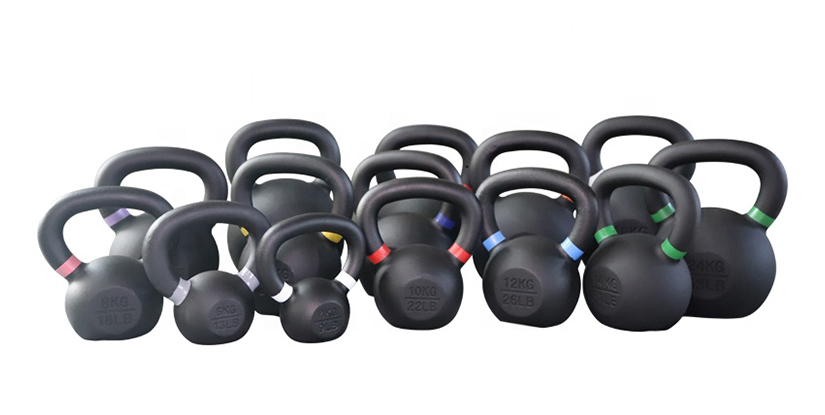
Beyond standard volume, professional procurement often demands a higher level of product differentiation. Utilizing OEM or ODM capabilities allows you to move beyond generic commodities and instead build a proprietary product line that carries your own brand identity. This level of customization—ranging from specific weight increments to custom powder coating or branded casting—is a powerful tool for distributors looking to increase their market position. By establishing a direct line to the factory, you can implement specialized quality control protocols and customized export packaging, ensuring that your shipments arrive in perfect condition and are ready for immediate deployment in high-end commercial facilities.
Sourcing High-Performance Iron Kettlebells for Global Distribution
For distributors and large-scale gym operators, the selection of a pavel kettlebell is a decision rooted in both product longevity and long-term profitability. Transitioning from small-scale retail purchases to a professional distribution model requires a commercial kettlebell supplier capable of delivering consistent weight tolerances and high-grade casting. By sourcing directly from a China factory, importers can effectively optimize their landed cost and scale their inventory without the overhead of middle-tier trading companies.
The volatility of the fitness equipment market often penalizes those relying on inconsistent wholesale iron kettlebells. If your supply chain lacks a direct factory connection, you risk thin distributor margin due to inflated procurement costs and unpredictable quality variances. A direct-to-manufacturer approach ensures that your stock remains premium and your price points remain competitive in the North American market.
| Procurement Model | Inventory Control | Typical Lead Time | Customization Potential | Primary Advantage |
|---|---|---|---|---|
| Local Retailer Sourcing | Low/On-demand | Immediate | None | Low initial volume |
| Regional Importer | Moderate | 2-4 Weeks | Limited | Reduced shipping risk |
| Direct China factory Sourcing | High/Bulk | 6-10 Weeks | High OEM/ODM | Maximum wholesale margin |
Effective gym equipment manufacturing strategy involves more than just finding a vendor; it requires a partner that understands the logistics of high-density iron goods. When managing bulk procurement, every decision regarding packaging and container loading directly impacts your final landed cost. Professionals should evaluate potential partners based on their ability to provide rigorous QC standards and specialized export-ready crating to prevent transit damage during sea freight.
Optimizing your procurement workflow requires a clear understanding of how different sourcing tiers impact your ability to scale. For professionals managing high-volume orders, the distinction between a trader and a direct supplier can define your success in a competitive market. Selecting the right pavel kettlebell through a direct-to-manufacturer model provides the structural transparency needed to manage inventory and branding with precision.
| Sourcing Tier | Customization Capability | Typical MOQ | QC Oversight | Impact on Margin |
|---|---|---|---|---|
| Trading Company | Low (Stock only) | Small Batch | Indirect/Third-party | Reduced Profit |
| Direct China factory | High (OEM & ODM) | Scaled/Volume-based | Direct/In-house | Optimized Profit |
Beyond simple unit costs, professional distributors must consider the long-term value of their gym equipment manufacturing partnerships. Relying on an intermediary often introduces hidden friction, such as unmanaged lead time fluctuations or inconsistent QC protocols. By establishing a direct relationship with a factory, you secure control over the entire production cycle—from initial casting to final export-ready packaging—ensuring that every shipment meets the exact specifications required for your premium product lines.
To maintain high inventory turnover and protect your bottom line, your logistics strategy must prioritize shipping efficiency and durable export packaging. For professional importers, the cost of a pavel kettlebell shipment is not just determined by the unit price, but by how effectively the weight is distributed within a sea container. Optimizing container loading density is a critical component of global distribution, as it directly minimizes the per-unit freight cost and improves your overall competitiveness in the North American market.
Effective inventory management for heavy iron goods requires a partner that offers scalable solutions for bulk orders. Whether you are managing a regional warehouse or a national distribution network, you need a supplier that provides transparent lead times and standardized export-grade crating. High-density packing and reinforced packaging prevent the common issues of metal-on-metal friction and transit damage, ensuring that your wholesale iron kettlebells arrive in a condition that meets premium commercial standards without the need for costly returns or replacements.
As you evaluate your next procurement cycle, consider the long-term advantages of a direct-to-manufacturer partnership. We recommend that procurement officers request a detailed spec sheet and confirm the specific MOQ for custom branding projects. To ensure total alignment with your brand identity, you may also book a factory audit or request a sample approval process before finalizing large-scale production runs. Contact us today to discuss bulk pricing and your specific customization requirements for high-performance iron equipment.
Custom Branding and OEM/ODM Capabilities for Premium Gym Labels
Establishing a distinct brand identity is a critical differentiator for professional gym equipment distributors looking to scale. Relying on generic, unbranded stock limits your ability to command premium pricing and build long-term loyalty. By leveraging our OEM/ODM capabilities, you can transition from a simple reseller to a recognized brand owner in the strength training market.
Our China factory specializes in high-spec custom branding solutions that go beyond simple logo printing. Whether you require precision laser engraving, specialized powder coating colors, or unique weight markings, we provide the technical infrastructure to produce a pavel kettlebell that meets your specific aesthetic and functional standards. This allows you to offer a cohesive, professional product line that aligns perfectly with your existing catalog.
For professional gym equipment distributors, the ability to offer a private label solution is a powerful lever for increasing distributor margins. We work closely with your design team to ensure that every aspect of the production—from the texture of the handle to the final finish—reflects the high standards of your label. This level of customization ensures that your pavel kettlebell shipments arrive as a turnkey solution ready for your premium market.
Technical Comparison of Procurement Models
Selecting the appropriate sourcing strategy depends on your target market positioning and inventory complexity. For many importers, choosing between standard wholesale procurement and a full-service OEM approach determines the long-term viability of their product line. While purchasing stock units is efficient for rapid market entry, customized production allows for a more specialized offering tailored to high-end studio requirements.
| Procurement Dimension | Standard Wholesale Sourcing | Full-Service OEM/ODM Manufacturing |
|---|---|---|
| Product Specification | Industry-standard weights and finishes | Custom weight increments and specialized textures |
| Branding Options | Generic or unbranded units | Full private label and custom logo integration |
| Customization Depth | Limited to available stock SKUs | High; includes custom handle ergonomics and colors |
| Typical MOQ | Lower, based on standard carton quantities | Higher, based on specific production runs |
| Landed Cost Factor | Predictable; based on fixed catalog prices | Variable; depends on customization complexity |
| Supply Chain Control | Ready-to-ship availability | Controlled production timeline via factory direct |
When sourcing wholesale iron kettlebells, distributors must evaluate the total landed cost against the potential for higher margins through customization. A standard order offers speed, but a dedicated commercial kettlebell supplier can provide deeper value through technical adjustments. For example, specifying a unique powder coating or a particular matte texture can elevate a standard pavel kettlebell into a premium, branded item that justifies a higher retail price point in competitive markets.
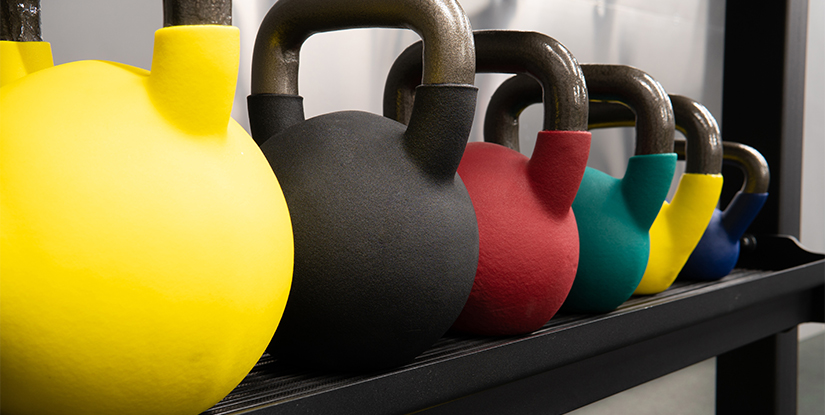
For large-scale deployments, understanding the relationship between gym equipment manufacturing and lead time is essential. Custom orders involving specialized casting or unique color specifications naturally require a longer lead time than standard stock. We recommend that procurement leads confirm their MOQ and technical requirements early in the sourcing cycle to ensure seamless container loading and optimized shipping schedules.
Technical Execution and Quality Control Standards
Achieving premium market positioning requires more than just a logo; it demands rigorous technical precision during the gym equipment manufacturing process. To ensure every pavel kettlebell meets professional strength and conditioning standards, our production line integrates several high-level industrial stages. This commitment to technical excellence reduces the risk of product recalls or customer dissatisfaction, protecting your brand reputation as a reliable supplier.
The production cycle begins with high-grade precision casting to ensure exact weight uniformity across all SKUs, which is a critical requirement for professional training. Following the casting process, we utilize advanced laser engraving for permanent, high-visibility weight markings that will not fade under heavy use. To enhance durability and tactile grip, we apply industry-standard powder coating techniques. This specialized finish protects the iron from oxidation and ensures a consistent texture, making each pavel kettlebell suitable for high-traffic commercial environments.
Beyond the manufacturing floor, our internal quality control protocols focus on long-term shipping durability. We implement strict pre-shipment inspections to verify that every unit adheres to the specified weight tolerances and finish quality. For global distributors, this means receiving a consistent, high-performance batch that can withstand the rigors of long-distance ocean freight. By prioritizing these export standards, we help you minimize the landed cost of damaged goods and ensure your inventory is ready for immediate deployment upon arrival.
Factory Quality Control and Pre-Shipment Inspection Protocols
For distributors and gym equipment importers, a single batch of sub-standard equipment can compromise brand reputation and increase commercial liability. When sourcing a pavel kettlebell in bulk, reliance on visual inspection alone is insufficient. Professional procurement requires a rigorous quality control framework to ensure every unit meets international commercial standards before leaving the China factory.
The production process begins with strict weight accuracy testing. Every pavel kettlebell must undergo calibrated measurement to ensure the deviation remains within industry-standard tolerances. Inconsistent weights across a wholesale order can lead to customer disputes and high return rates. Beyond mass, we focus on the surface finish and ergonomic integrity of the handle. A high-quality commercial kettlebell supplier must guarantee a seamless, burr-free texture to prevent user injury during high-intensity training sessions.
Our gym equipment manufacturing process includes multi-stage inspections, from raw material purity to final coating durability. We verify that the cast iron or steel components are free of structural micro-fractures and that the powder coating or paint adhesion meets high-traffic durability requirements. For wholesale iron kettlebells, this means ensuring the finish can withstand constant impact and oxidation in commercial environments. By implementing these strict protocols, we minimize the risk of defective landed costs for our global partners.
Standardized Inspection Stages for Bulk Procurement
To maintain high batch consistency, our quality assurance team executes a multi-tiered verification system. This prevents the common procurement pain of receiving inconsistent weight distributions or faulty finishes that erode distributor margins. We recommend that all partners schedule a formal pre-shipment inspection to review the following technical benchmarks.
| Inspection Stage | Primary Focus Area | B2B Technical Requirement |
|---|---|---|
| Raw Material Sourcing | Material Purity | Verification of cast iron density and structural integrity |
| Dimensional Tolerance | Physical Dimensions | Strict adherence to handle diameter and casting uniformity |
| Surface Treatment | Coating Integrity | High-adhesion powder coating and impact resistance |
| Final Batch Audit | Weight Accuracy | Calibrated verification of weight deviation per unit |
During the dimensional tolerance phase, we ensure the handle geometry remains consistent across the entire wholesale order, which is vital for professional studio deployment. Furthermore, the coating integrity is stress-tested to ensure that the finish does not chip or peel under heavy commercial usage. This attention to detail reduces long-term maintenance loads for your end-users and protects your brand identity. For large-scale wholesale iron kettlebells orders, we provide full documentation of these inspection results to facilitate a smooth customs clearance and reduce total landed cost uncertainty.
Before finalizing any bulk shipment, our technical team performs a comprehensive inspection checklist to ensure all units are ready for immediate commercial deployment. We understand that for professional importers, the cost of a rejected shipment at the port is significantly higher than the initial unit price. Therefore, our final verification stage focuses on shipping readiness and structural stability. We evaluate the handle smoothness to ensure there are no sharp edges or casting imperfections that could compromise safety in high-volume environments. This level of scrutiny is essential when managing the logistics and quality expectations of a global distribution network.
A critical component of our gym equipment manufacturing excellence is the rigorous testing of coating adhesion. For a pavel kettlebell intended for high-traffic commercial use, the finish must resist chipping and oxidation during both intense training and long-term storage. By verifying these metrics at the factory level, we provide our partners with the confidence that the goods arriving at their warehouse will meet the highest professional standards. This proactive approach to quality control helps minimize the risk of returns and protects your long-term distributor margins.
Logistics Optimization and Export Packaging for Bulk Orders
Optimizing the shipping process is critical for distributors managing the landed cost of high-density iron products. When sourcing a pavel kettlebell in large volumes, inefficient container loading or inadequate protection can quickly erode profit margins through increased freight expenses or transit damage.
As a professional commercial kettlebell supplier, we prioritize shipping efficiency through standardized unit stacking and palletization strategies. By utilizing precision-engineered export packaging, we ensure that every pavel kettlebell remains secure during long-haul sea freight, reducing the risk of surface abrasions or structural impact. This rigorous approach to logistics optimization allows our China factory to maximize container utilization, directly lowering the per-unit cost for bulk orders and improving the overall ROI for our global partners.
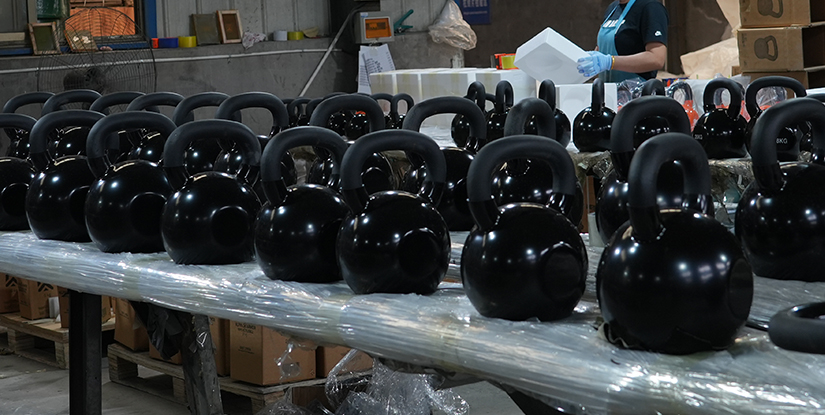
Shipping Method and Packaging Standard Comparison
For procurement professionals, selecting the optimal transport method requires balancing speed against total landed cost. While air freight offers rapid fulfillment, the high shipping volume weight-to-space ratio of iron equipment often makes sea freight the superior choice for maintaining healthy distributor margins during large-scale wholesale replenishment. Our factory provides specific packaging tiers to protect your investment based on your selected logistics route.
| Logistics Method | Primary Use Case | Standard Packaging Type | Weight Distribution Strategy | Protection Level |
|---|---|---|---|---|
| Sea Freight | Bulk wholesale iron kettlebells replenishment | Heavy-duty reinforced cartons and palletization | Standardized pallet stacking for maximum container density | High-density protective coating and moisture-resistant wraps |
| Air Freight | Urgent commercial kettlebell supplier restock | Lightweight reinforced single boxes | Individual unit placement to optimize weight limits | Standard impact protection for high-velocity transit |
| LCL (Less than Container Load) | Mixed gym equipment manufacturing orders | Wooden crates or reinforced corrugated boxes | Strategic layering to prevent crushing under varying loads | Enhanced edge protection and moisture barriers |
When planning your next procurement cycle, please contact us to request a detailed spec sheet or to confirm the MOQ for your specific weight configuration. Our team can provide customized loading plans to optimize your container utilization and reduce overall freight expenses.
Ensuring Quality via Pre-Shipment Inspection and QC Protocols
The final stage of the procurement lifecycle is where technical precision meets logistics. For importers sourcing from a China factory, the greatest risk is the discrepancy between sample approval and the final bulk arrival. To mitigate this, we implement a rigorous pre-shipment inspection protocol that functions as the final gatekeeper for your brand integrity. This ensures that every batch of wholesale iron kettlebells meets your exact dimensional tolerances and surface finish requirements before leaving the floor.
Our internal QC process is not merely a visual check; it is a comprehensive verification of weight accuracy and coating durability. During the container loading phase, our technicians monitor the density and placement of each unit to prevent shifting during maritime transit. By integrating these strict quality controls with professional gym equipment manufacturing standards, we ensure that your pavel kettlebell shipment arrives in a condition that is ready for immediate retail or commercial deployment, protecting your long-term distributor margins and reducing the overhead associated with transit-related claims.
Strategic Procurement and Next Steps for Bulk Sourcing
Optimizing your procurement strategy requires a deep understanding of the total cost of ownership. When sourcing a pavel kettlebell for large-scale gym deployments or distribution, the focus must shift from initial unit price to long-term value. Selecting a reliable commercial kettlebell supplier ensures that your inventory maintains structural integrity under high-traffic usage, reducing replacement frequency and protecting your profit margins.
By choosing factory-direct sourcing, distributors can significantly lower the landed cost of heavy iron implements. Moving away from mid-tier traders allows you to bypass unnecessary markups and manage the logistics of heavy-weight shipments more efficiently. This direct model also provides the flexibility required for wholesale iron kettlebells orders, where customization and bulk shipping optimizations are critical for maintaining a competitive edge in the North American market.
Optimizing TCO Through Manufacturing Quality
A high TCO is often the result of poor material selection or inconsistent casting processes. In a commercial environment, equipment must withstand constant impact and environmental exposure. When you partner with a specialized China factory, you gain access to rigorous quality control protocols that ensure each unit meets industry-standard weight tolerances and finish durability. This level of consistency prevents the costly logistical headaches of processing returns or replacements for damaged goods.
To ensure your procurement process is seamless, we recommend the following next steps for professional buyers:
- Request a detailed technical specification sheet to verify material density and handle dimensions.
- Confirm the specific MOQ for OEM or ODM custom branding requests.
- Arrange for a sample evaluation to inspect the cast finish and weight precision firsthand.
- Schedule a virtual factory audit or a pre-shipment inspection to verify production standards.
- Consult with our export team regarding container loading optimization to minimize your shipping overhead.
Evaluating Sourcing Models for Maximum Margin
Decision-makers must evaluate whether a stock-purchase or a customized manufacturing approach best serves their business model. For distributors, the choice between a general trading company and a specialized gym equipment manufacturing partner directly impacts both your capital expenditure and your ability to offer unique product lines. The following comparison outlines the structural differences in procurement efficiency and scaling potential.
| Procurement Metric | Trading Company / Distributor | Direct China factory Model |
|---|---|---|
| Pricing Structure | Standard markup applied to retail or wholesale rates | Direct manufacturer pricing for optimized landed cost |
| Customization Capability | Limited to existing stock availability | Full OEM and ODM integration |
| Production Control | Third-party oversight of quality standards | Direct QC and pre-shipment inspection access |
| Scaling Potential | Dependent on trader inventory cycles | Direct control over production volume and MOQ |
| Brand Identity | Generic or pre-branded product lines | Ability to implement private label and custom branding |
When planning for long-term inventory stability, a pavel kettlebell order through a direct manufacturing channel offers superior control over the supply chain. This model allows for the precise synchronization of production cycles with your market demand, ensuring that your brand identity remains consistent across all weight increments and product finishes.
Transitioning from single-unit procurement to high-volume distribution requires a shift toward operational transparency. For professional buyers, the final stage of the procurement cycle—moving from initial inquiry to container loading—is where the most significant risks to landed cost and product consistency reside. Utilizing a direct supplier model allows you to mitigate these risks through standardized documentation and verified manufacturing protocols.
Finalizing Bulk Procurement and Logistics
A successful pavel kettlebell deployment depends heavily on the precision of the pre-shipment phase. To ensure that your inventory arrives with the expected weight tolerances and finish quality, we recommend integrating a formal sample evaluation into your standard operating procedure. This allows your technical team to verify the handle ergonomics and cast consistency before any large-scale capital is committed to a full production run.
Beyond the product itself, managing the complexities of international heavy-goods transport is essential for protecting your margins. Whether you are managing a wholesale order for a regional distributor or a massive studio network, understanding the interplay between shipping logistics and container volume optimization is critical. We provide detailed packing lists and loading diagrams to assist your logistics partners in calculating the most efficient freight density, ensuring your bulk orders are both cost-effective and structurally secure during transit.