Olympic Weight Plate Wholesale: OEM Wholesale for Dealers
The Cost of Procurement Errors in Olympic Weight Plate Wholesale
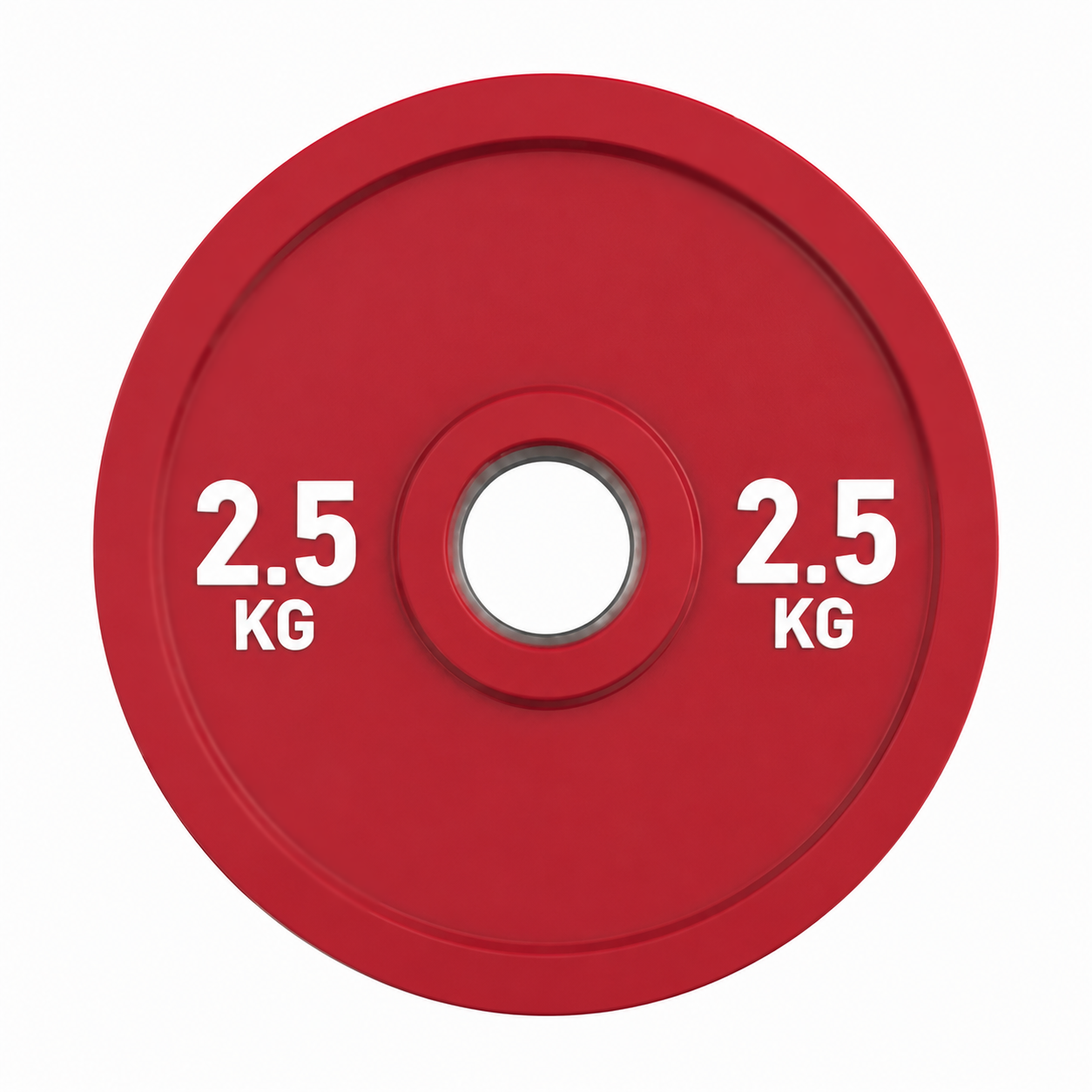
Securing a reliable olympic weight plate wholesale partnership requires more than finding the lowest unit price; it demands a rigorous evaluation of technical specifications, logistics stability, and long-term durability. For distributors and gym equipment importers, the true landed cost of a shipment is often dictated by the quality of the manufacturing process rather than the initial invoice. A failure to verify weight tolerances, coating adhesion, or dimensional accuracy during the sourcing phase can lead to significant operational disruptions and financial losses.
When sourcing from a commercial weight plate supplier, the risks of overlooking subtle manufacturing discrepancies are substantial. Inconsistent weight distribution or imprecise bore machining can result in uneven loading, which complicates inventory management and leads to high return rates from end-users. Furthermore, if the surface treatment—such as powder coating or rubber encapsulation—is poorly executed, the plates may suffer from premature chipping or delamination. For a professional distributor, these defects do not merely represent a single bad batch; they represent a damaged reputation and a loss of trust within the commercial fitness market.
The logistical implications of poor-quality bulk olympic plates are equally severe. Substandard export packaging or inadequate container loading protocols can lead to significant shipping damage, particularly for high-density cast iron or precision-machined steel units. If the product arrives with compromised structural integrity or uneven surfaces, the buyer faces the daunting task of managing international returns, which can quickly erode any perceived margin gains from choosing a low-cost China factory. Successful procurement relies on selecting a partner that prioritizes consistent quality control and robust export-ready packaging to protect the investment throughout the global supply chain.
The true expense of a procurement mistake is rarely found in the initial invoice, but rather in the escalating Total Cost of Ownership (TCO) over several years of operation. While a low unit price may appear attractive during the initial sourcing phase, the hidden costs of maintenance, frequent replacement, and customer dissatisfaction can quickly negate any perceived savings. When a distributor receives a shipment of substandard units, they are not just buying equipment; they are inheriting a long-term liability that demands constant oversight and capital reinvestment.
In a professional commercial setting, reliability is the primary driver of profitability. If a China factory weight plates order lacks precision in its manufacturing—such as inconsistent bore concentricity or poor surface finish—the resulting wear and tear becomes a recurring operational expense. For instance, plates with inadequate coating adhesion or poorly executed casting will face premature oxidation or surface degradation under heavy use. This forces gym owners and distributors into a cycle of constant replacement, effectively destroying the ROI of the initial purchase. For those managing large-scale projects, these technical failures transform a one-time procurement event into a permanent drain on both time and budget.
Evaluating Sourcing Tiers: Professional Factory-Direct vs. Low-Tier Trading
To avoid the pitfalls of high return rates and diminished margins, procurement professionals must distinguish between high-tier manufacturing and low-tier trading. A professional china factory weight plates production line focuses on standardized industrial processes, whereas low-tier options often prioritize immediate volume over long-term durability. This distinction is critical when evaluating the total landed cost and the long-term reliability of your inventory.
The following table illustrates the typical divergence in outcomes when choosing between a professional manufacturer and a low-tier sourcing option. This comparison highlights why specialized production and strict QC are essential for maintaining a premium brand identity in the commercial fitness market.
| Dimension | Low-Tier Sourcing | Professional China Factory Sourcing |
|---|---|---|
| Weight Precision | High variance; inconsistent loading | Strictly controlled; industry-standard calibration |
| Surface Coating | Frequent chipping; poor adhesion | Durable powder coating or high-grade encapsulation |
| Bore Concentricity | Irregular; difficult to load on bars | Precision machined for smooth, consistent fit |
| Export Packaging | Basic; high risk of shipping damage | Reinforced, export-grade protection for sea freight |
| Long-term ROI | Low; high replacement frequency | High; optimized for commercial-grade durability |
When evaluating your next batch, do not merely look at the unit price. A professional supplier provides more than just a product; they provide a predictable manufacturing standard. We recommend that buyers request a detailed technical specification sheet and confirm the specific weight tolerance protocols and coating methods used. Before committing to a large-scale wholesale order, it is also standard practice to request a sample evaluation or book a factory audit to ensure the manufacturing output aligns with your commercial quality requirements.
Material Selection and Machining Precision for Commercial Use
Professional distributors and gym equipment importers understand that long-term durability begins with the fundamental relationship between material density and geometric precision. When sourcing olympic weight plate wholesale, the distinction between a budget-tier unit and a high-performance commercial plate often lies in the secondary machining stages. High-quality cast iron plates must undergo rigorous calibration to ensure that the center of gravity remains stable during high-volume usage, preventing uneven wear on barbell sleeves and reducing long-term maintenance costs for the end-user.
For those looking to source from a professional China factory, understanding the manufacturing sequence is vital for assessing the total cost of ownership. A standard production route typically follows a sequence of sand casting, followed by specialized CNC machining for the center bore, and finally, a high-durability surface finish. This process ensures that the weight tolerance remains within industry-standard commercial limits, which is a critical metric for facility operators who demand consistency across their entire inventory.
Selecting the right commercial weight plate supplier requires evaluating how much precision is applied to the critical contact points. While basic plates may only undergo basic casting, premium bulk olympic plates undergo advanced machining to ensure concentricity and flatness, which prevents vibration and noise issues in high-traffic commercial environments.
| Material Type | Primary Process | Machining Detail | Commercial Duty Tier | Durability Profile |
|---|---|---|---|---|
| Cast Iron | Sand Casting | Standard Bore | Standard Commercial | High Impact Resistance |
| Machined Steel | Precision Casting | CNC Machining | Premium Commercial | High Dimensional Stability |
| Steel Core/Rubber | Molding/Vulcanization | Integrated Hub | High-End Studio | Enhanced Floor Protection |
Effective procurement strategies for high-traffic facilities must account for the specific surface requirements of the installation environment. Choosing between different coating technologies directly impacts both the aesthetic longevity of the product and the physical wear on flooring assets. For instance, a rubber coated surface offers superior shock absorption and noise reduction, making it an ideal choice for high-impact training zones, whereas a powder coating provides a much harder, more scratch-resistant finish suitable for standard strength training areas where space efficiency and easy cleaning are priorities.
When evaluating urethane options, buyers should recognize that these materials are typically engineered for maximum durability in high-end studio settings. Urethane provides exceptional resistance to environmental factors and prevents the cracking often seen in lower-grade materials. For distributors, the decision to source high-grade urethane or premium rubber depends on the target market segment and the desired landed cost versus the long-term value offered to the gym owner. A reliable commercial weight plate supplier will provide detailed specifications regarding the thickness and adhesion of these layers to ensure they meet international commercial standards during pre-shipment inspection.
The choice of surface finish also dictates the long-term maintenance load for the facility. While a simple paint finish may lower the initial wholesale cost, it may lead to premature peeling under heavy use. In contrast, advanced coating processes ensure that the weight remains consistent and the exterior remains intact even after years of heavy lifting. We recommend that importers request sample evaluations of different coating types to confirm the bond strength and surface texture before finalizing large-scale sourcing contracts.
Effective procurement strategies for high-traffic facilities must account for the specific surface requirements of the installation environment. Choosing between different coating technologies directly impacts both the aesthetic longevity of the product and the physical wear on flooring assets. For instance, a rubber coated surface offers superior shock absorption and noise reduction, making it an ideal choice for high-impact training zones, whereas a powder coating provides a much harder, more scratch-resistant finish suitable for standard strength training areas where space efficiency and easy cleaning are priorities.
When evaluating urethane options, buyers should recognize that these materials are typically engineered for maximum durability in high-end studio settings. Urethane provides exceptional resistance to environmental factors and prevents the cracking often seen in lower-grade materials. For distributors, the decision to source high-grade urethane or premium rubber depends on the target market segment and the desired landed cost versus the long-term value offered to the gym owner. A reliable commercial weight plate supplier will provide detailed specifications regarding the thickness and adhesion of these layers to ensure they meet international commercial standards during pre-shipment inspection.
The choice of surface finish also dictates the long-term maintenance load for the facility. While a simple paint finish may lower the initial wholesale cost, it may lead to premature peeling under heavy use. In contrast, advanced coating processes ensure that the weight remains consistent and the exterior remains intact even after years of heavy lifting. We recommend that importers request sample evaluations of different coating types to confirm the bond strength and surface texture before finalizing large-scale sourcing contracts.
Manufacturing Processes: From Casting to Final Calibration
Reliable olympic weight plate wholesale procurement begins with understanding the technical transition from raw metal to a precision-finished unit. For distributors and gym owners sourcing from a China factory, the difference between a high-margin premium product and a high-return liability lies in the consistency of the manufacturing sequence.
Most high-volume production relies on sand casting to create the initial cast iron form. This process involves pouring molten iron into specialized molds, a method that is industry-standard for producing durable, heavy-duty plates. Once the casting is cooled and the rough edges are removed, the plates move into the precision phase. To ensure the plates are balanced and fit perfectly on standard barbells, high-quality production lines utilize CNC machining to refine the center bore and the outer circumference. This stage is critical for maintaining a strict weight tolerance, ensuring that a 20kg plate actually weighs 20kg within acceptable commercial deviations. For a commercial weight plate supplier, mastering this calibration step is essential to reducing customer complaints regarding uneven weight distribution or poor fitment during high-intensity training.
For professional buyers, choosing a bulk olympic plates order that utilizes these advanced machining steps ensures better longevity and a more professional feel for the end-user, ultimately protecting your brand reputation and reducing long-term replacement costs.
Following the precision machining of the center bore, the plates move into specialized surface treatment stages to ensure long-term durability. Depending on your target market, a professional commercial weight plate supplier will offer various finishing options. For high-traffic commercial gyms, a durable powder coating is commonly applied over the base metal to provide a resilient, scratch-resistant barrier. For premium facilities or boutique studios, high-end rubber coating or polyurethane encapsulation is utilized. This secondary layer is not merely aesthetic; it serves a critical function in noise reduction and floor protection, which are essential considerations for the total cost of ownership in commercial settings.
The final, and perhaps most critical, step in the production sequence is the calibration and concentricity check. Before any pre-shipment inspection, every unit must undergo a rigorous process to verify its center-weight balance. This involves checking the concentricity of the inner bore to ensure the plate does not wobble or tilt when loaded onto a barbell. For importers managing a large wholesale order, these technical details are the primary defense against defective shipments. A reliable China factory weight plates manufacturer will perform these quality control checks at the unit level to ensure that every plate meets the standard required for professional-grade training, minimizing the risk of uneven loading or mechanical imbalance during heavy lifting sessions.
Manufacturing Tier Comparison for Procurement Decisions
When managing a wholesale inventory, understanding the qualitative differences between manufacturing tiers is vital for balancing your landed cost against product durability. A professional commercial weight plate supplier will categorize production based on the complexity of the finishing and the precision of the machining. For most distributors, the choice between a budget-friendly cast iron plate and a high-end machined steel or coated unit depends on the specific requirements of your target client, such as a high-traffic commercial gym versus a premium boutique studio.
| Material | Casting Method | Surface Finish | Commercial Use | Precision Level | MOQ Impact |
|---|---|---|---|---|---|
| Cast Iron | Sand Casting | Paint or Enamel | Standard Commercial Gyms | Standard | Lower MOQ typically |
| Cast Iron | Sand Casting | Powder Coating | High-Traffic Strength Centers | Enhanced | Moderate |
| Steel/Chrome | Machined Casting | Polyurethane (PU) or Rubber | Premium Fitness Clubs | High Precision | Higher MOQ for OEM |
Selecting the right tier ensures your olympic weight plate wholesale order aligns with the expected lifecycle of the equipment. While sand-cast plates offer excellent value for large-scale distribution, precision-machined units with advanced coatings provide the superior concentricity and floor protection required for high-end facilities. We recommend reviewing these technical specifications and requesting a sample evaluation to confirm that the manufacturing standards meet your specific market demands before finalizing a bulk procurement contract.
China Factory Sourcing: Quality Control and Export Standards
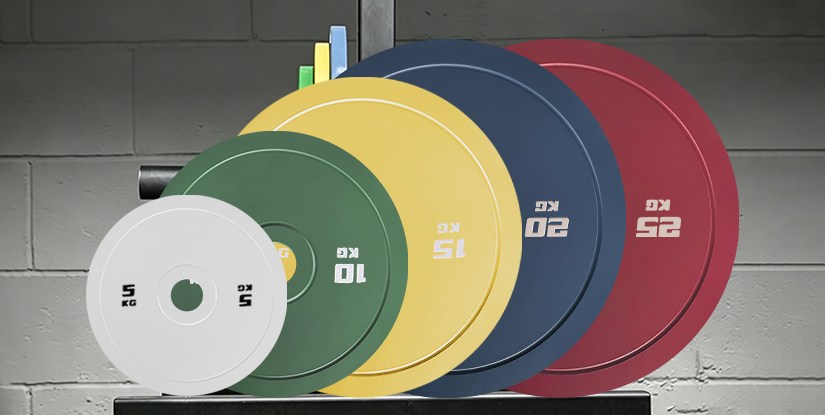
When establishing a high-volume supply chain, the transition from raw material to a finished commercial product determines your long-term distributor margins. Professional olympic weight plate wholesale procurement requires moving beyond simple visual inspections to understanding the structural integrity of the production line. For many importers, the primary risk lies in inconsistent weight distribution or poor surface adhesion that leads to premature degradation in high-traffic gym environments.
A reliable commercial weight plate supplier must demonstrate a controlled manufacturing sequence that begins with high-grade casting and ends with rigorous pre-shipment verification. In a professional China factory, the process typically follows a strict path: raw iron casting, followed by precision CNC machining of the center bore, surface treatment, and finally, weight calibration. This sequence ensures that the plate meets the concentricity and flatness standards required for professional use.
For distributors managing bulk olympic plates, the value is found in the precision of the machining stage. While sand casting provides the base shape, it is the secondary machining of the inner diameter that ensures the plate sits perfectly on a barbell without wobbling. Without this mechanical precision, even high-quality plates can cause uneven wear on expensive barbell sleeves, increasing the total cost of ownership for your end users.
Standard Manufacturing and QC Sequence
A professional China factory weight plates production line utilizes several critical stages to ensure every unit meets commercial-grade expectations. Each stage is a point of potential failure that requires strict oversight during your sourcing process.
| Manufacturing Stage | Typical Process | B2B Quality Focus | Commercial Impact |
|---|---|---|---|
| Primary Formation | Sand Casting or Centrifugal Casting | Material density and structural integrity | Long-term durability under heavy use |
| Precision Refinement | CNC Bore Machining | Concentricity and inner diameter tolerance | Smooth barbell fit and reduced sleeve wear |
| Surface Treatment | Powder Coating or Rubber Molding | Adhesion strength and coating thickness | Resistance to chipping and environmental wear |
| Final Calibration | Weight Spot-Check and Balancing | Weight distribution accuracy | Consistency across the entire batch |
To mitigate the risks of importing, we recommend that buyers request a detailed technical spec sheet and perform a sample approval before committing to a full wholesale order. During a factory audit or pre-shipment inspection, focus on the coating adhesion and the flatness of the plate face. Verifying these specific technical points ensures that your OEM or ODM requirements are met before the container is loaded for export.
Technical Inspection and Verification Points
For professionals managing the sourcing of heavy iron or steel equipment, the final stage of production is the most critical for minimizing return rates. A high-tier supplier will not only provide weight certificates but will also subject each batch to a systematic pre-shipment inspection. During this phase, the focus shifts from general appearance to specific mechanical tolerances that affect long-term commercial performance.
When you conduct a factory audit or request a sample for an OEM project, you should instruct your QC agent to inspect the following three technical areas. These details differentiate a standard production run from a professional-grade shipment designed for international distribution:
- Bore Concentricity: Ensure the center hole is machined with high precision so the plate remains centered on the barbell. Any deviation in the machining process can cause uneven loading and barbell vibration.
- Coating Adhesion: For powder-coated or rubber-molded plates, the bond between the substrate and the surface layer must be tested. Poor adhesion leads to chipping or peeling, which degrades the brand identity of your private label.
- Weight Calibration Consistency: Rather than checking a single unit, a professional factory will perform statistical spot-checks across the entire production lot to ensure weight variance remains within industry-standard commercial limits.
By prioritizing these technical verification steps during your wholesale procurement, you protect your distributor margins and ensure a lower total cost of ownership for your clients. We recommend confirming these specific QC protocols and requesting a detailed specification sheet before finalizing your bulk order or setting your MOQ for next season's inventory.
Customization and OEM Capabilities for Global Distributors
For professional distributors, the ability to offer a proprietary product line is a critical lever for long-term growth. Relying on generic, off-the-shelf inventory limits your ability to differentiate in a crowded market. By leveraging olympic weight plate wholesale partnerships that specialize in custom branding, you can transform a standard commodity into a signature product that builds private label equity and secures higher distributor margin.
Effective OEM and ODM services allow you to control the entire specification chain, from the base material to the final aesthetic finish. Whether your clients require heavy-duty cast iron for traditional strength gyms or high-end PU coated options for boutique studios, a specialized China factory can adapt production to meet these diverse market demands. This control over material selection—such as choosing between high-density rubber, polyurethane, or precision-machined steel—ensures that your branded products meet the specific commercial durability standards required by professional facilities.
Strategically, moving toward a private label model through a reliable supplier mitigates the risk of price wars. Instead of competing solely on the lowest landed cost for unbranded goods, you compete on the value of your brand identity and the reliability of your specific material-grade offerings. This approach allows you to manage your sourcing strategy more effectively, ensuring that every batch of bulk olympic plates shipped under your name maintains a consistent level of quality and professional finish.
Technical Customization Matrix for Global Sourcing
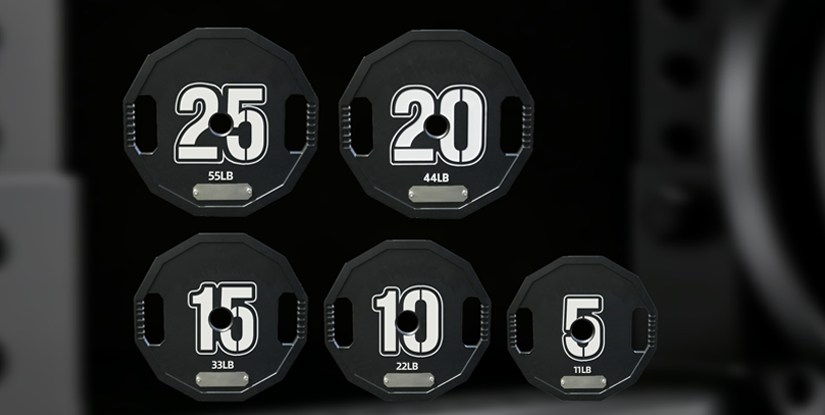
To optimize your product portfolio, you must understand how manufacturing choices impact your end-user's experience and your overall landed cost. A professional commercial weight plate supplier provides more than just a product; they provide a scalable manufacturing solution. Depending on your target market—ranging from budget-conscious local gyms to premium high-performance studios—the technical specifications of your olympic weight plate wholesale order will dictate your long-term replacement rates and brand reputation.
The following table outlines the typical differentiation in production for various market segments. This matrix serves as a decision-making tool for importers to align their sourcing strategy with their specific business model and MOQ capabilities.
| Material | Process | Key Component / Detail | Target Market | Commercial Duty | MOQ Impact |
|---|---|---|---|---|---|
| Cast Iron | Sand Casting & Powder Coating | Embossed Logo Area | Budget / Standard Gym | High Durability | Lower |
| Steel Core | Machining & Rubber Molding | Encapsulation Layer | Commercial / Studio | High Impact Resistance | Medium |
| Precision Steel | CNC Machining & Calibration | Bore Concentricity | Premium / Competition | Extreme Precision | Higher |
| Polyurethane | Injection Molding / Dip | High-Density Shell | Boutique / High-End | Aesthetic & Floor Protection | Medium to High |
When conducting a factory audit or reviewing a pre-shipment inspection report, we recommend focusing on the bond line adhesion of coated plates and the flatness of the base. Ensuring these technical nuances are addressed during the OEM process will reduce the frequency of after-sales claims and improve your distributor value proposition. Please contact us to request a detailed specification sheet or to discuss your specific bulk olympic plates requirements.
Ensuring Quality and Logistics Efficiency in Bulk Procurement
The final stage of successful olympic weight plate wholesale procurement lies in the rigor of the pre-shipment QC and the sophistication of the export logistics. For high-volume importers, the risk is not just in the material, but in the inconsistencies of weight calibration and the durability of the export packaging. A professional China factory weight plates manufacturer must demonstrate a controlled production sequence—moving from casting and machining to a final, standardized weight calibration check—to ensure every unit meets the expected commercial grade.
Reliable sourcing requires a partner who understands that the landed cost is heavily influenced by more than just the unit price. Factors such as volumetric efficiency in container loading, the strength of the palletization, and the precision of the weight calibration process directly impact your total cost of ownership and the arrival condition of your inventory. When ordering bulk olympic plates, you must verify that the manufacturer employs rigorous inspection protocols, specifically checking for bore concentricity and surface finish consistency before any goods are cleared for export.
To minimize disruption in your supply chain, we recommend aligning your MOQ discussions with realistic lead time expectations. A well-managed factory will provide transparent timelines that account for both production cycles and seasonal shipping fluctuations. By prioritizing a supplier that offers standardized export-grade packaging and documented quality control, you protect your margins and ensure that your branded products arrive ready for immediate commercial deployment.
Optimizing Your Inventory with Bulk Olympic Plates
Effective inventory management for distributors relies on balancing product variety with warehouse throughput. When securing olympic weight plate wholesale contracts, professional buyers must evaluate how different material specifications affect both the landed cost and the long-term storage density of their shipments. Selecting a diverse yet streamlined range of weight increments allows a commercial weight plate supplier to meet varied client needs without overcomplicating the supply chain.
Strategic sourcing requires understanding the trade-offs between different production methods. For example, sourcing bulk olympic plates in high volumes often necessitates a decision between standard cast iron and premium urethane-coated options. While cast iron offers a lower entry point for budget-conscious gym setups, high-end facilities often demand the durability of advanced coatings. A reliable China factory will provide clear documentation on these tiers to help you manage your MOQ and optimize your shelf space.
Material and Durability Comparison for Wholesale Selection
| Material | Surface Finish | Primary Process | Commercial Duty Tier | Inventory Profile |
|---|---|---|---|---|
| Cast Iron | Powder Coating | Sand Casting | Budget / Standard | High density, compact storage |
| Steel Core | Rubber Coated | Molding / Vulcanization | Premium / High-Traffic | Increased volume per unit |
| Machined Steel | Chrome Finish | CNC Machining | Competition / Elite | High precision, low tolerance variance |
Selecting the correct product mix is a critical decision for any importer or distributor looking to maintain high margins. When you source directly from a China factory weight plates production line, the technical differences in construction directly impact your after-sales support requirements and customer satisfaction. For instance, a distributor providing equipment for heavy-duty strength centers may prioritize the density of cast iron, whereas a studio operator might require the floor protection provided by advanced polymer-encapsulated units.
To ensure your procurement strategy aligns with your target market's needs, we recommend reviewing the specific manufacturing-to-application logic below. This helps in evaluating the long-term value and total cost of ownership for your clients. Whether you are requesting a quote for high-volume standard stock or exploring OEM customization for a premium line, understanding these material-process variables is essential for successful sourcing.
Strategic Sourcing: Material vs. Application
| Material | Coating Type | Manufacturing Process | Commercial Application | Sourcing Advantage |
|---|---|---|---|---|
| Cast Iron | Powder Coating | Sand Casting | Standard Gyms / CrossFit | Low landed cost, high density |
| Steel Core | Rubber Coated | Molding / Vulcanization | High-Traffic Commercial Centers | Enhanced durability, floor protection |
| Machined Steel | Chrome Finish | CNC Machining | Elite / Competition Environments | Maximum precision and weight accuracy |
As you finalize your product selection, consider how these specifications influence your wholesale volume and shipping efficiency. We invite you to contact our team to request a detailed specification sheet, confirm your MOQ for specific weight increments, or discuss private label branding opportunities for your next bulk shipment.
Maximizing Distributor Margins Through Custom Branding and OEM
For distributors looking to scale, the ability to move beyond generic stock is a significant competitive advantage. Utilizing OEM and ODM services allows you to transition from a standard importer to a recognized brand provider. By integrating your own brand identity into the manufacturing process, you can command higher price points in the professional market while maintaining a controlled landed cost through direct factory-to-distributor channels.
Customization extends beyond just a logo; it involves optimizing the entire product profile to suit your specific client segments. Whether you require specialized colors for a boutique studio or high-durability finishes for heavy-duty strength centers, working with a professional supplier ensures these requirements are met during the initial production phase. This level of control over the manufacturing output reduces the risk of inconsistent quality and helps stabilize your long-term product roadmap.
Efficient sourcing also requires a focus on logistics and lead time management. A structured China factory can offer much more than just a product; they provide a scalable manufacturing partner capable of managing complex production schedules. By aligning your order cycles with factory-direct production windows, you can optimize your warehouse space and ensure that your inventory levels remain consistent with market demand, even during high-growth periods.
To move forward with your procurement planning, we suggest the following steps: contact our sales team to request a full technical spec sheet, confirm the current MOQ for your desired weight increments, or initiate a sample evaluation to verify coating adhesion and weight tolerance. We are also available to discuss customized private label solutions to help you build a more robust and recognizable brand in your local market.