Calibrated Weight Plate Private Label Manufacturer: Export
Calibrated Weight Plate Private Label Manufacturer: Strategic Sourcing for Commercial Gyms
Many procurement professionals fail by prioritizing the lowest initial unit price, only to face high replacement costs due to weight variance and coating degradation. A more effective strategy involves partnering with a professional calibrated weight plate private label manufacturer to secure assets with high durability and consistent precision. By sourcing directly from a China factory, distributors can balance upfront capital expenditure with long-term operational savings through superior material stability.
When managing a large-scale facility or a distribution network, the Total Cost of Ownership (TCO) is driven by how often equipment must be replaced or refurbished. Low-grade commercial steel weight plates often suffer from uneven thickness or poor concentricity, leading to uneven wear on barbell sleeves and frequent maintenance requests. Investing in wholesale precision weight plates ensures that the weight remains consistent over thousands of loading cycles, protecting both your reputation and your bottom line.
For high-volume importers, the goal is to minimize the landed cost while maximizing the lifespan of each unit. Utilizing a specialized calibrated weight plate private label manufacturer allows for OEM customization that meets specific regional standards, ensuring that your brand identity is associated with precision rather than budget-grade instability. This approach optimizes sourcing efficiency by reducing the frequency of re-orders and minimizing the downtime caused by equipment failure.
Technical Material and Finishing Comparison for Procurement Decisions
Selecting the appropriate tier of weight plates is a critical decision that impacts both the initial sourcing budget and long-term maintenance schedules. For professional gym operators, understanding the relationship between material density, surface treatment, and manufacturing precision is essential for calculating the true landed cost and replacement cycles of a facility. A professional calibrated weight plate private label manufacturer will typically offer various tiers to suit different commercial usage intensities, from high-traffic strength centers to premium boutique studios.
The following table outlines the industry-standard configurations used by a leading China factory to assist in your technical evaluation. This comparison focuses on the qualitative differences in durability and precision that affect your long-term ROI.
| Material Tier | Standard Coating | Primary Manufacturing Process | Key QC Inspection Point | Commercial Application |
|---|---|---|---|---|
| Cast Iron | Paint or Enamel | Sand Casting and Machining | Base Flatness and Surface Uniformity | Standard Commercial Gyms |
| Machined Steel | Powder Coating | Precision CNC Machining | Bore Concentricity and Weight Tolerance | High-Performance Strength Centers |
| Chrome-Manganese Steel | Chrome Finish | Advanced Forging and Polishing | Bond Line Adhesion and Precision Calibration | Premium Competition/Studio Environments |
When evaluating wholesale precision weight plates, procurement managers should note that higher-tier steel plates often undergo more rigorous machining stages to ensure the Olympic collar fit remains consistent. While cast iron is a cost-effective solution for general commercial steel weight plates, precision-machined steel provides the technical accuracy required for high-end training environments. We recommend discussing specific OEM customization options, such as specialized knurling or custom branding, during the initial sample approval stage to ensure the final product aligns with your brand's quality standards.
Material Engineering and Precision Calibration Standards
In the high-stakes environment of professional strength training, weight discrepancies can compromise both athlete performance and facility safety. When sourcing at scale, distributors must ensure that every unit meets strict dimensional and mass standards. A professional calibrated weight plate private label manufacturer provides the necessary engineering rigor to ensure that a 25kg plate remains consistent across a full wholesale shipment, preventing the uneven loading that often plagues lower-tier imports.
Achieving this level of accuracy requires more than just standard casting; it involves a multi-stage manufacturing sequence. High-quality commercial steel weight plates undergo a meticulous process of CNC machining and weight calibration to ensure the center of gravity and the Olympic collar fit remain within industry-standard tolerances. For importers, selecting a China factory that prioritizes these technical specifications is critical to reducing long-term maintenance costs and ensuring the durability of the equipment in high-traffic commercial settings.
Technical Specifications and Calibration Logic
The production of wholesale precision weight plates relies on the stability of the base material and the precision of the finishing stages. Most premium units utilize a machined steel or high-density cast iron base, which is then subjected to surface treatments to prevent oxidation and improve grip. The calibration process is not merely a final check but a continuous integration of precision machining to ensure the bore concentricity and plate thickness are optimized for professional use.
Advanced Manufacturing and Surface Treatment Workflow
The structural integrity of high-end lifting equipment depends on a disciplined production sequence. The process typically begins with high-grade casting, often utilizing sand casting or centrifugal methods to create a consistent base shape. Once the raw form is established, the plate moves into the machining phase, where CNC machining is utilized to refine the center bore and the outer diameter. This step is essential for a calibrated weight plate private label manufacturer to ensure the plate sits perfectly flush on an Olympic barbell without wobbling or uneven friction.
Following the structural shaping, the surface treatment determines the long-term aesthetic and functional value of the product. A standard industrial workflow includes several critical stages:
- Phosphate treatment or degreasing to prepare the metal surface for adhesion.
- Application of high-durability powder coating to protect the iron from moisture and oxidation.
- Final calibration check to verify mass consistency across the entire production batch.
- Pre-shipment QC to inspect for coating adhesion and bore concentricity.
For distributors managing high-volume orders, understanding these stages helps in evaluating the long-term TCO (Total Cost of Ownership). A plate with a subpar coating or unrefined edges will lead to higher replacement rates and increased maintenance labor for the end-user. By choosing a calibrated weight plate private label manufacturer that utilizes standardized powder coating and precision machining, importers can guarantee a more reliable product that maintains its professional appearance even under heavy commercial use.
| Material Type | Primary Process | Key Component/Detail | Commercial Duty Tier | Factory QC Point |
|---|---|---|---|---|
| Cast Iron | Sand Casting | Base Flatness | Budget/Standard | Surface Smoothness |
| Machined Steel | CNC Machining | Bore Concentricity | Commercial | Edge Precision |
| Chrome-Manganese Steel | Precision Forging | Weight Tolerance | Premium/Competition | Mass Consistency |
Selecting the appropriate tier of wholesale precision weight plates requires a deep understanding of how material science and mechanical processes affect your landed cost and product longevity. While standard cast iron remains a staple for many facilities, professional-grade procurement often demands the precision of machined steel to ensure long-term reliability and brand reputation.
When evaluating a potential calibrated weight plate private label manufacturer, it is essential to look beyond the basic weight value and inspect the technical execution of the finish and the bore. A high-quality commercial steel weight plates production line will always prioritize the stability of the metal and the adhesion of the coating to prevent the premature rust or surface degradation that can damage a distributor's reputation in international markets.
| Material Type | Primary Process | Key Component/Detail | Commercial Duty Tier | Factory QC Point |
|---|---|---|---|---|
| Cast Iron | Sand Casting | Base Flatness | Budget/Standard | Surface Smoothness |
| Machined Steel | CNC Machining | Bore Concentricity | Commercial | Edge Precision |
| Chrome-Manganese Steel | Precision Forging | Weight Tolerance | Premium/Competition | Mass Consistency |
Before finalizing a bulk order, we recommend that procurement leads request specific technical data sheets or a sample evaluation to confirm the material thickness and coating durability. If you are looking to establish a high-end product line, contact us to discuss your OEM requirements, minimum MOQ, and the specific factory inspection protocols we employ to ensure your wholesale shipment meets all professional commercial standards.
Manufacturing Processes for High-Performance Commercial Steel Weight Plates
Reliable sourcing requires a deep understanding of how a calibrated weight plate private label manufacturer manages the transition from raw steel to a finished, high-precision product. For distributors and gym equipment importers, the value lies in the technical consistency of the weight, ensuring that every unit in a bulk order meets strict commercial standards. A professional China factory utilizes a structured sequence of metallurgical and mechanical processes to minimize weight variance and maximize product lifespan.
The production of commercial steel weight plates begins with high-grade raw materials, typically undergoing advanced precision machining to ensure dimensional accuracy. Unlike standard cast iron, which may have surface irregularities, precision-machined steel plates undergo CNC surfacing to achieve a perfectly flat profile and a centered bore. This level of weight tolerance control is essential for high-end strength facilities where equipment balance is critical. Following the machining stage, the plates move through specialized coating lines—such as powder coating or plating—to provide durability and corrosion resistance before undergoing a final quality control calibration check.
| Material Tier | Primary Process | Key Component/Feature | Commercial Duty | TCO Impact |
|---|---|---|---|---|
| Standard Cast Iron | Sand Casting | Rough Surface Texture | Budget/General Gym | Low initial cost; higher maintenance |
| Premium Steel | CNC Machining | Precision Bore & Flatness | High-End Commercial | Higher initial cost; long-term durability |
| Competition Grade | Advanced Machining | High-Tolerance Calibration | Professional/Olympic | Premium pricing; lowest replacement rate |
When sourcing wholesale precision weight plates, buyers should evaluate the manufacturer's ability to maintain these standards across large volumes. A competent calibrated weight plate private label manufacturer will provide documentation regarding their calibration methods and surface finishing techniques to ensure the wholesale order meets the exact specifications required for your brand identity. We recommend requesting a sample evaluation or a factory audit to verify that the machining and quality control steps align with your market's premium requirements.
Evaluating Manufacturing Methods for Procurement Optimization
Understanding the distinction between casting and machining is vital for calculating the true landed cost and long-term value of your inventory. While sand casting is a cost-effective method for high-volume production, it often results in higher weight variance and surface irregularities. Conversely, high-tier wholesale precision weight plates undergo extensive CNC machining to ensure a perfectly level surface and a concentric bore, which is essential for preventing uneven wear on barbell sleeves in high-traffic commercial environments.
For many importers, the decision hinges on the trade-off between initial procurement savings and total cost of ownership. A standard sand casting process is excellent for budget-conscious facility setups, but a specialized calibrated weight plate private label manufacturer will utilize advanced machining for premium lines to guarantee structural integrity. This technical precision directly impacts the smoothness of the plate rotation and the longevity of the equipment, reducing the frequency of replacement cycles for your clients.
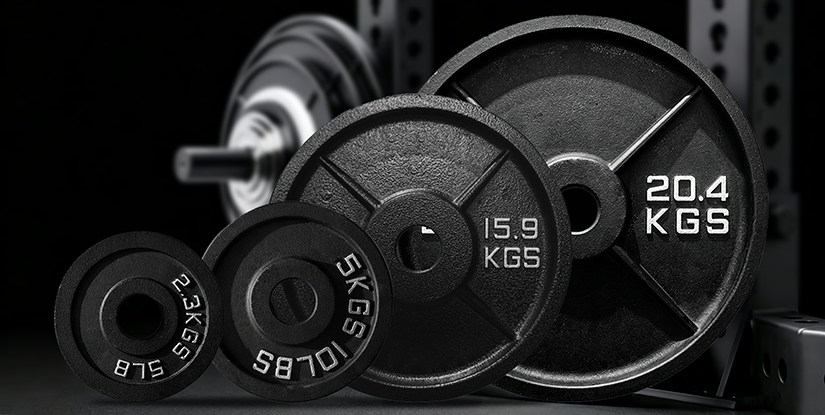
Before finalizing a bulk purchase, we suggest confirming the specific surface finishing protocols with your supplier. Whether you require a standard powder coating for enhanced corrosion resistance or a more advanced finish, ensuring the adhesion strength and thickness is a critical step in your pre-shipment QC checklist. We invite you to request a detailed technical spec sheet or discuss your specific MOQ requirements to align our production capabilities with your distribution strategy.
Pre-Shipment Inspection and Export Packaging Standards
A critical component of professional sourcing is the rigorous pre-shipment inspection conducted before any container is sealed. For a professional calibrated weight plate private label manufacturer, quality assurance must extend beyond the machining line to the final verification of the entire batch. A thorough inspection ensures that the concentricity of the central bore remains within acceptable commercial limits, preventing any wobbling or uneven weight distribution during high-intensity training sessions.
During the final QC stage, technicians perform a systematic weight tolerance spot-check on a statistically significant sample from each production lot. This ensures that the mass of the commercial steel weight plates remains consistent across the entire shipment, protecting the distributor's reputation and reducing the risk of costly returns. Furthermore, inspectors examine the coating adhesion to ensure the surface treatment—whether it be powder coating or specialized plating—is firmly bonded to the steel substrate, preventing chipping or oxidation during transit and long-term use.
To minimize the risk of damage during ocean freight, the export packaging must be robust and optimized for container loading efficiency. High-quality wholesale orders are typically packed in reinforced, moisture-resistant cartons or specialized wooden crates designed to withstand the mechanical stresses of shipping and handling. This attention to detail in the packaging process is just as important as the manufacturing itself, ensuring that your landed cost is not inflated by damaged goods upon arrival. We encourage partners to discuss specific packaging requirements or request a detailed inspection report to ensure all technical and logistics standards are met prior to dispatch.
China Factory OEM and Private Label Capabilities
Selecting a specialized calibrated weight plate private label manufacturer allows distributors to transition from standard cast iron products to high-margin, precision-engineered equipment. When sourcing from a professional China factory, importers can move beyond basic weight sets to offer high-performance gear that meets professional gym standards. This transition is essential for maintaining a competitive edge in the premium fitness market.
A reliable OEM partner provides the technical infrastructure required to produce commercial steel weight plates with consistent weight tolerances and professional aesthetics. Rather than purchasing generic stock, distributors can leverage wholesale production lines to implement custom branding, ensuring their product identity remains distinct in the global market. This strategic sourcing approach optimizes the distributor margin by reducing the reliance on middle-tier traders and providing direct access to advanced manufacturing processes.
For distributors focusing on high-end studio equipment, the ability to request wholesale precision weight plates with specific center-bore tolerances and custom laser-etched markings is a significant advantage. By managing the production through a dedicated supplier, you can control the entire lifecycle from the initial machining of the steel to the final weight calibration and branding, ensuring every unit meets the high-performance expectations of professional athletes and gym owners.
Technical Manufacturing and Quality Control Standards
Achieving professional-grade precision requires a rigorous manufacturing sequence that goes beyond simple casting. A high-tier calibrated weight plate private label manufacturer utilizes a multi-stage process to ensure every unit maintains strict concentricity and weight consistency. The production typically begins with high-quality steel or iron casting, followed by advanced CNC machining to refine the central bore and outer edges. This machining step is critical for ensuring a smooth, frictionless fit on Olympic barbells, which prevents wear on expensive bar sleeves in high-traffic commercial environments.
After the structural machining is complete, the plates undergo a specialized weight calibration phase. This involves precision removal or addition of material to meet the specified weight requirements before the final surface treatment. For professional-grade commercial steel weight plates, the surface finishing is a vital step for long-term durability. Depending on your branding requirements, this may involve a phosphate treatment for corrosion resistance or a heavy-duty powder coating line to provide a durable, high-impact finish that resists chipping during heavy use.
| Material Type | Primary Process | Key Component/Detail | Commercial Duty Tier | QC Focus Point |
|---|---|---|---|---|
| Cast Iron | Sand Casting | Base Flatness | Standard Commercial | Surface Uniformity |
| Machined Steel | CNC Machining | Bore Concentricity | Premium/Professional | Tolerance Consistency |
| Steel Plate | Powder Coating | Coating Adhesion | High-Traffic Gym | Finish Durability |
To ensure seamless international logistics, our wholesale precision weight plates are subject to a comprehensive pre-shipment QC protocol. This includes checking the bond line integrity of any coatings and verifying the flatness of the plate surface. Once approved, the products are secured in specialized export packaging designed to withstand long-distance maritime transit. By optimizing the packaging density and protection, we help distributors minimize the landed cost and reduce the risk of transit damage. We recommend that buyers confirm the specific MOQ and lead time during the sample approval stage to ensure your inventory replenishment aligns with your market demand.
Distributors looking to optimize their product catalog should evaluate the specific manufacturing requirements of each tier. While standard cast iron models are efficient for mass-market volume, high-performance facilities demand the precision found in machined steel products. Understanding these technical nuances is a fundamental part of the sourcing process when working with a calibrated weight plate private label manufacturer.
| Material | Process | Key Component | Commercial Duty | MOQ Impact | Factory QC Point |
|---|---|---|---|---|---|
| Cast Iron | Sand Casting | Base Flatness | Standard Commercial | Lower | Surface Uniformity |
| Solid Steel | CNC Machining | Bore Concentricity | Premium/Professional | Higher | Tolerance Consistency |
| Steel (Coated) | Powder Coating | Coating Adhesion | High-Traffic Gym | Medium | Finish Durability |
When evaluating your next batch, we suggest requesting a detailed technical spec sheet to verify the machining tolerances of the central bore. For wholesale precision weight plates, the precision of the CNC machining process directly influences the long-term value and replacement frequency in professional settings. We recommend scheduling a factory audit or a sample evaluation to inspect the coating adhesion and surface finish firsthand before finalizing your bulk order.
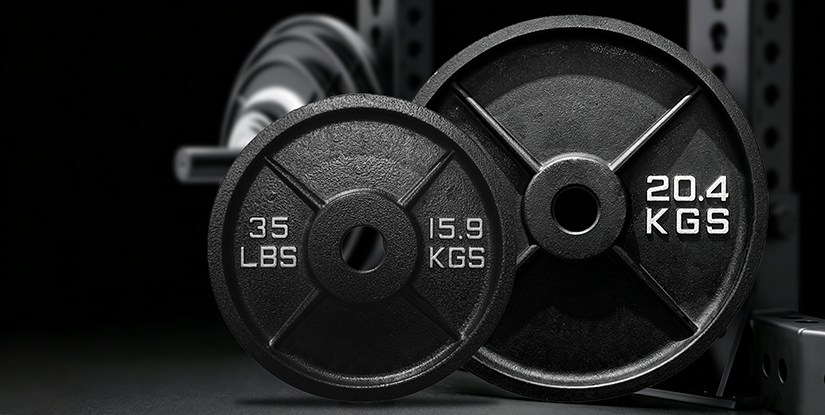
Quality Control and Export Inspection Protocols
For distributors and commercial gym operators, the cost of inaccuracy extends far beyond a single unit; it impacts brand reputation and long-term procurement cycles. Selecting a calibrated weight plate private label manufacturer requires a rigorous evaluation of how weight tolerance is managed during production. Inconsistent mass distribution in commercial steel weight plates can lead to uneven wear on barbell sleeves and high maintenance costs for facility managers. A professional China factory must implement standardized calibration stages—typically involving precision machining and multiple weight verification steps—to ensure every plate meets the specified density and balance required for high-end training environments.
Reliable B2B sourcing depends on transparent quality assurance protocols that occur before the product leaves the facility. When ordering wholesale precision weight plates, the inspection process should focus on critical technical points such as bore concentricity, surface coating adhesion, and the flatness of the plate face. High-quality sourcing involves verifying that the factory conducts thorough pre-shipment checks to prevent the delivery of unbalanced or improperly finished equipment, which can significantly increase the landed cost through returns and replacement claims.
Technical Inspection and Export Readiness
To ensure your bulk order arrives ready for immediate deployment, a specialized calibrated weight plate private label manufacturer must move beyond simple visual checks. The technical calibration process begins after the initial machining phase, where the plate undergoes precise weight verification to ensure consistency across the entire batch. This stage is critical for maintaining the high standards required for wholesale precision weight plates. During this process, engineers typically monitor the concentricity of the central bore and the flatness of the striking surface to prevent wobbling or uneven loading on high-end barbell systems. A reliable factory will also conduct adhesion tests on the surface finish to ensure the powder coating or plating remains intact under heavy commercial use.
Effective sourcing also requires a deep dive into the final packaging and loading protocols. For large-scale shipments, the risk of transit damage can inflate your total landed cost. Professional manufacturers utilize reinforced export packaging designed to stabilize heavy steel loads within shipping containers. This includes corner protection for pallets and moisture-resistant wrapping to prevent oxidation during long-sea transit. When managing your MOQ and shipment schedule, we recommend requesting a detailed pre-shipment inspection report. This report should document the results of the weight tolerance spot-checks and the physical condition of the coating, ensuring that your wholesale order meets all international commercial-grade specifications before it leaves the China factory.
Standardization and Tiered Production Comparison
Understanding the technical nuances between production tiers allows procurement managers to align their budget with the specific demands of their facility. While standard plates are suitable for general fitness use, high-end commercial environments require the precision of a calibrated weight plate private label manufacturer to ensure equipment longevity and user safety. A well-managed factory will provide clear differentiation in how materials are processed and inspected to justify the investment in premium lines.
| Inspection Metric | Standard Commercial | High-Precision Calibrated | B2B Sourcing Impact |
|---|---|---|---|
| Material Base | Standard Gray Iron | Machined Steel or Precision Cast Iron | Affects long-term durability and mass consistency |
| Surface Finish | Basic Paint or Powder Coating | Multi-layer High-Adhesion Coating | Reduces maintenance and prevents oxidation during transit |
| Bore Tolerance | Standard Casting Fit | Precision CNC Machined Bore | Ensures smooth rotation and prevents barbell wear |
| Weight Uniformity | General Batch Weight | Strict Calibration Verification | Critical for high-end facility reputation and ROI |
| Packaging Grade | Standard Carton/Pallet | Reinforced Export-Grade Protection | Minimizes damage and lowers total landed cost |
When evaluating your next wholesale order, we recommend requesting specific documentation regarding the calibration and coating adhesion processes. For high-volume sourcing, confirming these technical benchmarks during the sample approval stage is the most effective way to mitigate risk. A professional supplier will be able to provide detailed specifications for both commercial steel weight plates and higher-tier precision options to ensure your order meets your specific commercial requirements and MOQ thresholds.
Optimizing Your Global Procurement and Logistics
For international distributors and gym equipment importers, the strategic decision to partner with a specialized calibrated weight plate private label manufacturer is driven by the need to control the total landed cost while maintaining high product standards. Sourcing directly from a China factory allows professional buyers to bypass unnecessary intermediary markups, ensuring that the distributor margin remains competitive in North American and global markets. By managing the production and export process at the source, you can better predict the impact of shipping volumes on your final unit costs.
Efficient procurement requires more than just finding a low price; it requires a supplier capable of handling complex logistics and high-volume requirements. Whether you are ordering commercial steel weight plates for a large-scale fitness center deployment or seeking wholesale precision weight plates for a specialized strength equipment line, understanding the relationship between MOQ, lead time, and export packaging is essential. High-quality export packaging—such as reinforced heavy-duty cartons and optimized palletization—is critical to preventing damage during sea freight, thereby reducing the risk of costly returns and ensuring your inventory arrives ready for immediate sale.
Material and Process Specifications for Commercial Tiers
Selecting the correct tier of production is critical for maintaining long-term durability and reducing maintenance costs in a professional setting. A professional calibrated weight plate private label manufacturer will typically offer different manufacturing routes depending on whether your target market requires standard gym durability or high-end precision. Understanding these qualitative differences helps importers manage expectations regarding the total cost of ownership and equipment lifespan.
| Material | Coating | Process | Key Component/QC Point | Commercial Duty | MOQ Impact |
|---|---|---|---|---|---|
| Cast Iron | Black Enamel or Paint | Sand Casting & Machining | Base Flatness | Standard Commercial | Lower |
| Solid Steel | Powder Coating | CNC Machining & Calibration | Bore Concentricity | Premium/Competition | Moderate |
| Steel Core | Polyurethane (PU) | Injection Molding/Molding | Coating Adhesion | High-End Studio | Higher |
When conducting a factory audit or reviewing product samples, importers should focus on the physical integrity of the weight plate. For example, when sourcing commercial steel weight plates, a common failure mode is the lack of surface uniformity or poor bore alignment. A reliable China factory will implement a strict sequence: casting or forging, followed by precision machining of the center hole, then surface treatment, and finally a weight calibration check to ensure consistency across the entire batch. This systematic approach ensures that the product meets the rigorous demands of high-traffic commercial environments.
For buyers focused on high-performance equipment, the precision of the center bore and the adhesion of the outer coating are the most important metrics to verify during pre-shipment inspection. If your brand identity relies on high-end strength equipment, we recommend requesting a detailed specification sheet to confirm the machining tolerances and the specific powder coating application methods used during the production run.
Critical Inspection Points for Global Sourcing
To protect your long-term profitability, distributors must look beyond the initial quote and focus on the technicalities of pre-shipment inspection. A professional calibrated weight plate private label manufacturer understands that a single faulty batch can erode your margins through high replacement costs and damaged brand reputation. During the quality control process, your technical team or third-party inspectors should prioritize several key metrics that directly impact the commercial utility of the product.
The first priority is the weight tolerance spot-check. For high-precision orders, even minor deviations can lead to significant discrepancies in total weight across a full set, which is unacceptable in professional strength training environments. Secondly, inspectors must verify the bore concentricity to ensure the plate sits perfectly centered on the barbell, preventing uneven loading and wear on the bar. Finally, a thorough check of the coating adhesion is mandatory; in many commercial settings, if the powder coating or paint layer is not properly bonded to the steel or cast iron, it will chip or peel under heavy usage, leading to premature oxidation and aesthetic failure.
By implementing these rigorous standards, a reputable supplier ensures that the landed cost of your equipment remains low by minimizing the need for after-sales support or replacement planning. Whether you are managing a small studio order or a massive wholesale distribution, verifying these technical specs at the factory level is the most effective way to safeguard your investment and ensure your product line meets the durability expectations of the North American market.