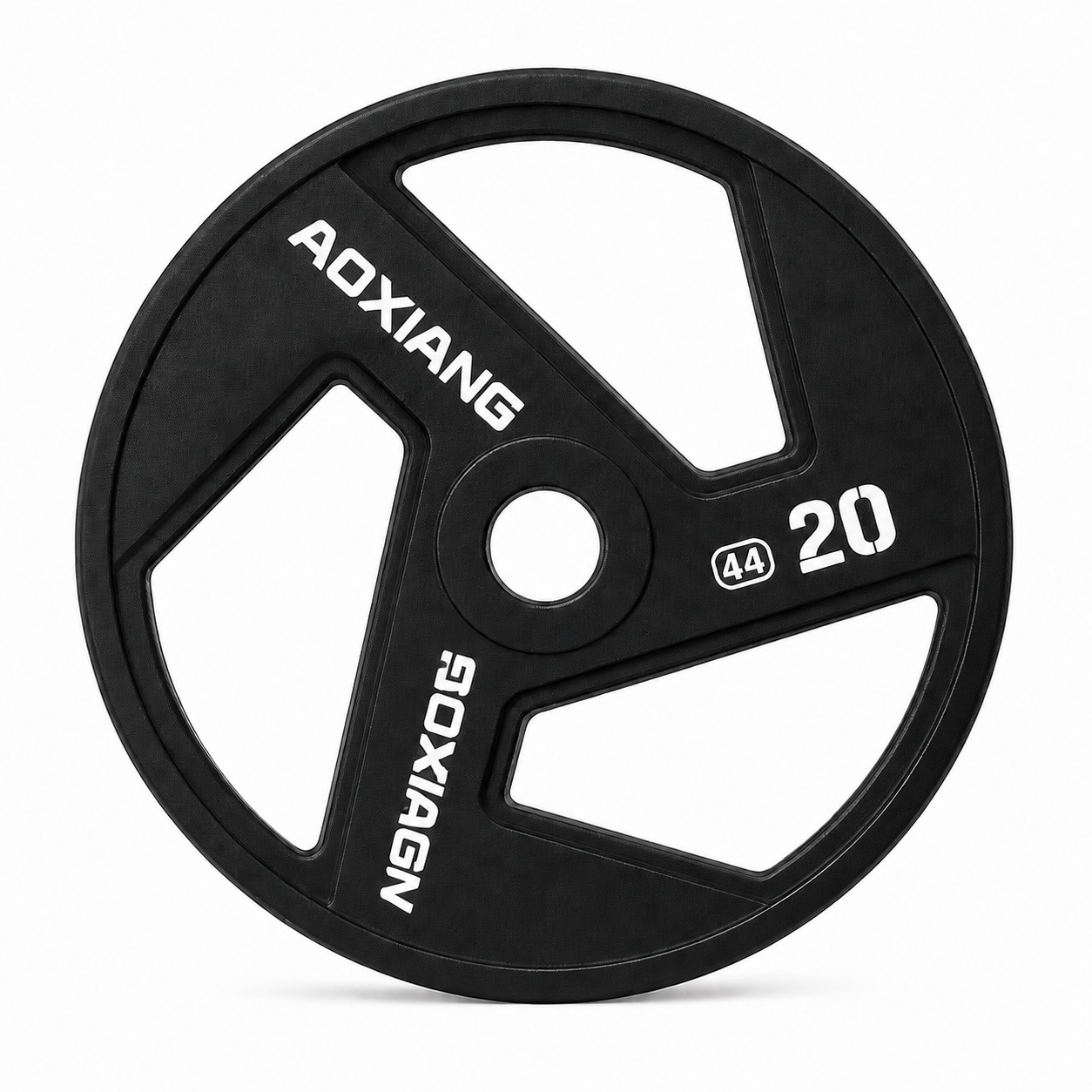
Calibrated Weight Plate Custom Manufacturer: China Factory
Calibrated Weight Plate Custom Manufacturer: Sourcing Standards
Many professional importers fail by prioritizing low unit costs over weight accuracy, often receiving batches with inconsistent tolerances that damage a distributor's reputation. A professional calibrated weight plate custom manufacturer eliminates this risk by implementing rigorous calibration protocols during the production cycle. For high-end commercial gym deployments, relying on a commercial gym equipment OEM factory ensures that every unit meets strict precision standards, preventing the uneven loading issues common in low-tier mass production.
When managing large-scale procurement, understanding the technical nuances of weight deviation is essential for maintaining long-term profitability. A specialized China factory provides the necessary infrastructure to maintain high-precision standards across bulk orders. Whether you are sourcing for a global distribution network or a premium studio chain, the ability to control weight tolerance through professional machining and calibration is what separates professional-grade equipment from standard cast iron products.
Optimizing your sourcing strategy requires a partner capable of handling complex wholesale requirements while maintaining strict quality control. A reliable supplier will offer transparent MOQ tiers and predictable lead time schedules to ensure your inventory remains consistent. By working directly with a factory that specializes in high-precision calibration, you secure a more stable supply chain and a better landed cost for your commercial clients.
Material and Manufacturing Process Comparison for Commercial Use
Selecting the appropriate specification is a critical decision for facility managers and distributors. The manufacturing route directly impacts the long-term maintenance load and the total cost of ownership for a commercial facility. For instance, while basic sand casting is common for standard gym sets, high-performance environments require more advanced machining and surface finishing to ensure durability and precision. A professional calibrated weight plate custom manufacturer will typically utilize multi-stage processes to ensure the final product can withstand the high-frequency throughput of a commercial gym.
Below is a comparison of the standard production tiers available when ordering wholesale precision weight plates. This table helps procurement leads evaluate the trade-offs between initial investment and long-term commercial utility.
| Material Tier | Primary Process | Surface Finishing | Commercial Duty | QC Focus Point |
|---|---|---|---|---|
| Cast Iron | Sand Casting | Paint or Enamel | Budget Commercial | Surface Smoothness |
| Steel | Machining & CNC | Powder Coating | Premium Commercial | Weight Calibration |
| Steel/Iron Core | Precision Casting | PU or Rubber Coating | Elite/Competition | Coating Adhesion |
When evaluating a calibrated weight plate custom manufacturer, it is essential to verify the specific surface treatment used. For example, a high-quality powder coating line provides much better resistance to chipping and oxidation than standard liquid paint, which is vital for maintaining the brand identity of your private label. Additionally, ensuring the factory utilizes a standardized weight calibration step after the final machining stage is the only way to guarantee the precision required for professional training environments.
Rigorous QC and Export Readiness for Bulk Orders
For distributors managing large-scale imports, the final verification stages are the most critical components of the procurement cycle. A professional calibrated weight plate custom manufacturer does not rely solely on automated systems; instead, they implement a multi-layered quality control system to protect the buyer's landed cost and brand reputation. This process begins with a rigorous weight tolerance spot-check, where individual units are verified against specified tolerances to ensure consistency across the entire batch. This step is vital for preventing the uneven loading issues that can occur in lower-tier production environments.
Beyond weight accuracy, the physical durability of the plate is tested through specialized inspection protocols. This includes a coating adhesion test to ensure that the powder coating or rubber encapsulation remains intact under high-frequency commercial use, and a concentricity check to ensure the center bore is perfectly aligned for a smooth Olympic collar fit. A professional China factory will also perform a visual inspection of the surface finish and edges to prevent any defects that could lead to premature wear or safety concerns in a professional gym setting.
The final stage of the production sequence focuses on logistics and long-term storage stability. To ensure products arrive in optimal condition, a leading commercial gym equipment OEM factory utilizes specialized export packaging. This includes heavy-duty reinforced cartons and optimized palletizing techniques designed to withstand the rigors of international sea freight. Proper export packaging not only prevents physical damage during transit but also optimizes container loading efficiency, helping distributors maximize their shipping volume and reduce the overall cost per unit. When you confirm your MOQ and finalize your order, these pre-shipment inspection standards ensure that your bulk shipment meets the highest commercial-grade expectations upon arrival.
Material and Manufacturing Specifications for Commercial Plates
For professional distributors and gym equipment importers, sourcing high-precision components requires a deep understanding of the metallurgical and mechanical processes used by a calibrated weight plate custom manufacturer. Unlike standard gym weights, precision plates must maintain strict weight tolerance and concentricity to ensure long-term durability and safety in high-traffic commercial environments. When conducting China factory sourcing, procurement teams must evaluate the specific casting and machining sequences that define the final product's commercial grade.
High-quality production typically begins with high-grade cast iron or gray iron, which is then subjected to advanced CNC machining to ensure the center bore is perfectly aligned. This precision is critical for preventing uneven wear on Olympic bars and ensuring a smooth, balanced lift. A professional commercial gym equipment OEM factory will utilize these technical steps to minimize the risk of weight fluctuations, which can lead to higher replacement costs and diminished distributor margins if not properly controlled during the initial bulk order.
Comparison of Commercial Plate Material and Durability Tiers
| Material Type | Surface Finish | Primary Process | Commercial Duty Tier | Procurement Focus |
|---|---|---|---|---|
| Cast Iron | Powder Coating | Sand Casting & Machining | Standard Commercial | Cost-effective bulk volume |
| Solid Steel | Chrome or Enamel | Precision Machining | Premium Commercial | High-end studio durability |
| Iron Core | PU or Rubber Coating | Molding/Encapsulation | High-Impact/Bumper | Floor protection & noise reduction |
When selecting a wholesale precision weight plates supplier, it is essential to verify the weight tolerance standards and the quality of the surface coating. Whether you require a calibrated weight plate custom manufacturer for specialized strength training or a high-volume OEM partner for a standard gym rollout, the stability of the manufacturing process directly impacts your landed cost and long-term product reliability.
Material Selection and Surface Finishing Logic
The choice between a traditional powder coating and more advanced encapsulation methods is a critical decision for importers managing long-term TCO (Total Cost of Ownership). A standard powder coating applied to cast iron provides a durable, scratch-resistant layer suitable for high-volume commercial gyms where budget-friendly durability is the priority. However, for premium studio environments or high-impact zones, sourcing PU coating or specialized rubberized finishes can significantly reduce noise levels and protect flooring, though these options typically influence the initial wholesale price point and MOQ requirements.
During the manufacturing sequence, the adhesion of the coating is just as vital as the base material. A professional calibrated weight plate custom manufacturer ensures that the surface treatment—whether it is a thin enamel, a thick powder, or a molded rubber layer—is applied after the precision machining of the bore. This ensures the weight remains balanced and the center hole remains perfectly concentric. When evaluating a China factory for your next shipment, we recommend requesting details on the coating application method to ensure the finish will not peel or chip under heavy commercial use, which would otherwise increase your replacement frequency and maintenance load.
Before finalizing your procurement, we suggest confirming the specific manufacturing steps with your supplier. Whether you are focused on maximizing distributor margins through high-volume cast iron orders or developing a premium private label line, understanding these technical nuances will help you secure a more predictable landed cost and a higher-quality end product for your clients.
Technical Inspection and Pre-Shipment QC Protocols
For distributors managing large-scale deployments, the risk of receiving non-conforming inventory can devastate project timelines and profit margins. A professional calibrated weight plate custom manufacturer mitigates this through a rigorous pre-shipment QC protocol that goes beyond simple visual checks. Before any container is loaded, every batch must undergo specific mechanical verification to ensure the product meets the high-performance standards expected in professional strength facilities.
The inspection sequence begins with a critical concentricity check to ensure the center bore is perfectly centered and true. This prevents the weight from wobbling on Olympic bars, a common failure in lower-tier production. Following this, technicians perform a weight spot-check and a coating adhesion test to verify that the surface finish can withstand heavy friction without chipping. Finally, a base flatness inspection is conducted to ensure the plates sit stable during storage and use. For high-volume wholesale clients, these steps are essential to ensure that the bulk orders arrive ready for immediate commercial deployment without the need for costly returns or replacements.
To protect the integrity of the shipment during long-distance transit, specialized export packaging is mandatory. This includes reinforced carton corners and heavy-duty palletization designed to prevent impact damage and moisture ingress. When coordinating your next sourcing project, we recommend discussing the specific export packaging standards and the expected lead time for your MOQ to ensure a seamless arrival at your warehouse or distribution center.
Precision Calibration and Surface Finishing Processes
For professional distributors and gym equipment importers, the difference between a budget batch and a premium shipment lies in the technical precision of the weight. A reliable calibrated weight plate custom manufacturer ensures that each unit meets strict weight tolerance standards, preventing discrepancies that can compromise training integrity in high-end facilities. When sourcing at scale, understanding the calibration and finishing sequence is essential for managing long-term replacement costs and maintaining brand reputation.
In a professional commercial gym equipment OEM factory, the production of precision plates follows a rigorous sequence: starting with high-grade sand casting or centrifugal casting, moving through CNC machining for the center bore, and concluding with meticulous weight calibration. This process ensures that the center of gravity remains stable and the Olympic collar fit is consistent across the entire wholesale order. Without these controlled steps, distributors risk receiving uneven batches that lead to higher maintenance loads and client dissatisfaction.
Surface treatment is equally critical for durability. Most high-volume orders utilize a multi-stage surface finishing process, typically involving a phosphate treatment followed by a high-durability powder coating. This ensures optimal coating adhesion and protects the underlying metal from oxidation during maritime transit and long-term facility use. For specialized wholesale precision weight plates, the finish must be uniform to prevent chipping during high-frequency commercial use.
Technical Specifications and Manufacturing Workflow
To ensure high-quality output, a professional China factory implements standardized production lines. The workflow typically transitions from the raw casting stage to precision machining, where the concentricity of the bore is verified. Following this, the plates undergo a calibration phase to reach the target weight within industry-standard tolerances. The final stage involves the application of the protective layer, which is a key metric during pre-shipment inspection to ensure the product can withstand the rigors of a commercial environment.
| Material Type | Primary Process | Surface Finish | Commercial Duty | QC Focus Point |
|---|---|---|---|---|
| Cast Iron | Sand Casting | Powder Coating | Standard Commercial | Bore Concentricity |
| Steel | CNC Machining | Chrome or Enamel | Premium/Competition | Weight Tolerance |
| Iron Core | Injection Molding | PU or Rubber Coating | High-Impact/Bumper | Coating Adhesion |
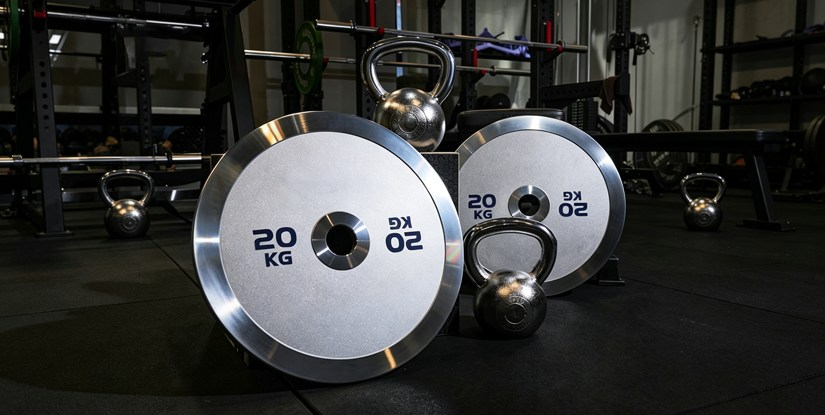
Material-Driven Selection for Global Importers
Selecting the correct material and coating profile is a strategic decision that affects both the landed cost and the long-term durability of your inventory. For example, while bare iron is cost-effective for budget-tier gym setups, it requires higher maintenance and frequent replacement due to oxidation. Most professional distributors prefer a calibrated weight plate custom manufacturer that offers advanced surface treatments like high-grade powder coating or PU coating to extend the product lifecycle in high-traffic commercial environments.
When evaluating a China factory for your next shipment, consider how the material choice impacts your shipping efficiency and warehouse storage. Rubber-coated or PU-coated plates offer superior floor protection and noise reduction, which is a significant selling point for boutique studios, though they may involve different MOQ requirements compared to standard cast iron. A professional supplier will provide detailed specifications on the coating adhesion and the thickness of the protective layer to ensure the finish remains intact through international transit and heavy usage.
To optimize your procurement process, we recommend requesting a sample evaluation for any new OEM or ODM project. This allows you to verify the weight precision, the smoothness of the bore, and the durability of the finish before committing to a full bulk order. Our team can provide technical spec sheets and confirm the MOQ for custom branding to ensure your product meets the exact standards of your target market.
China Factory QC and Export Packaging Protocols
Maintaining strict quality control is the primary concern for importers sourcing high-precision equipment. As a professional calibrated weight plate custom manufacturer, we implement rigorous inspection stages to ensure that every unit meets international commercial standards before leaving the China factory. For distributors and gym owners, inconsistent weight accuracy or transit damage can significantly increase the total cost of ownership and damage brand reputation.
Our QC protocols begin at the raw material stage, moving through precision machining and final calibration. We focus on critical checkpoints such as bore concentricity, surface finish consistency, and weight tolerance. To mitigate the risks associated with long-distance sea freight, our commercial gym equipment OEM factory utilizes specialized shipping damage prevention strategies. This includes heavy-duty reinforced cartons, edge protectors, and palletization techniques designed to withstand container loading and multi-stage handling.
For large-scale wholesale orders, we offer detailed pre-shipment inspection reports. This allows buyers to verify the weight tolerance and coating adhesion of their wholesale precision weight plates before the final export. By addressing these variables at the source, we help our partners reduce the frequency of replacement claims and ensure a seamless sourcing experience from the factory to the final destination.
Efficient logistics management is critical when managing the landed cost of heavy metal goods. To protect the integrity of your investment, our export packaging protocols are designed specifically for high-density, high-volume shipments. We utilize heavy-duty, double-walled corrugated boxes and reinforced palletization to ensure that every batch of wholesale precision weight plates arrives in professional-grade condition, minimizing the risk of surface scuffing or structural deformation during sea freight transit.
During the final stages of production, our pre-shipment inspection focuses on the practical durability of the product. Technicians conduct spot-checks on the bore diameter to ensure a smooth Olympic collar fit and verify the adhesion of the powder coating or rubber encapsulation. This level of scrutiny is standard for a top-tier calibrated weight plate custom manufacturer, ensuring that the diameter and weight distribution remain within acceptable industry-standard ranges. We also inspect the structural integrity of the packaging corners and pallet stability to optimize container loading efficiency, which is vital for reducing shipping costs per unit.
Whether you are managing a single MOQ for a specialized studio or a massive container for a global distribution network, our logistics-first approach ensures your inventory is ready for immediate commercial deployment. We recommend that buyers confirm all packaging specifications and inspection requirements during the initial sourcing phase to ensure the final delivery aligns perfectly with your local warehousing and distribution capabilities.
Inspection & Packaging Standard
To assist procurement managers in evaluating service levels, the following table outlines how different quality tiers are handled during the final stages of production and export. Selecting the appropriate standard is essential for balancing your initial investment with long-term commercial durability and the final landed cost.
| Focus | Key QC Point | Packaging Type | Best For |
|---|---|---|---|
| Weight Accuracy | Bore concentricity and weight tolerance spot-check | Reinforced heavy-duty carton with internal dividers | Premium professional studios and competition-grade setups |
| Surface Integrity | Powder coating adhesion and edge smoothness | Double-walled corrugated box with edge protectors | Standard commercial gyms and high-traffic fitness centers |
| Bulk Logistics | Pallet stability and container loading density | Industrial palletization with shrink wrap and corner guards | Large-scale wholesale distributors and bulk importers |
Selecting a reliable calibrated weight plate custom manufacturer requires looking beyond the unit price to the actual reliability of the export process. We advise partners to discuss specific OEM branding requirements and customized packaging needs during the initial sourcing consultation. This ensures that your private label identity remains intact and that your inventory arrives ready for immediate commercial deployment with minimal replacement needs.
OEM and Private Label Customization Capabilities
For distributors and large-scale gym operators, standard stock items often fail to differentiate a premium brand in a crowded market. Relying on generic products can dilute your brand identity and limit your ability to serve high-end clients. A specialized calibrated weight plate custom manufacturer solves this by providing tailored production paths that align with your specific market positioning.
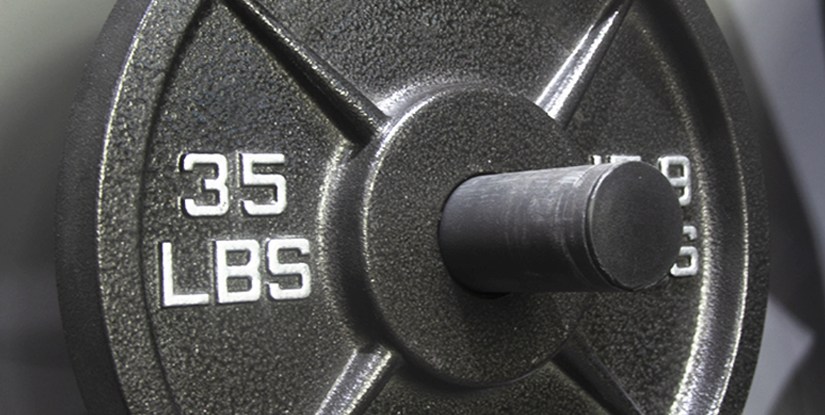
Our China factory offers comprehensive OEM and ODM solutions designed to move beyond basic manufacturing. We assist procurement leads in developing high-margin product lines through precise technical specifications and customized branding. Whether you require a specific weight tolerance for competition-grade use or a unique aesthetic for a boutique studio, our production lines are optimized for private label success.
Custom Branding and Technical Specifications
The transition from a standard product to a branded asset requires strict control over the branding and finishing stages. We offer various methods to integrate your custom logo, ensuring it withstands the rigors of a commercial environment. Depending on your target tier, this may involve deep-mold embossing during the casting stage or high-precision laser etching on the finished surface.
When sourcing wholesale precision weight plates, technical precision is non-negotiable. We manage the entire customization loop, from the initial machining of the Olympic collar fit to the final weight calibration. This ensures that every unit in your bulk order meets the exact density and concentricity requirements requested during the sourcing process. As a leading commercial gym equipment OEM factory, we ensure that your custom technical specifications are documented and verified through rigorous pre-shipment checks.
Customization Tiers and Procurement Decision Matrix
Selecting the right specification involves balancing aesthetic appeal with long-term durability and total cost of ownership. A professional calibrated weight plate custom manufacturer provides different tiers of production to suit various commercial settings, from high-traffic strength centers to boutique studio environments. Understanding these material and process trade-offs is essential for effective sourcing and maintaining healthy distributor margins.
The following table outlines the common customization paths available through our China factory to assist in your product development and bulk procurement planning.
| Material | Coating | Branding Method | Commercial Duty | MOQ Impact | Factory QC Point |
|---|---|---|---|---|---|
| Cast Iron | Powder Coating | Silk-screen or Paint | Standard Commercial | Standard | Coating adhesion |
| Cast Iron | PU Coating | Custom Embossed Logo | Premium / Boutique | Higher | Bore concentricity |
| Steel | Chrome Finish | Laser Etching | High-End / Competition | High | Weight calibration |
For high-volume wholesale orders, we typically recommend the cast iron and powder coating route due to its proven durability and cost-efficiency. However, for premium private label projects where brand differentiation is the priority, our ODM services can integrate a custom embossed logo directly into the casting mold. This ensures your brand identity remains permanent and does not peel or fade over time. We suggest contacting our team to confirm the specific MOQ for specialized coatings or custom mold requirements before finalizing your purchase order.
For distributors and large-scale gym operators, standard stock items often fail to differentiate a premium brand in a crowded market. Relying on generic products can dilute your brand identity and limit your ability to serve high-end clients. A specialized calibrated weight plate custom manufacturer solves this by providing tailored production paths that align with your specific market positioning.
Our China factory offers comprehensive OEM and ODM solutions designed to move beyond basic manufacturing. We assist procurement leads in developing high-margin product lines through precise technical specifications and customized branding. Whether you require a specific weight tolerance for competition-grade use or a unique aesthetic for a boutique studio, our production lines are optimized for private label success.
Optimizing Procurement: MOQ and Logistics Planning
For professional distributors and large-scale warehouse operators, managing the balance between stock availability and capital liquidity is a constant challenge. Sourcing from a calibrated weight plate custom manufacturer requires a strategic approach to volume and timing to ensure that inventory levels meet market demand without overextending landed cost. High-volume procurement is not merely about the unit price; it is about the total efficiency of the supply chain.
Effective sourcing strategies must account for the relationship between MOQ and shipping frequency. When ordering wholesale precision weight plates, distributors often face a trade-off: higher volumes can significantly reduce the per-unit cost and optimize container utilization, but they also increase warehousing requirements and tie up cash flow. A well-coordinated China factory can assist in navigating these variables by offering tiered production schedules that align with your regional distribution cycles.
Failure to synchronize lead time with seasonal demand can result in stockouts during peak procurement windows or, conversely, excessive storage costs for slow-moving SKUs. To maximize distributor margin, procurement professionals should work closely with their commercial gym equipment OEM factory to establish a predictable production rhythm. This includes accounting for raw material fluctuations and the time required for precision calibration and export-standard packaging. By integrating these logistics variables into your annual planning, you can maintain a lean yet responsive inventory that supports consistent market presence.
Sourcing Models: Stock vs. Custom OEM Comparison
Distributors must choose between purchasing ready-to-ship standard inventory or investing in specialized production to differentiate their market offerings. While standard stock provides rapid fulfillment, a calibrated weight plate custom manufacturer offers the ability to control the technical specifications and brand identity of your product line. Understanding these two paths is essential for calculating long-term profitability and managing warehouse capacity.
| Procurement Model | Customization Level | Typical MOQ | Lead Time | Primary Benefit | Quality Control Focus |
|---|---|---|---|---|---|
| Standard Stock | Low (Generic/Standard) | Lower | Short (Ready to Ship) | Fast Inventory Turnover | Weight Spot-Check |
| Custom OEM | High (Logo/Finish/Spec) | Higher | Longer (Production Cycle) | Higher Distributor Margin | Full Calibration & Coating Adhesion |
| Private Label | Medium (Branding/Color) | Medium | Moderate | Brand Identity Strength | Logo Embossing & Packaging |
When selecting a commercial gym equipment OEM factory, the decision to pursue ODM or OEM solutions should be driven by your target market segment. High-end commercial clients often require specific weight tolerances and premium finishes, such as high-grade powder coating or specialized plating, which are best achieved through dedicated production runs. While the MOQ for custom orders is higher, the ability to offer a unique, branded product helps insulate your business from the price wars common in the generic commodity market.
To ensure a successful partnership, we recommend requesting a detailed specification sheet and confirming the lead time for both stock and custom runs before finalizing your purchase order. For large-scale deployments, it is also prudent to discuss export packaging standards and container loading optimization to minimize the final landed cost. We invite you to contact us to discuss bulk pricing, sample approval processes, or to request a factory audit to verify our production capabilities.
Standardizing Export Quality and Logistics Efficiency
Logistics planning for heavy-duty iron and steel components requires more than just selecting a freight forwarder; it demands a rigorous focus on container density and protection. As a professional calibrated weight plate custom manufacturer, we recognize that the final landed cost is heavily influenced by how effectively a container is loaded and how well the product survives the transit from a China factory to your regional warehouse.
To mitigate the risks of transit damage—such as coating scratches or dimensional shifts—our export packaging protocols are designed for high-density, heavy-load stability. This typically involves reinforced multi-layer cartons and palletization strategies that optimize space while ensuring the structural integrity of every unit. For distributors managing large-scale wholesale shipments, these standards are critical to preventing costly returns and maintaining high service levels for your end-users.
Beyond packaging, a robust pre-shipment inspection (PSI) serves as the final safeguard for your investment. Before any container is sealed, our QC teams conduct targeted checks on essential commercial attributes. This process is not merely a surface review but a technical verification of the product's readiness for the global market. We recommend that procurement leads schedule or request specific inspection reports to verify these critical points:
- Weight Tolerance Spot-Check: Ensuring every plate meets the calibrated specification.
- Coating Adhesion: Verifying the durability of the powder coating or paint finish under standard handling stress.
- Bore Fit and Concentricity: Confirming the Olympic collar fit is smooth and precise for seamless integration.
- Packaging Integrity: Testing the strength of the export-grade cartons and pallet stability for long-haul sea freight.
By aligning your sourcing requirements with these rigorous QC and logistics standards, you can reduce the volatility of your supply chain. Whether you are fulfilling a single large-scale gym deployment or managing a continuous replenishment cycle for a distribution network, prioritizing these technical details ensures your inventory arrives ready for immediate commercial use. Contact us today to discuss your specific MOQ requirements, request a sample for evaluation, or schedule a formal factory audit.