Calibrated Steel Plate Wholesale Manufacturer: Material QC
The Hidden Costs of Low-Precision Weight Plates
For large-scale fitness franchises and high-end boutique studio operators, even minor discrepancies in equipment weight can lead to significant operational friction. When a calibrated steel plate wholesale manufacturer provides units with inconsistent mass, the impact extends far beyond a single workout. Inconsistent loading affects the professional credibility of a facility and can lead to increased wear on specialized training machines. For distributors managing large-scale sourcing projects, the goal is to minimize the total cost of ownership (TCO) by avoiding the high replacement costs and constant maintenance associated with substandard commercial steel weight plates.
Procuring low-quality commercial steel weight plates often results in a decept much higher TCO than the initial savings suggest. In a professional setting, weight inaccuracies lead to uneven load distribution, which can compromise the long-term commercial gym reliability of lifting platforms and specialized racks. For an importer, sourcing from a precision steel plate OEM ensures that the weight variance remains within industry-standard tolerances, reducing the frequency of equipment swaps and protecting the facility's capital expenditure. When managing bulk wholesale orders, prioritizing precision over the lowest possible unit price is a critical strategy for long-term profitability and operational stability.
Comparison of Commercial Grade Tiers and Sourcing Impact
Understanding the qualitative difference between standard casting and high-precision machining is essential for effective procurement. A professional calibrated steel plate wholesale manufacturer differentiates its product lines based on the level of machining and calibration required for specific commercial environments. While standard plates are sufficient for general strength areas, high-performance facilities require the precision of a precision steel plate OEM to maintain strict loading standards and equipment longevity.
| Material Tier | Manufacturing Process | Precision Level | Commercial Use Case | Sourcing Risk |
|---|---|---|---|---|
| Standard Cast Iron | Sand Casting & Basic Finishing | Standard Commercial | General Gyms & Budget Studios | Higher weight variance; potential for uneven loading |
| commercial steel weight plates | Machined Edges & Standard Coating | Professional Training | High-Traffic Commercial Facilities | Moderate maintenance; requires regular inspection |
| Premium Calibrated Steel | CNC Machining & Precision Calibration | Competition/Elite Standard | Boutique Studios & High-End Performance Centers | Minimal variance; optimized for TCO and durability |
When evaluating a calibrated steel plate wholesale manufacturer, buyers must consider how these tiers impact the landed cost and long-term operational budget. Sourcing lower-tier plates may offer a lower initial MOQ, but the long-term cost of uneven wear on barbell sleeves and the potential for client dissatisfaction can erode distributor margins. For those seeking a reliable precision steel plate OEM, the focus should remain on the manufacturing sequence—ensuring that machining and calibration are integrated into the standard production flow to guarantee consistency across every bulk shipment.
Beyond the immediate purchase price, the true cost of procurement is found in the long-term lifecycle of the equipment. For distributors and large-scale gym operators, selecting a calibrated steel plate wholesale manufacturer is a decision that dictates both the facility's maintenance schedule and the overall perceived quality of the brand. Substandard manufacturing processes often result in uneven surface textures or inconsistent bore diameters, which can lead to mechanical friction and accelerated wear on high-end barbell sleeves. This technical mismatch increases the frequency of part replacements and elevates the total cost of ownership (TCO) for the end-user.
To protect your distributor margin, it is vital to look past the unit price and analyze the manufacturing depth of your precision steel plate OEM partner. A high-tier factory will integrate specific calibration and finishing steps into their production line to ensure that every unit in a bulk order meets consistent commercial standards. By prioritizing a supplier that emphasizes machining precision and rigorous pre-shipment QC, professional buyers can mitigate the risks of product returns, equipment downtime, and the reputational damage caused by unreliable weight accuracy.
Material Selection and Machining Standards for Calibrated Steel Plates
A professional calibrated steel plate wholesale manufacturer understands that weight accuracy is the foundation of commercial gym credibility. For distributors and gym owners sourcing high-end equipment, the transition from standard cast iron to precision-engineered steel requires a rigorous focus on metallurgy and surface treatment. When managing large-scale sourcing projects, selecting a factory that utilizes high-grade steel alloys ensures that the final product meets the strict weight tolerance requirements expected in professional strength training environments.
The manufacturing of commercial steel weight plates involves a precise sequence of metallurgical control and mechanical refinement. Unlike budget-grade options, premium precision steel plate OEM production relies on high-density steel blanks that undergo extensive precision machining to ensure concentricity and dimensional stability. This process minimizes vibration and ensures a smooth fit on Olympic barbells, reducing long-term maintenance and wear on expensive barbell sleeves.
| Material Tier | Primary Process | Precision Level | Commercial Application | Sourcing Advantage |
|---|---|---|---|---|
| Standard Steel | Basic Machining | Moderate | General Fitness Centers | Lower wholesale cost |
| High-Grade Alloy Steel | Advanced CNC Machining | High | Professional Strength Gyms | Increased durability |
| Competition Grade Steel | Precision Calibration | Ultra-High | Elite Training Facilities | Premium brand identity |
For buyers evaluating B2B sourcing reliability, it is essential to verify the specific production steps used by the China factory. A reliable calibrated steel plate wholesale manufacturer will typically follow a standardized sequence: raw steel selection, precision cutting, CNC machining for thickness adjustment, and finally, a multi-stage surface finishing process. This ensures that the commercial steel weight plates delivered to your warehouse maintain consistent performance and aesthetic appeal over years of heavy usage.
Technical Comparison of Surface Finishing and Precision Standards
The distinction between a standard product and a professional-grade unit often lies in the final stages of the manufacturing route. For a calibrated steel plate wholesale manufacturer, the objective is to provide a surface that is both aesthetically consistent and structurally resilient. High-tier precision steel plate OEM services prioritize a multi-stage surface treatment—typically involving a thorough degreasing phase followed by a high-grade powder coating application. This ensures superior coating adhesion and prevents the oxidation or chipping often seen in lower-quality batches during high-volume shipping or heavy commercial use.
When managing sourcing for premium strength facilities, procurement managers must look beyond the base metal to the technicality of the weight calibration. A professional factory does not merely rely on a single-pass process; they utilize controlled CNC machining to shave material from the plate face and center bore. This allows for the fine-tuning of the weight to meet strict commercial tolerances, ensuring that every unit in a bulk order remains uniform. This level of technical control is critical for maintaining a consistent brand identity for distributors who supply elite training centers.
Effective procurement decision-making requires understanding the trade-offs between speed and precision. While budget-friendly options may use simpler coating methods to reduce lead time, professional-grade plates require more rigorous QC checkpoints. We recommend that buyers request a detailed specification sheet to confirm the specific surface finishing methods and the calibration protocols used before the wholesale shipment is finalized. For large-scale orders, confirming the ability to perform a pre-shipment inspection on bore fit and coating adhesion can significantly reduce your long-term landed cost by preventing returns and quality disputes.
Precision Machining and Surface Finishing Processes
Achieving the strict weight tolerances required by professional distributors requires more than simple casting; it demands a rigorous technical workflow. A professional calibrated steel plate wholesale manufacturer utilizes advanced CNC machining to ensure each plate meets exact dimensional specifications. This precision is vital for distributors who need to guarantee consistent performance across high-end gym installations, reducing the risk of uneven weight distribution during bulk shipments.
The transition from a raw cast or forged blank to a finished product involves several critical stages. After the initial shaping, the plates undergo precision machining to refine the center bore and the outer edges. This ensures a perfect fit for Olympic bars and prevents wobbling. Following the structural refinement, the surface finishing stage determines the long-term durability and aesthetic value of the commercial steel weight plates. Depending on the client's OEM requirements, this may involve phosphate treatments or high-grade powder coating to prevent oxidation and handle the high-impact environment of a commercial facility.
For buyers focusing on precision steel plate OEM solutions, understanding these technical layers is essential for calculating the total cost of ownership. A factory that integrates these steps into a single production line can offer more competitive wholesale pricing while maintaining the strict quality standards expected in the North American market.
Selection of Coating Specifications for Target Markets
Selecting the appropriate finish is a strategic decision for importers. While standard powder coating is a reliable industry-standard for high-traffic commercial gyms, premium facilities often demand more specialized treatments. Choosing the wrong specification can lead to higher maintenance costs or premature oxidation, which ultimately affects your distributor margins and brand reputation. A professional calibrated steel plate wholesale manufacturer will offer tiered options to align with your specific market positioning.
The following table compares common finishing options to assist in your procurement planning and market segmentation:
| Material/Finish Type | Primary Process | Commercial Duty Tier | Key Benefit for Importers | Typical Use Case |
|---|---|---|---|---|
| Powder Coated Steel | Electrostatic Spraying | Standard Commercial | High durability and scratch resistance | General fitness clubs and mid-tier gyms |
| PU Coated (Polyurethane) | Liquid Dip/Molding | Premium/High-End | Superior floor protection and silent impact | Luxury studios and high-performance centers |
| Phosphate/Enamel | Chemical Treatment | Budget/Entry-Level | Lowest landed cost for high-volume sales | Budget distributors and basic strength zones |
When evaluating a precision steel plate OEM partner, we recommend requesting a sample to test coating adhesion and thickness. For large-scale wholesale orders, verifying the consistency of the PU coating or powder application is a vital part of your pre-shipment inspection. This ensures that the finished units can withstand the rigorous handling and environmental variables inherent in international shipping and long-term commercial use.
The final stage of the procurement cycle is where a calibrated steel plate wholesale manufacturer proves its value to international distributors. Even with perfect machining, the risk of damage during long-haul transit remains a significant concern for importers. To protect your landed cost and ensure that the product arrives in a showroom-ready state, a rigorous pre-shipment QC protocol is mandatory. This process focuses on verifying that every unit meets the high-performance standards required for professional strength training environments.
A reliable China factory will implement a multi-point inspection checklist before any container is sealed. This includes a concentricity check to ensure the bore remains perfectly centered, a weight tolerance spot-check to confirm accuracy, and a thorough assessment of coating adhesion. We recommend that buyers specifically ask for documentation regarding these steps. A high-quality supplier will not only provide the finished product but also the assurance that the tolerances and surface integrity have been verified against industry-standard commercial specs.
Effective export packaging is the final safeguard for your inventory. For high-volume wholesale orders, the packaging must be robust enough to handle the weight and potential movement during sea freight. This typically involves heavy-duty corrugated cartons, reinforced corner protectors, and palletization that optimizes container loading efficiency. By prioritizing these details, a professional factory helps you minimize the risk of transit-related returns and maintains the high standards of your own brand identity.
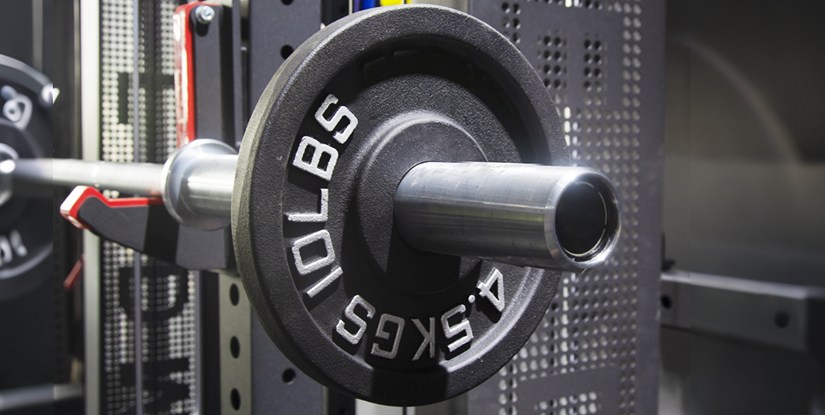
To move forward with your procurement, we invite you to contact us to request a detailed technical spec sheet, confirm current MOQ levels, or discuss customized OEM/ODM branding options for your next bulk shipment.
Factory QC Protocols for High-Volume Export Orders
Maintaining strict oversight is the primary responsibility of a professional calibrated steel plate wholesale manufacturer when managing large-scale international shipments. For distributors and gym equipment importers, the cost of receiving a shipment with inconsistent weight or poor surface finish far outweighs the initial savings of a low-cost supplier. A reliable China factory implements multi-stage inspection protocols to ensure every unit meets the rigorous demands of the global fitness market.
Standardized quality control must begin at the raw material stage and continue through final packaging. For a precision steel plate OEM, the objective is to eliminate variables in density and thickness that could compromise the weight tolerance required for high-end commercial settings. By implementing systematic checks, manufacturers can guarantee that commercial grade units delivered in bulk orders remain consistent across every container, protecting the buyer's brand reputation and reducing the frequency of costly after-sales claims.
Standardized Inspection Milestones
Effective sourcing requires understanding the specific checkpoints used to verify product integrity. A professional calibrated steel plate wholesale manufacturer typically follows a sequence of mechanical and visual inspections to ensure compliance with export standards.
| Inspection Stage | Focus Area | Commercial Duty Impact | Typical QC Checkpoint |
|---|---|---|---|
| Material Verification | Steel Density & Composition | Long-term durability | Material consistency check |
| Machining Phase | Bore Diameter & Concentricity | Bar fit & smooth rotation | Precision diameter measurement |
| Calibration Stage | Weight Accuracy | Professional standard compliance | Weight tolerance spot-check |
| Surface Finishing | Coating Adhesion | Visual appeal & rust resistance | Coating thickness & surface uniformity |
| Final Export Prep | Packaging & Palletization | Landed cost & shipping safety | Carton drop & moisture protection |
Technical Precision in Machining and Calibration
For high-performance commercial steel weight plates, the difference between budget and professional-grade equipment lies in the mechanical tolerances of the center bore and the surface uniformity. A top-tier calibrated steel plate wholesale manufacturer utilizes advanced CNC machining to ensure that the concentricity of the plate remains within strict industry-standard limits. This precision is critical for distributors, as any deviation in the center hole diameter or alignment can lead to uneven loading on Olympic bars, causing friction or uneven wear in commercial gym environments.
Beyond the machining phase, the calibration process is where true value is established for a wholesale buyer. Rather than relying on crude casting weights, professional units undergo a rigorous weight calibration sequence. This involves precisely removing or adding material to reach the target weight, ensuring that the variance across a large bulk order is minimal. This technical rigor prevents the common procurement headache of receiving uneven sets, which can damage a distributor's credibility and increase the total cost of ownership for the end-user.
When finalizing a sourcing plan, we recommend that buyers request a detailed specification sheet to confirm the specific machining and calibration protocols used. To ensure your product meets your brand's standards, you may also request a sample approval or book a third-party factory audit to verify these technical checkpoints before the final production run begins.
OEM and Private Label Capabilities for Global Distributors
For distributors seeking to build a distinct market presence, a professional calibrated steel plate wholesale manufacturer provides more than just equipment; they provide a foundation for brand equity. Rely through direct sourcing to a factory that understands the nuances of custom branding and high-fidelity identity. Whether you require specific logo embossing on the steel surface or specialized color-coded weight markings, our OEM and ODM services are designed to scale with your business requirements.
Managing a diverse product catalog requires a supplier capable of balancing high-volume output with precise customization. We offer tiered MOQ options to accommodate both specialized studio launches and large-scale commercial distribution. By integrating your private label requirements directly into the production workflow—from the initial casting stage to the final powder coating or surface treatment—we ensure your commercial steel weight plates maintain a consistent, premium aesthetic that differentiates your brand in a competitive market.
Strategic global distribution depends on the ability to provide a cohesive product line. Our precision steel plate OEM workflows allow for customized packaging and branding that meets the specific regulatory and aesthetic standards of your target region. This capability ensures that your landed cost remains optimized while your brand's perceived value increases through professional, uniform product presentation.
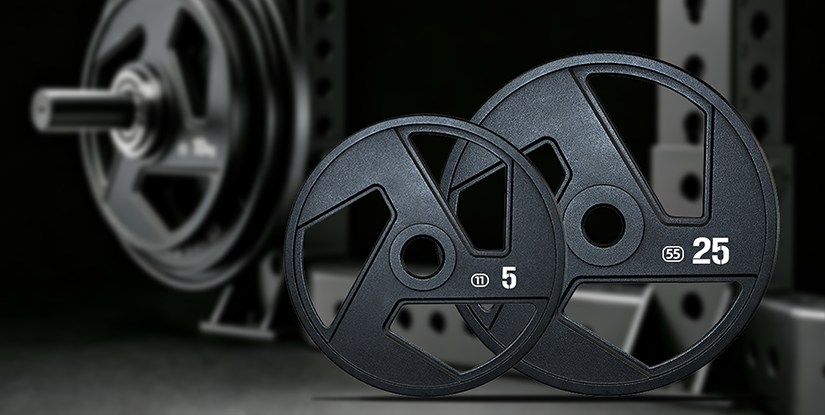
Selecting the right level of customization is a critical decision for procurement managers evaluating long-term distributor margins and product differentiation. A professional calibrated steel plate wholesale manufacturer offers varying depths of production complexity to match your specific business model, whether you are stocking standard inventory or launching a high-end proprietary line.
Customization Depth: Standard vs. OEM/ODM Tiers
Standard production focuses on high-efficiency throughput of established specifications, ideal for distributors needing rapid replenishment and lower MOQ. In contrast, precision steel plate OEM services allow for deeper integration of your brand identity. This includes custom CNC machining for tighter concentricity, specialized surface finishes, and unique weight marking styles. Understanding these tiers helps in calculating the total landed cost and projecting the long-term ROI of your specialized product lines.
| Customization Level | Primary Material/Process | Branding Options | Production Complexity | Ideal Business Model |
|---|---|---|---|---|
| Standard Wholesale | Cast Iron or Steel with Powder Coating | Standard Weight Markings | Low (High-Volume Output) | General Gym Distributors |
| Advanced OEM | Machined Steel with Precision Finish | Embossed or Laser-Engraved Logos | Medium (Custom Dimensions) | Premium Studio Suppliers |
| Full ODM | Full Specification Control (Material & Coating) | Complete Private Label Identity | High (Custom Tooling/Design) | Global Equipment Brands |
When evaluating a China factory for your next bulk order, consider how much control you require over the technical specifications. While standard commercial steel weight plates offer excellent value for general commercial use, a full ODM approach allows you to dictate specific coating adhesion standards or specialized handle textures, ensuring your proprietary line meets the exact expectations of your high-end clientele.
For international importers, the success of a bulk procurement cycle depends on more than just the initial price; it relies on the reliability of the export-grade quality control and the efficiency of the final delivery. A professional calibrated steel plate wholesale manufacturer must implement a rigorous inspection sequence that begins at the raw material stage and extends through to the final container loading. This systematic approach minimizes the risk of weight discrepancies or surface defects that could erode your distributor margins upon arrival.
The standard workflow in a high-tier China factory involves several critical checkpoints. After the initial machining and calibration phases, every batch of commercial steel weight plates undergoes a weight tolerance spot-check to ensure consistency across the entire shipment. Furthermore, we prioritize the durability of the surface finish, performing standard adhesion tests on the powder coating to prevent chipping during transit or heavy commercial use. These steps are essential for maintaining a low total cost of ownership for your end-users.
Effective shipping optimization is a core component of our service for large-scale bulk orders. We recognize that for distributors, maximizing container volume is vital for reducing the landed cost per unit. Our logistics team manages specialized packaging standards, utilizing reinforced cartons and protective corner shielding to prevent damage during sea freight. This ensures that your precision steel plate OEM products arrive in a retail-ready state, ready for immediate distribution to gym owners or retail outlets.
When planning your next procurement cycle, we recommend discussing your specific MOQ and lead time requirements early in the process. Whether you are sourcing standard inventory or a highly customized private label line, our team provides transparent timelines for production, pre-shipment inspection, and ocean freight booking. To ensure full alignment with your quality expectations, we invite you to request a technical spec sheet or discuss a sample approval process before finalizing your large-scale wholesale agreement.
Optimizing Your Sourcing Strategy and Logistics
For international distributors and gym equipment importers, understanding the total landed cost is essential to maintaining healthy profit margins. When sourcing from a calibrated steel plate wholesale manufacturer, the unit price is only one component of the final expense. Variables such as freight class, container utilization, and customs duties can significantly alter your procurement budget. Professional buyers must account for these factors alongside the MOQ to ensure that bulk orders remain economically viable for their specific market tier.
Efficient shipping optimization is a critical lever for reducing overhead. Because steel plates are high-density, heavy goods, the way they are palletized and loaded into a container directly impacts your volumetric weight and freight costs. A professional China factory will often suggest specific packaging configurations or mixed-container strategies to maximize space. By coordinating closely with your supplier regarding lead time and container schedules, you can avoid costly demurrage charges and ensure a steady supply chain for your commercial steel weight plates distribution needs.
Effective procurement also requires a clear understanding of how precision steel plate OEM requirements influence the production timeline. Custom branding or specialized machining adds complexity to the manufacturing route, which may extend the lead time compared to standard stock items. To mitigate risk, we recommend requesting a detailed production schedule and confirming MOQ levels well in advance of your peak seasonal demand. This proactive approach allows for better inventory planning and more predictable landed cost projections for your business.
Comparison of Procurement Models for Commercial Distributors
Choosing between standard stock procurement and a full custom manufacturing route depends on your specific business model and inventory turnover goals. A professional calibrated steel plate wholesale manufacturer typically offers two distinct paths: purchasing ready-to-ship units for immediate replenishment or engaging in a specialized production cycle for unique brand requirements. For distributors seeking rapid market entry, stock orders provide the lowest barrier to entry, whereas precision steel plate OEM services offer the highest level of brand differentiation and long-term market positioning.
| Procurement Model | Material & Finish Options | Primary Manufacturing Process | Customization Level | Typical MOQ | Lead Time Impact |
|---|---|---|---|---|---|
| Standard Stock Order | Commonly bare iron or powder coated steel | Standardized casting and machining | Minimal (standard weight increments) | Low | Short (standard shipping schedules) |
| precision steel plate OEM | Custom steel grades or specialized coatings | Advanced CNC machining and custom branding | High (bespoke dimensions and logos) | Higher | Extended (production + QC + export) |
| Private Label Wholesale | Standard commercial-grade steel | Standard production with custom branding | Moderate (logo and color coding) | Medium | Moderate (aligned with production runs) |
When evaluating these models, consider the impact on your commercial steel weight plates inventory turnover. Stock models are highly efficient for maintaining a consistent baseline of essential equipment, while a calibrated steel plate wholesale manufacturer approach through an OEM or ODM partnership allows you to build a premium brand identity that commands higher margins in the high-end fitness market. We suggest requesting a detailed specification sheet and a formal quote to compare the total landed cost and MOQ requirements for both stock and custom production paths before finalizing your procurement plan.
Ensuring Product Integrity Through Export-Grade Logistics
The final stage of the procurement cycle is often the most volatile. Even with a high-tier calibrated steel plate wholesale manufacturer, the risk of transit-related damage or oxidation remains a significant concern for overseas distributors. High-density steel products are subject to extreme physical stress during sea freight and container handling. Without professional export packaging, even the highest quality plates can suffer from surface abrasions, dented edges, or moisture-induced corrosion before reaching your warehouse.
To mitigate these risks, a professional China factory implements a rigorous multi-layer protection strategy. This begins with heavy-duty, reinforced corrugated cartons or custom wooden crates designed to withstand the weight of bulk shipments. For commercial steel weight plates, we utilize moisture-absorbent silica packets and specialized protective coatings to prevent rust during long-distance maritime transit. Furthermore, specialized container loading protocols—such as palletization and securing with high-strength strapping—are used to prevent shifting and impact damage during ocean transport.
Before any shipment leaves the facility, a comprehensive pre-shipment QC inspection is mandatory. This process goes beyond simple weight checks; it includes a thorough audit of the packaging integrity, seal strength, and load stability. We ensure that every unit meets the strict requirements of damage prevention standards to protect your margins and reduce the need for costly replacement claims. For partners utilizing precision steel plate OEM services, this final inspection also verifies that all custom branding and specialized finishes remain intact and compliant with the original order specifications.
To ensure your next shipment meets these exacting standards, we invite you to request a detailed packaging specification or a sample evaluation. Contact us to confirm the current MOQ for your specific configuration, or to book a formal factory audit to review our pre-shipment QC and loading procedures firsthand.