Calibrated Weight Plate Wholesale: China Factory Pricing
Defining High-Precision Calibrated Weight Plate Wholesale Standards
For premium boutique fitness studios and high-end commercial gym chains, the margin for error in weight accuracy is non-existent. When a distributor manages a large-scale facility rollout, inconsistent plate weights can lead to uneven barbell loading and professional frustration. Securing a reliable calibrated weight plate wholesale partner ensures that every unit meets the strict weight tolerance requirements necessary for high-performance training. By sourcing directly from a specialized China factory, importers can ensure that their inventory maintains the precision expected in elite strength environments while optimizing the landed cost of large-scale shipments.
Achieving this level of accuracy requires a rigorous manufacturing sequence that moves beyond basic casting. A professional precision weight plate manufacturer utilizes a multi-stage process involving high-grade steel, precision machining, and meticulous calibration to minimize deviations. For procurement leads, understanding these technical layers is essential to differentiate between standard gym equipment and the high-tier commercial steel weight plates required for professional competition or premium training environments.
Technical Comparison: Casting vs. Machining for Commercial Use
The fundamental difference between standard weight plates and high-precision equipment lies in the manufacturing route. Most budget-tier options rely on sand casting, which is efficient for high-volume wholesale but often results in surface irregularities and higher weight variances. In contrast, premium commercial steel weight plates are produced through advanced CNC machining processes to ensure a level of concentricity and thickness uniformity that standard casting cannot achieve. For distributors, selecting the right process is a critical decision between maximizing profit margins and meeting high-end client specifications.
A professional precision weight plate manufacturer will typically utilize a sequence of casting, followed by precision machining of the center bore and the outer rim, and finally a rigorous calibration stage. This ensures the plates are perfectly balanced and concentric, preventing the "wobble" often seen in lower-quality units. When managing a large-scale calibrated weight plate wholesale order, buyers must evaluate whether the facility requires the cost-efficiency of cast iron or the extreme precision of machined steel.
| Material Tier | Primary Process | Key Component/Detail | Commercial Duty | Procurement Focus |
|---|---|---|---|---|
| Cast Iron | Sand Casting | Rough surface texture | Standard Commercial Gyms | High volume / Low MOQ |
| Machined Steel | CNC Machining | Precision center bore | Premium Training Centers | High precision / High ROI |
| Stainless Steel | Forging & Polishing | High corrosion resistance | Elite/Competition Environments | Durability / Long-term TCO |
Optimizing Procurement via Factory-Direct Sourcing
For professional importers, the decision to move toward a factory-direct model is driven by the need for strict quality control and predictable lead times. When sourcing high-precision equipment, the technical specifications must be verified during the pre-shipment stage. A reliable supplier will offer transparent documentation regarding the calibration process and the surface finishing methods used, such as powder coating or nickel plating, to ensure long-term durability and aesthetic consistency for your brand.
Evaluating the technical capabilities of a China factory allows procurement managers to mitigate risks related to weight deviation and coating adhesion. Before finalizing a bulk order, it is highly recommended to request a sample evaluation or a factory audit. This ensures that the manufacturing standards for the center hub, the knurled ring, and the overall plate thickness align with your specific commercial requirements, ultimately protecting your distributor margins and client satisfaction.
Critical Inspection Points for Export-Grade Weight Plates
Mitigating risk in large-scale procurement requires more than just trusting a specification sheet; it requires a rigorous pre-shipment verification process. For distributors managing high-value shipments, a single batch of inconsistent products can damage brand reputation and increase the total cost of ownership for the end-user. To ensure the integrity of your calibrated weight plate wholesale order, several technical inspection points must be addressed during the final quality control stage at the factory.
A professional precision weight plate manufacturer implements a multi-layered inspection protocol to ensure every unit meets international commercial standards. This process typically begins with a weight tolerance spot-check, where a statistically significant sample from the production batch is tested to ensure deviations remain within the agreed-upon thresholds. This step is vital for maintaining the professional standard of commercial steel weight plates, where precision is the primary value proposition. Beyond weight, the physical durability of the surface finish must be verified through a coating adhesion test to prevent peeling or oxidation during heavy commercial use.
Effective sourcing strategy also involves auditing the logistics-ready state of the product. High-quality export packaging is not merely about protection; it is about optimizing container loading efficiency to reduce the landed cost per unit. A reliable supplier will utilize reinforced corner protection and heavy-duty pallets to prevent damage during sea freight. When calculating your total budget, ensure you account for the specific MOQ and the associated lead time for customized or high-precision runs, as these factors directly impact your inventory turnover and warehouse management efficiency.
Material Selection and Machining Processes for Commercial Steel Weight Plates
When sourcing calibrated weight plate wholesale solutions, understanding the distinction between standard cast iron and high-precision steel is vital for long-term equipment durability. For professional distributors and gym owners, the choice of material directly impacts the total cost of ownership and the precision of heavy lifting sessions. High-end facilities require more than just bulk weight; they require consistency that only a professional precision weight plate manufacturer can provide through rigorous production standards.
Reliable commercial steel weight plates are typically produced through a multi-stage manufacturing sequence to ensure structural integrity. The process begins with high-grade industrial steel, which undergoes intensive shaping—often via advanced casting or heavy-duty forging. Following the initial shaping, the plates move to a CNC machining stage. This step is critical for achieving the necessary concentricity and ensuring the weight remains balanced during high-velocity use. Without precision machining, plates may exhibit wobbling or uneven wear, increasing maintenance loads for the facility operator.
To ensure a high standard of quality, many China factory facilities implement a structured workflow: starting from the raw material selection, moving through sand casting or forging, followed by precision machining, and concluding with specialized surface treatments such as powder coating or chrome plating. This systematic approach allows a supplier to maintain strict weight tolerance standards across large wholesale orders, ensuring that every unit in a bulk shipment meets the same professional specification.
| Material Tier | Primary Process | Surface Finish | Commercial Durability | Procurement Use Case |
|---|---|---|---|---|
| Standard Cast Iron | Sand Casting | Paint or Enamel | Moderate | Budget-friendly gym setups |
| Commercial Steel | Machining & Forging | Powder Coating | High | Professional training centers |
| Premium Competition Steel | Precision CNC Machining | Chrome or Specialized Coating | Very High | Elite strength & Olympic facilities |
For buyers looking to establish a private label or high-end brand, selecting the correct manufacturing route is essential for managing MOQ and landed cost. While cast iron options offer lower entry costs, steel-based plates with advanced machining provide the longevity required for high-traffic commercial environments. We recommend discussing specific OEM or ODM requirements with your factory to ensure the final product aligns with your brand's quality promise and your customers' expectations.
Optimizing Surface Integrity and Precision Standards
Selecting the appropriate finish is as critical as the base metal itself when evaluating a calibrated weight plate wholesale order. For high-traffic commercial environments, the surface treatment determines how well the equipment resists oxidation, impact wear, and aesthetic degradation over time. A professional precision weight plate manufacturer will offer various finishing tiers to help you balance durability requirements against your target landed cost.
A common industry-standard approach involves a multi-step surface treatment sequence. For example, high-grade steel plates often undergo a phosphate treatment to prepare the surface before the final application of powder coating. This ensures superior coating adhesion and prevents the chipping or peeling that can occur with lower-quality finishes. When managing a bulk order for a large-scale facility, verifying these specific manufacturing steps is a key part of the pre-shipment QC process to ensure long-term ROI.
The following comparison highlights how different manufacturing routes and surface treatments impact the final commercial utility and the procurement logic for your next wholesale shipment:
| Material Type | Surface Treatment | Machining Process | Commercial Durability | Sourcing Benefit |
|---|---|---|---|---|
| Cast Iron | Paint / Enamel | Sand Casting | Standard | Low MOQ & Cost |
| Commercial Steel | Powder Coating | CNC Machining | High | Optimized wholesale Value |
| Competition Steel | Chrome / Specialized | Precision Machining | Elite | Premium private label Appeal |
When reviewing technical specifications with your supplier, we suggest requesting detailed information regarding the thickness of the powder coating and the precision of the CNC machining stages. For distributors looking to offer high-performance commercial steel weight plates, confirming these technical details during the sample approval stage can prevent costly quality discrepancies in your final export shipments. Contact us to discuss your specific OEM requirements or to request a full technical spec sheet for your upcoming procurement cycle.
Rigorous Inspection and Export Quality Control Protocols
Maintaining consistency in a calibrated weight plate wholesale program requires more than just high-grade materials; it demands a disciplined approach to pre-shipment inspection. For an international distributor or large-scale importer, the primary risk is receiving a batch with uneven weight distribution or surface defects. To mitigate this, a professional China factory employs a multi-point verification system that focuses on the critical mechanical and aesthetic attributes of the plates before they are cleared for export.
The quality control process typically begins with a weight calibration check, where a statistical sample from the production run is verified against the target mass. This is followed by a concentricity test to ensure the center hole is perfectly aligned, preventing any wobbling when loaded onto a barbell. Furthermore, the inspection team conducts a coating adhesion test—often using a standardized scratch or impact method—to confirm that the powder coating or plating is sufficiently bonded to the steel core. This step is vital to ensure the plates can withstand the high-impact environment of a commercial gym without premature surface failure.
Beyond the individual unit, the pre-shipment QC phase extends to the entire logistics and packaging chain. For a wholesale order, the stability of the product during sea freight is paramount. We implement specialized export packaging protocols, which include reinforced corner protection and heavy-duty corrugated dividers to prevent metal-on-metal friction during transit. This attention to detail ensures that your bulk shipment arrives at your warehouse with the same precision and aesthetic integrity as the samples you approved during the initial sourcing stage.
Before finalizing your next order, we recommend discussing specific lead time and export logistics requirements with your supplier. Whether you require a custom OEM production schedule or specialized palletizing for container loading, our team is prepared to provide a detailed timeline and technical documentation to support your procurement planning.
Precision Weight Plate Manufacturer: Quality Control and Calibration Protocols
For distributors and gym equipment importers, the margin for error in weight accuracy is zero. When sourcing calibrated weight plate wholesale orders, the primary risk is inconsistent weight distribution, which can lead to uneven loading on high-end machines and increased maintenance costs. A professional precision weight plate manufacturer mitigates these risks by implementing standardized calibration protocols during the production cycle. For high-volume wholesale procurement, ensuring that every unit meets strict commercial gym standards is essential for maintaining your brand reputation and ensuring long-term reliability for end-users.
The manufacturing sequence begins with high-grade material selection, typically moving from raw casting to precision machining. Unlike standard cast iron, commercial steel weight plates designed for professional use undergo a rigorous CNC machining process to ensure the center of gravity remains perfectly aligned. This process is critical for preventing the "wobble" effect during heavy lifts. A reputable China factory will implement a multi-stage calibration protocol, involving weighing the plate after the initial machining and again after the final surface coating or plating to account for any material shifts. This ensures the final weight tolerance remains within acceptable industry-standard ranges for commercial-grade equipment.
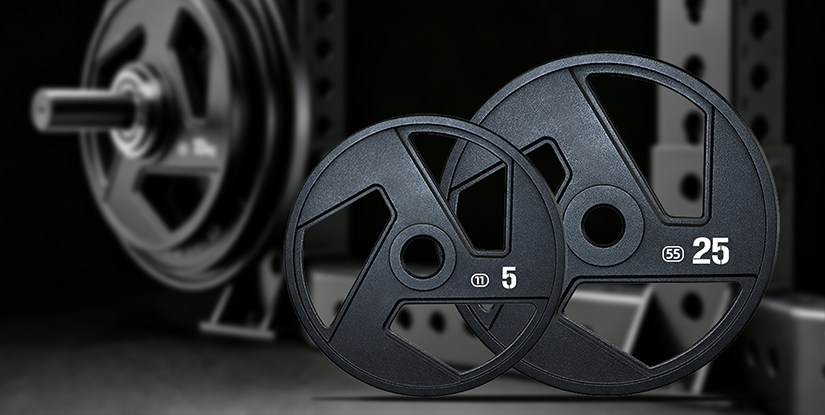
To ensure transparency during the sourcing process, professional factory-direct suppliers integrate specific inspection points into their workflow. This includes checking the concentricity of the center hole and the adhesion of the surface finish to prevent chipping under heavy use. For OEM or ODM clients, these technical specifications are vital for verifying that the bulk shipment aligns with the promised quality tier. Before any container is loaded, a final pre-shipment QC should include a randomized weight spot-check and a visual inspection of the plating integrity to ensure the landed cost remains optimized by avoiding costly returns or replacements.
A standard production workflow in a high-tier China factory follows a logical progression from raw casting to final validation to ensure structural integrity. The process typically moves through sand casting, followed by precision CNC machining to refine the inner ring and outer diameter. This machining stage is where the plate's concentricity is established, ensuring that the weight sits perfectly flat on a barbell. Following the machining, the plates undergo surface finishing—such as phosphate treatment or powder coating—before the final calibration step. This sequence is vital for calibrated weight plate wholesale buyers, as it guarantees that the weight added by the coating is accounted for in the final mass.
For professional importers, the final pre-shipment inspection is the most critical phase for verifying export-grade quality. A reliable precision weight plate manufacturer will provide documentation or visual confirmation of several key technical checkpoints. These include a check for center hole alignment to prevent bar slippage, a verification of the surface coating adhesion to ensure durability under heavy use, and a final weight tolerance spot-check. For wholesale distributors, these QC steps are not merely technicalities; they are essential for protecting your distributor margins and ensuring that the shipment arrives with the exact specifications required for high-end commercial facilities.
Technical Comparison of Manufacturing Standards for Procurement
Understanding the technical distinctions between different production tiers is essential when managing your sourcing strategy. For a professional buyer, the choice between budget-grade casting and high-precision machining directly impacts the long-term maintenance load and the perceived value of your inventory. A high-quality precision weight plate manufacturer will provide clear differentiation in their production-ready specs to help you align your purchase with the specific needs of your clients.
| Material | Surface Treatment | Calibration Method | Typical Use Case | QC Focus | Sourcing Tier |
|---|---|---|---|---|---|
| Cast Iron | Black Paint / Enamel | Standard Weight Check | Standard Commercial Gyms | Surface Smoothness | Budget/Commercial |
| Machined Steel | Powder Coating | CNC Precision Machining | High-End Strength Training | Concentricity & Center Hole | Premium Commercial |
| Steel & Rubber | Polyurethane Coating | Multi-stage Calibration | Competition & CrossFit | Coating Adhesion | High-Performance |
When evaluating calibrated weight plate wholesale options, we recommend requesting a detailed technical spec sheet that outlines the specific machining steps used for your selected tier. For OEM projects, specifying the desired tolerance band and the exact type of surface finish—such as the thickness of the powder coating—can prevent unexpected issues during your pre-shipment inspections. We suggest confirming the MOQ and lead times for custom-branded runs early in the process to ensure your container loading schedule remains on track and your landed cost is accurately projected.
Optimizing Sourcing via China Factory Direct Production and OEM Capabilities
Managing a consistent supply chain for high-end fitness facilities requires more than just finding a vendor; it requires a partner capable of scaling with your inventory needs. When you engage in calibrated weight plate wholesale, the relationship between production scale and procurement efficiency becomes the primary driver of your landed cost. Sourcing directly from a China factory allows distributors to bypass intermediary markups while accessing sophisticated OEM and ODM services that align with specific brand identities.
For many importers, the challenge lies in balancing high MOQ requirements against the need for specialized, high-precision equipment. Large-scale production lines optimized for commercial steel weight plates can significantly reduce the lead time for bulk orders, ensuring that your warehouse remains stocked during peak seasonal demand. By working with a precision weight plate manufacturer, buyers can implement custom specifications—such as specialized knurling patterns or unique branding—without the volatility often found in smaller-scale production environments.
Effective sourcing strategies focus on long-term scalability. A professional supplier will offer tiered production schedules that accommodate both rapid replenishment and long-term expansion. This structural advantage ensures that as your distribution network grows, your ability to provide consistent, high-spec equipment remains uninterrupted.
Comparison of Procurement Models for Global Distributors
Choosing between a factory-direct approach and a trading entity significantly impacts your total landed cost and the level of control over your product specifications. For distributors focused on high-volume calibrated weight plate wholesale, understanding these structural differences is essential for maintaining healthy margins and ensuring consistent quality across every shipment.
| Procurement Model | Primary Focus | Customization Capability | Typical MOQ Impact | Supply Chain Control |
|---|---|---|---|---|
| Direct Factory | Production Efficiency | High (Full OEM/ODM Support) | Higher initial requirements | Maximum control over QC and materials |
| Trading Company | Product Variety | Limited to existing stock | Lower/Flexible for small batches | Dependent on third-party oversight |
When prioritizing a long-term sourcing strategy, the ability to implement customization at the manufacturing level provides a competitive edge. A dedicated precision weight plate manufacturer can integrate specific branding or material finishes directly into the production line, whereas a trader may only offer standard configurations. For large-scale gym chains or national distributors, the transparency offered by a direct China factory regarding production stages—from the initial casting to the final calibration—is a critical factor in mitigating the risk of receiving non-compliant batches.
To optimize your next procurement cycle, we recommend requesting a detailed technical spec sheet to confirm current MOQ levels and estimated lead time for your specific volume requirements. We also suggest arranging a virtual factory audit or a sample evaluation to verify the precision and finish of the equipment before finalizing your bulk order.
Export Logistics and Quality Assurance Protocols
Maintaining high standards during international transit is a critical concern for distributors managing high-value calibrated weight plate wholesale shipments. The risk of transit-related damage or weight variance increases with volume, making rigorous pre-shipment protocols essential. To protect your investment, a professional supplier must implement a multi-stage inspection process that covers everything from initial weight tolerance checks to final container loading efficiency.
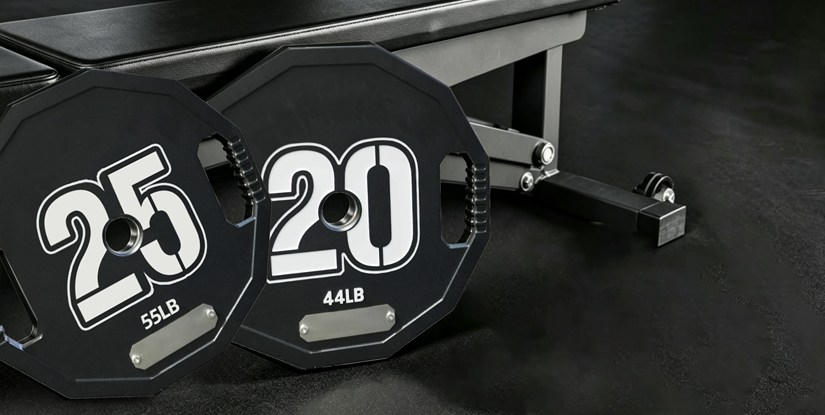
Standard quality control for commercial steel weight plates begins with a strict weight tolerance verification. Each batch undergoes a calibration check to ensure that the actual weight aligns with the declared specification within industry-standard margins. Following this, a surface inspection is conducted to verify the integrity of the coating or finish, ensuring no chipping or oxidation occurs during the handling process. These steps are vital for maintaining the reputation of your brand when delivering premium equipment to commercial clients.
Logistical excellence extends to export packaging and container optimization. For large-scale wholesale orders, we utilize reinforced, heavy-duty packaging solutions designed to withstand the rigors of sea freight. This typically includes customized palletizing and protective corner reinforcements to prevent impact damage. By optimizing the loading configuration within a standard container, we help importers maximize shipping density, effectively reducing the landed cost per unit and improving overall warehouse efficiency.
Before any shipment leaves the China factory, a final pre-shipment inspection is conducted. This includes a visual check of the branding and marking clarity, a verification of the packaging integrity, and a final confirmation of the packing list against the actual loaded volume. For procurement leads, this level of transparency ensures that the goods arriving at your facility meet the exact commercial-grade standards promised during the initial sourcing phase.
Managing Export Logistics, Packaging, and Landed Cost Efficiency
For international distributors and gym equipment importers, the true cost of a shipment is rarely the factory price alone. Understanding the landed cost is essential for maintaining healthy distributor margins and competitive retail pricing. When sourcing calibrated weight plate wholesale orders, the final invoice at your warehouse is heavily influenced by how efficiently the China factory manages shipping volume and container density. High-density products like steel plates require strategic planning to ensure you are not paying to ship excess air.
Optimizing export packaging is a critical step in reducing the total cost of ownership. A professional precision weight plate manufacturer will utilize specialized palletization techniques and heavy-duty steel or reinforced wooden crates to protect the commercial steel weight plates during long-haul maritime transit. Effective China factory logistics focus on maximizing the weight-to-volume ratio, ensuring that every cubic meter of a shipping container is utilized to its full potential, thereby lowering the per-unit freight expense for the wholesale buyer.
Packaging and Shipping Method Comparison for Bulk Orders
Selecting the correct logistics configuration is vital for balancing protection and freight efficiency. For high-volume calibrated weight plate wholesale procurement, the choice between palletized and loose-loaded shipments can significantly impact your final landed cost. We recommend reviewing the following tiers to align your shipping strategy with your warehouse handling capabilities and budget constraints.
| Packaging Type | Volume Efficiency | Protection Level | Suitability for Wholesale | Shipping Method |
|---|---|---|---|---|
| Standard Wooden Crate | Moderate | High | Premium/Distributor Tier | FCL (Full Container Load) |
| Reinforced Palletized Unit | High | Standard Commercial | Bulk Importer/Retailer | FCL or LCL (Less than Container Load) |
| Industrial Shrink Wrap & Cardboard | Very High | Basic/Light Duty | Small Batch/Sample Orders | LCL or Air Freight |
| Custom Steel Frame Case | Low | Maximum Protection | High-End Competition Grade | FCL Only |
When managing large-scale sourcing projects, we advise a consultation with your supplier to confirm the most efficient loading plan for your specific SKU mix. A professional precision weight plate manufacturer can often assist in optimizing container density through customized stacking patterns. Please contact us to request a detailed packing list or to confirm the MOQ requirements for specialized wooden crate packaging to ensure your commercial steel weight plates arrive in optimal condition.
Preventing Hidden Costs Through Pre-Shipment QC
The most significant risk in high-volume procurement is the discrepancy between ordered specifications and delivered reality. For professional buyers, a single error in a calibrated weight plate wholesale order can lead to massive losses in reputation and profit margins. To mitigate this, a rigorous pre-shipment QC protocol is mandatory. This process must include a strict weight tolerance check to ensure that every unit meets the required precision standards before it leaves the factory. Even minor deviations in mass can compromise the professional integrity of a commercial gym setup.
Beyond weight accuracy, ensuring long-term bulk order reliability requires a focus on structural integrity and surface finish. During the final inspection phase, we focus on damage prevention by inspecting for coating adhesion, surface oxidation, and any structural flaws in the steel hub. Utilizing industry-standard export-standard packaging—such as heavy-duty reinforced crates—ensures that your commercial steel weight plates withstand the mechanical stresses of sea freight and port handling. By addressing these technical details during the sourcing stage, you protect your bottom line from the unexpected costs of damaged goods or weight-related disputes upon arrival.
Strategic Procurement: Moving from Sample Approval to Bulk Distribution
Transitioning from a single sample evaluation to a high-volume calibrated weight plate wholesale partnership requires a shift from technical validation to logistical optimization. For professional distributors, the goal is to move beyond verifying weight tolerances and begin focusing on the long-term scalability of the supply chain. Successful importers must align their commercial steel weight plates procurement with warehouse capacity, seasonal demand, and efficient container utilization to protect their bottom line.
The complexity of scaling operations increases once you move past the initial sample approval stage. At this level, the conversation shifts from the physical attributes of the plate to the financial metrics that drive a distributor margin. A professional precision weight plate manufacturer understands that your success depends on predictable lead time and a minimized landed cost. Relying on a China factory that offers structured MOQ tiers allows you to balance inventory holding costs against the economies of scale required for competitive market positioning.
Managing the transition effectively involves more than just placing a larger order; it requires integrated planning with your supplier to ensure that wholesale volumes do not compromise the rigorous QC standards established during the sampling phase. Whether you are optimizing for a single container load or a multi-month contract, maintaining strict oversight of the production-to-shipping pipeline is essential for maintaining a high-tier commercial brand identity.
Sourcing Model Comparison for Professional Importers
Selecting the right engagement model is a critical decision for procurement leads. The choice between a direct factory and a trading partner impacts your ability to manage customization, control the total landed cost, and ensure consistent quality across large-volume shipments. For those seeking a calibrated weight plate wholesale solution, understanding these structural differences is vital for long-term profitability.
| Procurement Model | Customization Capability | Primary Focus | Typical QC Oversight | Margin Potential |
|---|---|---|---|---|
| Direct factory | High (OEM / ODM support) | Production efficiency and unit cost | Direct pre-shipment inspection | Maximum (Highest distributor margin) |
| Trading Company | Moderate (Standard stock focus) | Sourcing variety and logistics ease | Third-party or outsourced QC | Moderate (Reduced margin due to middleman) |
When executing a wholesale strategy, working directly with a precision weight plate manufacturer offers the highest level of control over technical specifications. This model allows for specialized OEM requests, such as custom laser-etched logos or specific color-coded rim finishes, which are essential for building a premium brand identity. While a direct China factory engagement may require higher MOQ levels to achieve optimal pricing, it significantly reduces the risk of unexpected quality deviations during high-volume production runs.
For distributors managing complex logistics, the ability to coordinate directly with the production floor ensures better alignment on container loading efficiency and shipping schedules. We recommend that buyers initiate a formal request for a quote once they have finalized their technical spec sheets and confirmed their required MOQ to ensure the most competitive pricing and predictable lead times.
Optimizing Logistics and Export Readiness
The final stage of a professional procurement cycle involves rigorous oversight of the transition from the production floor to the shipping container. For a high-volume calibrated weight plate wholesale buyer, the risk of margin erosion often occurs during the final logistics phase rather than the manufacturing stage. Inconsistent packaging or improper container loading can lead to surface abrasions or dimensional shifts that compromise the perceived quality of your commercial steel weight plates upon arrival at your warehouse.
To mitigate these risks, a reliable China factory must implement a multi-layered approach to export readiness. This begins with a standardized pre-shipment inspection (PSI) that verifies weight tolerance consistency across the entire batch, not just the sample units. Once technical compliance is confirmed, the focus shifts to specialized export packaging designed to withstand the rigors of international transit. For wholesale orders, this typically involves heavy-duty reinforced cartons and palletization protocols that maximize container density without compromising structural integrity.
Effective logistics coordination is the bridge between a successful production run and a profitable delivery. When sourcing through a precision weight plate manufacturer, we recommend discussing specific loading patterns and pallet requirements during the initial sourcing phase. This ensures that the total landed cost remains predictable and that your bulk distribution chain remains uninterrupted by shipping delays or damaged goods. We invite distributors to contact us to request a formal quote, confirm current MOQ tiers, or schedule a technical audit of our current production and export-ready inventory.