Calibrated Weight Plate Wholesale Supplier: Export Factory
Calibrated Weight Plate Wholesale Supplier: Sourcing High-Precision Standards
For high-end boutique fitness studios and professional strength training facilities, the margin for error in equipment weight is virtually zero. In these premium environments, even slight deviations in plate mass can disrupt training rhythm and professional credibility. As a professional calibrated weight plate wholesale supplier, we understand that procurement leads are not just looking for bulk volume, but for strict adherence to precision standards. Sourcing from a specialized China factory ensures that your inventory meets the rigorous demands of international commercial fitness standards while optimizing your landed cost.
Standard cast iron plates often suffer from weight discrepancies and uneven surfaces, which can lead to uneven loading on bars and increased wear on high-end Olympic equipment. When managing large-scale facility rollouts or distributor inventory, relying on a commercial weight plate manufacturer that utilizes CNC machining and systematic calibration is essential. This precision prevents the common failure modes seen in budget-grade equipment, such as concentricity issues or uneven thickness, ensuring long-term operational efficiency for your clients.
Technical Differentiation: Cast Iron vs. Precision Machined Steel
The primary distinction between budget-grade equipment and professional-grade training tools lies in the manufacturing route. Standard cast iron plates are typically produced via sand casting, where the final shape is determined by the mold. While cost-effective for high-volume wholesale orders, this process often results in inconsistent surface textures and higher weight deviations. For distributors focusing on premium facility setups, these variations can lead to uneven bar loading and increased maintenance requirements.
In contrast, high-performance calibrated steel plates undergo a rigorous multi-step production sequence. After the initial casting or forging of the steel core, the plates move into advanced CNC machining. This stage is critical for refining the inner bore diameter and ensuring absolute concentricity, allowing for a seamless fit on Olympic barbells. Following the precision machining, the plates undergo professional surface finishing—typically a high-grade powder coating or specialized treatment—to enhance durability and prevent oxidation in high-traffic commercial environments.
| Material Tier | Primary Process | Key Component Focus | Commercial Duty | Sourcing Context |
|---|---|---|---|---|
| Standard Cast Iron | Sand Casting | Base Flatness | Budget/Entry-Level Gyms | High-volume/Low MOQ |
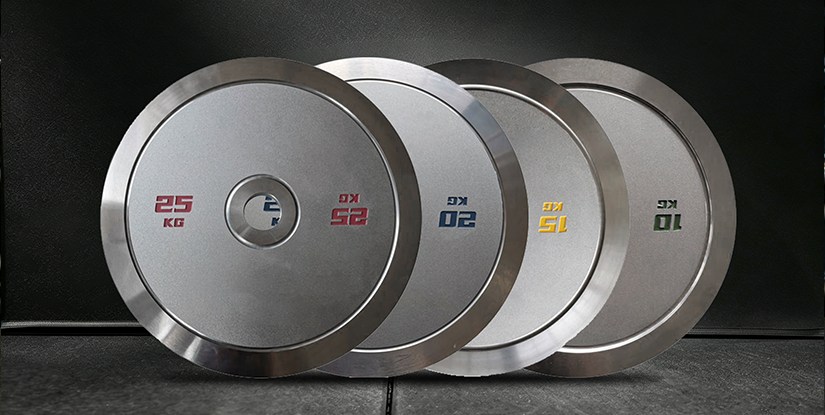
| calibrated steel plates | CNC Machining & Calibration | Bore Concentricity | Premium/Competition Studios | Specialized supplier orders |
| Rubber Coated Steel | Molding & Vulcanization | Coating Adhesion | Full-Service Commercial Gyms | OEM/Custom Branding |
Understanding these technical nuances allows procurement professionals to better evaluate the total cost of ownership (TCO). While standard plates offer a lower initial wholesale price point, the precision offered by a dedicated commercial weight plate manufacturer reduces the risk of client dissatisfaction and equipment downtime. When evaluating your next batch of wholesale gym weight plates, we recommend requesting detailed specifications regarding the machining stages and calibration protocols to ensure your inventory meets the expected high-performance benchmarks.
Selecting the right production tier is a critical decision for distributors and facility operators. A professional calibrated weight plate wholesale supplier provides more than just mass; they provide the technical documentation and quality consistency required for professional-grade strength training. When your procurement strategy shifts from budget-friendly volumes to high-performance specifications, the focus must move from simple casting to precision-engineered machining and rigorous quality control.
For buyers managing long-term inventory or large-scale distributor margins, the differentiation in manufacturing processes directly impacts the total cost of ownership. High-precision units require more intensive labor and advanced machinery, but they offer the stability and reliability that premium clients demand. We recommend that during your next sourcing phase, you verify the specific machining and calibration steps used by your partner to ensure the product aligns with your brand's quality promises.
Material Selection and Machining Processes for Precision Plates
For professional distributors and gym operators, the difference between a standard weight and a precision instrument lies in the metallurgical foundation and the mechanical finishing. Sourcing from a professional calibrated weight plate wholesale supplier ensures that every unit meets the rigorous weight tolerance standards required for high-end training environments. High-quality calibrated steel plates must undergo specific manufacturing stages to prevent the dimensional inconsistencies that often plague lower-tier production.
The process typically begins with high-grade material selection, often involving solid steel or specialized cast iron, to ensure structural integrity under heavy impact. To achieve the precision required for professional use, the raw material must undergo extensive CNC machining. This stage is critical for refining the center bore and ensuring the concentricity of the plate, which directly affects how the weight sits on a barbell. A commercial weight plate manufacturer focused on export quality will prioritize these machining steps to minimize vibration and ensure a smooth, balanced load during heavy lifting sessions.
In many commercial settings, the transition from raw casting to a finished product involves multiple layers of surface treatment and calibration. A reliable China factory will implement a sequence of casting, precision machining, and weight calibration to ensure that wholesale gym weight plates delivered to your warehouse are consistent across the entire batch. This level of engineering reduces the long-term maintenance load for gym owners and protects the reputation of distributors who supply premium facilities.
Engineering Standards for Surface Finishes and Durability
The selection of a surface finish is a critical decision for procurement leads evaluating the total cost of ownership. While basic iron plates may suffice for low-impact environments, professional facilities demand coatings that provide both aesthetic longevity and mechanical protection. For instance, a high-grade powder coating application offers a durable, scratch-resistant surface that prevents oxidation, making it a standard choice for high-volume commercial gyms. This process is often preferred by distributors looking to provide a premium look with minimal maintenance requirements.
For environments where floor protection and noise reduction are primary concerns, urethane coating or high-density rubber encapsulation is the industry standard. These advanced finishes involve a specialized molding or dipping process that ensures excellent adhesion to the internal steel core. When sourcing through a calibrated weight plate wholesale supplier, buyers should verify the quality of the bond line, as poor adhesion in lower-tier products can lead to peeling or cracking under heavy use. Choosing the right finish helps maintain the brand identity of your facility while extending the replacement cycle of the equipment.
| Material Base | Primary Process | Standard Finish | Commercial Duty Tier | Procurement Advantage |
|---|---|---|---|---|
| Solid Steel | CNC Machining | Powder Coating | Premium / Competition | High precision & high durability |
| Cast Iron | Sand Casting | Enamel or Paint | Standard Commercial | Cost-effective for bulk orders |
| Steel Core | Molding / Vulcanization | Urethane Coating | High-End Commercial | Maximum floor & noise protection |
Before finalizing a bulk order, we recommend requesting a sample or a detailed specification sheet to confirm the calibration accuracy and coating thickness. Whether you are looking for an OEM solution for your own brand or seeking high-quality stock for immediate distribution, understanding these technical nuances will assist in your sourcing strategy. We invite you to contact our team to discuss your specific MOQ, lead times, or custom branding requirements to ensure your next shipment meets your exact professional standards.
Comparing Commercial Weight Plate Manufacturing Tiers
For professional importers and distributors, the total cost of ownership (TCO) is often more critical than the initial unit price. When sourcing from a calibrated weight plate wholesale supplier, understanding the distinction between manufacturing tiers is essential for long-term profitability. A China factory producing high-precision units typically offers a different value proposition than those producing low-grade, non-calibrated stock, especially when factoring in replacement cycles and maintenance labor.
Selecting a commercial weight plate manufacturer that prioritizes precision machining ensures that your inventory remains a premium asset rather than a recurring expense. Low-tier production often results in uneven weight distribution or inconsistent bore diameters, which can lead to premature wear on barbell sleeves and increased replacement frequency for gym operators.
| Tier Level | Material & Process | Primary QC Focus | Commercial Application | TCO Impact |
|---|---|---|---|---|
| Budget Tier | Cast Iron / Sand Casting | Visual Surface Defects | Standard Commercial Gyms | Higher replacement frequency due to uneven weight |
| Standard Commercial | Steel / Powder Coating | Bore Concentricity | Fitness Studios & Training Centers | Balanced durability and maintenance costs |
| High-Precision / Premium | Machined Steel / Precision Calibration | Weight Tolerance & Flatness | Competition & Professional Facilities | Lowest long-term cost via extended product lifespan |
When evaluating wholesale gym weight plates, the objective is to find a supplier that provides a consistent calibrated steel plates specification. High-tier calibrated steel plates undergo rigorous machining to ensure the center of gravity remains stable, which reduces the mechanical stress on other equipment in the facility. For those managing large-scale sourcing projects, investing in higher-precision calibrated weight plate wholesale supplier options can significantly lower the landed cost per year of use by minimizing the need for frequent wholesale reorders.
The selection of a calibrated weight plate wholesale supplier should be driven by the specific performance requirements of your target market. While budget-grade cast iron is suitable for high-volume, general-purpose use, professional facilities demand the dimensional stability offered by high-end calibrated steel plates. This distinction directly impacts your distributor margins and the perceived value of your brand identity in the competitive commercial market.
A professional China factory specialized in precision machining will typically implement a multi-stage calibration process. This includes advanced CNC machining of the center bore and edge finishing to ensure perfect flatness and concentricity. For high-volume wholesale orders, these technical nuances prevent the common failure modes seen in lower-tier production, such as imbalanced loading or irregular bore wear, which can damage expensive barbell sleeves.
To optimize your sourcing strategy, consider how different manufacturing tiers align with your operational scale. A commercial weight plate manufacturer capable of providing both standard cast iron and high-precision steel options allows you to manage a diverse product catalog without increasing your logistics complexity. For large-scale distributors, the ability to offer a range of wholesale gym weight plates ensures you can serve everything from boutique studios to professional strength clubs while maintaining a predictable TCO.
Before finalizing your next bulk order, we recommend requesting a technical specification sheet or a sample for evaluation. Confirming the MOQ, lead time for OEM branding, and the specific pre-shipment QC protocols will help ensure your landed cost remains competitive while maintaining the highest standards of commercial-grade quality.
To optimize your sourcing strategy, consider how different manufacturing tiers align with your operational scale. A commercial weight plate manufacturer capable of providing both standard cast iron and high-precision steel options allows you to manage a diverse product catalog without increasing your logistics complexity. For large-scale distributors, the ability to offer a range of wholesale gym weight plates ensures you can serve everything from boutique studios to professional strength clubs while maintaining a predictable TCO.
Before finalizing your next bulk order, we recommend requesting a technical specification sheet or a sample for evaluation. Confirming the MOQ, lead time for OEM branding, and the specific pre-shipment QC protocols will help ensure your landed cost remains competitive while maintaining the highest standards of commercial-grade quality.
China Factory QC Protocols and Pre-Shipment Inspection
Maintaining strict quality control is the primary defense against procurement risk when sourcing high-precision equipment. For professional distributors, a single batch of inconsistent plates can damage brand reputation and increase long-term maintenance costs. As a specialized calibrated weight plate wholesale supplier, we implement multi-stage verification processes within our China factory to ensure every unit meets rigorous commercial gym standards. This systematic approach mitigates the common issues found in low-tier production, such as uneven weight distribution or poor surface adhesion, ensuring your wholesale gym weight plates arrive ready for immediate commercial deployment.
Our technical inspection workflow begins with the raw material verification of the steel and casting components. During the precision machining phase, we focus heavily on bore concentricity and flatness to ensure a seamless fit on Olympic barbells. A professional commercial weight plate manufacturer must prioritize these technical benchmarks to prevent the uneven wear often seen in substandard products. By integrating weight tolerance spot-checks into the final stage of the production line, we ensure that calibrated steel plates delivered in bulk orders remain consistent across all SKUs, protecting your margin and your clients' expectations.
Technical Inspection and Machining Standards
Precision in the manufacturing of calibrated steel plates requires more than just standard casting; it demands rigorous mechanical refinement. During the secondary processing stage, our production lines utilize advanced CNC machining to refine the central bore and outer diameter. This process is essential for achieving high concentricity, ensuring that the plate remains perfectly centered on the barbell without wobbling or causing uneven barbell wear. For distributors, this level of precision reduces the risk of customer returns and ensures a premium user experience in high-traffic environments.
Beyond the bore, our quality control protocols involve comprehensive surface and weight verification. We conduct thorough checks on the surface finish to ensure that the powder coating or plating adheres perfectly to the substrate, preventing premature chipping or rust during heavy usage. The final stage of our quality control involves a multi-point weight calibration process. This ensures that every plate within a specific weight class adheres to the strict tolerances required for professional strength training. By prioritizing these technical benchmarks, our factory ensures that your wholesale shipments maintain high batch consistency, protecting your long-term profitability and brand authority.
Pre-Shipment Inspection Checklist for Importers
Before finalizing a wholesale shipment, professional buyers should utilize a standardized checklist to verify the technical integrity of their order. A reliable supplier provides transparent data that allows distributors to validate quality remotely or during an on-site audit. The following table outlines the critical inspection points required to ensure that your calibrated weight plate wholesale supplier meets the necessary benchmarks for international export and commercial durability.
| Inspection Point | Standard Requirement | Commercial Grade Focus | Logistics & Packaging Integrity |
|---|---|---|---|
| Bore Concentricity | Precision Machining | Seamless Olympic bar fit; zero wobble | Protects barbell knurling during transit |
| Surface Finish | Coating Adhesion | Uniform powder coating or plating | Prevents chipping and oxidation in warehouse |
| Weight Accuracy | Calibration Consistency | High-precision weight tolerance adherence | Essential for professional strength programs |
| Edge Smoothness | Safety & Finishing | No burrs or sharp edges on steel edges | Red-flag for high-traffic commercial gyms |
| Packaging Strength | Export Quality Standards | Reinforced corners and heavy-duty cartons | Minimizes landed cost by reducing damage |
When conducting a factory audit or reviewing pre-shipment reports, focus on these specific technical details to safeguard your investment. Verify that the export quality packaging includes sufficient padding for the center holes to prevent deformation during sea freight. A professional China factory will provide detailed documentation regarding the calibration and surface treatment of each batch. We recommend requesting a sample approval and a detailed weight-variance report for your specific MOQ to ensure all technical specifications align with your brand identity and market positioning.
OEM/ODM Capabilities and Custom Branding for Distributors
For distributors seeking to expand their market share, relying on generic stock is often a limiting factor. A professional calibrated weight plate wholesale supplier provides more than just inventory; we offer a strategic partnership through OEM and ODM services. By moving beyond standard unbranded units, you can establish a unique brand identity that resonates with premium gym owners and high-end fitness facilities.
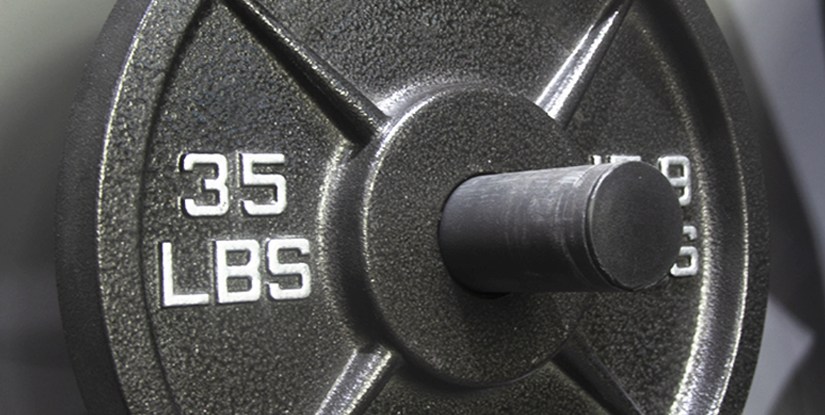
The ability to offer custom branding is a critical lever for increasing your distributor margin. Instead of competing solely on price against generic importers, you can provide specialized products that feature your specific requirements. This includes customized specifications for weight tolerance and aesthetics, ensuring your catalog stands out in a crowded commercial market.
High-value customization often involves technical details that enhance the perceived value of your wholesale gym weight plates. This includes logo embossing directly into the steel or cast iron surface, ensuring the mark is permanent and professional. Furthermore, we offer varied color coating options, such as specialized powder coating or high-durability finishes, allowing you to match the visual language of your clients' existing equipment lines. Whether you require a specific hub diameter for specialized bar compatibility or a unique finish for a boutique studio aesthetic, our China factory capabilities are designed to meet these professional-grade demands.
Precision engineering is the foundation of our production line. To produce high-tier calibrated steel plates, our China factory utilizes a rigorous multi-stage manufacturing sequence. The process begins with high-grade steel selection, followed by advanced CNC machining to ensure the central bore remains perfectly concentric. This stage is critical for maintaining an Olympic collar fit and ensuring the plates remain balanced during high-intensity use. Without precise machining, even small deviations in center-of-mass can lead to uneven wear on bars and client dissatisfaction.
Following the structural machining, the plates undergo a multi-step surface treatment to enhance durability and aesthetics. We typically employ a high-grade powder coating process, which provides a resilient, non-slip finish that resists chipping and oxidation in high-traffic commercial environments. For distributors, this means a lower long-term maintenance load for the end-user. To ensure every unit meets the strict standards expected by a commercial weight plate manufacturer, we implement a mandatory weight calibration step. Each plate is verified against a standard weight before the final logo plate or embossing is applied, ensuring the weight remains consistent across your entire shipment.
Before any container is sealed, our pre-shipment QC protocols are executed to mitigate the risks of transit damage or manufacturing defects. We focus on critical inspection points such as coating adhesion, surface flatness, and bore diameter consistency. For large-scale wholesale orders, this level of scrutiny is essential to protect your landed cost and prevent the high costs associated with replacement or returns. We recommend that buyers request a technical specification sheet or discuss MOQ requirements early in the sourcing process to ensure all customization and quality parameters align with your market positioning.
Sourcing Comparison: Standard Wholesale vs. Custom OEM/ODM
Selecting the right procurement model depends on your current inventory strategy and long-term branding goals. While standard wholesale orders allow for faster lead times and lower entry costs, utilizing OEM or ODM services enables a distributor to build a proprietary product line. When evaluating a calibrated weight plate wholesale supplier, it is essential to understand how these different paths affect your initial MOQ, production timelines, and eventual profitability in the commercial market.
| Feature | Standard Wholesale | Custom OEM/ODM | Impact on Margin/Lead Time |
|---|---|---|---|
| Product Specification | Standardized industry specs | Custom weight tolerances and dimensions | Higher customization increases lead time |
| Branding Options | Generic or factory-standard | Private label and custom embossing | Enhances brand identity and premium positioning |
| Color and Finish | Limited to common stock colors | Custom powder coating or specialized finishes | Higher MOQ typically required for custom colors |
| Inventory Speed | Ready-to-ship from existing stock | Built-to-order production cycles | Standard orders offer faster fulfillment |
| Cost Structure | Lower unit cost via volume | Higher initial setup and tooling costs | Customization supports higher retail margins |
For many importers, the decision to transition from purchasing wholesale gym weight plates to a full private label program is a milestone in business scaling. If your goal is to minimize complexity, standard wholesale remains the most efficient route. However, if you aim to differentiate your catalog with high-precision calibrated steel plates that carry your own mark, engaging our China factory for a custom production run is the optimal path to long-term market authority.
We recommend that professional buyers contact us to request a formal quote or discuss specific MOQ tiers for both stock and custom orders. Whether you need to confirm technical specs for a single batch or plan a long-term sourcing strategy, our team is available to provide detailed documentation and assist with your procurement planning.
Export Packaging and Logistics Optimization for Landed Cost
For international distributors and gym equipment importers, the final landed cost of a shipment often dictates the actual profit margin. When sourcing from a calibrated weight plate wholesale supplier, the price per unit is only one part of the equation; how those units occupy space within a container determines your total procurement expense. Efficient export packaging strategies are essential to minimize dead space and reduce the volumetric weight that drives up sea freight costs.
A professional China factory focuses on shipping volume optimization to ensure that every cubic meter of a 20ft or 40ft container is utilized effectively. Rather than using loose or oversized boxes, high-tier manufacturers employ specialized palletization techniques. By using heavy-duty, reinforced pallets and standardized stacking heights, a supplier can maximize the weight capacity of the container without leaving excessive empty gaps at the top or sides. This precision in loading is a critical factor in maintaining sea freight efficiency and ensuring that the wholesale gym weight plates arrive in a stable, organized state, reducing the risk of transit damage and lowering the overall cost per unit for the buyer.
Packaging Tier Comparison for Bulk Orders
Selecting the appropriate packaging method is a strategic decision that balances protection requirements against total landed cost. For high-volume distributors, the choice between standard carton configurations and heavy-duty industrial crates can significantly impact the safety of the calibrated steel plates during long-haul ocean transit. A reliable commercial weight plate manufacturer will offer tiered options based on your specific MOQ and the fragility of the finish.
The following table outlines common export configurations used to protect wholesale gym weight plates while optimizing container density:
| Packaging Method | Primary Use Case | Protection Level | Logistics Benefit | Typical Sourcing Context |
|---|---|---|---|---|
| Standard Reinforced Cartons | General commercial distribution | Moderate | High density for smaller pallet loads | Standard wholesale orders |
| Palletized Shipping | Large scale gym installations | High | Optimized for forklift handling and stability | Bulk distributor shipments |
| Wooden Crates | Premium or high-precision steel plates | Maximum | Prevents crushing and structural deformation | High-value OEM projects |
To ensure the highest level of bulk order protection, we recommend discussing specific stacking limits and pallet dimensions with your supplier before finalizing the shipping plan. Whether you require standard palletized shipping for efficiency or reinforced wooden crates for maximum security, our factory can adjust packaging protocols to meet your warehouse handling requirements and optimize your container utilization.
Optimizing your procurement involves more than just selecting the right material; it requires a thorough understanding of how pre-shipment inspection and logistics planning impact your bottom line. A professional calibrated weight plate wholesale supplier must act as a strategic partner by ensuring that the calibrated steel plates you order are not only precision-engineered but also packaged to withstand the rigors of global transit without incurring unnecessary volumetric surcharges.
Before any shipment departs the China factory, a rigorous pre-shipment inspection protocol is executed. This process typically involves a random sample check to verify weight tolerance, surface coating adhesion, and the concentricity of the center bore. For buyers managing large-scale gym installations, this level of quality control mitigates the risk of receiving defective units that could lead to costly returns or damaged reputations. By validating the integrity of the wholesale gym weight plates at the source, you secure a more predictable landed cost and ensure that the goods arriving at your warehouse meet the strict standards required for commercial use.
To streamline your international sourcing, we encourage you to contact us directly to confirm your specific MOQ, request a detailed specification sheet, or discuss custom OEM branding requirements. Whether you are looking to optimize container density for a new distribution hub or require specialized packaging for a premium project, our team is ready to provide a comprehensive quote tailored to your logistics needs.