Cast Iron Olympic Plates Set | Selecting Cast Iron Olympic
Evaluating Long-Term Value in High-Volume Training Environments
Many procurement managers mistakenly prioritize the lowest per-unit price, only to face premature replacements due to casting flaws or uneven thickness. A superior sourcing strategy focuses on the Total Cost of Ownership (TCO), where a high-quality cast iron olympic plates set reduces long-term replacement frequency and minimizes operational downtime.
Durability vs. Initial Investment
In high-frequency usage environments like CrossFit boxes or commercial strength zones, the initial savings from budget-grade commercial weight plate sets often vanish when structural cracks or uneven weight distribution surface. Investing in precision-molded iron ensures consistent barbell weight distribution and longevity, effectively lowering the cost per use over the equipment's lifespan. While premium sets require a higher upfront capital expenditure, the extended maintenance cycles and reduced turnover of inventory provide a much stronger ROI for distributors and large-scale gym operators.
Optimizing Procurement Models for Scaling Facilities
Choosing between direct factory sourcing and retail-based small batch purchasing depends heavily on your facility's scaling speed and storage capacity. For distributors and large-scale gym chains, the trade-offs between unit economy and logistical complexity are critical to maintaining healthy margins.
| Procurement Model | Typical MOQ | Cost-per-Unit Efficiency | Logistics & Stability Focus |
|---|---|---|---|
| Wholesale/Bulk Sourcing | High (Pallet/Container) | Maximum (Best for large scale) | Optimized for shipping stability and bulk barbell weight distribution |
| Small Batch/Retail | Low (Single sets) | Moderate (Higher per-unit cost) | Focused on immediate replenishment and localized delivery |
When managing a cast iron olympic plates set through bulk procurement, the primary concern shifts to shipping density and weight-to-volume ratios. While wholesale orders offer the lowest cost-per-unit, they require sophisticated warehouse management to handle the heavy freight. Conversely, small-batch orders provide agility for boutique studios but lack the economies of scale necessary for long-term commercial expansion.
The Impact of Strict Quality Control on ROI
Reliable gym equipment procurement requires a shift in focus from simple unit costs to rigorous quality control (QC) standards. In professional gym environments, even minor casting imperfections can lead to uneven wear or structural failure. By sourcing from manufacturers with consistent production capabilities, buyers secure long-term value through a significantly lower replacement frequency. This approach protects your capital by ensuring that your initial investment serves the facility for years, rather than becoming a recurring operational expense.
Comparing Material Lifecycles for Commercial Weight Plate Sets
In high-traffic strength facilities, the longevity of a cast iron olympic plates set is determined by its ability to withstand constant impact and environmental exposure. For distributors and gym owners, selecting the right surface finish is a strategic decision to balance initial procurement costs against long-term maintenance requirements.
High-frequency usage in group training environments often subjects equipment to moisture and physical abrasion. While raw cast iron is cost-effective, it lacks the oxidation resistance required for humid environments or high-end boutique studios. A professional-grade surface coating acts as a critical barrier, protecting the structural integrity of the iron and maintaining a clean aesthetic over years of service.
| Finish Type | Primary Benefit | Maintenance Level | Ideal Environment |
|---|---|---|---|
| Raw Cast Iron | Lowest initial cost | High (Rust prone) | Dry, climate-controlled home gyms |
| Powder Coated | Enhanced durability | Low (Standard) | Standard commercial weight rooms |
| Premium Lacquer/Paint | Maximum oxidation resistance | Minimal | High-traffic studios or humid facilities |
When sourcing commercial weight plate sets, evaluate the total cost of ownership rather than just the unit price. A slightly higher investment in a specialized coating can prevent premature degradation and reduce the frequency of replacement cycles in rigorous training settings.
Technical Assessment of TCO and Barbell Weight Distribution
Effective procurement requires a deep understanding of how material composition impacts the barbell weight distribution and long-term operational expenses. While raw iron offers a low entry point, the lifecycle costs often escalate due to the need for frequent cleaning or premature replacement. In contrast, coated variants provide a predictable maintenance schedule, which is vital for facility managers overseeing multiple locations or large-scale distribution networks.
For high-intensity barbell training, the consistency of the center of gravity is paramount. High-quality casting processes ensure that the weight remains centered, preventing uneven loading during heavy lifts. When calculating your budget, consider these three primary factors to ensure your inventory remains functional throughout its intended service life:
- Initial Capital Expenditure: Raw iron remains the most budget-friendly option for low-frequency use.
- Maintenance Frequency: Coated plates significantly reduce the labor hours required for rust prevention and surface cleaning.
- Replacement Cycles: Premium finishes extend the interval between re-orders, stabilizing long-term supply chain requirements.
Ultimately, the choice between standard and premium finishes depends on your specific facility programming. For high-impact group classes where equipment turnover is high, investing in protected surfaces offers a superior return on investment by minimizing downtime and maintaining a professional gym aesthetic.
Optimizing Procurement for Long-Term ROI
Strategic gym equipment procurement requires looking beyond the immediate invoice to the total cost of ownership. While low-cost options may satisfy short-term budget constraints, they often lead to premature long-term replacement cycles due to oxidation or surface wear. For distributors managing bulk ordering stability, sourcing high-grade finishes ensures a predictable inventory lifespan and reduces the frequency of customer returns or complaints regarding product degradation.
When scaling a facility, prioritize durability vs. initial cost by calculating the projected lifespan of the set. A higher-spec cast iron olympic plates set typically offers a more stable ROI in high-intensity environments, as it minimizes the labor and capital required for frequent equipment refreshes and maintenance.
Optimizing Barbell Weight Distribution for Group Class Safety
In high-frequency group training environments, the precision of a cast iron olympic plates set directly influences long-term operational costs. When selecting commercial weight plate sets, procurement managers must consider how physical wear affects the balance of the barbell during high-velocity movements.
Poorly manufactured or inconsistently cast plates often suffer from uneven wear on the center bore or surface edges. This degradation compromises the barbell weight distribution, leading to lateral oscillations that can destabilize a barbell. For facility owners, this isn't just a safety concern; it is a structural integrity issue that can lead to premature equipment replacement. Prioritizing high-tolerance manufacturing ensures that the weight remains centered, protecting both the barbell's sleeve and the long-term ROI of the gym's strength inventory.
Long-Term Maintenance and TCO Analysis
To accurately calculate the Total Cost of Ownership (TCO), distributors and facility managers must evaluate the maintenance requirements of their inventory. While standard options offer lower initial procurement costs, premium finishes significantly reduce long-term labor and replacement frequency in high-traffic commercial settings.
| Plate Type | Surface Coating | Inspection Points | Maintenance Frequency |
|---|---|---|---|
| Standard Cast Iron | Raw or minimal lacquer | Surface oxidation, edge chipping | Quarterly (Rust prevention) |
| Premium Coated | High-grade powder or urethane | Coating adhesion, bore integrity | Bi-annually (Visual check) |
When sourcing a cast iron olympic plates set for professional studios, consider that premium coatings act as a barrier against humidity and mechanical impact. Although the initial MOQ cost might be higher, the reduction in oxidation-related degradation ensures a longer service life and lower operational overhead.
Effective facility management requires a proactive approach to gym equipment procurement that extends beyond the initial purchase. For high-traffic studios, implementing a rigorous inspection checklist is vital to ensure that every cast iron olympic plates set remains safe for high-frequency training sessions. Managers should routinely check for surface oxidation, edge chipping, or irregularities in the center bore that could compromise weight tolerance or barbell stability.
Furthermore, optimized storage solutions are essential for preserving equipment longevity. Avoid storing plates in high-humidity areas or directly on concrete floors without protective storage solutions like specialized racks or palletized bases. Proper organization not only prevents premature rust and physical damage but also streamlines inventory turnover and reduces the long-term labor costs associated with equipment upkeep.
Sourcing Strategies for Large-Scale Gym Equipment Procurement
When scaling a facility or managing inventory for a distribution network, the cast iron olympic plates set serves as a cornerstone of the budget. Efficient procurement requires moving beyond the simple unit price to evaluate the long-term financial impact of your hardware selections.
Optimizing Total Cost of Ownership (TCO)
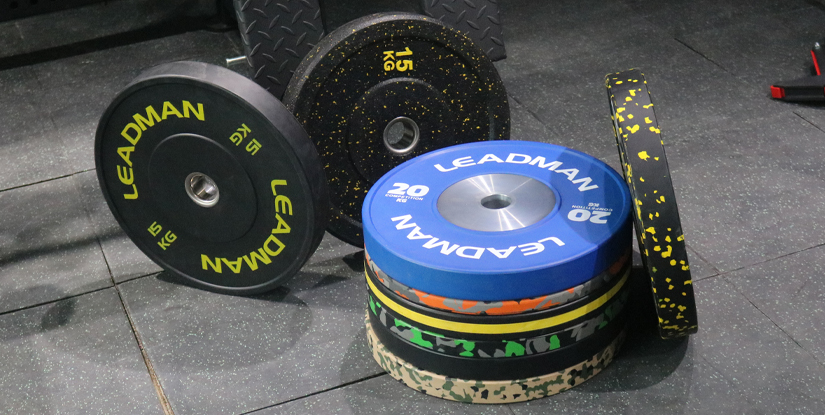
For high-traffic commercial environments, the initial purchase price often tells only half the story. While budget-grade commercial weight plate sets may offer lower upfront costs, they frequently lack the density and coating resilience required for heavy daily use. A cheaper set that suffers from premature chipping or uneven weight distribution increases your total cost of ownership (TCO) through frequent replacement cycles and increased maintenance labor.
Successful procurement managers prioritize the durability vs. initial investment trade-off. Investing in high-quality cast iron with standardized tolerances ensures that your barbell weight distribution remains consistent over years of service, protecting your capital expenditure against the hidden costs of premature equipment turnover.
Evaluating Procurement Models: Factory vs. Distributor
Choosing between direct factory sourcing and utilizing a local distributor involves balancing immediate logistical ease against long-term margins. For large-scale gym equipment procurement, the decision typically hinges on your projected order volume and available warehousing capacity.
| Procurement Model | Typical MOQ | Shipping & Logistics | Lead Time | Unit Price Impact |
|---|---|---|---|---|
| Direct Factory Sourcing | High (Full Container Load) | Complex (FOB/CIF/DDP) | Longer (Production + Sea Freight) | Lowest (Highest Margin) |
| Local/Regional Distributor | Low to Moderate | Simple (LTL/Standard Freight) | Short (Ready-to-Ship) | Moderate (Markup Included) |
Direct sourcing is most effective when ordering a complete cast iron olympic plates set for multiple locations, allowing for significant economies of scale. Conversely, distributors are ideal for rapid replenishment or smaller boutique studio setups where minimizing upfront capital tie-up is more critical than maximizing per-unit savings.
Managing Hidden Logistics and Quality Variables
Beyond the invoice price, sophisticated gym equipment procurement requires accounting for logistics overhead and technical precision. Relying on low-cost suppliers without rigorous quality control (QC) protocols often leads to costly discrepancies. For instance, inconsistent casting density can disrupt barbell weight distribution, causing mechanical imbalances during high-intensity movements. This lack of precision is a major liability in commercial settings.
Furthermore, buyers must evaluate the true cost of international shipping and customs management. Unexpected logistics overhead, such as container damage or inaccurate weight declarations, can erode your profit margins. To mitigate these risks, ensure your supplier implements strict weight tolerance checks and provides detailed packing lists to guarantee that every cast iron olympic plates set arrives within your specified technical standards.
Precision and Fit: Ensuring Compatibility with Training Attachments
In high-traffic commercial settings, the longevity of your barbell inventory depends on the strictness of manufacturing tolerances. A low-quality cast iron olympic plates set often suffers from inconsistent center hole diameters, which creates uneven barbell weight distribution during heavy lifts or high-frequency group classes.
When plates do not sit flush against the sleeve, the resulting oscillation causes excessive vibration and mechanical stress. This imbalance leads to premature barbell sleeve wear, potentially damaging the bearings of expensive Olympic bars. For distributors and gym operators, sourcing commercial weight plate sets that adhere to tight precision tolerances is a critical step in reducing long-term maintenance costs and protecting the facility's capital assets.
Tolerance Specifications and Long-Term Maintenance
Procurement managers must decide between cost-effective standard sets and high-precision options based on the intended training environment. While standard plates may suffice for general strength areas, precision-engineered sets are necessary for specialized barbell training where stability is paramount. The following comparison outlines how these variations impact equipment lifecycles and operational overhead.
| Feature/Specification | Standard Commercial Set | High-Precision Professional Set |
|---|---|---|
| Center Hole Tolerance | ± 1.5mm to 2.0mm | < ± 0.5mm |
| Barbell Sleeve Fit | Loose/VariableTight/Consistent | |
| Impact on Sleeve Wear | Moderate to High | Minimal |
| Ideal Use Case | General Strength/High Volume | Olympic Lifting/Performance Training |
Choosing a set with tighter tolerances significantly reduces the frequency of barbell sleeve replacements. For distributors managing large-scale gym equipment procurement, investing in precision-grade plates helps minimize client complaints regarding equipment "wobble" and ensures a smoother user experience during high-intensity interval training (HIIT) or heavy compound movements.
Optimizing Longevity Through Systematic Care
To protect your investment and ensure long-term durability, facility managers must implement structured storage protocols. High-traffic environments demand more than passive storage; active oversight prevents the degradation of surface finishes. Regular surface inspection is essential to identify early signs of moisture retention or structural flaws before they impact user safety.
Effective oxidation prevention remains the primary challenge for iron-based inventory. We recommend storing weight sets in climate-controlled or low-humidity zones to minimize rust formation. For large-scale gym equipment procurement, including a routine maintenance schedule—such as inspecting plate edges and applying a thin layer of protective oil if necessary—will drastically improve the ROI of your cast iron olympic plates set by extending the usable lifespan of the metal.
Inventory Management and Storage Efficiency for Distributors
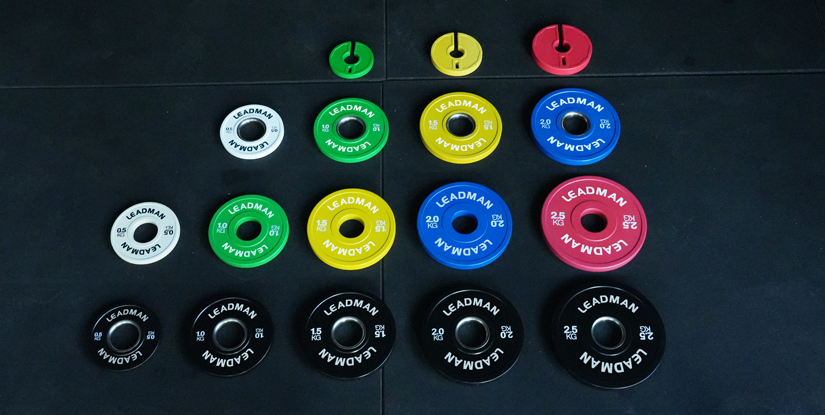
Efficiently managing a cast iron olympic plates set requires more than just floor space; it demands a strategic approach to facility layout. For distributors and high-volume gym operators, the ability to organize heavy iron inventory directly impacts operational speed and safety.
Optimizing Floor Space and Verticality
When sourcing commercial weight plate sets, procurement managers must evaluate how the weight profiles integrate with existing storage solutions. Maximizing the footprint of a training area often depends on transitioning from horizontal floor stacks to vertical storage systems. Utilizing specialized plate trees or wall-mounted racks minimizes tripping hazards and ensures that high-density training zones remain navigable during peak hours.
| Storage Method | Footprint Impact | Organizational Speed | Best Use Case |
|---|---|---|---|
| Horizontal Floor Stacks | High (Large Area) | Slow | Long-term warehouse/unboxing |
| Vertical Plate Trees | Low (Compact) | Fast | High-traffic gym floors |
| Wall-Mounted Racks | Minimal | Moderate | Boutique studios/Small footprints |
Selecting a standardized cast iron olympic plates set with consistent thickness helps distributors maintain a predictable facility layout, making it easier to calculate exact shelf loads and shipping volume for bulk orders.
Evaluating Storage Configurations for High-Frequency Use
Choosing between specialized storage systems involves balancing upfront procurement costs against long-term durability and accessibility. While a basic tree may suffice for small studios, large-scale commercial facilities often require integrated systems to handle the rapid turnover of heavy iron sets without compromising the integrity of the equipment or the facility's safety standards.
| Configuration Type | Space Efficiency | Accessibility | Durability Rating | Cost-Effectiveness |
|---|---|---|---|---|
| Standalone Plate Trees | Moderate | High | High | Excellent (Low MOQ) |
| A-Frame Racks | Moderate | Moderate | Very High | Good (Mid-range) |
| Integrated Rack Systems | High | Moderate | High | Variable (Higher Capex) |
For distributors managing high-volume inventory, the stability of the storage unit is as critical as the barbell weight distribution itself. A high-quality, heavy-duty rack prevents tipping during rapid loading, ensuring that the cast iron olympic plates set remains a secure asset rather than a liability in a busy training environment.
Long-Term Maintenance and Environmental Control
Successful gym equipment procurement extends beyond the initial purchase to long-term asset preservation. For distributors and facility managers, the primary threat to iron inventory is oxidation. Without controlled inventory management, ambient humidity in warehouses or high-traffic gyms can lead to surface rust, which compromises the aesthetic and structural durability of the set. We recommend storing plates in low-humidity environments and implementing a routine inspection schedule to ensure the protective coating remains intact.
Furthermore, maintaining balanced barbell weight distribution requires organized, systematic loading. When plates are stored haphazardly, uneven pressure can lead to structural stress on both the plates and the storage hardware. Ensuring that sets are categorized by weight and stored on reinforced, level surfaces prevents premature wear and preserves the long-term ROI of your bulk iron acquisitions.
Quality Control Benchmarks for Wholesale Iron Orders
For high-volume distributors and facility managers, the long-term ROI of a cast iron olympic plates set depends entirely on the precision of the manufacturing process. Substandard casting often leads to structural vulnerabilities that compromise the lifespan of the inventory and the safety of the end-user.
Prioritizing Structural Integrity and Precision
When sourcing for commercial environments, the primary concern is the structural integrity of the iron. High-quality production ensures that the plates can withstand the high-impact nature of heavy lifting without cracking or chipping under stress. Beyond sheer toughness, maintaining a strict dimensional tolerance is vital for professional-grade equipment. Even slight deviations in thickness or diameter can lead to uneven barbell weight distribution, creating a dangerous imbalance during heavy compound movements. For wholesalers, ensuring these plates meet exact specifications is a non-negotiable step in reducing product returns and maintaining a reputation for reliability in the fitness supply chain.
Beyond structural dimensions, the external finish of commercial weight plate sets serves as the first line of defense against environmental degradation. Choosing the correct coating is a strategic decision that balances initial procurement costs against long-term maintenance overhead in high-traffic facility settings.
Evaluating Surface Finishes and Longevity
The choice between standard paint and industrial powder coating significantly impacts the total cost of ownership. While paint offers a lower entry price, it often lacks the resilience required for the constant friction and impact found in group training environments. For professional-grade procurement, understanding these technical trade-offs helps in selecting a finish that minimizes rust and maintains aesthetic appeal over several years of use.
| Finish Type | Impact Resistance | Maintenance Profile | Typical Application |
|---|---|---|---|
| Standard Liquid Paint | Moderate; prone to chipping | Requires periodic touch-ups | Budget-conscious boutiques |
| Industrial Powder Coating | High; durable against friction | Low; highly resistant to rust | High-traffic commercial gyms |
| Raw/Natural Cast Iron | Extreme; no coating to fail | High; requires oiling to prevent oxidation | Traditional/Old-school strength clubs |
Distributors should prioritize powder-coated options when fulfilling orders for large-scale fitness centers, as the enhanced durability reduces the frequency of replacement cycles and keeps the equipment looking professional under heavy use.
Critical Inspection Points for High-Volume Procurement
A successful wholesale inspection must look beyond the surface to the internal dimensions that govern performance. For professionals engaged in gym equipment procurement, the most critical metric is center hole precision. If the inner diameter varies even slightly, it compromises sleeve compatibility, causing plates to wobble or bind on premium Olympic barbells. This instability can damage expensive barbell sleeves and increase user fatigue.
Additionally, inspectors should check for edge smoothness. Rough or jagged edges can snag during rapid loading and unloading, a common occurrence in high-frequency training environments. When evaluating MOQ considerations, ensure the factory maintains strict tolerances across the entire batch. Consistent hole diameters and smooth bevels across every unit in a cast iron olympic plates set are essential for preventing client complaints and ensuring seamless integration with various barbell brands.