Cast Iron vs Steel Weight Plates: Inventory Planning Guide
Vetting Manufacturers for High-Volume Metal Plate Orders
When scaling a facility or restocking a distribution center, procurement professionals must evaluate three critical checkpoints: structural risk, specification accuracy, and logistical reliability. Choosing between cast iron vs steel weight plates involves more than just comparing material costs; it requires verifying that a supplier can maintain strict quality consistency across high-volume production runs to prevent costly returns or equipment failures.
Prioritizing Manufacturing Precision
Reliability in commercial weight plate wholesale is defined by a factory's ability to minimize material defects such as air pockets in cast iron or uneven thickness in steel plates. High-quality manufacturing precision ensures that every unit meets exact weight tolerances, which is vital for professional strength standards. A lack of rigorous quality control during the casting or machining process can lead to structural vulnerabilities, impacting the long-term durability of your inventory and your reputation as a dependable distributor.
Manufacturer Audit Checklist
Successful metal weight plate sourcing requires moving beyond surface-level aesthetics to verify technical production capabilities. Before committing to large-scale purchase orders, use this checklist to vet a factory's ability to handle diverse material specifications reliably.
- Casting Precision & Machining: For cast iron, confirm the presence of automated molding to ensure consistent density. For steel, verify the factory can maintain strict steel thickness uniformity to prevent wobbling on bars.
- QC Protocols: Inquire about specific weight tolerance testing and surface finish inspections. A reliable supplier should implement standardized QC protocols at both the raw material and finished goods stages.
- Production Capacity & MOQ: Confirm the facility can meet your MOQ without compromising speed. Ensure their monthly production capacity aligns with your seasonal restocking cycles to avoid supply chain bottlenecks.
- Factory Audit: Request documentation of recent factory audit results or ISO certifications to ensure their manufacturing environment meets commercial-grade standards.
| Evaluation Criteria | Cast Iron Production Focus | Steel Plate Production Focus |
|---|---|---|
| Core Technical Capability | Automated molding and sand casting density control | Precision CNC machining and thickness uniformity |
| Inspection Standards | Porosity testing and structural integrity checks | Tolerance verification and edge bevel consistency |
| Logistics Readiness | Optimized pallet stacking for heavy, high-volume loads | Protection against oxidation and moisture during transit |
| Inventory Impact | Higher durability/lower maintenance for long-term storage | Compact footprint for high-density warehouse layouts |
Selecting the right supplier depends on whether your inventory strategy favors the structural resilience of cast iron or the space-saving efficiency of machined steel. Use this comparison to ensure your chosen partner possesses the specific technical infrastructure required for your target product mix.
Structural Integrity and Material Density
When evaluating cast iron vs steel weight plates for high-traffic facilities, the primary distinction lies in their molecular composition and reaction to mechanical stress. Cast iron is characterized by high structural density, making it exceptionally rigid and resistant to deformation under heavy loads. However, this density comes with a trade-off in terms of brittleness vs malleability. In extreme impact scenarios, cast iron is more prone to cracking if dropped from significant heights compared to the more ductile nature of steel.
Steel plates, conversely, offer superior malleability, allowing them to absorb kinetic energy more effectively without fracturing. For distributors engaging in commercial weight plate wholesale, understanding this distinction is vital for quality control. While cast iron provides a classic, indestructible feel for standard strength training, steel remains the preferred choice for high-impact environments where the risk of structural failure under rigorous use must be minimized.
Long-Term Durability and Maintenance Requirements
For procurement managers, the total cost of ownership (TCO) depends heavily on how the material responds to environmental factors and physical wear. While both metals are robust, their surface resilience and structural longevity vary significantly based on the facility's climate and usage intensity. High-humidity environments or coastal gym locations may necessitate different coating standards to prevent oxidation and surface degradation.
The following technical comparison helps evaluate the long-term maintenance burden when deciding between these two core materials during the sourcing process:
| Material | Structural Risk | Surface Durability | Maintenance Frequency |
|---|---|---|---|
| Cast Iron | Brittle fracture under high impact | High (often powder-coated or painted) | Low (periodic inspection for cracks) |
| Steel | Deformation under extreme stress | Variable (dependent on plating/finish) | Moderate (requires monitoring for rust) |
When managing metal weight plate sourcing, consider that steel's durability is often tied to its plating quality (such as chrome or zinc), whereas cast iron's longevity relies on the integrity of its outer finish to prevent chipping and oxidation.
Inspection Protocols for High-Volume Sourcing
To ensure a high return on investment, distributors must implement rigorous inspection protocols that go beyond simple visual checks. Effective gym equipment inventory management requires verifying that the physical properties of the plates meet the specific demands of commercial use. When auditing factory samples or receiving bulk shipments, focus on the structural reliability of the metal under stress.
A critical component of quality control is testing for impact resistance. This involves assessing how the material reacts to sudden kinetic energy; for instance, verifying that steel components do not exhibit excessive deformation and that cast iron does not suffer from micro-fractures. Furthermore, you must evaluate coating adhesion through cross-hatch testing to ensure that paint or plating will not flake off during heavy use, which can damage floors and reduce the aesthetic lifespan of the product.
During metal weight plate sourcing, request documentation regarding crack testing results and material density. For large-scale orders, be mindful of MOQ considerations; higher minimum order quantities often allow for more customized quality control oversight, such as requesting specific metallurgical certifications that guarantee long-term durability in high-traffic commercial environments.
Managing Warranty Claims and Defect Rates in Bulk Shipments
When sourcing commercial weight plate wholesale orders, the distinction between cast iron vs steel weight plates extends beyond weight density to the fundamental nature of structural failure. Understanding these failure modes is essential for calculating the true total cost of ownership and minimizing the administrative burden of returns.
Material-Specific Defect Profiles
The ROI of your procurement strategy is often dictated by the quality control (QC) standards applied during manufacturing. Cast iron and steel present different risks that affect long-term inventory reliability:
- Cast Iron Vulnerabilities: The primary concern is structural integrity. Low-quality casting processes can lead to internal air pockets, resulting in cracking or brittle fractures under heavy impact or extreme temperature shifts.
- Steel Plate Vulnerabilities: Being more ductile, steel rarely suffers catastrophic fractures. Instead, defects typically manifest as surface wear, coating delamination, or minor denting from improper handling during transit.
For distributors, selecting a factory with rigorous quality control (QC) standards—such as ultrasonic testing for cast iron density—is a critical hedge against high defect rates. While steel may show more cosmetic surface wear, the structural risk of cracked cast iron can lead to much more expensive warranty claims and liability issues in a commercial gym environment.
To accurately forecast long-term maintenance overhead and replacement cycles, buyers must evaluate how different metals respond to continuous commercial use. The following comparison outlines the typical maintenance requirements and durability profiles for both material types.
| Feature/Metric | Cast Iron Plates | Steel (Machined/Pressed) |
|---|---|---|
| Structural Integrity | High rigidity; prone to brittle fractures if dropped. | High ductility; resists cracking under impact. |
| Surface Coating | Often painted or powder-coated; prone to chipping. | Typically electroplated or high-grade lacquer. |
| Corrosion Risk | Moderate; requires monitoring for rust at edges. | Variable; depends heavily on coating quality. |
| Maintenance Frequency | Occasional; requires surface touch-ups to prevent rust. | Low; generally requires only routine cleaning. |
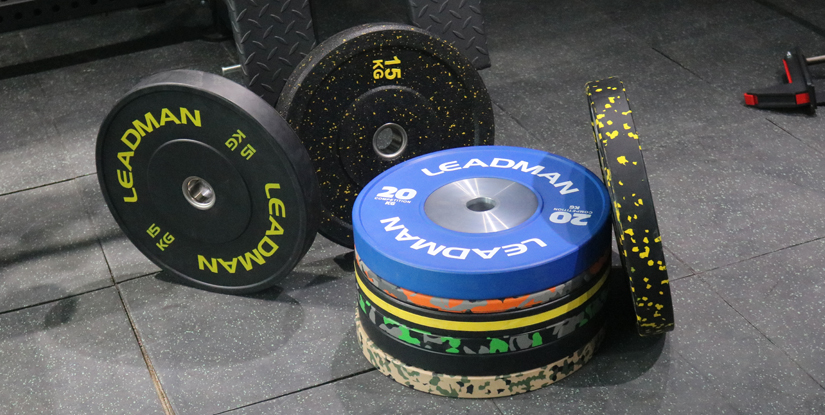
From a procurement standpoint, steel plates often offer a lower long-term maintenance burden in high-traffic facilities. However, the initial capital expenditure for high-grade steel may be higher, requiring a balanced approach to metal weight plate sourcing to optimize both upfront budget and lifetime utility.
Mitigating Logistics Risks and Sourcing Failures
Effective gym equipment inventory management requires looking beyond the unit price to the total landed cost. When executing large-scale metal weight plate sourcing, logistics-related damage can quickly erode profit margins if your MOQ considerations do not account for specialized packaging requirements. For example, while cast iron is structurally rigid, its brittle nature makes it highly susceptible to impact damage during long-haul sea freight if not secured in reinforced crates.
To safeguard your investment, implement strict inspection protocols at the point of origin. Rather than relying on general factory reports, request photographic evidence of pallet stability and crate bracing. Furthermore, prioritize shipping damage mitigation by ensuring suppliers use heavy-duty, moisture-resistant packaging; this is particularly vital for steel plates to prevent surface oxidation before they even reach your warehouse. By vetting suppliers on these granular logistical standards, you reduce the frequency of unsellable stock and ensure a more predictable replenishment cycle.
Optimizing Warehouse Footprint via Material Selection
When managing high-volume inventory, the decision between cast iron vs steel weight plates is often dictated by the volume-to-weight ratio of the selected material. For distributors and large-scale facility managers, understanding how material density affects storage density is critical to maximizing warehouse throughput and minimizing shipping overhead.
Steel plates typically offer a more compact profile than traditional cast iron, allowing for higher density in specialized storage racks. In a professional commercial gym layout, this distinction determines whether your footprint is consumed by bulky, heavy-duty cast iron sets or slim, high-density steel configurations. Selecting the wrong material profile can lead to underutilized vertical space or inflated freight costs due to inefficient cubic volume utilization.
| Storage Factor | Cast Iron Plates | Steel/Steel-Core Plates |
|---|---|---|
| Profile Thickness | Relatively thick/bulky | Slim and compact |
| Storage Density | Lower per cubic foot | High density/space-efficient |
| Ideal Use Case | Budget-friendly bulk stock | Premium/Compact facility builds |
| Shipping Volume | Higher dimensional weight | Optimized for container space |
For procurement managers, the physical dimensions of a SKU directly impact the metal weight plate sourcing strategy, especially when calculating container loadability. While cast iron is valued for its cost-effectiveness in bulk, its larger volume per kilogram can lead to higher dimensional weight charges during international transit. Conversely, steel plates provide a thinner cross-section, enabling more units to fit within a standard 40ft HQ container or a limited warehouse racking system.
When evaluating gym equipment inventory management, consider that steel's higher density allows for more weight to be packed into a smaller cubic footprint. This efficiency is vital for distributors operating in high-rent warehouse districts where vertical and floor space are premium assets. A shift toward steel-based inventory can effectively increase your total weight capacity per pallet without increasing the physical footprint of your storage area.
Strategic Sourcing and Logistics Planning
Effective commercial weight plate wholesale procurement requires a calculated balance between unit cost and logistics overhead. While cast iron offers a lower entry price per unit, the resulting increase in dimensional weight often offsets these savings during ocean freight. Distributors must weigh the lower initial outlay of cast iron against the superior shipping cost optimization offered by steel's slim profile.
When negotiating with manufacturers, pay close attention to MOQ considerations regarding material types. Steel plates often require higher minimum order quantities due to more complex fabrication processes compared to sand-casting iron. However, the ability to pack more weight into a single container can drastically lower your landed cost per kilogram. For a scalable metal weight plate sourcing strategy, we recommend a tiered approach: stock cast iron for high-volume, budget-conscious client orders, while leveraging steel for premium, high-density inventory that demands efficient warehouse capacity utilization.
Analyzing Volumetric Weight and Landed Costs for Global Sourcing
For distributors and gym equipment wholesalers, the choice between cast iron vs steel weight plates is often decided by the logistics of the supply chain rather than just the manufacturing cost. Understanding the physical density of each material is essential for calculating the true landed cost of a shipment.
Density, Volume, and Container Optimization
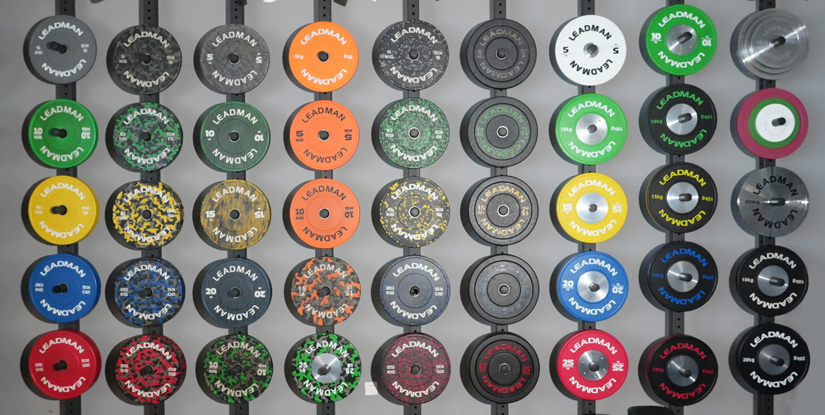
The fundamental difference lies in material density and how it impacts container utilization. Cast iron is significantly denser than steel, meaning cast iron weight plates occupy less physical volume per kilogram of weight. While steel plates can be manufactured to be much thinner and more compact, the relationship between mass and volume is a critical variable in global procurement.
When sourcing metal weight plate inventory, buyers must account for the fact that while steel might offer a more compact footprint, the shipping cost per unit of weight remains a fixed pressure on profit margins. High-density cast iron often allows for more efficient weight-to-volume ratios in a standard 40ft HC container, potentially reducing the number of shipments required to meet a specific tonnage requirement for a large-scale commercial facility.
Effective inventory management requires a clear understanding of how material density dictates your shipping profile. While steel offers a high-performance profile, the physical dimensions of cast iron often present a more predictable density ratio for heavy-tonnage ocean freight. The following comparison outlines how these two materials impact your logistics planning and warehouse footprint.
| Metric | Cast Iron Plates | Steel Plates |
|---|---|---|
| Volume per kg | Lower Density / Higher Volume | High Density / Low Volume |
| Container Space Efficiency | Standardized mass-to-volume ratio | Optimized for thin-profile storage |
| Typical Shipping Profile | Consistent weight-heavy footprint | Space-saving, high-density load |
From a procurement standpoint, steel plates are advantageous for distributors looking to maximize the number of SKUs within a limited cubic meter capacity. However, if your primary goal is maximizing the total tonnage delivered per container to lower the per-unit freight cost, the volumetric predictability of cast iron often simplifies the freight forwarding process and reduces the complexity of managing dimensional weight surcharges.
Optimizing Warehouse Footprint and SKU Density
Strategic inventory planning requires balancing the physical footprint of your stock against your warehouse's structural capacity. Steel plates offer a distinct advantage for distributors operating out of smaller, high-rent facilities; their thinner profile allows for higher SKU density, enabling you to stock a wider variety of denominations without exhausting cubic capacity.
Conversely, sourcing large-scale cast iron orders necessitates a more robust approach to facility management. Because cast iron is traditionally bulkier, procurement managers must prioritize heavy-duty racking systems and verify floor loading limits to prevent structural strain. To optimize your total landed cost, we recommend a tiered stocking strategy: utilize high-volume cast iron orders to build a foundational, cost-effective weight base, while leveraging high-margin, space-efficient steel plates to expand your specialized product catalog without expanding your physical footprint.
Optimizing the Volume-to-Value Ratio
Effective commercial weight plate wholesale procurement requires a calculated approach to inventory density. When deciding between cast iron vs steel weight plates, distributors must balance the high-volume, low-margin nature of cast iron against the high-margin, space-efficient profile of steel. Relying solely on one material can lead to inefficiencies in your supply chain or warehouse layout.
The primary tension in metal weight plate sourcing lies in the warehouse footprint. Cast iron plates are significantly bulkier, meaning you require more cubic footage to store the same amount of total weight. While cast iron offers a lower entry price and high inventory turnover for budget-conscious gyms, steel plates allow you to stock more weight in a smaller footprint, catering to premium facilities that prioritize compact, high-density storage. A successful strategy involves a tiered mix: using cast iron to capture mass-market demand and steel to maximize profit margins per square foot of storage space.
Strategic Stocking Profiles by Client Segment
Tailoring your inventory mix based on the end-user profile is critical for maximizing ROI. A distributor serving a broad market must differentiate between high-volume turnover for budget facilities and high-value density for boutique studios. The following table outlines how to align your metal weight plate sourcing with specific market demands.
| Target Client Segment | Preferred Plate Type | Primary Value Driver | Logistics & Storage Profile |
|---|---|---|---|
| Budget/Community Gyms | Cast Iron | Low Unit Cost | High volume, large footprint, low density |
| Commercial Strength Clubs | Mixed (Cast & Steel) | Durability/Variety | Balanced turnover and space usage |
| Premium/Boutique Studios | Steel / Bumper | Space Efficiency | Compact footprint, high value per sq. ft. |
| Hotel/Residential Gyms | Steel | Aesthetics & Size | Minimal storage requirements, low bulk |
For distributors, the goal is to avoid over-committing to cast iron in high-rent warehouse environments. While the lower MOQ for cast iron components may seem attractive, the long-term cost of shipping and storage density often favors a more aggressive steel-to-iron ratio as your client base shifts toward premium, space-conscious commercial settings.
Mitigating Logistics Costs Through Container Optimization
Effective gym equipment inventory management must account for the high shipping costs inherent in moving heavy metal products. Because shipping rates for weight plates are driven by both actual weight and volumetric weight, container optimization becomes a decisive factor in your landed cost. Steel plates, being thinner and more compact, generally offer superior shipping density compared to the bulkier profiles of cast iron. This allows distributors to maximize the payload of a 20ft or 40ft container without hitting volumetric limits prematurely.
When planning your next metal weight plate sourcing cycle, treat MOQ considerations as a tool for logistics efficiency rather than just a purchasing threshold. While cast iron may have lower minimums for small-batch orders, the freight-to-value ratio can erode margins quickly. We recommend consolidating steel plate orders to leverage their high density, ensuring every cubic meter of container space is utilized. By strategically mixing high-density steel with high-volume cast iron, you can optimize your container load factors and reduce the per-unit shipping burden across your entire distribution network.