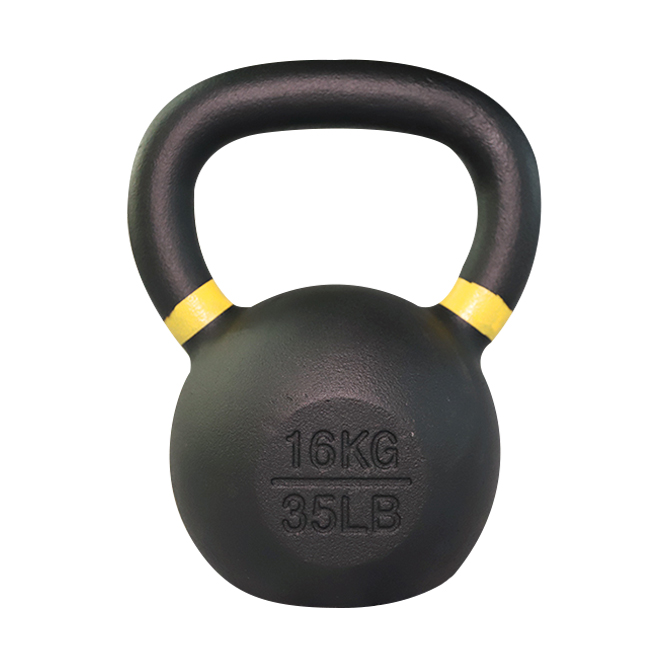
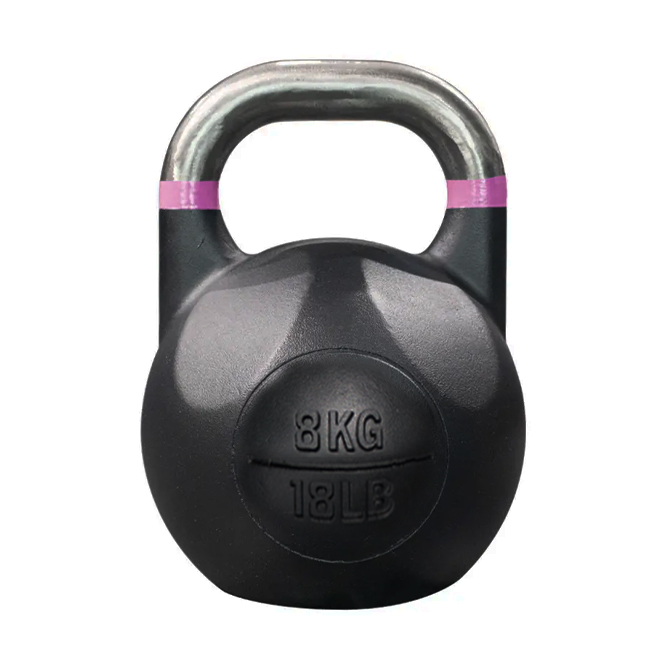
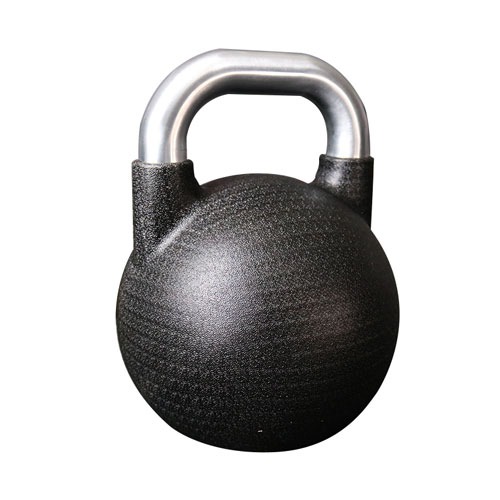
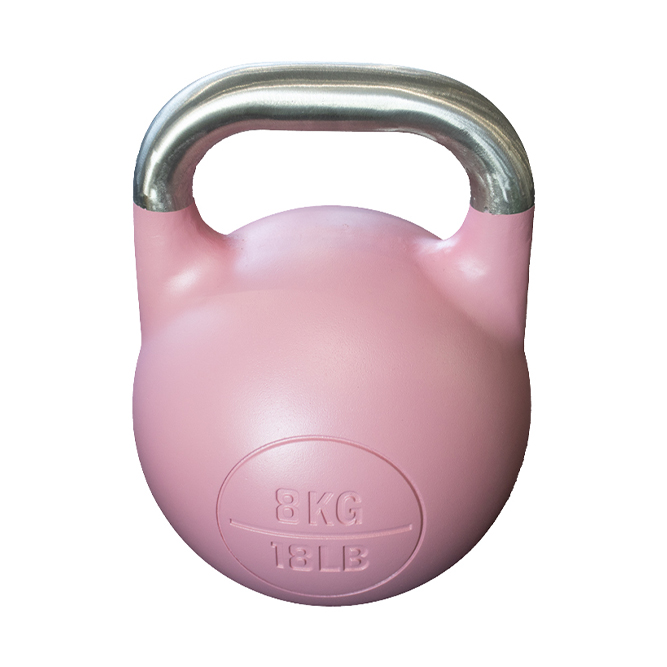
40 Lb Kettlebell: OEM ODM Manufacturing and Supply
40 Lb Kettlebell Procurement and Manufacturing Standards
For large-scale fitness franchises and hotel gym developers, the durability of heavy iron implements directly impacts long-term maintenance budgets and replacement cycles. When sourcing a 40 lb kettlebell in bulk, procurement officers must look beyond basic aesthetics to ensure the unit survives high-traffic environments. A reliable commercial grade kettlebell supplier provides more than just weight; they provide technical consistency that protects your capital expenditure.
Standard retail-grade equipment often fails under the rigorous demands of professional strength training, leading to premature surface degradation or weight shifts. For distributors and importers, sourcing from a professional factory ensures that every unit meets strict industrial tolerances. This level of precision is critical for maintaining brand reputation and reducing the total cost of ownership for your end-users.
Technical Specifications for High-Volume Sourcing
When evaluating a custom branded kettlebell factory, technical integrity must be the primary benchmark. A professional wholesale 40 lb kettlebell production line focuses on three critical pillars: material density, weight tolerance, and surface resilience. Discrepancies in weight can lead to customer dissatisfaction and liability concerns in commercial settings.
- Material Integrity: High-density cast iron or high-grade steel construction to prevent internal cracking during impact.
- Weight Tolerance: Strict adherence to industry-standard deviations (typically within +/- 1% to 2%) to ensure professional accuracy.
- Surface Coating: Durable powder coating or high-quality enamel finishes designed to resist chipping and oxidation in humid gym environments.
- Handle Ergonomics: Consistent diameter and smooth finish to ensure grip stability during high-intensity training.
Maintaining these standards is essential for sourcing high-performance equipment that can withstand heavy daily usage. By prioritizing these technical requirements, distributors can ensure their product lineups meet the expectations of elite training facilities and professional athletes.
| Specification Metric | Consumer/Residential Grade | Commercial-Grade Manufacturing |
|---|---|---|
| Primary Material | Standard cast iron or vinyl coated | High-density iron with reinforced casting |
| Surface Finish | Basic paint or thin enamel | Industrial-strength powder coating |
| Weight Precision | Higher deviation (unregulated) | Strict precision (industry-standard tolerances) |
| Handle Texture | Smooth or generic grip | Ergonomic, high-friction texture for sweat resistance |
| Intended Use | Low-frequency home training | High-traffic professional gym environments |
Distributors should note that the lower landed cost of residential-grade units often masks the long-term expense of frequent replacements. Selecting a 40 lb kettlebell produced by a professional supplier ensures that the product's lifecycle aligns with the high-intensity requirements of commercial strength facilities. For those managing large-scale procurement, verifying these manufacturing benchmarks during the sample approval stage is a critical step in mitigating operational risk and ensuring product longevity.
Ensuring long-term ROI requires a shift from looking at unit price to evaluating total lifecycle value. For importers, the risk of purchasing low-quality batches is high; uneven weight distribution or brittle casting can lead to rapid product failure and increased replacement costs. By establishing a partnership with a specialized 40 lb kettlebell manufacturer, buyers can implement rigorous QC protocols that safeguard against these variables. This proactive approach to quality management ensures that every bulk shipment arrives with the structural integrity required for high-impact commercial use.
To minimize operational friction, professional buyers should prioritize manufacturers that offer transparent production tracking. A high-tier custom branded kettlebell factory does not merely produce equipment; they provide the technical documentation and testing data necessary for professional compliance. This level of detail is essential when building a premium brand identity or fulfilling large-scale government and hospitality contracts where specification adherence is non-negotiable.
For distributors looking to scale their product lines, leveraging a factory-direct advantage allows for better margin control and more competitive market positioning. Whether you are looking for specific colorways to match a studio's aesthetic or custom weight markings, the ability to integrate OEM or ODM services provides the differentiation needed in a crowded global market. We recommend that procurement leads request a detailed spec sheet and confirm the MOQ early in the negotiation phase to ensure seamless integration into your seasonal inventory planning.
Evaluating Material Integrity and Surface Finishes for Commercial Use
In high-traffic gym environments, the structural integrity of a 40 lb kettlebell determines its long-term total cost of ownership. For distributors and gym equipment importers, sourcing from a reliable commercial grade kettlebell supplier ensures that the units can withstand constant impact and heavy use without premature degradation.
The production process must prioritize high-standard casting quality to prevent internal structural flaws. A premium 40 lb kettlebell requires high material density to ensure weight consistency across a full wholesale order. Any inconsistencies in the casting process can lead to weight deviations, which increases the risk of returns and diminishes the reputation of your brand when providing equipment to professional facilities.
Surface durability is equally critical for maintaining a professional aesthetic. A professional custom branded kettlebell factory utilizes advanced coating technologies to provide superior corrosion resistance. Whether using high-grade powder coating or specialized cast iron finishes, the surface texture must be optimized for grip stability while remaining resistant to oxidation and moisture. This attention to detail reduces the maintenance load for facility managers and ensures the longevity of the product in demanding commercial settings.
To ensure these standards are met during mass production, our factory implements rigorous QC protocols. Every batch undergoes inspection to verify that the surface finish and casting density meet international commercial specifications before export. This strict adherence to quality control minimizes the landed cost of defective units and ensures that your bulk shipments arrive ready for immediate commercial deployment.
Technical Comparison of Surface Finishes and Material Durability
When calculating the long-term ROI for a commercial facility, procurement officers must distinguish between consumer-grade finishes and professional-grade coatings. A standard retail-grade finish often lacks the resilience required for high-volume training, leading to rapid oxidation or peeling. In contrast, a professional wholesale 40 lb kettlebell is engineered with specialized surface treatments designed to endure the high-impact environments of professional strength studios and commercial gyms.
The following table provides a technical comparison to assist distributors in evaluating the total cost of ownership (TCO) across different material and finish options. Selecting the correct specification is vital for maintaining a consistent brand identity and reducing replacement frequency in your client's facilities.
| Material / Finish Type | Durability Level | Maintenance Requirements | Best Use Case for Bulk Procurement |
|---|---|---|---|
| Standard Cast Iron (Uncoated) | Moderate | High (Requires regular oiling to prevent rust) | Budget-conscious entry-level gym setups |
| Premium Powder Coated | High | Low (Resistant to moisture and impact) | Standard commercial gyms and high-traffic studios |
| High-Density Silicone / Rubberized | Very High | Minimal (Easy to clean and impact absorbing) | Premium boutique studios and high-end wellness centers |
| Industrial Painted Finish | Medium | Moderate (Susceptible to chipping over time) | General fitness distribution and retail-leaning stock |
Choosing the right finish through a specialized commercial grade kettlebell supplier allows you to tailor your inventory to specific market segments. For example, a powder-coated finish provides the best balance of durability and cost-efficiency for large-scale distributors, while a silicone-coated option offers a premium tactile experience for high-end boutique clients. By coordinating these specifications directly with the manufacturer, you can ensure that every unit in your shipment meets the rigorous demands of the professional fitness industry.
Custom Branded Kettlebell Factory Capabilities and OEM/ODM Services
For distributors and large-scale gym equipment importers, establishing a unique market position requires more than just generic inventory. A professional 40 lb kettlebell production line allows you to move beyond commodity trading and into high-margin brand building. By partnering with a specialized custom branded kettlebell factory, you can control every aspect of the product's physical identity to match your specific market tier.
Our OEM and ODM services are designed to mitigate the risks of low-quality sourcing. We provide rigorous technical specifications to ensure weight consistency and durability, which are critical for maintaining your reputation as a premium commercial grade kettlebell supplier. Whether you require specific handle diameters for ergonomic grip or specialized coatings for high-traffic environments, our facility manages the complexity of production so you can focus on distribution.
Customization Options and Branding Specifications
The ability to differentiate your product line is essential for long-term distributor margins. We offer various methods to integrate your brand identity into the 40 lb kettlebell, ensuring your logo remains legible and professional through years of heavy commercial use. Our factory supports multiple application techniques depending on your target price point and aesthetic requirements.
| Branding Method | Application Technique | Durability Level | Best For |
|---|---|---|---|
| Casting | Integral mold design | Highest | Premium heavy-duty lines |
| Laser Engraving | Precision surface etching | High | Minimalist professional aesthetics |
| Silk Screen | High-viscosity ink printing | Moderate | Multi-color color/texture customization |
| Color Customization | Powder coating or paint | High | Visual brand alignment |
Beyond visual branding, we handle complex technical requirements such as texture customization. This includes matte, gloss, or textured finishes that improve grip under varying environmental conditions. By managing these variables at the source factory level, we help you optimize the landed cost of a highly specialized product that stands out in a crowded wholesale market.
Procurement Comparison: Standard Wholesale vs. Full Customization
Decision-makers must choose between speed and differentiation. While standard wholesale 40 lb kettlebell orders offer faster lead times for immediate stock replenishment, they limit your ability to build a proprietary product line. For importers looking to capture higher market share, moving from stock procurement to a structured OEM or ODM model provides the control necessary to meet specific commercial standards and brand expectations.
| Feature | Standard Wholesale | Full OEM/ODM Service |
|---|---|---|
| Color/Finish | Standard black or iron color | Custom powder coating or specialized textures |
| Logo/Branding | Generic or no branding | Precision casting, laser etching, or silk screen |
| Handle Texture | Standard smooth or basic grip | Custom ergonomic diameters and specialized knurling |
| Weight Precision | Standard industrial tolerance | High-precision calibration for exact weight match |
Selecting the right service model depends on your long-term business strategy. A standard order is efficient for maintaining basic inventory, but a full ODM approach allows you to address specific pain points in your region, such as unique handle ergonomics or specific aesthetic requirements. We recommend contacting our supplier team to discuss your specific MOQ requirements and technical drawings before finalizing your procurement plan.
Quality Control and Export Logistics Optimization
Managing the logistics of a 40 lb kettlebell shipment requires more than just selecting a carrier; it requires a rigorous oversight system to protect your margins. For international distributors, the primary friction points in sourcing from a China factory are often unexpected weight deviations, packaging failures, or delayed lead times. We address these risks by integrating quality control directly into the production lifecycle, ensuring that every unit arriving at your warehouse meets the exact commercial specifications promised at the time of order.
Our QC protocols are designed to eliminate the variability that often plagues bulk imports. We implement a multi-stage inspection process that covers raw material verification, casting precision, and surface finish consistency. By conducting a formal pre-shipment inspection, we ensure that your wholesale 40 lb kettlebell batch adheres to strict durability standards and weight tolerances before it ever reaches the container. This systematic approach reduces the likelihood of costly returns or client dissatisfaction in your local market.
Shipping optimization is a critical component of your total landed cost. Because kettlebells are high-density, heavy-duty items, efficient container loading is essential to maximize your ROI per shipment. We utilize specialized export packaging designed to withstand the rigors of transoceanic transit, preventing any impact damage or surface degradation. Our logistics team works to optimize palletization and container volume, providing you with a clear understanding of the shipping costs and lead time associated with your specific order volume.
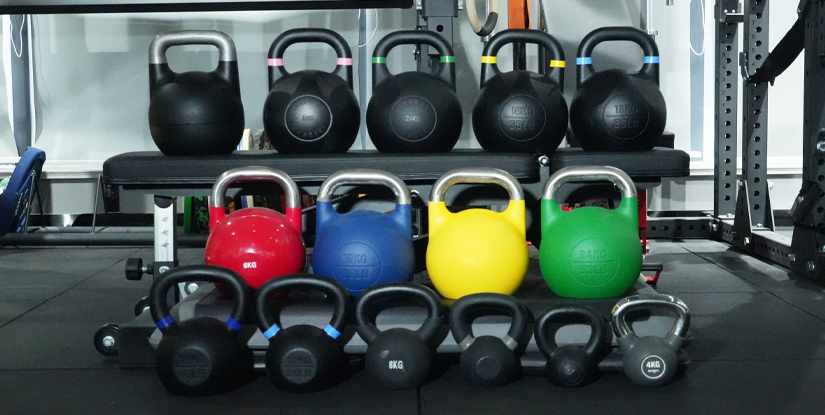
To ensure a seamless transition from our production floor to your distribution center, we recommend the following procurement steps. Please reach out to our team to request a detailed specification sheet, confirm your required MOQ for customized orders, or arrange for a sample approval process. We are also available to facilitate a factory audit to provide full transparency into our manufacturing capabilities and quality assurance workflows.
Optimizing Inventory with Wholesale 40 Lb Kettlebell Orders
Sourcing a 40 lb kettlebell through direct wholesale channels allows distributors to bypass the inflated markups found in domestic retail-focused supply chains. By establishing a direct relationship with a China factory, importers can secure high-volume orders that significantly lower the landed cost per unit. This strategic approach is essential for maintaining competitive pricing in the commercial fitness market.
Managing inventory for strength training equipment requires balancing stock availability with capital efficiency. When you secure a wholesale 40 lb kettlebell order, you gain control over your distributor margin by negotiating bulk pricing directly at the source. This eliminates the middleman costs often associated with local distributors or regional trading companies, ensuring your business remains profitable even during market fluctuations.
Sourcing Efficiency and Margin Protection
A common challenge for equipment importers is the unpredictable cost of goods due to fragmented supply chains. Relying on small-batch local suppliers often results in higher unit prices and inconsistent lead times, which erodes your profit potential. By working with a specialized commercial grade kettlebell supplier, you can implement more predictable procurement cycles. This level of control is vital when planning for seasonal demand or large-scale gym fit-outs.
To maximize your ROI, it is necessary to evaluate the total cost of ownership, including shipping, duties, and warehouse handling. A custom branded kettlebell factory can provide optimized export packaging solutions that maximize container utilization, effectively reducing the shipping cost per unit. This meticulous attention to logistics detail ensures that your MOQ requirements align with your long-term growth and storage capacity.
| Procurement Model | Supply Chain Structure | Production Control | Primary Advantage |
|---|---|---|---|
| Trading Company | Third-party intermediary | Limited oversight of manufacturing processes | Low initial volume requirements |
| Direct OEM/ODM Manufacturer | Direct factory-to-buyer relationship | Full control over material specs and quality control | Optimized landed cost and higher margins |
Choosing between a trading entity and a direct OEM or ODM partner fundamentally changes your procurement strategy. While trading companies may offer lower entry barriers, they often lack the technical depth required for high-standard commercial equipment. A direct manufacturer provides much greater transparency regarding lead time and production capacity, which is critical when fulfilling large-scale distributor contracts.
Furthermore, working with a dedicated factory allows for deeper customization of the 40 lb kettlebell to meet specific regional or brand standards. This direct access ensures that your shipping efficiency is maximized through specialized export packaging, rather than relying on generic solutions that may lead to damaged goods or wasted container space. For professional buyers, this direct model offers the most reliable path to scalable growth.
To build a resilient brand identity, many high-tier distributors transition from generic sourcing to a private label strategy. This move allows you to transform a standard 40 lb kettlebell into a signature product that reflects your company's quality standards. By partnering with a specialized custom branded kettlebell factory, you can control everything from the texture of the handle to the specific logo engraving, ensuring your product stands out in a crowded commercial market.
Effective brand building requires more than just a logo; it requires a consistent manufacturing partner who understands the nuances of professional-grade specifications. Whether you are looking for a specific powder coating color or a unique weight-marking style, utilizing OEM and ODM capabilities allows you to differentiate your inventory. This level of customization is a key driver for increasing customer loyalty among gym owners and professional strength coaches who demand high-performance equipment.
As you finalize your procurement plan, we recommend moving toward a formal consultation to refine your specific requirements. Please contact our team to request a detailed specification sheet, confirm the current MOQ for your customized designs, or initiate a sample approval process. Our team is also available to discuss how our specialized export packaging and container loading optimization can best serve your regional distribution needs.
Quality Control and Pre-Shipment Inspection Protocols
Maintaining consistent standards is a critical requirement for any commercial grade kettlebell supplier managing large-scale international shipments. For distributors and gym equipment importers, a single batch of substandard units can lead to high return rates, increased maintenance costs, and potential liability issues. Rigorous quality control protocols ensure that every 40 lb kettlebell meets the exact weight tolerance and structural integrity required for high-traffic commercial environments.
Our factory implements a multi-stage verification process to mitigate sourcing risks. We focus on three primary technical pillars: weight precision, material density, and surface finish. A standardized 40 lb kettlebell must maintain a strict weight deviation margin to satisfy professional strength and conditioning requirements. Furthermore, we inspect the surface finish to ensure the texture provides optimal grip and durability under heavy use, preventing the premature wear that often plagues lower-tier production.
By prioritizing these manufacturing standards, we help our partners reduce the total cost of ownership (TCO) and avoid the logistical headaches of defective product claims. Whether you are managing a small boutique studio order or a large-scale distribution contract, our China factory provides the transparency needed to confirm that your wholesale 40 lb kettlebell inventory is ready for immediate commercial deployment.
Rigorous Inspection Stages for Commercial-Grade Inventory
To ensure that every 40 lb kettlebell arrives at your warehouse in perfect condition, our quality management system follows a strict four-stage verification protocol. This systematic approach is essential for a custom branded kettlebell factory to maintain long-term brand reputation and minimize the risk of defective units during transit or initial use.
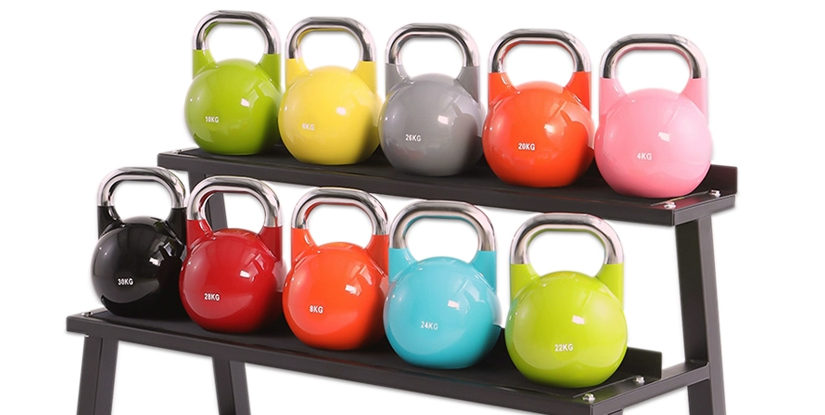
The first stage involves raw material verification, where we audit the density and purity of the iron or steel used in the casting process. Once the casting is complete, each unit undergoes a detailed inspection of the handle smoothness to prevent any friction-related injuries for end-users. This is followed by a coating integrity check to ensure the finish is uniform and resistant to chipping. Finally, a final weight accuracy test is conducted to confirm that each unit falls within the industry-standard tolerance levels for professional strength equipment.
Our comprehensive pre-shipment inspection protocols are designed to provide total peace of mind for high-volume buyers. We conduct durability testing on sample units from the current batch to simulate heavy-duty commercial usage, ensuring the structural integrity of the handle and the balance of the bell. This meticulous attention to detail allows our partners to scale their inventory with confidence, knowing that the wholesale 40 lb kettlebell shipments meet the highest international standards for commercial fitness environments.
Standardized Inspection Checklist for Bulk Procurement
To facilitate efficient auditing and procurement planning, we provide a structured verification framework. This checklist allows importers and distributors to align with our internal protocols, ensuring that the 40 lb kettlebell batch meets all technical specifications before leaving the facility. Transparency in these metrics is vital for reducing the landed cost of quality-related returns and ensuring high customer satisfaction for your end-users.
| Inspection Category | Standard / Parameter | Verification Method | B2B Compliance Requirement |
|---|---|---|---|
| Weight Accuracy | +/- 1% to 2% deviation limit | Precision digital scale testing | Meets professional strength standards |
| Handle Ergonomics | Smooth surface; no casting burrs | Manual tactile inspection | Prevents user injury and grip failure |
| Coating Durability | Uniform thickness; high adhesion | Cross-cut adhesion test | Resistant to commercial wear/tear |
| Structural Integrity | Zero cracks or air pockets | Visual and ultrasonic inspection | Ensures long-term safety in high-traffic gyms |
| Dimensional Stability | Consistent diameter and center of gravity | Calibrated caliper measurement | Ensures predictable movement patterns |
This systematic approach to quality assurance is what distinguishes a professional commercial grade kettlebell supplier from generic manufacturers. By providing these specific metrics, we enable our partners to request detailed inspection reports or coordinate a third-party audit during the production cycle. This level of detail is essential when negotiating MOQ or finalizing OEM specifications, as it ensures that the final product aligns perfectly with your brand identity and market positioning.
Logistics and Export Packaging for Global Distribution
Optimizing the landed cost of heavy iron implements is a critical priority for distributors and gym equipment importers. When sourcing a 40 lb kettlebell in large volumes, the final price paid at your warehouse is heavily influenced by container utilization and shipping efficiency. A China factory that prioritizes specialized export packaging can significantly reduce the per-unit freight expense by maximizing pallet density and preventing transit damage.
For professional buyers, inefficient stacking or substandard crating leads to wasted volumetric weight and increased breakage rates, which directly erodes profit margins. By working with a commercial grade kettlebell supplier that utilizes reinforced cartons and standardized pallet dimensions, importers can ensure that bulk orders are packed to withstand the rigors of international sea freight. This level of logistics optimization ensures that your wholesale 40 lb kettlebell shipment arrives with high density and minimal loss, protecting your bottom line and ensuring a predictable sourcing workflow.
Optimizing Shipping and Packaging Density
Selecting the correct shipping method and packaging configuration is vital for managing the total landed cost of heavy equipment. A professional commercial grade kettlebell supplier will offer multiple configurations to balance protection against volume efficiency. For instance, while individual retail boxing offers high presentation value, it often results in lower weight density per container compared to industrial-grade bulk packing. Procurement managers must evaluate how different packaging types affect both the dimensional weight and the total freight expenditure for a wholesale 40 lb kettlebell shipment.
| Shipping Method | Packaging Type | Volume Efficiency | Weight Density | Cost Impact |
|---|---|---|---|---|
| LCL (Less than Container Load) | Individual Retail Box | Low | Moderate | Higher per-unit freight |
| FCL (Full Container Load) | Reinforced Master Carton | High | High | Optimized for bulk |
| FCL (Full Container Load) | Industrial Palletized Bulk | Very High | Maximum | Lowest landed cost |
When managing large-scale sourcing projects, we recommend a palletized approach for the 40 lb kettlebell to ensure maximum stability during sea transit. This method minimizes the risk of box deformation and optimizes the use of vertical space within a 20ft or 40ft container. To secure the most competitive rates for your next custom branded kettlebell factory order, please contact our team to request a detailed packing specification sheet and a formal quote based on your required MOQ.
Managing the complexity of international logistics requires a partner who understands that a custom branded kettlebell factory must be more than just a production line. For distributors, the total cost of ownership is dictated by the precision of the pre-shipment inspection and the efficiency of the container loading process. Relying on a partner that lacks rigorous QC protocols can result in unexpected weight variances or surface defects, leading to costly returns and damaged distributor margin.
To mitigate these risks, we implement a strict QC workflow that monitors every batch of the 40 lb kettlebell from raw material casting to final boxing. This ensures that the weight tolerances meet international commercial standards before the shipment enters sea freight. By coordinating closely with our logistics team, buyers can verify that the lead time accounts for both production and the necessary buffer for sea transit, ensuring that stock arrives at your facility according to your seasonal demand cycles.
Strategic Sourcing from a Commercial Grade Kettlebell Supplier
For gym operators and distributors, the 40 lb kettlebell represents a critical mid-to-heavy weight tier that undergoes high-frequency use. Sourcing this specific weight from a professional commercial grade kettlebell supplier ensures that your inventory can withstand the rigors of daily commercial training without premature wear or surface degradation.
Selecting a reliable wholesale 40 lb kettlebell partner involves looking beyond the initial unit price. A high-quality custom branded kettlebell factory focuses on structural integrity and consistent weight tolerances, which directly impacts your long-term ROI. When equipment fails or requires frequent replacement due to poor casting or handle durability, the resulting replacement cycles and increased labor costs can quickly erode your profit margins and increase the total cost of ownership.
By optimizing your sourcing strategy to include high-standard manufacturing, you reduce the frequency of equipment turnover. This stability is essential for maintaining a professional facility standard and ensuring that your landed cost remains competitive over the lifetime of the product.
Evaluating Total Cost of Ownership: Factory-Direct vs. Local Trading
Professional procurement managers must differentiate between short-term purchasing convenience and long-term capital efficiency. While local traders may offer smaller order volumes, the lack of direct control over the production process often leads to higher landed costs and inconsistent product quality. For distributors managing large-scale inventory, sourcing directly from a factory provides a transparent view of the manufacturing standards and the ability to implement strict quality protocols.
The following table outlines the typical structural differences in a B2B procurement model when evaluating the 40 lb kettlebell across different supply tiers. This comparison focuses on the variables that most impact your long-term operational expenditure and distributor margins.
| Procurement Factor | Direct Factory-Direct Model | Local Trading/Middleman Model |
|---|---|---|
| Order Volume (MOQ) | Higher minimums optimized for bulk | Lower, more flexible volumes |
| Customization Capability | Full OEM and ODM support | Limited to existing stock options |
| Production Control | Direct oversight of QC and casting | Dependent on trader's inspection |
| Price Stability | Higher margins for distributors | Higher unit cost due to markup |
| Lead Time Predictability | Directly linked to production cycles | Subject to trader's inventory shifts |
| Branding Integration | Deep private label integration | Basic logo or no customization |
When calculating the ROI for a commercial facility, the ability to execute OEM requests is a significant advantage. A direct supplier can adjust material specifications or handle textures to match your specific brand identity, ensuring that your equipment lineup remains unique and high-performing. We recommend that buyers request a detailed specification sheet and confirm the MOQ for custom branding before finalizing any bulk order to ensure alignment with your local market requirements.
Optimizing the procurement of a 40 lb kettlebell requires a focus on the entire supply chain, from raw material casting to final container loading. For distributors, the primary goal is to minimize the landed cost while maximizing product durability. This is best achieved by establishing a direct relationship with a specialized custom branded kettlebell factory that understands the nuances of export-grade manufacturing and international shipping efficiency.
A professional commercial grade kettlebell supplier does more than just produce weights; they provide a framework for scalable growth. By implementing rigorous QC standards at the source, manufacturers prevent the costly logistical friction caused by defective shipments or weight inaccuracies. Whether you are managing a single high-end studio or a global distribution network, securing a reliable wholesale 40 lb kettlebell supply ensures that your inventory remains consistent, reducing the need for unplanned reorders and protecting your operational budget.