Cast Iron vs Rubber Coated Plates: Program Fit Guide
Lifecycle Value and Total Cost of Ownership Comparison
Many procurement managers mistake low initial CAPEX for long-term savings, often overlooking how rapid wear affects a facility's bottom line. A sophisticated sourcing approach moves beyond the sticker price to evaluate the total cost of ownership, weighing the durability of the material against the frequency of replacement cycles.
Evaluating the Financial Trade-Off
When deciding between cast iron vs rubber coated plates, the budget discrepancy usually appears at the point of purchase rather than in long-term maintenance. Cast iron offers a lower entry cost, making it ideal for high-volume distributors or facilities with strict upfront capital constraints. However, the lack of protective layers can lead to higher long-term costs if the equipment is subjected to high-impact environments.
Conversely, rubber coated options often require a higher initial investment but can reduce maintenance costs by protecting flooring and reducing noise-related disruptions. In many commercial gym equipment selection processes, the decision hinges on whether the facility prioritizes immediate liquidity or the longevity of the asset. High-traffic studios often find that the increased replacement frequency of unprotected iron outweighs the premium paid for coated alternatives over a five-year lifecycle.
To assist with your procurement modeling, the following table outlines the typical performance metrics encountered when sourcing these two material types for large-scale facility deployments.
| Procurement Metric | Cast Iron Plates | Rubber Coated Plates |
|---|---|---|
| Unit Price (Per kg/lb) | Lower; optimized for high-volume/low-budget | Higher; reflects manufacturing and coating costs |
| Durability Profile | High structural integrity; prone to surface rust | High impact resistance; protects against chipping |
| Maintenance Needs | Periodic cleaning/rust prevention required | Low; primarily surface cleaning |
| Expected Lifespan | Decades (if stored in climate-controlled areas) | Long-term (dependent on coating quality/adhesion) |
| Secondary Cost Impact | Higher floor damage/replacement risk | Reduced noise and floor wear mitigation |
From a logistics and warehousing standpoint, cast iron is often more straightforward for international shipping due to its predictable weight-to-volume ratio and lack of sensitive outer layers. However, for distributors focusing on premium fitness studios, the higher initial unit price of rubberized options is often justified by the reduced liability regarding floor protection and long-term asset depreciation.
Strategic Programming and Budget Alignment
Aligning your inventory with specific gym facility programming needs is critical to maximizing ROI. For standard strength training zones where weight density is the priority, cast iron remains the most cost-effective solution. However, for high-intensity functional training or boutique studios, the investment in rubberized coatings is a strategic move to ensure long-term weight plate durability for classes that involve frequent dropping and rapid transitions.
When planning a bulk ordering strategy, consider a hybrid deployment. Allocate a larger percentage of your budget to cast iron for heavy lifting racks and foundational strength areas to keep the initial CAPEX manageable. Simultaneously, prioritize rubber coated plates for high-traffic group fitness zones and multi-purpose areas. This balanced approach optimizes your procurement budget by matching material resilience to the intensity of the training environment, ultimately reducing the frequency of replacement cycles and facility downtime.
High-Impact Class Environments vs. Traditional Strength Training
The decision between cast iron vs rubber coated plates often hinges on the mechanical stress profiles of your facility. While traditional strength training focuses on controlled, repetitive loading, high-intensity interval training (HIIT) and functional fitness programming subject equipment to much higher levels of impact and surface friction.
Operational Durability and Surface Integrity
In high-impact environments, the primary concern for procurement managers is the longevity of the outer layer. Rubber-coated options provide superior shock absorption, which protects both the floor and the plate itself during rapid transitions or heavy drops common in functional fitness. However, the durability of the coating is a critical variable; low-quality vulcanized rubber may chip or peel under extreme use, increasing long-term maintenance costs. Conversely, cast iron offers unmatched structural integrity for heavy lifting but lacks the dampening required for high-velocity class settings, potentially leading to faster wear on flooring and increased noise pollution.
| Procurement Factor | Cast Iron (Standard) | Rubber Coated (Premium) |
|---|---|---|
| Impact Resistance | Moderate (High noise/vibration) | High (Dampens shock/sound) |
| Surface Wear Risk | Minimal (Solid metal structure) | Moderate (Potential for chipping) |
| Ideal Programming | Bodybuilding & Powerlifting | HIIT, CrossFit & Functional Fitness |
| Long-term TCO | Low (Minimal replacement needs) | Variable (Depends on coating quality) |
When conducting commercial gym equipment selection, distributors should assess the specific density of use. For facilities prioritizing high-turnover classes, investing in high-grade, thick-gauge rubber coatings is essential to prevent the rapid degradation of surface integrity that can plague budget-tier imports.
Facility Profile and Maintenance Requirements
Selecting the correct material involves more than just weight preference; it requires an understanding of the facility's operational rhythm. A boutique studio with high-density group classes demands equipment that minimizes acoustic disruption and floor damage, whereas a traditional strength facility often prioritizes the longevity of the load itself. Procurement managers must weigh the initial unit cost against the frequency of replacement cycles to optimize their total cost of ownership (TCO).
| Facility Type | Primary Programming | Recommended Material | Maintenance Profile |
|---|---|---|---|
| Boutique Fitness Studio | HIIT, HIIT-style Classes | Rubber Coated | High (Monitor coating integrity) |
| Traditional Weight Room | Powerlifting, Bodybuilding | Cast Iron | Low (Occasional rust prevention) |
| Hotel/Residential Gym | General Strength, Low Impact | Rubber Coated | Low (Noise reduction focus) |
| Performance Training Center | Olympic Lifting, Heavy Drops | Hybrid or High-Grade Rubber | Moderate (Impact absorption check) |
For distributors managing large-scale inventory, the choice impacts shipping weight and logistics. Cast iron provides a consistent density and high durability for long-term storage, while rubber-coated plates may require more stringent quality control during transit to ensure the outer layer remains intact. Evaluating these variables ensures your facility's programming needs are met without unexpected capital expenditures for mid-cycle replacements.
The final procurement decision often rests on the intersection of investment vs programming style. While cast iron offers a predictable, low-maintenance lifecycle for standard strength training, the specialized weight plate durability for classes requires a different approach to capital expenditure. High-intensity environments may demand more frequent replacement cycles if the coating quality is insufficient, making it vital to balance lower upfront costs against the potential for increased long-term maintenance. For many operators, selecting premium rubber-coated options serves as a preventative measure against floor damage and acoustic complaints, even if the initial unit price is higher.
Spatial Efficiency and Storage Optimization for Commercial Layouts
When planning a facility layout, the physical dimensions of your weight inventory directly dictate your usable floor area. The choice between cast iron vs rubber coated plates extends beyond durability; it fundamentally alters the footprint of your storage solutions and the density of your training zones.
Cast iron plates typically feature a thinner profile, allowing for higher storage density on weight trees and specialized racks. This makes them a strategic option for high-density strength areas where maximizing the number of plates per linear foot is critical. Conversely, rubber coated plates are often thicker due to the protective outer layer. While this increases the footprint of each individual unit, the added bulk can actually assist in high-traffic zones by providing a more stable, less slippery surface during rapid transitions. For distributors and facility managers, balancing these dimensions is a key component of commercial gym equipment selection to ensure smooth movement in crowded environments.
Understanding the trade-off between plate thickness and total volume is essential when calculating rack capacity and floor space requirements. For boutique studios with limited square footage, the physical bulk of rubberized options can quickly deplete available storage volume, whereas large-scale gyms must account for the sheer weight-to-volume ratio to ensure structural stability in their loading zones.
| Feature Profile | Cast Iron Plates | Rubber Coated Plates |
|---|---|---|
| Typical Thickness | Slim / Low Profile | Moderate / High Volume |
| Storage Density | High (More plates per rack) | Lower (Takes more linear space) |
| Best Facility Fit | Large-scale strength gyms | Boutique studios & HIIT zones |
| Primary Spatial Benefit | Maximizes weight-per-inch | Provides stable, non-slip footprint |
From a procurement standpoint, selecting thinner cast iron plates allows for a more compact inventory, which is vital for facilities where vertical or horizontal rack space is at a premium. However, when programming for high-intensity interval training (HIIT) or group classes, the slightly larger volume of rubber coated plates can serve as a visual and tactile indicator of plate edges, aiding in faster, safer transitions during high-speed movements.
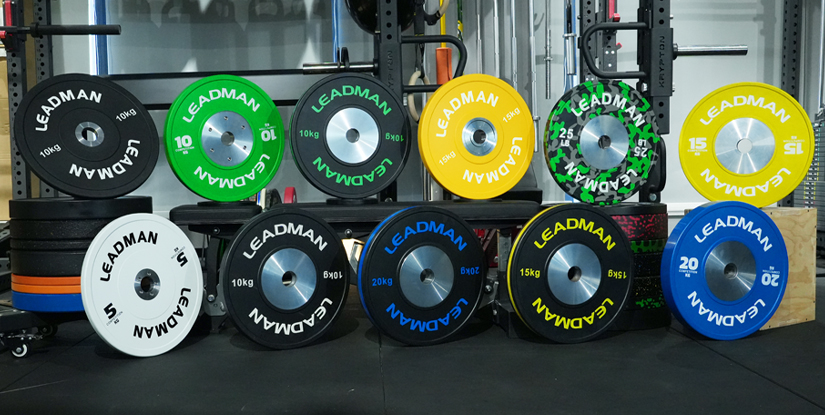
Logistics and shipping volume also play a critical role in the total cost of ownership. Because rubber coated plates possess a larger physical displacement, they often result in higher shipping volumes per container. For distributors managing high-volume orders, this increased volume can impact freight costs and container optimization compared to the more compact cast iron alternatives. When calculating the weight plate durability for classes, consider that the extra bulk of rubberized plates may require more robust storage racks to handle the increased spatial footprint over time. Implementing space-saving solutions, such as specialized vertical plate trees or tiered shelving, can mitigate these logistical challenges, ensuring that your facility remains organized and efficient regardless of the chosen plate profile.
Maintenance Requirements and Long-Term Surface Integrity
Understanding the maintenance profiles of cast iron vs rubber coated plates is essential for calculating the long-term Total Cost of Ownership (TCO). While both options serve commercial environments, their degradation patterns differ significantly based on how they interact with humidity, impact, and high-traffic usage.
Cast iron plates require proactive oxidation/rust prevention strategies, especially in humid climates or high-intensity training zones. Without periodic inspection and occasional re-coating or oiling, surface integrity can diminish due to oxidation. Conversely, the primary concern for rubberized options is coating durability. In high-traffic environments, constant dropping or friction can lead to edge chipping or debonding from the inner core. For distributors and facility managers, selecting the right material involves weighing the simplicity of metal upkeep against the potential for rubber degradation over time.
To assist with your procurement planning, the following table outlines the technical upkeep requirements. When evaluating weight plate durability for classes or standard strength training, consider how your facility's climate and floor protection protocols will impact these long-term maintenance cycles.
| Material Type | Primary Maintenance Task | Common Wear Issue | Expected Lifespan/Durability |
|---|---|---|---|
| Cast Iron | Surface inspection and oxidation prevention | Rust formation and surface pitting | High; decades if kept in controlled environments |
| Rubber Coated | Visual inspection of coating adhesion | Edge chipping and rubber debonding | Moderate to High; dependent on impact frequency |
From a sourcing perspective, cast iron offers a predictable, low-complexity maintenance path, making it a reliable choice for bulk warehouse inventory. Rubber coated plates, while offering superior noise reduction, require more rigorous quality control during the manufacturing phase to ensure the bond between the core and the outer layer can withstand the rigors of high-intensity commercial programming.
Optimizing Inventory Replacement and Storage Protocols
Effective commercial gym equipment selection extends beyond the initial purchase to the long-term management of stock. When planning your replenishment strategy, you must account for how environmental factors affect different plate compositions. For instance, in regions with high storage humidity, cast iron inventories require climate-controlled or well-ventilated warehousing to prevent widespread rust formation before they even reach the gym floor.
For facilities utilizing rubberized options, the procurement cycle should include periodic audits for rubber peeling or cracking, particularly in high-impact zones. Unlike metal, rubber can degrade due to extreme temperature fluctuations or chemical exposure from cleaning agents. To minimize downtime and maintain a professional aesthetic, we recommend a phased replenishment approach: maintain a baseline of durable cast iron for heavy lifting and a rolling stock of rubber coated plates for high-frequency class environments. This dual-layered inventory management ensures that your facility remains fully operational while mitigating the risks of sudden equipment failure or aesthetic decline.
Sourcing Strategies for Distributors and Large-Scale Facility Projects
Evaluating the long-term financial impact of weight plate selection requires looking beyond the initial invoice. For distributors and facility managers, the decision between cast iron vs rubber coated plates is a calculation of Total Cost of Ownership (TCO), where upfront savings must be balanced against replacement frequency and facility wear.
Analyzing Total Cost of Ownership (TCO)
When conducting commercial gym equipment selection, procurement teams often face a trade-off between low entry costs and long-term maintenance cycles. Cast iron offers a lower initial investment, making it a high-margin option for distributors or budget-conscious strength zones. However, the lack of impact protection can lead to higher indirect costs, such as floor repairs and increased noise mitigation requirements.
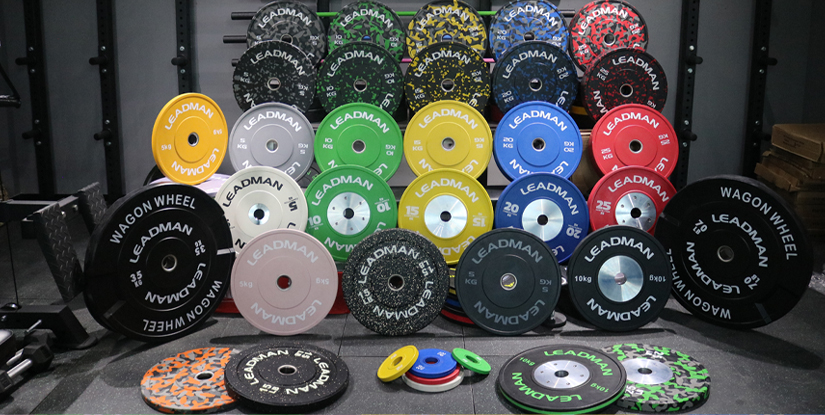
Conversely, rubber coated options typically demand a higher upfront capital expenditure but offer superior long-term durability in high-traffic environments like HIIT studios or functional training zones. The protective layer reduces the frequency of equipment replacement and minimizes damage to the facility infrastructure, often resulting in a more favorable TCO over a five-year operational window.
| Economic Metric | Cast Iron Profiles | Rubber Coated Profiles |
|---|---|---|
| Initial Investment | Low; optimized for high-volume sourcing | Moderate to High; premium pricing |
| Maintenance Cycles | Requires periodic rust inspection | Low; resilient against impact |
| Facility Impact | Higher floor wear and noise | Minimal; protects subflooring |
| Replacement Frequency | Higher in high-impact settings | Lower due to coating durability |
Technical Comparison Matrix for Facility Programming
To streamline the procurement process, we have categorized these materials by their operational utility. Selecting the correct specification depends heavily on whether your facility focuses on traditional heavy lifting or dynamic, high-intensity movement classes where equipment handling is more frequent and varied.
| Material Type | Ideal Setting | Durability Profile | Maintenance Needs |
|---|---|---|---|
| Cast Iron | Standard weight rooms, powerlifting zones, and budget-focused commercial gyms | High structural integrity; prone to surface oxidation if humidity is not controlled | Low; occasional cleaning and rust prevention in high-moisture environments |
| Rubber Coated | HIIT studios, functional training areas, and multi-purpose fitness boutiques | High impact resistance; protects both the plate and the facility subflooring | Minimal; requires monitoring for coating peeling or edge degradation over time |
From a logistics and inventory perspective, distributors should note that while rubber coated plates offer better weight plate durability for classes, their increased volume and weight per unit may influence shipping density and container optimization during large-scale imports.
Logistics and Quality Control Standards
Optimizing a bulk procurement strategy requires more than just selecting a material; it demands a rigorous approach to supply chain management. For large-scale projects, the discrepancy in physical volume between cast iron and rubberized options can significantly alter shipping weight optimization. Because rubber coating increases the total thickness and outer diameter of the plate, distributors must calculate container loadability carefully to avoid unexpected freight surcharges or inefficient space utilization during transit.
To mitigate risk during high-volume orders, we recommend establishing strict QC for coating integrity as a non-negotiable part of your purchase order. In high-intensity settings, even minor imperfections in the bonding process can lead to premature peeling, which undermines the value proposition of premium plates. Requesting samples that undergo standardized impact and adhesion testing ensures that the product meets the specific gym facility programming needs of your clients. Furthermore, when negotiating MOQ considerations, align your order volumes with standard container increments to maximize shipping efficiency and reduce the per-unit landed cost.
Compatibility with Premium Gym Accessories and Equipment
When evaluating cast iron vs rubber coated plates for high-traffic facilities, the decision impacts more than just the weight stack; it dictates the lifespan of your entire floor ecosystem and accessory inventory. Professional buyers must weigh the structural rigidity of iron against the protective properties of specialized coatings.
Impact on Flooring and Vibration Dampening
The choice between cast iron vs rubber coated plates fundamentally changes your facility's maintenance requirements. While bare iron offers extreme durability in controlled strength zones, it lacks inherent vibration dampening, potentially leading to micro-fractures in subflooring if dropped. Conversely, rubberized options provide superior floor protection, absorbing kinetic energy and reducing noise pollution in multi-use studios. For distributors focusing on commercial gym equipment selection, matching the plate type to the specific flooring density is a critical step in preventing long-term structural damage to the gym layout.
Barbell Compatibility and Accessory Longevity
Material thickness and surface texture also influence barbell compatibility. Rubber-coated variants typically feature a thicker profile, which may affect how smoothly plates slide onto premium barbells compared to the slim, high-precision fit of standard cast iron. Furthermore, the abrasive nature of raw iron can accelerate wear on high-end barbell sleeves and specialized lifting accessories. Understanding these mechanical interactions ensures that your procurement strategy supports both the heavy lifting requirements and the long-term preservation of high-value gym assets.
Technical Durability and Facility Compatibility Matrix
Procurement managers must assess the total cost of ownership by analyzing how different materials interact with the gym environment. The following comparison outlines the operational trade-offs between material types to assist in optimizing your inventory for specific programming needs.
| Evaluation Metric | Cast Iron Plates | Rubber Coated Plates |
|---|---|---|
| Equipment Impact | High (Abrasive on sleeves) | Low (Protective coating) |
| Surface Wear | Minimal (Resistant to denting) | Moderate (Potential peeling) |
| Noise Levels | High (Requires thick mats) | Low (Built-in dampening) |
| Maintenance | Low (Wipe down only) | Moderate (Monitor coating integrity) |
For high-intensity boutique studios, rubber-coated options are often the standard due to reduced noise and floor protection. However, for heavy-duty strength zones or barbell-focused training, the structural longevity of cast iron remains a preferred choice for distributors managing high-volume, high-impact environments.
Optimizing Total Cost of Ownership (TCO) and Maintenance Cycles
When calculating the long-term ROI for a facility, the procurement focus must shift from initial unit price to the total cost of ownership. High-intensity training environments demand high weight plate durability for classes, where the frequency of drops and rapid transitions is significantly higher than in standard weight rooms. While rubber-coated plates often require more frequent inspections for surface peeling or edge wear, they drastically reduce the maintenance cycles associated with floor repairs and noise mitigation systems.
Distributors should align their stock with specific gym facility programming needs to avoid premature replacement costs. For example, a boutique studio specializing in HIIT or functional training will see a faster return on investment with rubberized surfaces that protect both the subfloor and the surrounding equipment. Conversely, a dedicated powerlifting or heavy strength zone may find better value in the near-indestructible nature of cast iron, provided the facility has invested in high-density impact mats. Selecting the correct material profile during the initial sourcing phase ensures that your inventory remains a durable asset rather than a recurring operational expense.