How to Verify a Kettlebell Factory in China: Factory Direct
How to Verify a Kettlebell Factory in China: Essential Sourcing Criteria
To successfully navigate international procurement, professional buyers must understand how to verify a kettlebell factory in China by evaluating technical manufacturing depth and supply chain reliability. This process ensures that your wholesale orders meet the rigorous durability standards required for high-traffic commercial fitness environments.
Effective B2B sourcing goes beyond merely finding a low price; it requires a systematic approach to validate a supplier's ability to deliver consistent quality. For distributors and gym equipment importers, a failed factory audit can lead to catastrophic landed costs, damaged brand reputation, and significant inventory replacement expenses. Establishing a rigorous validation framework is the only way to secure a long-term partnership with a high-performing China factory.
The foundation of a professional kettlebell manufacturer verification process rests on three critical pillars: technical manufacturing capability, strict QC standards, and the ability to scale production through OEM or ODM services. Without these, your commercial-grade inventory may suffer from weight inaccuracies or structural failures, increasing your total cost of ownership and reducing distributor margins.
Direct Manufacturer vs. Trading Company: Identifying the True Source
A critical step in how to verify a kettlebell factory in China is distinguishing between a true manufacturing plant and a commercial trading company. While trading companies often provide a broader product catalog, they frequently act as middlemen, which can obscure the technical details of production and increase your total landed cost. For high-volume importers, sourcing directly from a factory offers greater control over weight tolerances and material consistency.
Understanding these structural differences allows procurement leads to better manage risk and optimize their supply chain. When you engage in kettlebell manufacturer verification, you are looking for a partner that owns the production line, rather than one that merely manages third-party logistics. This distinction is vital when evaluating OEM/ODM capabilities, as true manufacturers possess the in-house tooling and engineering expertise required for custom branding and specialized weight configurations.
| Sourcing Dimension | Direct Manufacturer (Source Factory) | Trading Company (Middleman) |
|---|---|---|
| Production Control | High control over raw materials and weight accuracy | Limited visibility into actual production processes |
| OEM & ODM Support | Direct engineering and custom tool development | Dependent on third-party factory technical support |
| MOQ Requirements | Often higher, focused on production line efficiency | Can be lower, but with higher unit costs |
| Lead Time Reliability | Direct control over production scheduling | Subject to third-party production delays |
| Price Structure | Optimized for bulk wholesale and high margins | Includes markup for brokerage and service |
| China kettlebell factory audit | Can host onsite technical and QC inspections | Limited access to actual production facilities |
For distributors aiming to build a proprietary brand, selecting a factory-direct partner ensures that your private label requirements are handled by the people actually casting the iron. This level of transparency is essential for maintaining long-term commercial kettlebell OEM supplier relationships, as it allows for direct communication regarding QC protocols and customized packaging solutions before the final export stage.
Technical Inspection: Material Integrity and Quality Control
A rigorous China kettlebell factory audit must prioritize the physical and chemical properties of the materials used. For high-volume wholesale orders, weight tolerance is a non-negotiable metric; professional buyers should demand that the factory maintains a strict weight deviation standard, typically within a +/- 1% to 3% margin for commercial-grade iron. Inconsistent casting can lead to uneven weight distribution, which compromises the structural integrity and user safety in a commercial gym setting.
Beyond weight, the durability of the surface finish is a primary indicator of a high-tier commercial kettlebell OEM supplier. You must verify the coating durability through standardized tests to ensure that paint or powder coatings do not chip or peel under heavy usage. A reliable China factory will also demonstrate strict protocols for pre-shipment inspection, checking for surface smoothness, handle ergonomics, and casting defects. Finally, ensure that the export packaging is robust enough to withstand long-distance sea freight, preventing damage that could increase your landed cost or lead to high return rates.
Evaluating Manufacturing Capabilities and Material Integrity
Professional procurement teams must establish a rigorous technical baseline when learning how to verify a kettlebell factory in China. For high-volume importers and distributors, the focus extends beyond simple aesthetics to the structural integrity of the unit. A failure in material density or casting consistency directly impacts your TCO and long-term brand reputation in the commercial market.
A professional China kettlebell factory audit should prioritize the validation of raw material sourcing and the precision of the casting process. When sourcing for commercial gym requirements, you are not just buying a tool; you are investing in a piece of equipment that must withstand high-frequency use without structural degradation or weight deviation. Ensuring the manufacturing capabilities of your supplier includes verifying their ability to maintain tight tolerances in both dimensions and mass.
Technical Specifications for Commercial-Grade Durability
To mitigate the risk of receiving sub-standard batches, buyers should request specific material data sheets. For cast iron units, verify the purity of the iron to prevent brittleness. For steel-encased models, the steel thickness must be consistent across all SKUs to ensure a balanced center of gravity. High-tier commercial kettlebell OEM supplier partners will provide documentation regarding their QC standards, specifically addressing weight consistency and surface finish durability.
| Material Type | Typical Application | Durability Profile | Maintenance Requirement |
|---|---|---|---|
| Solid Cast Iron | High-traffic commercial gyms | High impact resistance; excellent for heavy use | Periodic inspection for oxidation |
| Powder-Coated Steel | Premium studios and boutique gyms | Superior surface protection; high aesthetic value | Minimal; resistant to standard wear |
| Competition Grade Steel | Professional training facilities | Precision weight accuracy; extremely high durability | Low; designed for rigorous standards |
When evaluating material integrity, always request a sample to test the cast iron quality and the smoothness of the handle. A high-quality factory will demonstrate a seamless transition between the weight body and the handle, ensuring there are no sharp edges or structural weak points that could lead to failure under load. This level of detail is essential for maintaining high wholesale margins and reducing replacement costs for your end clients.
Understanding the technical distinctions between coating methods is a critical component of kettlebell manufacturer verification. For distributors and large-scale importers, the choice between a powder-coated finish and a rubberized coating is not merely an aesthetic preference but a strategic decision affecting the TCO and the long-term durability of the product in a commercial environment. A high-tier China factory will offer various finishing options to meet different market segments, from rugged warehouse-style gyms to premium boutique studios.
| Coating Type | Material Base | Durability & Impact | Commercial Suitability | Procurement Consideration |
|---|---|---|---|---|
| Powder Coating | Cast Iron or Steel | High resistance to chipping; excellent for high-volume floor use | Standard commercial gyms and strength facilities | Lower cost per unit; ideal for high-volume wholesale orders |
| Rubber Coating | Steel Core | Superior impact absorption; protects flooring and reduces noise | Boutique studios and high-end wellness centers | Higher landed cost; requires verification of coating adhesion |
| Painted Finish | Cast Iron | Moderate; prone to oxidation if coating is compromised | Entry-level commercial or budget-friendly training spaces | Lowest price point; monitor for long-term oxidation risks |
When conducting a China kettlebell factory audit, procurement specialists should demand evidence of weight tolerance compliance. In professional settings, a deviation of more than 3% to 5% can lead to significant dissatisfaction among professional trainers and end-users. A reliable commercial kettlebell OEM supplier will utilize automated weighing systems to ensure that every unit within a batch meets the exact specification, thereby protecting your brand identity and reducing the rate of returns or replacements. Always confirm that the MOQ for specialized coatings, such as high-density rubber, aligns with your inventory and cash flow planning to ensure optimal distributor margins.
When conducting a China kettlebell factory audit, procurement specialists should demand evidence of weight tolerance compliance. In professional settings, a deviation of more than 3% to 5% can lead to significant dissatisfaction among professional trainers and end-users. A reliable commercial kettlebell OEM supplier will utilize automated weighing systems to ensure that every unit within a batch meets the exact specification, thereby protecting your brand identity and reducing the rate of returns or replacements. Always confirm that the MOQ for specialized coatings, such as high-density rubber, aligns with your inventory and cash flow planning to ensure optimal distributor margins.
Assessing OEM and ODM Customization Potential
Understanding the distinction between manufacturing models is essential when you are researching how to verify a kettlebell factory in China. For distributors and gym equipment importers, the choice between sourcing standard stock or developing proprietary designs directly impacts your brand equity and long-term market positioning.
An commercial kettlebell OEM supplier typically focuses on manufacturing products based on your specific technical requirements. In this model, you provide the exact specifications—such as handle diameter, weight increments, or coating textures—and the factory applies your private label or custom branding to the finished unit. This is a highly efficient way to build a recognizable brand identity while leveraging the existing production lines of a specialized China factory to keep landed cost manageable.
Conversely, an ODM relationship allows you to leverage the manufacturer's internal R&D. Instead of designing from scratch, you select from their existing high-performance designs and request minor modifications. This is often the fastest route for a wholesale buyer looking to introduce a new product line without the heavy upfront investment of full product development. A thorough China kettlebell factory audit should always confirm whether a supplier possesses true ODM capabilities, such as in-house mold design and material testing, or if they are strictly limited to basic OEM assembly. Verifying these manufacturing capability levels ensures your sourcing strategy aligns with your scale and technical complexity needs.
Evaluating Customization Depth and Technical Scope
To effectively manage your product roadmap, you must differentiate between simple branding and deep structural customization. A professional procurement manager evaluates the technical depth of a supplier to determine if they can support long-term market differentiation or if they are limited to standard inventory. This comparison helps in calculating the true cost of development versus the speed of market entry.
| Feature Dimension | OEM (Original Equipment Manufacturer) | ODM (Original Design Manufacturer) |
|---|---|---|
| Primary Focus | Manufacturing your specific technical specs | Modifying or optimizing existing designs |
| Design Ownership | Held by the buyer/importer | Held by the manufacturer |
| Customization Scope | Color, logo, handle texture, and packaging | Weight distribution, handle shape, and material composition |
| Tooling Requirements | High (Requires new molds for unique shapes) | Low (Uses existing factory molds) |
| Typical MOQ Impact | Higher due to specialized production runs | Lower as it leverages established lines |
| Technical Complexity | High (Requires detailed CAD/technical files) | Moderate (Requires negotiation of existing specs) |
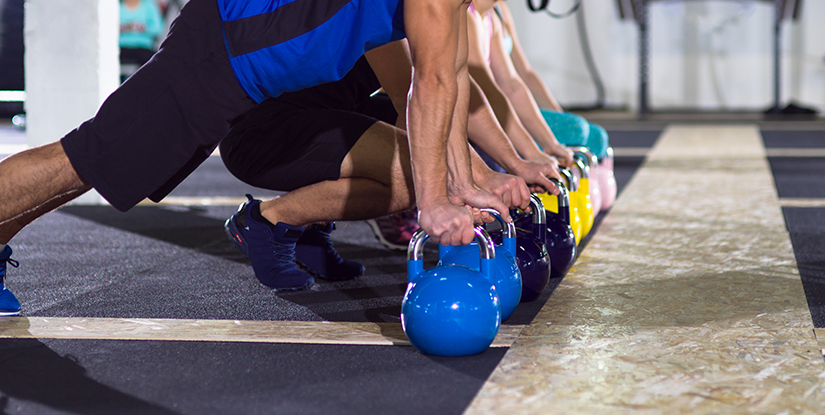
When conducting a kettlebell manufacturer verification, ask for a clear breakdown of how each model affects your MOQ and total lead time. While OEM provides the highest level of control over your unique product identity, the ODM route often offers a more predictable landed cost for distributors launching new categories. Always confirm if the China factory can provide technical drawings for your approval before any mass production begins to ensure quality standards are met.
Technical Validation of Custom Specifications
A critical step in how to verify a kettlebell factory in China is moving beyond verbal assurances to technical documentation. For a high-volume wholesale buyer, the risk of receiving a batch that deviates from your brand's premium standards is a major threat to your distributor margins. You must verify that the factory can translate your specific requirements into repeatable, high-precision physical products.
Start by requesting and reviewing formal technical drawings for any custom or modified designs. A reliable supplier should be able to provide detailed CAD files or precise specification sheets that outline handle ergonomics, center of gravity, and tolerance levels for weight accuracy. Beyond the paper, you must confirm mold and tooling ownership. If you are developing a unique handle shape or a proprietary coating texture, confirm whether the China factory owns the specialized molds or if they are renting them from a third party, as this significantly impacts your long-term sourcing stability and potential for future OEM adjustments.
Before committing to a full-scale production run, a rigorous sample evaluation is non-negotiable. A professional China kettlebell factory audit should include a request for a pre-production sample that exactly matches your technical drawings. This sample serves as the "gold standard" for all subsequent quality control for custom specs. Use this phase to test the durability of custom colors, the friction coefficient of the handle, and the precision of the weight increments. Establishing this baseline ensures that your final bulk order meets the strict commercial-grade standards required by your end-users, protecting your brand reputation and minimizing the risk of costly returns or replacements.
Standardizing Quality Control and Pre-Shipment Inspection Protocols
For distributors and large-scale gym operators, the primary risk in bulk procurement is the discrepancy between a sample and a final container load. Understanding how to verify a kettlebell factory in China requires looking beyond the initial prototype to the rigor of their quality control standards. Without strict protocols, a wholesale order may suffer from weight variances or surface defects that compromise commercial grade durability.
To mitigate these risks, professional buyers must mandate a pre-shipment inspection (PSI). A reliable China factory will allow third-party inspectors to verify batch consistency through weight testing and coating adhesion checks. For a commercial kettlebell OEM supplier, this level of transparency is the only way to ensure that every unit meets the high-volume demands of a commercial facility, ultimately protecting your distributor margins and reducing costly returns.
Technical QC Checklist for Commercial-Grade Specifications
A professional kettlebell manufacturer verification process must move beyond visual aesthetics to technical validation. For high-volume importers, the cost of receiving a sub-standard shipment often exceeds the initial savings of a lower price point. A high-tier China kettlebell factory audit should focus on three critical dimensions: weight precision, surface integrity, and structural density. If a factory cannot provide documented results for these specific testing points, the risk to your long-term brand reputation increases significantly.
The following table outlines the essential technical benchmarks required for high-performance equipment. Use this to evaluate whether your commercial kettlebell OEM supplier possesses the necessary testing equipment and technical expertise to meet international commercial standards.
| Inspection Point | Standard Requirement | B2B Sourcing Significance |
|---|---|---|
| Weight Tolerance | Typically within +/- 1% to 3% per unit | Ensures consistency for professional training and regulatory compliance |
| Coating Adhesion | High resistance to chipping and peeling | Reduces maintenance load and protects long-term asset value |
| Handle Smoothness | Seamless transitions; no sharp edges or burrs | Prevents user injury and ensures high-frequency usage durability |
| Material Density | Uniform distribution within cast iron or steel | Prevents structural failure and ensures balance during movement |
| Surface Finish | Consistent powder coating or urethane thickness | Maintains aesthetic quality for premium commercial environments |
When negotiating your next bulk order, do not merely ask if a factory has quality control; ask for their specific testing protocols for weight tolerance and coating adhesion. A transparent China kettlebell factory audit will involve a demonstration of their calibration processes. Establishing these technical requirements during the sampling phase allows you to confirm the kettlebell manufacturer verification process is robust enough to support your scale and protect your landed cost expectations.
Finalizing Export Logistics and Documentation Compliance
The final stage of the procurement cycle is where many importers encounter unforeseen landed cost volatility. Even after a successful China kettlebell factory audit, failure to verify the final export preparation can lead to shipment delays or damaged inventory. For a high-volume commercial kettlebell OEM supplier, the responsibility extends beyond the production line to the integrity of the entire logistics chain.
To secure your margins, ensure the factory adheres to strict export packaging standards designed for long-distance sea freight. This includes reinforced master cartons and palletization strategies that prevent crushing and moisture ingress. Furthermore, a professional pre-shipment inspection must include a rigorous weight verification of the final container load. This step confirms that the actual weight matches the commercial invoice and packing list, preventing discrepancies during customs clearance. By mandating precise shipment documentation and high-standard packaging, you mitigate the risks of transit damage and ensure your wholesale order arrives ready for immediate distribution or retail deployment.
Optimizing Logistics and Export Packaging for Bulk Shipments
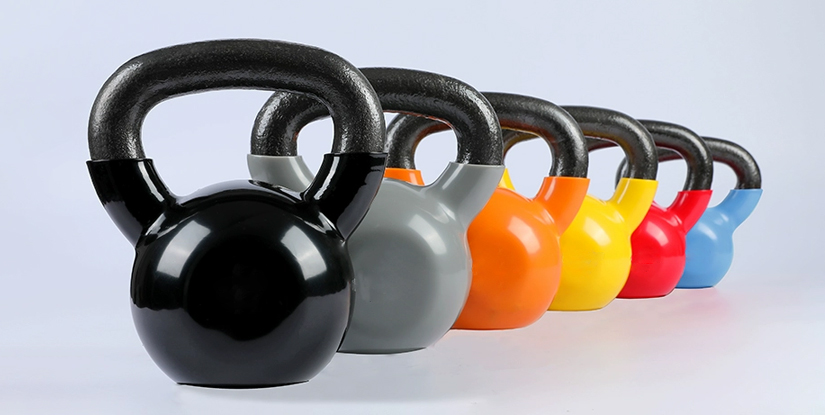
Efficient logistics planning is a critical component of the procurement process when determining how to verify a kettlebell factory in China. For distributors and large-scale importers, the risk of transit damage or inefficient container utilization can significantly inflate the total landed cost of a wholesale order. A professional China kettlebell factory must demonstrate advanced capabilities in heavy-load stabilization and high-density stacking to protect your margins.
Failure to implement rigorous export packaging standards often results in dented cast iron surfaces, compromised handle integrity, or even broken pallets during sea freight. Beyond physical protection, specialized bulk shipments require strategic container loading efficiency to maximize every cubic meter of space. A competent supplier will utilize precise weight distribution techniques to ensure the vessel remains stable and the cargo remains secure from port to warehouse.
To mitigate these risks, procurement leads should evaluate the following logistics and stocking strategies used by a professional commercial kettlebell OEM supplier:
| Logistics Strategy | Standard Export Method | Premium Commercial Grade |
|---|---|---|
| Packaging Type | Single box per unit | Reinforced heavy-duty cartons or wooden crates |
| Palletization | Loose loading | Heat-treated ISPM 15 pallets with shrink wrap |
| Basic stacking | Precision weight distribution and load-bearing layering | |
| Shipping Mode | Standard ocean freight | Optimized sea freight for high-density steel products |
| Risk Mitigation | Standard insurance | Advanced damage prevention and moisture control |
When conducting a China kettlebell factory audit, always request specific details regarding their kettlebell manufacturer verification for shipping protocols. Confirming these technical details early in the sourcing phase ensures that your bulk inventory arrives in retail-ready condition, preserving your brand reputation and minimizing unexpected replacement costs.
A thorough technical inspection of logistics readiness is essential for any long-term kettlebell manufacturer verification. Beyond the physical product, the integrity of your supply chain depends on the manufacturer's ability to handle high-density, heavy-load cargo. Professional buyers must ensure that the China kettlebell factory utilizes rigorous moisture protection and structural reinforcement to prevent oxidation and physical deformation during long-distance transit.
Evaluating these technical requirements helps minimize the total landed cost by reducing the rate of damaged goods and optimizing container volume. When negotiating bulk orders, confirm that the supplier provides detailed documentation for every shipment, including weight certificates and palletization layouts. This level of detail is vital for maintaining predictable inventory levels and ensuring that your warehouse operations remain efficient upon arrival.
To ensure your procurement process remains seamless, we recommend requesting a detailed packaging specification sheet and a sample of the shipping carton strength before finalizing your MOQ or OEM production run. Confirming these logistics-side capabilities is just as critical as inspecting the iron quality itself.
A thorough technical inspection of logistics readiness is essential for any long-term kettlebell manufacturer verification. Beyond the physical product, the integrity of your supply chain depends on the manufacturer's ability to handle high-density, heavy-load cargo. Professional buyers must ensure that the China kettlebell factory utilizes rigorous moisture protection and structural reinforcement to prevent oxidation and physical deformation during long-distance transit.
Evaluating these technical requirements helps minimize the total landed cost by reducing the rate of damaged goods and optimizing container volume. When negotiating bulk orders, confirm that the supplier provides detailed documentation for every shipment, including weight certificates and palletization layouts. This level of detail is vital for maintaining predictable inventory levels and ensuring that your warehouse operations remain efficient upon arrival.
To ensure your procurement process remains seamless, we recommend requesting a detailed packaging specification sheet and a sample of the shipping carton strength before finalizing your MOQ or OEM production run. Confirming these logistics-side capabilities is just as critical as inspecting the iron quality itself.
Finalizing Your Procurement: From Sample Approval to Bulk Order
Securing a reliable how to verify a kettlebell factory in China protocol requires moving beyond the initial inspection and into the rigorous phase of formalizing production standards. Once your sample approval is secured, the transition to a bulk order must be governed by a strict technical agreement to ensure the final shipment matches the approved prototype in weight, coating, and dimensions.
A professional commercial kettlebell OEM supplier will never rely on verbal agreements alone. You must formalize all technical specifications, including tolerances and material grades, to protect your distributor margins. This stage is where you confirm the exact MOQ, the definitive production schedule, and the anticipated lead time for shipping. Without a documented China kettlebell factory audit and a signed specification sheet, you risk receiving inconsistent units that fail to meet your commercial-grade standards. Establishing these parameters upfront ensures that your kettlebell manufacturer verification process results in a predictable, scalable supply chain for your wholesale distribution needs.
Pre-Shipment Quality Control and Export Standards
Before authorizing final payment or container loading, you must execute a final validation of the production batch. A professional China kettlebell factory audit should culminate in a formal pre-shipment inspection to verify that every unit meets the negotiated commercial-grade specifications. Relying on a how to verify a kettlebell factory in China checklist during this phase prevents the high cost of shipping defective or underweight inventory to your warehouse.
The following checklist outlines the critical technical benchmarks required for high-volume procurement. Use these standards to ensure your commercial kettlebell OEM supplier maintains the quality consistency necessary for your brand identity.
| Verification Metric | Commercial-Grade Standard | Procurement Objective |
|---|---|---|
| Weight Tolerance | Strict +/- 1% to 3% deviation limit | Ensure accuracy for professional training |
| Coating Consistency | Uniform thickness; no peeling or bubbling | Long-term durability and aesthetic value |
| Handle Smoothness | Seamless casting; no sharp edges | User safety and commercial reliability |
| Export Packaging | Reinforced cartons and palletization | Minimize transit damage and sea freight loss |
| Final Unit Count | Exact match to purchase order (PO) | Precise inventory and landed cost tracking |
When managing large-scale wholesale shipments, the final step is verifying the export packaging and container loading plan. Ensure the factory utilizes heavy-duty, moisture-resistant boxing to protect the cast iron or powder coating during long-distance sea freight. A failure in packaging can significantly increase your total landed cost through damaged goods and replacement claims. Once these standards are confirmed, you can finalize the shipping documents and prepare for the arrival of your stock.
Logistics and Documentation for Seamless Importation
The final stage of your how to verify a kettlebell factory in China protocol involves the meticulous coordination of shipping documents and logistics. For distributors managing high-volume imports, the complexity of international freight requires more than just a finished product; it requires a complete documentation package to ensure smooth customs clearance and warehouse receipt. A professional commercial kettlebell OEM supplier will provide a comprehensive set of documents, including the commercial invoice, packing list, bill of lading, and certificate of origin, to facilitate efficient processing at your destination port.
Efficient container loading is critical to optimizing your landed cost and preventing transit damage. When managing large-scale wholesale shipments, verify that the factory utilizes standardized palletization and reinforced export-grade cartons to secure the heavy weight of the inventory. During the final phase, request a weight verification report and high-resolution photos of the container loading process. This transparency ensures that the actual weight and volume match your purchase order, preventing unexpected surcharges or inventory discrepancies upon arrival at your distribution center.