Cast Iron Plate Export Manufacturer: Coating and Material
The Economic Impact of Material Selection in Bulk Procurement
A professional cast iron plate export manufacturer provides high-density cast iron products designed for high-traffic commercial environments. For distributors and gym owners, selecting the correct material grade and coating finish is a strategic decision to ensure long-term durability and minimize replacement cycles.
When sourcing in bulk, the perceived low cost of inferior metal grades can quickly erode profit margins through high maintenance costs and premature oxidation. Professional importers prioritize a commercial weight plate supplier that offers standardized gray iron casting to ensure consistent weight calibration and structural integrity across large wholesale orders. Investing in premium material specifications reduces the total cost of ownership by extending the lifespan of the inventory in the field.
The choice between a basic sand casting and a more refined surface treatment directly affects the landed cost and the eventual ROI for the end-user. For example, while bare iron plates may have a lower initial wholesale price, the rapid onset of rust in humid commercial settings can lead to high replacement rates. Conversely, selecting a wholesale iron plates OEM partner that utilizes advanced powder coating or specialized plating provides a layer of protection that preserves the aesthetic and structural value of the equipment over many years.
B2B Sourcing: Material vs. Commercial Value
| Material | Coating Type | Process | Commercial Duty | MOQ Impact | Factory QC Point |
|---|---|---|---|---|---|
| Cast Iron | Powder Coating | Sand Casting | High-Traffic Gyms | Standard | Coating Adhesion |
| Cast Iron | Enamel/Paint | Die Casting | Boutique Studios | Medium | Surface Smoothness |
| Carbon Steel | Rubber Coated | Molding/Dip | Commercial Training | High | Encapsulation Layer |
Understanding these variables allows a cast iron plate export manufacturer to better align production with specific market needs, whether the goal is high-volume distribution or premium studio branding. A reliable commercial weight plate supplier will provide detailed technical sheets regarding the metal density and the specific application of the coating to ensure the wholesale iron plates OEM output meets international commercial standards.
Effective procurement strategies must account for the technical nuances of surface finishes to prevent unexpected overhead. A cast iron plate export manufacturer must demonstrate control over the transition from raw sand casting to the final application of protective layers. For instance, a phosphate treatment offers a chemically bonded base that prevents oxidation, whereas a high-grade powder coating provides a thicker, more impact-resistant barrier. These differences in process complexity directly influence the wholesale pricing tiers and the long-term maintenance load for the distributor.
Technical Comparison of Surface Treatments
When evaluating a commercial weight plate supplier, it is essential to verify the durability of the coating adhesion. A failure in the coating process can lead to chipping or peeling under heavy commercial usage, which increases the replacement frequency and lowers the distributor's margin. A professional wholesale iron plates OEM partner will utilize standardized testing to ensure the coating can withstand high-impact environments without compromising the underlying metal structure.
| Coating Type | Primary Benefit | Process Detail | Commercial Durability | Sourcing Priority |
|---|---|---|---|---|
| Powder Coating | High impact resistance | Electrostatic application | Maximum (Gym/CrossFit) | High-volume distribution |
| Phosphate Treatment | Corrosion prevention | Chemical immersion | Standard (Commercial) | Budget-conscious inventory |
| Enamel Paint | Aesthetic consistency | Liquid spray/oven bake | Boutique (Studio) | Brand-specific branding |
To ensure the highest level of quality, we recommend that buyers request a sample approval or a factory audit to inspect the coating adhesion and weight tolerance firsthand. Whether you are focused on low-cost bulk distribution or premium private label development, confirming these technical specifications during the initial sourcing phase will protect your capital investment and ensure a consistent product standard for your clients.
To ensure the highest level of quality, we recommend that buyers request a sample approval or a factory audit to inspect the coating adhesion and weight tolerance firsthand. Whether you are focused on low-cost bulk distribution or premium private label development, confirming these technical specifications during the initial sourcing phase will protect your capital investment and ensure a consistent product standard for your clients.
Cast Iron Plate Export Manufacturer: Material Grade and Durability
When sourcing heavy inventory, professional buyers must distinguish between standard casting and high-grade metallurgy to protect their long-term ROI. A reliable cast iron plate export manufacturer provides specific material grades that dictate how equipment performs under heavy use. Choosing the wrong grade leads to premature cracking or uneven density, increasing replacement costs and reducing the lifespan of your commercial gym inventory.
For high-volume distributors, understanding the distinction between gray iron and ductile iron is essential for calculating the total cost of ownership (TCO). While gray iron is the industry standard for most wholesale iron plates OEM orders due to its cost-effectiveness, it possesses different impact resistance profiles compared to more advanced alloys. Selecting the correct material ensures that your bulk shipment meets the rigorous demands of high-traffic commercial facilities.
Material Grade Comparison for Commercial Procurement
The following table outlines the technical differences between common casting options to assist in your sourcing decisions. Selecting the appropriate grade depends on your target market's intensity and your desired distributor margins.
| Material Type | Common Process | Key Characteristic | Commercial Duty | TCO Impact |
|---|---|---|---|---|
| Gray Iron | Sand Casting | High density and vibration damping | Standard commercial gyms | Low initial cost; standard durability |
| Ductile Iron | Centrifugal Casting | Superior impact resistance | High-intensity training centers | Higher initial cost; extreme longevity |
| Carbon Steel | Machined/Forged | High precision and tight tolerance | Competition and premium studios | Premium pricing; high durability |
When evaluating a commercial weight plate supplier, always request specific details regarding the density and weight tolerance of the cast. A high-quality China factory will provide documentation regarding the material's consistency to ensure that every plate in a bulk order maintains uniform dimensions and structural integrity.
Surface Treatment and Coating Specifications
Beyond the core metallurgy, the surface finish determines how your inventory handles environmental stressors such as humidity and physical contact. A professional cast iron plate export manufacturer utilizes specific coating processes to prevent oxidation and maintain the aesthetic of the equipment over time. For distributors, the quality of the coating is a direct indicator of the product's resistance to chipping and rust, which are critical factors in maintaining a premium brand image for your clients.
Commonly, high-grade commercial units utilize a multi-step surface finishing process. This often begins with a phosphate treatment to prepare the metal surface, followed by a durable powder coating or a specialized liquid enamel. This layering is vital for ensuring long-term surface adhesion, especially in high-humidity environments or facilities with intense cleaning protocols. When managing a wholesale account, understanding these technical layers helps you justify the price point to end-users based on the extended lifespan of the product.
To ensure the highest standards during your next sourcing cycle, we recommend a thorough inspection of the following technical benchmarks. A capable factory should be able to provide evidence of these quality control points during the pre-shipment phase:
- Coating Adhesion: Verification that the surface treatment remains intact under standard physical stress.
- Weight Calibration: Ensuring consistent density and precision across the entire batch.
- Base Flatness: Confirming the plate remains perfectly level to prevent wobbling during use.
- Export Packaging: Utilizing reinforced, moisture-resistant packing to protect the finish during long-distance sea freight.
If you are looking to expand your product line with custom branding or require specific technical data sheets, please contact us to discuss your MOQ and potential OEM opportunities.
Logistics and Quality Control in Global Sourcing
The complexity of international procurement extends far beyond the initial product specification. For a professional importer, the true cost of an order is determined by the landed cost, which includes not only the unit price but also the efficiency of the export packaging and the reliability of the pre-shipment QC. A professional cast iron plate export manufacturer must demonstrate a rigorous inspection framework to ensure that the heavy, dense nature of the product does not lead to damage or weight discrepancies during transit.
A critical stage in the procurement workflow is the weight tolerance spot-check. In high-volume wholesale orders, even minor deviations in casting density can lead to significant discrepancies in a full container load. A reputable China factory will implement a systematic weight calibration process to ensure every plate meets the agreed-upon tolerances. This precision is vital for maintaining your reputation as a supplier of high-standard commercial equipment and protecting your distributor margins from costly returns or client disputes.
Furthermore, the durability of the product during long-distance shipping depends heavily on the quality of the export packaging. Because cast iron plates are high-density and prone to impact, the packaging must be engineered to withstand the rigors of sea freight and container loading. We utilize reinforced, moisture-resistant materials and optimized palletization to ensure that the coating adhesion remains perfect and the plates arrive at your warehouse in pristine condition, minimizing the risk of transit-related losses.
To optimize your next procurement cycle, we invite you to request a detailed specification sheet or a sample evaluation. Whether you are looking to confirm an MOQ for a standard stock item or require ODM services for a custom branding project, our team is ready to provide the necessary technical documentation and pricing structures to support your business growth.
Precision in Casting and Surface Coating Processes
For distributors and gym equipment importers, the engineering behind weight plates dictates the long-term TCO (Total Cost of Ownership). A professional cast iron plate export manufacturer must move beyond basic shapes to focus on structural integrity and surface consistency. When sourcing in bulk, the difference between standard sand casting and precision-machined edges determines whether your inventory remains a premium asset or becomes a maintenance liability.
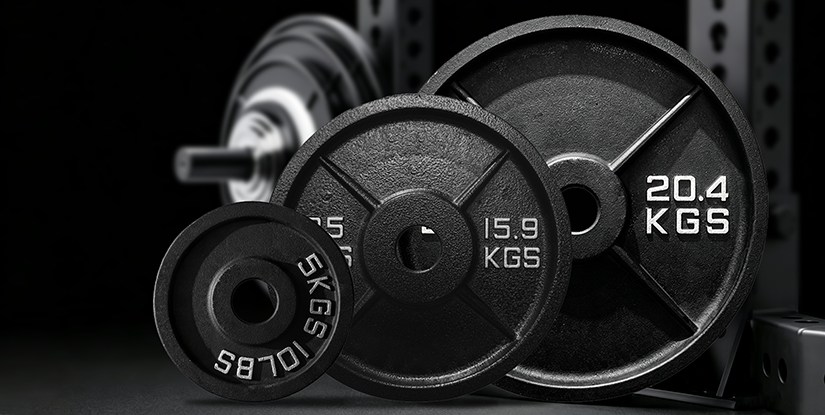
High-volume procurement requires a commercial weight plate supplier who understands that weight tolerance and concentricity are non-negotiable. Variations in the casting mold or poor quality control during the sand casting process can lead to uneven weight distribution, causing uneven wear on barbell sleeves and increasing the risk of client injury. Selecting a wholesale iron plates OEM partner with rigorous China factory QC standards ensures that every unit meets the structural demands of high-traffic commercial environments.
| Material/Process Type | Surface Finish | Commercial Duty | Maintenance Load | Procurement Value |
|---|---|---|---|---|
| Standard Sand Casting | Bare Iron | Budget/Home Gym | High (Rust Risk) | Low Initial Cost |
| Precision Cast Iron | Powder Coating | Standard Commercial | Low | Optimal ROI |
| High-Grade Casting | Polyurethane (PU) | Premium Studio | Minimal | High Longevity |
Reliable sourcing involves evaluating how the factory manages the transition from raw iron to a finished, coated product. A specialized cast iron plate export manufacturer utilizes controlled cooling and multi-stage surface finishing to prevent the warping or cracking that often plagues lower-tier production runs. For large-scale wholesale orders, we recommend verifying the coating adhesion strength and the precision of the center bore to ensure compatibility with all standard commercial barbells.
Technical Differentiation in Coating and Adhesion
When evaluating a commercial weight plate supplier, the distinction between simple paint and industrial-grade finishes is a critical factor for long-term inventory durability. A common procurement mistake is overlooking the bond line integrity between the cast iron and the outer layer. In high-traffic environments, inferior coatings often suffer from chipping or peeling, which increases maintenance costs and diminishes the premium feel of the equipment. High-tier wholesale iron plates OEM production utilizes advanced application methods to ensure the finish remains intact under heavy usage and constant impact.
For example, while standard paint might suffice for low-intensity settings, professional distributors typically require either high-durability powder coating or a specialized PU coating. Powder coating offers a robust, textured finish that is highly resistant to scratches and oxidation, making it a staple for standard commercial gym inventory. Conversely, a PU coating provides a smoother, more resilient barrier that is often preferred for premium boutique studios where aesthetic longevity is as important as physical durability. Ensuring your cast iron plate export manufacturer employs a multi-stage surface preparation process—including phosphate treatment—is essential to guarantee maximum coating adhesion and prevent premature rust during sea freight or long-term warehousing.
Before finalizing a bulk order, we recommend requesting a sample to verify the thickness and adhesion of the coating. A reliable factory will be able to provide technical specifications regarding their surface finishing line and the specific types of coatings used for different MOQ tiers. Confirming these technical details during the initial sourcing phase helps mitigate the risk of receiving substandard goods and ensures your landed cost reflects a truly durable commercial product.
Critical QC Benchmarks for International Sourcing
Maintaining high inventory standards requires a cast iron plate export manufacturer with rigorous verification protocols. For distributors and gym operators, the cost of a bad batch extends far beyond the initial purchase; it includes replacement logistics, labor for onsite repairs, and lost revenue due to equipment downtime. Relying on a commercial weight plate supplier that implements strict China factory QC protocols ensures that every unit arriving in your warehouse meets the necessary structural and aesthetic standards for long-term commercial use.
When managing wholesale procurement, the risk of receiving inconsistent batches is a significant threat to your landed cost and overall ROI. A single deviation in weight tolerance or coating adhesion can lead to massive returns and damaged client trust. To mitigate these risks, professional buyers must move beyond simple price-per-unit metrics and demand transparency regarding the pre-shipment inspection process. High-quality sourcing strategies prioritize bulk order reliability by ensuring that technical specifications—such as bore concentricity and surface finish durability—are verified at the factory level before the container is sealed.
Technical Inspection Checklist for Importers
To ensure high-yield inventory, professional buyers should utilize a technical checklist during factory audits. A reliable cast iron plate export manufacturer will provide documentation for every critical stage of production. For wholesale iron plates OEM orders, inspection should focus on the transition from sand casting to the final powder coating application to prevent surface degradation.
| Inspection Focus | Technical Specification | Commercial Duty Impact | Factory QC Point |
|---|---|---|---|
| Core Material | Cast iron density and consistency | Long-term durability and TCO | Density check and crack inspection |
| Surface Finish | Powder coating adhesion | Prevention of rust and chipping | Adhesion test and thickness check |
| Weight Calibration | Standard deviation limits | Consistent user experience | Weight calibration spot-check |
| Bore Integrity | Concentricity and smoothness | Bar compatibility and safety | Inner diameter and flatness check |
| Export Packaging | Packaging durability and palletization | Reduction in transit damage | Load-bearing and moisture protection |
Effective sourcing requires verifying that export standards are met for both the product and the packaging durability. For large-scale wholesale shipments, ensure the factory utilizes reinforced pallets and moisture-proof wraps to protect the surface finish during sea freight. We recommend requesting a sample approval and a detailed pre-shipment report to confirm all weight calibration and OEM branding requirements are fully compliant before finalizing your bulk order.
Successful procurement relies on moving beyond visual inspections to technical verification. Whether you are managing a single high-end studio rollout or a nationwide distribution network, the reliability of your cast iron plate export manufacturer is defined by their ability to maintain these technical benchmarks across high-volume production runs. A failure in any single QC point—be it a slight eccentricity in the center bore or a lack of adhesion in the coating—can result in significant logistical costs and diminished distributor margins during the sourcing process.
To optimize your landed cost and minimize post-delivery disputes, we advise procurement managers to request specific documentation regarding the China factory inspection protocols. For wholesale iron plates OEM projects, ensure that your supplier provides clear data on weight tolerance and surface resilience. Establishing these technical requirements during the sample approval phase allows for much smoother bulk order execution and ensures your inventory meets the high-performance demands of professional fitness environments.
Optimizing Logistics and Custom Branding via OEM/ODM
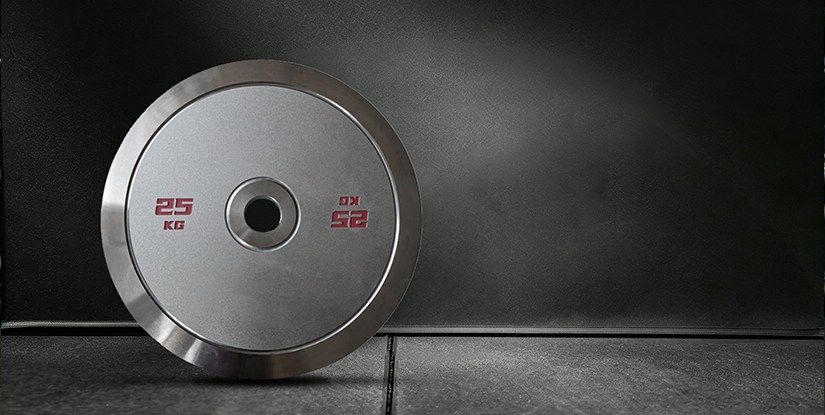
For professional distributors and gym equipment importers, the ability to scale a product line depends heavily on the manufacturing partner's ability to manage complex requirements. Working with a professional cast iron plate export manufacturer allows you to move beyond generic inventory toward a specialized brand identity. By leveraging OEM and ODM capabilities, you can integrate your own logo, specific color schemes, and unique weight markings into the production run, effectively transforming a standard commodity into a proprietary product line.
Strategic sourcing requires more than just selecting a high-quality commercial weight plate supplier; it requires a partner who understands the nuances of global distribution. Whether you are managing a high-volume wholesale order or a specialized boutique studio rollout, your sourcing strategy must account for the interplay between custom branding and operational efficiency. A reliable factory can synchronize production cycles with your marketing launches to ensure your commercial gym inventory remains consistent and competitively positioned in the market.
To maintain high margins, professional buyers must also evaluate the logistical constraints of their orders. Understanding the MOQ for custom-branded plates and the typical lead time for large-scale wholesale iron plates OEM production is essential for inventory planning. An optimized China factory partner will provide clear timelines for both manufacturing and export packaging, ensuring that your landed costs and stock availability are predictable and optimized for long-term growth.
Technical Requirements for Custom Branding and Export Efficiency
Achieving a premium brand image requires precise execution of branding elements. When requesting custom work from a cast iron plate export manufacturer, buyers should specify the depth and clarity of logo embossing. High-quality branding typically involves a deep-mold casting process rather than surface printing, ensuring the logo remains legible even after years of high-impact commercial use. For high-end studio lines, specifying a high-grade powder coating or a specific color-coded enamel finish can further differentiate your inventory from generic alternatives.
Logistical complexity often dictates the final profitability of a bulk shipment. A professional commercial weight plate supplier must provide specialized export packaging designed to withstand long-distance ocean freight. This includes heavy-duty reinforced cartons and palletization strategies that maximize container utilization. Failure to optimize these packing standards can lead to unexpected increases in your landed cost due to wasted volume or shipping damage. To mitigate these risks, we recommend requesting a detailed packing specification and a sample of the final export-ready unit before the full production run begins.
To ensure your brand reputation remains intact, rigorous QC protocols must be integrated into the final stages of production. A reliable wholesale iron plates OEM process includes a multi-point inspection focusing on coating adhesion, weight tolerance consistency, and the structural integrity of the embossed branding. We suggest that procurement leads conduct a pre-shipment inspection or a factory audit to verify that the production output meets the exact specifications of your custom design and that the packaging is sufficient for global transit.
Customization Tier Comparison for Procurement Planning
To assist in your decision-making process, the following table outlines common customization tiers offered by a professional cast iron plate export manufacturer. Selecting the appropriate tier depends on your target market segment, whether you are supplying high-traffic commercial gyms or premium boutique studios. We recommend evaluating these options based on your specific MOQ requirements and the desired level of brand distinction for your inventory.
| Material & Finish | Customization Level | Branding Method | Typical MOQ | Lead Time Impact | Commercial Use Case |
|---|---|---|---|---|---|
| Gray Iron + Black Paint | Standard Stock | Standard Mold/Emboss | Low | Minimal | Budget-conscious gyms |
| Gray Iron + Color Powder Coating | OEM Tier 1 | Custom Color + Logo | Medium | Moderate | Commercial fitness centers |
| Premium Iron + High-Grade Enamel | ODM Tier 2 | Deep Mold + Custom Markings | High | Extended | Premium studio chains |
When finalizing your sourcing plan, please contact our team to request a full spec sheet or a detailed quote. We can provide specific pricing for various wholesale volumes, clarify exact MOQ thresholds for custom color runs, and assist in scheduling a pre-shipment inspection or a factory audit to ensure your quality standards are met before the container is loaded.
Strategic Sourcing for Long-Term Inventory Value
For distributors and gym operators, the decision to partner with a cast iron plate export manufacturer is not merely a procurement task but a strategic move to protect future margins. When sourcing in bulk from a China factory, the immediate focus is often on the landed cost; however, professional buyers must weigh this against the long-term durability and maintenance requirements of the equipment. High-quality material grades and precision coating processes directly influence the replacement cycle and the total cost of ownership (TCO) for your clients.
Selecting a reliable commercial weight plate supplier ensures that the inventory remains functional under high-traffic conditions. Low-grade iron or poor-quality coatings lead to rapid oxidation and surface degradation, which forces distributors into frequent replacement cycles and diminishes brand reputation. By prioritizing a wholesale iron plates OEM partner that utilizes standardized industrial processes, you secure a product that maintains its aesthetic and structural integrity for years, effectively maximizing the ROI for both the distributor and the end-user.
Material Grade and Coating Quality Impact on TCO
The relationship between material selection and long-term maintenance costs is critical in commercial environments. A cast iron plate export manufacturer that specializes in high-density gray iron provides a more stable weight profile and better resistance to cracking compared to lower-tier alternatives. Furthermore, the choice of surface treatment—whether it be a standard powder coating or a specialized chemical treatment—determines how the plates react to humidity and frequent handling in high-use facilities.
When evaluating wholesale iron plates OEM options, the quality of the coating adhesion is a primary indicator of long-term value. A robust coating prevents the underlying iron from oxidizing, thereby reducing the labor costs associated with cleaning and maintenance. For large-scale sourcing projects, investing in superior surface finishes reduces the frequency of client complaints and replacement requests, ensuring a more predictable and profitable supply chain for the distributor.
Technical Specification Comparison for Procurement Decisions
To facilitate efficient technical audits, professional buyers should evaluate the specific interplay between material density, surface treatment, and manufacturing precision. The following table outlines the standard configurations provided by a high-tier cast iron plate export manufacturer to help you align your inventory with specific commercial use cases and budget tiers.
| Material | Coating Type | Primary Process | Key QC Point | Commercial Duty | MOQ/Customization |
|---|---|---|---|---|---|
| Gray Cast Iron | Powder Coating | Sand Casting | Coating Adhesion | Standard Commercial Gyms | Standard MOQ applies |
| High-Density Iron | Enamel / Paint | Precision Casting | Weight Tolerance | Premium Training Studios | OEM Branding Available |
| Carbon Steel Base | Black Oxide | Machining | Surface Flatness | High-Intensity Strength Centers | ODM Design Support |
| Cast Iron | Phosphate Treatment | Industrial Casting | Bore Concentricity | Budget-Conscious Facilities | Bulk wholesale Pricing |
When conducting a sourcing audit, we recommend focusing on the weight calibration and the integrity of the bore. A professional commercial weight plate supplier will prioritize the concentricity of the center hole to ensure seamless loading on Olympic bars, preventing uneven wear on expensive barbell sleeves. Furthermore, inspecting the bond line of the powder coating is essential; high-quality coatings must resist chipping even during high-impact drops to maintain a professional facility appearance and minimize replacement frequency.
For distributors seeking to expand their product lines, utilizing a wholesale iron plates OEM service allows for the integration of custom branding and specific thickness requirements. Whether you require standard iron plates or specialized finished versions, confirming the factory's ability to meet your MOQ and lead time expectations is the final step in securing a high-margin, reliable inventory stream.