Cast Iron Plate Source Supplier: Material QC and Export
Cast Iron Plate Source Supplier: Material Integrity and Commercial Standards
Selecting a cast iron plate source supplier requires moving beyond superficial appearance to evaluate core structural properties. Many distributors fail by prioritizing low unit costs from unverified sources, only to face high replacement rates due to brittle casting or inconsistent weight. A professional cast iron plate source supplier mitigates these risks by providing standardized commercial cast iron plates produced through controlled sand casting processes, ensuring long-term durability and predictable weight tolerance for high-traffic facilities.
For professional importers, the difference between a budget batch and a premium shipment lies in the metallurgical consistency of the China factory. Relyity in the wholesale market depends on whether the manufacturer utilizes high-grade gray iron and rigorous cast iron plate manufacturing QC protocols. Without strict oversight of the cooling and machining stages, batches may suffer from surface porosity or dimensional inaccuracies that compromise the commercial cast iron plates' fit on standard barbell sleeves.
When managing high-volume sourcing, understanding the technical constraints of the factory is essential for calculating total landed cost and managing inventory. A reliable supplier will provide transparent data regarding their MOQ and the specific production capabilities of their China factory, allowing distributors to plan for wholesale distribution without unexpected lead time delays or quality-related returns.
Technical Comparison of Casting and Finishing Processes
To optimize distributor margins and ensure long-term equipment reliability, procurement managers must evaluate the specific manufacturing pathways used for different product tiers. The choice between raw casting and advanced surface treatments directly impacts the maintenance load and the total cost of ownership for the end-user. A professional cast iron plate source supplier will offer various finishing options to suit different commercial gym environments, from high-intensity strength zones to premium studio settings.
| Material | Process | Surface Finishing | Commercial Duty | MOQ Impact | Factory QC Point |
|---|---|---|---|---|---|
| Gray Iron | Sand Casting | Bare Iron / Phosphate | Standard Commercial | Lower | Weight Tolerance |
| Cast Iron | Sand Casting | powder coating | High-Traffic Gyms | Moderate | Coating Adhesion |
| Carbon Steel | CNC Machining | Enamel / Paint | Premium/Competition | Higher | Bore Concentricity |
Evaluating the cast iron plate manufacturing QC process is critical when ordering wholesale weight plates in bulk. For instance, while sand casting is the industry standard for cost-effective commercial cast iron plates, the subsequent surface finishing stage determines the product's lifespan. High-quality powder coating provides a protective layer that prevents oxidation and maintains a professional aesthetic under heavy use. When managing export packaging for overseas shipments, a reliable supplier ensures that these coatings are robust enough to withstand container-loading stresses and long-distance transit without chipping or degradation.
Critical Inspection Points for Bulk Procurement
To minimize landed cost issues and prevent costly returns, professional buyers must implement a strict pre-shipment inspection protocol. Relying on a cast iron plate source supplier that lacks detailed quality checkpoints can result in shipments with uneven weight distribution or improper bore fit. For large-scale bulk orders, the inspection focus must shift from individual aesthetics to industrial-grade technical compliance.
The first priority during a factory audit or third-party inspection is weight calibration. Each batch of wholesale weight plates must undergo spot-checks to ensure the deviation stays within the agreed-upon tolerance band. Following this, technical buyers should verify concentricity—the precision of the center bore—to ensure the plates sit perfectly flat on barbell sleeves without wobbling. This is a critical factor for maintaining the longevity of the barbell and the user's safety in a commercial setting.
Furthermore, testing coating adhesion is essential to prevent premature surface failure. A high-tier China factory will demonstrate that the powder coating or paint layer can withstand physical impact and environmental moisture without peeling. Finally, a comprehensive review of logistics readiness, including the durability of export packaging and container loading patterns, ensures that your inventory arrives at the warehouse in pristine condition, protecting your distributor margins and reducing the need for replacement planning.
Material and Process Specifications for Commercial Cast Iron Plates
When sourcing high-volume inventory, identifying a reliable cast iron plate source supplier is the first step in securing long-term distributor margins. For professional gym equipment distributors and large-scale importers, the selection of raw materials and casting techniques directly impacts the total cost of ownership (TCO) and the replacement frequency of the product line. A high-quality China factory will prioritize consistent density and structural integrity to ensure that every unit meets the demands of high-traffic commercial environments.
The production of commercial cast iron plates typically begins with the selection of high-grade gray iron. This material is preferred in the industry due to its excellent machinability and vibration-dampening properties. Most professional-grade units undergo a sand casting process, which allows for the creation of complex shapes and durable, heavy-duty profiles. During the cast iron plate manufacturing QC process, engineers must monitor the cooling rate and the precision of the sand molds to prevent internal structural weaknesses that could lead to cracking under heavy impact.
To help procurement managers decide between different product tiers, the following table compares common manufacturing approaches used by a leading supplier. This comparison focuses on how material and process choices affect commercial utility and wholesale ordering requirements.
| Material Type | Primary Process | Surface Finish | Commercial Duty | MOQ Impact |
|---|---|---|---|---|
| Gray Iron | Sand Casting | Bare Iron / Phosphate | Standard Commercial | Standard |
| Gray Iron | Sand Casting | Powder Coating | High-Traffic Gyms | Moderate |
| Cast Iron | CNC Machining | Enamel / Paint | Premium Studio | Higher |
Beyond the initial casting, the precision of the center bore is a critical technical standard. A professional cast iron plate source supplier ensures that the bore is finished with high-precision machining to maintain a consistent fit on standard barbells. This prevents uneven wear on the bar and ensures a smooth user experience. When negotiating wholesale contracts, buyers should always confirm the weight tolerance standards and the specific lead time for custom-branded or coated versions to ensure seamless warehouse stocking and distribution.
| Material Type | Primary Process | Surface Finish | Commercial Duty | MOQ Impact |
|---|---|---|---|---|
| Gray Iron | Sand Casting | Bare Iron / Phosphate | Standard Commercial | Standard |
| Gray Iron | Sand Casting | powder coating | High-Traffic Gyms | Moderate |
| Cast Iron | CNC Machining | Enamel / Paint | Premium Studio | Higher |
| Cast Iron | Molding/Vulcanization | rubber coating | Full-Service Facilities | Higher |
When evaluating the durability of wholesale weight plates, procurement officers must look beyond the base casting to the final surface finishing stage. The choice between a basic phosphate treatment and advanced powder coating can significantly impact the long-term maintenance load for a facility. While bare iron is cost-effective for bulk shipments, a high-quality rubber coating provides superior floor protection and noise reduction, which is essential for studio-based operators.
For distributors managing complex OEM or ODM requests, understanding these technical layers is vital for calculating the final landed cost. A more complex coating process may increase the initial MOQ or extend the lead time, but it often results in a lower total cost of ownership by reducing product replacement rates. We recommend that buyers request a detailed spec sheet and confirm the manufacturing QC protocols for coating adhesion to ensure that the finished product meets the rigorous standards of your local commercial market.
Critical Inspection Points for Export-Ready Inventory
For a professional distributor, the risk of receiving damaged or substandard inventory during long-haul transit can devast care margins. A reliable cast iron plate source supplier must implement a rigorous pre-shipment inspection that extends far beyond basic weight checks. High-tier wholesale weight plates undergo specific mechanical testing to ensure they can withstand the rigors of international shipping and high-frequency commercial use.
A comprehensive cast iron plate manufacturing QC protocol must prioritize three technical dimensions: concentricity, base flatness, and coating adhesion. First, the concentricity of the center bore is inspected to ensure the plate sits perfectly level on a barbell, preventing wobbling during heavy lifts. Second, the base flatness is verified to ensure the plate does not rock or vibrate excessively when placed on a lifting platform. Finally, for any coated or painted units, a specialized adhesion test is performed to ensure the finish does not chip or peel under standard commercial impact.
Logistical efficiency is equally vital for large-scale bulk orders. To protect the integrity of the product, the export packaging must be robust enough to handle container loading and heavy machinery handling. We recommend that procurement leads confirm the use of reinforced cartons and specialized palletizing methods before finalizing any sourcing agreement. This attention to detail minimizes the risk of transit-related damage and ensures that your landed inventory is ready for immediate deployment in high-traffic gym environments.
Precision and Tolerance: The Role of Machining in Plate Quality
When sourcing high-volume orders, professional buyers must look beyond basic casting to ensure long-term operational safety. A reliable cast iron plate source supplier provides more than just raw weight; they provide technical consistency through advanced finishing. For distributors and gym equipment importers, the difference between a standard cast product and a precision-machined unit determines the total cost of ownership and equipment longevity.
In the commercial fitness sector, the margin for error in weight accuracy and dimensional stability is minimal. Rely-on-sight quality is insufficient for large-scale procurement. A professional China factory utilizes secondary machining processes to refine the bore and surface geometry, ensuring that plates sit flush and remain balanced during high-intensity use. Without these strict cast iron plate manufacturing QC protocols, uneven weight distribution can lead to premature wear on barbells and increased maintenance costs for the end-user.
Achieving high-level weight accuracy requires a rigorous approach to both the casting and the subsequent machining stages. High-quality commercial cast iron plates undergo CNC machining to ensure the center hole diameter remains within a tight tolerance band. This precision prevents the plate from wobbling on the barbell, which is a critical safety requirement for professional training environments. When you evaluate a wholesale partner, you should confirm if their production line includes dedicated machining stations for bore refinement and concentricity checks.
Beyond the initial casting phase, the integration of CNC machining is a decisive factor for distributors managing high-end inventory. Precision machining directly impacts the concentricity and surface flatness of the unit, ensuring that the plate rotates smoothly on the barbell without lateral oscillation. For a cast iron plate source supplier catering to premium commercial facilities, these technical specifications are non-negotiable. A lack of precision in the bore diameter or an uneven surface can lead to uneven loading, which increases the mechanical stress on both the equipment and the athlete.
To maintain high standards during bulk production, a professional factory implements multi-stage refinement. This typically involves CNC grinding to achieve a perfectly flat face and a consistent thickness across the entire diameter. This level of cast iron plate manufacturing QC ensures that each plate in a large shipment meets the same dimensional profile. For buyers managing wholesale weight plates shipments, this consistency reduces the risk of defective returns and ensures that the product meets the strict expectations of professional gym operators and large-scale distributors.
When negotiating OEM or ODM specifications, it is advisable to request documentation regarding the machining tolerances and the specific methods used for weight calibration. A high-tier supplier will be able to provide details on how they maintain surface uniformity and bore precision throughout the production run, ensuring that every unit in your container-load order performs with the same reliability.
Technical differentiation is essential when calculating the landed cost and long-term value of a shipment. The following table outlines the functional and structural differences between standard casting and precision-machined options to assist in your procurement planning.
| Material | Process | Key Component | Commercial Duty | MOQ Impact | Factory QC Point |
|---|---|---|---|---|---|
| Cast Iron | Sand Casting | Bore Diameter | Standard Commercial/Budget | Lower MOQ options | Bore concentricity |
| Cast Iron | CNC Machining | Surface Flatness | Premium/Performance Gyms | Higher MOQ for precision | Thickness uniformity |
| Carbon Steel | Forging/Machining | Internal Diameter | High-Intensity Training | Tiered MOQ structures | Weight calibration |
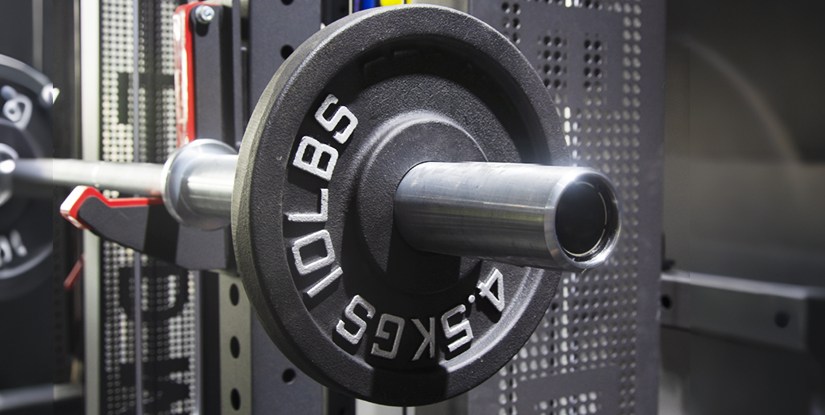
Understanding these distinctions allows a cast iron plate source supplier to better align production with your specific market positioning. For example, while standard sand casting is efficient for high-volume, budget-conscious wholesale weight plates, precision-machined units offer the dimensional stability required for high-end strength facilities. When conducting a factory audit or reviewing sample approvals, verify that the machining process addresses the specific needs of your target clientele, whether they prioritize cost-efficiency or technical precision.
Optimizing Warehouse and Floor Layout Efficiency
Effective logistics management begins with selecting a reliable cast iron plate source supplier who understands the volumetric demands of heavy-duty inventory. For distributors and large-scale gym operators, the ability to manage high-density stock is a critical factor in maintaining high turnover rates and minimizing overhead costs during the sourcing process.
Inefficient storage of commercial cast iron plates can lead to increased labor costs and damaged packaging, ultimately eroding your distributor margins. When managing large-scale shipments from a China factory, optimizing the footprint of your warehouse through strategic stacking and palletization is essential for maximizing your return on investment.
Impact of Storage Density on Landed Cost and ROI
The physical dimensions and weight distribution of wholesale weight plates directly influence your logistics efficiency and total landed cost. Because cast iron products are high-density but low-volume in terms of cubic displacement, the way they are packed for export determines how many units fit into a standard 20ft or 40ft container. A supplier that provides optimized export packaging—such as reinforced steel crates or heavy-duty reinforced cartons—helps you maximize container utilization, reducing the shipping cost per unit.
Furthermore, optimizing floor layouts in your distribution center requires a focus on vertical storage capacity. Utilizing heavy-duty industrial racking systems designed for high-weight loads allows you to increase your storage density without expanding your physical warehouse footprint. This efficiency ensures that your capital is not tied up in excessive floor space, allowing for a more agile response to market demand and better inventory turnover.
Configuration Comparison for Commercial Space and Logistics
To maintain high operational efficiency, procurement leads must evaluate how different specifications impact both your warehouse footprint and your final landed cost. Selecting a cast iron plate source supplier that offers standardized packaging and varied thickness options allows for more predictable stacking and higher density during long-distance transit. The following table outlines how various production configurations affect your commercial storage and logistics planning.
| Material | Coating | Storage Profile | Floor Protection | MOQ/Customization | Commercial Duty |
|---|---|---|---|---|---|
| Cast Iron | Bare Iron | High density; stackable | Requires rubber mats | Low MOQ; standard | High-traffic gyms |
| Cast Iron | Powder Coated | Medium density; stackable | Standard protection | Medium MOQ; OEM | Commercial studios |
| Cast Iron | Rubber Coated | Lower density; specialized | High protection | High MOQ; ODM | Premium facilities |
| Cast Iron | PU Coated | Variable; high volume | Maximum protection | High MOQ; custom | High-end boutique |
When evaluating cast iron plate manufacturing QC, ensure your partner provides detailed specifications on the thickness and outer diameter of each SKU. This precision allows you to calculate exact container loading capacities and prevents unexpected volume shortages during unloading. For distributors looking to scale, requesting a detailed weight-to-volume ratio and confirming the export packaging standards—such as palletized steel frames—is a vital step in securing long-term warehouse efficiency.
Logistics and Pre-Shipment Standards for Global Distribution
A critical component of the procurement process is verifying that your cast iron plate source supplier adheres to strict export packaging protocols. For international importers, the risk of transit damage or disorganized shipments can lead to significant delays in your lead time and unexpected labor costs during unloading. High-quality palletization is not merely about protection; it is about ensuring that every container reaches its destination in a configuration that allows for immediate, streamlined distribution to your end customers.
To ensure long-term reliability, professional buyers should request a detailed report on weight calibration and pre-shipment inspection results. A reliable factory will provide documentation verifying that the weight tolerances meet the agreed-upon commercial standards before the goods leave the China factory. This level of transparency in cast iron plate manufacturing QC minimizes the risk of receiving non-compliant stock, thereby protecting your distributor margin and ensuring that your brand identity remains synonymous with quality and precision in the commercial fitness market.
China Factory Export Standards and Pre-Shipment QC
Maintaining high-volume distribution margins requires a reliable cast iron plate source supplier that prioritizes rigorous inspection protocols. For distributors and commercial gym equipment distribution partners, a single batch of substandard plates can lead to increased replacement costs and damaged brand reputation. A professional China factory must implement multi-stage verification to ensure every unit meets international commercial standards before leaving the warehouse.
The primary objective of pre-shipment inspection is to mitigate the risks associated with wholesale weight plates procurement, such as dimensional inconsistencies or surface defects. A professional supplier should focus on three critical technical areas: weight tolerance, surface integrity, and bore concentricity. By verifying these metrics at the source, importers can ensure that their landed cost remains optimized and that the product performs reliably in high-traffic environments.
Essential Inspection Points for Commercial Grade Inventory
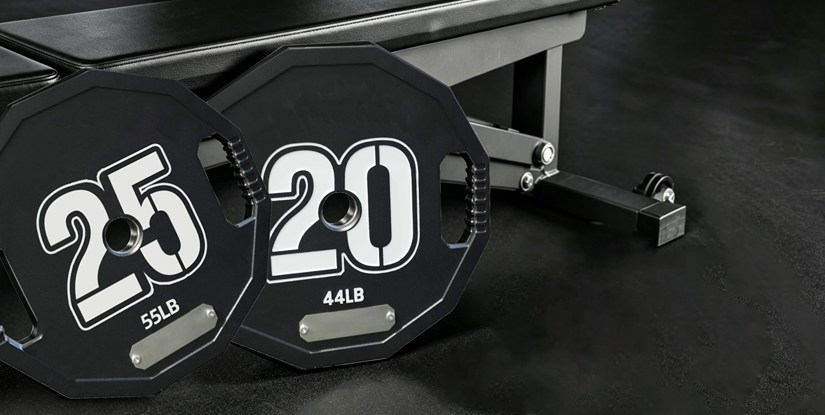
When auditing production, procurement leads must look beyond basic aesthetics to ensure technical compliance. A standard cast iron plate manufacturing QC process involves checking the surface finish to prevent premature oxidation and ensuring the weight tolerance remains within industry-standard commercial ranges. Furthermore, the precision of the center bore is vital for smooth loading on Olympic barbells, preventing friction-related wear on expensive barbell sleeves.
A high-tier factory will typically conduct the following checks before authorizing container loading:
- Weight Calibration: Spot-checking individual plates to ensure the mass deviation meets the specified commercial tolerance.
- Bore Integrity: Verifying the concentricity and smoothness of the center hole to ensure a seamless fit with standard barbell diameters.
- Coating Adhesion: Testing the durability of the paint or powder coating to ensure it does not chip during heavy usage.
- Dimensional Accuracy: Measuring the thickness and diameter to ensure consistency across the entire bulk order.
To ensure long-term durability and reduce maintenance overhead, technical evaluation must extend to the physical properties of the product. A professional cast iron plate source supplier provides more than just a finished unit; they provide a standardized component designed for high-frequency commercial use. When sourcing commercial cast iron plates, understanding the relationship between the casting process and the final surface treatment is essential for calculating total cost of ownership and minimizing returns.
Technical Comparison of Material and Process Standards
The following table outlines the common industry-standard specifications used by a professional China factory to differentiate between various production grades. This comparison helps procurement officers align their wholesale weight plates order with the specific demands of their target market, whether it is budget-friendly commercial gyms or premium training facilities.
| Material | Coating Type | Process Detail | Key QC Point | Commercial Duty | MOQ Impact |
|---|---|---|---|---|---|
| Gray Cast Iron | Bare Iron / Phosphate | Sand Casting | Surface Smoothness | Budget Commercial | Standard |
| Gray Cast Iron | Powder Coating | Sand Casting + CNC Machining | Coating Adhesion | Standard Commercial | Moderate |
| Ductile Iron | Polyurethane (PU) | Centrifugal Casting | Concentricity | Premium/High-Traffic | Higher |
| Carbon Steel | Enamel Paint | Machined Precision | Weight Tolerance | Professional Training | Variable |
Effective cast iron plate manufacturing QC requires a focus on both the structural integrity of the casting and the precision of the secondary machining. For example, while sand casting is highly efficient for mass production, the subsequent CNC machining of the center bore is what guarantees the concentricity required for professional-grade barbell compatibility. Buyers should always confirm if their supplier utilizes automated weight calibration and automated coating lines to ensure batch-to-batch consistency during large-scale sourcing projects.
Before finalizing a bulk order, it is recommended to request a sample or a detailed technical spec sheet to confirm that the coating adhesion and dimensional tolerances meet your brand's specific requirements. Once the sample is approved, you may proceed to discuss OEM or ODM branding options and establish a clear timeline for production and container loading.
Optimizing Export Packaging and Logistics for Bulk Shipments
A critical factor in minimizing the landed cost for international distributors is the efficiency of the export packaging and container loading process. When managing large-scale bulk orders, the risk of transit damage—such as chipped powder coating or bent edges—can significantly erode distributor margins. A professional cast iron plate source supplier must implement a standardized palletization strategy that maximizes both space efficiency and structural protection during long-haul ocean freight.
To prevent shipping damage, high-quality wholesale weight plates are typically packed using reinforced corrugated cartons and heavy-duty pallets. A reliable China factory will utilize corner protectors and industrial-grade shrink wrap to stabilize the load, ensuring that the center of gravity remains consistent during container movement. This attention to detail reduces the likelihood of product loss and ensures that the commercial cast iron plates arrive in a condition that meets the high standards of your end-users.
When planning your procurement cycle, it is essential to coordinate closely with your supplier regarding the lead time and MOQ requirements. Effective logistics planning involves calculating the total volume of the shipment to optimize container utilization, thereby reducing the per-unit shipping cost. We recommend confirming the exact dimensions of the export-ready packaging during the initial sourcing phase to ensure seamless integration with your local warehousing and distribution workflows.
Custom Branding and OEM/ODM Sourcing Strategies
Establishing a distinct market presence requires more than just high-quality goods; it requires a cohesive professional identity. For distributors and large-scale importers, a cast iron plate source supplier must offer more than just raw inventory. The ability to integrate your unique brand identity into the physical product is what separates a generic commodity from a premium, recognizable product line in the commercial market.
When scaling your operations, relying on standard stock can limit your growth and brand equity. Professional commercial gym equipment distribution often demands higher levels of customization to meet specific regional or boutique studio requirements. This is why vetting a cast iron plate source supplier based on their OEM/ODM capabilities is a critical procurement step. A capable factory should be able to facilitate custom branding—whether through precision embossing, specialized casting molds, or high-durability paint applications—ensuring your logo remains intact through years of heavy commercial use.
For many distributors, the transition from wholesale purchasing to private label manufacturing is a strategic move to increase profit margins and long-term customer loyalty. However, this transition requires a partner with a sophisticated China factory setup that understands the nuances of wholesale volume and MOQ constraints. Selecting a supplier that offers robust OEM and ODM services allows you to control the aesthetic and technical specifications of your commercial cast iron plates, moving your business from a simple reseller to a recognized equipment provider.
Technical Precision in Manufacturing and Branding
The technical execution of a custom order defines the long-term durability and perceived value of your product line. High-tier cast iron plate manufacturing QC begins at the molecular level with the sand casting process. A professional cast iron plate source supplier ensures that the molten iron fills the specialized molds with enough precision to avoid structural voids or surface pitting. This foundational step is essential because any imperfection in the casting phase will compromise the integrity of the subsequent branding and coating layers.
For premium wholesale weight plates, the branding must be more than a surface-level sticker. We utilize deep logo embossing directly into the mold during the sand casting stage. This ensures that your brand identity is part of the physical plate structure, making it resistant to the friction and impact typical in high-traffic commercial environments. Following the casting, the plates undergo a rigorous weight calibration process to meet your specific tolerances, ensuring every unit in a bulk shipment is consistent.
The final aesthetic and protective layer is achieved through high-grade powder coating. Unlike standard liquid paint, powder coating provides a much thicker, more durable finish that resists chipping and oxidation. This process is vital for maintaining the professional appearance of your equipment over time. When you engage in commercial cast iron plates production through an OEM or ODM partnership, you are not just buying weight; you are investing in a finished, branded asset designed for the long-term lifecycle of a commercial facility.
Customization Tiers and Sourcing Logistics
Navigating the complexities of bulk procurement requires a clear understanding of how customization affects your landed cost and inventory turnover. A professional cast iron plate source supplier typically offers three distinct tiers of service, each with varying levels of control over the final product specification and different logistical requirements. Selecting the right tier depends on whether your priority is rapid stock replenishment or building a high-margin, proprietary brand.
The following table provides a comparison of these tiers to assist in your sourcing strategy and financial planning. When evaluating your next batch, consider how the MOQ and lead time of each tier will impact your warehouse efficiency and distributor margins.
| Customization Level | Branding Method | MOQ Impact | Lead Time | Typical Use Case | Commercial Duty |
|---|---|---|---|---|---|
| Standard Stock | None or basic generic design | Low (Standard wholesale units) | Short (Ready to ship) | Quick replenishment for gym studios | Standard Commercial |
| OEM (Original Equipment Manufacturer) | Embossed logo and custom color | Medium (Per SKU requirements) | Medium (Production + QC cycle) | Distributor-led brand expansion | High-Traffic Commercial |
| ODM (Original Design Manufacturer) | Full custom mold and specialized finish | High (Custom mold development) | Long (Design + Tooling + Production) | Premium fitness equipment brands | Elite/High-End Commercial |
For many procurement leads, the decision to move from standard wholesale weight plates to a full private label model is a calculated move to increase brand equity. While OEM orders require a higher MOQ and more extensive cast iron plate manufacturing QC, the ability to control the aesthetic and technical profile of your commercial cast iron plates provides a significant competitive advantage in the long term. We recommend requesting a detailed specification sheet and confirming the current MOQ for your specific branding requirements before finalizing your export and shipping schedule.