Cast Iron Plate Factory Direct: Coating and Material
Cast Iron Plate Factory Direct: Sourcing and Material Standards
When managing high-volume inventory, professional buyers must navigate three critical checkpoints: material consistency, structural integrity, and logistical reliability. Relying on a cast iron plate factory direct source ensures that your procurement strategy accounts for long-term durability and predictable landed costs. Without strict oversight of the raw material and casting process, distributors risk receiving shipments with inconsistent density or poor surface adhesion, which ultimately compromises your brand reputation and increases replacement cycles in a commercial setting.
A reliable cast iron plate factory direct partnership begins with the selection of high-grade gray iron. This specific material is favored by leading commercial weight plate manufacturer facilities because it provides the necessary density and structural stability required for heavy-duty gym environments. By sourcing directly from a China factory, importers can better control the production variables that affect the final product, ensuring that every unit meets the rigorous demands of high-traffic fitness centers.
The quality of the final product is heavily dependent on the precision of the sand casting method. This traditional yet highly effective process allows for the creation of robust, heavy-duty plates that maintain their shape under extreme use. For a wholesale cast iron plates order, the density of the iron must be uniform to prevent internal air pockets or structural weaknesses. A professional cast iron plate OEM supply provider will implement strict weight calibration and concentricity checks to ensure that every plate meets the expected weight tolerance standards, preventing the uneven loading issues that often plague lower-tier manufacturing.
Technical Comparison of Surface Treatments and Manufacturing Processes
The longevity of your inventory depends on how well the surface treatment handles mechanical stress and environmental moisture. For distributors, the choice between a basic finish and a specialized coating directly affects the total cost of ownership and maintenance frequency. A professional commercial weight plate manufacturer will offer various tiers of finishing to suit different market segments, from standard strength training to high-end studio environments.
The most common industrial standard involves a phosphate treatment, which provides a foundational layer of oxidation resistance before any secondary coating is applied. This is essential for preventing rust in humid commercial facilities. For a more premium aesthetic and enhanced durability, many buyers opt for high-grade powder coating. This process ensures superior coating adhesion, making the plate resistant to scratches and chipping during heavy usage. When managing a cast iron plate OEM supply, specifying the exact coating depth and application method is vital for maintaining consistent product quality across large shipments.
| Material | Coating Type | Process Detail | Commercial Duty | MOQ Impact | Factory QC Point |
|---|---|---|---|---|---|
| Gray Iron | Phosphate Treatment | Sand Casting | Standard Strength Training | Lower MOQ for stock | Base Flatness |
| Gray Iron | Powder Coating | CNC Machining | Premium Commercial Gyms | Higher MOQ for custom colors | Coating Adhesion |
| Cast Iron | Black Enamel | Industrial Casting | High-Volume Wholesale | Standard Bulk MOQ | Weight Calibration |
Understanding these technical nuances allows procurement leads to make informed decisions regarding their wholesale cast iron plates orders. Whether you require a basic finish for budget-conscious facilities or a ruggedized coating for high-traffic environments, verifying the manufacturing process is a key step in risk mitigation. We recommend requesting a technical specification sheet or a sample evaluation to confirm that the coating adhesion and surface finish meet your specific brand standards before finalizing your bulk order. Contact us to discuss your OEM requirements, current lead time, or to request a formal quote for your next shipment.
| Material | Coating Type | Process Detail | Commercial Duty | MOQ Impact | Factory QC Point |
|---|---|---|---|---|---|
| Gray Iron | Phosphate Treatment | Sand Casting | Standard Strength Training | Lower MOQ for stock | Base Flatness |
| Gray Iron | Powder Coating | CNC Machining | Premium Commercial Gyms | Higher MOQ for custom colors | Coating Adhesion |
| Cast Iron | Black Enamel | Industrial Casting | High-Volume Wholesale | Standard Bulk MOQ | Weight Calibration |
Understanding these technical nuances allows procurement leads to make informed decisions regarding their wholesale cast iron plates orders. Whether you require a basic finish for budget-conscious facilities or a ruggedized coating for high-traffic environments, verifying the manufacturing process is a key step in risk mitigation. We recommend requesting a technical specification sheet or a sample evaluation to confirm that the coating adhesion and surface finish meet your specific brand standards before finalizing your bulk order. Contact us to discuss your OEM requirements, current lead time, or to request a formal quote for your next shipment.
Material Composition and Casting Precision for Commercial Use
Establishing a reliable supply chain begins with understanding the fundamental material integrity of your inventory. For distributors and gym equipment importers, sourcing a cast iron plate factory direct ensures that every unit meets the density requirements necessary for high-traffic commercial environments. High-quality wholesale cast iron plates must utilize consistent gray iron to prevent structural brittness and ensure long-term durability under heavy loading cycles.
The production of professional-grade weight plates relies heavily on the sand casting process. This method allows for the creation of robust, heavy-duty profiles that are essential for commercial weight plate manufacturer standards. By controlling the cooling rate and the composition of the molten metal, a professional China factory can achieve the necessary density and minimize internal air pockets. This precision is vital for maintaining a strict weight tolerance, ensuring that a 20kg plate remains consistent across a full wholesale order, which protects your distributor margins and client trust.
When managing cast iron plate OEM supply, procurement leads must prioritize the technical specs of the casting mold. A lack of precision in the mold or the material grade can lead to uneven weight distribution or surface flaws that compromise the commercial-grade specs required for international export. Choosing a factory that specializes in high-density gray iron ensures that your sourcing efforts result in products that withstand the rigors of professional strength training facilities without premature wear or structural failure.
Technical Comparison of Surface Finishing and Coating Adhesion
Beyond the core casting, the durability of your inventory depends on the secondary finishing stages. For a professional commercial weight plate manufacturer, the method of applying a protective layer is just as critical as the metal density itself. In high-volume wholesale cast iron plates procurement, the primary goal is to prevent oxidation and ensure the surface remains intact despite constant friction and impact within a commercial gym setting.
The most common high-end finish for industrial-scale orders is powder coating. This process involves applying a dry powder to the cast iron surface and curing it under controlled heat. This creates a much stronger bond than liquid paint, significantly improving coating adhesion and resistance to chipping. When you source cast iron plate factory direct, you should evaluate whether the facility utilizes an automated powder coating line, as this consistency is vital for maintaining a uniform aesthetic across large-scale OEM runs and ensuring a lower rate of returns due to surface imperfections.
To assist in your procurement decision, the following table compares standard surface treatments used in the industry. This comparison highlights how different finishes impact your total cost of ownership and maintenance requirements.
| Material Base | Surface Finishing | Process Detail | Commercial Duty | MOQ Impact | Factory QC Point |
|---|---|---|---|---|---|
| Gray Iron | Bare Iron | Phosphate Treatment | Standard Strength Training | Lower | Oxidation Resistance |
| Gray Iron | Powder Coating | Electrostatic Application | High-Traffic Commercial | Moderate | Coating Adhesion |
| Gray Iron | Enamel Paint | Liquid Spray | Budget/Entry Level | Low | Film Thickness Uniformity |
| Gray Iron | Polyurethane/Rubber | Dip/Molding | Premium/Bumper Style | Higher | Bond Line Integrity |
When evaluating your next cast iron plate OEM supply, we recommend requesting a sample to perform a manual adhesion test. A professional China factory should be able to provide documentation or video evidence of their surface finishing protocols. Confirming these technical details during the initial sourcing phase—specifically regarding the MOQ for custom colors and the expected lead time for specialized coatings—will help you optimize your landed cost and ensure your clients receive equipment that meets professional standards.
Precision Engineering and Quality Control Protocols
For professional importers, the true value of a cast iron plate factory direct partnership lies in the precision of the final product. Beyond the raw material, the technical integrity of the plate is determined by its concentricity and weight calibration. A high-tier commercial weight plate manufacturer must ensure that the central bore is perfectly centered; any deviation in concentricity can cause uneven weight distribution on a barbell, leading to user instability and increased wear on commercial racks. This level of precision is a non-negotiable standard for a reliable China factory catering to international markets.
To mitigate the risks of high replacement costs and client dissatisfaction, a rigorous pre-shipment QC process is essential. During large-scale wholesale orders, every batch should undergo systematic weight calibration to ensure that the actual weight remains within industry-standard tolerances. This prevents the logistical and financial headaches of shipping non-compliant goods. Furthermore, the durability of the shipment depends on professional export packaging. High-quality wholesale cast iron plates must be secured in reinforced, moisture-resistant packaging to protect the coating and prevent structural damage during long-haul sea freight. By prioritizing these technical checkpoints, a supplier helps you maintain a healthy distributor margin and reduces the total landed cost through minimized damage claims and returns.
Surface Coating and Adhesion Performance
For distributors and gym equipment importers, the long-term value of a shipment depends heavily on the quality of surface treatments. When sourcing cast iron plate factory direct, the primary concern is not just the initial weight, but the durability of the finish under high-traffic commercial use. Poorly executed coatings lead to premature oxidation and unsightly chipping, which ultimately increases maintenance costs and diminishes the perceived value of your inventory.
Professional wholesale cast iron plates must undergo rigorous surface preparation to ensure structural integrity. A high-quality powder coating application provides a robust barrier against environmental moisture and physical impact. This process is essential for maintaining commercial-grade durability, as it prevents the underlying metal from reacting with humidity in various gym environments. For a commercial weight plate manufacturer, ensuring superior adhesion performance is a non-negotiable standard to prevent the coating from peeling or flaking during heavy use.
When evaluating your next cast iron plate OEM supply, consider the total cost of ownership. A coating with high oxidation resistance significantly reduces the frequency of replacement and upkeep, protecting your distributor margins. We recommend that buyers perform a visual inspection of the bond line and surface uniformity during the factory QC process to ensure the finish meets international commercial standards before final export packaging.
Technical Comparison of Coating Specifications for Bulk Procurement
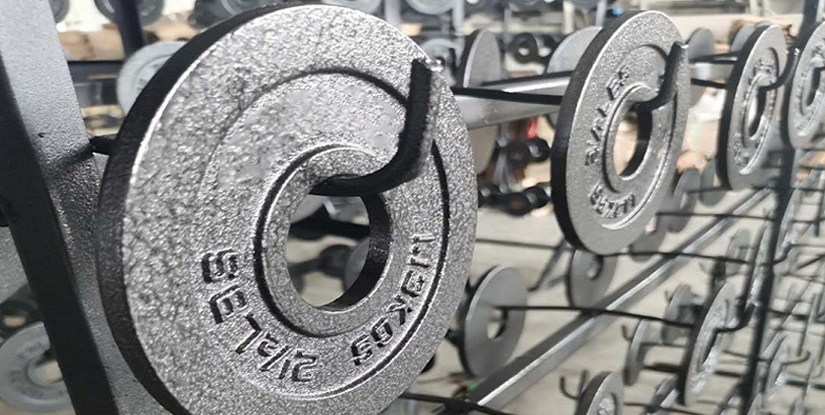
Selecting the appropriate finish is a critical decision for procurement leads balancing aesthetic appeal with long-term maintenance loads. The choice between different surface treatments directly impacts the durability of the product and the total cost of ownership for the end-user. For instance, while a simple paint finish may offer a lower initial cost, it often lacks the impact resistance required for high-intensity strength training environments. In contrast, advanced coatings like high-grade powder coating or specialized rubber layers provide a much higher degree of protection against the physical rigors of commercial gym settings.
Understanding the technical nuances of powder coating vs rubber coating allows distributors to better position their product lines. While powder coating is excellent for a sleek, hard-wearing aesthetic and precise weight dimensions, rubberized finishes offer superior floor protection and noise reduction. A professional commercial weight plate manufacturer will typically offer these as distinct SKU options to cater to different facility requirements, from high-density weight rooms to premium boutique studios. When negotiating your next order, we suggest verifying the specific adhesion strength and thickness standards with your supplier to ensure the finish survives heavy transport and repetitive dropping.
| Material Type | Coating Method | Primary Benefit | Commercial Duty | MOQ Impact | Factory QC Point |
|---|---|---|---|---|---|
| Cast Iron | Powder Coating | High impact resistance | Standard Strength Training | Standard | Coating adhesion test |
| Cast Iron | Rubber Coating | Floor & Noise protection | High-Volume Commercial | Higher | Bond line uniformity |
| Cast Iron | Enamel/Paint | Cost-effective aesthetic | Light Commercial/Home | Lower | Surface smoothness |
To ensure your inventory meets the highest standards, we recommend requesting a technical spec sheet and confirming the specific coating process used for your volume. Whether you are looking for a standard stock item or a specialized OEM solution, our team can provide sample approval and detailed documentation regarding the material thickness and surface durability. Please contact us to discuss bulk pricing, current lead times, or to arrange a factory audit for your upcoming shipment.
Comparing Commercial Weight Plate Manufacturing Options
For professional distributors and gym equipment importers, understanding the technical distinction between casting methods is vital for managing long-term inventory and landed cost. When you source cast iron plate factory direct, you are primarily choosing between different production efficiencies and material densities that affect both the durability of the unit and your wholesale margins. Selecting the correct manufacturing path ensures that your brand identity remains consistent across high-volume orders.
A professional commercial weight plate manufacturer typically utilizes two primary methods: sand casting and die casting. While sand casting is the industry standard for heavy-duty, high-mass plates, die casting or centrifugal methods are often used for more specialized, precision-oriented runs. For those looking for wholesale cast iron plates, the choice between these processes dictates the surface texture, the precision of the center bore, and the overall weight tolerance of the batch.
| Manufacturing Method | Primary Material | Typical Surface Finish | Commercial Duty | Sourcing Advantage |
|---|---|---|---|---|
| Sand Casting | Gray Iron | Textured / Matte | High-Volume Commercial | Lower Cost / High Durability |
| Die Casting | Precision Iron | Smooth / Polished | Premium Studio / Boutique | High Precision / Consistent SKU |
| Machined Steel | Carbon Steel | Chrome or Powder Coated | Competition / High-End | Highest Precision / Premium Margin |
When managing cast iron plate OEM supply, buyers must evaluate how these processes impact the final product's concentricity and coating adhesion. A robust China factory will implement specific quality control steps to ensure that the transition from the casting mold to the final powder coating line does not compromise the structural integrity or the weight calibration of the plates. Whether you require a specific OEM branding or a standard stock profile, the manufacturing method selected will directly influence your replenishment lead times and total cost of ownership.
Evaluating these technical specifications is a critical step in the procurement process to avoid the high costs of defective batches or inconsistent weight distribution. A professional cast iron plate factory direct sourcing model allows you to specify the exact level of finish required for your target market, whether it is a rugged, high-impact commercial gym or a high-end boutique studio. Miscalculating the relationship between casting density and coating adhesion can lead to premature oxidation or surface chipping, which increases maintenance loads for your end-users and diminishes your distributor margins.
Technical Specification and Quality Control Standards
To maintain high standards during a wholesale cast iron plates order, we recommend focusing on the precision of the center bore and the thickness of the surface treatment. A high-tier commercial weight plate manufacturer will prioritize the concentricity of the Olympic collar fit to ensure smooth rotation and long-term durability under heavy use. During the pre-shipment inspection at the China factory, technicians should perform a weight tolerance spot-check and verify the bond line adhesion of the powder coating to prevent peeling during high-frequency commercial training sessions.
For distributors managing complex cast iron plate OEM supply chains, requesting a detailed specification sheet or a sample approval before full-scale production is highly advised. This step allows you to confirm that the branding, such as embossed logos or silk-screened markings, meets your brand identity requirements and that the overall landed cost remains optimized through efficient export packaging and container loading. Contact us today to discuss your specific MOQ requirements or to request a formal quote for your next bulk procurement cycle.
China Factory QC and Pre-Shipment Inspection Protocols
For distributors and gym equipment importers, the primary risk in high-volume sourcing is the discrepancy between sample approval and bulk delivery. Relying on a cast iron plate factory direct model requires strict oversight to ensure that the density and finish of every unit meet commercial standards. Without a structured pre-shipment inspection, buyers often face high return rates due to inconsistent weight tolerances or surface defects that compromise the professional aesthetic of a fitness facility.
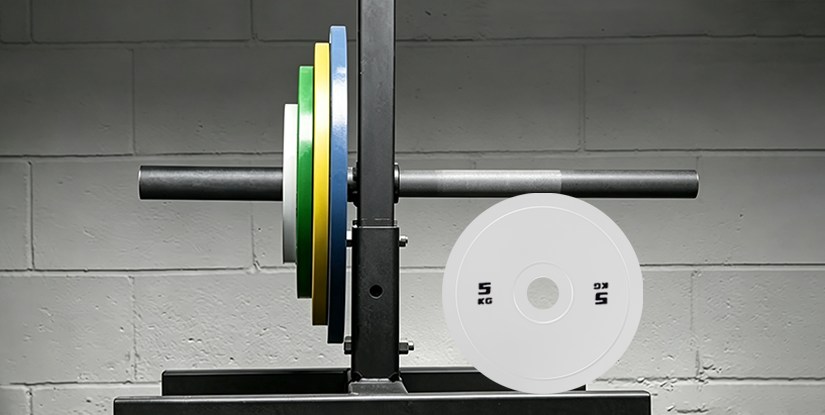
A professional commercial weight plate manufacturer must implement multi-stage quality control to mitigate these logistical and financial risks. This involves verifying the structural integrity of the sand casting, checking the concentricity of the central bore, and ensuring the adhesion of the coating under standard commercial usage stress. For those managing wholesale cast iron plates orders, these protocols are essential to maintaining distributor margins and protecting brand reputation.
Implementing a rigorous cast iron plate OEM supply workflow begins with raw material verification and extends to final export packaging. A reliable China factory will provide detailed reports on weight calibration and surface finish consistency, ensuring that the landed cost of the shipment is not inflated by unexpected replacement needs or client dissatisfaction.
Technical Inspection Checklist for Commercial Standards
To maintain high standards in a cast iron plate factory direct procurement workflow, the inspection process must move beyond basic visual checks. A professional commercial weight plate manufacturer utilizes a specific checklist to ensure that every unit delivered to a distributor or gym owner is fit for heavy-duty use. This technical oversight prevents the common issues of uneven weight distribution or premature surface degradation that can erode your ROI.
The following technical points are critical during the pre-shipment phase for wholesale cast iron plates:
- Casting Integrity: Inspecting for surface porosity, sand inclusions, or cracks that could compromise the structural density of the plate.
- Bore Concentricity: Verifying the central hole is perfectly centered and smooth to prevent wobbling or uneven wear on barbell sleeves.
- Coating Adhesion: Performing a standardized test to ensure the powder coating or paint layer adheres firmly to the iron surface without peeling or chipping under impact.
- Weight Calibration: Spot-checking individual units against the specified weight tolerance to ensure accuracy across the entire batch.
- Logo and Branding: Confirming that OEM embossed logos or silk-screened markings are crisp, centered, and free from casting defects.
- Export Packaging: Validating that heavy-duty pallets and reinforced crates are used to prevent transit damage, protecting your landed cost and ensuring the shipment arrives in professional condition.
By enforcing these standards, a China factory ensures that the cast iron plate OEM supply meets the rigorous demands of global commercial fitness environments, reducing the need for post-delivery replacements or credit claims.
Technical Inspection Summary for Procurement Managers
Effective sourcing requires more than just a low price; it requires a verifiable quality framework. For professional buyers, understanding the specific metrics used during the pre-shipment phase is vital for assessing the reliability of a cast iron plate factory direct partner. A systematic approach to quality control ensures that the bulk order aligns with the high-performance requirements of commercial fitness facilities.
The following table outlines the standard technical verification steps utilized to ensure that wholesale cast iron plates meet the rigorous durability and precision standards expected in international markets.
| Inspection Stage | Focus Area | Technical Metric | Commercial Impact |
|---|---|---|---|
| Raw Material Verification | Iron Density | Casting Porosity & Inclusion Levels | Ensures long-term structural durability and prevents weight loss |
| Bore Precision Check | Concentricity | Central Hole Alignment & Smoothness | Protects barbell sleeves and ensures smooth plate rotation |
| Surface Finish Test | Coating Adhesion | Impact Resistance of Paint/Powder Layer | Reduces maintenance frequency and preserves aesthetic value |
| Weight Calibration | Mass Accuracy | Weight Tolerance Deviation | Guarantees compliance with commercial grade specifications |
| Final Batch Audit | Branding & Packaging | Logo Clarity & Pallet Stability | Protects brand identity and reduces transit damage risks |
By prioritizing these technical checkpoints, a commercial weight plate manufacturer provides the transparency needed for high-stakes wholesale procurement. This level of detail allows distributors to manage their inventory with confidence, knowing that the cast iron plate OEM supply will arrive within specification and ready for immediate commercial deployment.
Optimizing Logistics and Landed Cost for Bulk Orders
Professional importers and distributors prioritize the total landed cost when scaling their inventory. Sourcing cast iron plate factory direct allows procurement managers to bypass the excessive markups added by trading companies and middle-tier wholesalers. By working with a commercial weight plate manufacturer, you gain direct control over the supply chain, ensuring that every dollar spent contributes to product quality rather than administrative overhead.
Managing the logistics of heavy, high-density goods requires specialized expertise to prevent inflated shipping expenses. When you place wholesale cast iron plates orders, the factory can optimize container loading patterns to maximize volume efficiency. This strategic approach to bulk orders reduces the cost per unit by ensuring that container space is utilized effectively, minimizing the impact of high freight rates on your final margins.
Efficiency in logistics also extends to the predictability of your supply chain. A cast iron plate OEM supply partner provides clearer visibility into production schedules and shipping efficiency. Understanding the specific MOQ requirements and lead times allows distributors to synchronize their replenishment cycles with ocean freight availability, ultimately stabilizing the landed cost and protecting profit margins against market volatility.
To ensure transparency in your procurement process, we recommend evaluating the structural differences between various sourcing models. The following comparison highlights how direct engagement with a cast iron plate factory direct source optimizes your inventory management and operational overhead compared to traditional trading models.
| Sourcing Model | Primary Material Control | Customization (OEM/ODM) | QC & Inspection | Lead Time Predictability | Logistics & Landed Cost |
|---|---|---|---|---|---|
| Trading Company | Limited; relies on third-party specs | Difficult; high markup on small batches | Indirect; relies on agent reports | Variable; dependent on multiple tiers | Higher; multiple handling fees applied |
| commercial weight plate manufacturer | High; direct control over casting quality | Streamlined; optimized for OEM runs | Direct; pre-shipment inspection at factory | Stable; controlled by production cycles | Optimized; direct container loading efficiency |
When evaluating your next wholesale cast iron plates shipment, consider the impact of the supply chain structure on your long-term ROI. While traders may offer convenience, a cast iron plate OEM supply partner provides the technical depth required for large-scale distribution. We encourage professional buyers to request a detailed spec sheet, confirm MOQ tiers, and arrange a factory audit or sample approval to ensure all material and coating standards meet your commercial requirements.
Ensuring Shipping Integrity Through Export Packaging and QC
The final stage of the procurement cycle is often the most critical for protecting your distributor margins. Even the highest quality casting can suffer from surface abrasions or structural damage if the export packaging is insufficient. For high-volume wholesale cast iron plates shipments, relying on standard retail boxing is a significant risk. Professional cast iron plate factory direct operations utilize heavy-duty, reinforced palletization and custom-fit corner protectors to mitigate the high-impact stresses of ocean freight and multiple handling points during transit.
To maintain strict weight tolerance and surface integrity, a rigorous pre-shipment QC process is mandatory. This includes a final inspection of the coating adhesion and the concentricity of the center bore before the units are sealed. A reliable commercial weight plate manufacturer will perform spot-checks on finished batches to ensure that the weight deviation remains within the industry-standard range. This attention to detail ensures that when your cast iron plate OEM supply arrives at your warehouse, the inventory is ready for immediate distribution without the need for costly replacements or returns due to shipping-related defects.