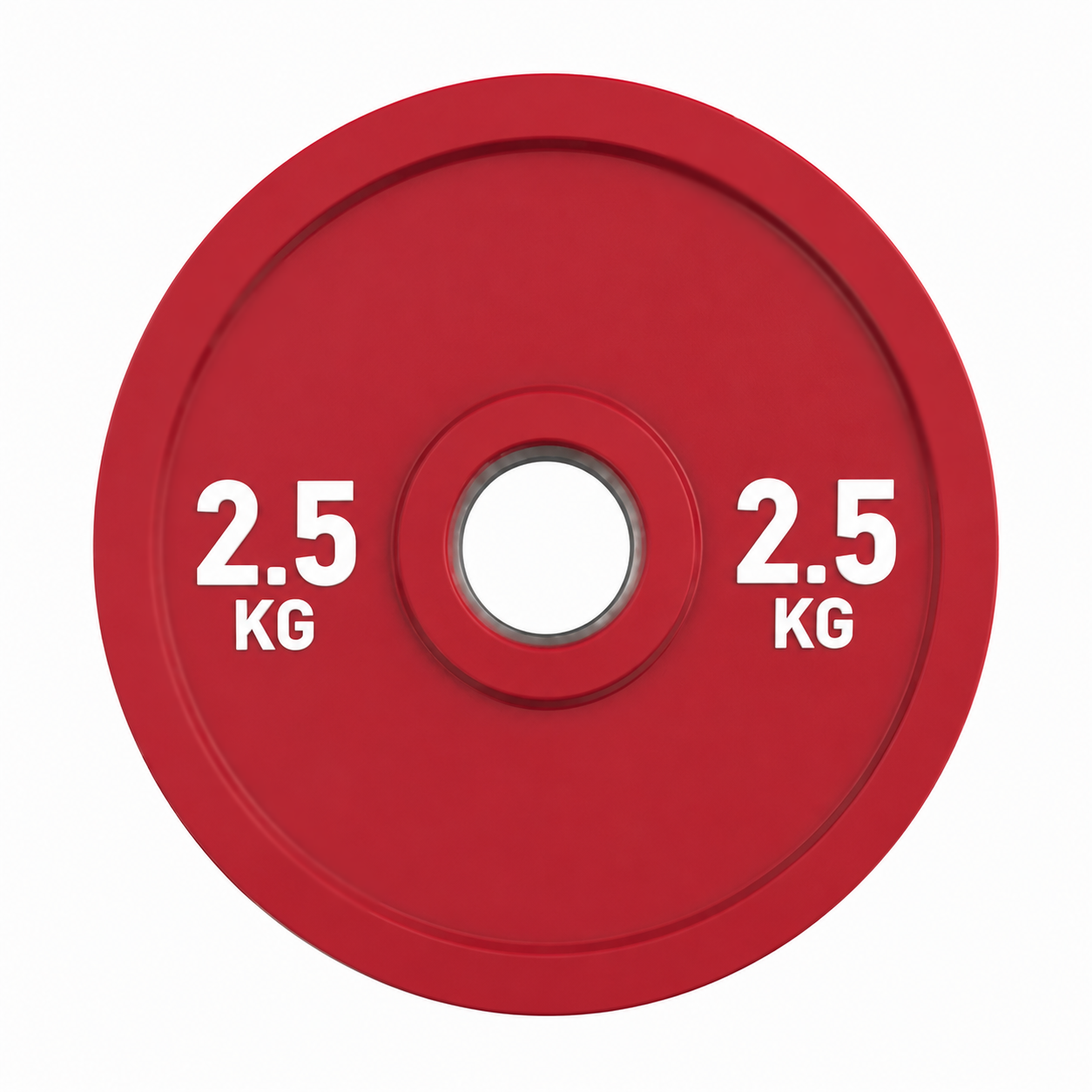
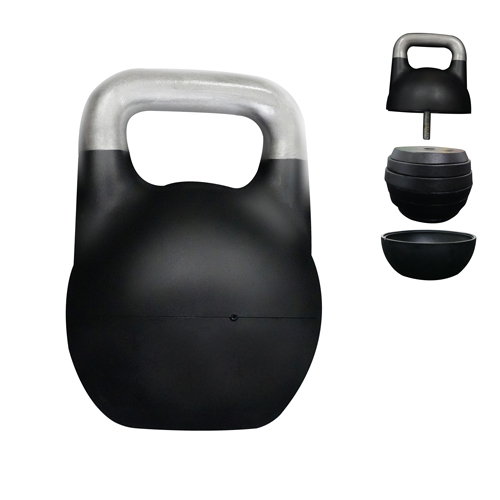
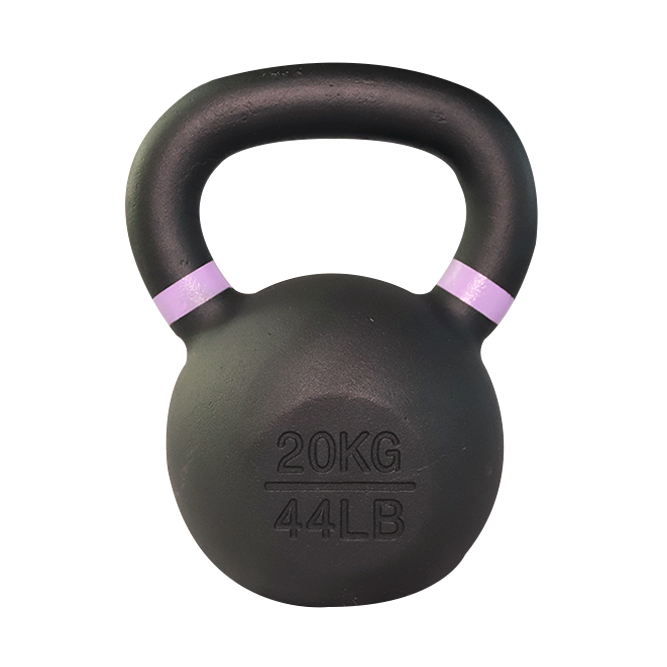
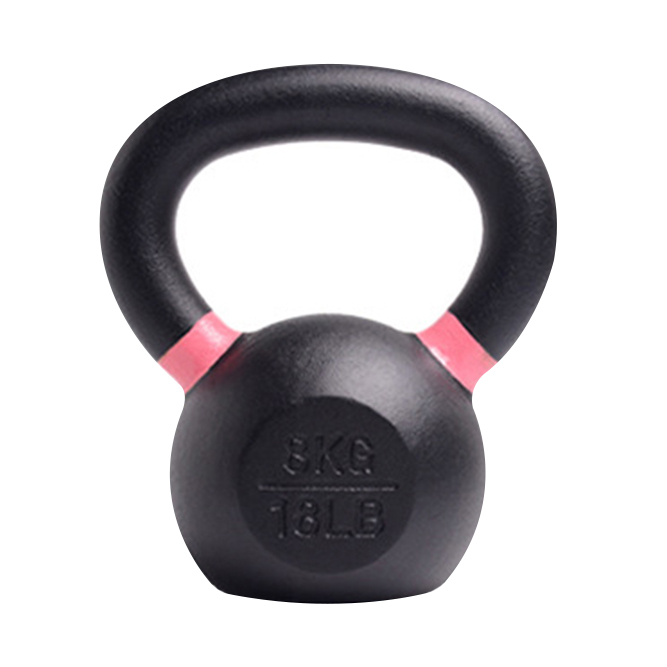
Cast Iron Plate Private Label Manufacturer: Commercial
Cast Iron Plate Private Label Manufacturer: Sourcing Standards for Global Importers
A professional cast iron plate private label manufacturer provides high-volume production of durable weight plates using industrial casting methods. Global importers and distributors prioritize these specialized partners to ensure consistent material density, precise weight calibration, and reliable branding for high-traffic commercial gym environments.
When sourcing for large-scale fitness deployments, procurement professionals must move beyond basic aesthetics to evaluate the technical integrity of the production line. Rely-on-standard products often lead to high replacement costs due to uneven weight distribution or surface degradation. Selecting a specialized commercial weight plate OEM ensures that every unit meets the rigorous demands of heavy-duty training, where structural consistency is non-negotiable for long-term ROI.
The foundation of high-quality production begins with the selection of commercial-grade gray iron. This specific material is preferred in high-volume wholesale orders because it provides the necessary density and vibration-dampening properties required for commercial settings. A reliable China factory will utilize advanced sand casting techniques to create the plate mold, ensuring the structural integrity of the iron before any machining or coating processes begin.
For distributors managing large-scale inventory, managing the weight tolerance is a critical factor in maintaining brand reputation. Inconsistent weights across a single set can lead to customer dissatisfaction and increased returns. A professional cast iron plate private label manufacturer implements strict weight calibration protocols during the post-casting phase to ensure that each plate stays within acceptable industry-standard deviations, protecting your distributor margins and ensuring professional-grade accuracy for your clients.
Technical Comparison of Casting and Coating Processes
To maximize the lifespan of your inventory, understanding the relationship between the base material and the surface finish is vital. For many importers, the decision between a bare iron finish and a multi-layer coating affects the long-term maintenance load and the total cost of ownership (TCO). A specialized commercial weight plate OEM will typically offer several tiers of surface treatment to suit different budget and durability requirements.
The primary differentiator in high-volume wholesale cast iron plates China production is the adhesion strength of the surface layer. While a simple paint finish may appear cost-effective initially, it often lacks the resilience required for high-throughput environments. In contrast, advanced processes like powder coating provide a much thicker, more impact-resistant layer that prevents oxidation and protects the underlying iron from scratches and moisture-induced rust.
For premium private label projects, a phosphate treatment is often applied before the final coating. This chemical pre-treatment creates a microscopic surface texture that significantly improves surface adhesion. This ensures that the color and finish remain intact even under heavy usage, reducing the frequency of replacement and maintaining the professional appearance of your brand's equipment line.
| Material & Process | Surface Finish | Key Component / Detail | Commercial Duty | MOQ Impact | Factory QC Point |
|---|---|---|---|---|---|
| Sand Casting | Bare Iron | Weight Marking | Standard Gyms | Low | Weight Tolerance |
| Sand Casting | Paint / Enamel | Color Consistency | Budget Studios | Medium | Coating Adhesion |
| Sand Casting | Powder Coating | Impact Resistance | High-Traffic Commercial | High | Thickness Uniformity |
| CNC Machining | Phosphate + Coating | Precision Concentricity | Premium Training Centers | High | Surface Smoothness |
When conducting sourcing evaluations, we recommend reviewing the specific coating application method. A factory utilizing automated powder coating lines will yield far more consistent results than manual spray methods. For wholesale buyers, this technical consistency directly translates to lower return rates and higher satisfaction among end-users in the commercial fitness sector.
Pre-Shipment Inspection and Export Quality Control
Before a bulk order leaves the China factory, a rigorous multi-point inspection is mandatory to prevent the high costs of shipping defective or non-compliant inventory. For professional importers, the primary risk is not just weight inaccuracy, but structural defects that compromise the safety of a commercial facility. A leading cast iron plate private label manufacturer mitigates these risks through a systematic pre-shipment protocol that verifies every technical specification against the approved sample.
The inspection process begins with physical geometry verification. Technicians check the concentricity of the center hole to ensure the plate rotates smoothly on a barbell without wobbling, which is a common failure point in lower-tier manufacturing. Simultaneously, the base flatness is measured to guarantee that the plate sits perfectly level on a lifting platform, preventing uneven weight distribution during heavy sets. These steps are essential for maintaining the premium brand identity of your private label line.
Surface integrity is the next critical checkpoint. A specialized commercial weight plate OEM subjects the units to rigorous coating adhesion tests. This ensures that the powder coating or enamel finish will not chip or peel during high-impact use in a commercial gym. Finally, the export packaging is inspected to confirm that the heavy-duty crates and protective dividers are sufficient for long-distance sea freight. This level of detail ensures that your wholesale cast iron plates China arrive in perfect condition, ready for immediate deployment, reducing the total landed cost and administrative friction for your distribution business.
Material Composition and Casting Processes for Commercial Weight Plates
Selecting a reliable cast iron plate private label manufacturer requires a deep understanding of the metallurgical standards that ensure long-term durability in high-traffic environments. For professional distributors and gym equipment importers, the choice between different casting methods directly impacts the total cost of ownership and the frequency of replacement cycles. When sourcing from a China factory, verifying the base metal composition is the first step in mitigating the risk of structural failure or uneven weight distribution.
Most high-volume commercial gym equipment relies on gray iron due to its excellent vibration-damping properties and cost-efficiency during mass production. A professional commercial weight plate OEM will typically utilize sand casting to create the primary plate shape, followed by precision machining to ensure the center hole meets industry-standard concentricity requirements. This process ensures that the plates sit flat on barbells, reducing lateral stress on the equipment and improving the overall user experience for professional athletes.
Understanding the nuances between different material tiers allows procurement managers to optimize their wholesale budgets based on the specific needs of their clients, whether they are supplying budget-friendly fitness centers or premium strength studios. Below is a comparison of common material and process configurations used in the industry.
| Material Type | Primary Process | Commercial Duty Level | Durability Profile | Procurement Advantage |
|---|---|---|---|---|
| Gray Iron | Sand Casting | Standard Commercial | High impact resistance | Best for high-volume wholesale |
| Carbon Steel | Machined/CNC | Premium/High-Frequency | Superior concentricity | Ideal for precision sets |
| Ductile Iron | Precision Casting | Elite/Professional | Maximum structural integrity | Low maintenance/High ROI |
For buyers looking to scale their own brand, working with a wholesale cast iron plates China specialist allows for customized surface treatments, such as powder coating or specialized enamel finishes, which further enhance the lifespan of the product and protect the metal from oxidation in humid gym environments.
Engineering Precision and Surface Finishing Standards
Technical discrepancies in weight tolerance and surface integrity can lead to significant logistical headaches for distributors. A professional cast iron plate private label manufacturer must implement rigorous weight calibration and concentricity checks to ensure every unit meets strict commercial-grade specifications. Inconsistent thickness or uneven weight distribution can result in uneven wear on barbells, increasing the maintenance load for the end-user and potentially damaging your brand reputation as a premium supplier.
To mitigate oxidation and surface wear, high-tier manufacturers offer advanced surface treatments. While bare iron is common for basic sets, high-performance facilities often require a high-quality powder coating. This layer provides a durable, impact-resistant shield that maintains aesthetic consistency over years of heavy use. When evaluating a commercial weight plate OEM, always verify the adhesion strength of the coating and the precision of the machining process to ensure long-term commercial efficiency and a lower total cost of ownership.
Before finalizing a bulk order, we recommend requesting a technical spec sheet to confirm the exact coating thickness and the weight tolerance band. For large-scale procurement, it is also standard practice to confirm the MOQ for customized color finishes and to schedule a pre-shipment inspection to verify the surface finish and dimensional accuracy of the batch.
Precision Machining and Weight Calibration for Professional Sets
In the high-stakes environment of commercial fitness, even minor deviations in weight or concentricity can compromise safety and user experience. For distributors and gym operators sourcing in bulk, ensuring that every unit meets strict commercial gym standards is critical to preventing long-term liability and equipment wear. A professional cast iron plate private label manufacturer must implement rigorous engineering protocols to ensure that plates do not wobble or create uneven loading on barbell sleeves.
Reliable wholesale cast iron plates China production relies on advanced precision machining to refine the inner diameter and ensure a perfect fit. Beyond the initial sand casting, high-tier units undergo a weight calibration process to maintain tight tolerances. This level of technical control reduces the risk of mismatched weight sets, which is a common pain point for facility managers managing large-scale deployments. By prioritizing these engineering details, a commercial weight plate OEM ensures that the final product supports high-frequency use without structural or balance issues.
The difference between a standard casting and a professional-grade unit lies in the secondary machining stages. While sand casting provides the foundational shape, it is the subsequent CNC machining of the center bore that determines the quality of the fit. In a professional commercial weight plate OEM workflow, the inner ring is precisely machined to ensure the plate sits flush against the barbell sleeve. This prevents the "clicking" or uneven oscillation often found in lower-tier products, which can lead to premature wear on expensive barbell sleeves and increase the risk of injury during heavy lifting cycles.
For importers and distributors, understanding these technical nuances is essential when evaluating a cast iron plate private label manufacturer. A high-quality China factory will not only focus on the outer aesthetic but will also implement strict weight tolerance controls and concentricity checks. This ensures that a 20kg plate is effectively consistent across the entire shipment, protecting your brand reputation and reducing the cost of replacement or customer returns. When sourcing wholesale cast iron plates China, always verify if the manufacturer utilizes automated calibration to maintain these industry-standard specifications.
Technical Specification Comparison: Casting vs. Machining
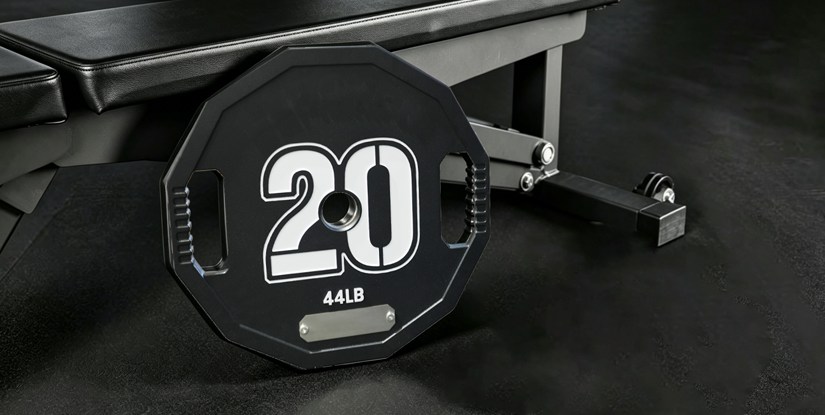
| Material/Process | Machining Detail | Commercial Duty | Weight Tolerance | QC Point for Importers |
|---|---|---|---|---|
| Sand Casting | Basic mold shaping | Standard gym use | Variable | Surface texture and density |
| CNC Machined Bore | Precision inner ring refinement | High-traffic commercial | Strict/Controlled | Concentricity and sleeve fit |
| Powder Coated Finish | Multi-layer coating application | High-durability environments | N/A | Coating adhesion and thickness |
When finalizing your sourcing strategy, consider the total cost of ownership. A unit with superior surface finish and precise weight calibration may have a slightly higher initial landed cost, but it significantly reduces long-term maintenance and replacement frequency. We recommend that buyers request a detailed spec sheet and confirm the specific weight calibration protocols used by your supplier before proceeding with a large-scale bulk order or OEM agreement.
Logistics and Export Readiness for Large-Scale Deployment
Optimizing the landed cost requires more than just finding a competitive unit price; it requires a partner capable of managing complex global logistics. For professional distributors, the transition from a China factory to a local warehouse must be seamless. A reliable cast iron plate private label manufacturer understands that the integrity of the shipment depends on specialized export packaging designed to withstand long-distance sea freight and heavy container loading. This includes reinforced corner protection and optimized palletizing to maximize container volume efficiency.
To maintain predictable inventory cycles, buyers must align their sourcing timelines with realistic production capacities. We provide clear communication regarding MOQ requirements and expected lead time for both standard stock and custom OEM orders. Whether you are managing a single studio deployment or a nationwide gym rollout, transparency in the production schedule ensures your facility launches on time without unexpected stockouts. Before finalizing a bulk order, we encourage partners to request a sample for approval and schedule a remote or on-site factory audit to verify pre-shipment inspection protocols and packaging durability.
Custom Branding and OEM/ODM Capabilities for Distributors
For established importers and fitness equipment distributors, the ability to build a recognizable brand identity is a critical factor in long-term market positioning. Partnering with a professional cast iron plate private label manufacturer allows you to transition from a simple reseller to a recognized brand owner. By leveraging specialized OEM and ODM services, you can move beyond generic stock products and offer a curated lineup that reflects your specific market standards and aesthetic requirements.
The strategic value of a commercial weight plate OEM partnership lies in the control it provides over the entire supply chain. Rather than competing solely on price with generic commodities, distributors can utilize a China factory to develop proprietary designs, custom weight markings, and unique surface finishes. This level of customization is essential for maintaining a premium brand image and securing a higher distributor margin in competitive North American and European markets. Whether you require specific thickness tolerances or specialized packaging for high-end studio sets, a professional wholesale partner ensures your product meets the rigorous demands of commercial environments while optimizing your landed cost.
Technical Customization: From Logo Embossing to Surface Finishing
When sourcing through a cast iron plate private label manufacturer, the distinction between a standard commodity and a premium branded asset lies in the precision of the manufacturing details. For high-volume distributors, customization is not merely about aesthetics; it is a tool for differentiation. A professional commercial weight plate OEM provides several tiers of branding, ranging from permanent physical alterations to high-durability surface treatments that withstand heavy commercial use.
The most common method for establishing a permanent brand presence is logo embossing. During the sand casting process, the brand identity is integrated directly into the mold, ensuring the logo is a structural part of the plate rather than a surface-level addition. This method is highly recommended for long-term durability in high-traffic gyms, as it cannot be worn away by friction or impact. For clients seeking a more modern or colorful aesthetic, the powder coating process offers a robust solution. This application provides a consistent, high-visibility finish that protects the underlying iron from oxidation while allowing for custom color palettes that align with your brand identity.
| Customization Option | Technical Process | Durability Level | Commercial Application | MOQ Impact |
|---|---|---|---|---|
| Logo Embossing | Integrated Mold Casting | Highest (Permanent) | Standard Commercial Sets | Standard |
| Powder Coating | Electrostatic Spraying | High (Surface Protection) | Boutique & Studio Aesthetics | Variable |
| Raised Lettering | Precision Casting | High (Structural) | Premium Weight Sets | Higher |
| Standard Paint | Liquid Spray Finish | Moderate | Budget-Friendly Facilities | Lowest |
Managing these variables is essential for maintaining a predictable wholesale cast iron plates China sourcing schedule. While advanced finishes like specialized powder coating or complex mold alterations may influence the initial MOQ or lead time, they significantly enhance the perceived value of your product line. We recommend that procurement officers evaluate the total cost of ownership—considering how a more durable finish reduces long-term maintenance and replacement costs for the end-user. Before finalizing your order, we suggest requesting a sample to verify the adhesion of the coating and the clarity of the embossed branding to ensure it meets your brand's quality standards.
Logistics, Quality Control, and Export Efficiency
For high-volume importers, the complexity of international logistics can often overshadow the actual product specifications. However, when sourcing wholesale cast iron plates China, the true cost of a shipment is determined by the efficiency of the export packaging and the rigor of the pre-shipment protocols. A professional cast iron plate private label manufacturer must act as a strategic partner in mitigating the risks associated with long-distance transit, ensuring that every container arrives at your warehouse with minimal damage and zero weight discrepancies.
Effective QC (Quality Control) begins long before the container is sealed. We implement a multi-stage inspection process that focuses on the critical components of the product: the concentricity of the center hole, the precision of the embossed branding, and the adhesion of the surface coating. For large-scale wholesale orders, a pre-shipment inspection is a mandatory step to verify that the weight tolerances and physical dimensions align with the approved samples. This prevents the costly scenario of receiving a shipment that fails to meet commercial standards upon arrival at your facility.
To optimize your landed cost, we prioritize robust export packaging designed specifically for heavy-duty maritime transport. This includes reinforced palletizing and heavy-duty corrugated boxing to protect the edges of the plates from impact during sea freight. By coordinating closely with our factory regarding lead time and container loading patterns, distributors can maximize space efficiency within each 20ft or 40ft container. We recommend that buyers confirm the final MOQ and shipping dimensions early in the sourcing process to ensure a seamless transition from our China factory to your regional distribution center.
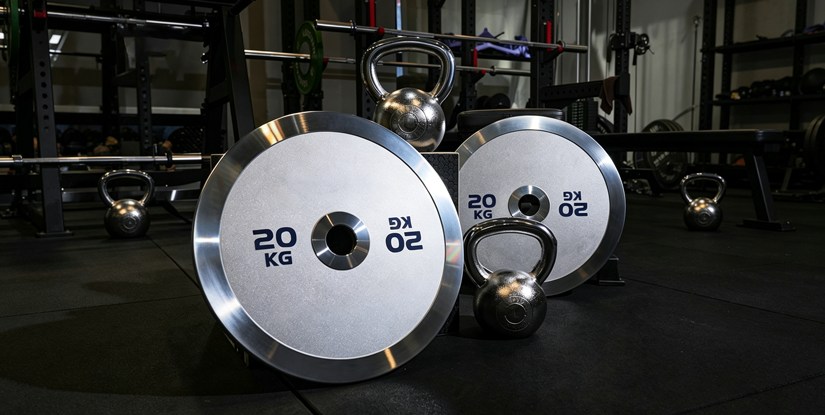
China Factory QC Protocols and Export Packaging Standards
Maintaining consistent margins for distributors requires more than just low unit costs; it requires the elimination of unexpected landed cost spikes caused by damaged goods or weight discrepancies. When sourcing from a cast iron plate private label manufacturer, the value of the partnership is determined by the rigor of the pre-shipment inspection and the durability of the logistics protection. A professional China factory must implement a multi-stage verification process to ensure that every batch meets the structural and aesthetic requirements of your brand identity.
For a commercial weight plate OEM, quality control is not merely a final check but a continuous monitoring of the casting, machining, and coating stages. Without strict oversight, issues such as uneven surface texture, inconsistent weight tolerances, or coating peeling can lead to high return rates and diminished distributor trust. High-volume importers should prioritize suppliers who offer transparent inspection reports and standardized export protocols to safeguard their long-term ROI.
Protecting Distributor Margins Through Rigorous QC and Packaging
The total landed cost of a shipment is heavily influenced by the efficiency of the packaging and the absence of transit-related defects. In the bulk wholesale cast iron plates China market, standardizing the protection of heavy iron goods is essential to prevent oxidation and physical impact damage during sea freight. Professional manufacturers utilize reinforced palletizing and moisture-resistant wrapping to ensure that the product arrives at your warehouse in a retail-ready state, ready for immediate distribution or studio deployment.
| Procurement Dimension | Standard Commercial Requirement | B2B Sourcing Impact | Factory QC Point |
|---|---|---|---|
| Weight Accuracy | Strict tolerance bands | Reduces disputes and return costs | Weight calibration spot-check |
| Surface Integrity | Uniform coating adhesion | Protects brand reputation | Coating peel test |
| Shipping Durability | Reinforced export packaging | Minimizes landed cost risks | Pallet stability and moisture barrier |
| Order Efficiency | Clear MOQ and lead time | Optimizes inventory turnover | Production scheduling transparency |
To ensure a seamless procurement cycle, we recommend that buyers initiate a formal sample approval process and a factory audit prior to large-scale production. Confirming the specific MOQ and expected lead time for your custom branding requirements will allow for better warehouse planning and more predictable stock availability for your clients.
Effective logistics management for heavy iron goods requires a focus on structural integrity and moisture control. A reliable cast iron plate private label manufacturer must address the specific physical challenges of sea freight, where salt air and container humidity can compromise both the surface finish and the weight accuracy of the shipment. For distributors, the primary goal is to ensure that the bulk order arrives without the need for costly repainting or weight adjustments upon arrival at the destination port.
Standardized Inspection and Export Packaging Protocols
The production of high-quality plates begins with the sand casting process, where precision in the mold determines the final concentricity and surface smoothness. During the pre-shipment phase, a professional commercial weight plate OEM conducts a multi-point inspection. This includes a weight tolerance spot-check to ensure each unit falls within the agreed-upon commercial specification, as well as a coating adhesion test to verify that the powder coating can withstand the rigors of high-traffic commercial gym environments. These steps are critical to prevent the common issue of premature oxidation or surface chipping during transit.
To minimize shipping damage and optimize container utilization, the packaging must be robust and standardized. For wholesale cast iron plates China, the standard export procedure involves heavy-duty palletization. Each pallet is typically secured with reinforced edge protectors and high-strength strapping to prevent shifting during sea freight. Furthermore, a moisture-resistant barrier or shrink wrap is applied to protect the iron surfaces from humidity-induced corrosion. By adhering to these strict export packaging standards, a professional factory helps importers reduce the total landed cost and ensures that the product is ready for immediate warehouse distribution or retail-ready deployment.
Optimizing Landed Cost and Bulk Order Logistics
For global distributors and large-scale gym developers, the total cost of procurement extends far beyond the initial unit price. A professional cast iron plate private label manufacturer understands that maximizing a distributor margin requires a sophisticated approach to weight-to-volume ratios and container optimization. When sourcing wholesale cast iron plates China, the primary objective is to minimize the landed cost—the total price of a product once it has arrived at the buyer's door, including shipping, duties, and insurance.
Efficient logistics management is critical when managing a bulk order of heavy iron goods. Because cast iron plates are high-density, low-volume items, shipping efficiency is determined by how effectively the factory utilizes container space. A professional commercial weight plate OEM partner provides optimized packaging solutions and palletization strategies that prevent air gaps in 20ft or 40ft containers. By streamlining the loading process and ensuring precise weight distribution, a supplier helps importers reduce the per-unit freight cost, directly improving the overall ROI of the shipment.
To achieve a competitive edge, procurement managers must evaluate the trade-offs between direct procurement and intermediary sourcing. Choosing a cast iron plate private label manufacturer that offers direct integration into your supply chain can significantly lower the landed cost compared to purchasing through third-party trading companies. While trading companies may offer smaller MOQ levels, they often lack the granular control over production timelines and technical specifications required for high-volume commercial deployments.
Sourcing Model Comparison: Direct Factory vs. Trading Company
The following table outlines the structural differences in procurement efficiency and control when managing a bulk order for international distribution. Selecting the right sourcing model depends on your current warehouse capacity and your need for high-level customization.
| Sourcing Model | Control Level | Typical MOQ | Lead Time Stability | Customization Capability | Primary B2B Advantage |
|---|---|---|---|---|---|
| Direct Factory | High (Direct QC) | Higher (Volume-based) | High (Direct Schedule) | Full (OEM/ODM) | Maximum Margin Control |
| Trading Company | Low (Indirect) | Lower (Mixed Stock) | Variable | Limited | Lower Initial Capital |
For those seeking long-term stability, working with a commercial weight plate OEM allows for better synchronization of production cycles with your market demand. When you engage directly with a China factory, you gain transparency into the weight calibration and surface finishing stages, ensuring that every batch meets your brand's specific durability standards. We recommend buyers request a detailed spec sheet and confirm the MOQ for specific weight increments before finalizing any container booking to ensure optimal space utilization and cost-efficiency.
Protecting your investment during transoceanic transit requires more than just standard shipping; it requires rigorous pre-shipment QC and specialized export packaging protocols. For a professional cast iron plate private label manufacturer, the goal is to ensure that the product arriving at your warehouse is identical in quality and weight to the sample approved during the initial sourcing phase. Any deviation in weight tolerance or surface integrity can lead to costly returns and damaged distributor margin.
Standardized Export Protocols for Damage Prevention
To mitigate the risks of long-distance sea freight, a reliable China factory employs high-density palletization and structural reinforcement. High-quality export packaging for heavy iron goods typically involves heavy-duty corrugated boxes, reinforced corner protectors, and shrink-wrapping to prevent moisture ingress and physical abrasion. This level of damage prevention is essential for maintaining the aesthetic integrity of the powder coating or paint finish during months of transit in high-humidity maritime environments.
During the pre-shipment QC process, technicians conduct spot-checks on weight tolerance and dimensional consistency to ensure all units meet the agreed-upon commercial specifications. This stage is critical for preventing discrepancies in your inventory counts upon arrival. We advise all procurement leads to request a detailed packing list and loading plan (including weight distribution and pallet dimensions) prior to departure. This transparency allows you to optimize your warehouse receiving workflows and ensures that your bulk order arrives ready for immediate commercial deployment.