Cast Iron Plate Custom Supplier: Material and Sourcing
The High Cost of Substandard Sourcing: Why Selecting a Cast Iron Plate Custom Supplier Matters
A cast iron plate custom supplier provides specialized manufacturing services for high-density, durable weight plates tailored to specific brand identities and commercial weight tolerances. Professional distributors and gym chains prioritize these partners to ensure long-term equipment reliability and consistent product specifications across bulk orders.
When managing large-scale commercial gym equipment procurement, the risks of ignoring material integrity are significant. Sourcing from a non-specialized factory often leads to a high landed cost driven by unexpected secondary expenses. These costs manifest through frequent weight tolerance discrepancies, where plates fail to meet the exact specifications required for professional barbell sets, or through premature surface coating failure that leaves the iron vulnerable to oxidation.
Furthermore, inadequate casting quality results in structural durability issues, such as internal air pockets or uneven density. For a commercial weight plate manufacturer, these defects are not merely aesthetic; they represent a liability in high-traffic environments. If a wholesale batch arrives with inconsistent concentricity or poor machining on the inner ring, the resulting maintenance load and replacement frequency will quickly erode the initial savings gained from low-cost sourcing. Ultimately, choosing a generic supplier instead of a dedicated custom iron plate OEM partner can compromise your brand reputation and long-term operational ROI.
The financial impact of substandard manufacturing extends far beyond the initial purchase price. For distributors managing high-volume inventory, the true cost of a low-quality wholesale cast iron plates order is found in the high rate of customer returns and the erosion of distributor margins. When a batch exhibits structural defects like cracking or uneven weight distribution due to poor sand casting techniques, it creates an immediate crisis for the end-user and a long-term liability for the importer.
Surface integrity is another critical failure point in budget-driven production. Inadequate powder coating or a lack of proper phosphate treatment leads to rapid rust and oxidation, especially in humid commercial environments. This constant maintenance requirement forces facility managers to spend more on upkeep, eventually leading to dissatisfaction with the equipment provider. If your inventory is plagued by peeling finishes or unsightly corrosion, the damage to your brand identity is often more expensive to repair than the cost of the original replacement units. To protect your ROI, it is essential to verify that your cast iron plate custom supplier adheres to rigorous pre-shipment inspection protocols, focusing on coating adhesion and material density to ensure every unit meets the high standards of professional strength training facilities.
To mitigate these procurement risks, professional buyers must differentiate between standard industrial casting and high-spec commercial production. The following comparison outlines the critical distinctions between sourcing through a specialized cast iron plate custom supplier versus unverified, low-cost alternatives.
| Material & Process | Key Component/QC Point | Commercial Duty | Sourcing Risk (Low-Quality) | High-Standard Factory-Direct |
|---|---|---|---|---|
| Gray Iron with Precision Machining | Concentricity of the inner ring | High-frequency barbell use | Uneven weight distribution | Precision weight calibration |
| High-Density Sand Casting | Internal density & structural integrity | Long-term durability | Internal air pockets/cracking | Consistent material density |
| Multi-layer Powder Coating | Coating adhesion & oxidation resistance | High-traffic gym environments | Rapid rust/peeling finish | Durable, protective surface |
| CNC Bore Machining | Olympic collar fit/tolerance | Professional barbell sets | Loose or uneven fitment | Strict diameter tolerances |
Selecting a reliable custom iron plate OEM partner allows you to control these variables at the source. By establishing clear technical requirements for the casting and finishing stages, you ensure that every bulk order meets the exact specifications of your brand. We recommend that all procurement leads request a detailed specification sheet and confirm the MOQ for customized finishes or branding to ensure your landed cost remains optimized while maintaining premium quality standards.
Material Specifications and Casting Integrity for Commercial Weight Plates
When sourcing high-volume orders, selecting a reliable cast iron plate custom supplier is a decision that directly impacts your long-term replacement costs and equipment durability. For distributors and gym operators, the quality of the raw material determines whether the units remain functional or develop structural flaws under heavy usage. Professional procurement requires a deep understanding of how material purity and manufacturing precision influence the total cost of ownership.
A professional cast iron plate custom supplier typically utilizes high-grade gray iron to ensure consistent density and impact resistance. For bulk importers, the focus must remain on the stability of the sand casting process, as this method is the industry standard for producing robust, heavy-duty plates. If the casting process is poorly managed, the resulting plates may suffer from internal voids or surface inconsistencies, leading to premature failure in high-traffic commercial environments. To mitigate these risks, we recommend a China factory that maintains strict control over the cooling and solidification phases of production.
Beyond material composition, achieving a precise weight tolerance is critical for maintaining professional standards in commercial gyms. Discrepancies in weight can disrupt training consistency and damage the reputation of a distributor. A reputable commercial weight plate manufacturer implements rigorous calibration protocols to ensure every unit meets the specified mass. This level of precision is essential for maintaining commercial gym durability, especially when the equipment is subjected to repeated dropping and high-load cycles. For those seeking wholesale cast iron plates, verifying these technical benchmarks during a factory audit or by requesting a sample is a vital step in ensuring your custom iron plate OEM requirements are met with professional-grade accuracy.
Comparing Casting and Surface Finishing Processes
The technical differentiation between various production methods determines the final durability and aesthetic longevity of the product. For procurement officers, understanding the nuances between casting techniques and coating adhesion is vital for calculating the long-term maintenance load of a facility. A professional cast iron plate custom supplier will offer various finishing options to suit different commercial environments, from standard high-traffic gyms to premium boutique studios.
While sand casting remains the most cost-effective method for producing heavy plates, the secondary surface treatment is where the true value of a custom iron plate OEM service is realized. A high-quality powder coating application provides a much thicker, more resilient barrier against oxidation compared to simple liquid paint. For distributors, choosing a commercial weight plate manufacturer that utilizes advanced powder coating lines ensures that the plates resist chipping and rust even under heavy mechanical stress. This reduces the frequency of replacement and protects the client's initial capital expenditure.
| Material | Primary Process | Surface Finishing | Commercial Duty | MOQ Impact | Factory QC Point |
|---|---|---|---|---|---|
| Gray Iron | Sand Casting | Bare/Phosphate | Standard Gyms | Lower | Density & Porosity |
| Gray Iron | Sand Casting | Powder Coating | High-Traffic Commercial | Moderate | Coating Adhesion |
| Carbon Steel | Die Casting | Precision Machined | Premium/Boutique | Higher | Concentricity |
| Iron/Steel | Molding | Rubber/PU Coating | Bumper/Impact Use | Variable | Bond Line Integrity |
When evaluating a wholesale order, buyers should also consider the precision of the central bore. A high-quality factory ensures that the CNC machining of the Olympic collar hole is perfectly concentric with the plate's center of mass. This prevents wobbling during high-speed movements and extends the life of the barbell sleeves. Before finalizing a sourcing agreement, we suggest requesting a technical spec sheet to confirm the tolerances and the specific type of surface finishing used, ensuring the finished product aligns with your brand's quality standards.
Inspection Protocols for High-Volume Export Orders
For professional importers, the risk of receiving substandard batches is a major pain point that can inflate the total landed cost through high return rates and shipping claims. A single batch of plates with poor concentricity or uneven weight distribution can damage a distributor's reputation and profitability. To avoid these costly errors, a professional cast iron plate custom supplier must implement a rigorous pre-shipment inspection protocol that focuses on structural and dimensional integrity before the goods leave the China factory.
The inspection process should prioritize three critical technical points: base flatness, concentricity, and coating adhesion. A high-standard commercial weight plate manufacturer will conduct spot-checks to ensure the plate surface is perfectly flat and the central bore is precisely centered. Any deviation in concentricity can lead to uneven loading on barbells, increasing wear on premium equipment. Furthermore, for any custom iron plate OEM order involving a colored finish, the QC team must verify that the coating adhesion is sufficient to withstand heavy mechanical impact without chipping or peeling.
Finally, the logistics phase is just as critical for maintaining your profit margins. High-volume wholesale cast iron plates are extremely heavy and dense, requiring specialized export packaging to prevent damage during long-distance maritime transit. We recommend that buyers confirm the specific details of the export packaging—such as reinforced palletization and corner protection—to ensure the goods arrive in optimal condition. By requesting a detailed pre-shipment inspection report and confirming the loading plan, you can effectively manage your lead time and minimize the risk of unexpected replacement costs in your local market.
Comparing Production Methods: Casting and Finishing Standards
When sourcing for high-volume distribution or large-scale gym installations, understanding the technical gap between raw production and final surface treatment is vital. A reliable cast iron plate custom supplier must manage both the structural integrity of the metal and the precision of the final finish to ensure long-term commercial durability. For professional importers, the distinction between a basic casting and a precision-finished unit directly impacts the total cost of ownership and the replacement frequency of the inventory.
High-quality wholesale cast iron plates are not merely poured into molds; they undergo a rigorous sequence of machining and coating to meet international standards. For a commercial weight plate manufacturer, the goal is to minimize weight variance and maximize surface resilience. This technical oversight is essential for distributors who require consistent product performance across multiple bulk orders.
| Material & Process | Primary Benefit | Commercial Duty | QC Focus Point |
|---|---|---|---|
| Sand Casting | Cost-effective bulk production | Standard commercial gyms | Surface texture & density |
| Machined Precision | High weight accuracy | Professional training facilities | Bore concentricity |
| Powder Coating | Corrosion resistance | High-humidity environments | Coating adhesion |
| custom iron plate OEM | Brand-specific identity | Premium fitness studios | Logo embossing clarity |
The engineering distinction begins with sand casting, where the molten iron is poured into a sand mold to create the foundational shape. While this method is the industry standard for mass production, the true value of a cast iron plate custom supplier lies in the post-casting phase. A professional China factory will implement CNC machining to refine the center bore, ensuring a perfect fit for Olympic barbells, and perform rigorous weight tolerance checks to prevent discrepancies in large-scale shipments. This attention to detail reduces the risk of defective returns and ensures that your OEM orders arrive ready for immediate commercial deployment.
Selecting the appropriate finishing method is a critical decision for distributors managing long-term inventory quality. For instance, while raw sand casting provides a rugged, classic aesthetic, it requires a high-performance powder coating to prevent oxidation in high-traffic or high-humidity commercial environments. This surface treatment is not merely cosmetic; it serves as a protective barrier that maintains the structural integrity of the iron, directly affecting the durability and the long-term landed cost for the end-user.
When managing a custom iron plate OEM project, buyers must evaluate how different finishes affect the manufacturing lead time and the overall MOQ. A specialized supplier will offer various options, ranging from basic phosphate treatments to high-durability color coatings. These choices allow you to differentiate your product line, whether you are providing budget-friendly options for standard fitness centers or premium, branded solutions for high-end boutique studios. Before finalizing your procurement, we recommend requesting a sample to verify coating adhesion and the precision of the center bore to ensure it meets your specific commercial standards.
To maintain high standards during bulk procurement, professional buyers must look beyond the initial mold and focus on the technicality of the finishing line. A high-tier cast iron plate custom supplier ensures that every unit undergoes a structured quality control sequence that addresses both the physical geometry and the surface resilience of the plate. For distributors, this technical rigor is what separates a premium product from a low-margin, high-maintenance commodity.
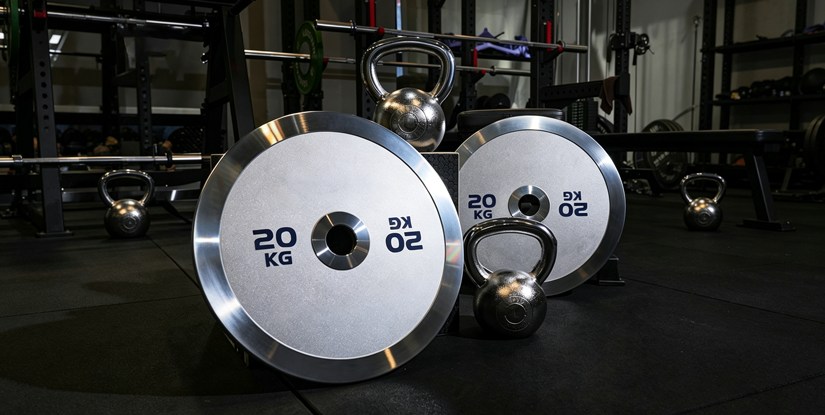
Technical Precision in Post-Casting and Export QC
The reliability of a commercial weight plate manufacturer is often proven during the secondary machining and inspection stages. A critical technical requirement is the concentricity of the center bore; if the bore is not perfectly centered through CNC machining, it can cause barbell imbalance, leading to increased wear on professional lifting equipment. For large-scale wholesale cast iron plates orders, even minor deviations in concentricity or weight calibration can lead to significant logistical headaches and dissatisfied end-users.
Furthermore, the durability of the finish depends heavily on coating adhesion. Whether you are sourcing standard iron or a custom iron plate OEM solution, the surface must be prepared via chemical or mechanical cleaning to ensure the coating—be it paint or powder—does not flake under heavy usage. We recommend that procurement leads request a specific pre-shipment inspection report that confirms the coating's resistance to impact and oxidation. This level of detail ensures that your bulk order maintains its aesthetic and structural integrity throughout its commercial lifecycle, protecting your long-term brand reputation and reducing replacement costs.
Optimizing Procurement with a Commercial Weight Plate Manufacturer
When scaling a fitness facility or managing a distribution network, the selection of a cast iron plate custom supplier directly dictates your long-term operational expenditure. Sourcing high-volume inventory from a China factory allows distributors to leverage economies of scale, but the true value lies in the durability of the casting. Selecting a reputable commercial weight plate manufacturer ensures that the units delivered meet the rigorous density and tolerance standards required for high-traffic environments, effectively lowering the frequency of replacement cycles.
Procurement professionals often face the dilemma of balancing initial landed costs against the total cost of ownership (TCO). While lower-tier wholesale cast iron plates may offer an immediate reduction in CAPEX, inferior sand casting or inconsistent weight calibration can lead to premature surface degradation and uneven wear. By prioritizing a custom iron plate OEM partner that utilizes precision machining and standardized coating processes, importers can secure a higher ROI through extended product lifespans and reduced maintenance liabilities.
TCO and Durability Benchmarks
In a commercial setting, the cost of a single replacement cycle includes not only the new unit but also the logistical overhead of re-ordering and the labor of updating gym inventories. A professional supplier focuses on material consistency to prevent structural flaws that lead to cracking under high-impact use. Investing in premium casting techniques reduces the long-term risk of weight drift and surface oxidation, ensuring the equipment remains a functional asset for years rather than a recurring expense.
Technical Comparison: Casting and Coating Processes
To accurately evaluate a cast iron plate custom supplier, procurement officers must look beyond the unit price and analyze the technical relationship between the casting method and the final surface treatment. The choice between basic sand casting and advanced finishing determines the product's resistance to environmental oxidation and mechanical wear in high-traffic commercial zones.
| Material | Process | Key Component | Commercial Duty | MOQ Impact | Factory QC Point |
|---|---|---|---|---|---|
| Gray Iron | Sand Casting | Bore Diameter | Standard Commercial | Lower MOQ | Weight Tolerance |
| Cast Iron | Machining + Powder Coating | Surface Adhesion | Premium/High-Traffic | Higher MOQ | Coating Thickness |
| Carbon Steel | Precision Casting | Knurled Inner Ring | High-End Studio | Custom MOQ | Concentricity |
A standard commercial weight plate manufacturer typically utilizes sand casting for volume production, which is cost-effective for large-scale wholesale orders. However, for premium branding, a custom iron plate OEM partner may offer secondary processes such as CNC machining for the inner bore and high-durability powder coating. This multi-stage approach ensures a precise Olympic collar fit and prevents the surface chipping often seen with lower-grade finishes. When conducting a sourcing audit, we recommend verifying the coating adhesion and weight calibration standards to ensure the landed cost remains optimized through reduced replacement frequency.
A standard commercial weight plate manufacturer typically utilizes sand casting for volume production, which is cost-effective for large-scale wholesale orders. However, for premium branding, a custom iron plate OEM partner may offer secondary processes such as CNC machining for the inner bore and high-durability powder coating. This multi-stage approach ensures a precise Olympic collar fit and prevents the surface chipping often seen with lower-grade finishes. When conducting a sourcing audit, we recommend verifying the coating adhesion and weight calibration standards to ensure the landed cost remains optimized through reduced replacement frequency.
Factory QC and Export Standards for Bulk Orders
When managing high-volume procurement, the primary risk is not the unit price, but the landed cost of defective or inconsistent inventory. A professional cast iron plate custom supplier must implement rigorous quality control protocols to ensure that every batch meets commercial weight specifications. For distributors and gym equipment importers, a lack of standardized factory QC leads to increased return rates and damaged brand reputation in the local market.
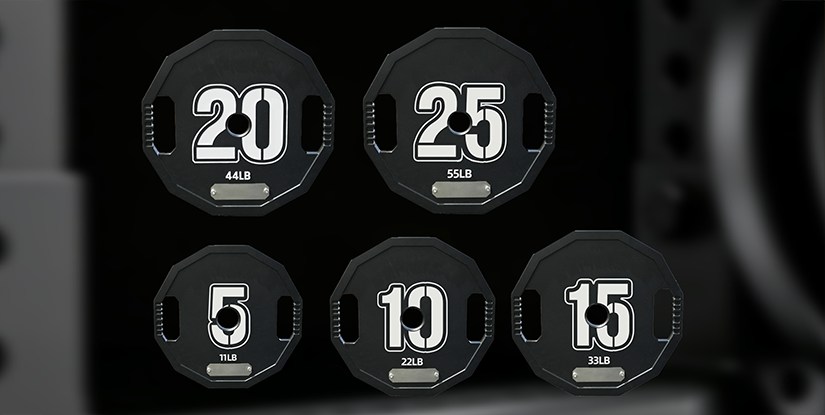
Reliable sourcing requires moving beyond simple visual inspections. A top-tier commercial weight plate manufacturer integrates precision into every stage, from the initial sand casting to the final surface treatment. For bulk orders, consistency in weight tolerance and coating adhesion is non-negotival to ensure high turnover and client satisfaction.
Critical Inspection Points for International Procurement
To mitigate risk during China factory sourcing, buyers should demand specific documentation regarding weight calibration and surface durability. Standardizing these requirements helps stabilize your supply chain and protects your profit margins.
| Inspection Focus | Key Component/Detail | Commercial Impact | QC Verification Method |
|---|---|---|---|
| Weight Accuracy | Bore and mass distribution | Consistency in training sets | Weight tolerance spot-check |
| Surface Integrity | Powder coating adhesion | Long-term durability/rust prevention | Visual and friction testing |
| Dimensional Precision | Olympic collar fit | Smooth loading/unloading experience | Precision gauge measurement |
| Packaging Strength | Export packaging/palletization | Reduced transit damage/landed cost | Load-bearing stability test |
Efficient wholesale operations also rely heavily on export packaging standards. Ensuring that custom iron plate OEM units are secured in reinforced, moisture-resistant crates prevents structural deformation during sea freight. We recommend confirming the MOQ and lead time alongside a detailed pre-shipment inspection plan to ensure your wholesale cast iron plates arrive ready for immediate commercial deployment.
A rigorous pre-shipment protocol is the final safeguard against the hidden costs of international logistics. For high-volume distributors, the difference between a profitable shipment and a logistical failure often lies in the granularity of the inspection. A professional cast iron plate custom supplier must verify not only the aesthetic quality but also the structural integrity and weight accuracy of every unit before it leaves the factory. This level of detail ensures that your wholesale inventory maintains its value from the loading dock to the end-user's facility.
Technical Verification and Shipping Durability
During the final stages of production, specific technical benchmarks must be met to satisfy commercial standards. For example, the sand casting process must result in a consistent base flatness and concentricity to prevent uneven wear on barbell sleeves. Furthermore, the powder coating adhesion must be tested to ensure that the finish does not chip or peel under heavy commercial usage, which would otherwise increase long-term maintenance loads for your clients.
Beyond the product itself, the export-grade packaging strategy is a critical component of the sourcing workflow. To protect your landed cost, we implement reinforced palletization and moisture-resistant wrapping. This ensures that wholesale cast iron plates remain protected against salt air and mechanical impact during long-haul sea freight. We advise all procurement leads to request a detailed packaging specification and confirm the MOQ requirements for any custom iron plate OEM branding requests to ensure seamless integration into your existing product lines.
Custom Branding and OEM Capabilities for Global Distributors
For international distributors and large-scale gym equipment importers, the ability to move beyond generic stock is a critical driver of distributor margin. A specialized cast iron plate custom supplier provides more than just hardware; they offer the infrastructure to build a proprietary product line. By leveraging custom iron plate OEM services, buyers can transform a standard commodity into a high-value asset that aligns with a specific brand identity.
The strategic shift from purchasing wholesale cast iron plates to establishing a private label program allows businesses to differentiate themselves in a crowded market. Whether you are launching a premium boutique studio line or a high-volume commercial range, working directly with a China factory ensures that your specifications—from weight markings to specialized coatings—are met with precision. This level of customization is essential for scaling a brand while maintaining control over the landed cost and product uniqueness.
Strategic Advantages of OEM/ODM Partnerships
Choosing a professional cast iron plate custom supplier involves evaluating the depth of their OEM and ODM capabilities. A high-tier factory does not merely stamp a logo; they assist in the technical execution of your product vision. This includes adjusting the sand casting textures, refining the powder coating thickness, or customizing the knurled bore dimensions to meet specific commercial standards. For distributors, this technical support reduces the risk of receiving products that do not meet local market expectations.
Effective sourcing requires a balance between customization depth and MOQ requirements. While standard wholesale orders offer the fastest lead time, an OEM arrangement allows for long-term product development. When you partner with a capable supplier, you gain the ability to implement unique weight increments or specialized branding that reinforces your market position. This partnership model is designed to help professional buyers scale their operations through reliable, high-spec manufacturing.
Technical Execution: Casting and Surface Finishing
Precision in the manufacturing phase is what separates a standard commodity from a professional-grade asset. For a commercial weight plate manufacturer, the process begins with high-quality sand casting to ensure the structural integrity of the plate. A robust casting process is the foundation of long-term durability, preventing cracks or structural failures under heavy commercial use. During this stage, the logo embossing is often integrated directly into the mold, ensuring your brand identity is a permanent, tactile part of the plate rather than a superficial addition that can peel or fade over time.
Once the base form is cast, the secondary processing determines the final commercial value and TCO (Total Cost of Ownership). High-end custom iron plate OEM production includes rigorous weight calibration to ensure each unit meets strict tolerance standards. This is followed by advanced surface finishing techniques, such as high-durability powder coating, which protects the metal from oxidation and provides a premium tactile feel. For distributors, these technical specifications are vital; a well-executed finish reduces maintenance frequency and enhances the perceived value of the entire equipment package, ultimately protecting your margins and client satisfaction.
Comparison: Standard Wholesale vs. Fully Customized OEM Orders
Navigating the decision between purchasing ready-to-ship stock and initiating a custom production run is a pivotal moment in the sourcing process. While wholesale cast iron plates offer immediate availability and lower entry barriers, a cast iron plate custom supplier can provide a level of differentiation that standard inventory cannot match. The following table outlines the technical and logistical differences to assist in your procurement planning and MOQ assessment.
| Feature | Standard Wholesale Option | Custom OEM/ODM Order |
|---|---|---|
| Material Specification | Standard gray iron (Industry-standard) | Specified iron grade or alloy density |
| Surface Finish | Basic paint or bare iron | Advanced powder coating or specialized textures |
| Branding Method | Generic or pre-existing mold | Custom logo embossing or precision engraving |
| Customization Level | Low (Standard sizes and weights only) | High (Custom bore, weight, and aesthetics) |
| MOQ Impact | Lower/Flexible for rapid replenishment | Higher due to specialized tooling requirements |
| Commercial Use Case | General gym equipment replenishment | Proprietary brand launches and premium studio lines |
When evaluating your next batch, consider the long-term impact of these choices on your landed cost and brand equity. A commercial weight plate manufacturer capable of high-spec OEM production will typically require a more structured lead time to accommodate custom mold development and specialized surface finishing. However, the ability to offer a unique, high-durability product line can significantly increase your competitive advantage and distributor value in the long run. We recommend requesting a detailed spec sheet and confirming the specific MOQ for any custom branding initiatives before proceeding with a full-scale order.