Cast Iron Plate Private Label: Material and Sourcing
Cast Iron Plate Private Label: Strategic Sourcing for Commercial Facilities
For high-volume commercial operators, such as large-scale fitness franchises or multi-location gym chains, the procurement of weight plates is not merely a simple purchase but a critical decision in long-term asset management. Selecting a cast iron plate private label option allows these facilities to build a cohesive brand identity while ensuring high-durability standards across all locations. When transitioning from small-scale studio setups to enterprise-level management, the focus shifts from unit price to the TCO (Total Cost of Ownership), where the longevity of the iron and the stability of the supply chain become the primary drivers of ROI.
In a rigorous commercial use scenario, equipment undergoes constant impact and environmental stress. Relying on a wholesale model with a direct China factory ensures that your facility receives consistent weight tolerances and structural integrity. By leveraging wholesale iron plates China production, distributors and gym owners can secure high-grade gray iron units that withstand years of heavy usage, reducing the frequency of replacement cycles and minimizing long-term maintenance overhead.
Technical Comparison of Casting and Surface Finishing
Understanding the distinction between production methods is essential for professional procurement managers to prevent unexpected replacement costs. Most commercial weight plate OEM specifications utilize sand casting to achieve the necessary density and structural uniformity required for high-traffic gym environments. While the base casting determines the fundamental durability, the subsequent surface treatment dictates how the equipment interacts with the facility environment and the user.
For instance, a standard sand casting process results in a textured surface that is often treated with a phosphate coating or a basic paint layer. However, for premium facility branding, many buyers opt for a high-grade powder coating. This process provides a much thicker, more resilient protective barrier that resists chipping and oxidation. When evaluating your next batch, consider how the surface finish impacts both the aesthetic longevity of your brand and the long-term maintenance load of your facility.
| Material Type | Primary Process | Surface Finishing | Commercial Duty | Weight Tolerance | Procurement Focus |
|---|---|---|---|---|---|
| Gray Iron | Sand Casting | Paint or Enamel | Standard Commercial | Industry Standard | Cost Efficiency |
| Gray Iron | Sand Casting | Powder Coating | Premium Commercial | Strict Tolerance | Durability & Brand |
| Carbon Steel | Machining | Chrome/Nickel | High-End/Competition | Precision Spec | Aesthetic/Performance |
When finalizing your cast iron plate private label specifications, it is vital to confirm the exact weight calibration and surface adhesion standards with your supplier. High-quality cast iron plate private label production should include a clear protocol for weight tolerance spot-checks to ensure every unit meets the promised specification before export packaging. We recommend requesting a detailed specification sheet and confirming the MOQ for custom branding to ensure your technical requirements align with the factory's production capabilities.
Logistics, Quality Control, and Export Efficiency
Managing the logistics of bulk procurement requires a clear understanding of how production cycles affect your inventory turnover. When sourcing through a China factory, the complexity of the supply chain—from raw iron casting to final container loading—demands rigorous oversight. Professional buyers must account for the total landed cost, which includes not just the unit price, but also the impact of shipping volumes, export packaging durability, and potential customs duties. A well-structured wholesale agreement should clearly define the lead time for production and the specific MOQ required to trigger custom branding or specialized coating applications.
To mitigate the risk of receiving substandard or damaged goods, a formal QC (Quality Control) protocol is non-negotiable. Effective pre-shipment inspections should focus on critical areas such as the concentricity of the Olympic bore, the adhesion strength of the powder coating, and the structural integrity of the embossed branding area. High-tier wholesale iron plates China manufacturers typically provide detailed weight calibration reports and visual inspection logs. By ensuring that the export packaging is optimized for heavy-duty sea freight—using reinforced pallets and protective corner guards—distributors can protect their distributor margin and ensure that the equipment arrives at the facility in showroom condition, ready for immediate commercial deployment.
Material Composition and Casting Processes for High-Traffic Gyms
Selecting a reliable cast iron plate private label partner requires a deep understanding of how raw material quality dictates long-term commercial durability. For distributors and gym equipment importers, sourcing from a professional China factory ensures that the fundamental metallurgy—typically high-grade gray iron—is optimized for the rigors of high-traffic strength training environments. High-density iron prevents premature cracking and maintains structural integrity under heavy impact, protecting your long-term investment and reducing replacement frequency.
The production of premium commercial weight plate OEM units relies heavily on the precision of the sand casting process. This method allows for the creation of consistent, heavy-duty plates with the specific textures and embossed branding required for high-end gym aesthetics. A controlled casting environment ensures that the weight tolerance remains within industry-standard margins, which is a critical factor for professional strength athletes and commercial facility operators who demand consistency across their entire equipment sets. When managing wholesale iron plates China procurement, verifying these casting standards is essential to avoid the high landed costs associated with defective, inconsistent batches.
Beyond the initial casting, the surface finishing stage determines the long-term maintenance load and visual longevity of the product. High-quality cast iron plate private label options utilize advanced powder coating or specialized paint applications to prevent oxidation and rust. This secondary layer is vital for distributors, as it ensures the plates remain aesthetically pleasing even in humid or high-usage environments. A robust surface finishing process protects the underlying iron from environmental degradation, directly impacting the total cost of ownership for the end-user and the return rate for the importer.
Technical Comparison of Casting and Coating Standards
To optimize your procurement strategy, it is necessary to evaluate the relationship between manufacturing precision and the final product durability. Different commercial weight plate OEM specifications will offer varying levels of protection and weight stability. The following table outlines the standard technical variables encountered when sourcing from a China factory.
| Material | Surface Finishing | Process Detail | Commercial Duty | MOQ Impact | Factory QC Point |
|---|---|---|---|---|---|
| Gray Iron | Powder Coating | Sand Casting | High-Traffic Gyms | Standard | Coating Adhesion |
| Carbon Steel | Enamel Paint | Die Casting | Studio/Boutique | Lower | Weight Calibration |
| Cast Iron | Bare/Phosphate | CNC Machining | Strength Training | High | Bore Concentricity |
When negotiating wholesale iron plates China orders, procurement officers should focus on the intersection of weight calibration and coating thickness. A well-managed quality control (QC) protocol at the source will verify that the bore dimensions are precise and the surface coating is uniform. For large-scale distributors, these technical details are the difference between a high-margin, reliable product line and one plagued by high landed cost due to shipping damages or premature rust. We recommend requesting a detailed specification sheet and confirming the MOQ for custom branding to ensure your technical requirements align with the factory production capabilities.
Critical Inspection Points for Durability and Export Readiness
For professional importers, the final stage of the cast iron plate private label workflow is the most critical for ensuring long-term commercial durability. A standard pre-shipment inspection must go beyond simple visual checks; it must validate the structural integrity of the product to prevent high replacement costs. Buyers should demand verification of the base flatness to ensure plates sit level on barbell sleeves, which prevents uneven wear and potential barbell bending in high-intensity environments. Additionally, a rigorous test of coating adhesion is required to ensure the surface treatment will not chip or peel under heavy mechanical stress or repeated impact.
The efficiency of your wholesale iron plates China procurement is also heavily dependent on the quality of the export packaging. Because cast iron is exceptionally dense and heavy, improper palletization can lead to significant damage during sea freight, increasing your total landed cost through breakage and returns. A professional supplier will utilize reinforced crates and optimized container loading patterns to protect the integrity of the factory-direct products. We suggest coordinating with your wholesale partner to confirm that the export packaging meets international shipping standards for heavy weightlifting equipment before the final shipment is released.
Technical Comparison of Plate Materials and Manufacturing Methods
Understanding the Total Cost of Ownership (TCO) is vital when selecting a cast iron plate private label partner. For distributors and gym owners, the initial purchase price from a China factory represents only a fraction of the long-term expenditure. True commercial value is found in the intersection of material density, surface finish durability, and the reduction of replacement frequency. Choosing between standard sand casting and more advanced manufacturing processes directly impacts your maintenance load and long-term ROI.
When sourcing wholesale iron plates China, procurement professionals must evaluate how surface treatments like powder coating protect the underlying gray iron from oxidation. A lower-cost unit with poor adhesion leads to rust and aesthetic degradation, increasing the landed cost through frequent replacements. High-quality commercial weight plate OEM production ensures that the weight calibration remains stable and the finish withstands high-traffic commercial environments.
| Material Type | Primary Process | Surface Finish | Commercial Duty | TCO Impact |
|---|---|---|---|---|
| Gray Iron | Sand Casting | Bare Iron / Phosphate | Standard Commercial | Low initial cost; higher maintenance |
| Cast Iron | Sand Casting | Powder Coating | Premium Commercial | Balanced durability and protection |
| High-Density Steel | Precision Casting | Multi-layer Coating | High-End/Professional | Higher CAPEX; lowest long-term maintenance |
To optimize your cast iron plate private label program, we recommend a strict pre-shipment inspection focused on coating adhesion and concentricity. A reliable supplier will provide detailed specifications regarding the thickness of the powder coating and the precision of the center bore to ensure long-term compatibility with Olympic barbells. Selecting the right manufacturing tier allows you to balance your MOQ requirements with the desired durability for your specific market segment.
Evaluating the technical specifications of your cast iron plate private label order requires a deep dive into the manufacturing nuances that dictate long-term commercial utility. For a professional supplier, the distinction between standard production and premium tier-one manufacturing lies in the precision of the weight calibration and the resilience of the surface treatments. When managing high-volume wholesale accounts, understanding these variables helps mitigate the risk of high return rates and ensures the longevity of your brand's reputation in the fitness market.
Technical Specification and Commercial Utility Matrix
The following table provides a detailed breakdown for procurement managers to evaluate different production standards. This comparison is essential when determining the landed cost versus the long-term maintenance requirements of your inventory. A professional China factory will typically offer varying levels of precision based on the selected manufacturing process and the volume of the bulk order.
| Material | Process | Key Component/Detail | Commercial Duty | MOQ Impact | Factory QC Point |
|---|---|---|---|---|---|
| Gray Iron | Sand Casting | Standard Olympic Bore | Standard Gym/Home | Low | Weight Tolerance |
| Cast Iron | Sand Casting + CNC Machining | Precision Knurled Inner Ring | Commercial Strength Training | Medium | Bore Concentricity |
| High-Density Iron | Precision Casting + Powder Coating | Multi-layer Coating Adhesion | Premium/High-Traffic Studio | High | Surface Smoothness |
When managing a commercial weight plate OEM project, it is critical to verify the specific QC protocols regarding the center bore and the thickness of the powder coating. High-traffic commercial environments demand a consistent weight calibration and a finish that resists chipping during heavy usage. We suggest that buyers request a sample approval or a formal factory audit to confirm that the wholesale iron plates China production standards meet the specific requirements of their target market, ensuring a high return on investment for the end-user.
When managing a commercial weight plate OEM project, it is critical to verify the specific QC protocols regarding the center bore and the thickness of the powder coating. High-traffic commercial environments demand a consistent weight calibration and a finish that resists chipping during heavy usage. We suggest that buyers request a sample approval or a formal factory audit to confirm that the wholesale iron plates China production standards meet the specific requirements of their target market, ensuring a high return on investment for the end-user.
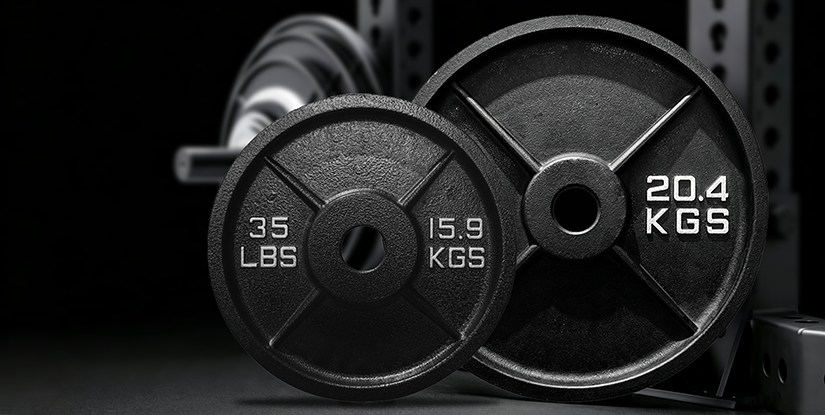
Optimizing Long-Term TCO Through Quality Material Selection
For professional distributors and gym owners, the initial purchase price of weight plates is often eclipsed by the long-term Total Cost of Ownership (TCO). Selecting a reliable cast iron plate private label partner allows you to control both the upfront landed cost and the long-term replacement frequency. High-quality cast iron plate private label production ensures that your inventory remains a durable asset rather than a recurring maintenance expense.
When sourcing in bulk, the precision of the manufacturing process determines the lifecycle of the equipment. Utilizing professional commercial weight plate OEM services ensures that each unit meets strict industry-standard specifications for density and structural integrity. Rely much less on frequent replacements by focusing on wholesale iron plates China production standards that prioritize material stability and consistent weight distribution across large orders.
The choice between different casting methods significantly impacts the durability of the final product. While standard sand casting is a cost-effective method for high-volume wholesale orders, the precision of the weight tolerance and the smoothness of the surface finish are critical for commercial longevity. A China factory that implements rigorous weight calibration and secondary machining processes will provide a superior product that resists chipping and maintains its dimensional accuracy under heavy usage, ultimately protecting your ROI.
Material and Coating Specifications for Commercial Durability
Understanding the relationship between material composition and surface treatment is essential for calculating the true lifecycle value of your inventory. A professional cast iron plate private label program provides various configurations to meet different market segments, from high-durability strength training to premium studio environments. Selecting the right combination of casting and finishing can drastically reduce the frequency of replacements and maintenance-related overhead.
| Material | Coating | Process | Commercial Duty | MOQ Impact | Factory QC Point |
|---|---|---|---|---|---|
| Gray Iron | Bare / Phosphate | Sand Casting | Standard Commercial | Low | Weight Calibration |
| Gray Iron | Powder Coating | Sand Casting + Spray | High-Traffic Gyms | Medium | Coating Adhesion |
| Carbon Steel | Rubber Coating | Molding / Vulcanization | Premium Studio/Boutique | High | Bond Line Integrity |
| Cast Iron | Enamel / Paint | Die Casting / Machining | Competition/Specialty | High | Concentricity Check |
When evaluating a commercial weight plate OEM request, buyers should note that specialized coatings like powder coating or rubber coating offer superior floor protection and noise reduction, though they may influence the MOQ requirements due to specialized production lines. For high-volume wholesale distribution, standard sand casting remains the industry benchmark for cost-efficiency. We recommend requesting a factory audit or a sample evaluation to verify weight calibration and surface consistency before finalizing a large-scale sourcing contract.
To mitigate the risks of high landed cost and shipment damage, rigorous pre-shipment QC must extend beyond the casting itself to the final packaging stage. A reliable China factory understands that for bulk orders, the durability of the product is only as good as its protection during transit. This includes verifying the base flatness of every plate to prevent wobbling and ensuring that the coating adhesion is tested against impact to prevent chipping before the container is sealed.
Effective export packaging is a non-negotiable component of a professional cast iron plate private label service. For high-volume wholesale iron plates China shipments, utilizing reinforced pallets and moisture-resistant wrapping is essential to maintain product integrity during long-sea transit. By prioritizing these technical details—from the precision of the bore machining to the strength of the export packaging—distributors can ensure that their bulk procurement results in a high-margin, high-durability product line ready for immediate commercial deployment.
China Factory Capabilities: OEM and ODM Standards
For international distributors and large-scale fitness retailers, the transition from standard sourcing to high-margin brand ownership begins with a reliable cast iron plate private label program. Partnering directly with a China factory allows importers to bypass the limitations of generic stock and move toward a customized brand identity. By leveraging professional OEM and ODM services, a distributor can control every aspect of the product, from the visual aesthetics of the weight markings to the specific texture of the surface finish.
Establishing a proprietary line of equipment through wholesale manufacturing is a strategic move to increase distributor margin. Instead of competing solely on price for unbranded goods, a supplier can offer specialized, high-quality units that meet specific regional market demands. Whether you require specific branding on the center hub or a customized coating thickness, a professional China factory provides the infrastructure to scale your brand from small batches to massive wholesale orders. While a higher MOQ is typically required for custom private label work, the long-term value lies in the ability to build a recognizable, premium-tier brand in your target market.
Technical Standards for Commercial Weight Plate OEM
To maintain a competitive edge, professional buyers must look beyond basic aesthetics and evaluate the technical rigor of the production line. High-tier commercial weight plate OEM production requires a strict focus on material consistency and dimensional precision. A reliable cast iron plate private label process begins with high-grade gray iron, which is processed through traditional sand casting to ensure structural density and durability. Unlike lower-grade imitations, professional-grade plates must undergo precise CNC machining at the center bore to guarantee a perfect Olympic collar fit and consistent concentricity.
The manufacturing workflow for wholesale iron plates China production involves several critical checkpoints that directly impact your long-term landed cost and replacement rates. A standard production cycle includes sand casting, followed by a rigorous weight calibration process to minimize variance. After the casting is complete, the surface undergoes specific treatment—typically a phosphate treatment or a high-durability powder coating—to prevent oxidation and ensure coating adhesion. During a pre-shipment QC, experienced buyers should verify the quality of the surface finishing and the precision of the embossed branding to ensure it meets their brand identity standards.
Logistical efficiency is equally vital when managing bulk imports. Effective export packaging is not just about protection; it is about maximizing container loading density to lower your per-unit shipping costs. A professional China factory will utilize reinforced, heavy-duty cartons and palletized configurations designed to withstand long-haul sea freight. When calculating your total landed cost, ensure your supplier provides detailed specifications regarding packaging dimensions and weight limits, as these factors are critical for optimizing your warehouse storage and minimizing breakage during transit.
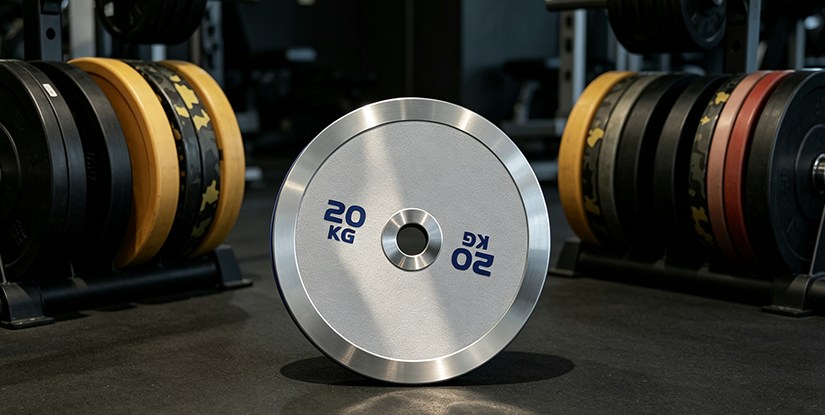
Technical Comparison for Procurement Decision-Makers
Selecting the correct manufacturing specification is essential for optimizing your long-term TCO and maintaining a premium brand image. The following table provides a technical breakdown of common options available through wholesale iron plates China sourcing. This comparison assists distributors in evaluating how different casting and coating methods impact both the initial MOQ and the final commercial utility of the product.
| Material | Coating | Process | Key Component/QC Point | Commercial Duty | MOQ Impact |
|---|---|---|---|---|---|
| Gray Iron | Phosphate Treatment | Sand Casting | Bore Concentricity | Standard Commercial | Low |
| Gray Iron | Powder Coating | Sand Casting + Coating Line | Coating Adhesion | Premium Gym/Studio | Medium |
| Carbon Steel | PU Coating | Molding/Vulcanization | Edge Smoothness | High-End/Bumper Style | High |
| Cast Iron | Enamel/Paint | Sand Casting + Spray | Weight Calibration | General Wholesale | Low |
When finalizing your cast iron plate private label selection, we recommend requesting a detailed spec sheet to confirm the specific tolerance bands for each weight class. To ensure a seamless sourcing experience, you may also request a sample approval or a video of a factory audit to verify the precision of the center bore and the consistency of the surface finish before initiating a bulk order.
Pre-Shipment Inspection and Export Packaging Protocols
Maintaining strict quality control is the most critical step for importers sourcing cast iron plate private label products. When managing large-scale wholesale orders, the risk of receiving units with inconsistent weight or surface defects increases without rigorous oversight. A professional China factory must implement a multi-stage verification process to protect your distributor margins and ensure the landed cost remains optimized by preventing costly returns.
Effective commercial weight plate OEM production requires more than just a successful casting run; it demands a systematic approach to weight tolerance and finish consistency. During the pre-shipment phase, technicians should perform a surface finish inspection to identify any casting imperfections, oxidation, or uneven powder coating that could compromise the premium aesthetic of your brand. Furthermore, a random spot-check of the weight tolerance ensures that every plate meets the specified commercial standards, preventing discrepancies that lead to client dissatisfaction.
To mitigate the high risks associated with transoceanic freight, shipping damage prevention must be integrated into the wholesale iron plates China export workflow. This includes using reinforced palletizing, heavy-duty corner protectors, and moisture-resistant shrink wrapping to safeguard the cast iron plate private label units from salt air and physical impact. For high-volume sourcing, we recommend confirming the specific export packaging protocols and pallet dimensions with your supplier before the container is loaded to ensure compatibility with your local warehouse handling equipment.
Optimizing the final stage of the supply chain is essential for maintaining a low landed cost and ensuring high product availability. For distributors managing large-scale bulk order logistics, the integrity of the shipment depends on rigorous palletization and structural stability during sea freight. A professional factory should utilize reinforced wooden pallets or heavy-duty heat-treated skids designed to withstand the high density and shifting weight typical of iron products during long-distance maritime transport.
To prevent oxidation and surface degradation, moisture protection must be a standard requirement for all wholesale iron plates China shipments. This involves multiple layers of industrial-grade shrink wrapping and vacuum-sealed moisture barriers to shield the metal from salt air and humidity. When coordinating sea freight stability, we advise importers to confirm that the container loading plan maximizes space efficiency while ensuring the packaging durability is sufficient to prevent crushing. Proactive communication regarding these export packaging standards during the sourcing phase will significantly reduce the risk of transit-related damage and ensure your cast iron plate private label inventory arrives in retail-ready condition.
To ensure maximum efficiency during the final stages of procurement, professional buyers should utilize a standardized inspection checklist. This technical framework allows you to verify that your cast iron plate private label order meets all commercial-grade specifications before it leaves the factory. By focusing on these critical control points, you can minimize the risk of high return rates and maintain high distributor margins.
Technical Inspection Checklist for Commercial Procurement
| Inspection Category | Technical Focus Point | Commercial Duty Impact | Recommended QC Action |
|---|---|---|---|
| Weight Accuracy | Calibration variance per unit | Ensures compliance with commercial standards | Randomized weight spot-check |
| Surface Integrity | Coating adhesion and smoothness | Reduces maintenance and oxidation risk | Visual inspection of powder coating |
| Dimensional Precision | Bore diameter and concentricity | Guarantees seamless barbell fitment | Calibrated gauge measurement |
| Packaging Strength | Pallet stability and moisture barrier | Protects landed cost and inventory | Verify shrink wrap and pallet integrity |
When finalizing your commercial weight plate OEM agreement, we recommend requesting a formal sample approval and a detailed pre-shipment report. This process should include high-resolution images of the knurled bore and the final coating adhesion to ensure your brand identity remains consistent across all batches. Confirming these technical details and the specific MOQ requirements during the initial sourcing phase will allow for smoother logistics planning and more predictable lead times for your warehouse operations.
Procurement Faq for Bulk Weight Plate Orders
Navigating the complexities of international sourcing requires a clear understanding of how manufacturing scale impacts your bottom line. When a cast iron plate private label project moves from concept to production, buyers must account for variables such as MOQ, shipping logistics, and technical specifications to ensure a successful launch. This section addresses the most frequent inquiries from distributors and gym owners regarding wholesale iron plates China production and long-term supply stability.
Establishing a direct relationship with a China factory allows for greater control over the commercial weight plate OEM process, reducing the risk of inconsistent weight tolerances or subpar finishes. Whether you are scaling a boutique studio brand or supplying a large-scale commercial fitness chain, understanding the nuances of bulk orders and lead time management is essential for maintaining a predictable inventory cycle and maximizing your distributor margins.
Common Sourcing Inquiries for Commercial Buyers
Understanding the logistical and technical requirements of a cast iron plate private label project helps mitigate procurement risks. Below are the typical questions addressed during the initial sourcing phase to ensure alignment between brand expectations and factory output.
What are the primary variables affecting the landed cost of a bulk order?
The total landed cost is determined by more than just the unit price. For wholesale iron plates China orders, buyers must calculate the base product cost, OEM customization fees, domestic inland freight, and international ocean freight. Additionally, the volume of the bulk shipment significantly impacts container utilization efficiency. High-density items like cast iron are often weight-limited rather than volume-limited, meaning your supplier should optimize packaging to maximize container weight capacity without compromising safety.
How is the customization process managed for private label branding?
A professional commercial weight plate OEM workflow typically begins with a design approval for the embossed logo or color-specific powder coating. Once the branding design is finalized, the factory integrates the mark into the sand casting mold itself. This ensures the brand identity is a permanent part of the plate rather than a superficial print. For private label clients, we recommend confirming the mold specifications and sample approval before full-scale production to ensure the logo depth and font clarity meet your brand standards.
Can I request a pre-shipment inspection for my wholesale order?
Yes. For any large-scale wholesale procurement, a structured QC (Quality Control) process is standard. We recommend a pre-shipment inspection that focuses on three critical areas: weight tolerance consistency, coating adhesion, and packaging integrity. A reliable China factory will provide a detailed inspection report covering the thickness of the paint and the flatness of the plate surface to ensure the shipment meets the required commercial durability standards before it leaves the warehouse.
What is the standard lead time for custom OEM production?
The lead time for a cast iron plate private label project depends heavily on the complexity of the OEM specifications and current production capacity. Generally, a standard wholesale order for existing molds requires a shorter window, while new mold creation for custom branding adds several weeks to the schedule. We advise distributors to account for both production time and international shipping transit to ensure a stable inventory cycle. To avoid stockouts, professional buyers typically place bulk orders well in advance of peak seasonal demand.
How do you ensure weight tolerance and quality during the QC process?
Precision is critical in commercial weight plate OEM manufacturing to maintain professional standards. During the QC phase, a China factory typically performs spot-checks on weight calibration and concentricity. This involves weighing a statistically significant percentage of the batch to ensure the weight deviation remains within industry-standard tolerances. We also recommend a sample evaluation for any new private label design to confirm that the casting density and surface finish meet your specific commercial requirements before the final export shipment is authorized.