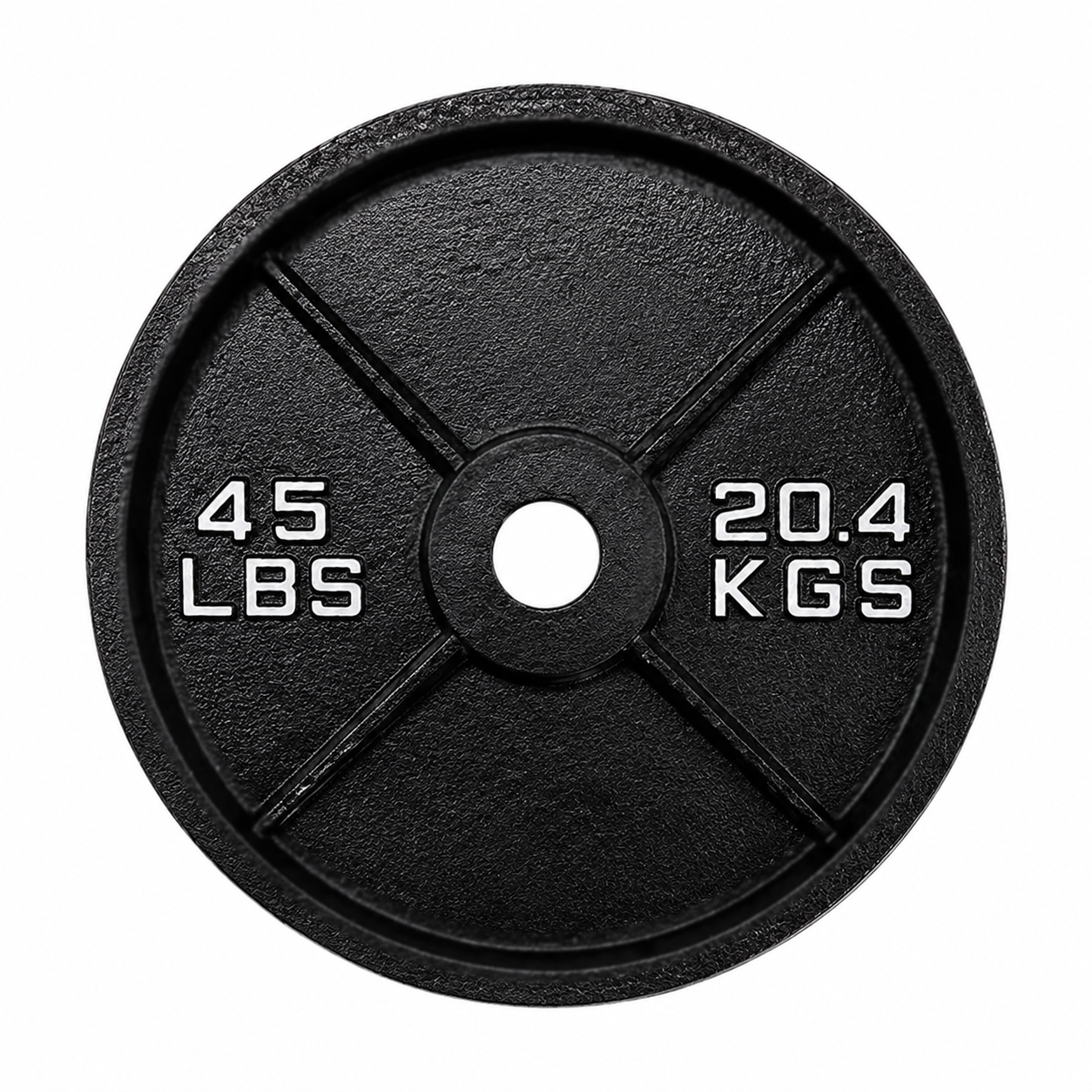
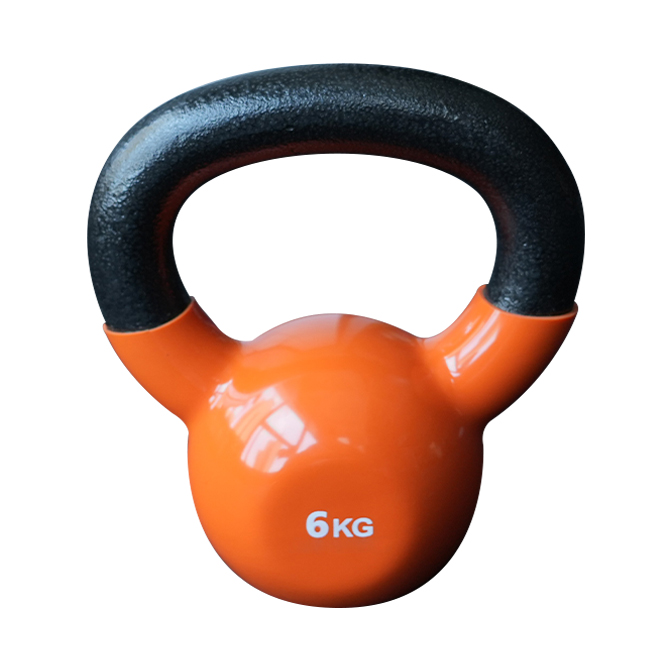
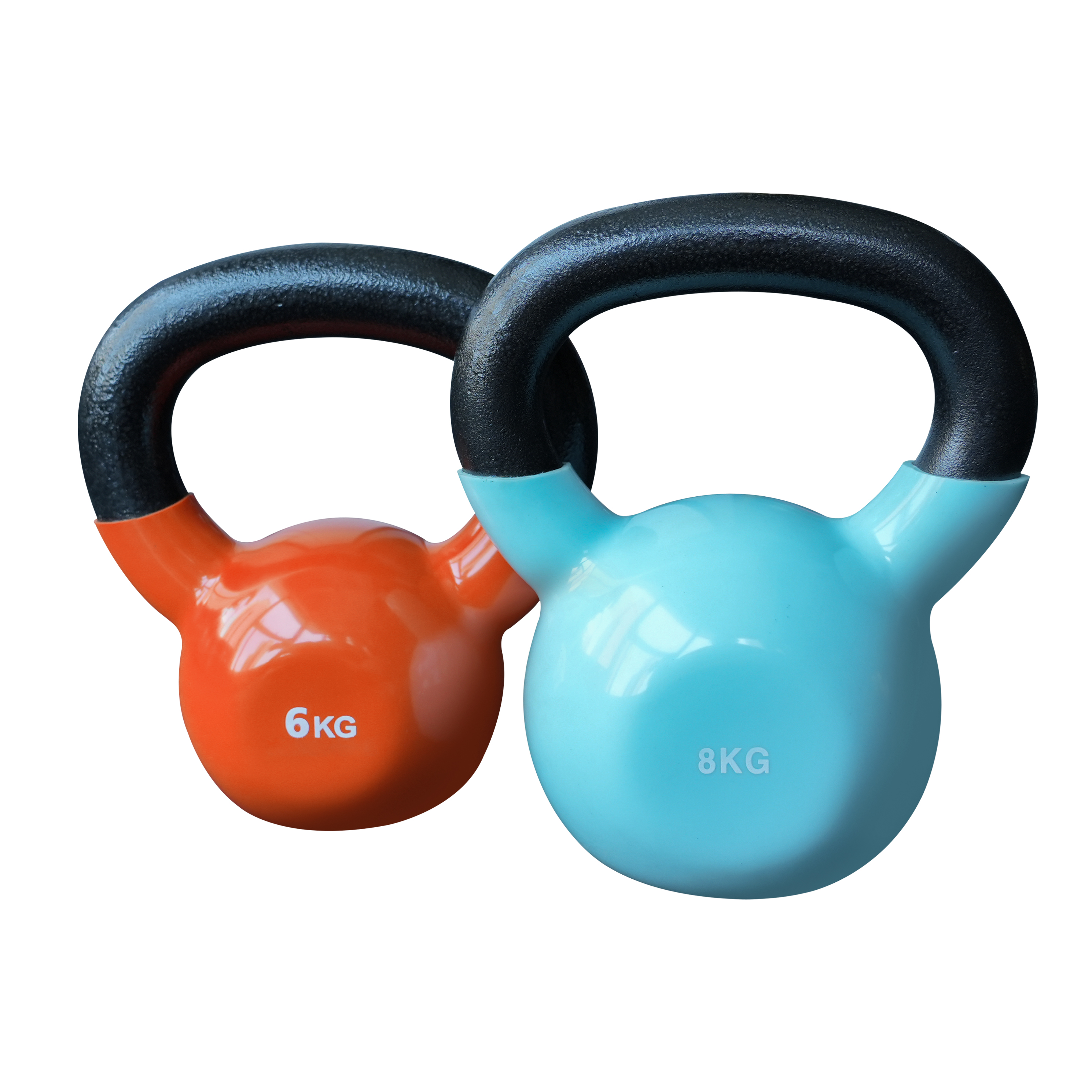
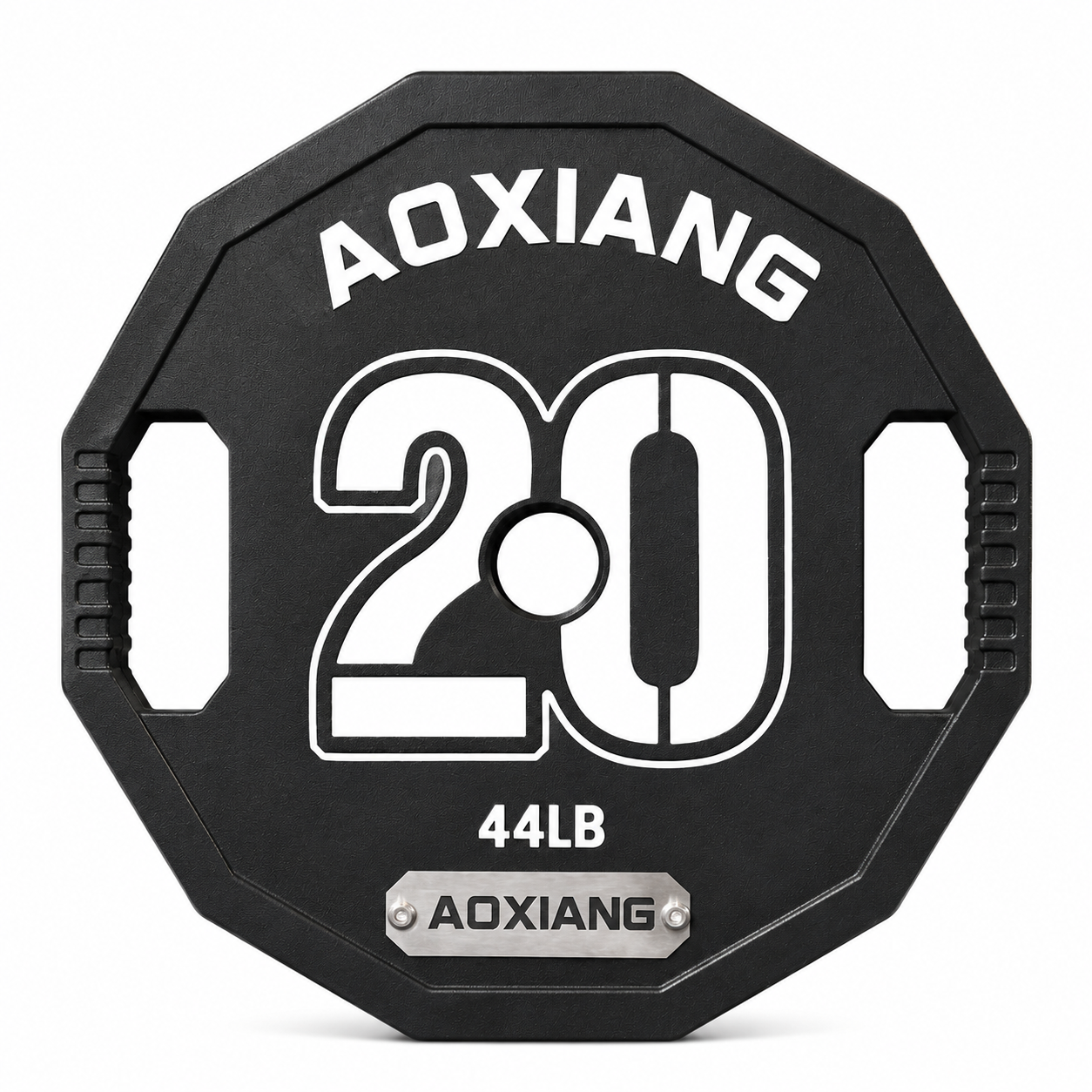
Cast Iron Plate Custom Manufacturer: Material and Specs
Strategic Sourcing for a Cast Iron Plate Custom Manufacturer
A professional cast iron plate custom manufacturer provides high-density, durable weight plates designed for heavy-duty commercial environments. B2B buyers, including gym distributors and large-scale facility operators, prioritize these specialized partners to secure consistent material density, precise weight calibration, and long-term commercial durability through direct China factory sourcing.
For high-volume importers, the decision to source directly from a commercial weight plate manufacturer is driven by the need to minimize landed costs while maximizing product lifespan. Rely0ing on middle-tier traders often introduces unnecessary markups and quality inconsistencies. By establishing a direct relationship with a factory, procurement leads can better manage their supply chain, ensuring that every batch of wholesale cast iron plates meets strict industrial standards for thickness, concentricity, and surface finish.
Navigating the complexities of international procurement requires more than just finding a supplier; it requires a partner capable of handling OEM and ODM requests with precision. Whether you are expanding a boutique studio line or outfitting a global franchise, understanding the technical nuances of sand casting, bore machining, and powder coating is essential to maintaining high distributor margins and reducing replacement frequency in high-traffic facilities.
Material and Process Comparison for Commercial Procurement
Selecting between raw iron and coated variants is a critical decision for facility TCO (Total Cost of Ownership). While raw cast iron offers maximum density and space efficiency, rubber or PU coatings provide essential floor protection and noise reduction in high-traffic settings. A professional cast iron plate custom manufacturer provides technical specifications to help buyers balance durability against budget constraints.
| Material | Coating | Process | Commercial Duty | MOQ Impact | Factory QC Point |
|---|---|---|---|---|---|
| Cast Iron | Bare or Phosphate | Sand Casting & Machining | High-density strength training | Lower for stock orders | Weight calibration & Flatness |
| Cast Iron | Powder Coating | Casting & Powder Line | Standard commercial gym use | Standard for wholesale | Coating adhesion & Color consistency |
| Steel Hub | Rubber/PU Coating | Molding or Vulcanization | High-impact / Bumper style | Higher for custom gym plate OEM | Encapsulation layer & Edge smoothness |
When evaluating a custom gym plate OEM request, procurement officers must verify the manufacturing depth. For instance, a standard sand casting process ensures structural integrity, but the secondary machining of the center bore determines how well the plate fits standard Olympic bars. During pre-shipment inspections, a reliable supplier will focus on weight tolerance spot-checks and the concentricity of the inner ring to prevent wobbling during heavy lifting. For distributors, choosing between a standard powder coating or a full rubber encapsulation depends on whether the target market prioritizes a classic aesthetic or maximum floor protection.
Material Performance: Gray Iron vs. Polyurethane Options
Selecting the appropriate substrate and finish is a critical decision for distributors managing long-term maintenance costs and equipment longevity. As a professional cast iron plate custom manufacturer, we recognize that the choice between traditional gray iron and modern polyurethane (PU) coatings directly impacts the total cost of ownership (TCO) for your clients. While gray iron provides a classic, high-density profile, the integration of a polyurethane (PU) coating offers enhanced surface protection and noise reduction, which are essential for premium studio environments.
When managing large-scale procurement, understanding these material nuances helps in optimizing the landed cost and meeting specific facility requirements. Whether you are sourcing wholesale cast iron plates for high-traffic commercial gyms or specialized custom gym plate OEM orders for boutique studios, the material selection dictates the durability and the replacement cycle of the inventory.
| Material Type | Primary Coating | Core Process | Commercial Duty | Maintenance Load | Sourcing Advantage |
|---|---|---|---|---|---|
| Gray Iron | Paint or Powder Coating | Sand Casting | High-Intensity Strength Training | Moderate (Requires surface monitoring) | High Margin/Low Unit Cost |
| Cast Iron Core | Polyurethane (PU) | Molding/Encapsulation | Premium Studio/Functional Training | Low (High impact resistance) | Premium Positioning/Higher MOQ |
| Steel Hub | Chrome/Enamel | Machining & Finishing | Olympic/Competition Standards | Low (High precision) | Specialized Niche Sourcing |
For importers and distributors, the decision often hinges on the balance between initial investment and long-term durability. A commercial weight plate manufacturer can provide various options to suit different market segments, ensuring your product catalog remains competitive across both budget-friendly and premium tiers.
Technical Specifications and Sourcing Considerations
Navigating the technicalities of material selection is essential for procurement managers who must balance durability against budget constraints. A professional cast iron plate custom manufacturer provides specialized solutions that address the specific mechanical needs of different facility types. For instance, while standard sand casting remains a staple for bulk orders, more advanced processes like precision machining or specialized coating application are required for high-end commercial applications. Evaluating these specifications helps in predicting the total replacement cycle and optimizing the long-term ROI for your clients.
When managing a diverse product portfolio, it is vital to understand how manufacturing variables affect the final landed cost. For example, the thickness of a powder coating or the precision of a weight calibration check can significantly alter the perceived quality of the unit. By working directly with a China factory, buyers can gain better visibility into the production stages, ensuring that the final product meets the rigorous standards of high-traffic commercial environments.
| Material | Coating/Finish | Core Process | Key Component/QC Point | Floor Protection | MOQ/Customization | Commercial Duty |
|---|---|---|---|---|---|---|
| Gray Iron | Powder Coating | Sand Casting | Bore Diameter/Flatness | Moderate | Standard MOQ/High | Strength Training |
| Cast Iron | Enamel/Paint | Machining | Weight Tolerance | Low | Lower MOQ/Medium | General Gym Use |
| Steel Hub | Chrome Finish | Precision Casting | Inner Ring/Concentricity | High | Custom OEM/High | Premium/Competition |
To ensure the highest level of quality, we recommend that distributors perform a thorough sample evaluation before committing to large-scale wholesale orders. This process should include a check of the coating adhesion, the smoothness of the inner ring, and the precision of the weight markings. For those looking to establish a unique brand identity, our ODM capabilities allow for customized branding and specialized thickness profiles tailored to your specific market demands.
Optimizing the procurement workflow requires a deep understanding of how manufacturing precision translates to commercial durability. For large-scale distributors, the critical focus shifts from simple aesthetics to the structural integrity of the unit and the reliability of the surface finish. A professional cast iron plate custom manufacturer ensures that every batch undergoes rigorous scrutiny to prevent common issues such as uneven weight distribution or premature coating failure, which can negatively impact your brand reputation and long-term replacement costs.
When sourcing through a China factory, buyers should prioritize manufacturers that integrate advanced production stages. For instance, high-quality wholesale cast iron plates typically undergo a multi-step process beginning with precision sand casting, followed by CNC machining to ensure the bore diameter meets strict tolerance standards. This level of technical control is vital for ensuring that the plates sit flat on the bar, reducing mechanical wear on both the weight and the barbell. Furthermore, the durability of the finish—whether it is a standard paint or a high-grade powder coating—is a primary indicator of the product's resistance to chipping and oxidation in high-use environments.
To mitigate risks during the import process, we recommend integrating a structured pre-shipment inspection into your sourcing timeline. This should include a specific focus on coating adhesion and weight calibration spot-checks. For clients pursuing custom gym plate OEM solutions, this is also the ideal time to verify the precision of embossed logos or custom branding elements. By addressing these technical variables during the production phase, importers can better manage their landed cost and ensure that the final shipment aligns perfectly with the quality expectations of their local commercial clients.
Precision Casting and Machining Standards
To maintain high margins and low replacement costs, distributors must source from a cast iron plate custom manufacturer that prioritizes dimensional accuracy. High-volume procurement requires more than just raw material; it requires a controlled sand casting process that ensures every unit meets strict weight tolerance requirements. When sourcing wholesale cast iron plates, the difference between a standard unit and a professional-grade plate lies in the precision of the bore and the consistency of the surface finish.
In a professional China factory setting, the production cycle moves from the initial sand mold to advanced CNC machining. This stage is critical for ensuring that the inner diameter remains perfectly concentric, allowing for smooth transitions on Olympic barbells. Without rigorous commercial durability standards, plates may suffer from warping or uneven weight distribution, leading to increased maintenance loads for the end-user and higher return rates for the supplier. A professional commercial weight plate manufacturer integrates a China factory QC protocol that includes weight calibration and diameter spot-checks before any export packaging occurs. This level of detail minimizes the landed cost of errors and ensures that your custom gym plate OEM order arrives ready for immediate commercial deployment.
Surface Treatment and Material Comparison for Bulk Procurement
Selecting the correct finish is a strategic decision that impacts both the long-term maintenance load and the visual brand identity of a commercial facility. While raw or phosphate-treated iron is common for standard strength training, many distributors opt for higher-tier finishes to increase the perceived value of their product lines. A professional cast iron plate custom manufacturer provides various coating options to suit different market segments, from basic strength rooms to premium boutique studios.
For high-traffic environments, the application of powder coating offers a robust solution that protects the underlying gray iron from oxidation and moisture. This process provides a consistent, durable layer that is significantly more resistant to chipping than standard liquid paint. When managing a custom gym plate OEM project, you must decide between the classic aesthetic of bare iron or the high-durability benefits of specialized coatings. The following table outlines the technical differences to assist your sourcing strategy and help determine the best fit for your target market's commercial duty requirements.
| Material | Surface Finishing | Process | Key Component/QC Point | Commercial Duty | MOQ Impact |
|---|---|---|---|---|---|
| Gray Cast Iron | Phosphate / Bare | Sand Casting & Machining | Bore Concentricity | Standard Strength Training | Standard |
| Cast Iron | Powder Coating | Casting & Electrostatic Spray | Coating Adhesion | High-Traffic Commercial Gyms | Moderate |
| Cast Iron | Rubber/PU Encapsulation | Molding / Vulcanization | Edge Smoothness | Premium Studio / Boutique | Higher |
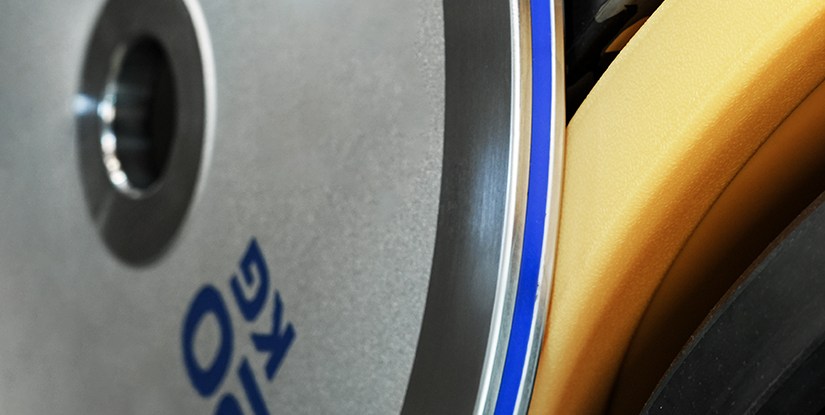
When evaluating wholesale cast iron plates, always verify the specific surface treatment protocols with your supplier. A high-quality commercial weight plate manufacturer will demonstrate that their coating process—whether it be powder or specialized plating—is applied in a controlled environment to prevent uneven textures or peeling. For large-scale wholesale orders, ensuring these technical specifications are met during the pre-shipment inspection is vital to protecting your distributor margins and ensuring long-term product reliability.
Export Packaging and Container Loading Optimization
Efficient logistics management is the final pillar of a successful sourcing strategy. For distributors managing large-scale wholesale cast iron plates orders, the risk of transit damage or container inefficiency can significantly impact the total landed cost. A professional cast iron plate custom manufacturer does not merely ship products; they implement specialized export packaging protocols designed to withstand the rigors of long-distance maritime transport. This includes using heavy-duty, reinforced cartons or custom-built wooden crates that prevent friction and impact damage between individual units.
To maximize container utilization and reduce shipping costs per unit, a reliable commercial weight plate manufacturer will provide detailed packing lists and optimized loading plans. This ensures that the weight distribution within the shipping container is balanced and that the volume is utilized to its highest capacity. Before any shipment leaves the China factory, a final pre-shipment inspection should be conducted to verify that the export packaging meets international shipping standards and that the custom gym plate OEM branding is intact and undamaged. By prioritizing these logistical details, buyers can ensure a smooth replenishment cycle and maintain stable distributor margins.
Optimizing Inventory with Wholesale Cast Iron Plates
For global distributors and gym equipment importers, managing stock levels requires a balance between durability and landed cost. Partnering with a specialized cast iron plate custom manufacturer allows professional buyers to secure high-density, long-lasting inventory that meets rigorous commercial standards. By sourcing directly from a China factory, procurement managers can optimize their supply chain, ensuring that heavy-duty weight sets are available for large-scale facility rollouts without the overhead of middleman markups.
The strategic advantage of wholesale cast iron plates lies in their predictable lifecycle and high resale value within the commercial fitness market. Unlike thinner or less durable alternatives, premium gray iron casting provides the mass and stability required for high-traffic strength training environments. When managing large-scale B2B sourcing, understanding the nuances of material density and surface finishing is essential to minimize replacement costs and maximize the long-term ROI of your distributed inventory.
Scaling your product catalog through a commercial weight plate manufacturer also provides the flexibility needed for market differentiation. Whether you are fulfilling a single large-scale contract or building a consistent replenishment cycle, working with an OEM partner ensures that your specific branding and weight tolerance requirements are met with industrial precision. This approach reduces the risks associated with inconsistent quality and helps maintain high distributor margins across your entire product line.
Deciding between raw iron and coated alternatives is a critical factor in calculating the total cost of ownership (TCO) for a commercial facility. While rubber or PU-coated plates offer enhanced floor protection, they often introduce higher per-unit costs and complex material-to-hub bonding issues that can impact long-term maintenance. For distributors focusing on high-volume, high-density strength areas, a custom gym plate OEM approach utilizing high-grade cast iron remains the industry standard for durability and space efficiency.
Material and Technical Comparison for Commercial Procurement
The following comparison outlines the technical differences between standard cast iron and rubber-coated options to assist in your next procurement cycle. Selecting the right material profile depends heavily on your target market's specific usage patterns and your desired landed cost.
| Material | Coating Type | Core Process | Commercial Duty | Floor Protection | MOQ/Customization |
|---|---|---|---|---|---|
| Cast Iron | Powder Coating or Bare | Sand Casting & Machining | High-Volume Strength Training | Low (Requires Mats) | High (Custom Branding) |
| Rubber Coated | Vulcanized Rubber/PU | Molding or Dip Coating | High-Impact/Dynamic Training | High (Built-in) | Medium (Complex Assembly) |
When evaluating a cast iron plate custom manufacturer, procurement leads should prioritize the precision of the weight calibration and the quality of the surface finish. A high-quality cast iron plate custom manufacturer will provide consistent thickness and concentricity, ensuring that the plates remain balanced during high-intensity use. For those managing large-scale distribution, we recommend requesting a sample to verify the coating adhesion and the density of the iron before finalizing a bulk order.
Customization Capabilities and OEM/ODM Services
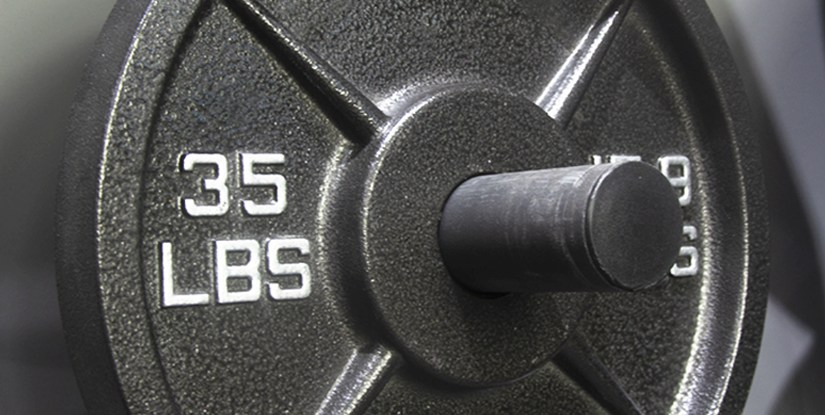
For professional distributors and large-scale gym operators, standard inventory often fails to meet the specific branding requirements of premium fitness facilities. A professional cast iron plate custom manufacturer provides the necessary infrastructure to transition from generic equipment to a proprietary product line. By leveraging advanced OEM and ODM workflows, buyers can integrate unique visual identities into their heavy-duty weight sets, ensuring long-term brand recognition in competitive markets.
The ability to offer specialized product tiers is a significant competitive advantage. Whether you require specific weight increments, unique center hole diameters, or distinct surface textures, a specialized China factory can adjust production parameters to meet your exact specifications. This level of customization capabilities allows distributors to move beyond simple wholesale trading and toward building a high-margin, branded equipment ecosystem.
Strategic sourcing through an OEM partner ensures that your commercial gym branding remains consistent across all product categories. From the precision of the embossed logo to the specific color of the powder coating, every detail is engineered to reflect your brand's quality standards. This approach reduces the risk of market saturation and helps establish your business as a premium provider of specialized strength training solutions.
Technical Specification Comparison for Commercial Sourcing
When managing high-volume procurement, understanding the technical divergence between standard casting and premium finishes is essential for calculating long-term replacement costs and maintenance loads. A reliable cast iron plate custom manufacturer will provide detailed spec sheets that clarify the production methods used for different tiers of weight plates. For distributors, selecting the correct material and process directly impacts the landed cost and the durability of the product in high-traffic commercial environments.
The following table outlines the technical variations common in professional sourcing to assist in your decision-making process regarding wholesale cast iron plates and specialized orders.
| Material | Coating/Finish | Process | Key Component/Detail | Commercial Duty | MOQ Impact | Factory QC Point |
|---|---|---|---|---|---|---|
| Gray Cast Iron | Bare Iron/Phosphate | Sand Casting | Embossed Logo/Weight Marking | Standard Commercial/Budget | Lower | Base Flatness & Weight Tolerance |
| Cast Iron | Powder Coating | Casting + Powder Line | Uniform Surface Texture | Premium Commercial/Studio | Moderate | Coating Adhesion & Color Consistency |
| Cast Iron | Polyurethane (PU) | Casting + Molding | Seamless Outer Rim | High-End/Boutique Gym | Higher | Encapsulation Integrity |
| Carbon Steel | Chrome/Enamel | Machining/Finishing | Precision Center Hole | Competition/Specialized | Highest | Concentricity & Bore Precision |
Selecting the right custom gym plate OEM specifications allows you to optimize your inventory for different client needs, from budget-friendly strength rooms to high-end boutique studios. We recommend requesting a detailed sample evaluation or a formal quote to confirm how specific customization requests—such as custom color powder coating or specific weight calibration—might affect your lead time and total landed cost.
Logistics and Export Standards for Bulk Procurement
Managing international supply chains requires more than just product selection; it requires strict oversight of the entire fulfillment cycle. A professional cast iron plate custom manufacturer must demonstrate high proficiency in export-grade logistics to protect your margins. For distributors managing large-scale bulk orders, the final landed cost is heavily influenced by how efficiently the products are packed and how much damage occurs during transit. A failure in packaging or a misunderstanding of the lead time can disrupt your entire seasonal inventory replenishment or a client's facility launch.
To ensure maximum shipping efficiency and product safety, we implement rigorous export packaging protocols. This includes using reinforced, heavy-duty corrugated boxes and heavy-duty pallets designed to withstand the high-stress environments of sea freight. Every shipment undergoes a strict pre-shipment inspection to verify weight accuracy and coating integrity. When sourcing directly from a China factory, we recommend that buyers confirm the specific container loading plan and palletization standards during the initial quote phase. This proactive approach helps you plan for warehouse space optimization and ensures that your wholesale shipments arrive in a condition that meets the premium standards of your commercial clients.
Factory QC and Export Packaging Protocols
Maintaining strict weight tolerance and structural consistency is the primary challenge when managing bulk orders from an overseas factory. A professional cast iron plate custom manufacturer must implement multi-stage QC protocols to ensure every unit meets commercial-grade specifications. Without rigorous inspection, distributors face the risk of receiving uneven weight distributions or surface defects that compromise the commercial durability of the entire shipment.
For high-volume importers, the risk extends beyond the product itself to the logistics chain. Relying on a China factory that lacks specialized export packaging solutions often results in high landed costs due to transit damage. To protect your margins, ensure your supplier utilizes reinforced steel strapping, heavy-duty corrugated boxes, and palletized stacking methods designed for sea freight stability.
Ensuring Precision in Bulk Production
When sourcing wholesale cast iron plates, the technical focus must remain on the precision of the casting and the consistency of the finish. A reliable commercial weight plate manufacturer does not just monitor the final weight, but also the concentricity and the quality of the center bore. This level of detail prevents issues during high-frequency use in commercial gym environments.
A high-tier custom gym plate OEM service will typically include a pre-shipment inspection (PSI) that covers several critical checkpoints. This includes checking the thickness of the powder coating, the smoothness of the knurled edges, and the accuracy of the embossed branding. By verifying these details at the factory level, you reduce the need for costly after-sales replacements and ensure a seamless arrival at your warehouse or client site.
Standardized Inspection and Shipping Protocols
To safeguard distributor margins, a professional cast iron plate custom manufacturer must adhere to rigorous pre-shipment protocols. This begins with a comprehensive weight calibration check to ensure all units fall within acceptable commercial tolerances. Beyond basic weight, the inspection must verify coating adhesion—ensuring the powder coating or paint remains intact under physical stress—and the structural integrity of the center bore to prevent concentricity issues during high-volume use.
The final stage of the procurement process involves optimized export packaging to manage the total landed cost. For wholesale cast iron plates, standard shipping methods often fail without professional-grade reinforcement. We recommend utilizing heavy-duty palletizing with reinforced steel strapping and corner protectors. This ensures that the density of the iron does not cause crushing or shifting during sea freight transit. By prioritizing shipping safety and palletizing efficiency, a commercial weight plate manufacturer helps importers minimize warehouse damage and ensures the shipment arrives ready for immediate distribution or retail display.