Cast Iron Plate Wholesale: Material and Sourcing Comparison
Cast Iron Plate Wholesale: Material and Sourcing Standards
cast iron plate wholesale procurement focuses on securing high-density gray iron units engineered for high-traffic environments. Professional distributors and gym operators prioritize these materials due to their exceptional density, cost-effectiveness, and long-term structural integrity under heavy loading cycles.
When sourcing at scale, understanding the distinction between standard casting and precision manufacturing is vital for maintaining a low total cost of ownership. High-quality commercial cast iron plates are typically produced via sand casting, a process that ensures the structural density required for heavy-duty lifting. For distributors, selecting a reliable iron plate manufacturer who maintains strict control over the metallurgical composition of the gray iron is the most effective way to prevent premature cracking or uneven wear in a commercial setting.
Standardizing your inventory requires a focus on weight tolerance and surface consistency. A professional wholesale weight plates supplier will provide units that meet strict industrial specifications, ensuring that every plate in a bulk shipment maintains consistent dimensions. This precision is critical for maintaining the balance of barbell sets and ensuring long-term commercial gym durability across diverse training environments.
Technical Comparison of Casting and Coating Specifications
Selecting the right production standard is a critical decision for any importer or distributor looking to optimize their landed cost and inventory quality. In a professional cast iron plate wholesale context, the choice between basic sand casting and advanced surface treatments directly impacts both the aesthetic longevity and the maintenance requirements of the equipment in a commercial facility.
For high-volume procurement, understanding the relationship between the casting process and the final coating is essential. While basic sand casting provides the foundational shape and density, the application of a high-grade powder coating or specialized enamel layer significantly enhances the plate's resistance to oxidation and environmental wear. For buyers managing large-scale gym builds, these technical nuances determine the long-term replacement frequency and the overall value of the initial investment.
| Material | Process | Key Component / Detail | Commercial Duty | MOQ Impact | Factory QC Point |
|---|---|---|---|---|---|
| Gray Cast Iron | Sand Casting | Base Flatness | Standard Commercial | Low | Surface Cracks |
| Carbon Steel | Machined / CNC | Weight Calibration | High-Performance | Medium | Tolerance Band |
| Cast Iron | Powder Coating | Coating Adhesion | Premium Commercial | Medium | Finish Uniformity |
When conducting a factory audit or reviewing technical spec sheets, procurement officers should focus on the precision of the weight marking and the consistency of the finish. A reputable China factory will implement a rigorous weight calibration protocol to ensure that every unit in a bulk order aligns with the specified tolerance. Furthermore, verifying the powder coating adhesion strength is a vital step in the pre-shipment inspection process to ensure the product can withstand the rigors of daily commercial use without premature peeling or rust formation.
Critical QC Checkpoints for Bulk Procurement
For professional buyers managing large-scale imports, the risk of receiving substandard units can significantly impact your total landed cost and distributor margins. A professional pre-shipment inspection must go beyond visual aesthetics to verify the structural integrity of every batch. When managing bulk orders, we recommend focusing on three specific physical attributes that directly affect the longevity and safety of the equipment in a high-traffic facility.
First, verify the base flatness and concentricity of the plates to ensure they sit level on a barbell, preventing uneven weight distribution. Second, inspect the logo embossing and weight markings; these should be deeply integrated into the casting rather than just surface-level to prevent fading over time. Finally, conduct a rigorous check on the coating adhesion. A high-quality factory will ensure the finish is bonded to the iron to prevent chipping during heavy use. By confirming these details during the sourcing stage, importers can avoid the high costs of replacement and ensure their clients receive only premium-grade equipment.
Material Specifications and Casting Processes
Understanding the structural integrity of cast iron plate wholesale options is critical for distributors managing long-term replacement cycles. When sourcing from a China factory, buyers must distinguish between standard casting methods to ensure the durability required for high-traffic commercial environments. Selecting the correct material grade directly impacts your landed cost and the long-term maintenance load of your inventory.
Sand Casting and Gray Iron Standards
Most commercial cast iron plates are produced using the sand casting method. This process involves pouring molten gray iron into a sand mold, which is the industry-standard approach for creating high-density, durable weight plates. Gray iron is favored in wholesale procurement because it offers excellent vibration damping and high compressive strength, making it ideal for heavy-duty strength training applications.
For professional importers, the technical distinction lies in the precision of the mold and the resulting weight tolerance. A high-tier iron plate manufacturer will implement strict control over the cooling process to prevent structural micro-cracks. This ensures that every unit in a bulk shipment meets the expected dimensional stability, reducing the risk of uneven wear or cracking under heavy use in commercial gyms.
When evaluating wholesale weight plates, procurement teams should prioritize suppliers that offer transparency regarding their casting density. A consistent grain structure in the iron ensures that the plates can withstand the mechanical stress of high-volume commercial use without premature degradation, protecting your distributor margins and client satisfaction.
Material and Production Comparison for B2B Procurement
To optimize your sourcing strategy, it is essential to compare different production methods and surface treatments. The following table provides a technical overview of common specifications encountered when managing cast iron plate wholesale orders. This comparison assists in evaluating the trade-offs between initial capital expenditure and long-term commercial duty.
| Material | Process | Surface Finish | Commercial Duty | MOQ Impact | Factory QC Focus |
|---|---|---|---|---|---|
| Gray Iron | Sand Casting | Bare Iron / Phosphate | High-Volume Strength Training | Standard | Density & Cracking |
| Carbon Steel | Machining | Powder Coating | Premium Commercial Gyms | Medium | Coating Adhesion |
| Ductile Iron | Die Casting | Enamel / Paint | High-End Studio / Boutique | Higher | Dimensional Precision |
Selecting the right specification depends on your target market. For example, a China factory specializing in high-volume wholesale weight plates will typically focus on sand casting for cost-efficiency and durability. Conversely, if your brand identity requires a premium aesthetic, you may opt for advanced surface finishing processes like high-grade powder coating to ensure long-term color retention and rust resistance.
During the pre-shipment inspection phase, we recommend that distributors request specific data on coating adhesion and weight calibration. A reliable iron plate manufacturer should be able to provide clear documentation regarding the thickness of the finish and the consistency of the casting, ensuring that your bulk shipment arrives ready for immediate commercial deployment.
Surface Finishing and Export Standards
The long-term ROI of a commercial facility is heavily dependent on the quality of surface treatments. For many distributors, the decision to move from bare iron to high-grade powder coating is a strategic choice to reduce maintenance and prevent oxidation. In high-traffic environments, the coating adhesion determines whether a product maintains its premium aesthetic or suffers from unsightly chipping and rust, which can negatively impact your brand reputation and replacement planning.
When managing large-scale cast iron plate wholesale orders, the technical inspection must extend beyond the iron itself to the protective layers. A professional iron plate manufacturer should demonstrate rigorous control over the application process. This includes ensuring that the coating is uniform across the entire surface, particularly around the inner ring, to prevent peeling during frequent loading and unloading on barbell sleeves.
Furthermore, logistical efficiency is secured through standardized export packaging. To minimize damage during sea freight and optimize container utilization, plates should be packed in heavy-duty, reinforced crates or pallets. This level of detail in the factory setting ensures that the landed cost remains predictable by reducing the incidence of transit-related defects and ensuring that the bulk shipment arrives in a condition suitable for immediate commercial deployment.
Before finalizing any wholesale agreement, we suggest requesting a sample to evaluate the weight calibration and the durability of the finish. Confirming these technical benchmarks, alongside the MOQ and lead times, will allow you to build a more resilient and profitable supply chain for your distribution or gym management business.
Comparing Commercial Cast Iron Plates and Alternatives
When managing long-term capital expenditures for a fitness facility, understanding the total cost of ownership (TCO) is critical. For many distributors and gym owners, selecting cast iron plate wholesale options provides a high-value solution compared to more expensive specialized materials. While rubber or polyurethane-coated alternatives offer different benefits, the economic advantage of sourcing commercial cast iron plates from a China factory remains a primary driver for high-volume procurement. A strategic sourcing approach must balance the lower initial wholesale price of iron against the long-term maintenance and durability requirements of a high-traffic commercial environment.
The decision between material types often dictates the long-term ROI of a facility's strength equipment inventory. While high-end bumper plates offer floor protection, the density and cost-efficiency of wholesale weight plates made of gray iron make them the industry standard for traditional strength training zones. By evaluating the comparison of material durability vs. initial cost, buyers can better predict replacement cycles and maintenance budgets.
| Material Type | Primary Benefit | Durability Profile | Maintenance Load | Procurement Focus |
|---|---|---|---|---|
| Cast Iron | High density and low initial cost | High (excellent for standard use) | Low (requires periodic coating check) | cast iron plate wholesale |
| Rubber Coated | Floor protection and noise reduction | Moderate (coating can peel or crack) | Medium (surface cleaning/inspection) | High-traffic commercial zones |
| Polyurethane (PU) | Premium durability and aesthetics | Very High (highly resistant to wear) | Low (highly stable material) | Premium studio/boutique settings |
For professional importers, the iron plate manufacturer must demonstrate consistent quality control to ensure that the landed cost remains competitive without sacrificing structural integrity. A reliable supplier will provide transparent documentation regarding the casting process and any surface treatments used to prevent oxidation during sea freight and long-term storage.
Technical Specifications and Procurement Variables
To optimize the total cost of ownership, procurement teams should evaluate the specific manufacturing layers that impact product longevity. A high-quality iron plate manufacturer does not merely produce a weight; they manage a complex series of surface treatments and calibration steps that determine how the product survives high-frequency commercial use. For instance, the difference between a standard sand casting and a precision-machined finish can significantly affect the weight tolerance and the fit on a barbell sleeve.
When conducting a sourcing audit, it is essential to look beyond the base material and inspect the secondary processes. A robust wholesale order should feature consistent coating adhesion and well-defined weight markings to ensure long-term usability. Below is a technical comparison designed to assist in evaluating the utility and maintenance requirements of various commercial-grade options.
| Material | Coating Type | Process Detail | Commercial Duty | MOQ Impact | Factory QC Point |
|---|---|---|---|---|---|
| Cast Iron | Powder Coating | Sand Casting & Surface Finishing | High-traffic strength zones | Standard | Coating adhesion & base flatness |
| Carbon Steel | Chrome/Enamel | Precision Machining | Boutique/Specialized training | Higher | Weight calibration & concentricity |
| Rubber/PU | Injection/Dip | Multi-layer Encapsulation | High-impact/Bumper zones | Variable | Edge seam integrity & thickness |
For distributors looking to scale, understanding these technical nuances allows for better inventory management and more accurate client recommendations. Before finalizing a bulk purchase, we recommend requesting a sample to verify the weight tolerance and the quality of the finish under your specific shipping and storage conditions.
To mitigate the risks of high replacement rates and unexpected maintenance costs, professional buyers must prioritize the manufacturing standards used during the production of cast iron plate wholesale batches. A high-performing iron plate manufacturer does not rely solely on the casting stage; the long-term value of the product is heavily determined by the precision of the secondary finishing and the rigor of the pre-shipment inspection. For example, a high-quality powder coating application is essential for preventing surface oxidation and ensuring the aesthetic longevity of the plates in high-humidity or high-traffic gym environments. Without this layer, the base metal is vulnerable to rust, which can degrade the professional appearance of a facility and increase the maintenance load for the operator.
Beyond surface aesthetics, the precision of the weight calibration process is a critical factor in the commercial durability of the unit. In a professional strength setting, weight consistency across a full set is non-negotiable for athlete safety and training accuracy. A professional supplier will implement a rigorous weight tolerance check and a concentricity test to ensure each plate sits perfectly flat on the barbell sleeve. This attention to detail prevents uneven loading and reduces the wear on barbell sleeves, ultimately protecting the client's entire equipment ecosystem. When evaluating your next bulk order, we recommend confirming the specific pre-shipment QC protocols regarding weight accuracy and coating adhesion to ensure your landed cost remains optimized through a longer product lifecycle.
China Factory Production and OEM/ODM Capabilities
Directly sourcing cast iron plate wholesale through a China factory allows distributors to bypass middleman markups and access high-volume production lines. For professional importers, the transition from purchasing standard stock to utilizing OEM or ODM services is a critical step in building a proprietary brand identity. A specialized factory provides the infrastructure necessary to move beyond generic weight plates toward customized, market-ready fitness solutions.
Large-scale production capacity is the primary driver for maintaining competitive distributor margins. When you secure commercial cast iron plates through direct manufacturing, you gain control over specific technical requirements, such as custom embossing or unique surface finishes. While standard production runs offer the fastest lead time, dedicated OEM projects allow for tailored specifications that differentiate your product line in the global market. However, professional buyers must balance these customization needs with realistic MOQ expectations to optimize their landed cost and inventory turnover.
Technical precision in the manufacturing stage directly impacts the long-term durability and perceived value of your inventory. A professional iron plate manufacturer must implement a multi-stage finishing process to ensure that each unit meets rigorous commercial standards. For example, the application of high-grade powder coating is not merely aesthetic; it serves as a vital protective layer that prevents oxidation and maintains a consistent surface finish even under heavy usage in high-traffic commercial environments. Without a standardized application process, plates can suffer from premature chipping or rust, increasing maintenance costs for the end-user and damaging your brand reputation.
Precision in Weight Calibration and Quality Control
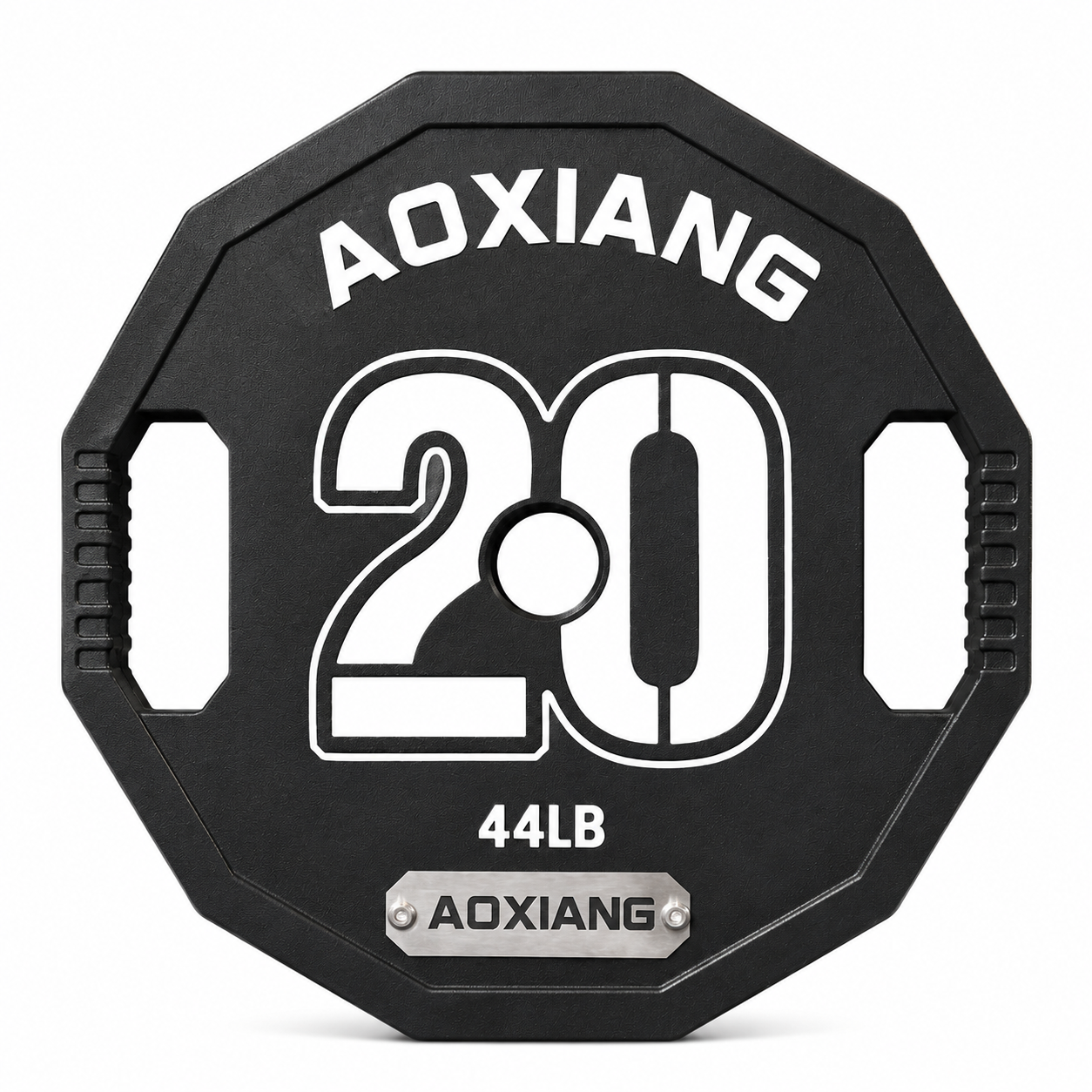
For distributors and large-scale gym operators, the most significant risk in bulk procurement is weight variance. High-quality wholesale weight plates must undergo strict weight calibration to ensure that the deviation remains within industry-standard tolerances. A reliable China factory will utilize precision scales and automated checking systems to monitor the tolerance levels of every batch before they leave the floor. This level of QC (Quality Control) is essential to ensure that a 20kg plate is actually 20kg, preventing disputes with professional clients and ensuring the integrity of the strength training equipment.
Beyond the casting and coating, the final stage of the supply chain involves specialized export packaging designed to withstand long-distance sea freight. To protect the surface finish and prevent structural damage during container loading, professional manufacturers use reinforced pallets and heavy-duty protective wrapping. This attention to detail in the packaging stage minimizes the risk of transit-related losses, ensuring that your cast iron plate wholesale order arrives at your warehouse in a condition that is ready for immediate retail or commercial installation.
Evaluating Sourcing Models: Factory Direct vs. Trading Company
When planning your next procurement cycle, selecting the right supply model is essential for controlling your landed cost and maximizing distributor margins. Most professional buyers must decide whether to work with a direct manufacturer or a trading company. While trading companies may offer a broader catalog, a direct iron plate manufacturer provides the granular control over specifications and technical tolerances required for premium commercial-grade equipment.
| Sourcing Model | Primary Advantage | Customization Capability | Typical MOQ | QC Control Level |
|---|---|---|---|---|
| Direct Factory | Lowest landed cost | High (Full OEM/ ODM) | Higher (Volume-based) | Direct pre-shipment inspection |
| Trading Company | Simplified logistics | Limited (Stock-based) | Lower (Flexible) | Third-party oversight |
| Standard Wholesale | Fastest lead time | None (Standardized) | Low to Medium | Standardized batch QC |
For those looking to scale a private label, a China factory specializing in cast iron plate wholesale offers the most sustainable path to long-term growth. By establishing a direct relationship, you can negotiate specific MOQ tiers that align with your warehouse capacity and market demand. This direct access is particularly valuable when you require customized weight markings or specialized coatings that a standard supplier might not provide in a basic stock order. Before finalizing your next bulk purchase, we recommend requesting a detailed spec sheet and confirming the specific lead time for both standard and customized production runs to ensure seamless inventory management.
Quality Control and Pre-Shipment Inspection Protocols
Establishing rigorous engineering standards is essential when managing cast iron plate wholesale orders for large-scale distribution. For importers and gym equipment distributors, the primary risk in bulk sourcing is not just material failure, but the high cost of replacement due to inconsistent weight tolerance. A single batch with significant deviations can compromise your entire inventory reliability and increase the total cost of ownership (TCO) for your end-users.
To mitigate these risks, a professional China factory must implement multi-stage inspection protocols that go beyond simple visual checks. High-tier commercial cast iron plates require systematic verification of the surface finish consistency and structural integrity to ensure they withstand high-volume commercial use. Without these strict China factory QC standards, distributors face the heavy burden of high return rates and damaged brand reputation.
Critical Inspection Points for Bulk Orders
Effective sourcing requires a deep understanding of the specific technical checkpoints used during the manufacturing process. When procuring wholesale weight plates, the inspection must focus on both the casting precision and the durability of the protective layers. A standard manufacturer should provide documentation or allow third-party audits to verify these specific metrics before the container is sealed.
A reliable supplier will typically focus on the following technical parameters during pre-shipment:
- Weight Calibration: Verifying that each unit falls within the industry-standard tolerance band to ensure professional accuracy.
- Surface Integrity: Inspecting the powder coating or paint adhesion to prevent premature oxidation or chipping in humid gym environments.
- Dimensional Accuracy: Checking the inner ring diameter and concentricity to ensure seamless fitment on standard Olympic barbells.
- Structural Uniformity: Identifying potential casting flaws or air pockets that could lead to cracks under high-impact loading.
By prioritizing these technical benchmarks, procurement leads can ensure that their wholesale shipments arrive ready for immediate commercial deployment, protecting both their margins and their long-term client relationships.
Technical Inspection Checklist for Importers
To ensure the highest level of quality control, professional buyers should demand a specific technical audit of the iron plate manufacturer production line. When managing large-scale cast iron plate wholesale procurement, the inspection must verify that the MOQ requirements do not compromise the precision of the manufacturing process. For example, while sand casting is a standard method for producing these units, the resulting texture and edge smoothness must be consistent across the entire batch to avoid uneven wear.
A comprehensive pre-shipment inspection should also validate the powder coating adhesion levels. High-volume commercial environments demand a finish that will not flake or peel under heavy use, which can lead to rust and increased maintenance costs. Furthermore, checking the concentricity of the center hole is vital; any deviation can cause barbell imbalance, a significant liability for high-end training facilities. Finally, ensure that the export packaging is robust enough to prevent impact damage during long-haul sea freight, protecting your landed cost and ensuring the product arrives in a retail-ready state.
Technical Specification and Inspection Comparison
To facilitate efficient sourcing, buyers must differentiate between various production standards. The following table outlines the critical technical parameters that a professional iron plate manufacturer must meet to ensure product reliability for high-traffic commercial facilities. Evaluating these specifications helps prevent the high TCO associated with low-quality batches.
| Material | Coating | Process | Key Component/QC Point | Commercial Duty | MOQ Impact |
|---|---|---|---|---|---|
| Gray Cast Iron | Powder Coating | Sand Casting | Inner Ring Concentricity | High-Volume Gyms | Standard MOQ |
| Cast Iron | Enamel/Paint | Die Casting | Surface Adhesion | Studio/Boutique Use | Lower MOQ |
| Carbon Steel | Chrome Finish | Machining | Weight Calibration | Premium Training | High MOQ |
When evaluating commercial cast iron plates, ensure your supplier provides clarity on the wholesale weight plates manufacturing method. A high-quality cast iron plate wholesale order should always undergo a rigorous QC check on the center hole smoothness and the thickness of the protective layer to guarantee long-term durability and consistent performance.
Optimizing Your Bulk Procurement Strategy
Effective cast iron plate wholesale procurement requires a deep understanding of the logistics layers between the China factory and your local warehouse. For professional importers, the goal is to balance high-volume capacity with a sustainable distributor margin by minimizing unexpected overheads.
When sourcing commercial cast iron plates, the economic logic relies heavily on optimizing the landed cost. A common mistake in the supply chain is focusing solely on the unit price while ignoring the impact of warehouse efficiency and shipping density. Because cast iron is a high-density, heavy-weight commodity, your sourcing strategy must account for how MOQ levels and container loading patterns affect the final price per kilogram delivered to your facility.
A well-structured wholesale weight plates order leverages economies of scale to mitigate the risks of high freight costs. By working directly with an experienced iron plate manufacturer, distributors can better manage lead time fluctuations and ensure that inventory turnover remains high. Optimizing your order volume not only improves your competitive positioning in the local market but also ensures that your wholesale procurement process supports long-term profitability through predictable sourcing cycles.
Sourcing Tiers and Procurement Benchmarks
To maximize your competitive advantage, you must evaluate where your business fits within the global supply chain. Choosing between a direct factory-to-port model and a localized distributor model depends on your current volume, storage capacity, and desire for product control. The following comparison outlines the standard B2B metrics for different sourcing tiers to assist your decision-making process.
| Sourcing Tier | Primary Focus | Typical MOQ | Lead Time | Customization (OEM/ODM) | Quality Control (QC) |
|---|---|---|---|---|---|
| Factory-Direct | Lowest Landed Cost | High (Full Container) | Longer (Production + Sea Freight) | Full Capability | Direct Factory Audit |
| Large Distributor | Inventory Availability | Medium (Pallet/Batch) | Short (Local/Regional Stock) | Limited | Third-Party Inspection |
| Local Wholesaler | Immediate Fulfillment | Low (Small Bulk/Unit) | Very Short (Local Delivery) | None | Standardized Compliance |
For high-growth enterprises, the most effective procurement strategy involves establishing a direct relationship with a specialized iron plate manufacturer. While a direct wholesale order from a China factory requires higher initial capital and more rigorous QC oversight, it offers the highest potential for long-term distributor margin through custom branding and optimized container loading. Professional buyers should always request a detailed spec sheet and confirm the specific MOQ requirements for any OEM or ODM projects before finalizing a purchase order.