Barbell Plate Casting Manufacturer: Casting and Coating
The Strategic Role of a Barbell Plate Casting Manufacturer in Global Distribution
A professional barbell plate casting manufacturer provides the technical foundation for high-volume fitness equipment distribution. By utilizing specialized foundry techniques, these producers ensure that every unit meets the strict weight tolerances and structural integrity required for heavy-duty commercial gym environments and international wholesale markets.
For distributors and large-scale importers, the choice of a cast iron barbell plate factory directly impacts long-term profitability and brand reputation. Relying on a China factory with integrated production lines allows for optimized wholesale pricing and consistent quality control. When managing large-scale global distribution, procurement leads must prioritize a supplier capable of maintaining high output without sacrificing the precision of commercial weight plate manufacturing. A failure in the casting or coating stage can lead to uneven weight distribution or premature surface degradation, increasing the total cost of ownership for the end-user and complicating replacement planning for the distributor.
The technical integrity of a weight plate is determined long before it reaches a shipping container. A high-standard barbell plate casting manufacturer must manage the critical relationship between raw material density and surface durability to protect the buyer's investment. For commercial facility operators and global distributors, the focus is often on the Total Cost of Ownership (TCO). While lower-tier options may offer a lower initial landed cost, poor casting quality leads to surface cracking, and inadequate powder coating application results in premature oxidation and unsightly chipping under heavy use.
To mitigate these risks, a professional OEM barbell plate supplier implements a rigorous production sequence. This begins with precise sand casting to ensure structural uniformity, followed by a meticulous surface treatment process. High-grade powder coating serves as a vital barrier, providing both aesthetic consistency and a layer of defense against the high-impact environments of commercial weight rooms. By sourcing from a specialized factory, procurement professionals can ensure that the final product offers the durability required to reduce long-term maintenance and replacement cycles, ultimately securing higher margins for distributors and better ROI for gym owners.
Technical Specification and Sourcing Comparison
Understanding the technical nuances between different production methods is essential for optimizing your procurement strategy. A professional barbell plate casting manufacturer must offer various tiers of production to meet diverse market demands, from budget-friendly gym starter kits to high-end commercial facility requirements. Evaluating these variables helps distributors determine the best balance between initial wholesale costs and long-term durability.
| Material | Coating | Process | Commercial Duty | MOQ Impact | Factory QC Point |
|---|---|---|---|---|---|
| Gray Iron | Bare Iron | Sand Casting | Standard Commercial | Lower | Weight Tolerance |
| Cast Iron | Powder Coating | Sand Casting + Coating Line | High-Traffic Gyms | Moderate | Coating Adhesion |
| Steel | Polyurethane (PU) | Precision Casting & Molding | Premium Studio/Boutique | Higher | Base Flatness |
| Carbon Steel | Rubber/Vinyl Dip | Injection Molding/Dip | High-Impact/Bumper Style | Variable | Concentricity |
When negotiating with an OEM barbell plate supplier, it is vital to clarify how these manufacturing variables affect your landed cost and shipping efficiency. For instance, while a standard cast iron plate offers high durability, the choice of a thick powder coating can slightly alter the weight profile and diameter, necessitating strict pre-shipment inspection. We recommend requesting a detailed spec sheet and confirming the MOQ for custom branding to ensure your brand identity remains consistent across all product lines. For large-scale orders, we suggest a formal factory audit or a sample approval process to verify weight calibration and surface finish before full-scale production begins.
Technical Specifications of High-Volume Cast Iron Barbell Plate Manufacturing
A professional barbell plate casting manufacturer must prioritize the fundamental structural integrity of every unit to meet the rigorous demands of commercial fitness facilities. For global distributors and importers, understanding the technical foundation of sand casting and the resulting weight tolerance is essential for maintaining long-term product reliability and reducing replacement costs. High-volume China factory production lines focus on achieving consistent density and surface uniformity to ensure commercial-grade durability across large-scale shipments.
The production of high-quality iron plates begins with the selection of premium gray iron, which is poured into precision-engineered molds. This stage is critical for B2B sourcing, as the quality of the initial pour dictates the final weight accuracy and the structural stability of the plate. When managing wholesale orders, procurement leads must verify that the cast iron barbell plate factory utilizes standardized cooling processes to prevent micro-cracks or warping, which can compromise the commercial-grade durability required for heavy-duty gym environments.
Achieving a precise weight tolerance requires more than just a standard mold; it necessitates a sophisticated commercial weight plate manufacturing workflow that includes post-casting machining and rigorous calibration. For distributors looking to optimize their landed cost and minimize returns, selecting an OEM barbell plate supplier that integrates automated inspection into their factory output is a strategic advantage. This ensures that every unit in a bulk container meets the exact specifications promised during the initial sourcing phase.
Technical Comparison of Casting and Surface Finishing Options
To optimize your procurement strategy, it is vital to understand how different finishing methods impact the long-term TCO (Total Cost of Ownership) and maintenance requirements of your inventory. A professional barbell plate casting manufacturer provides several surface treatment paths, each catering to different commercial environments and budget constraints. For example, while bare iron is cost-effective for high-volume wholesale distribution, advanced coatings significantly enhance the product's lifespan in high-traffic facilities.
The following table outlines the technical differences between common manufacturing paths to assist in your sourcing decisions and help align your order with specific market demands.
| Material | Finishing Process | Commercial Duty | Key QC Point | MOQ Impact |
|---|---|---|---|---|
| Gray Iron | Bare Iron / Phosphate | Standard Commercial | Surface Flatness | Lower |
| Cast Iron | powder coating | Premium Gym / Studio | Coating Adhesion | Medium |
| Cast Iron | Rubber / PU Coating | High-End / Boutique | Bond Line Integrity | Higher |
| Steel | CNC Machined | Competition / Pro | Bore Concentricity | Highest |
When evaluating an OEM barbell plate supplier, we recommend requesting specific data regarding the powder coating adhesion tests and the thickness of the application. High-quality commercial weight plate manufacturing should ensure that the coating does not chip under heavy use, as this preserves the aesthetic value of your brand and reduces the frequency of replacement cycles. For large-scale wholesale clients, we can also discuss OEM or ODM options for custom color-coding to help your end-users identify weight increments more efficiently.
Comparing Casting and Coating Standards for Commercial Duty
Professional procurement teams must distinguish between the structural integrity of the base metal and the surface finish to ensure long-term ROI. A professional barbell plate casting manufacturer focuses on the fundamental density and weight tolerance of the unit before any aesthetic application occurs. For distributors sourcing high-volume orders, understanding these layers is critical to managing replacement cycles and maintaining a premium brand image in high-traffic gym environments.
When managing commercial weight plate manufacturing, the distinction between the casting quality and the coating adhesion determines the total cost of ownership. While the casting provides the essential mass and durability, the coating serves as the primary defense against oxidation and mechanical wear. High-tier wholesale buyers typically prioritize a combination of high-density casting and robust surface treatments to reduce maintenance-related downtime.
| Material Type | Primary Coating | Process Detail | Commercial Duty | Sourcing Advantage |
|---|---|---|---|---|
| Cast Iron | Powder Coating | Sand casting with multi-coat finish | High-traffic commercial use | Optimized for wholesale volume |
| Cast Iron | Black Enamel | Standard industrial coating | Standard commercial/studio | Lower landed cost |
| Steel | Polyurethane (PU) | Compression molding/encapsulation | Premium/Competition environments | High OEM customization potential |
Selecting the right cast iron barbell plate factory involves more than just checking the price per unit; it requires evaluating the synergy between the metal grain and the finish. For instance, a commercial-grade equipment specification often requires a specific coating adhesion test to ensure the finish does not flake under heavy impact. When negotiating MOQ or lead time with a China factory, always request technical details regarding the base metal's flatness and the thickness of the coating layer to ensure the product meets your specific OEM or ODM standards.
Technical precision in the production cycle directly affects the reliability of the final product during heavy-duty training. A professional barbell plate casting manufacturer must ensure that the transition from the sand casting phase to the final surface application is seamless. For global importers, the quality of the bond between the metal and the coating is a primary indicator of long-term durability and a key factor in reducing warranty claims and replacement costs.
When evaluating a cast iron barbell plate factory, procurement specialists should look for standardized weight calibration and surface uniformity. The integrity of the casting process determines the base weight accuracy, while the secondary coating process—whether it is powder coating or a more advanced encapsulation—determines how the unit survives environmental factors such as humidity and repeated mechanical impact. High-quality commercial weight plate manufacturing requires strict control over these two distinct stages to maintain consistent performance in professional settings.
To ensure a successful sourcing strategy, buyers are encouraged to request specific technical documentation regarding the production workflow. This includes details on the sand casting precision, the thickness of the coating layer, and the specific China factory QC protocols used for weight tolerance spot-checks. Contact our team to confirm your MOQ, request a technical spec sheet, or discuss OEM branding options for your next bulk order.
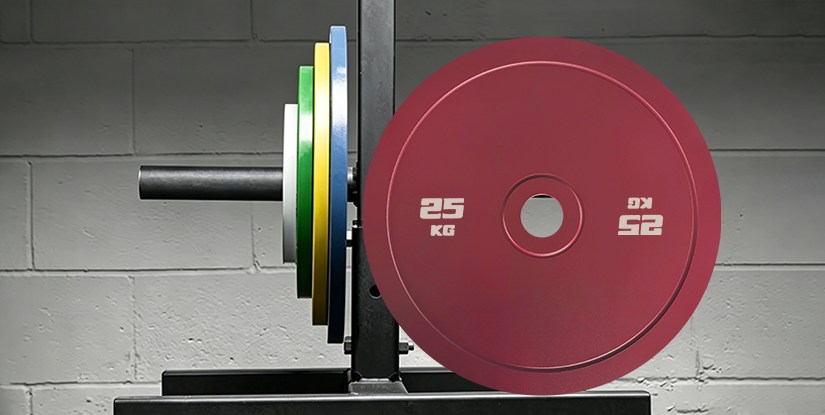
Technical precision in the production cycle directly affects the reliability of the final product during heavy-duty training. A professional barbell plate casting manufacturer must ensure that the transition from the sand casting phase to the final surface application is seamless. For global importers, the quality of the bond between the metal and the coating is a primary indicator of long-term durability and a key factor in reducing warranty claims and replacement costs.
When evaluating a cast iron barbell plate factory, procurement specialists should look for standardized weight calibration and surface uniformity. The integrity of the casting process determines the base weight accuracy, while the secondary coating process—whether it is powder coating or a more advanced encapsulation—determines how the unit survives environmental factors such as humidity and repeated mechanical impact. High-quality commercial weight plate manufacturing requires strict control over these two distinct stages to maintain consistent performance in professional settings.
To ensure a successful sourcing strategy, buyers are encouraged to request specific technical documentation regarding the production workflow. This includes details on the sand casting precision, the thickness of the coating layer, and the specific China factory QC protocols used for weight tolerance spot-checks. Contact our team to confirm your MOQ, request a technical spec sheet, or discuss OEM branding options for your next bulk order.
Optimizing Procurement via OEM Barbell Plate Supplier Partnerships
Securing a reliable barbell plate casting manufacturer is a critical strategic move for distributors and gym equipment importers looking to stabilize their supply chain. When sourcing at scale, the objective shifts from simple unit procurement to optimizing the total landed cost through direct China factory engagement. By establishing a partnership with a professional OEM provider, buyers can mitigate the risks of inconsistent weight tolerances and subpar surface finishes that often plague lower-tier suppliers.
Direct sourcing from a specialized cast iron barbell plate factory allows for greater control over product specifications and branding. Whether you require specific color-coded markings for weight identification or custom embossed logos to strengthen your brand identity, a dedicated supplier can accommodate these requirements within established MOQ frameworks. This level of commercial weight plate manufacturing expertise ensures that your bulk orders arrive with the durability required for high-traffic commercial environments while maintaining healthy distributor margins.
Technical Comparison of Casting and Coating Specifications
Selecting the correct manufacturing route is essential for managing long-term maintenance costs and product longevity. A professional barbell plate casting manufacturer typically utilizes two primary methods to balance production efficiency with commercial durability. While sand casting is the industry standard for high-volume, cost-effective production, the subsequent coating process determines how the unit withstands oxidation and physical impact in a commercial setting.
For distributors, understanding the relationship between the casting method and the finish is vital for predicting the total cost of ownership (TCO). High-quality commercial weight plate manufacturing involves not just the initial mold, but also rigorous adherence to weight tolerance standards and coating adhesion tests. Choosing between a standard iron finish and a high-durability coating can significantly impact your replacement planning and client satisfaction levels.
| Material | Process | Key Component | Commercial Duty | MOQ Impact | Factory QC Point |
|---|---|---|---|---|---|
| Cast Iron | Sand Casting | Base Flatness | Standard Commercial | Lower | Bore Concentricity |
| Carbon Steel | Machining | Weight Tolerance | High-Performance | Moderate | Surface Smoothness |
| Iron Base | Powder Coating | Coating Adhesion | Premium Commercial | Higher | Color Consistency |
| Iron Base | Enamel/Paint | Logo/Marking | Standard Gym | Lower | Paint Thickness |
When evaluating an OEM barbell plate supplier, procurement teams should request detailed specifications regarding the powder coating line and the precision of the sand casting molds. A robust cast iron barbell plate factory will provide clear data on how they manage weight calibration and surface integrity to ensure every bulk shipment meets international commercial standards. We recommend requesting a sample evaluation or a formal spec sheet to confirm that the coating adhesion and thickness meet your specific regional market requirements before finalizing a large-scale order.
Rigorous Quality Control and Export Logistics
For large-scale importers, the risk of receiving damaged or non-compliant goods is a significant concern that can inflate the final landed cost. A professional barbell plate casting manufacturer addresses this by implementing a multi-stage pre-shipment QC protocol. This process begins at the foundry level with bore concentricity checks and moves through to the final surface inspection. By verifying the integrity of the coating adhesion and the flatness of the plate base before the product leaves the factory, a reliable OEM barbell plate supplier ensures that your inventory is ready for immediate commercial deployment without the need for costly returns or replacements.
Logistical efficiency is just as critical as manufacturing precision when managing global supply chains. To protect high-volume shipments, specialized export packaging is utilized to prevent oxidation and physical deformation during long-distance sea freight. Whether you are managing a single wholesale order or complex bulk orders for multiple distribution hubs, understanding the lead time and container loading optimization is essential for effective inventory planning. We suggest that distributors confirm the exact MOQ and production schedules early in the procurement cycle to ensure seamless stock replenishment and optimal warehouse turnover.
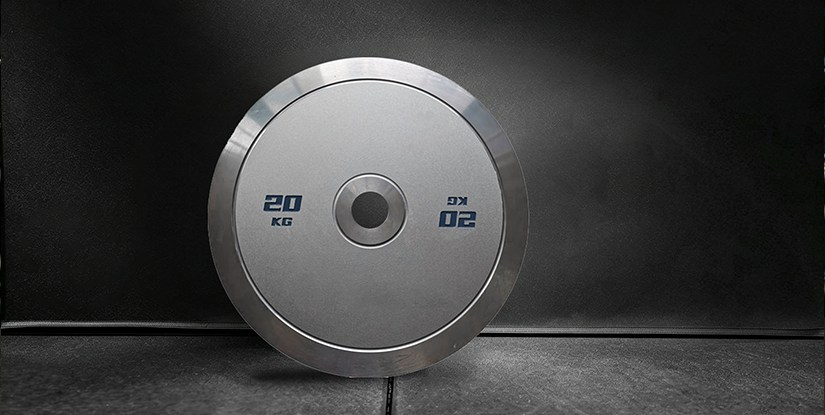
Factory QC Protocols and Export Packaging for International Shipments
For distributors and large-scale gym operators, the risk of receiving damaged or off-spec inventory can significantly inflate the total landed cost. A professional barbell plate casting manufacturer must implement rigorous quality control to ensure that every batch meets the strict weight tolerance and structural standards required for high-traffic environments. Relying on a China factory that prioritizes standardized pre-shipment inspection protocols minimizes the risk of costly returns and protects your profit margins during international sourcing.
Effective commercial weight plate manufacturing extends beyond the casting mold; it includes the final stages of logistics preparation. To maintain commercial-grade durability, products must undergo a final inspection of the coating adhesion and surface flatness. Furthermore, an OEM barbell plate supplier should provide specialized export packaging—such as reinforced pallets and moisture-resistant wrapping—to safeguard the shipment against the physical stresses of long-distance maritime transit, ensuring your wholesale order arrives in pristine condition.
To mitigate the risks associated with long-distance logistics, a professional cast iron barbell plate factory utilizes structured palletization and heavy-duty protection protocols. For bulk orders, we implement multi-layer protection strategies, including high-density foam corner guards and heavy-duty shrink wrapping, to prevent surface abrasion and oxidation during sea freight. This attention to detail ensures that the structural integrity of your wholesale inventory remains intact from the moment it leaves our facility until it reaches your warehouse.
Optimizing the container loading process is a critical step for any OEM barbell plate supplier looking to reduce the landed cost for international clients. By utilizing standardized pallet dimensions and reinforced wooden crates, we maximize space efficiency within every shipping container, allowing for higher volume density per shipment. This systematic approach to export packaging not only protects the physical product but also streamlines the unloading process for distributors, ensuring that your high-volume sourcing efforts result in a predictable and efficient supply chain.
Standardized Inspection and Logistics Comparison
Understanding the technical nuances between different product specifications is vital for accurate procurement planning. A professional barbell plate casting manufacturer provides detailed documentation to ensure that material selection and packaging align with your specific commercial requirements. Whether you are sourcing standard cast iron or premium coated units, the following comparison outlines the critical quality control points and logistics standards required for high-volume distribution.
| Material | Inspection Focus | Packaging Standard | Shipping Mode | Commercial Use |
|---|---|---|---|---|
| Cast Iron | Weight calibration & surface flatness | Reinforced pallet & shrink wrap | Sea freight | Standard commercial gyms |
| Powder Coated | Coating adhesion & color consistency | Protective foam edges & heavy-duty box | Sea freight | Premium fitness studios |
| Rubber Coated | Bond line integrity & edge smoothness | Moisture-resistant wrap & reinforced crate | Sea freight | High-impact training facilities |
When managing a cast iron barbell plate factory account, we recommend verifying the weight calibration and coating adhesion protocols during the sample approval stage. For large-scale wholesale distributors, choosing the appropriate packaging—such as moisture-resistant wrapping for sea freight—is essential to prevent oxidation and maintain the visual quality of your OEM branded products. Before finalizing your next bulk order, please contact us to request a detailed specification sheet or to discuss specific MOQ requirements for your customized branding needs.
Sourcing Efficiency and Lead Time Management for Bulk Orders
Managing the supply chain for heavy weight equipment requires more than just selecting a high-quality barbell plate casting manufacturer; it requires a partner who understands the complexities of global logistics and production scheduling. For distributors and gym equipment importers, the primary risks involve unpredictable lead time delays and unexpected landed cost increases during transit. A professional China factory mitigates these risks by implementing structured production cycles that align with international shipping windows.
When placing bulk orders, transparency regarding MOQ and production capacity is essential to maintain inventory turnover. Whether you are sourcing standard cast iron barbell plate factory outputs or requiring specialized commercial weight plate manufacturing, understanding the timeline from the initial casting stage to the final export loading ensures your facility or retail stock remains consistent. Efficient sourcing strategies focus on optimizing container utilization and coordinating with freight forwarders to ensure that high-volume shipments arrive within the projected budget and timeframe.
Optimizing Procurement Through Sourcing Model Comparison
Professional buyers must distinguish between direct production capabilities and intermediary service models to protect their margins. A specialized OEM barbell plate supplier provides direct control over the casting and coating stages, whereas a trading entity may introduce variables in quality and cost. To assist in your procurement planning, the following table compares the two primary models used when sourcing high-volume commercial fitness inventory.
| Sourcing Model | Material & Process Control | Lead Time | MOQ | Logistics & QC |
|---|---|---|---|---|
| Direct factory | Full control over sand casting and powder coating application | Standardized production cycles | Higher, based on production runs | Direct pre-shipment inspection and container loading |
| Trading Company | Dependent on third-party manufacturing standards | Variable due to multi-step coordination | Often lower for mixed-SKU orders | Indirect oversight of factory QC and packaging |
For those prioritizing long-term distributor margins, engaging a barbell plate casting manufacturer directly allows for more precise weight calibration and customized branding. While trading models may offer more flexibility for small-scale variety, the direct wholesale route via a China factory remains the industry standard for minimizing total landed cost and ensuring consistent commercial-grade durability across large-scale shipments.
Pre-Shipment QC and Export Packaging Standards
The final stage of the procurement cycle is often the most critical for protecting your investment. Even with a high-standard barbell plate casting manufacturer, the physical rigors of international sea freight can compromise product integrity if the export packaging is insufficient. To prevent surface abrasions, coating chipping, or dimensional shifts, professional commercial weight plate manufacturing protocols must include heavy-duty, reinforced palletizing and secure container loading procedures.
A rigorous QC process at the factory level must verify three specific areas before any container is sealed: weight tolerance consistency, coating adhesion strength, and the structural integrity of the packaging. For a cast iron barbell plate factory, this means performing spot-checks on the concentricity of the center bore and ensuring the finish can withstand the friction of long-distance transit. By prioritizing these technical details, distributors can minimize the risk of damaged goods, thereby protecting their wholesale margins and ensuring that the landed product meets the exacting standards of premium commercial facilities.