Cast Iron Plate Supplier: Coating and Material Selection
Cast Iron Plate Supplier Selection and Procurement Standards
Selecting a cast iron plate supplier requires a shift from consumer-level purchasing to professional procurement logic. Many importers mistakenly prioritize the lowest unit price, resulting in high TCO due to premature oxidation or weight inaccuracies. A professional cast iron plate supplier focuses on long-term durability and strict weight calibration, ensuring that high-volume wholesale orders meet the rigorous demands of a commercial use scenario. By sourcing directly from a China factory, distributors can secure consistent material density and superior iron plate coating types that withstand heavy daily throughput.
In a high-traffic commercial use scenario, the quality of the casting directly impacts your facility's maintenance overhead. Standard retail-grade plates often suffer from uneven surfaces or brittle edges, which increases the risk of damage to expensive gym flooring. When managing wholesale procurement for large-scale gym deployments, choosing a supplier that offers specialized iron plate coating types—such as high-durability powder coating or advanced phosphate treatments—is essential for protecting your capital investment and maximizing ROI.
Technical Comparison of Casting and Coating Specifications
To ensure long-term durability and consistent weight accuracy, procurement managers must understand the relationship between the casting method and the final surface treatment. For high-volume orders, the choice between standard sand casting and precision machining determines the final weight tolerance and the longevity of the unit in a high-impact environment. A professional commercial weight plate manufacturer provides detailed specifications to ensure the product meets the specific requirements of your brand identity or facility standards.
The following table compares the most common production methods and finishes encountered when sourcing from a China factory. This comparison is designed to assist distributors in calculating the total cost of ownership and selecting the appropriate tier for their target market.
| Material/Process | Finishing Type | Key Commercial Benefit | Weight Tolerance Control | MOQ Impact | Factory QC Point |
|---|---|---|---|---|---|
| Sand Casting | Bare Iron / Phosphate | Lowest landed cost for budget sets | Standard casting mold control | Lower threshold for wholesale | Surface texture and edge smoothness |
| Sand Casting | powder coating | High durability for high-traffic use | Post-casting precision check | Moderate MOQ requirement | Coating adhesion and thickness |
| Machined Casting | Enamel or Paint | Improved concentricity and look | CNC machining calibration | Higher MOQ for custom colors | Bore fit and surface uniformity |
| Precision Cast | PU or Rubber Coating | Maximum floor protection oise reduction | Advanced weight calibration | High OEM/ODM customization | Encapsulation layer integrity |
When negotiating wholesale cast iron plates, we recommend requesting a sample to evaluate the coating adhesion and the concentricity of the center bore. For large-scale deployments, specifying a clear OEM or ODM protocol for weight spot-checks and pre-shipment inspection is the most effective way to minimize replacement costs and ensure your facility maintains a premium standard of quality.
Optimizing Logistics and Export Standards for Bulk Orders
Managing the logistics of heavy iron shipments requires precision to protect your profit margins. When sourcing wholesale cast iron plates, the total landed cost is heavily influenced by container loading efficiency and the robustness of the export packaging. A professional cast iron plate supplier understands that weight is a factor in both freight costs and the structural integrity of the shipping container. Therefore, high-standard manufacturers utilize reinforced carton boxes and palletized arrangements to prevent damage during sea transit, ensuring that the weight calibration and coating remain intact upon arrival at your warehouse.
To mitigate risks during international procurement, we advise distributors to implement a strict pre-shipment inspection protocol. This should include a detailed check of the center bore fit, the uniformity of the iron plate coating types, and a weight spot-check across the entire batch. By establishing clear lead time expectations and verifying the factory's capacity for high-volume production, you can ensure a stable supply chain. Whether you are pursuing a standard wholesale order or a specialized OEM project, coordinating closely with your China factory on container loading plans will optimize your logistics efficiency and reduce the risk of transit-related losses.
Material Composition and Surface Coating Options
Selecting a reliable cast iron plate supplier requires a deep understanding of how base material and surface treatments impact total cost of ownership. For high-volume distributors and gym developers, the choice between raw finishes and advanced coatings determines the long-term maintenance load and replacement frequency of the equipment. Sourcing directly from a China factory allows for greater control over these specifications, ensuring that the wholesale cast iron plates meet the rigorous demands of high-traffic commercial environments.
The foundation of most commercial-grade plates is gray iron, typically produced through traditional sand casting. This process is industry-standard for producing high-density, durable plates that maintain structural integrity under heavy use. When managing large-scale procurement, understanding the relationship between the casting method and the final coating is essential for calculating landed costs and ensuring long-term ROI.
Material and Coating Specifications for Commercial Use
The durability of a plate is not just determined by the iron itself, but by the adhesion of the surface layer. A high-quality commercial weight plate manufacturer will offer various iron plate coating types to suit different facility budgets and aesthetic requirements. For example, while bare iron is cost-effective, it is susceptible to oxidation if the environment is not climate-controlled. In contrast, powder coating or specialized paint provides a robust barrier against moisture and physical abrasion.
| Material | Coating Type | Process | Commercial Duty | MOQ Impact | Factory QC Point |
|---|---|---|---|---|---|
| Gray Iron | Bare Iron | Sand Casting | Standard Commercial | Lower MOQ requirements | Surface smoothness |
| Gray Iron | Powder Coating | Sand Casting + Coating Line | High-Traffic Gyms | Higher MOQ for custom colors | Coating adhesion |
| Gray Iron | Enamel / Paint | Sand Casting + Spraying | Studio / Boutique Gyms | Standard MOQ | Uniformity of finish |
| Cast Iron | PU / Rubberized | Molding or Dip Coating | Premium Commercial | Higher MOQ for specialized runs | Layer thickness consistency |
When evaluating different iron plate coating types, procurement professionals must weigh the immediate purchase price against the long-term maintenance load. A premium cast iron plate supplier will provide detailed technical data on how these coatings interact with the base metal to prevent oxidation and surface degradation. For instance, while powder coating offers excellent resistance to chipping in high-traffic environments, specialized PU coating provides a more sophisticated aesthetic and enhanced floor protection for boutique studios, though it typically involves a higher MOQ and different lead time considerations.
The decision between a standard paint finish and a more advanced rubberized or PU coating often depends on the target market segment. For high-density training facilities, a robust powder coating is often the most efficient choice for maximizing ROI. However, for premium wellness centers, the added layer of protection and texture can justify the higher landed cost. To ensure consistency across bulk orders, we recommend a thorough review of the factory's surface treatment capabilities and pre-shipment inspection protocols regarding coating adhesion and thickness uniformity.
Manufacturing Processes and Weight Calibration Precision
Achieving technical consistency in bulk orders requires a rigorous approach to the foundry stage. For professional distributors, a reliable cast iron plate supplier must demonstrate mastery over both the sand casting process and the subsequent machining phases. Unlike lower-tier production, high-grade commercial plates rely on precise sand casting to ensure structural integrity and minimize internal voids, which is essential for long-term durability in high-traffic environments.
When sourcing wholesale cast iron plates, the primary technical risk involves weight variance and concentricity. A professional commercial weight plate manufacturer utilizes systematic weight calibration to ensure that every unit within a batch meets strict industry-standard tolerances. This level of precision prevents imbalances during heavy lifting, reducing the maintenance load for gym operators and ensuring a consistent user experience across your entire inventory.
To assist in your procurement planning, the following table outlines how different manufacturing methods and iron plate coating types impact the long-term commercial value and durability of your order.
| Material & Process | Coating Type | Commercial Duty | Durability Profile | Procurement Focus |
|---|---|---|---|---|
| Sand Casting | Bare Iron | Standard Gyms | Moderate | Lowest landed cost |
| Sand Casting | Powder Coating | High-Traffic Studios | High | Surface protection |
| Precision Machining | PU / Rubber Coating | Premium Fitness Centers | Very High | Floor protection & TCO |
| Centrifugal Casting | Enamel / Paint | Boutique Studios | High | Aesthetic consistency |
Maintaining high standards through a China factory QC protocol is non-negotiable for international importers. During pre-shipment inspections, technical teams should verify the base flatness of the plate and the precision of the center bore. For large-scale wholesale shipments, checking the adhesion of the coating layer and performing spot-checks on weight accuracy ensures that your bulk order arrives ready for immediate commercial deployment without unexpected replacement costs.
Selecting the right specification involves balancing initial capital expenditure against total cost of ownership (TCO). For instance, a powder coating finish provides a robust barrier against oxidation and physical abrasion, making it a standard choice for high-volume distributors. Conversely, a rubber coating offers superior floor protection and noise reduction, which is a critical value proposition for boutique studios or premium fitness centers where acoustic management is a priority.
When negotiating with a supplier, it is essential to clarify how these finishes affect your MOQ and lead time. Specialty coatings like polyurethane or high-density rubber molding typically require additional production cycles compared to standard paint or bare iron. A well-managed sourcing strategy accounts for these variables to ensure that your landed cost remains competitive while meeting the durability requirements of your specific market.
To mitigate procurement risks, we recommend requesting a detailed specification sheet and a sample approval process before finalizing any bulk order. Confirming the specific China factory protocols for weight calibration and coating adhesion will help ensure your inventory meets the rigorous demands of professional commercial environments.
China Factory Production and OEM/ODM Capabilities
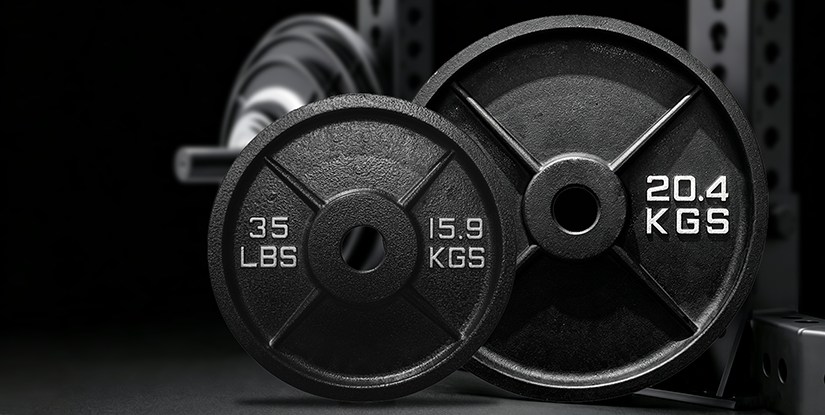
For international distributors and gym equipment importers, selecting a reliable cast iron plate supplier requires understanding the technical transition from raw materials to finished commercial assets. A professional China factory typically utilizes specialized sand casting techniques to ensure the structural density required for high-volume commercial environments. This production workflow is essential for maintaining the weight tolerances and durability expected by professional strength facilities.
Beyond standard stock, high-tier manufacturers offer extensive OEM and ODM services to help partners build brand equity. This allows a commercial weight plate manufacturer to move from basic production to providing customized solutions, such as specific branding on the plate face or specialized coating requirements. By leveraging these capabilities, buyers can secure a competitive advantage through unique product identities while maintaining a stable wholesale supply chain.
The complexity of the production workflow—from the initial sand casting stage to the final weight calibration and surface treatment—is what separates professional-grade equipment from low-quality alternatives. For large-scale procurement, working directly with a supplier that manages these specialized processes in-house ensures better control over the landed cost and product consistency across bulk orders.
Ensuring long-term commercial durability requires a rigorous focus on technical precision at every stage of the manufacturing cycle. A professional cast iron plate supplier must manage several critical variables to ensure that every unit meets the strict weight and finish standards required for global export. This involves a highly controlled sequence of casting, machining, and multi-stage surface treatment to minimize the risk of defects such as uneven weight distribution or coating failure.
Standardized Manufacturing and Quality Control Protocols
Reliable production begins with the precision of the casting mold, followed by a detailed surface finishing process that determines the final product's longevity. For example, a high-quality iron plate coating types selection—such as powder coating or specialized enamel—must undergo adhesion testing to ensure the finish does not chip during heavy commercial use. Furthermore, a reputable commercial weight plate manufacturer will implement a strict pre-shipment QC protocol. This includes a weight tolerance spot-check to ensure every plate in a bulk order falls within acceptable industry-standard deviations, preventing costly discrepancies in weight-based inventory.
To protect the integrity of the shipment during long-distance ocean freight, specialized export packaging is a non-negotiable requirement. This typically involves heavy-duty reinforced cartons or custom palletized configurations designed to withstand the mechanical stresses of container loading and sea transit. For distributors managing large-scale deployments, understanding these logistics—including the standard lead time for high-volume orders and the specific export packaging standards—is vital for calculating the true landed cost and ensuring a predictable supply chain. When sourcing wholesale cast iron plates, buyers should always request a detailed specification sheet and confirm the factory's specific QC steps for weight calibration and coating durability before finalizing an order.
Effective procurement planning for high-volume distribution requires a clear understanding of how manufacturing specifications directly influence your total cost of ownership and product positioning. The following comparison outlines the technical differences between standard production paths to assist in your sourcing decisions.
Technical Specification and Sourcing Comparison
| Material Type | Iron Plate Coating Types | Primary Process | Commercial Duty | MOQ Impact | Factory QC Point |
|---|---|---|---|---|---|
| Gray Cast Iron | Bare Iron (Phosphate) | Sand Casting | Standard Commercial | Lower | Weight Tolerance |
| Gray Cast Iron | Powder Coating | Sand Casting + Powder Line | High-Traffic Gyms | Moderate | Coating Adhesion |
| Ductile Iron | Enamel or Paint | Precision Casting | Premium Studio | Higher | Surface Smoothness |
| Cast Iron | Polyurethane (PU) | Casting + Dip Coating | Luxury/Boutique | Highest | Edge Uniformity |
Selecting the correct iron plate coating types is a strategic decision that affects both the aesthetic appeal and the long-term maintenance load of your inventory. For instance, while bare iron options offer a lower initial landed cost, they require more frequent maintenance in humid environments. Conversely, a wholesale order of powder-coated units provides a more durable finish that enhances the professional look of a commercial facility, justifying a higher price point for the end-user.
When evaluating a potential cast iron plate supplier, it is essential to verify how these manufacturing variations impact your MOQ and lead times. Custom branding or specialized coating applications will naturally extend the production cycle and may require higher minimum volumes. We recommend that procurement leads request a sample approval and a detailed factory audit report to confirm that the chosen process meets the required durability standards before committing to large-scale bulk orders.
Export Quality Control and Pre-Shipment Inspection Protocols
For international distributors and gym equipment importers, the risk of receiving inconsistent batches is a significant threat to long-term profitability and brand reputation. Relying on a generic cast iron plate supplier without verified inspection protocols can lead to high return rates and increased maintenance costs. To protect your margins and ensure commercial durability, it is essential to partner with a factory that implements standardized, multi-stage verification processes before any container is sealed.
A professional China factory must move beyond basic visual checks to ensure every unit meets rigorous commercial standards. High-volume wholesale cast iron plates require strict oversight regarding weight precision and structural integrity to prevent disputes during the import process. Effective sourcing strategies prioritize manufacturers who provide transparent documentation regarding their pre-shipment inspection workflows.
Standardized Inspection Points for Commercial Grade Plates
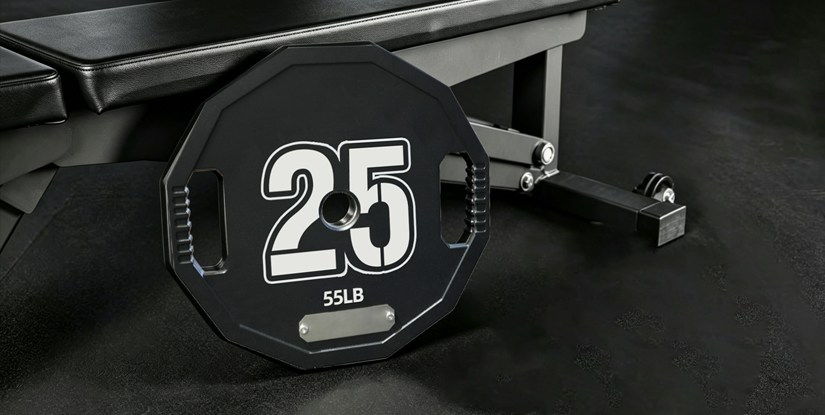
Reliable iron plate coating types and structural consistency are verified through specific technical checkpoints. During the pre-shipment inspection, technicians focus on the following critical areas to ensure the product survives the high-traffic demands of a commercial fitness environment:
- Weight Tolerance Verification: Random spot-checks are conducted to ensure the actual mass aligns with the declared specification, maintaining the precision required for professional training sets.
- Surface Finish and Coating Adhesion: Testing the durability of the iron plate coating types to ensure the finish does not chip or peel under heavy use or impact.
- Bore and Concentricity Check: Inspecting the center hole for smoothness and ensuring the plate remains balanced during rotation to prevent uneven wear on barbell sleeves.
- Dimensional Accuracy: Verifying the thickness and diameter of each unit to ensure seamless integration with standard commercial barbells.
By prioritizing these technical requirements, a cast iron plate supplier reduces the likelihood of receiving substandard goods that could damage your commercial durability ratings or increase your total landed cost through replacement claims. We recommend requesting a detailed inspection report or arranging a third-party audit to confirm these standards are met before final wholesale dispatch.
Logistics and Export Packaging Standards
The final stage of the export quality control process determines the landed cost efficiency and the condition of your inventory upon arrival. Even the highest quality wholesale cast iron plates can suffer damage if the packaging fails to withstand the rigors of ocean freight and container stacking. A professional commercial weight plate manufacturer understands that robust protection is not an optional extra, but a requirement for maintaining distributor margins.
Standard operating procedures for high-volume orders should include reinforced corrugated boxes and heavy-duty pallets to prevent crushing and impact damage. For large-scale wholesale shipments, ensuring that the internal loading configuration maximizes container volume while maintaining structural stability is critical for reducing shipping costs per unit. We suggest confirming the specific packaging standards and container loading plans with your supplier during the initial sourcing phase to ensure your warehouse receives products in pristine, retail-ready condition.
Technical Comparison of Inspection Parameters and Material Selection
Evaluating a commercial weight plate manufacturer requires more than just comparing price points; it requires a technical understanding of how material and process choices impact your long-term TCO. To assist in your sourcing decisions, the following table outlines the critical differences between standard production and high-tier commercial specifications. This comparison helps procurement leads identify where to allocate budget based on the specific commercial duty and the expected impact on MOQ and logistics.
| Material & Process | Key Component/Focus | Commercial Duty | Factory QC Point | Sourcing Impact |
|---|---|---|---|---|
| Sand Casting (Bare Iron) | Surface Texture & Mass | Budget/Standard Gyms | Weight Spot-check | Lower MOQ/Cost |
| Powder Coated Cast Iron | Coating Adhesion | High-Traffic Studios | Impact Resistance | Mid-range TCO |
| Precision Machined Steel | Bore Concentricity | Professional/Competition | Dimensional Tolerance | Higher wholesale Price |
| PU/Rubber Encapsulation | Edge & Floor Protection | Premium Commercial Centers | Bonding Integrity | Increased Volume/Weight |
When selecting your next cast iron plate supplier, use these parameters to mitigate the risk of receiving inconsistent batches. A high-performing factory will provide transparency regarding their iron plate coating types and the specific machining processes used to ensure the center bore meets international standards. We recommend requesting a sample approval or a formal factory audit to verify that the material integrity and the final coating durability align with your brand's quality expectations before finalizing any bulk order.
Optimizing Landed Cost and Logistics for Bulk Orders
For international distributors and gym developers, the true cost of a shipment is determined by much more than the unit price. When sourcing from a cast iron plate supplier, professional buyers must account for the total landed cost, which includes freight, duties, and the long-term maintenance load caused by material degradation. Selecting a commercial weight plate manufacturer that prioritizes high-grade iron plate coating types ensures that your inventory remains aesthetically professional and structurally sound, reducing the frequency of replacement cycles and protecting your profit margins.
Optimizing your procurement strategy requires a deep understanding of how different finishes impact shipping density and durability. For instance, while bare iron may offer a lower initial price, the lack of a protective layer can lead to oxidation during sea transit, increasing the risk of damaged goods upon arrival. Working with a China factory that offers specialized wholesale solutions—such as high-adhesion powder coating or heavy-duty paint—minimizes these risks. By standardizing your sourcing through an OEM or ODM partnership, you can also optimize export packaging to maximize container utilization, effectively lowering the shipping cost per unit.
Material and Coating Selection for TCO Optimization
| Material | Coating Type | Process | Commercial Duty | MOQ Impact | Factory QC Point |
|---|---|---|---|---|---|
| Cast Iron | Phosphate / Bare | Sand Casting | Budget/High-Volume | Low | Weight Tolerance |
| Cast Iron | Powder Coating | Sand Casting + Spray | Standard Commercial | Medium | Coating Adhesion |
| Cast Iron | PU / Rubber Coated | Molding / Dip | Premium/High-End | High | Encapsulation Layer |
When evaluating your next batch, consider how the wholesale volume affects your MOQ requirements and lead time. A supplier capable of providing customized export packaging—such as reinforced corner protection and heavy-duty cartons—is essential for maintaining the integrity of your shipment. We recommend requesting a detailed spec sheet to confirm the specific iron plate coating types used, ensuring they meet your regional environmental standards and durability requirements before finalizing your bulk order.
Effective procurement for high-volume projects depends on selecting the right finish to balance upfront capital expenditure with long-term operational costs. A professional cast iron plate supplier must provide clarity on how different finishes affect both the unit price and the total cost of ownership (TCO). For example, while a basic phosphate treatment is cost-effective for high-turnover budget gyms, premium powder-coated or PU-coated options provide much higher resistance to oxidation and physical impact, which is critical for high-traffic commercial facilities.
When ordering wholesale cast iron plates, the choice of surface treatment directly influences your logistics efficiency and long-term maintenance schedule. High-quality coatings prevent the common issue of rust during long-duration sea freight, ensuring that the product arrives in pristine condition. For distributors looking to build a high-end brand identity, investing in a commercial weight plate manufacturer that offers advanced surface finishing—such as high-adhesion powder coating—can significantly reduce the frequency of client-side maintenance and replacement requests, thereby protecting your reputation and long-term profit margins.
To ensure your procurement aligns with your business model, we recommend the following next steps: request a detailed technical specification sheet for all available iron plate coating types, confirm the specific MOQ for custom branding or color requests, and request a sample approval to verify coating adhesion and weight tolerance before full-scale production begins.
Effective procurement for high-volume projects depends on selecting the right finish to balance upfront capital expenditure with long-term operational costs. A professional cast iron plate supplier must provide clarity on how different finishes affect both the unit price and the total cost of ownership (TCO). For example, while a basic phosphate treatment is cost-effective for high-turnover budget gyms, premium powder-coated or PU-coated options provide much higher resistance to oxidation and physical impact, which is critical for high-traffic commercial facilities.
When ordering wholesale cast iron plates, the choice of surface treatment directly influences your logistics efficiency and long-term maintenance schedule. High-quality coatings prevent the common issue of rust during long-duration sea freight, ensuring that the product arrives in pristine condition. For distributors looking to build a high-end brand identity, investing in a commercial weight plate manufacturer that offers advanced surface finishing—such as high-adhesion powder coating—can significantly reduce the frequency of client-side maintenance and replacement requests, thereby protecting your reputation and long-term profit margins.
To ensure your procurement aligns with your business model, we recommend the following next steps: request a detailed technical specification sheet for all available iron plate coating types, confirm the specific MOQ for custom branding or color requests, and request a sample approval to verify coating adhesion and weight tolerance before full-scale production begins.