Cast Iron Plate Wholesale Supplier: Commercial Material
Cast Iron Plate Wholesale Supplier: Material and Sourcing Standards
For large-scale distributors managing high-volume inventory or boutique studio owners looking to furnish multiple locations, selecting a reliable cast iron plate wholesale supplier is a critical decision for long-term profitability. Unlike retail-focused purchases, commercial procurement requires a focus on material consistency and structural integrity to minimize replacement costs and maintenance downtime. High-quality commercial cast iron plates must withstand the high-frequency impact and heavy loading typical of professional training environments without developing cracks or structural deformities.
Achieving professional-grade precision begins at the foundry level. Most premium wholesale weight plates are produced using high-density sand casting techniques, which ensure the iron reaches a consistent density across the entire plate surface. This process is essential for maintaining a stable center of gravity and preventing uneven wear. When sourcing from a China factory, buyers must prioritize suppliers that implement rigorous weight calibration and concentricity checks to ensure each unit meets strict industrial tolerances before being cleared for export.
Material Specifications and Casting Precision
The durability of your inventory depends on the quality of the raw gray iron and the precision of the molding process. A professional cast iron plate manufacturer will focus on minimizing air pockets and impurities that can compromise the durability of the unit under heavy use. For distributors, the goal is to secure a product that maintains its shape and weight accuracy over years of commercial rotation, reducing the total cost of ownership for the end-user.
| Material | Process | Key Component | Commercial Duty | MOQ Impact | Factory QC Point |
|---|---|---|---|---|---|
| Gray Cast Iron | Sand Casting | Center Bore Concentricity | High-Intensity Gyms | Standard Tier | Surface Smoothness |
| Carbon Steel | Machined Casting | Edge Precision | Boutique Studios | Medium Tier | Weight Tolerance |
| Coated Iron | Powder Coating | Adhesion Layer | Commercial Facilities | High Tier | Coating Thickness |
Surface Finishing and Coating Durability
Beyond the core casting, the final surface treatment determines the longevity of the product in high-traffic environments. A professional cast iron plate wholesale supplier understands that surface failure—such as chipping or peeling—leads to increased maintenance costs and diminished brand perception for the distributor. For high-end commercial facilities, a premium powder coating is the industry standard. This process involves applying a finely ground thermoplastic or thermoset polymer powder to the iron, which is then cured under heat to create a hard, resilient shell. This layer provides essential protection against oxidation and moisture, ensuring the product remains aesthetically consistent throughout its lifecycle.
When evaluating your next batch, consider the specific requirements of your target market. While bare iron with a phosphate treatment is a cost-effective option for certain budget-conscious sectors, a high-quality surface finishing process like electro-static powder coating offers much higher resistance to impact and environmental wear. This distinction is vital for distributors managing long-term commercial duty contracts, where product reliability directly impacts client retention and replacement planning. We recommend requesting a sample to verify the coating adhesion and thickness before finalizing any large-scale sourcing agreement.
For buyers looking to scale their product lines, we offer comprehensive OEM and ODM services. Whether you require custom branding on the plate face or specific color-coded coatings to differentiate weight classes, our factory can accommodate diverse specifications. We also provide guidance on optimizing your MOQ to balance inventory turnover with shipping efficiency. To ensure complete transparency, we invite you to request a technical spec sheet or book a virtual factory audit to review our pre-shipment inspection protocols and weight calibration standards.
Evaluating Material Quality and Casting Precision
For professional distributors and gym equipment importers, the structural integrity of weight sets is non-negotiable. Selecting a reliable cast iron plate wholesale supplier ensures that every unit meets the rigorous demands of high-traffic commercial environments. Unlike retail-grade products, professional commercial cast iron plates must maintain consistent density and structural balance to prevent long-term maintenance issues and ensure user safety during heavy loading cycles.
The manufacturing process begins with high-grade gray iron, typically processed through industrial sand casting. This method is preferred by leading China factory facilities because it produces a robust, durable plate capable of withment withstand extreme physical impact. Precision in the casting stage is critical; any air pockets or structural inconsistencies can lead to cracking or uneven weight distribution, which increases the total cost of ownership (TCO) for the end-user through premature replacement needs.
To mitigate procurement risks, a professional cast iron plate manufacturer must implement a strict weight tolerance protocol. For bulk wholesale weight plates orders, even minor deviations in mass can compromise the calibration of a full barbell set. This is why sophisticated sourcing strategies prioritize China factory QC standards that include concentricity checks and weight calibration to ensure that every plate in a shipment aligns with the promised specifications. High-quality wholesale production ensures that the center of gravity remains stable, protecting both the equipment and the facility's reputation.
Technical Comparison of Casting and Finishing Standards
Understanding the nuance between different surface treatments and casting methods is essential for optimizing your landed cost and product longevity. For many distributors, the choice between a basic finish and a high-durability coating determines the long-term replacement cycle of the inventory. A professional cast iron plate wholesale supplier will provide clear documentation on the specific application of powder coating or phosphate treatments used to prevent oxidation and surface degradation in humid commercial gym environments.
| Material | Coating Type | Process | Commercial Duty | MOQ Impact | Factory QC Point |
|---|---|---|---|---|---|
| Gray Iron | Phosphate Treatment | Sand Casting | Standard Commercial | Lower | Surface Smoothness |
| Gray Iron | Powder Coating | Sand Casting + Spray | Premium Commercial | Medium | Coating Adhesion |
| Carbon Steel | Machined Precision | CNC Machining | High-Performance/Competition | Higher | Weight Calibration |
When managing a large-scale sourcing project, buyers should evaluate the thickness and adhesion of the finish. A high-quality factory will utilize automated lines to ensure that the coating layer is uniform across all weight plates, reducing the risk of chipping during heavy use. For clients requiring specialized branding, an OEM or ODM partnership allows for custom relief patterns or specialized color profiles that enhance your brand identity while maintaining structural integrity. Always confirm the specific MOQ requirements for custom finishes to ensure your procurement timeline remains efficient.
Pre-Shipment Inspection and Export Packaging Protocols
The final stage of the procurement cycle is where many importers face unexpected landed cost spikes due to transit damage or specification mismatches. To protect your margins, a professional supplier must demonstrate rigorous control over the final inspection and loading phases. A critical inspection point for wholesale weight plates is the verification of base flatness and the integrity of the bore. If the center hole is not perfectly concentric or the plate surface is warped, it can cause uneven loading on barbell sleeves, leading to client dissatisfaction and potential returns.
Furthermore, high-volume distributors must verify coating adhesion through standardized testing. In high-traffic commercial settings, the finish must withstand constant friction without chipping or peeling. A reliable China factory will provide evidence of batch-level quality control, ensuring that the powder coating or paint application is consistent across the entire shipment. This level of detail is essential for maintaining the professional aesthetic of your brand's equipment line.
Finally, the durability of your shipment depends heavily on the quality of the export packaging. For heavy-duty commercial cast iron plates, standard cardboard is insufficient. We recommend specifying reinforced pallets and heavy-duty industrial wrapping to prevent shifting during sea freight. Efficient export packaging not only protects the product but also optimizes container loading density, directly reducing your per-unit shipping costs. Before finalizing any bulk order, we suggest requesting a detailed packaging specification or a sample of the crate structure to ensure your inventory arrives in a condition that meets your market's premium standards.
Comparing Commercial Cast Iron Plates and Machined Steel Options
When calculating the long-term ROI for a fitness facility, procurement specialists must look beyond the initial unit price to the total cost of ownership. Selecting a cast iron plate wholesale supplier involves evaluating how material durability impacts future replacement cycles and maintenance labor. While machined steel offers high precision, commercial cast iron plates are often the preferred choice for high-volume commercial environments due to their inherent density and cost-efficiency in bulk sourcing.
A common procurement pitfall is focusing solely on the landed cost per unit without accounting for the durability of the surface finish or the frequency of replacement. For many distributors, the decision between cast iron and machined steel depends on the specific commercial duty and the desired wholesale margin. A China factory capable of producing high-density gray iron ensures that the plates maintain structural integrity under heavy daily use, effectively lowering the long-term TCO.
| Material Type | Primary Process | Commercial Duty | Maintenance Requirement | TCO Impact |
|---|---|---|---|---|
| Cast Iron | Sand Casting | High-volume commercial gyms | Low (Standard coating) | Excellent (High ROI) |
| Machined Steel | CNC Machining | Precision training/Competition | Moderate (Tolerance sensitive) | Higher (Initial Capex) |
| Coated Steel | Rolling & Coating | Boutique studios/Home use | High (Coating wear) | Variable (Replacement risk) |
For professional buyers, the choice of wholesale weight plates directly dictates the operational efficiency of the facility. By partnering with a reliable cast iron plate manufacturer, importers can secure products that balance weight calibration with rugged durability, ensuring that the commercial cast iron plates delivered meet the rigorous demands of professional strength training environments without excessive overhead.
Technical Specifications and Procurement Variables
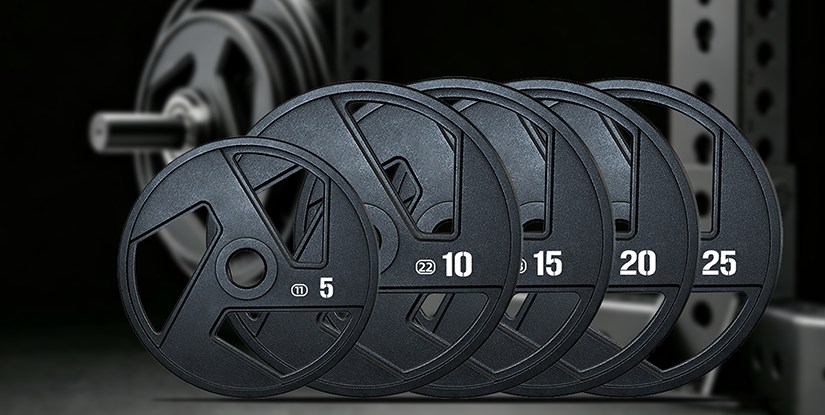
To optimize your procurement strategy, it is essential to understand how manufacturing processes influence the final landed cost and product longevity. A professional cast iron plate wholesale supplier must provide clarity on how weight calibration and surface finishing affect the overall value of a bulk order. For instance, the transition from sand casting to specialized finishing determines whether a product is suitable for a high-traffic commercial gym or a more specialized boutique setting.
When evaluating your next batch, consider the following technical comparison to determine which specifications align with your distributor margins and client requirements. High-precision options may offer tighter tolerances, but standard commercial-grade casting remains the industry benchmark for durability and cost-effective sourcing.
| Material | Process | Commercial Duty | Weight Tolerance | Powder Coating | CNC Machining | MOQ Impact |
|---|---|---|---|---|---|
| Cast Iron | Sand Casting | Standard Commercial Gyms | Standard Grade | High Durability | Minimal | Lower (Standard) |
| Machined Steel | CNC Machining | Professional/Competition | High Precision | Optional/Thin | Extensive | Higher (Specialized) |
| Steel | Rolling & Coating | Boutique/Studio Use | Moderate | Variable Adhesion | Standard | Moderate |
The technical complexity of the manufacturing process directly influences the MOQ and lead times for your shipment. While CNC machining increases precision, it also elevates the production cost and requires more stringent quality control. For large-scale distributors, selecting a cast iron plate manufacturer that specializes in high-density casting with consistent powder coating ensures a more predictable supply chain and a more reliable product for the end-user.
China Factory QC: Inspection Points for Bulk Weight Plate Orders
Maintaining consistent quality across large-scale shipments requires a rigorous inspection framework. For any professional buyer, a reliable cast iron plate wholesale supplier must demonstrate control over both material density and dimensional accuracy. When sourcing from a China factory, the risk of receiving inconsistent batches increases without strict pre-shipment protocols. Effective quality control ensures that every unit meets the commercial standards required for high-traffic gym environments.
Standardized testing protocols focus on the physical integrity of the commercial cast iron plates to prevent structural failures or uneven weight distribution. A professional cast iron plate manufacturer will implement a multi-stage verification process that covers everything from the initial sand casting stage to the final surface finishing. This scrutiny is vital for maintaining high weight tolerance and ensuring the casting precision necessary for professional barbell compatibility.
For distributors managing bulk orders, these QC checkpoints directly impact the total landed cost and long-term product reliability. Relying on a supplier that provides detailed inspection reports allows for better inventory planning and reduces the likelihood of costly returns or client dissatisfaction. Whether you are negotiating a specific MOQ or setting up a long-term OEM production run, verifying these technical standards is a non-negotiable step in the procurement process.
Technical Inspection Focus: Material, Casting, and Surface Integrity
A professional audit should move beyond visual aesthetics to verify the structural precision of the wholesale weight plates. High-traffic commercial facilities demand consistency that only a disciplined factory can provide. During a pre-shipment inspection, buyers should focus on three critical technical axes: the density of the metal, the precision of the casting, and the durability of the finish.
First, verify the sand casting quality by inspecting for porosity or air bubbles that can weaken the plate structure. A high-quality cast iron plate wholesale supplier will ensure the mold is stable to prevent structural defects. Second, check the base flatness and concentricity of the center bore; any deviation can lead to uneven barbell loading, a common issue in lower-tier production. Third, evaluate the powder coating adhesion. The coating must be uniform and resistant to chipping under heavy impact to ensure long-term durability in a commercial setting. For OEM or ODM clients, these technical benchmarks are essential to ensure the final product aligns with your brand's quality promise.
| Material | Process | Key QC Point | Commercial Impact | Sourcing Value |
|---|---|---|---|---|
| Gray Iron | Sand Casting | Porosity & Density | Structural durability in high-traffic zones | Optimized for high-volume wholesale |
| Carbon Steel | CNC Machining | Bore Concentricity | Smooth barbell rotation and load balance | Essential for premium tier-one distribution |
| Cast Iron | Powder Coating | Adhesion & Thickness | Reduced maintenance and chipping resistance | Protects brand identity during long-term use |
| Industrial Iron | Weight Calibration | Tolerance Deviation | Consistent barbell loading for professional use | Reduces returns and increases distributor trust |
When evaluating a cast iron plate wholesale supplier, procurement managers should request specific documentation regarding these inspection points. A high-tier China factory should be able to provide reports verifying that the casting precision and weight calibration meet your technical requirements. For wholesale weight plates, the goal is to minimize the total cost of ownership by ensuring the product survives rigorous commercial use without surface failure or dimensional drift.
If you are looking to establish a long-term partnership, we recommend requesting a sample evaluation or a formal factory audit to confirm these QC standards in person. Whether you require custom OEM branding or standard stock, understanding these manufacturing nuances will ensure your landed cost remains competitive while maintaining high product standards. Contact us today to confirm your MOQ or to request a detailed specification sheet for your next bulk order.
Optimizing Logistics: Export Packaging and Landed Cost Management
For professional importers and distributors, the total landed cost extends far beyond the initial unit price from a cast iron plate wholesale supplier. Because cast iron is a high-density, high-weight material, shipping efficiency directly dictates your final profit margins. A failure to optimize weight-to-volume ratios or utilizing substandard export packaging can result in unexpected surcharges, damaged goods, and increased breakage during long-haul maritime transit.
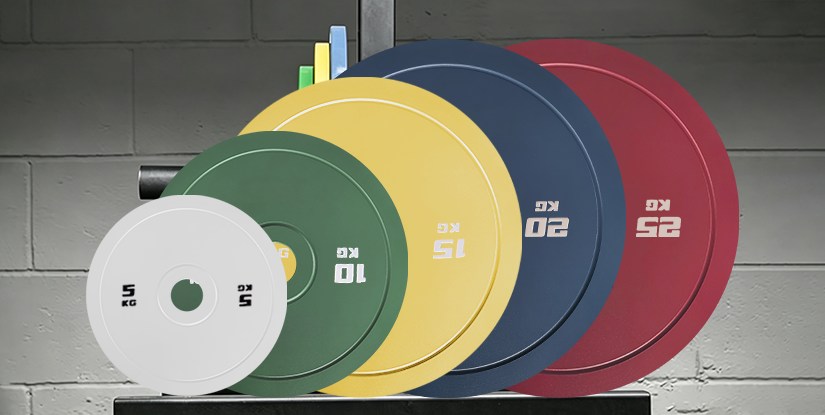
Managing the logistics of wholesale weight plates requires a strategic approach to container loading and weight optimization. A professional China factory must implement rigorous stacking protocols to ensure that heavy plates do not shift or crush lighter inventory within a 40HQ container. By maximizing the weight capacity of each container through precise palletization and specialized crate structures, a supplier helps buyers reduce the per-unit freight cost, effectively lowering the total procurement expenditure.
Strategic sourcing involves more than just selecting a cast iron plate manufacturer; it requires a partner who understands the nuances of commercial cast iron plates logistics. Whether you are optimizing for LCL or FCL shipments, the goal is to minimize the volumetric footprint while maintaining maximum protection. High-quality export packaging—such as reinforced steel collars or heavy-duty wooden crates—ensures that your wholesale order arrives at your warehouse in a condition that meets strict commercial standards, ready for immediate distribution or gym installation.
Packaging Methods and Container Loading Efficiency
To minimize the risk of transit damage and optimize your landed cost, procurement managers must evaluate the specific packaging tiers offered by their cast iron plate wholesale supplier. Standard packaging is often insufficient for high-volume maritime transport, where excessive vibration and shifting can lead to edge chipping or surface coating abrasion. For large-scale distributor orders, selecting reinforced packaging options is a critical step in long-term breakage prevention.
| Packaging Type | Structure & Protection | Primary Use Case | Logistics Advantage |
|---|---|---|---|
| Standard Export Carton | Single-wall corrugated cardboard with basic dividers | Low-volume LCL or sample shipments | Lower initial packaging cost |
| Reinforced B2B Crate | Double-wall heavy-duty cardboard or thin plywood lining | Standard wholesale bulk orders | Improved protection against impact |
| Industrial Palletization | Heavy-duty wooden or plastic pallets with shrink-wrap and edge protectors | Full FCL (Full Container Load) commercial cast iron plates | Maximum container loading efficiency and stability |
Optimizing sea freight optimization requires a focus on both weight and volume. Because wholesale weight plates are extremely dense, containers often reach their maximum weight capacity before they are physically full. A professional cast iron plate manufacturer will provide technical data regarding the stackability and weight-per-pallet of their products. This allows you to calculate the exact number of units per container, ensuring you are not paying for "dead space" while simultaneously meeting the weight limits of the shipping line. When negotiating your next cast iron plate wholesale supplier contract, request detailed pallet dimensions and weight specifications to ensure your logistics planning is as precise as your product quality control.
| Packaging Type | Structure & Protection | Primary Use Case | Logistics Advantage |
|---|---|---|---|
| Standard Export Carton | Single-wall corrugated cardboard with basic dividers | Low-volume LCL or sample shipments | Lower initial packaging cost |
| Reinforced B2B Crate | Double-wall heavy-duty cardboard or thin plywood lining | Standard wholesale bulk orders | Improved protection against impact |
| Industrial Palletization | Heavy-duty wooden or plastic pallets with shrink-wrap and edge protectors | Full FCL (Full Container Load) commercial cast iron plates | Maximum container loading efficiency and stability |
Optimizing shipping requires a focus on both weight and volume. Because wholesale weight plates are extremely dense, containers often reach their maximum weight capacity before they are physically full. A professional cast iron plate manufacturer will provide technical data regarding the stackability and weight-per-pallet of their products. This allows you to calculate the exact number of units per container, ensuring you are not paying for dead space while simultaneously meeting the weight limits of the shipping line. When negotiating your next cast iron plate wholesale supplier contract, request detailed pallet dimensions and weight specifications to ensure your logistics planning is as precise as your product quality control.
Strategic Sourcing: MOQ and OEM/ODM Capabilities
Navigating the logistics of a large-scale procurement project requires more than just finding a product; it requires a cast iron plate wholesale supplier that understands the relationship between production scale and supply chain reliability. For distributors and commercial gym developers, managing the MOQ is critical to balancing inventory costs against the necessity of diverse weight sets. A professional China factory provides the specialized infrastructure needed to transition from small-batch specialty orders to high-volume wholesale distribution, ensuring that your commercial cast iron plates arrive in consistent, high-quality batches.
The complexity of manufacturing wholesale weight plates lies in the synchronization of raw material sourcing and casting cycles. When a buyer requests OEM or ODM services, the lead time is heavily influenced by the complexity of the custom branding—such as embossed logos or specific powder coating colors—and the total volume of the bulk order. To maintain a competitive scale of economy, procurement leads should coordinate with their supplier well in advance of peak seasons to mitigate potential delays in shipping and container loading.
Optimizing Procurement via Production Scale
Understanding how production capacity affects your landed cost is essential for long-term profitability. A factory capable of handling large-scale wholesale requests will typically offer more favorable pricing tiers as the volume increases, driven by the efficiency of continuous casting runs. When sourcing commercial cast iron plates, buyers must evaluate whether a supplier can maintain strict quality control during rapid production cycles to ensure that weight tolerances and coating adhesion remain consistent across thousands of units.
| Sourcing Model | Typical MOQ | Lead Time Impact | Customization Potential | Primary Benefit |
|---|---|---|---|---|
| Standard Stock | Low | Short | Minimal | Rapid replenishment |
| OEM Customization | Medium to High | Extended | High (Logo/Color) | Brand identity building |
| ODM Full Development | High | Long | Maximum (Spec/Shape) | Market differentiation |
To ensure a seamless transition from order placement to warehouse arrival, we recommend requesting a detailed spec sheet and confirming the exact MOQ for any custom OEM requests. Successful importers often perform a factory audit or request a sample approval process to verify that the China factory output meets their specific commercial standards before committing to a full bulk order.
Strategic brand positioning for fitness distributors depends on the ability to offer unique, high-margin products. Utilizing a cast iron plate manufacturer that specializes in private label solutions allows you to move beyond generic commodities and build a recognizable brand identity in your local market. Whether you require subtle logo embossing for a premium look or a specific color-coded powder coating to differentiate your weight sets, professional OEM and ODM workflows ensure your technical specifications are met with precision.
When planning your next procurement cycle, it is vital to communicate your exact requirements for custom branding, such as the depth of the embossed logo or the specific finish of the metal, to your supplier. High-level customization, while increasing the value of your product line, may impact the lead time and the initial MOQ. We advise all commercial buyers to undergo a formal sample approval process and, where possible, coordinate a pre-shipment inspection to ensure that the weight tolerance and surface finish align perfectly with your brand's quality standards before the container is loaded.
Strategic brand positioning for fitness distributors depends on the ability to offer unique, high-margin products. Utilizing a cast iron plate manufacturer that specializes in private label solutions allows you to move beyond generic commodities and build a recognizable brand identity in your local market. Whether you require subtle logo embossing for a premium look or a specific color-coded powder coating to differentiate your weight sets, professional OEM and ODM workflows ensure your technical specifications are met with precision.
When planning your next procurement cycle, it is vital to communicate your exact requirements for custom branding, such as the depth of the embossed logo or the specific finish of the metal, to your supplier. High-level customization, while increasing the value of your product line, may impact the lead time and the initial MOQ. We advise all commercial buyers to undergo a formal sample approval process and, where possible, coordinate a pre-shipment inspection to ensure that the weight tolerance and surface finish align perfectly with your brand's quality standards before the container is loaded.