Cast Iron Plate Manufacturer: Material and Spec Comparison
Cast Iron Plate Manufacturer: Material Selection and Procurement Standards
When sourcing high-volume fitness inventory, professional buyers must evaluate three critical checkpoints: material durability, weight tolerance consistency, and long-term landed cost. A reliable cast iron plate manufacturer ensures that every unit meets strict commercial-grade specifications to prevent premature wear in high-traffic environments. For distributors and gym operators, selecting the right material profile is not just about the initial purchase price, but about minimizing replacement cycles and maintaining a consistent brand reputation through high-quality product delivery.
The engineering distinction between cast iron and rubber-encapsulated plates often determines the long-term ROI for a commercial facility. While rubber bumper plates offer impact absorption, high-density gray iron remains the industry standard for strength training due to its compact profile and space-saving efficiency. A professional commercial weight plate supplier will typically provide options ranging from bare iron to advanced powder coating to suit different facility maintenance levels and aesthetic requirements.
Effective wholesale gym plate manufacturing requires precise control over the sand casting process to ensure structural integrity. If the casting mold is inconsistent, it leads to irregular weight distribution and poor concentricity, which can damage premium barbell sleeves over time. This is why professional procurement leads prioritize a China factory that implements rigorous weight calibration and surface finishing protocols before any export shipment is finalized.
Technical Comparison of Plate Material and Manufacturing Standards
| Material Type | Primary Process | Surface Finish | Commercial Duty | MOQ Impact | Factory QC Point |
|---|---|---|---|---|---|
| Cast Iron | Sand Casting | Powder Coating | High-Intensity Strength Training | Standard | Weight Tolerance & Concentricity |
| Rubber Bumper | Compression Molding | Rubber/PU Coating | Olympic/High-Impact Lifting | Variable | Coating Adhesion & Core Density |
| Steel Plate | Stamping/Welding | Paint/Enamel | Standard Commercial Use | Lower | Edge Smoothness & Thickness |
Understanding these nuances is essential when managing wholesale orders. For instance, selecting a commercial weight plate supplier that offers specialized powder coating can significantly extend the lifespan of the equipment by preventing oxidation in humid gym environments. When negotiating sourcing contracts, always verify the specific manufacturing steps used for the center bore and the thickness of the protective layers to ensure the products meet your local market's quality expectations.
Procurement Decision-Making: Material, Process, and Utility
Selecting the appropriate specification depends heavily on the intended facility usage and the total cost of ownership. A professional cast iron plate manufacturer will offer various finishing options to help buyers balance aesthetic appeal with operational durability. For example, while a bare iron finish may offer the lowest initial landed cost, a high-quality powder coating provides an essential barrier against oxidation and surface scratches, making it a more cost-effective choice for high-traffic commercial centers.
When evaluating a commercial weight plate supplier, procurement leads should focus on the intersection of casting precision and coating adhesion. The durability of the weight marking and the smoothness of the inner ring are critical for ensuring a seamless fit with premium barbells. For large-scale distributors, understanding these technical variables allows for more accurate product positioning and better management of client expectations regarding equipment longevity and maintenance loads.
If you are planning a large-scale facility upgrade or expanding a distribution network, we recommend requesting a detailed specification sheet and confirming the MOQ for custom branding projects. Our team can provide guidance on OEM options, including custom weight markings and specialized colors, to ensure your inventory aligns perfectly with your brand identity. Contact us to discuss bulk pricing, lead times, or to arrange a factory audit for your next major shipment.
Material Performance: Gray Iron vs. Bumper Plate Architectures
Selecting the correct structural foundation is critical for long-term TCO and facility maintenance. When sourcing from a cast iron plate manufacturer, procurement leads must distinguish between the rigid density of gray iron and the impact-absorbing architecture of bumper plates. This distinction directly affects equipment lifespan, floor protection requirements, and the frequency of replacement cycles in high-traffic commercial environments.
For distributors managing high-volume inventory, understanding these material properties is essential for accurate product positioning. While gray iron offers unmatched density for space-efficient strength training, rubberized or urethane-encapsulated architectures are necessary for high-impact zones. Most professional wholesale gym plate manufacturing workflows offer both options to ensure clients can optimize their facility footprint and durability standards.
| Material Architecture | Primary Process | Key Component/Structure | Commercial Duty | Floor Protection | MOQ Impact |
|---|---|---|---|---|---|
| Gray Iron | Sand Casting | Solid single-piece body | Heavy strength training | Requires high-density mats | Standardized volume |
| Rubber Bumper | Compression Molding | Steel hub with rubber rim | High-impact/Olympic lifting | Excellent/Self-absorbing | Higher customization |
| Urethane Bumper | Polyurethane Injection | Steel hub with PU coating | Premium/High-endurance | Maximum protection | Premium tier |
When evaluating a commercial weight plate supplier, technical scrutiny should focus on the bond line between the internal steel hub and the external coating. In bumper plate production, the adhesion of the rubber or urethane layer determines the long-term reliability of the unit under repeated drops. A reliable China factory will implement strict weight calibration and concentricity checks to ensure that even high-impact units maintain precise weight tolerances across large bulk orders.
The structural integrity of a weight plate is determined by the synergy between its core material and its surface treatment. For procurement specialists, the decision between purchasing solid cast iron or composite bumper plates is not merely a preference of use, but a strategic calculation of lifecycle costs and facility maintenance loads. A high-tier cast iron plate manufacturer will provide detailed technical specifications regarding the density and thickness of the outer layers to ensure the product meets the intended commercial standard.
Engineering Specifications and Quality Control
Durability in a commercial setting relies on precision manufacturing. In the case of cast iron, the focus is on the sand casting quality and the thickness of the phosphate treatment or powder coating to prevent oxidation. For bumper plates, the critical engineering point is the integration of the steel hub with the outer shell. If the bond line is weak, the plate may experience delamination or uneven weight distribution over time, increasing the total cost of ownership for the end-user.
To mitigate these risks during large-scale sourcing, we recommend that buyers request specific QC documentation regarding weight calibration and concentricity. A professional supplier should be able to demonstrate how they manage tolerance bands across different weight increments. Before finalizing any bulk order, it is standard practice to confirm that the factory performs pre-shipment inspections on the coating adhesion and the precision of the Olympic collar fit, ensuring that every unit in the container meets the required commercial-grade specifications.
Manufacturing Processes: From Sand Casting to Precision Finishing
For professional distributors and gym equipment importers, understanding the technical transition from raw material to finished product is vital for evaluating long-term durability. A reliable cast iron plate manufacturer must manage a rigorous workflow that begins with high-quality sand casting and concludes with high-precision finishing to ensure every unit meets commercial-grade standards. Rely much on the technical precision of the China factory to maintain consistent weight across large-scale bulk orders.
The production cycle begins with the sand casting process, where molten gray iron is poured into meticulously prepared molds. This foundational stage determines the structural integrity of the plate. Following the initial pour, the plates undergo a series of secondary operations including CNC machining to refine the center bore and surface grinding to ensure flatness. This transition from raw casting to precision finishing is what separates a standard commercial weight plate supplier from a high-tier partner capable of delivering professional-grade equipment. Without these strict technical stages, even minor deviations in concentricity or thickness can lead to increased maintenance loads and reduced lifespan in high-traffic commercial environments.
A professional wholesale gym plate manufacturing workflow also incorporates strict weight calibration and surface treatment protocols. For example, once the base geometry is perfected, the plates move to a powder coating line or a specialized plating station. This ensures that the coating adhesion remains high, preventing chipping during heavy use. For B2B buyers, these manufacturing details are not just technicalities—they are direct indicators of the total cost of ownership (TCO) and the reliability of the landed product in a commercial setting.
Technical Specifications and Procurement Comparison
When evaluating a cast iron plate manufacturer, procurement officers must look beyond the surface to the underlying engineering. The choice between standard sand casting and precision-finished components directly impacts the maintenance load and the longevity of your inventory. A high-quality commercial weight plate supplier will provide transparent data regarding their manufacturing tiers to help you optimize your budget and stock reliability.
The following table provides a technical comparison to assist in your sourcing decisions, highlighting how different production methods affect the total cost of ownership and bulk order requirements.
| Material | Process | Key Component | Commercial Duty | MOQ/Customization | Factory QC Point |
|---|---|---|---|---|---|
| Gray Iron | Standard Sand Casting | Center Bore | High-traffic/Standard Gyms | Low/Standard Colors | Weight Tolerance |
| Carbon Steel | Precision CNC Machining | Olympic Collar Fit | Premium/Professional Studios | High/Private Label | Concentricity Check |
| Cast Iron | Powder Coating Line | Surface Adhesion | High-End Commercial | Medium/Custom Branding | Coating Integrity |
For distributors managing large-scale imports, selecting the right specification is a balance of initial landed cost and long-term durability. While standard casting is cost-effective for high-volume distribution, precision-finished units with specialized coatings offer a higher ROI in premium fitness environments due to reduced wear. We recommend requesting a detailed spec sheet or a sample approval from your wholesale gym plate manufacturing partner to verify the precision of the center bore and the thickness of the coating before finalizing bulk orders.
Pre-Shipment Inspection and Export Readiness
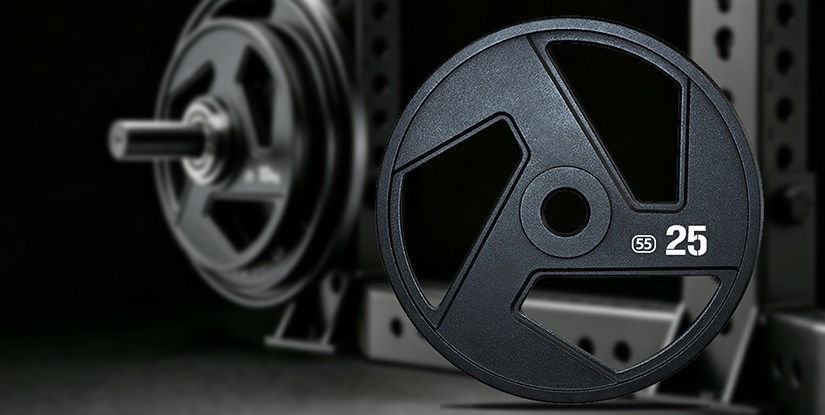
Final quality control represents the last line of defense before a container is sealed. For a professional cast iron plate manufacturer, the inspection process must extend beyond simple weight checks to include rigorous mechanical and aesthetic audits. In high-volume wholesale gym plate manufacturing, even minor oversights in the finishing stage can result in high return rates or damage to your brand reputation once the product reaches the end-user. This is why a professional China factory implements a multi-stage pre-shipment protocol.
The final stage of the QC workflow focuses on three critical dimensions: surface integrity, dimensional accuracy, and export-grade durability. First, technicians perform a coating adhesion test to ensure the powder coating or enamel is bonded securely to the gray iron, preventing premature chipping during heavy commercial use. Second, a weight calibration check is conducted on a randomized sample from every batch to ensure the product meets the specified tolerances. Finally, the export packaging is inspected to ensure that each unit is properly protected against moisture and physical impact during long-distance ocean freight. For distributors, confirming these protocols—including the specific requirements for palletizing and container loading—is essential to managing the total landed cost and ensuring a smooth arrival at your warehouse.
Critical Components and Pre-Shipment QC for Bulk Orders
For distributors and gym operators, the primary risk in high-volume sourcing is not just the initial landed cost, but the long-term operational headache caused by inconsistent product specifications. When sourcing from a cast iron plate manufacturer, the focus must shift from simple aesthetics to structural integrity and dimensional accuracy. A failure in quality control during the casting or finishing stage can lead to uneven weight distribution or uneven surface textures, which ultimately degrades the professional user experience and increases replacement frequency.
A reliable commercial weight plate supplier mitigates these procurement risks by implementing rigorous inspection protocols at every stage of production. In a professional China factory environment, quality control is not a single event but a continuous process that begins with the raw iron purity and ends with the final export packaging. For B2B buyers, understanding these technical checkpoints is essential for ensuring that every unit in a wholesale shipment meets the required commercial durability standards.
Essential Engineering and Quality Inspection Points
To maintain high standards for wholesale gym plate manufacturing, technical oversight must focus on three critical areas: weight accuracy, surface uniformity, and the structural integrity of the center bore. Discrepancies in these areas can lead to significant issues during installation or long-term commercial use.
- Weight Tolerance and Calibration: High-quality casting requires precise control over the volume of molten iron. A professional supplier ensures that each plate falls within an acceptable industry-standard deviation to prevent uneven loading on barbell sleeves.
- Surface Finish and Coating Adhesion: Whether the plates feature a bare iron finish or a heavy-duty powder coating, the surface must be free of slag inclusions or significant pitting. For OEM orders involving color-coded or branded plates, the adhesion of the coating is a critical QC metric to prevent premature chipping.
- Bore Concentricity and Fit: The inner ring or Olympic collar fit must be perfectly concentric. Any deviation in the machining of the center hole can cause the plates to wobble, increasing wear on high-end barbell bars and reducing the lifespan of the equipment.
When managing large-scale sourcing projects, we recommend requesting a detailed specification sheet and confirming the MOQ for any custom branding or specialized coating requirements. To ensure total transparency, buyers should also request a pre-shipment inspection report that specifically covers weight calibration and surface finish consistency across the entire batch.
Reliability in high-volume procurement is established through meticulous technical oversight. A professional cast iron plate manufacturer must demonstrate control over the entire production lifecycle—from the initial sand casting stage to the final inspection of the Olympic collar fit. For distributors, the goal is to minimize the total cost of ownership (TCO) by avoiding batches with inconsistent weight or poor surface adhesion. By prioritizing a commercial weight plate supplier that emphasizes these engineering checkpoints, buyers can ensure their inventory remains a high-performance asset for their clients rather than a maintenance liability.
| Material | Process | Key Component | Commercial Duty | MOQ Impact | Factory QC Point |
|---|---|---|---|---|---|
| Gray Cast Iron | Sand Casting | Center Bore / Inner Ring | High-density weight loading | Standard wholesale tiers | Concentricity and fit |
| Carbon Steel | Machining / CNC | Outer Rim / Edge | High-impact durability | Variable based on OEM | Surface flatness |
| Powder Coated Iron | Multi-coat Application | Coating Layer / Finish | Aesthetic & Corrosion resistance | Higher MOQ for custom colors | Adhesion and thickness |
Effective wholesale gym plate manufacturing requires a deep understanding of how material density and finishing processes impact long-term durability. When evaluating a potential partner, always confirm if the factory provides documentation regarding weight calibration and surface coating stability. For large-scale sourcing, we suggest arranging a sample approval process or a formal factory audit to verify that the production standards align with your brand's commercial requirements.
Effective wholesale gym plate manufacturing requires a deep understanding of how material density and finishing processes impact long-term durability. When evaluating a potential partner, always confirm if the factory provides documentation regarding weight calibration and surface coating stability. For large-scale sourcing, we suggest arranging a sample approval process or a formal factory audit to verify that the production standards align with your brand's commercial requirements.
China Factory Sourcing: MOQ, Lead Times, and Export Logistics
Navigating the complexities of international procurement requires a deep understanding of how production cycles impact your inventory availability. For distributors and warehouse operators, a reliable cast iron plate manufacturer must provide more than just quality casting; they must offer predictable supply chain stability. When sourcing high-volume orders, failing to account for the nuances of production scheduling can lead to stockouts or increased warehousing costs.
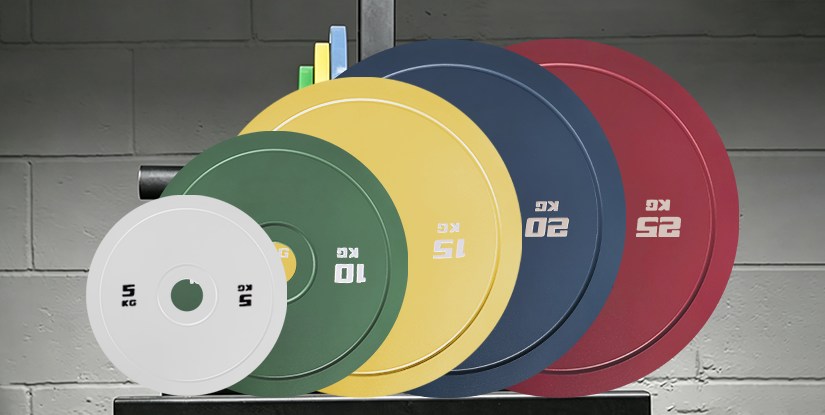
Managing a commercial weight plate supplier relationship involves balancing the MOQ requirements against your local market demand. A China factory typically operates on production runs that favor bulk efficiency, meaning that while the wholesale unit price decreases with volume, the lead time may fluctuate based on seasonal demand and raw material availability. Efficient sourcing strategies must account for these variables to maintain optimal landed cost projections and healthy distributor margins.
Effective logistics planning is critical when moving heavy, dense goods like cast iron across oceans. Professionals must evaluate not only the production lead time but also the time required for container loading and port clearance. A seasoned commercial weight plate supplier will provide detailed packing lists and weight dimensions early in the process to help you calculate the most cost-effective shipping method, whether via LCL or full container loads, ensuring your wholesale shipments arrive without unexpected surcharges.
To maximize your competitive advantage, it is essential to understand the structural differences between direct manufacturing and third-party sourcing. For many distributors, the choice between a specialized cast iron plate manufacturer and a general trading company determines the long-term viability of their product line. While traders may offer smaller volumes, a direct wholesale gym plate manufacturing partner provides the control necessary for high-level branding and consistent material density.
Sourcing Model Comparison: Direct Factory vs. Trading Company
| Sourcing Model | Primary Focus | Customization Capability | QC Control Point | Typical MOQ | Distributor Margin Potential |
|---|---|---|---|---|---|
| Direct Factory | Production Efficiency | High (OEM/ODM) | In-process & Pre-shipment | Higher | Maximum |
| Trading Company | Product Variety | Low (Stock Items) | Post-production Only | Lower | Moderate |
For those pursuing a private label strategy, working directly with a factory allows for seamless OEM integration. This includes everything from custom logo embossing on the cast iron surface to specific weight tolerance calibrations. When you engage in wholesale gym plate manufacturing directly, you gain access to specialized export packaging solutions designed to minimize damage during long-haul transit, ensuring that the heavy density of the plates does not compromise the integrity of the shipping container or your final landed cost.
A professional procurement workflow should always include a rigorous pre-shipment inspection. This step is vital for verifying the weight calibration and surface finish of each batch before it leaves the China factory. By establishing these protocols during the sourcing phase, distributors can mitigate the risks of receiving inconsistent or substandard inventory, thereby protecting their brand reputation and ensuring long-term profitability in the commercial fitness market.
To ensure a seamless transition from production to your local warehouse, we recommend initiating the procurement process early. Contact our team to request a detailed specification sheet, confirm current MOQ tiers for your specific volume, or schedule a formal factory audit. Whether you are looking for standard stock or custom OEM branding, our technical experts are available to discuss your bulk pricing requirements and lead time projections to optimize your global distribution strategy.
OEM/ODM Customization for Global Distributors
For international distributors and warehouse operators, the ability to differentiate a product line through high-margin branding is essential for long-term market positioning. Working with a specialized cast iron plate manufacturer allows you to move beyond generic commodities and offer high-value, branded solutions to your commercial clients. By leveraging OEM and ODM capabilities, you can transition from a simple importer to a provider of specialized, identity-driven fitness equipment.
Standard wholesale orders often lack the distinctive features required to command premium pricing in competitive gym markets. However, a professional commercial weight plate supplier can provide deep customization options that enhance your brand equity. Whether you require specific branding/logo embossing directly into the iron or a specific powder coating color to match a gym's interior design, these technical adjustments allow you to build a cohesive product ecosystem under your own label.
Strategic Differentiation Through Custom Branding
The most effective way to scale a private label line is through meticulous attention to surface finish and visual identity. A reliable wholesale gym plate manufacturing partner offers more than just weight; they offer a platform for your brand identity. High-tier distributors often utilize specialized powder coating to provide a durable, aesthetically pleasing finish that resists chipping in high-traffic commercial environments. Furthermore, instead of simple printed labels that may degrade, professional custom branding often involves deep branding/logo embossing during the sand casting stage, ensuring the logo remains permanent and professional throughout the product's lifecycle.
When evaluating your sourcing strategy, consider how these customization layers impact your landed cost and perceived value. While private label production may involve a higher MOQ compared to stock items, the ability to offer a unique, branded aesthetic significantly improves your distributor margins and client retention rates.
Technical Specifications and Customization Depth
To optimize your procurement planning, it is vital to understand how material selection and manufacturing processes dictate both the final product quality and the required MOQ. A professional cast iron plate manufacturer provides a tiered approach to customization, allowing you to balance high-end aesthetics with cost-effective bulk sourcing. The following table outlines the standard technical variations available when working with a specialized commercial weight plate supplier to help you determine the best fit for your target market segments.
| Material | Coating/Finish | Process Detail | Commercial Duty | MOQ Impact | Factory QC Point |
|---|---|---|---|---|---|
| Gray Iron | Bare Iron | Sand Casting | Standard Commercial | Low | Weight Tolerance |
| Cast Iron | Powder Coating | Sand Casting + Coating Line | Premium Commercial | Medium | Coating Adhesion |
| Carbon Steel | Black Enamel | Die Casting/Machining | High-Traffic/Durability | Medium | Surface Smoothness |
| Cast Iron | Custom Color (PU/Rubber) | Molding & Encapsulation | Boutique/Studio Branding | High | Bond Line Integrity |
When managing wholesale gym plate manufacturing, distributors should prioritize the "Factory QC Point" column to streamline their pre-shipment inspections. For example, when ordering customized color-coated plates, ensuring the coating adhesion is tested is a critical step to prevent high return rates in commercial settings. By selecting the appropriate level of customization, you can effectively manage your landed cost while offering a product that meets the specific durability and branding requirements of your local gym clients.
Logistics, Lead Times, and Export Quality Control
Efficient supply chain management is the cornerstone of successful large-scale distribution. For importers, the primary risk in overseas procurement is not just the product specification, but the predictability of the lead time and the reliability of the export packaging. A professional cast iron plate manufacturer understands that shipping heavy, dense metal products requires specialized logistics planning to minimize damage during transit and optimize container loading efficiency, directly impacting your total landed cost.
To mitigate the risks associated with high-volume wholesale shipments, we implement a rigorous multi-stage quality control protocol. Before any container is sealed, a comprehensive pre-shipment inspection is conducted at the China factory. This process focuses on critical technical benchmarks: verifying weight tolerance across the entire batch, checking the integrity of the powder coating or surface finish, and ensuring that all custom branding or embossed logos meet your exact brand identity standards. This level of oversight ensures that the goods arriving at your warehouse are consistent with the approved samples.
Beyond the physical product, our export packaging protocols are designed for the rigors of international sea freight. We utilize reinforced pallets and heavy-duty, moisture-resistant wrapping to protect the iron surfaces from oxidation and mechanical impact. By coordinating closely with a reliable commercial weight plate supplier, you can gain better visibility into production schedules and shipping windows, allowing for more accurate inventory planning and more stable distributor margins in your local market.