Maintaining Cast Iron Weight Plates for Commercial Use
Evaluating Lifecycle Costs of Cast Iron Versus Alternatives
Smart procurement requires looking beyond the initial invoice to assess how equipment behaves over a five-to-ten-year horizon. Buyers must evaluate the risk of premature oxidation, the technical specifications of the iron density, and the logistical overhead of frequent replacements. While lower-priced options may seem attractive during initial container loading, they often fail to deliver the long-term ROI expected in high-traffic facilities.
Understanding Total Cost of Ownership
When sourcing for a large-scale facility or distributing to retail clients, the best cast iron weight plates are defined by their ability to withstand heavy usage without requiring constant replacement. Choosing cheaper, low-grade iron often leads to a cycle of rapid degradation, increasing your commercial gym equipment maintenance frequency and labor costs. By investing in high-density, precision-molded plates, you optimize the durability vs. replacement cycles ratio, ensuring that your capital expenditure serves the business for years rather than months.
| Investment Metric | Premium Cast Iron | Budget/Low-Grade Iron |
|---|---|---|
| Upfront Unit Cost | Moderate to High | Low |
| Replacement Frequency | Minimal (5+ years) | High (1–3 years) |
| Maintenance Intensity | Low (Standard Care) | High (Frequent Rust Treatment) |
| Long-term ROI | High Stability | Unpredictable/Low |
Material Comparison: Cast Iron vs. Coated Options
Distributors and facility managers often weigh the benefits of specialized coatings against the raw durability of iron. While rubber-coated or bumper plates offer specific advantages for high-impact zones, they introduce different failure points, such as edge peeling or scent issues, which impact long-term asset value.
| Material Type | Initial Investment | Maintenance Frequency | Expected Lifespan |
|---|---|---|---|
| Premium Cast Iron | Low to Moderate | Occasional (Surface Care) | 10+ Years |
| Rubber-Coated Iron | High | Moderate (Edge Inspection) | 5–7 Years |
| Bumper Plates (Rubber) | Highest | High (Impact/Wear Monitoring) | 3–5 Years |
From a sourcing perspective, premium cast iron remains the most cost-effective choice for strength-focused commercial environments. Because the material is homogenous, the structural integrity is not dependent on an external layer that can crack or delaminate, making it a superior option for maintaining consistent inventory quality across multiple years of heavy use.
Optimizing Logistics and Bulk Procurement Strategy
Strategic wholesale procurement focuses on minimizing the hidden costs of frequent restocking. When sourcing high-quality iron, the goal is to maximize weight plate care longevity to reduce the frequency of new orders. Low-grade alternatives often suffer from surface degradation, forcing buyers into a cycle of constant re-ordering that drives up shipping costs and complicates inventory turnover management.
By selecting premium products that prioritize preventing cast iron rust through superior casting and finishing, distributors can consolidate their shipments. This stability allows for more predictable logistics planning and reduces the administrative burden of managing small, frequent replenishment cycles. For large-scale distributors, investing in durable, high-density iron is a calculated move to stabilize long-term operational overhead and maintain a consistent stock profile without the volatility of low-quality material failures.
Sourcing High-Density Cast Iron for Long-Term Durability
The longevity of your inventory depends heavily on the metallurgical quality of the raw materials. When sourcing for high-traffic facilities, the density and purity of the iron dictate how well the equipment withstands daily mechanical stress and environmental exposure.
Material Density and Structural Integrity
The best cast iron weight plates are characterized by high-density iron that has been processed to eliminate internal flaws. During the manufacturing process, inferior casting methods often introduce porosity, creating microscopic air bubbles/voids within the metal. These internal gaps act as failure points, compromising the structural integrity of the plate under heavy impact. For distributors and gym owners, prioritizing high-purity iron is a critical component of commercial gym equipment maintenance, as a solid, non-porous surface is significantly more resistant to chipping and structural fatigue over years of heavy usage.
To optimize your procurement strategy, it is essential to distinguish between standard sand casting and precision casting methods. While sand casting is a cost-effective staple in the industry, precision casting offers superior structural consistency that directly impacts the total cost of ownership (TCO) for large-scale distributors and facility managers.
Comparing Casting Methodologies for Commercial Inventory
| Feature | Standard Sand Casting | Precision/Fine Casting |
|---|---|---|
| Density & Purity | Moderate; potential for microscopic voids | High; uniform grain structure |
| Surface Smoothness | Rougher; requires more finishing | Superior; optimized for coatings |
| Resistance to Cracking | Standard; susceptible to impact fatigue | Enhanced; high impact resistance |
| Cost-Efficiency | Higher initial savings on MOQ | Better long-term ROI via durability |
| Procurement Decision | Budget-friendly/Entry-level gyms | Premium/High-traffic commercial use |
When evaluating factory capability, request technical specifications regarding the casting process. Selecting precision-cast options may involve a higher initial unit cost, but it significantly improves weight plate care longevity by providing a more stable substrate for protective coatings. This reduces the frequency of oxidation-related repairs and ensures the plates remain a durable asset in your facility's lifecycle.
Quality Control and Logistics Standards
Even the highest grade of iron is vulnerable if the procurement process ignores environmental protection during transit. To ensure effective preventing cast iron rust, buyers must verify that the manufacturer employs rigorous QC inspection protocols before any shipment leaves the factory. A reliable supplier should check for surface imperfections and coating adhesion, ensuring the oxidation resistance of each unit meets commercial standards.
Beyond the factory floor, shipping durability is a major variable in wholesale sourcing. For large-scale orders, specify moisture-controlled packaging, such as vacuum-sealed wraps or moisture-absorbent liners, to protect the metal during long-haul ocean freight. High-humidity transit environments can compromise even well-coated plates if the packaging fails. When negotiating your MOQ, confirm that the logistics plan includes reinforced palletizing and weather-resistant outer casing to maintain product integrity from the warehouse to your facility.
Preventing Oxidation and Surface Degradation
Uncontrolled oxidation is a primary driver of surface degradation in high-traffic facilities, directly impacting the long-term value of your inventory. When moisture penetrates the metal surface, it initiates a chemical reaction that compromises the aesthetic and structural integrity of the best cast iron weight plates. For distributors and gym owners, failing to implement strict moisture control can lead to premature rust, increasing the frequency of replacement cycles and raising the total cost of ownership.
Effective commercial gym equipment maintenance requires a proactive approach to surface protection. Whether managing a boutique studio or a large-scale warehouse, understanding the trade-offs between different finishing methods is essential for optimizing weight plate care longevity and reducing long-term replacement costs.
| Finishing Type | Rust Resistance | Maintenance Effort | Procurement TCO |
|---|---|---|---|
| Raw Cast Iron | Low | High (Frequent oiling) | Lowest Initial / Highest Long-term |
| Powder Coating | Moderate | Low | Medium |
| Black Enamel/Paint | High | Minimal | Premium Initial / Lowest Long-term |
When evaluating procurement options, the choice between these finishes dictates your operational overhead. Raw cast iron offers the lowest upfront cost and is often preferred for specific vintage-style aesthetics or high-volume budget builds, but it demands a consistent regimen of oiling to prevent oxidation. In contrast, powder coating provides a more durable barrier suitable for standard commercial environments, though it may chip under extreme impact. For distributors seeking the most reliable long-term solution for high-traffic facilities, high-grade enamel finishes provide the best balance of protection and minimal upkeep, effectively justifying the initial premium through significantly extended service life.
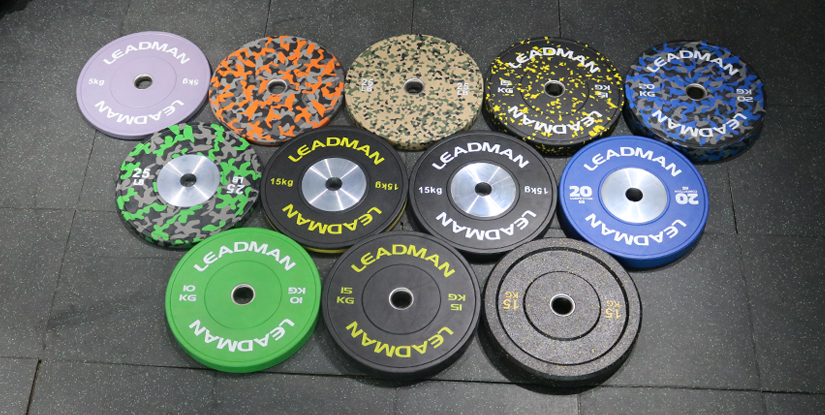
Operational Protocols for Long-Term Asset Preservation
Beyond surface finishes, facility managers must implement structured environmental controls to ensure weight plate care longevity. In many high-traffic settings, the primary culprit of rapid degradation is not just contact with moisture, but poor humidity management within the storage area. High ambient humidity levels can accelerate oxidation even on coated surfaces if the air is stagnant or poorly ventilated.
To optimize preventing cast iron rust across your entire inventory, we recommend establishing rigorous storage protocols and inspection cycles. Rather than reactive cleaning, professional distributors and facility operators typically utilize a tiered approach to asset management:
- Climate-Controlled Storage: Whenever possible, store unmounted plates in a dry, elevated area. Avoid placing weight trees or storage racks directly against exterior walls where condensation frequently forms.
- Scheduled Inspection Cycles: Implement a quarterly audit of your stock. Inspecting plates for early signs of surface pitting or oxidation allows for localized treatment before the damage becomes systemic.
- Standardized Cleaning Routines: Ensure all plates are wiped down with a dry, lint-free cloth after use in high-sweat environments to remove salt and moisture residue.
By integrating these commercial gym equipment maintenance standards into your operational workflow, you protect your initial capital investment and reduce the frequency of reordering, ensuring a more predictable and cost-effective procurement cycle.
Standardized Maintenance Schedules for Commercial Facilities
Implementing a rigorous commercial gym equipment maintenance protocol is essential for protecting the long-term ROI of your heavy iron inventory. In high-traffic environments, constant friction and ambient humidity can accelerate surface degradation, making proactive care a necessity rather than an option.
For distributors and facility managers, the goal is preventing cast iron rust before it compromises the aesthetic or the structural integrity of the plates. A structured inspection cycle ensures that minor oxidation issues are addressed through simple cleaning or re-coating, rather than requiring full replacement or expensive professional refinishing.
Optimized Maintenance Frequency and Task Checklist
To maintain the highest quality standards for your weight plate inventory, facility managers should implement a tiered inspection strategy. This systematic approach ensures that the best cast iron weight plates in your facility remain in premium condition, reducing long-term replacement costs and maintaining a professional appearance for your clients.
| Frequency | Primary Focus | Actionable Tasks |
|---|---|---|
| Daily | Surface Debris & Hygiene | Wipe down plates with a dry, lint-free cloth to remove sweat, chalk, and dust buildup. |
| Monthly | Oxidation & Surface Integrity | Inspect for early signs of rust; apply a thin layer of specialized metal protectant if needed. |
| Quarterly | Structural & Storage Audit | Check for hairline cracks or significant pitting; ensure storage racks are dry and well-ventilated. |
When executing these tasks, avoid using harsh chemical solvents or abrasive scouring pads, as these can strip the protective coating and accelerate metal degradation. For high-humidity environments, we recommend keeping a lightweight silicone-based oil on hand for periodic application to maintain effective weight plate care longevity.
Strategic Storage and Logistics Management
The environmental conditions during transit and long-term storage are just as critical as the daily cleaning routine. For wholesalers and large-scale distributors, ensuring the long-term durability of your inventory begins at the warehouse level. Improper storage in non-climate-controlled environments can lead to premature oxidation, even for high-grade products.
To preserve the best cast iron weight plates, implement strict humidity control protocols within your storage facilities. We recommend utilizing moisture-wicking liners or desiccant packs when shipping in sea containers to mitigate the effects of salt air and temperature fluctuations. For on-site facility management, elevating weight trees and using specialized storage solutions that allow for airflow—rather than stacking plates directly on concrete floors—will significantly reduce moisture entrapment and prevent the buildup of surface rust.
Optimizing Storage and Environmental Control
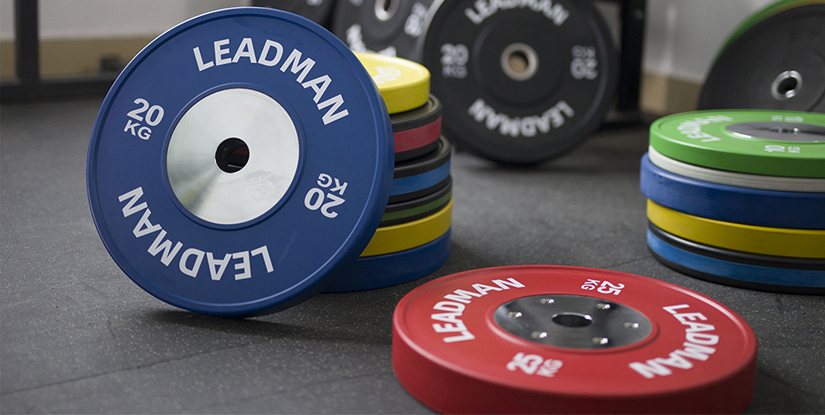
Effective storage protocols are a cornerstone of commercial gym equipment maintenance, particularly when managing heavy iron inventory. For distributors and facility managers, the primary objective is to mitigate the impact of ambient air quality on metal surfaces to protect the long-term value of the procurement.
The Impact of Humidity on Oxidation
Even when sourcing the best cast iron weight plates with high-quality coatings, environmental factors can compromise the product. High levels of moisture in the air act as a catalyst for oxidation, leading to surface degradation if the storage area is not properly regulated. In high-traffic facilities, fluctuations in temperature and humidity can accelerate the aging process of the metal.
Maintaining strict humidity control within weight rooms or warehouse storage areas is essential for preventing cast iron rust. Without consistent airflow and climate regulation, even premium-grade iron can develop oxidation spots, which increases long-term maintenance costs and diminishes the aesthetic appeal of the strength training zone.
Strategic Configuration: Racks vs. Floor Stacking
Selecting a storage configuration involves balancing floor space availability against long-term maintenance overhead. While floor stacking is a common low-cost solution for smaller studios, professional distributors often favor specialized racking systems to improve accessibility and reduce the risk of moisture-induced surface damage. The choice directly impacts the total cost of ownership (TCO) by affecting how often staff must perform cleaning or re-coating tasks.
| Storage Method | Space Efficiency | Accessibility | Moisture Exposure Risk | Weight Plate Care Longevity |
|---|---|---|---|---|
| Vertical Racks | High | Excellent | Low (Improved Airflow) | Extended |
| Horizontal Racks | Moderate | Good | Low (Elevated) | High |
| Floor Stacking | Low | Difficult | High (Ground Contact) | Reduced |
For large-scale commercial facilities, we recommend elevated storage solutions to ensure weight plate care longevity. Keeping iron off the floor prevents direct contact with potential condensation and debris, significantly reducing the frequency of required maintenance cycles compared to traditional stacking methods.
Long-Term Logistics and Facility-Level Protocols
Managing inventory through seasonal shifts requires proactive environmental engineering. For distributors handling large-scale shipments, relying solely on warehouse ventilation is often insufficient. We suggest implementing industrial-grade dehumidification systems in storage zones to stabilize the microclimate, ensuring the structural integrity of the iron remains intact during periods of low facility usage.
When managing seasonal storage, such as during facility renovations or off-peak months, avoid leaving unboxed plates in unconditioned environments. High-volume buyers should consult with their distributor advice regarding specialized pallet wrapping or moisture-barrier covers. These preventative measures act as a secondary defense against ambient humidity, preserving the surface finish and reducing the labor overhead required for resurfacing before the next high-traffic season begins.
Optimizing TCO Through Strategic Procurement
For facility owners and distributors, the true cost of iron is not found in the initial invoice, but in the long-term Total Cost of Ownership (TCO). Selecting the best cast iron weight plates requires balancing the upfront unit price against the recurring expenses of commercial gym equipment maintenance and replacement cycles.
High-volume orders demand a focus on bulk shipment stability to prevent structural damage during transit. When sourcing at scale, procurement managers must account for the relationship between freight density and product durability. A lower initial price point is often offset by the hidden costs of oxidation or surface degradation if the manufacturing quality control is insufficient. Prioritizing high-quality casting and standardized coatings ensures that your investment survives high-traffic environments without requiring frequent, costly interventions.
Evaluating Procurement Models: Direct Sourcing vs. Local Distribution
Deciding between direct factory procurement and local distribution depends on your ability to manage logistics and your tolerance for quality variance. While direct sourcing offers the most aggressive pricing, it requires more rigorous oversight to ensure the structural integrity of the plates remains intact through long-haul sea freight. Conversely, local distributors mitigate many logistical headaches but often command a premium that impacts your long-term weight plate care longevity and overall margins.
| Procurement Metric | Direct Factory Sourcing | Local Distributor Model |
|---|---|---|
| Minimum Order Quantity (MOQ) | High (Full Container Loads) | Low to Moderate |
| Shipping Lead Times | Extended (30–60+ Days) | Short (Weekly/Daily) |
| QC Oversight | Requires Third-Party Inspection | Pre-vetted by Distributor |
| Logistics Complexity | High (Customs & Freight Management) | Low (Domestic Delivery) |
When sourcing the best cast iron weight plates at scale, remember that direct imports demand a strict pre-shipment inspection protocol. Without a verified manufacturing standard, you risk receiving batches with uneven casting or substandard coatings, which significantly shortens the product's lifespan in humid or high-use commercial settings.
Mitigating Transit Risks and Oxidation Control
To ensure the integrity of your shipment, procurement specifications must extend beyond the physical dimensions of the iron. Preventing cast iron rust begins at the factory floor through rigorous moisture-proof packaging. When shipping via sea freight, exposure to salt air and humidity is a primary threat to the surface finish. We recommend requiring manufacturers to utilize industrial-grade VCI (Volatile Corrosion Inhibitor) liners or vacuum-sealed moisture-barrier bags for all bulk pallets.
Furthermore, establishing strict inspection protocols is essential before any container is sealed. A reliable supplier should provide documentation verifying that the plates have undergone a standardized coating process designed for high-traffic gym settings. This includes checking for uniform thickness in the paint or powder coat, as any micro-fissures in the finish can become entry points for oxidation. By mandating these quality control checkpoints during the loading phase, distributors can significantly reduce the risk of receiving compromised inventory that requires immediate, costly remediation upon arrival.