How to Install and Maintain Cast Iron Weight Plates
Optimizing Facility Layouts for Heavy Iron Deployment
Many facility managers fail by treating weight plate inventory as an afterthought, often resulting in disorganized floor layouts or excessive wear on subflooring. A professional procurement strategy focuses on footprint optimization by balancing the high density of cast iron against available square footage, rather than simply purchasing based on low-cost listings like cast iron weight plates gumtree often features in secondary markets.
Density and Spatial Management
Effective commercial gym plate installation requires a deep understanding of how mass impacts spatial utility. Because cast iron provides high density in a compact volume, planners must decide between vertical and horizontal storage configurations to maximize usable training area. While horizontal racks are easier for high-traffic movement, vertical weight trees significantly reduce the total footprint, allowing for more specialized training zones within a limited facility layout.
When sourcing for large-scale distribution or high-volume gyms, consider the following spatial trade-offs:
| Storage Method | Footprint Impact | Accessibility Rating | Primary Use Case |
|---|---|---|---|
| Vertical Weight Trees | Minimal/Low | Moderate | Boutique studios and compact functional zones |
| Horizontal Wall Racks | Medium | High | High-traffic strength training floors |
| Floor-Based Nesting | High | Low | Temporary storage or heavy barbell stations |
For distributors and wholesalers, optimizing the footprint through structured storage is a critical component of long-term equipment lifecycle management and facility safety.
Structural Integrity and Load Distribution
Beyond simple spatial footprints, procurement managers must account for the static and dynamic loads imposed by heavy iron. Unlike lighter polyurethane alternatives, cast iron density requires precise placement to avoid structural fatigue in flooring and shelving units. Effective barbell plate storage safety depends on matching the storage capacity to the specific weight increments being deployed.
When planning your facility layout, evaluate the following technical requirements for load-bearing surfaces:
- Floor Load Considerations: Concentrated weight from vertical trees can create high PSI (pounds per square inch) points. Ensure subflooring or reinforced concrete is rated for these localized loads to prevent uneven settling.
- Wall-Mounted Brackets: If opting for wall-mounted solutions to save floor space, verify that the mounting hardware is rated for the total weight of the entire plate inventory, not just a single set.
- Seismic and Stability Factors: In high-traffic commercial environments, ensure that storage units have a wide enough base or are properly anchored to prevent tipping during rapid plate transitions.
Selecting the correct configuration is a long-term investment in cast iron weight maintenance. A well-planned storage system prevents the metal-on-metal impact and uneven stacking that often leads to chipped edges or structural deformation in lower-quality shipments.
Strategic procurement planning for high-density gyms must extend beyond the initial purchase to include the long-term logistics of weight distribution. As a facility expands its inventory, the cumulative weight of cast iron can place significant stress on both the physical floor and the organizational workflow. Efficiently managing this density ensures that the facility remains safe, accessible, and structurally sound throughout the equipment's lifecycle.
When scaling a commercial strength area, buyers should prioritize the following load-bearing and distribution principles:
- Weight Distribution Mapping: Avoid clustering all heavy denominations (e.g., 25kg/45lb plates) in a single corner. Distribute heavy storage units across the facility to prevent localized structural fatigue.
- Dynamic Load Buffering: In high-traffic zones, use high-density rubber matting beneath storage racks to mitigate the impact of heavy plate transitions, which protects the subfloor from micro-cracks.
- Inventory Density Ratios: Calculate the ratio of total weight to available square footage during the sourcing phase to ensure your storage hardware—whether trees or racks—can handle the total mass without bowing or tilting.
Precision Loading and Commercial Gym Plate Installation Standards
Proper commercial gym plate installation requires strict adherence to weight distribution protocols to ensure the structural integrity of barbell sleeves and racks. For high-traffic facilities, how plates are loaded directly impacts the lifespan of the steel components and the overall safety of the training environment.
Distributors and facility managers should prioritize precision loading to prevent uneven wear on barbell bearings. When plates are stacked haphazardly or loaded onto one side disproportionately, it creates lateral stress that can lead to permanent bending of the bar. Implementing a standardized loading sequence—starting with larger, heavier plates near the center and moving outward—is essential for maintaining professional standards. Furthermore, emphasizing barbell plate storage safety by using dedicated vertical or horizontal racks prevents the deformation of the iron itself and keeps the floor area clear of tripping hazards.
Optimizing TCO Through Strategic Configuration
When calculating the Total Cost of Ownership (TCO) for a commercial facility, procurement managers must look beyond the initial unit price of cast iron weight plates. The method chosen for storage and loading significantly influences long-term maintenance costs, floor wear, and replacement frequency. Selecting the right configuration depends on your facility's footprint and the anticipated turnover of heavy lifting sessions.
| Storage Configuration | Durability Factor | Space Efficiency | Procurement Consideration |
|---|---|---|---|
| Vertical Plate Racks | High (Reduced impact stress) | Excellent (Small footprint) | Best for boutique studios |
| Horizontal Pegs | Moderate (Potential for sleeve wear) | Good (Linear layout) | Ideal for large commercial gyms |
| Floor Stacking | Lower (Risk of surface damage) | Variable (Requires large area) | Low-cost, high-volume settings |
While floor stacking offers the lowest initial investment for high-volume orders, it often leads to higher long-term costs due to increased floor maintenance and potential plate chipping. For distributors managing large-scale shipments, recommending vertical or peg-based systems helps clients maintain higher equipment standards and protects the integrity of the cast iron throughout its lifecycle.
Sourcing Integrity: Avoiding Secondary Market Risks
When scaling inventory, procurement specialists often face the temptation of lower-cost, non-vetted alternatives. While searching for cast iron weight plates gumtree or similar secondary marketplaces may yield lower upfront prices, these options frequently bypass the rigorous quality control (QC) necessary for commercial environments. Unregulated sources often lack consistent manufacturing tolerances, resulting in plates that are slightly undersized or uneven in density, which disrupts the balance of high-end barbells.
The primary risk in the used or unverified market lies in the lack of structural predictability. High-quality factory production ensures that every unit meets specific weight deviations, a standard rarely found in fragmented retail or peer-to-peer sales. For professional distributors, relying on established wholesale channels is a strategic decision to mitigate liability. By sourcing from manufacturers with strict QC protocols, buyers ensure that every plate provides the dimensional accuracy required for professional barbell plate storage safety and long-term facility reliability.
Structural Integrity and Barbell Plate Storage Safety Protocols
Maintaining the structural integrity of iron inventory is a fundamental requirement for high-traffic facility management. Unlike rubber-coated alternatives, cast iron is susceptible to environmental factors that can lead to surface degradation if neglected. Implementing a strict regimen of cast iron weight maintenance ensures that your assets retain their value and functional reliability over long-term deployment.
Preventing Oxidation and Surface Degradation
In many commercial settings, humidity and temperature fluctuations trigger oxidation, commonly known as rust, which can compromise the aesthetic and structural quality of the plates. Effective oxidation prevention involves regular inspections and the application of specialized coatings or oils. For distributors and gym owners, proactive care reduces the total cost of ownership by extending the replacement cycle of the equipment.
Optimizing Storage for Longevity and Safety
Proper storage is not merely about organization; it is a critical component of barbell plate storage safety. Improper stacking or exposure to moisture can lead to uneven weight distribution or accelerated corrosion. Below is a comparison of common storage configurations to assist in your procurement and facility planning decisions.
| Storage Method | Durability Factor | Maintenance Intensity | Best Use Case |
|---|---|---|---|
| Vertical Plate Trees | High | Low | High-traffic commercial gyms |
| Horizontal Weight Racks | Medium | Medium | Boutique studios and home gyms |
| Wall-Mounted Pegs | High | Low | Space-constrained training facilities |
| Floor Stacking | Low | High | Temporary storage or transit |
When planning your commercial gym plate installation, always account for the specific environmental controls of your venue. Selecting a storage method that aligns with your facility's ventilation capabilities will significantly mitigate the risks of surface degradation and ensure long-term equipment performance.
Environmental Impact on Inventory Lifespan
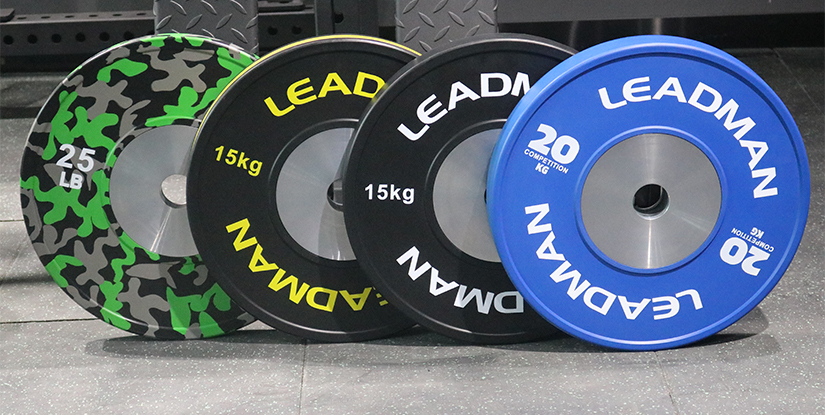
The longevity of your iron assets is heavily dictated by the ambient environment. For procurement managers and distributors, understanding the relationship between storage climate and maintenance frequency is essential for accurate lifecycle forecasting. While cast iron is inherently robust, the surface finish and internal structural stability can be affected by extreme conditions if a specialized maintenance protocol is not established.
| Environment Type | Maintenance Frequency | Surface Protection Requirements | Cost Implications |
|---|---|---|---|
| Indoor Controlled (HVAC) | Bi-annually | Minimal; standard dusting | Low; standard depreciation |
| High Humidity (Coastal/Tropical) | Monthly | Regular oiling or anti-rust spray | Moderate; increased labor |
| Outdoor/Semi-Outdoor | Weekly/Ongoing | Heavy-duty protective coatings | High; rapid asset turnover |
From a wholesale perspective, sourcing equipment for regions with high humidity requires a stricter quality control assessment of the initial plating or paint finish. Investing in high-grade protective layers during the initial procurement phase can significantly reduce the long-term operational expenditure associated with constant rust remediation and surface upkeep.
Inventory Management and Sourcing Reliability
Strategic procurement extends beyond the initial purchase; it involves managing the replacement cycles of your weight inventory. While the secondary market often presents tempting low-cost options—such as searching for cast iron weight plates gumtree or other local classifieds—these sources frequently lack the quality control necessary for commercial environments. Relying on unverified, used iron can lead to unpredictable replacement cycles due to hidden structural flaws or inconsistent weight tolerances.
For professional distributors and facility managers, long-term ROI is driven by wholesale sourcing stability. Procuring directly from manufacturers with high-volume capacity ensures that your inventory remains uniform in both weight precision and surface finish. This consistency is vital when scaling a facility, as it allows for seamless integration of new stock into existing barbell setups without compatibility issues. By prioritizing factory-direct quality standards over the volatility of secondary markets, buyers secure a more predictable total cost of ownership and a more professional aesthetic for their commercial gym.
Preventative Cast Iron Weight Maintenance for High-Traffic Zones
In high-traffic zones of a commercial facility, the sheer volume of daily usage accelerates wear on even the highest quality equipment. While cast iron is prized for its density and structural integrity, professional cast iron weight maintenance is required to ensure long-term asset viability and prevent premature degradation caused by environmental exposure.
Durability vs. Operational Lifespan
Distinguishing between basic durability and actual operational longevity is critical for procurement managers. While cheaper composite or thin-walled alternatives may offer low initial costs, they often lack the resilience required for heavy-duty commercial gym plate installation. Cast iron provides superior density and impact resistance, but its susceptibility to surface changes requires a proactive stance. Without a structured routine, even premium iron assets can suffer from surface degradation, affecting both the aesthetic and the functional precision of the weight stack.
| Maintenance Factor | Neglected Scenario | Managed Protocol |
|---|---|---|
| Surface Integrity | Surface oxidation and rust buildup | Regular oxidation prevention via coating checks |
| Structural Soundness | Micro-cracks from extreme impact | Routine visual inspection of load-bearing edges |
| Inventory Value | Rapid depreciation due to wear | Maintained resale and utility value |
For distributors and facility owners, investing in a consistent maintenance schedule is a strategic move to lower the Total Cost of Ownership (TCO). By addressing minor surface issues early, you protect the structural durability of the plates and ensure they remain compliant with safety standards for years to come.
Storage Environment Impact on Asset Longevity
The method of storage directly influences the frequency of required interventions and the overall lifespan of your inventory. When sourcing for large-scale facilities, the decision between vertical rack systems and floor-based storage should be viewed through the lens of long-term maintenance costs and barbell plate storage safety. While floor storage may offer lower initial setup costs, it often complicates routine cleaning and increases the risk of moisture accumulation.
| Storage Configuration | Maintenance Frequency | Longevity Impact | Safety Profile |
|---|---|---|---|
| Vertical Plate Racks | Quarterly inspection | High; minimizes floor contact and moisture | Excellent; clear pathways and organized layout |
| Floor/Pallet Storage | Monthly inspection | Moderate; prone to humidity and dust buildup | Lower; potential tripping hazards in high-traffic zones |
| Wall-Mounted Pegs | Bi-annual inspection | High; keeps plates away from cleaning runoff | Good; space-efficient but requires wall integrity |
For procurement specialists evaluating bulk orders, understanding these variables is essential for calculating the true cost of a gym build-out. Utilizing professional-grade racks not only optimizes the floor footprint but also serves as a preventative measure against the rapid depreciation often seen with unmanaged cast iron weight plates gumtree-style or loose-stacking methods. A disciplined approach to storage ensures that your initial investment remains a durable asset rather than a recurring maintenance liability.
Maximizing Resale Value Through Asset Management
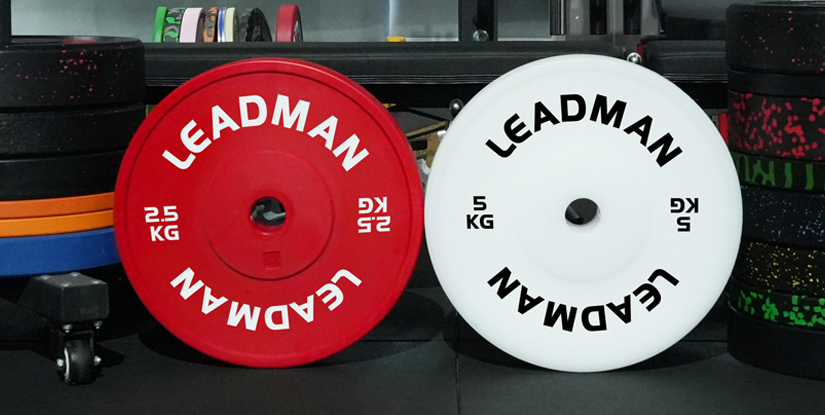
For commercial distributors and facility operators, the end-of-life cycle of equipment is a critical component of the total ROI calculation. High-quality cast iron is a highly liquid asset in the fitness industry, but its marketability is directly tied to its physical condition. Whether you are looking to upgrade a facility or liquidating stock via a secondary market, the presence of heavy oxidation or structural pitting significantly diminishes the resale value of your inventory.
Maintaining a standard of professional upkeep ensures that your equipment remains attractive to future buyers. While many unmanaged listings for cast iron weight plates gumtree or similar local marketplaces show heavy wear and neglect, a well-documented maintenance history and pristine surface finish provide a distinct secondary market appeal. By prioritizing regular inspections and controlled storage, you transform a depreciating piece of gym hardware into a durable, high-value asset that retains its capital value over multiple ownership cycles.
Managing Inventory Lifecycles and Replacement Cycles
Optimizing the total cost of ownership requires viewing cast iron weight plates as long-term assets rather than one-time purchases. A well-managed lifecycle ensures that your facility maintains a premium aesthetic and functional standard without unexpected capital expenditures.
In high-traffic commercial settings, the commercial gym plate installation process is only the first step in a multi-year asset management strategy. To protect your ROI, procurement managers must track cast iron weight maintenance intervals and recognize specific replacement triggers, such as surface oxidation, structural hairline cracks, or significant dimensional wear that affects barbell fit. By planning for gradual depreciation and scheduled replenishment, distributors and gym owners can avoid the logistical disruptions of emergency reordering and ensure consistent equipment availability for members.
Evaluating Maintenance vs. Replacement ROI
Deciding when to perform routine upkeep versus ordering a new batch of inventory is a critical decision for facility managers. While a single cast iron weight plate is durable, cumulative wear and environmental factors can eventually impact the quality of the user experience and the safety of the equipment.
The following table provides a framework for procurement professionals to evaluate whether to extend the life of current stock through maintenance or to initiate a new wholesale order based on specific deterioration thresholds.
| Evaluation Criteria | Routine Maintenance Approach | Full Replacement Strategy |
|---|---|---|
| Cost Impact | Low; minimal expenditure on cleaning and surface treatments. | High; requires capital for new inventory and shipping. |
| Downtime | Minimal; can be performed during off-peak hours. | Moderate; requires removal of old stock and installation of new sets. |
| Visual Integrity | Surface oxidation or light discoloration present. | Severe pitting, deep rust, or significant aesthetic degradation. |
| Structural Safety | No visible cracks; dimensional tolerances remain within spec. | Hairline fractures or uneven thickness affecting barbell balance. |
For distributors managing high-volume inventory, we recommend a proactive replacement cycle. If the cost of intensive restoration begins to approach the price of a new MOQ (Minimum Order Quantity) shipment, it is often more cost-effective to refresh the stock to maintain a premium facility standard.
Navigating the secondary market requires a strategic approach to balance cost savings with reliability. While platforms like cast iron weight plates gumtree or other local marketplaces may offer lower entry prices for used equipment, these sources often lack the rigorous quality control (QC) necessary for commercial-grade environments. For distributors and facility managers, the risk of acquiring plates with uneven weight distribution or compromised structural integrity can negatively impact inventory turnover and long-term user safety.
To maximize ROI when sourcing through the secondary market, implement a strict re-acquisition protocol. Rather than relying on unverified listings, prioritize wholesale sourcing from established manufacturers who provide documented specifications. If purchasing pre-owned inventory to supplement existing stock, always conduct a physical audit to check for concentricity and surface degradation. A disciplined procurement strategy—prioritizing factory-direct shipments over unverified local sales—ensures that your replacement cycle remains predictable and your equipment standards remain high.
Sourcing Considerations for Long-Term Equipment Reliability
When planning a facility layout, procurement managers must distinguish between immediate savings and long-term operational expenditures. While searching for cast iron weight plates gumtree or other secondary marketplaces may offer a lower initial price point, these options often lack the standardized tolerances required for professional commercial gym plate installation.
A strategic focus on total cost of ownership (TCO) reveals that high-quality wholesale procurement yields better ROI. Professional-grade plates offer consistent diameters and center-hole precision, reducing wear on barbell sleeves and minimizing the frequency of replacement cycles. Relying on unverified local listings can lead to uneven weight distribution and increased maintenance labor, ultimately inflating your long-term facility overhead.
| Sourcing Method | Upfront Cost | Quality Consistency | TCO Impact |
|---|---|---|---|
| Secondary Markets (e.g., Gumtree) | Low | Variable/Unpredictable | High (due to wear and mismatch) |
| Direct Factory Wholesale | Moderate | High/Standardized | Low (optimized durability) |
| Local Commercial Distributors | High | Guaranteed | Low (reliable support) |
Beyond the unit price, procurement specialists must evaluate the logistical advantages of volume-based ordering. While secondary markets might seem efficient for small-scale needs, they rarely support the rigorous requirements of a growing commercial facility. Wholesale procurement provides a predictable supply chain that aligns with facility expansion and professional inventory management.
Logistics and Scalability Comparison
| Sourcing Metric | Used Marketplace Sourcing | Factory-Direct Wholesale |
|---|---|---|
| Quality Control | Minimal/Non-existent | Standardized manufacturing specs |
| Shipping Reliability | Fragmented/High risk | Professional freight/Bulk handling |
| MOQ Requirements | Very Low | Variable based on volume |
| Inventory Uniformity | Inconsistent sizing/finish | Uniform weight and diameter |
For distributors and gym owners, the ability to scale is critical. Factory-direct models allow for bulk shipments that ensure all plates in a set share identical tolerances, which is essential for safe barbell plate storage safety and balanced loading during high-intensity training sessions.
The hidden cost of low-cost sourcing often manifests in poor dimensional accuracy. When plates deviate from standard specifications, they create uneven loading profiles that jeopardize barbell plate storage safety and accelerate barbell sleeve degradation. This lack of precision necessitates more frequent cast iron weight maintenance and replacement cycles, effectively neutralizing any initial savings gained through cheaper, unverified sources.
For professional facilities, prioritizing a manufacturer with strict quality control ensures that every unit meets the tolerances required for professional installation. Investing in standardized equipment reduces the labor burden on your maintenance staff and protects the integrity of your high-value barbell sets, ensuring a lower long-term operational expenditure.