Cast Iron Plate Bulk Order: Commercial Material Specs
Optimizing Inventory with a Cast Iron Plate Bulk Order
Managing high-volume stock levels requires a precise balance between capital expenditure and warehouse efficiency. When a professional procurement lead initiates a cast iron plate bulk order, the decision-making process must weigh the immediate cost savings against long-term logistical risks, such as weight-to-volume ratios and shipment damage. To ensure a successful wholesale cast iron plates procurement, buyers must verify that the China factory can maintain strict weight tolerances and consistent finish quality across thousands of units to avoid costly replacement cycles.
For distributors and large-scale facility operators, the strategic value of a cast iron plate bulk order lies in the ability to stabilize the landed cost while expanding SKU breadth. Sourcing directly from a commercial weight plate supplier allows for better control over the manufacturing timeline and the ability to implement custom branding. Rely0ing on fragmented local distributors often leads to higher unit costs and inconsistent material density, whereas direct sourcing provides the transparency needed for professional inventory management.
Scaling a fitness facility or a distribution network requires more than just low prices; it requires a predictable supply chain. By establishing a relationship with a specialized factory, buyers can negotiate a specific MOQ that aligns with their shipping container capacity, thereby optimizing the landed cost per unit. Whether you are looking for bare iron or high-durability powder-coated options, understanding the production scale of your supplier is essential for maintaining a reliable replenishment cycle.
Selecting the correct manufacturing method directly impacts both the durability of the equipment and the long-term maintenance load for a commercial facility. For high-volume importers, the choice between different casting and coating processes determines the product's resistance to oxidation and physical wear. A professional cast iron plate bulk order should be evaluated based on the technical rigor of the surface finishing to ensure the plates remain a durable asset rather than a recurring maintenance expense.
Technical Comparison of Casting and Coating Standards
A reliable commercial weight plate supplier will provide transparency regarding the transition from raw material to the finished unit. Most high-grade commercial plates utilize sand casting to achieve the desired density and shape, followed by precision machining to ensure concentricity. The final surface treatment is a critical variable for the total cost of ownership (TCO). For instance, while bare iron offers the lowest entry price, a high-quality powder coating provides a superior barrier against moisture and impact, which is essential for maintaining a premium brand image in high-traffic environments.
| Material | Process | Key Component/Finish | Commercial Duty | MOQ Impact | Factory QC Point |
|---|---|---|---|---|---|
| Gray Cast Iron | Sand Casting | Raised Embossed Logo | Standard Commercial | Standard | Base Flatness |
| Cast Iron | CNC Machining | Precision Inner Ring | High-Performance | Moderate | Weight Calibration |
| Cast Iron | Powder Coating | Protective Color Layer | Premium/High-Traffic | Higher | Coating Adhesion |
When managing a cast iron plate manufacturing project, procurement officers must look beyond the initial unit price to the technical specifications of the finish. A high-quality cast iron plate bulk order involves verifying the thickness of the coating and the precision of the weight marking. During the pre-shipment phase, a professional China factory should perform a weight calibration check and a surface inspection to ensure that the powder coating is uniform and free of cracks. This level of scrutiny prevents the arrival of sub-standard units that could damage your distributor margins or facility reputation.
When managing a cast iron plate manufacturing project, procurement officers must look beyond the initial unit price to the technical specifications of the finish. A high-quality cast iron plate bulk order involves verifying the thickness of the coating and the precision of the weight marking. During the pre-shipment phase, a professional China factory should perform a weight calibration check and a surface inspection to ensure that the powder coating is uniform and free of cracks. This level of scrutiny prevents the arrival of sub-standard units that could damage your distributor margins or facility reputation.
Material Specifications and Casting Precision for Commercial Use
Executing a professional cast iron plate bulk order requires a deep understanding of how metallurgical integrity affects long-term commercial durability. For distributors and gym operators, sourcing from a reliable China factory ensures that every unit meets the rigorous demands of high-traffic strength training environments. Unlike casual retail purchases, a cast iron plate bulk order must prioritize structural consistency and weight accuracy to protect your brand reputation and minimize replacement costs.
High-tier wholesale cast iron plates typically utilize high-quality gray iron, processed through controlled sand casting techniques. This method is industry-standard for producing the density and thickness required for heavy-duty commercial use. Precision in the casting stage is critical; any inconsistency in the mold can lead to warping or uneven surfaces, which increases maintenance loads for the end user. When engaging with a professional commercial weight plate supplier, ensuring that the manufacturing standards include strict weight tolerance controls is essential for maintaining the ROI of a full strength equipment setup.
Technical Standards for High-Volume Procurement
The value of a cast iron plate bulk order is realized through the precision of the manufacturing process. A reputable commercial weight plate supplier will focus on the concentricity and flatness of the plate to ensure smooth transitions during heavy lifting. This technical rigor reduces the friction and wear on barbell sleeves, extending the lifespan of the entire ecosystem. By focusing on cast iron plate manufacturing excellence, importers can guarantee a lower total cost of ownership (TCO) for their clients.
| Material | Primary Process | Key Component/Detail | Commercial Duty | QC Focus Point |
|---|---|---|---|---|
| Gray Cast Iron | Sand Casting | Density & Wall Thickness | High-Volume Strength Training | Weight Tolerance |
| Carbon Steel | Machining | Inner Ring Diameter | Standard Barbell Compatibility | Concentricity |
| Powder Coated Iron | Surface Finishing | Coating Adhesion | High-Traffic Commercial Gyms | Surface Uniformity |
Surface Finishing and Coating Performance
Beyond the initial casting, the durability of your inventory depends on the quality of the surface treatment. For a successful cast iron plate bulk order, the choice between a basic phosphate treatment or a robust powder coating can significantly impact the landed cost and long-term maintenance requirements for your clients. While a phosphate treatment provides a standard level of rust resistance, a professional powder coating offers a thicker, more resilient layer that protects the iron from oxidation and physical abrasions in high-intensity environments.
When sourcing wholesale cast iron plates, it is vital to confirm that the surface finishing process includes a rigorous adhesion test. Poorly applied coatings can chip or peel under heavy usage, leading to unsightly rust and reduced product lifespan. A tier-one commercial weight plate supplier will implement strict quality control to ensure that the coating remains uniform across the entire surface, including the edges and the inner ring. This attention to detail ensures that your branded equipment maintains a premium appearance, even after years of continuous commercial service.
Pre-Shipment Inspection and Export Packaging Standards
The final stage of a successful cast iron plate bulk order occurs long before the container reaches your warehouse. To mitigate the risk of damaged goods and high replacement rates, a professional China factory must implement a multi-stage pre-shipment QC protocol. This inspection focuses on critical dimensions such as base flatness and concentricity to ensure the plates do not wobble or vibrate excessively during use. For high-volume distributors, verifying these technical specs at the source is the most effective way to protect your margins and ensure product reliability.
Reliability in cast iron plate manufacturing also extends to how the product survives the global transit process. Robust export packaging is non-negotiable for a commercial weight plate supplier. This involves using reinforced pallets, heavy-duty corner protectors, and moisture-resistant wrapping to prevent oxidation and physical impact damage during sea freight. When discussing your MOQ and lead time with a supplier, always confirm that the packaging specifications are designed for long-distance shipping. Investing in high-standard packaging and rigorous inspection reduces the risk of arrived-damaged claims, ensuring your wholesale cast iron plates arrive in showroom-ready condition.
Comparing Material and Manufacturing Standards
When initiating a cast iron plate bulk order, understanding the distinction between basic casting and precision manufacturing is critical for long-term ROI. For distributors and gym operators, the difference often lies in the weight tolerance and the structural integrity of the center hole, which directly impacts equipment longevity and user safety in high-traffic environments.
Standard sand casting is a common method used by many smaller facilities, but professional-grade sourcing requires more rigorous specifications. A high-quality commercial weight plate supplier will prioritize controlled cooling and secondary machining to ensure each unit meets strict dimensional standards. This level of precision reduces vibration and uneven wear on barbell sleeves, lowering the total cost of ownership for your facility.
Selecting the right production method through a reliable China factory ensures that your inventory can withstand the rigors of daily commercial use without premature cracking or significant weight deviations. Investing in precision-machined edges and standardized diameters facilitates smoother plate transitions during heavy lifting cycles.
| Material Type | Primary Process | Weight Tolerance | Commercial Duty | Procurement Value |
|---|---|---|---|---|
| Standard Gray Iron | Basic Sand Casting | Moderate Variation | Standard Gyms | Low Cost / High Volume |
| Premium Cast Iron | Sand Casting + CNC Machining | High Precision | Commercial Training Centers | Balanced TCO / Durability |
| Steel Core Bumper | Injection Molding / Coating | Strict Consistency | High-Impact / CrossFit | Premium Pricing / Low Maintenance |
For those looking to scale their inventory through wholesale cast iron plates, we recommend verifying the specific cast iron plate manufacturing steps used by your partner. A robust wholesale process should include a weight calibration check and a concentricity inspection to ensure every plate sits perfectly flat on the barbell, maintaining the professional standard your clients expect.
To maximize distributor margins and ensure product consistency, buyers should evaluate the specific surface finishing techniques applied during the final stages of production. While basic plates may arrive with raw, uneven surfaces, premium tiers utilize advanced methods to enhance both aesthetics and durability.
A common high-standard option is powder coating, which provides a resilient, uniform layer that resists chipping and oxidation in humid environments. This process is essential for maintaining the brand identity of your facility or private label line. When negotiating a cast iron plate bulk order, confirm if the surface finishing includes a phosphate treatment or a multi-coat application, as these steps significantly improve adhesion and prevent the rust issues often seen in lower-tier imports.
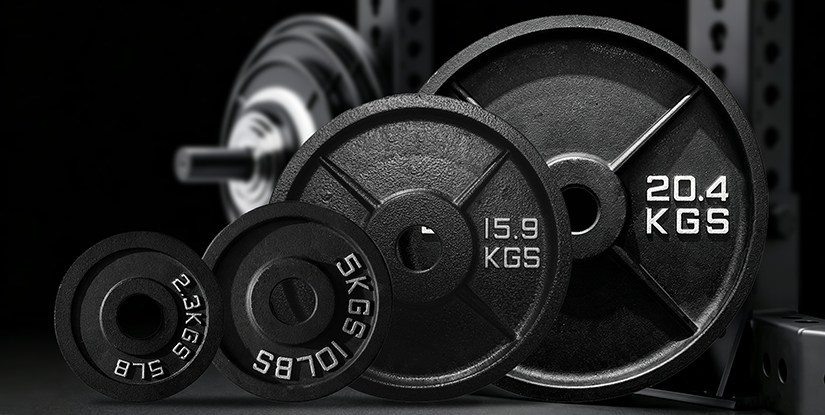
Furthermore, specialized procurement teams should request details regarding the cast iron plate manufacturing precision for the inner ring diameter. A well-machined center hole ensures a seamless fit on Olympic bars, reducing friction and mechanical wear. For large-scale wholesale cast iron plates distribution, selecting a supplier that offers both standard sand casting and precision-machined variations allows you to offer a versatile product catalog that meets diverse budget requirements without sacrificing professional quality.
A critical component of a successful cast iron plate bulk order is the rigorous evaluation of surface treatment and coating adhesion. For distributors, the risk of receiving units with peeling paint or surface oxidation can lead to high return rates and diminished trust. To mitigate this, ensure your commercial weight plate supplier utilizes a standardized surface preparation process, such as sandblasting or chemical etching, before any final coating is applied. This step is vital to ensure that the powder coating or enamel layer remains intact even under the constant friction and impact of heavy commercial use.
During the pre-shipment QC phase, it is highly recommended to request specific details on how the factory tests for coating adhesion and weight calibration. A professional China factory specializing in high-volume exports will typically conduct spot checks on the center hole concentricity and the edge smoothness to ensure a perfect fit for Olympic barbells. For large-scale wholesale cast iron plates procurement, confirming these specific technical checkpoints can significantly reduce your long-term maintenance load and optimize your total landed cost by preventing the need for replacement stock due to surface or dimensional defects.
China Factory QC and Export Packaging Standards
Managing a cast iron plate bulk order requires more than just selecting a high-quality supplier; it demands rigorous oversight of the entire logistics chain. For international distributors, the primary risk lies in transit damage and discrepancies between ordered weight and delivered units. A professional commercial weight plate supplier must implement a multi-stage inspection protocol to ensure that every unit meets the strict tolerances required for commercial fitness environments.
A reliable China factory does not rely solely on automated processes. Instead, it integrates manual and mechanical QC checkpoints throughout the production cycle. This includes verifying the concentricity of the center hole, the adhesion of the powder coating, and the precision of the weight markings. Without these standardized protocols, large-scale shipments often arrive with surface oxidation or structural micro-cracks, which negatively impacts the landed cost due to replacement requirements and lost wholesale margins.
Beyond the manufacturing floor, specialized export packaging is essential for protecting heavy wholesale cast iron plates during sea freight. Standardized protocols involve using reinforced wooden crates, heavy-duty pallets, and moisture-absorbent liners to prevent rust during long-haul transit. By optimizing the logistics of container loading—balancing weight distribution and volumetric efficiency—importers can significantly reduce shipping overhead and ensure that their sourcing strategy remains profitable.
Technical Inspection and Shipping Protocol
To maintain high reliability in a cast iron plate bulk order, professional manufacturers implement a specialized inspection checklist focusing on mechanical integrity and finish longevity. Before any unit is cleared for sea freight, technicians perform a weight tolerance spot-check to ensure consistency across the entire batch. This is followed by a coating adhesion test to confirm that the surface finish can withstand high-frequency commercial use without peeling or chipping.
Standardized wholesale cast iron plates undergo a final pre-shipment inspection that targets the precision of the inner ring and the flatness of the base. A professional commercial weight plate supplier will also verify that the branding or embossed markings are legible and correctly positioned. These technical checks are vital for distributors to ensure that the received stock meets the exact specifications promised during the sourcing phase, preventing costly returns or client dissatisfaction.
Effective export logistics require strict palletization standards to manage the heavy density of iron products. High-tier manufacturers use reinforced pallets and shrink-wrap layers to secure the load, preventing shifting during ocean transit. For large-scale cast iron plate manufacturing, optimizing the container loading density is critical to reducing the per-unit landed cost. Buyers should always confirm the specific MOQ and the packaging configuration with their factory to ensure the shipment is optimized for both safety and shipping volume efficiency.
Inspection Standard Comparison for Procurement
When evaluating a cast iron plate bulk order, procurement managers must look beyond the surface to the technical metrics that dictate long-term durability and return rates. A professional commercial weight plate supplier provides detailed specification sheets that distinguish between standard retail-grade items and high-density commercial units. Understanding these nuances allows distributors to mitigate the risk of receiving substandard stock that fails to meet commercial facility requirements.
| Material | Coating | QC Point | Packaging Standard | Commercial Duty | MOQ Impact |
|---|---|---|---|---|---|
| Gray Cast Iron | Powder Coating | Weight Tolerance & Concentricity | Reinforced Wooden Crate | High-Frequency Gym Use | Standard MOQ |
| Carbon Steel | Black Enamel | Surface Smoothness & Flatness | Heavy-Duty Palletized Box | Standard Commercial Strength | Low MOQ |
| Ductile Iron | Premium PU/Rubber | Coating Adhesion & Edge Finish | Export-Grade Moisture Liner | Premium Studio/Boutique | High MOQ |
Selecting the right cast iron plate manufacturing partner requires a thorough audit of these technical benchmarks. A high-capacity China factory will typically offer customized coating options and precision machining to meet specific brand identities. Before finalizing a wholesale agreement, we recommend requesting a sample approval and a detailed pre-shipment inspection report to ensure the finished goods align perfectly with your commercial durability and branding standards.
OEM and Private Label Capabilities for Global Distributors
Moving beyond standard procurement requires a strategic shift from sourcing generic stock to building a recognizable brand. For distributors looking to increase their market share, a cast iron plate bulk order serves as the foundation for a professional product line. By leveraging OEM services, you can transition from a mere importer to a specialized brand owner, offering products that reflect your specific quality standards and aesthetic requirements.
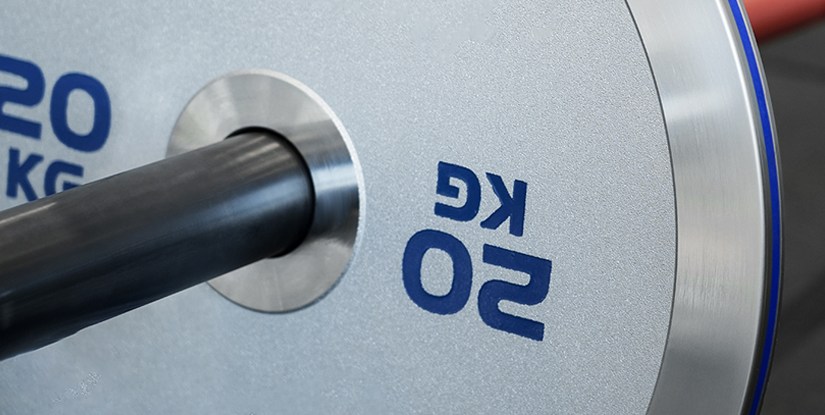
Working directly with a China factory allows for high-level customization that goes far beyond simple logo placement. Whether it is adjusting the texture of the cast iron plate or implementing specific powder coating colors, these technical adjustments allow you to differentiate your inventory in a crowded commercial market. This level of control is essential for maintaining a high distributor margin while providing value to end-users like gym chains and high-end studio operators.
Engaging in private label manufacturing ensures that your brand identity remains consistent across all product tiers. Instead of competing solely on price against generic imports, you can offer a branded experience that builds long-term customer loyalty. Through wholesale partnerships, you can manage your sourcing strategy to include custom-molded weight markings or specialized handle textures, ensuring your catalog meets the specific demands of your local commercial fitness market.
Technical Specifications for Brand Customization
To achieve a high-tier product positioning, a cast iron plate bulk order must include precise technical control over surface and structural aesthetics. For many professional importers, the value lies in the ability to integrate proprietary branding through advanced sand casting techniques. This process allows for deep, permanent logo embossing directly into the mold, ensuring that your brand mark remains legible even after years of heavy commercial use and high-impact training. Unlike surface printing, these integral markings do not fade or peel, preserving your brand equity during the product lifecycle.
Beyond structural branding, the surface finish serves as a critical differentiator for a commercial weight plate supplier. We offer high-durability powder coating options that provide both color customization and a protective barrier against oxidation and moisture. This is essential for distributors managing inventory in diverse climates. Furthermore, a professional wholesale cast iron plates program includes strict weight calibration protocols. We utilize precision machining to ensure concentricity and weight accuracy, minimizing the tolerance gaps that can damage a distributor's reputation. For clients seeking a specialized cast iron plate manufacturing partner, we provide full transparency on the QC steps, from initial casting to final coating adhesion tests, ensuring every unit meets the expected commercial-grade standards before export.
Comparison of Customization Tiers and Procurement Impact
Selecting the right specification for your cast iron plate bulk order requires a clear understanding of how customization depth affects your total landed cost and inventory value. Distributors must balance the desire for high-end branding against the logistical realities of MOQ and shipping efficiency. The following table outlines common procurement options to help you align your sourcing strategy with your target market positioning.
| Material & Finish | Customization Level | Key Component/Detail | Commercial Duty | MOQ Impact | Factory QC Point |
|---|---|---|---|---|---|
| Gray Iron / Bare | Standard Stock | Raised Lettering | High-Traffic Gyms | Low | Surface Smoothness |
| Gray Iron / Powder Coated | Standard OEM | Color-Specific Finish | Studio & Boutique | Moderate | Coating Adhesion |
| Premium Cast / Precision Machined | High-End Private Label | Concentricity & Tolerance | Professional Training | High | Weight Calibration |
| Custom Molded / Specialized Finish | Full ODM | Proprietary Logo/Texture | Premium Brand Identity | Very High | Mold Integrity |
When evaluating a wholesale cast iron plates program, consider that higher customization tiers often require longer lead time due to specialized cast iron plate manufacturing processes. For instance, moving from standard raised lettering to precision-machined concentricity requires additional CNC stages at the factory. We recommend confirming your MOQ requirements and technical spec sheets early in the sourcing phase to ensure your China factory partner can meet your delivery timelines and quality expectations for the global market.
Strategic Sourcing and Logistics for Bulk Procurement
Executing a successful cast iron plate bulk order requires more than just selecting a product; it demands a sophisticated understanding of the global supply chain to protect your margins. For distributors and gym equipment importers, the complexity lies in balancing high-volume requirements with predictable logistics. Sourcing directly from a China factory allows procurement leads to bypass middleman markups, but it also necessitates strict oversight of variables such as MOQ, production lead time, and the total landed cost to ensure long-term profitability.
When scaling your inventory, relying on a single-tier commercial weight plate supplier can lead to significant bottlenecks if the manufacturer lacks vertical integration. A professional wholesale cast iron plates procurement strategy must account for the total cost of ownership, including shipping volumes and potential duties. Without a clear view of how factory capacity affects your delivery schedule, even a well-planned expansion can face unexpected delays and increased overhead.
Quality Control and Precision Standards
Reliability in a cast iron plate bulk order is determined by the rigor of the cast iron plate manufacturing process. High-volume buyers must verify that the factory utilizes standardized weight calibration and concentricity machining to ensure each unit meets commercial-grade specifications. A professional supplier should provide documentation regarding their weight tolerance protocols and surface finishing consistency, as these factors directly impact your replacement planning and client satisfaction.
Beyond the casting itself, technical oversight must extend to the OEM and ODM specification details. During the QC process, inspection teams should focus on the concentricity of the center hole, the adhesion strength of the powder coating, and the integrity of the embossed branding areas. For distributors, these granular checks are essential to minimize the risk of defective stock and to maintain high standards for your own private label or brand identity.
Export Packaging and Container Loading Efficiency
For large-scale wholesale cast iron plates distribution, the final stage of the sourcing process is often the most critical for protecting your landed cost. Effective export packaging is designed to withstand the rigors of maritime transit and multiple handling points. We recommend a standardized protocol involving heavy-duty corrugated boxes or reinforced wooden crates to prevent chipping or structural damage during long-haul shipping.
To optimize your shipping budget, work with your China factory to implement efficient container loading patterns. Proper palletization and weight distribution within a 20ft or 40ft container can significantly reduce the number of shipments required for a high-volume cast iron plate bulk order. By aligning your MOQ and volume requirements with optimized loading plans, you can maximize space efficiency and reduce the per-unit logistics expense, thereby protecting your distributor margins.
Technical Specification and Material Comparison
To finalize your procurement plan, you must evaluate the technical differences between common commercial options. A professional cast iron plate bulk order should be predicated on understanding how material and surface treatments impact long-term durability and maintenance. The following comparison provides a framework for choosing the right specification based on your specific market positioning and target landed cost.
| Material | Coating | Process | Commercial Duty | MOQ Impact | Factory QC Point |
|---|---|---|---|---|---|
| Gray Iron | Bare Iron / Phosphate | Sand Casting | High-traffic commercial gyms | Standard | Weight calibration |
| Gray Iron | Powder Coating | Sand Casting + Spray Line | Premium studios & retail | Medium | Coating adhesion |
| Carbon Steel | PU/Rubber Coating | Injection/Molding | High-end fitness clubs | Higher | Encapsulation integrity |
When negotiating with a supplier, ensure that your wholesale cast iron plates requirements are clearly defined within these technical tiers. Whether you require a simple sand casting for a budget-friendly wholesale distribution model or a more specialized OEM solution with high-grade powder coating, specifying the exact process detail will prevent discrepancies during the final QC inspection. We recommend requesting a detailed spec sheet or a sample evaluation to confirm that the weight tolerance and surface finish align with your brand standards before committing to a full-scale production run.