Barbell Plate Foundry: Top Tier China Factory OEM Supply
Barbell Plate Foundry Standards and Commercial Procurement
For large-scale commercial gym chains and international distributors, the selection of a barbell plate foundry is a high-stakes decision that dictates long-term operational efficiency. While boutique studios might focus on aesthetics, professional procurement leads prioritize the structural integrity and weight consistency that a specialized China factory provides. Sourcing directly from a barbell plate foundry ensures that every unit meets the rigorous demands of high-traffic environments, minimizing the risk of uneven wear or premature replacement.
In professional commercial weight plate manufacturing, the relationship between casting precision and Total Cost of Ownership (TCO) is direct. Low-quality casting leads to warping, inconsistent thickness, and uneven weight distribution, which eventually increases maintenance costs and reduces the lifespan of your barbell sets. By establishing a sourcing strategy with a high-tier cast iron plate OEM, buyers can secure products with tighter tolerance bands, ensuring a higher Return on Investment (ROI) through enhanced product durability and reduced replacement frequency.
Optimizing your TCO requires more than just looking at the initial unit price; it requires evaluating the long-term durability of the commercial weight plate manufacturing process. A precision-engineered cast iron plate OEM provides value through consistent density and superior surface finishing, which protects the internal steel structure from oxidation and structural fatigue. For distributors managing large-scale wholesale orders, these technical specifications are the primary drivers of brand reputation and client retention.
Technical Comparison of Casting and Coating Processes
When evaluating the long-term value of a bulk order, procurement officers must distinguish between standard production and high-performance industrial methods. A professional barbell plate foundry typically offers different levels of finishing, which directly impacts the maintenance load and the final landed cost for the importer. Choosing the correct combination of base material and surface treatment is essential for maximizing the commercial lifespan of the equipment in high-use facilities.
The following table outlines the standard B2B options available through a professional China factory to assist in your technical selection and procurement planning.
| Material | Process | Key Component | Commercial Duty | MOQ Impact | Factory QC Point |
|---|---|---|---|---|---|
| Cast Iron | Sand casting | Base flatness | Standard commercial use | Standard | Bore concentricity |
| Carbon Steel | Machining | Weight calibration | High-frequency training | Higher | Tolerance precision |
| Cast Iron | Powder coating | Coating adhesion | Premium commercial gym | Variable | Surface uniformity |
| Steel/Iron | Rubberized molding | Encapsulation layer | High-impact environments | Higher | Bond line integrity |
For distributors looking to offer a premium product line, utilizing a cast iron plate OEM with advanced powder coating provides a significant advantage in durability. While sand casting remains the industry standard for cost-effective commercial weight plate manufacturing, the addition of high-grade finishes prevents oxidation and ensures the plates remain aesthetically consistent over years of use. When negotiating your next wholesale contract, we recommend requesting a sample to verify the coating adhesion and the precision of the weight calibration. This step is critical to ensuring that your MOQ requirements are met with products that uphold your brand's quality standards and long-term ROI.
Pre-Shipment Inspection and Export Standards
To mitigate the risk of high landed costs due to damaged or substandard goods, professional importers must implement a rigorous pre-shipment inspection protocol. A reliable barbell plate foundry does not merely ship products; it provides a documented quality assurance process that protects your distributor margins. For bulk orders, the focus must shift from individual unit aesthetics to the structural uniformity of the entire batch. Failure to verify these technical details before the container is sealed can lead to expensive returns and broken client trust.
A comprehensive factory audit or third-party inspection should prioritize several critical technical checkpoints. First, verify the base flatness of the plates to ensure they sit level on a standard barbell sleeve without wobbling. Second, perform a weight tolerance spot-check on a random sample from the current production run to ensure consistency across the entire shipment. Third, conduct a physical test of the coating adhesion to confirm the finish will not chip or peel under heavy commercial use. Finally, inspect the export packaging to ensure that heavy-duty pallets and reinforced corner protection are used, preventing impact damage during sea freight. By confirming these standards directly with your China factory, you ensure that your wholesale procurement results in high-performance, durable equipment ready for immediate commercial deployment.
Material Precision and Casting Processes in Commercial Weight Plate Manufacturing
Establishing a reliable supply chain for heavy lifting equipment requires a deep understanding of the engineering behind the barbell plate foundry. For professional distributors and gym equipment importers, sourcing from a specialized China factory ensures that every unit meets the rigorous density and balance requirements of high-traffic environments. High-volume wholesale procurement relies on consistent metallurgical properties to prevent uneven wear and ensure long-term durability in commercial settings.
Standard commercial weight plate manufacturing relies heavily on the precision of the mold and the quality of the molten metal. When sourcing cast iron plate OEM solutions, buyers must evaluate the technical nuances of the casting method to mitigate the risk of structural defects. A professional barbell plate foundry utilizes advanced thermal control to ensure that the density of the iron remains uniform throughout the plate, preventing the weight fluctuations that can disrupt a lifter's rhythm or damage high-end barbell sleeves.
Engineering Standards: Sand Casting and Weight Calibration
The majority of high-tier commercial plates are produced via sand casting, a process that allows for the creation of complex shapes and embossed branding. During this phase, the precision of the sand mold determines the final concentricity of the center bore. For a supplier, maintaining tight tolerances is critical; even a slight deviation in the bore diameter can lead to poor fitment on premium barbells, increasing the maintenance load for the end-user. In a professional factory setting, the transition from raw casting to a finished product involves multiple stages of refining to ensure the surface is smooth and the weight is accurate.
Precision in the casting stage directly impacts the landed cost and the long-term ROI of a product line. If the material precision is neglected, the resulting plates may exhibit warping or uneven thickness, leading to higher replacement rates for the distributor. This is why professional sourcing teams prioritize manufacturers that implement strict weight tolerance checks at the post-casting stage, ensuring that the actual weight matches the stamped specification within industry-standard margins.
| Material | Primary Process | Key Component/Detail | Commercial Duty | MOQ Impact | Factory QC Point |
|---|---|---|---|---|---|
| Cast Iron | Sand Casting | Concentricity of center bore | High-frequency commercial use | Standard for wholesale | Weight tolerance spot-check |
| Carbon Steel | CNC Machining | Flatness and edge smoothness | Precision lifting/Competition | Higher MOQ requirements | Surface flatness verification |
| Steel with Coating | Powder Coating | Coating adhesion/thickness | Standard gym/Studio environments | Flexible for OEM | Adhesion and color consistency |
Surface Integrity and Industrial Coating Standards
Beyond the initial cast, the durability of a plate is defined by its surface treatment. For a professional barbell plate foundry, the transition from raw iron to a finished commercial product involves rigorous surface finishing. A primary concern for importers is the adhesion and longevity of the finish, as poor quality can lead to chipping or oxidation, which increases the total cost of ownership for the end-user. High-tier commercial weight plate manufacturing typically utilizes specialized coating lines to protect the underlying metal and provide a premium tactile experience.
One of the most common and reliable methods for commercial-grade protection is powder coating. This electrostatic process ensures a uniform, durable layer that resists impact and corrosion. For distributors seeking to establish a distinct brand identity, this method is highly effective for OEM orders, as it allows for consistent color coding and precise logo application. When evaluating a China factory for bulk orders, it is essential to verify that the coating process includes a pre-treatment stage, such as phosphate treatment, to ensure maximum adhesion and prevent premature peeling in high-humidity gym environments.
The choice between a raw finish and a coated finish also impacts your sourcing strategy regarding weight and logistics. While a standard cast iron plate offers a classic aesthetic, a coated plate provides added protection for both the equipment and the facility floor. Before finalizing a wholesale contract, we recommend requesting a sample to evaluate the thickness and texture of the coating. Confirming these technical details during the pre-shipment phase ensures that your bulk shipment meets the high standards required for international commercial distribution.
Comparing Material Specifications and Commercial Duty
For distributors and gym equipment importers, selecting the correct production standard is a critical decision in the barbell plate foundry sourcing process. Rely much on visual inspection alone; a professional barbell plate foundry must provide documented control over metallurgical consistency to ensure long-term ROI for your clients. Standard casting often lacks the density required for high-traffic environments, whereas professional commercial weight plate manufacturing focuses on minimizing structural vulnerabilities that lead to premature cracking or uneven wear.
When evaluating a cast iron plate OEM partner, procurement leads must differentiate between basic sand casting and precision-engineered commercial units. High-tier China factory operations utilize advanced calibration to ensure that weight variance remains within industry-standard tolerances, protecting your brand reputation and reducing replacement costs. Understanding these material nuances allows for better landed cost calculations and more accurate inventory planning for large-scale fitness facility rollouts.
| Material Tier | Primary Process | Weight Tolerance Profile | Commercial Duty Level | Procurement Impact |
|---|---|---|---|---|
| Standard Cast Iron | Basic Sand Casting | Variable / Loose | Light Commercial / Home | Lower MOQ / High Replacement Risk |
| Precision Gray Iron | Refined Sand Casting | Strict / Controlled | Full Commercial Gym | Balanced TCO / Reliable Wholesale |
| Machined Carbon Steel | CNC Machining | Ultra-High Precision | Premium / Competition | Higher MOQ / Premium Brand Positioning |
Optimizing your sourcing strategy requires a deep dive into how these manufacturing variables affect your distributor margins. A factory that offers specialized OEM services for high-density iron or steel-core plates can provide a significant competitive advantage in the premium fitness market. We recommend requesting a detailed technical spec sheet and confirming the specific MOQ for any custom-branded or precision-machined production runs before finalizing your purchase order.
Technical Specifications and Procurement Logic
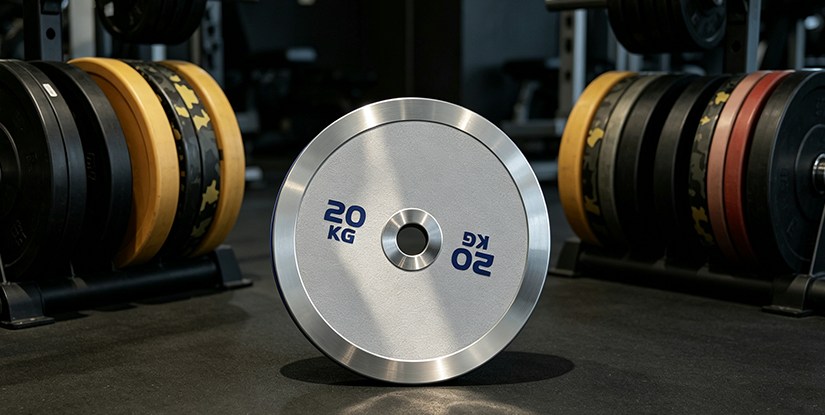
Selecting between different coating and material combinations is not merely a matter of aesthetics; it is a strategic decision involving total cost of ownership (TCO) and facility maintenance. For instance, while bare iron offers the lowest initial landed cost, it requires higher maintenance frequency due to oxidation risks. Conversely, specialized coatings like powder coating or polyurethane (PU) significantly increase durability and floor protection, making them highly recommended for high-traffic commercial environments where equipment longevity is the priority.
| Material Tier | Coating/Finish | Primary Process | Commercial Duty | Floor Protection | MOQ/Customization |
|---|---|---|---|---|---|
| Gray Iron | Paint or Enamel | Sand Casting | Standard Commercial | Moderate | Low MOQ / Standard |
| Precision Iron | Powder Coating | Refined Casting | High-Traffic Gym | High | Medium MOQ / Custom Branding |
| Carbon Steel | PU or Rubber | CNC Machining | Premium / Competition | Maximum | High MOQ / Full ODM |
To ensure seamless logistics and quality assurance, we advise procurement managers to verify the specific coating adhesion and weight calibration protocols during the pre-shipment stage. A professional barbell plate foundry will provide transparency regarding the thickness of the polyurethane layer or the precision of the CNC machining process. When negotiating bulk orders, always confirm whether the specified finish is applied via a continuous automated line or manual dipping, as this directly impacts the consistency of your private label products and your overall distributor margins.
Quality Control and Export Standards for China Factory Sourcing
Maintaining consistent production standards is the primary challenge for importers sourcing from a barbell plate foundry. For distributors and gym equipment wholesalers, the cost of a single faulty batch—marked by uneven weight distribution or surface flaws—can erode profit margins and damage brand reputation. To mitigate B2B sourcing risk, procurement professionals must verify that the China factory implements a multi-stage inspection protocol that covers everything from raw iron purity to final container loading. Reliable commercial weight plate manufacturing relies on strict adherence to standardized casting and finishing cycles to ensure every unit meets international commercial specifications.
Preventing Casting Defects and Weight Discrepancies
A high-tier barbell plate foundry must address two critical technical variables: structural integrity and weight tolerance. In high-volume cast iron plate OEM production, even minor deviations in the sand casting process can lead to air pockets or structural brittness. Professional buyers should require documentation or visual verification regarding the density of the gray iron used, as inconsistent material density is a leading cause of weight inaccuracies. Without rigorous weight tolerance controls, a shipment of 500 units could result in significant cumulative weight loss, complicating inventory audits and increasing the landed cost per kilogram for the end user.
Beyond weight, the physical geometry of the plate is a key indicator of manufacturing quality. Casting defects such as warping or non-concentric bores can cause uneven wear on barbell sleeves and increase maintenance loads for gym operators. A professional supplier will perform flatness checks and concentricity testing on the center hole to ensure a smooth, balanced fit. When evaluating a factory, confirm whether they utilize CNC machining for the center bore to guarantee the precision required for high-end commercial use.
Surface Finishing and Export-Ready Packaging Protocols
The final appearance of a plate directly impacts its perceived value in the retail and commercial markets. For a cast iron plate OEM partner, the surface finish is more than aesthetic; it is a functional layer that prevents oxidation and enhances durability. High-grade commercial weight plate manufacturing typically involves a multi-stage surface treatment, such as a phosphate wash or a high-durich powder coating, to ensure optimal adhesion. Buyers should verify that the China factory conducts adhesion tests to ensure the coating does not chip or peel under heavy usage, which would otherwise increase the maintenance load and decrease the product's lifecycle for the end-user.
Logistical efficiency and the protection of the finished product during transit are equally vital to the . To protect distributor margins, the barbell plate foundry must utilize heavy-duty export packaging. This includes reinforced cardboard, corner protectors, and palletization designed to withstand the rigors of ocean freight. A professional supplier will also provide clear documentation regarding the MOQ, lead time, and precise container loading dimensions to help importers optimize their container utilization and minimize the landed cost. Before finalizing a bulk order, we recommend requesting a sample approval and a detailed pre-shipment inspection report to ensure all specifications align with your brand identity.
Technical Comparison of Manufacturing Standards for Procurement
To optimize your procurement strategy, it is essential to understand how different production tiers impact both product durability and your total landed cost. Selecting the correct specification ensures that your investment aligns with the target market, whether you are sourcing high-end competition units or high-volume commercial stock. The following table provides a technical breakdown of common manufacturing options available through a professional barbell plate foundry.
| Material | Coating | Process | Key QC Point | Commercial Duty | MOQ Impact |
|---|---|---|---|---|---|
| Gray Iron | Black Paint | Sand Casting | Bore Concentricity | Standard Commercial | Low |
| Gray Iron | Powder Coating | Sand Casting + CNC | Coating Adhesion | Premium Commercial | Medium |
| Carbon Steel | Polyurethane (PU) | Molding / Dip | Edge Smoothness | High-End Studio | High |
| Steel | Chrome Finish | Machining | Surface Flatness | Competition Spec | Very High |
When managing a cast iron plate OEM program, the choice between standard sand casting and more advanced CNC-machined finishes will directly influence your wholesale pricing and lead times. While standard painted plates offer a lower entry point for high-volume sourcing, premium powder-coated or PU-coated options provide a higher perceived value and better long-term durability for high-traffic environments. We recommend confirming the specific MOQ for each tier during the initial inquiry to ensure your inventory planning remains efficient and your distributor margins are protected.
OEM and Private Label Capabilities for Global Distributors
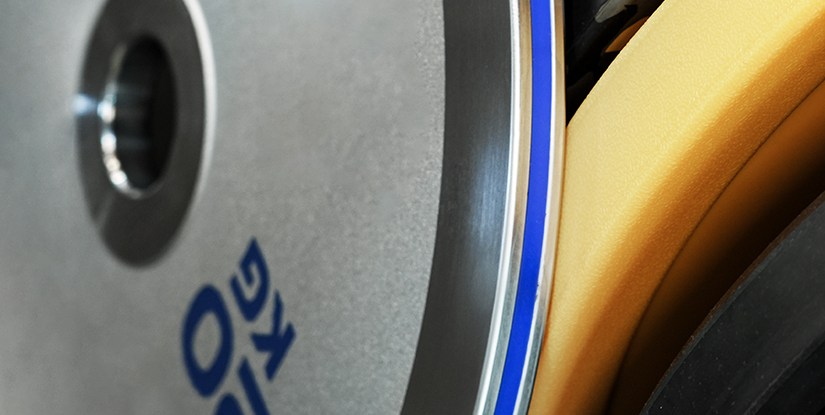
Expanding a fitness brand requires more than just quality products; it requires a reliable partner capable of executing precise custom branding. For distributors looking to differentiate their catalog, a professional barbell plate foundry offers the infrastructure to move from generic sourcing to a sophisticated private label model. This strategic shift allows importers to build long-term brand identity through unique aesthetics and specialized weight markings.
When sourcing through a China factory, the ability to implement custom logo designs—whether through high-relief embossing or precision sand casting—is a critical factor in establishing market authority. Professional commercial weight plate manufacturing extends beyond the casting itself to include specialized surface treatments and branding consistency that meets international standards. By leveraging OEM and ODM services, distributors can optimize their distributor margin by controlling the visual and functional specifications of their entire product line.
Our facility provides scalable solutions for cast iron plate OEM requirements, ensuring that your proprietary designs are executed with technical precision. Whether you are developing a specialized series of competition-spec plates or a high-volume commercial line, we manage the complexities of production to maintain your brand's professional standing in the global market.
For procurement specialists and wholesale importers, technical customization is a primary lever for increasing market value. A professional barbell plate foundry must offer a versatile menu of material and finish options to satisfy diverse commercial requirements, ranging from rugged gym environments to high-end studio aesthetics. Choosing the correct combination of casting methods and surface treatments directly impacts the total cost of ownership (TCO) and the long-term durability of the equipment in the field.
Technical Specifications and Customization Options
The differentiation in the global market often depends on the precision of the manufacturing process. High-volume buyers must evaluate whether a specific cast iron plate OEM request requires basic sand casting for standard commercial use or more refined machining for tighter weight tolerances. Beyond the core material, the application of a high-grade powder coating or specialized rubberization provides essential protection for both the plate and the facility flooring, reducing maintenance frequency for the end-user.
| Material | Coating Type | Process | Key QC Point | Commercial Duty | MOQ Impact |
|---|---|---|---|---|---|
| Cast Iron | Bare Iron/Phosphate | Sand Casting | Base Flatness | Standard Commercial | Standard |
| Cast Iron | Powder Coating | Sand Casting + Spray | Coating Adhesion | Premium Commercial | Medium |
| Carbon Steel | Polyurethane (PU) | Molding/Dip | Encapsulation Layer | High-End Studio | High |
| Cast Iron | Rubber Coating | Molding/Dip | Bond Line Integrity | Full-Service Gym | Medium |
Effective commercial weight plate manufacturing requires strict adherence to these technical tiers to ensure predictable sourcing outcomes. When negotiating with a supplier, we recommend confirming the specific weight calibration and coating durability standards during the initial quote phase. To ensure your specifications align with your brand's quality standards, please contact us to request a full technical spec sheet, confirm your MOQ, or arrange for a sample approval and factory audit.
Effective commercial weight plate manufacturing requires strict adherence to these technical tiers to ensure predictable sourcing outcomes. When negotiating with a supplier, we recommend confirming the specific weight calibration and coating durability standards during the initial quote phase. To ensure your specifications align with your brand's quality standards, please contact us to request a full technical spec sheet, confirm your MOQ, or arrange for a sample approval and factory audit.
Optimizing Logistics and Landed Cost for Bulk Orders
Managing the total landed cost is a critical priority for distributors and gym equipment importers sourcing heavy iron goods. A professional barbell plate foundry understands that the price per unit is only one component of the procurement equation. To protect your margins, the China factory must optimize the balance between volumetric weight, container utilization, and protective export packaging to minimize damage during long-haul maritime transit.
When placing bulk orders, shipping efficiency becomes a primary driver of your final ROI. High-density products like cast iron plates present unique challenges in container loading. Without precision stacking and standardized palletization, much of your shipping budget is wasted on "dead air" within the container. A specialized barbell plate foundry utilizes optimized pallet configurations and reinforced crates to ensure maximum density, effectively lowering the shipping cost per kilogram and improving the overall commercial weight plate manufacturing value proposition for global clients.
Strategic Sourcing and Logistics Framework
Effective sourcing requires more than just finding a supplier; it requires a partner capable of navigating complex international logistics. Whether you are requesting a wholesale shipment or a specialized OEM production run, the coordination of lead times and freight forwarder instructions is vital. Professional cast iron plate OEM production integrates logistics planning directly into the manufacturing timeline to ensure that MOQ requirements are met without delaying departure windows.
| Logistics Dimension | Standard Export Method | B2B Optimization Strategy | Impact on Landed Cost |
|---|---|---|---|
| Packaging Type | Single Unit Boxes | Reinforced Industrial Crates / Pallets | Reduces breakage and replacement claims |
| Loading Efficiency | Loose Loading | Standardized Palletization for High Density | Maximizes container volume and lowers per-unit freight |
| Customization | Generic Branding | Private Label / Custom Branding Integration | Increases distributor brand value and market positioning |
| Sourcing Model | Small Batch Sourcing | Bulk Order / Factory-Direct Sourcing | Reduces intermediary markup and stabilizes unit price |
To ensure a seamless transition from the factory to your warehouse, we recommend clients initiate a pre-shipment inspection and review the specific export packaging protocols. Confirming your MOQ and discussing container loading plans early in the procurement cycle will help you accurately forecast your final landed cost and maintain predictable inventory levels for your distribution network.
To ensure a seamless transition from the factory to your warehouse, we recommend clients initiate a pre-shipment inspection and review the specific export packaging protocols. Confirming your MOQ and discussing container loading plans early in the procurement cycle will help you accurately forecast your final landed cost and maintain predictable inventory levels for your distribution network. Contact our team to request a detailed specification sheet or to confirm wholesale pricing for your next production run.
Mitigating Financial Risk via Pre-Shipment Quality Control
Hidden costs in international trade often stem from weight discrepancies and dimensional inconsistencies that pass through a standard production line but fail at your warehouse. For a professional barbell plate foundry, the most critical safeguard against these losses is a rigorous pre-shipment QC protocol. A single unverified batch of plates that fails to meet weight tolerances can lead to significant inventory imbalances, impacting your distributor margins and customer trust.
A professional weight tolerance spot-check is not merely a formality; it is a necessary step in high-standard commercial weight plate manufacturing. During the final inspection phase, specialized technicians verify that the cast iron or steel density remains consistent across the entire wholesale order. This process ensures that every unit aligns with the technical specifications provided during the OEM or ODM setup, preventing the long-term operational costs associated with uneven barbell loading or uneven wear in commercial gym environments.
By implementing these strict quality control measures at the factory level, a cast iron plate OEM protects the buyer from the logistical headache of returns and replacement claims. We recommend that all procurement leads schedule a formal inspection or request detailed compliance reports before finalizing the export documentation. This proactive approach to sourcing ensures that your bulk shipments arrive ready for immediate distribution, maintaining the high standards your brand identity demands.