Cast Iron Weight Plate Commercial Supplier: Material Spec
The Cost of Procurement Errors in Commercial Weight Plate Sourcing
When managing large-scale inventory, professional buyers must navigate the critical intersection of material integrity, specification accuracy, and logistical reliability. Selecting an unreliable cast iron weight plate commercial supplier often results in more than just a single bad shipment; it creates a ripple effect of operational inefficiencies that jeopardize your profit margins. A failure to verify the casting quality or the consistency of the surface finish can lead to unexpected expenditures in maintenance and equipment downtime. For distributors and facility operators, the primary objective is to minimize the total cost of ownership by ensuring that every batch meets the rigorous demands of high-traffic environments.
The financial impact of a procurement error extends far beyond the initial invoice. Sourcing low-grade products through improper commercial gym equipment sourcing channels frequently leads to premature oxidation, uneven weight distribution, and surface degradation. These issues necessitate a higher replacement frequency, forcing buyers to reinvest capital sooner than projected in their initial business models. Furthermore, substandard casting often results in inconsistent thickness or poor concentricity, which complicates the maintenance of weight racks and storage systems. When the durability of the equipment is compromised, the resulting labor costs for repairs and the logistical burden of re-ordering small batches to fix large-scale errors can significantly inflate the true landed cost of your inventory.
In a competitive market, optimizing your supply chain requires a transition from simple price-chasing to strategic value-based procurement. Relying on wholesale cast iron plates that lack standardized quality control protocols often results in "hidden" costs, such as increased shipping weight discrepancies or damaged surfaces during transit. A professional iron weight plate manufacturer provides the technical transparency needed to predict long-term usage patterns and budget accurately for depreciation. By prioritizing a factory that understands the nuances of commercial-grade casting and precision finishing, importers can ensure that their bulk orders provide stable, predictable performance that protects both their capital and their reputation among end-users.
Evaluating Sourcing Tiers: Budget vs. Professional Grade
To avoid the pitfalls of low-quality production, it is essential to recognize the qualitative differences between generic production and specialized manufacturing. A professional cast iron weight plate commercial supplier will provide transparency regarding their manufacturing tiers, whereas budget-oriented options often obscure critical specification gaps to maintain low entry prices. For distributors managing high-volume inventory, understanding these tiers is the first step in effective commercial gym equipment sourcing to ensure long-term reliability.
| Material Tier | Surface Finish | Weight Tolerance Profile | Commercial Durability | Sourcing Risk | Impact on Landed Cost |
|---|---|---|---|---|---|
| Standard Gray Iron | Basic Paint or Bare Iron | High Deviation Potential | Low (Residential/Light Use) | High: Inconsistent density and surface pitting | Low initial cost; high long-term maintenance |
| Premium Cast Iron | High-Grade Powder Coating | Strict Industry Standard | High (Heavy-Duty Commercial) | Moderate: Requires verified QC protocols | Predictable ROI; optimized for long-term use |
| Industrial Grade | Advanced Coating/Enamel | Precision Calibrated | Maximum (Tier-One Facilities) | Low: Reliable wholesale volume consistency | Optimized TCO through reduced replacement needs |
The distinction between these tiers is most evident during the iron weight plate manufacturer inspection process. While budget options may offer lower wholesale prices, they often lack the consistent thickness and concentricity required for professional racks. A professional factory focuses on the refinement of the casting and the adhesion of the coating to prevent premature chipping or rust. When calculating your final landed cost, always account for the potential expense of replacing substandard units that fail to meet the rigorous standards of a high-traffic commercial facility.
The Importance of Pre-Shipment Inspection and QC
For distributors and large-scale importers, the risk of receiving a compromised batch is highest during the transition from production to export. A reliable iron weight plate manufacturer does not merely ship finished goods; they implement rigorous QC protocols at every stage of the casting and finishing cycle. This oversight is critical because a single oversight in the mold or the coating adhesion process can lead to widespread product failure across an entire container load, significantly affecting your customer satisfaction and subsequent re-order rates.
Professional sourcing strategies must include a verification of specific technical touchpoints before the product leaves the China factory. This includes checking the flatness of the plate surface to ensure it sits securely on racks, verifying the concentricity of the center bore, and testing the durability of the powder coating under standard handling conditions. Without these pre-shipment checks, a buyer may face a scenario where the lead time for a replacement order creates a massive gap in their inventory availability, stalling their own distribution timelines and eroding their brand reputation. By demanding transparency in the factory's internal testing—such as weight tolerance spot-checks and surface integrity audits—importers can mitigate the risks associated with bulk procurement and ensure their wholesale shipments arrive ready for immediate commercial deployment.
Material Specifications and Casting Standards for Professional Buyers
When conducting commercial gym equipment sourcing, the structural integrity of your inventory depends entirely on the metallurgical quality of the base material. A professional cast iron weight plate commercial supplier must provide transparency regarding the casting method and the grade of iron used. For high-volume distribution, the industry standard typically involves the use of gray iron, which provides the necessary density and impact resistance required for heavy-duty gym environments.
Reliable wholesale cast iron plates are primarily produced via sand casting. This process ensures that the plate can withstand the repetitive stress of commercial use without premature cracking or structural failure. For importers, understanding the transition from raw casting to the final machined product is essential for calculating long-term durability and maintenance costs. A reputable iron weight plate manufacturer will implement a standardized sequence: sand casting, followed by machining the center bore for concentricity, and finally applying a surface finish to prevent oxidation.
| Material Type | Primary Process | Commercial Duty Tier | Durability Profile | Procurement Focus |
|---|---|---|---|---|
| Gray Iron | Sand Casting | Standard Commercial | High impact resistance | Bulk wholesale/Cost-efficiency |
| Ductile Iron | Precision Casting | Premium/Professional | Enhanced toughness | High-end studio/Specialty use |
| Steel Plate | Stamping/Welding | Budget/Light Duty | Moderate flexibility | Low-cost/Entry-level setup |
Choosing the right cast iron weight plate commercial supplier involves more than just comparing unit prices; it requires a technical audit of the manufacturing flow. From the initial China factory casting stage to the final pre-shipment QC, every step impacts the landed cost and the replacement frequency of your equipment. Whether you are looking for basic iron plates or a specialized OEM solution, verifying the material consistency and the machining precision of the center bore is a critical step in professional procurement.
The technical distinction between different casting methods directly impacts the long-term profitability of your equipment turnover. While sand casting remains the dominant method for mass-market production due to its reliability and cost-effectiveness, high-end specialized units may utilize more advanced techniques to achieve tighter tolerances. For a distributor, the goal is to balance the initial procurement cost with the total cost of ownership, ensuring the product remains functional under intense commercial usage.
Surface Finishing and Coating Durations
The final surface treatment is a critical component that affects both the aesthetic appeal and the oxidation resistance of the plates. A professional iron weight plate manufacturer will offer various finishing options depending on your brand identity and target market. Common treatments include phosphate treatment for a matte, industrial look, or advanced powder coating for a more durable, color-coded appearance. In many commercial settings, a high-quality powder coating line is preferred because it provides a thicker protective layer that resists chipping and maintains a consistent surface texture over time.
When evaluating a cast iron weight plate commercial supplier, you must also consider the precision of the finishing work. This includes the smoothness of the outer edges and the quality of the center bore. Poorly executed surface finishing can lead to premature rust or unevenness, which increases maintenance loads for the end-user. For large-scale wholesale cast iron plates orders, we recommend verifying the coating adhesion and the uniformity of the weight markings to ensure your shipment meets the highest commercial-grade standards.
To minimize procurement risks, professional buyers should request a detailed specification sheet regarding the coating thickness and the specific casting method used. If your business model relies on high-turnover gym setups, confirming the pre-shipment QC protocols for flatness and concentricity will ensure that your landed cost remains optimized by reducing the need for replacements or returns. Whether you are negotiating a standard order or a custom OEM project, understanding these technical nuances is the best way to secure high-margin, durable inventory.
When conducting commercial gym equipment sourcing, the structural integrity of your inventory depends entirely on the metallurgical quality of the base material. A professional cast iron weight plate commercial supplier must provide transparency regarding the casting method and the grade of iron used. For high-volume distribution, the industry standard typically involves the use of gray iron, which provides the necessary density and impact resistance required for heavy-duty gym environments.
Reliable wholesale cast iron plates are primarily produced via sand casting. This process ensures that the plate can withstand the repetitive stress of commercial use without premature cracking or structural failure. For importers, understanding the transition from raw casting to the final machined product is essential for calculating long-term durability and maintenance costs. A reputable iron weight plate manufacturer will implement a standardized sequence: sand casting, followed by machining the center bore for concentricity, and finally applying a surface finish to prevent oxidation.
| Material Type | Primary Process | Commercial Duty Tier | Durability Profile | Procurement Focus |
|---|---|---|---|---|
| Gray Iron | Sand Casting | Standard Commercial | High impact resistance | Bulk wholesale/Cost-efficiency |
| Ductile Iron | Precision Casting | Premium/Professional | Enhanced toughness | High-end studio/Specialty use |
| Steel Plate | Stamping/Welding | Budget/Light Duty | Moderate flexibility | Low-cost/Entry-level setup |
Choosing the right cast iron weight plate commercial supplier involves more than just comparing unit prices; it requires a technical audit of the manufacturing flow. From the initial China factory casting stage to the final pre-shipment QC, every step impacts the landed cost and the replacement frequency of your equipment. Whether you are looking for basic iron plates or a specialized OEM solution, verifying the material consistency and the machining precision of the center bore is a critical step in professional procurement.
The technical distinction between different casting methods directly impacts the long-term profitability of your equipment turnover. While sand casting remains the dominant method for mass-market production due to its reliability and cost-effectiveness, high-end specialized units may utilize more advanced techniques to achieve tighter tolerances. For a distributor, the goal is to balance the initial procurement cost with the total cost of ownership, ensuring the product remains functional under intense commercial usage.
Surface Finishing and Coating Processes for Long-Term Durability
When managing high-traffic fitness facilities, the long-term TCO of your inventory is heavily influenced by the surface treatment applied during manufacturing. A professional cast iron weight plate commercial supplier must offer more than just raw weight; they must provide specialized finishes that mitigate the risks of oxidation and physical wear. For distributors and gym owners, selecting the correct finish is a strategic decision in commercial gym equipment sourcing to reduce long-term maintenance costs and replacement frequency.
Choosing between bare iron and advanced surface treatments depends on your specific environment and client expectations. While bare iron is often used for budget-tier utility, it is highly susceptible to rust and surface degradation in humid or high-use settings. For premium commercial applications, a powder coating or professional phosphate treatment is the industry standard to ensure oxidation resistance and structural longevity. Investing in these higher-tier finishes during your initial wholesale cast iron plates procurement helps stabilize your operational expenditure by extending the usable life of the equipment.
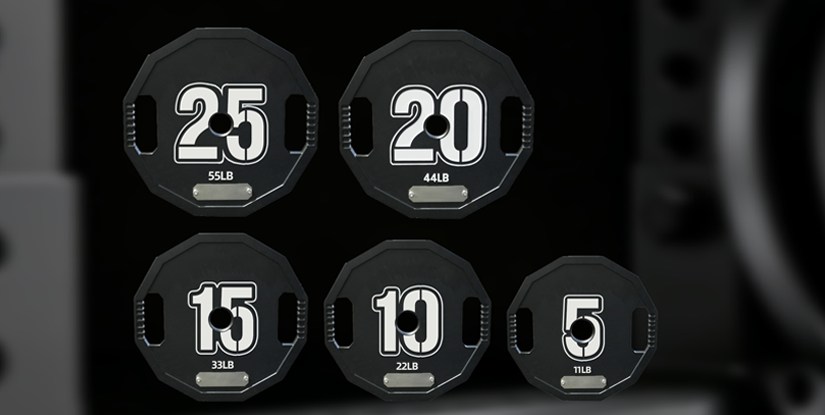
Comparing Commercial Coating Standards for Bulk Procurement
| Material Base | Surface Treatment | Common Application | Durability Level | Maintenance Load | Typical Sourcing Tier |
|---|---|---|---|---|---|
| Cast Iron | Bare Iron | Standard Commercial Gyms | Low | High (Requires regular oiling) | Budget/Entry-level |
| Cast Iron | Phosphate Treatment | Functional Training Centers | Medium | Moderate | Mid-tier Commercial |
| Cast Iron | Powder Coating | Premium Fitness Clubs | High | Low | Premium/High-end |
| Cast Iron | Polyurethane/Rubber | Specialized Studio/Home | Very High | Minimal | Boutique/Premium |
To ensure the highest iron weight plate manufacturer standards, we recommend verifying the adhesion strength of the coating during your pre-shipment QC process. A high-quality cast iron weight plate commercial supplier will typically utilize a multi-step process involving cleaning, priming, and precision coating to prevent peeling or chipping under heavy use. This level of detail is essential for an iron weight plate manufacturer to maintain a reputation for reliability in the global export market.
Evaluating Manufacturing Sequences and Quality Control
A reliable iron weight plate manufacturer does not simply cast and ship; they follow a structured manufacturing sequence to ensure the final product meets commercial-grade durability expectations. For professional buyers, understanding these stages is vital when auditing a factory or managing a large-scale sourcing project. A typical high-standard production route begins with sand casting, followed by precision machining of the center bore to ensure concentricity, and concludes with specialized surface treatments. Discrepancies in these early stages, such as improper casting temperature or insufficient machining, can lead to warping or uneven weight distribution, ultimately increasing the TCO for the end-user.
During the pre-shipment inspection, procurement officers should focus on specific technical checkpoints to verify the quality of their wholesale orders. Beyond visual appearance, a professional supplier should be able to provide data or samples regarding the thickness and adhesion of the finish. Key inspection areas include the flatness of the plate surface, the smoothness of the center bore edges, and the consistency of the color application. For distributors managing high-volume MOQ requirements, requesting a detailed pre-shipment QC report that covers these specific material-to-coating interfaces is a standard practice to mitigate the risk of receiving damaged or substandard goods in a container shipment.
Before finalizing your next bulk order, we recommend contacting our team to discuss your specific technical requirements. Whether you are looking for custom branding through an OEM agreement or require specific packaging solutions for safe maritime export, we provide full transparency regarding production timelines and material specifications. Please reach out to request a formal quote, confirm current MOQ levels, or schedule a factory audit to ensure our manufacturing standards align with your commercial standards.
China Factory Production and Quality Control Protocols
Maintaining high standards in high-volume production is critical when selecting a cast iron weight plate commercial supplier. For international distributors and gym equipment importers, the difference between a high-margin product and a costly return often lies in the rigor of the production line. A professional China factory must demonstrate a standardized workflow that moves from raw material casting to precision finishing, ensuring that every unit meets commercial durability requirements.
The manufacturing process starts with high-grade sand casting to create the initial plate form. Following this, the units undergo CNC machining to refine the center bore, ensuring perfect concentricity and a smooth fit for Olympic or standard bars. Once the structural integrity is verified, the plates move to the surface treatment stage, where industrial powder coating or paint is applied to prevent oxidation. Finally, the iron weight plate manufacturer performs weight calibration and a comprehensive pre-shipment QC to ensure the actual weight matches the stamped specification, minimizing discrepancies that could damage a distributor's reputation.
Standard Manufacturing and Inspection Workflow
Understanding the technical sequence allows procurement leads to better manage commercial gym equipment sourcing and predict potential lead time variables. Below is a typical qualitative breakdown of the production tiers found in professional manufacturing environments.
| Material Tier | Primary Process | Finish Type | Key QC Point | Commercial Application |
|---|---|---|---|---|
| Cast Iron | Sand Casting | Powder Coating | Bore Concentricity | Standard Commercial Gyms |
| Ductile Iron | Precision Casting | Enamel/Paint | Plate Flatness | Premium Training Facilities |
| Machined Steel | CNC Machining | Chrome/Poly | Weight Calibration | High-End Competition/Studio |
When negotiating wholesale cast iron plates, it is essential to confirm if the supplier provides specific documentation regarding these stages. A transparent factory will be able to discuss how they manage MOQ requirements alongside OEM branding requests, ensuring that custom logos or specific coating colors do not negatively impact the total lead time or the final landed cost of the shipment.
Maintaining high standards in high-volume production is critical when selecting a cast iron weight plate commercial supplier. For international distributors and gym equipment importers, the difference between a high-margin product and a costly return often lies in the rigor of the production line. A professional China factory must demonstrate a standardized workflow that moves from raw material casting to precision finishing, ensuring that every unit meets commercial durability requirements.
The manufacturing process starts with high-grade sand casting to create the initial plate form. Following this, the units undergo CNC machining to refine the center bore, ensuring perfect concentricity and a smooth fit for Olympic or standard bars. Once the structural integrity is verified, the plates move to the surface treatment stage, where industrial powder coating or paint is applied to prevent oxidation. Finally, the iron weight plate manufacturer performs weight calibration and a comprehensive pre-shipment QC to ensure the actual weight matches the stamped specification, minimizing discrepancies that could damage a distributor's reputation.
Customization Capabilities: OEM and Private Label Options
For distributors and large-scale gym operators, establishing a unique market position requires more than just off-the-shelf products. Partnering with a professional cast iron weight plate commercial supplier allows you to move beyond generic inventory and build a cohesive brand identity. Whether you are launching a premium studio line or expanding a wholesale catalog, utilizing OEM and ODM services provides the flexibility needed to scale your business effectively.
High-level commercial gym equipment sourcing often focuses on the ability to integrate a custom logo directly into the production phase. This is typically achieved through precision sand casting, where your brand name is embossed into the mold itself, ensuring the logo remains a permanent part of the iron structure. For more rapid private label applications, surface-level branding such as high-durability silk-screened weight markings or specialized powder coating colors can be utilized to differentiate your product line in a competitive market.
However, professional buyers must balance customization depth with logistical realities. While a factory can offer various levels of branding, certain advanced ODM requests—such as unique plate shapes or non-standard color profiles—will naturally impact the MOQ and the overall lead time. Understanding these variables is essential for maintaining a healthy supply chain and ensuring your landed cost remains within target margins.
Strategic Sourcing: Customization vs. Standard Wholesale
| Sourcing Model | Branding Method | Primary Benefit | Typical MOQ Impact | QC Focus Point |
|---|---|---|---|---|
| Standard Wholesale | Standard Factory Markings | Fastest lead time and lowest cost | Low | Weight tolerance and base flatness |
| Private Label | Color-coded powder coating | Enhanced aesthetic brand identity | Medium | Coating adhesion and surface finish |
| Full OEM/ODM | Custom Embossed custom logo | Complete product differentiation | High | Bore concentricity and mold precision |
When conducting commercial gym equipment sourcing, we recommend evaluating the total value of your wholesale cast iron plates. A supplier that offers robust customization capabilities can help you transition from a simple importer to a recognized brand owner. We suggest discussing your specific branding requirements and MOQ thresholds early in the process to align production schedules with your market launch or seasonal inventory restocking needs.
For distributors and large-scale gym operators, establishing a unique market position requires more than just off-the-shelf products. Partnering with a professional cast iron weight plate commercial supplier allows you to move beyond generic inventory and build a cohesive brand identity. Whether you are launching a premium studio line or expanding a wholesale catalog, utilizing OEM and ODM services provides the flexibility needed to scale your business effectively.
High-level commercial gym equipment sourcing often focuses on the ability to integrate a custom branding element directly into the production phase. This is typically achieved through precision sand casting, where your logo embossing is integrated into the mold itself, ensuring the logo remains a permanent part of the iron structure. For more rapid private label applications, surface-level branding such as high-durability weight markings or specialized powder coating colors can be utilized to differentiate your product line in a competitive market.
However, professional buyers must balance customization depth with logistical realities. While a factory can offer various levels of branding, certain advanced ODM requests—such as unique plate profiles or non-standard color palettes—will naturally impact the MOQ and the overall lead time. Understanding these variables is essential for maintaining a healthy supply chain and ensuring your landed cost remains within target margins.
Optimizing Your Bulk Order: Lead Times and Export Logistics
For professional distributors and gym equipment importers, managing the supply chain requires more than just selecting a cast iron weight plate commercial supplier; it requires a deep understanding of the production-to-port pipeline. Efficient commercial gym equipment sourcing involves balancing the scale of the order against the logistical constraints of international shipping to protect distributor margins.
Effective procurement planning starts with recognizing that high-volume orders impact the entire lead time. When you engage in wholesale cast iron plates procurement, the timeline is dictated by the sequence of sand casting, cooling, machining the center bore, and the final surface coating application. A factory must manage these stages carefully to ensure that the MOQ requirements for customized OEM or ODM runs do not cause unexpected delays in your inventory replenishment.
To minimize the landed cost, buyers should evaluate how different shipping methods and packaging configurations affect container utilization. A specialized iron weight plate manufacturer can assist in optimizing the loading density of 20ft or 40ft containers, ensuring that the heavy weight of the cast iron does not lead to inefficient space usage or excessive freight expenses. Working directly with a China factory allows for better control over the export process, from the moment the plates pass the final QC to the moment the container is sealed for transit.
For professional distributors and gym equipment importers, managing the supply chain requires more than just selecting a cast iron weight plate commercial supplier; it requires a deep understanding of the production-to-port pipeline. Efficient commercial gym equipment sourcing involves balancing the scale of the order against the logistical constraints of international shipping to protect distributor margins.
Effective procurement planning starts with recognizing that high-volume orders impact the entire lead time. When you engage in wholesale cast iron plates procurement, the timeline is dictated by the sequence of sand casting, cooling, machining the center bore, and the final surface coating application. A factory must manage these stages carefully to ensure that the MOQ requirements for customized OEM or ODM runs do not cause unexpected delays in your inventory replenishment.
To minimize the landed cost, buyers should evaluate how different shipping methods and packaging configurations affect container utilization. A specialized iron weight plate manufacturer can assist in optimizing the loading density of 20ft or 40ft containers, ensuring that the heavy weight of the cast iron does not lead to inefficient space usage or excessive freight expenses. Working directly with a China factory allows for better control over the export process, from the moment the plates pass the final QC to the moment the container is sealed for transit.
Standardizing Export Packaging and Sea Freight Safety
For distributors managing high-volume shipments, the risk of product damage during sea freight is a significant concern that can erode profit margins. A reliable iron weight plate manufacturer understands that heavy iron components require more than just standard boxes; they require rigorous export packaging protocols to withstand the rigors of long-distance transit and container movement. Even the highest quality casting can suffer from surface chipping or structural stress if the palletization process is insufficient.
To ensure maximum damage prevention, professional sourcing partners implement multi-layer protection strategies. This typically includes heavy-duty reinforced pallets and high-strength industrial wraps to secure the load. For wholesale cast iron plates, the factory should utilize specialized corner protectors and steel strapping to prevent shifting during ocean transit. This level of QC extends to the final loading stage, where optimized container-loading patterns are used to maximize density without compromising sea freight safety.
When finalizing your commercial gym equipment sourcing, we recommend requesting detailed photos of the export packaging and the final palletization setup before the container is sealed. Verifying these protocols ensures that your landed cost remains predictable and that your incoming inventory arrives in a condition that meets your brand's professional standards. Whether you are managing a small MOQ or a full container load, prioritizing these structural protections is essential for long-term distributor success.