Cast Iron Plate Procurement: Wholesale Material Spec
Foundations of Cast Iron Plate Procurement for Global Distributors
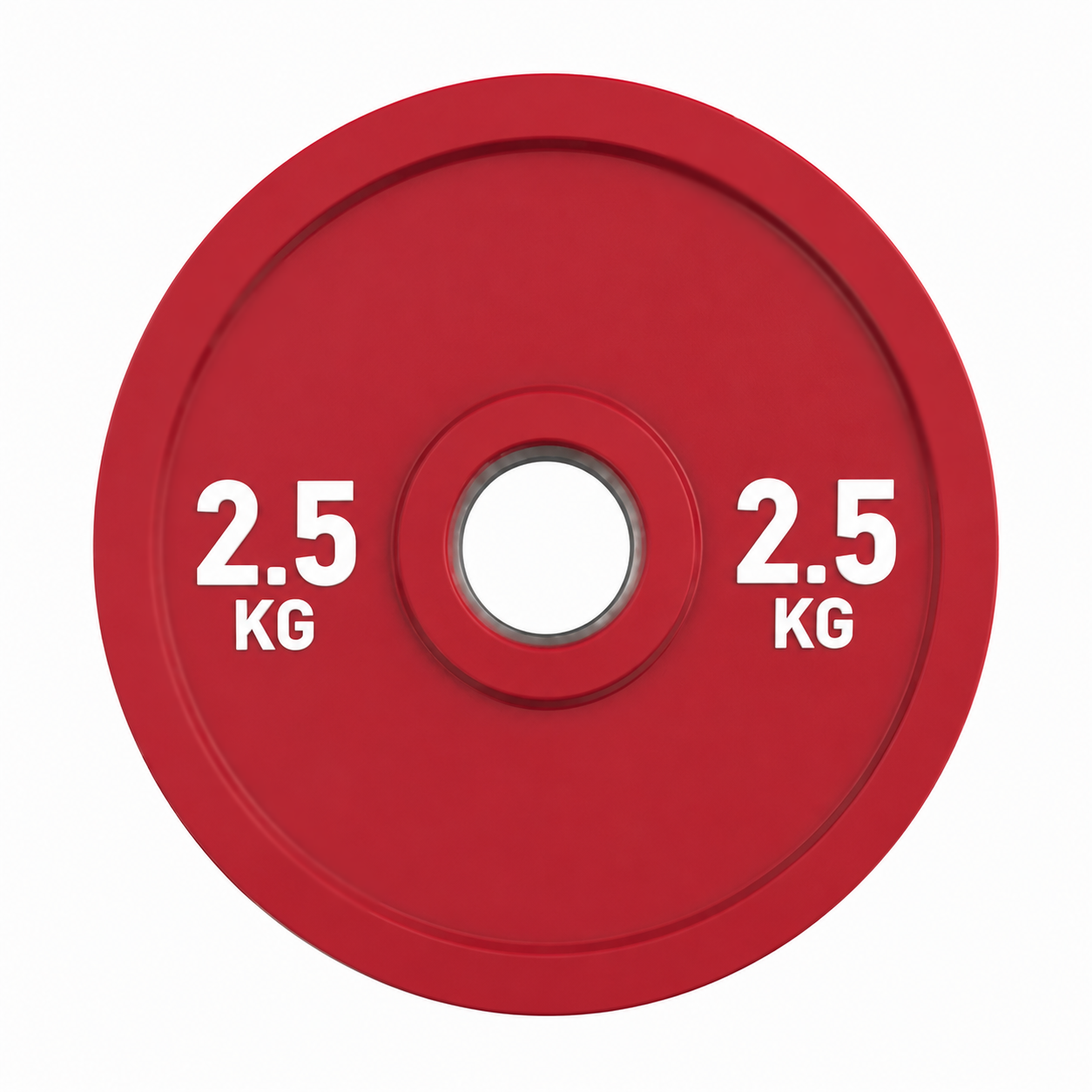
Effective cast iron plate procurement involves transitioning from simple retail purchasing to managing complex industrial-scale supply chains. For distributors, this means selecting a China factory capable of delivering high-volume commercial cast iron plates that meet strict durability and weight tolerance standards for global export.
Navigating the transition from small-batch orders to wholesale distribution requires a deep understanding of how material selection impacts long-term value. When scaling a product line, buyers must account for MOQ requirements, production lead time, and the total landed cost to maintain healthy distributor margins. Relying on a professional supplier ensures that the wholesale gym weight plates arriving at your warehouse maintain consistent concentricity and surface finish, reducing the risk of costly returns or client dissatisfaction in the commercial fitness sector.
Technical Specifications and Manufacturing Standards
To ensure long-term ROI, professional buyers must prioritize the structural integrity of the casting process. High-quality commercial cast iron plates are typically produced through sand casting, a method that provides the necessary density and strength for heavy-duty usage. A reliable factory will follow a standardized production sequence: starting with the raw sand casting, followed by precision machining of the center bore to ensure concentricity, and finishing with a robust surface treatment such as powder coating or enamel to prevent oxidation during transit and storage.
The precision of the manufacturing cycle is critical for maintaining professional standards. During the cast iron plate manufacturing QC process, a professional supplier focuses on weight tolerance and the smoothness of the plating. For instance, a consistent powder coating application is essential to prevent chipping in high-traffic gym environments. When managing wholesale orders, importers should request documentation regarding the calibration steps used to ensure each plate meets the specified weight class, as even minor deviations can affect the balance of a commercial barbell set.
| Material Tier | Primary Process | Surface Finish | Commercial Duty | QC Focus Point |
|---|---|---|---|---|
| Standard Gray Iron | Sand Casting | Basic Paint | Budget/Entry-Level | Surface Smoothness |
| Premium Cast Iron | Precision Sand Casting | Industrial Powder Coating | Full Commercial Use | Bore Concentricity |
| High-End Competition | Machined/Polished | Multi-layer Enamel | Premium Studio/Retail | Weight Tolerance |
When evaluating a potential sourcing partner, it is advisable to confirm the specific machining capabilities of the production line. A comprehensive cast iron plate procurement strategy should include a request for a sample evaluation to check the adhesion of the coating and the flatness of the plate base. Engaging with a specialized China factory allows for greater control over these technical details, enabling successful OEM/ODM customization that aligns with your specific brand identity and market positioning.
Effective cast iron plate procurement involves transitioning from simple retail purchasing to managing complex industrial-scale supply chains. For distributors, this means selecting a China factory capable of delivering high-volume commercial cast iron plates that meet strict durability and weight tolerance standards for global export.
Navigating the transition from small-batch orders to wholesale distribution requires a deep understanding of how material selection impacts long-term value. When scaling a product line, buyers must account for MOQ requirements, production lead time, and the total landed cost to maintain healthy distributor margins. Relying on a professional supplier ensures that the wholesale gym weight plates arriving at your warehouse maintain consistent concentricity and surface finish, reducing the risk of costly returns or client dissatisfaction in the commercial fitness sector.
Material Grades and Machining Precision in Commercial Cast Iron Plates
Successful cast iron plate procurement requires a deep understanding of how raw material integrity directly impacts long-term commercial durability. For distributors and gym equipment importers, sourcing from a reliable China factory ensures that the foundational material—typically high-density gray iron—can withstand the rigors of high-traffic strength training environments without premature cracking or structural failure.
In the professional wholesale market, the distinction between budget and premium units lies in the precision of the manufacturing sequence. A standard production route begins with sand casting to create the base form, followed by essential machining steps to refine the center bore and outer edges. Without rigorous weight calibration and concentricity machining, plates may exhibit uneven weight distribution or wobbling, which increases maintenance loads and decreases the professional quality of a commercial gym set. When managing large-scale sourcing, verifying these technical benchmarks is essential to protecting your distributor margins and ensuring product longevity.
For buyers looking to scale, understanding the relationship between the casting method and the final finish is a critical part of cast iron plate manufacturing QC. High-quality commercial cast iron plates must demonstrate consistent surface texture and structural uniformity to meet international export standards.
Technical Comparison of Material and Surface Finishing Options
Selecting the appropriate finish is a strategic decision that affects both the aesthetic identity of your brand and the long-term maintenance requirements of the facility. For large-scale wholesale gym weight plates orders, the choice between a basic coating and a premium encapsulation method can significantly impact the total cost of ownership and the durability of the product in high-use environments.
The following table provides a qualitative comparison of common finishing routes used by a professional supplier to assist in your decision-making process. These options are typically selected based on the target market tier and the desired level of floor protection and durability.
| Material Base | Surface Finishing | Typical Process | Commercial Duty Tier | Landed Cost Impact | Factory QC Point |
|---|---|---|---|---|---|
| Gray Iron | Bare Iron / Phosphate | Sand casting and oxidation control | Budget / Basic | Lowest | Surface rust and casting texture |
| Gray Iron | Powder Coating | Electrostatic spray and baking | Standard Commercial | Moderate | Coating adhesion and edge smoothness |
| Gray Iron | Rubber Coating | Compression molding or dip | Premium / High-End | Higher | Bond line adhesion and thickness uniformity |
When finalizing your cast iron plate procurement strategy, consider how each finish interacts with your specific warehouse and shipping logistics. While a powder coating offers a clean, professional look for standard commercial gym settings, a rubber coating provides superior floor protection and noise reduction, which may be a key selling point for boutique studios or premium training centers. We recommend requesting a sample evaluation or a detailed spec sheet to confirm that the chosen finish meets your brand's quality standards before proceeding with a full bulk order.
Successful cast iron plate procurement requires a deep understanding of how raw material integrity directly impacts long-term commercial durability. For distributors and gym equipment importers, sourcing from a reliable China factory ensures that the foundational material—typically high-density gray iron—can withstand the rigors of high-traffic strength training environments without premature cracking or structural failure.
In the professional wholesale market, the distinction between budget and premium units lies in the precision of the manufacturing sequence. A standard production route begins with sand casting to create the base form, followed by essential machining steps to refine the center bore and outer edges. Without rigorous weight calibration and concentricity machining, plates may exhibit uneven weight distribution or wobbling, which increases maintenance loads and decreases the professional quality of a commercial gym set. When managing large-scale sourcing, verifying these technical benchmarks is essential to protecting your distributor margins and ensuring product longevity.
For buyers looking to scale, understanding the relationship between the casting method and the final finish is a critical part of cast iron plate manufacturing QC. High-quality commercial cast iron plates must demonstrate consistent surface texture and structural uniformity to meet international export standards.
Manufacturing Workflow: From Casting to Weight Calibration
Efficient cast iron plate procurement requires understanding the technical transition from raw molten metal to a finished, calibrated unit. For distributors and gym equipment importers, the value lies in the precision of the manufacturing sequence. Most high-volume orders originate from a China factory utilizing a standardized sequence: starting with sand casting to create the base shape, followed by CNC machining to refine the center bore and surface flatness, and ending with rigorous weight calibration.
A lack of precision during the cast iron plate manufacturing QC stage can lead to uneven weight distribution or concentricity issues. In a professional wholesale environment, ensuring that commercial cast iron plates meet strict dimensional standards is vital for long-term durability and preventing premature wear on barbell sleeves. High-tier wholesale gym weight plates undergo multiple inspection points to ensure the center hole is perfectly centered and the surface is smooth enough for consistent coating adhesion.
Technical Tier Comparison for Commercial Sourcing
| Material Grade | Primary Process | Surface Finish | Commercial Durability | Procurement Focus |
|---|---|---|---|---|
| Standard Gray Iron | Sand Casting | Powder Coating | High (Standard Gym) | Cost-effective Bulk |
| Refined Cast Iron | Sand Casting + CNC | Enamel or Paint | Very High (Premium) | Precision & Aesthetics |
| Precision Steel | Machined Steel | Chrome or PU | Elite (Competition) | Strict Weight Tolerance |
When managing cast iron plate procurement for large-scale distribution, buyers should evaluate whether the factory utilizes automated weight calibration or manual spot-checks. For OEM or ODM projects where brand identity is paramount, the quality of the CNC machining step determines how well your custom logo or embossed branding will withstand heavy usage in a commercial setting.
Surface Finishing and Finishing Integrity
The final appearance and protective layer of a plate are critical for reducing long-term maintenance costs. A professional China factory will typically employ a multi-stage surface treatment to prevent oxidation and corrosion. For most commercial cast iron plates, this involves a phosphate treatment to prepare the iron surface, followed by a high-durability powder coating application. This process ensures that the finish remains intact even under heavy mechanical friction, protecting your investment and maintaining a premium aesthetic for your clients.
Beyond aesthetics, the cast iron plate manufacturing QC must verify the adhesion strength of the coating. Inconsistent thickness or poor application can lead to chipping, which increases the total cost of ownership due to frequent replacements. For high-end wholesale gym weight plates, the surface must be free of casting imperfections or sharp edges before the finishing stage to ensure a smooth, safe user experience during high-volume training sessions.
To ensure the highest level of reliability for your cast iron plate procurement, we recommend a strict pre-shipment inspection. This should include a verification of the center bore concentricity and a visual check of the coating uniformity. If you are pursuing OEM or ODM partnerships, confirming these specific quality benchmarks during the sample approval stage will help mitigate the risks of receiving substandard batches in bulk shipments.
China Factory QC Standards and Pre-Shipment Inspection Protocols
Reliable cast iron plate procurement requires a rigorous inspection framework to prevent high landed costs caused by weight discrepancies or surface defects. For distributors and gym equipment importers, a China factory must implement multi-stage verification to ensure commercial durability and consistent performance across high-volume orders.
A professional cast iron plate manufacturing QC process typically begins with raw material verification of the gray iron casting to prevent structural brittleness. During the machining phase, technical oversight focuses on the center bore concentricity and the flatness of the plate face. This ensures that the commercial cast iron plates sit flush on barbell sleeves without wobbling, which is critical for professional strength environments. Furthermore, the wholesale gym weight plates undergo a surface finish audit to check for coating adhesion or casting imperfections before the final pre-shipment stage. For large-scale sourcing, we recommend requesting a sample approval and a detailed inspection report that covers weight tolerance and the integrity of the embossed branding area. Understanding these QC protocols helps importers manage MOQ expectations and optimize their lead time planning for seasonal inventory replenishment.
Essential Inspection Checklist for Bulk Orders
To mitigate the risk of receiving defective inventory, professional buyers should demand a standardized checklist during the pre-shipment phase. A high-tier supplier will provide documentation verifying that each batch meets the specific requirements of your private label or standard commercial order. Focus your inspection on these critical technical points to ensure long-term product reliability and minimize after-sales returns.
| Inspection Focus | Technical Requirement | Commercial Impact | Verification Method |
|---|---|---|---|
| Bore Concentricity | Centered and smooth inner diameter | Prevents barbell sleeve wear | Visual and manual fit test |
| Surface Adhesion | No peeling or bubbling of paint/coating | Reduces maintenance and aesthetic failure | Scratch and contact test |
| Casting Integrity | Absence of cracks, pitting, or large voids | Ensures structural safety under load | Visual surface inspection |
| Weight Uniformity | Consistent mass across the batch | Maintains professional calibration standards | Sample weight spot-check |
| Packaging Integrity | Reinforced corners and heavy-duty pallets | Reduces transit damage and landed cost | Physical load and stacking test |
When managing large-scale wholesale shipments, ensure the factory uses export-standard packaging that accounts for the high density and weight of the goods. This includes utilizing heavy-duty corrugated boxes or reinforced wooden crates to protect the commercial cast iron plates during sea freight. For specialized OEM or ODM projects, verify that the embossed logos or branding areas are clearly defined and not obscured by the coating process. Finalizing these details during the sourcing stage prevents costly delays in your distribution timeline.
| Inspection Category | Standard Check | Commercial Grade | Failure Risk |
|---|---|---|---|
| Bore Precision | Concentricity and inner diameter smoothness | Premium Commercial | Uneven weight distribution and barbell sleeve damage |
| Surface Finish | Coating adhesion and texture consistency | Standard Commercial | Aesthetic degradation and premature oxidation |
| Structural Integrity | Casting density and absence of surface voids | High-Duty Commercial | Structural cracking under heavy load impact |
| Dimensional Accuracy | Thickness and plate flatness tolerances | Standard Commercial | Improper stacking and storage inefficiency |
Executing a thorough cast iron plate manufacturing QC protocol is the most effective way to protect your distributor margins. By prioritizing these technical benchmarks during your sourcing process, you can ensure that every batch of wholesale gym weight plates arrives ready for immediate commercial deployment. We recommend coordinating a specific pre-shipment inspection window with your factory to confirm that all commercial cast iron plates meet your brand's specific tolerances and aesthetic standards before the container is sealed.
Optimizing Wholesale Gym Weight Plates via Custom Branding and OEM
For professional importers and large-scale distributors, simple bulk purchasing is often insufficient to capture high-end market segments. To maximize your distributor margin, moving beyond generic stock toward custom branding and OEM/ODM solutions is a critical strategic pivot. By leveraging a China factory capability, you can transform standard wholesale gym weight plates into specialized products that carry your own unique brand identity.
The primary challenge in the global market is differentiation. When you source through cast iron plate procurement, relying solely on unbranded units forces you to compete on price alone, which often leads to a race to the bottom. However, by integrating private label services—such as custom embossed logos, specialized powder coating colors, or unique edge profiles—you create a perceived value that justifies premium positioning in commercial gym settings.
Successful sourcing requires a partner that understands how to balance MOQ requirements with high-level customization. A specialized supplier can provide the flexibility to offer branded commercial cast iron plates that meet specific regional aesthetic or functional demands, effectively turning a commodity item into a proprietary product line for your distribution network.
Branding Methods and Durability Comparison
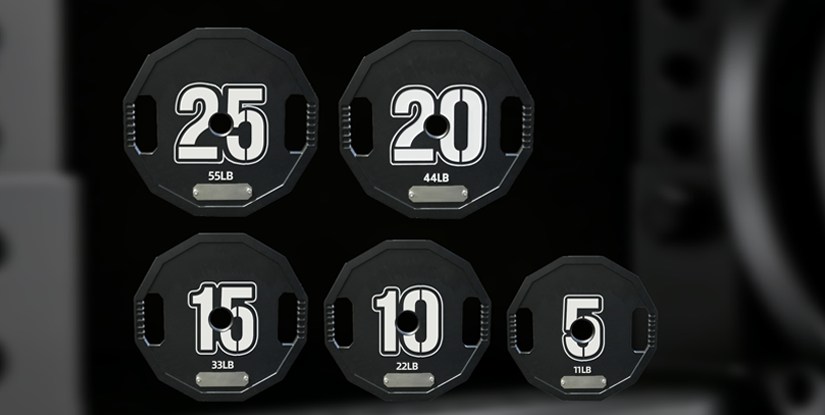
When executing a cast iron plate procurement strategy for a premium product line, the method used to apply your brand identity directly affects the long-term durability and the final landed cost. For distributors, choosing between physical deformation, surface layers, or metal attachments is a trade-off between aesthetic longevity and manufacturing complexity. Each method impacts how the plate handles high-frequency use in commercial environments and how much the factory must adjust its standard sand casting or machining workflows.
The following table outlines the three primary branding methods used by a professional China factory to help you select the right option for your wholesale order based on your target market tier.
| Branding Method | Process Detail | Durability Level | Best Use Case | Impact on MOQ |
|---|---|---|---|---|
| Embossing | Logo is integrated during the sand casting stage | Highest (Permanent) | Standard commercial-grade series | Standard |
| Powder Coating | Logo is printed or stenciled before powdering | Moderate (Surface-level) | Color-coded or aesthetic sets | Lower |
| Logo Plate | Metal plate is attached to the plate surface | Variable (Mechanical) | High-end or competition-spec units | Higher |
For high-volume wholesale gym weight plates, embossing is the industry standard for durability because the branding is part of the structural cast, ensuring it never peels or fades. If your goal is to offer a wide range of colors to match gym interior designs, a high-quality powder coating process is more effective, though it requires strict cast iron plate manufacturing QC to ensure the coating does not chip during heavy handling. For top-tier boutique studios, a custom metal logo plate provides a premium feel, though this will typically increase the production lead time and affect your total sourcing budget.
For professional importers and large-scale distributors, simple bulk purchasing is often insufficient to capture high-end market segments. To maximize your distributor margin, moving beyond generic stock toward custom branding and OEM/ODM solutions is a critical strategic pivot. By leveraging a China factory capability, you can transform standard wholesale gym weight plates into specialized products that carry your own unique brand identity.
The primary challenge in the global market is differentiation. When you source through cast iron plate procurement, relying solely on unbranded units forces you to compete on price alone, which often leads to a race to the bottom. However, by integrating private label services—such as custom embossed logos, specialized powder coating colors, or unique edge profiles—you create a perceived value that justifies premium positioning in commercial gym settings.
Successful sourcing requires a partner that understands how to balance MOQ requirements with high-level customization. A specialized supplier can provide the flexibility to offer branded commercial cast iron plates that meet specific regional aesthetic or functional demands, effectively turning a commodity item into a proprietary product line for your distribution network.
Logistics Strategy: Export Packaging and Landed Cost Management
Effective cast iron plate procurement requires more than just selecting a high-quality China factory; it demands a rigorous focus on how the finished goods are secured for long-distance transit. For distributors and gym equipment importers, the total landed cost is often dictated by how efficiently the product occupies container space and how well the export packaging protects the units from moisture and physical impact during sea freight.
When managing bulk orders, failing to optimize container loading efficiency can lead to significant margin erosion. A professional supplier will implement standardized palletization protocols to ensure stability and maximize volume utilization. By utilizing heavy-duty pallets and specialized steel strapping, a factory can prevent shifting during transit, reducing the risk of damaged edges or compromised wholesale gym weight plates. This structural integrity is essential for maintaining a consistent wholesale price point and ensuring that the inventory arrives at your warehouse in a condition ready for immediate distribution.
Optimizing Packaging for Shipping Efficiency and Safety
Choosing the correct packaging configuration is a critical lever in controlling the total landed cost of your shipment. For large-scale commercial cast iron plates, the weight-to-volume ratio is extremely high, meaning that even minor inefficiencies in how products are stacked can lead to wasted container capacity or excessive breakage. Professional importers must evaluate whether a specific wholesale gym weight plates order utilizes standard wooden crates, reinforced pallets, or customized steel frames to balance protection with shipping density.
The following comparison outlines common packaging tiers used during the cast iron plate procurement process. Selecting a tier depends on your specific budget constraints, the distance of the transit route, and the required level of product protection for your specific market.
| Packaging Type | Protection Level | Volume Efficiency | Cost Impact | Commercial Use Case |
|---|---|---|---|---|
| Standard Shrink Wrap & Pallet | Moderate | High | Low | Standard wholesale distribution |
| Reinforced Wooden Crates | High | Medium | Moderate | Long-distance sea freight / High-end retail |
| Custom Steel Frames | Very High | Low | High | Premium heavy-duty bulk shipments |
| Single Unit Cardboard Box | Low | Very Low | High (per unit) | Small MOQ / Specialized boutique orders |
When negotiating with your supplier, we recommend requesting a detailed loading plan or a 3D container stowage diagram. This ensures that the wholesale volume meets your expectations and that the export packaging is sufficient to prevent surface oxidation or physical denting during the transit from the China factory to your local port. High-density stacking is essential for maintaining healthy margins in the commercial fitness distribution sector.
Sourcing Summary and Next Steps for Importers
Navigating the complexities of cast iron plate procurement requires a transition from evaluating individual units to understanding high-volume supply chain dynamics. For distributors and gym operators, the goal is to secure commercial cast iron plates that balance durability with a competitive landed cost. Relying on a direct China factory allows for better control over material consistency and manufacturing precision, ensuring that every batch meets the rigorous demands of high-traffic fitness environments.
When managing wholesale gym weight plates orders, professional buyers must look beyond the surface. Successful sourcing involves verifying the cast iron plate manufacturing QC protocols, specifically regarding weight calibration and surface finish durability. To optimize your procurement cycle, we recommend a structured approach: first, confirm the MOQ for your specific weight increments; second, request a detailed specification sheet for the casting and coating processes; and finally, schedule a pre-shipment inspection to verify bore concentricity and coating adhesion before the export shipment departs.
Navigating the complexities of cast iron plate procurement requires a transition from evaluating individual units to understanding high-volume supply chain dynamics. For distributors and gym operators, the goal is to secure commercial cast iron plates that balance durability with a competitive landed cost. Relying on a direct China factory allows for better control over material consistency and manufacturing precision, ensuring that every batch meets the rigorous demands of high-traffic fitness environments.
When managing wholesale gym weight plates orders, professional buyers must look beyond the surface. Successful sourcing involves verifying the cast iron plate manufacturing QC protocols, specifically regarding weight calibration and surface finish durability. To optimize your procurement cycle, we recommend a structured approach: first, confirm the MOQ for your specific weight increments; second, request a detailed specification sheet for the casting and coating processes; and finally, schedule a pre-shipment inspection to verify bore concentricity and coating adhesion before the export shipment departs. For complex requirements, engaging OEM or ODM services during the initial factory audit can ensure your private label identity is correctly integrated into the casting molds.
Navigating the complexities of cast iron plate procurement requires a transition from evaluating individual units to understanding high-volume supply chain dynamics. For distributors and gym operators, the goal is to secure commercial cast iron plates that balance durability with a competitive landed cost. Relying on a direct China factory allows for better control over material consistency and manufacturing precision, ensuring that every batch meets the rigorous demands of high-traffic fitness environments.
When managing wholesale gym weight plates orders, professional buyers must look beyond the surface. Successful sourcing involves verifying the cast iron plate manufacturing QC protocols, specifically regarding weight calibration and surface finish durability. To optimize your procurement cycle, we recommend a structured approach: first, confirm the MOQ for your specific weight increments; second, request a detailed specification sheet for the casting and coating processes; and finally, schedule a pre-shipment inspection to verify bore concentricity and coating adhesion before the export shipment departs. For complex requirements, engaging OEM or ODM services during the initial factory audit can ensure your private label identity is correctly integrated into the casting molds.
Sourcing Model Comparison Matrix
| Sourcing Model | Typical MOQ | Quality Control Level | Lead Time Impact | Best For |
|---|---|---|---|---|
| Standard Stock Order | Low | Standardized Inspection | Short | Rapid replenishment for small studios |
| Custom OEM Production | High | Rigorous Material & Mold QC | Extended | Building long-term private label brand equity |
| Direct factory Sourcing | Medium to High | Full Process & Pre-shipment QC | Variable | Maximizing margins for large-scale distributors |
Finalize your strategy by requesting a formal quote that includes detailed breakdown of landed costs and shipping dimensions. Ensure all wholesale inquiries include requests for sample approval and specific weight tolerance benchmarks to mitigate long-term maintenance and replacement risks.