Cast Iron Plate Sourcing: Coating and Material Selection
The Strategic Value of Cast Iron Plate Sourcing for Commercial Gyms
Professional procurement of cast iron plate sourcing involves selecting high-density gray iron units that balance durability with cost-efficiency. For distributors and gym operators, prioritizing standardized casting and robust coating ensures a lower total cost of ownership through reduced replacement cycles and minimized maintenance requirements.
When managing large-scale facility budgets, the difference between a budget-tier unit and a premium commercial cast iron plates order often manifests in long-term operational expenses. Low-quality casting can lead to uneven weight distribution or premature oxidation, which increases the maintenance load for facility managers. By engaging directly with a China factory, importers can secure better control over the material-to-finished-product ratio, ensuring that the landed cost reflects actual long-term value rather than just an initial low price point.
Effective wholesale gym weight plates procurement strategies must account for the relationship between material integrity and facility uptime. High-quality cast iron plate sourcing mitigates the risk of surface chipping or bore deformation, which are common failure modes in high-traffic environments. Investing in superior surface treatments during the manufacturing stage reduces the frequency of specialized cleaning or repainting, ultimately optimizing the ROI for commercial strength training zones.
Comparative Analysis of Casting and Coating Methods
To optimize your procurement budget, it is essential to evaluate how different manufacturing routes impact the final product durability. Most wholesale gym weight plates are produced via sand casting, which is the industry standard for creating heavy, high-density iron components. However, the secondary processes—specifically the surface treatment—will dictate the long-term maintenance load and the total cost of ownership for your facility.
For high-volume distributors, choosing between a simple phosphate treatment and a high-durability powder coating is a critical procurement decision. While a basic finish might lower the initial unit cost, a professional-grade coating prevents oxidation and protects the iron core from environmental wear. The following table provides a qualitative comparison to assist in your technical evaluation.
| Material Tier | Primary Process | Coating Type | Commercial Duty | Typical Use Case |
|---|---|---|---|---|
| Standard Gray Iron | Sand Casting | Phosphate Treatment | Entry-Level Commercial | Budget-conscious studios or basic training areas |
| Premium Cast Iron | Sand Casting + Machining | Powder Coating | High-Intensity Commercial | Full-scale commercial gyms and high-traffic clubs |
| Professional Grade | Precision Casting | Polyurethane or Rubber | Premium/Competition |
When evaluating a cast iron plate manufacturing partner, we recommend requesting specific details regarding their coating adhesion and the uniformity of the bore diameter. A reliable supplier should be able to demonstrate how their post-casting calibration ensures a consistent fit for Olympic barbells, reducing the risk of uneven wear on your premium barbell sets.
Optimizing TCO Through Quality Control and Replacement Cycles
The total cost of ownership (TCO) in commercial fitness is rarely defined by the initial purchase price alone; instead, it is dictated by the frequency of replacement and the labor required for maintenance. In the context of cast iron plate sourcing, a failure to implement rigorous factory-level quality control can lead to premature oxidation or structural cracking, forcing distributors to deal with costly returns and dissatisfied clients. By selecting a partner that emphasizes a strict production sequence—moving from casting to CNC machining, then to a high-grade powder coating line—you ensure that each unit meets the structural demands of high-traffic environments.
For large-scale procurement, the goal is to maximize the ROI by extending the replacement cycles of your equipment. A well-managed factory will utilize standardized weight calibration and pre-shipment inspection protocols to ensure that every plate maintains its concentricity and bore integrity. This level of detail reduces the long-term operational burden on facility managers, as high-quality wholesale units are less prone to the surface chipping or weight fluctuations that often plague lower-tier production. When planning your next bulk order, we suggest confirming the specific inspection points—such as coating adhesion and bore diameter consistency—to ensure your landed cost remains optimized for years of continuous use.
Material Integrity and Casting Processes in Plate Manufacturing
Successful cast iron plate sourcing requires a deep understanding of how foundational material properties affect long-term commercial durability and total cost of ownership. For professional distributors and gym equipment importers, the quality of the raw material directly dictates the frequency of replacement cycles and the reliability of the product in high-traffic environments.
Most commercial cast iron plates are produced using gray iron through a sand casting process. This method is the industry standard for creating high-density, durable weight plates that can withstand heavy impact. However, without strict oversight of the cast iron plate manufacturing workflow, batches may suffer from structural defects such as internal voids, surface pitting, or uneven density, which can lead to premature cracking or weight imbalances.
When managing bulk orders, procurement officers must evaluate whether a China factory utilizes automated precision steps or manual casting methods, as this influences the consistency of the finished product. A robust manufacturing sequence—typically moving from sand casting to CNC machining for the center bore, followed by surface treatment—ensures that the plates meet the rigorous demands of commercial facilities.
| Material Tier | Primary Process | Typical Finish | Commercial Duty | Procurement Focus |
|---|---|---|---|---|
| Standard Gray Iron | Sand Casting | Enamel or Paint | Budget/Standard Gym | Low TCO/High Volume |
| Premium Cast Iron | Sand Casting + CNC Machining | Powder Coating | High-Traffic Commercial | Durability/Precision |
| Precision Steel | Machined/Forged | Chrome or Specialized Coating | Competition/Elite Training | High Accuracy/Premium Margin |
For those looking to optimize wholesale gym weight plates procurement, it is essential to confirm the specific QC checkpoints used during the casting and machining phases. Assessing the MOQ and lead time alongside these technical specifications allows distributors to better manage their inventory turnover and landed costs while ensuring a reliable supply of high-grade equipment.
Evaluating Surface Finishing and Coating Durability
Beyond the structural integrity of the cast, the surface treatment determines how a product performs under heavy use. In many commercial settings, the choice between simple paint and high-grade powder coating is a critical decision for long-term maintenance costs. While basic enamel offers a cost-effective solution for budget-tier projects, professional wholesale gym weight plates often require a more robust finish to prevent oxidation and surface chipping during high-frequency handling.
A high-quality surface finishing process should involve a multi-step sequence: thorough degreasing, a phosphate treatment to improve adhesion, and the application of a durable coating. This prevents the common failure mode where the finish peels away from the iron core, a frequent issue with substandard cast iron plate sourcing. For distributors aiming to provide premium-tier products, ensuring the factory utilizes an automated powder coating line will result in a more consistent, resilient finish that protects the client's investment and enhances the brand's perceived value.
When evaluating your next batch, we recommend requesting a sample to inspect the coating adhesion and the smoothness of the finish. Confirming these technical details during the pre-shipment phase—rather than after the container has arrived—is vital for maintaining your distributor margins and avoiding the logistical headaches of defective returns.
Critical Pre-Shipment Inspection and Export Standards
The final stage of cast iron plate sourcing involves rigorous validation of the physical geometry and packaging integrity before the cargo leaves the factory. For large-scale importers, a single batch of unevenly cast plates can lead to significant issues with barbell balance and user safety. Therefore, a professional supplier must implement a strict pre-shipment QC protocol that focuses on mechanical precision and durability.
One of the most critical inspection points is the base flatness and bore concentricity. In a high-standard China factory, plates are often checked for surface levelness to ensure they sit flush against one another, preventing wobbling during heavy sets. Additionally, inspectors must verify coating adhesion through standardized scratch or impact tests to ensure the finish will not flake under commercial use. This level of scrutiny is essential when managing OEM or ODM projects where your brand's reputation depends on product consistency.
Logistical reliability is equally dependent on export packaging. Because of the extreme weight of these units, high-density pallets and reinforced corner protection are required to prevent transit damage. We advise all procurement leads to confirm the specific palletization and container loading plans during the initial sourcing phase. By aligning on these technical standards and validating the landed cost through transparent shipping terms, distributors can mitigate the risks of breakage and ensure a smooth arrival at their local warehouse.
Surface Finishes and Coating Durability for High-Traffic Environments
In high-volume fitness facilities, the longevity of your inventory depends heavily on the quality of cast iron plate sourcing. When distributors or gym owners manage large-scale procurement, the primary concern is not just the weight, but how the surface finish behaves under constant friction and impact. Selecting commercial cast iron plates with inferior finishes leads to rapid oxidation, chipping, and aesthetic degradation, which increases long-term maintenance costs and lowers the resale or replacement value of the equipment.
For professional importers, the relationship between the base material and the applied layer is critical. A high-quality China factory will utilize a multi-stage process to ensure that the powder coating or protective layer maintains high adhesion even in extreme high-traffic environments. Without a proper preparation stage—such as phosphate treatment or degreasing—the coating is prone to peeling, exposing the raw iron to moisture and causing premature rust. When managing wholesale gym weight plates orders, verifying the surface treatment protocols is a vital part of your QC checklist to ensure the landed cost remains low by avoiding frequent replacements.
Technical Comparison of Surface Finishes for Commercial Use
Understanding the trade-offs between different finishes allows procurement officers to better calculate the total cost of ownership (TCO). While a basic finish may offer a lower initial price point, the long-term maintenance load and replacement frequency often negate those savings. For example, a standard phosphate treatment provides essential oxidation resistance for bare iron, but it lacks the impact resistance of a thicker layer. In contrast, specialized cast iron plate manufacturing for premium facilities often involves a PU coating or a high-density rubber coating to enhance floor protection and noise reduction.
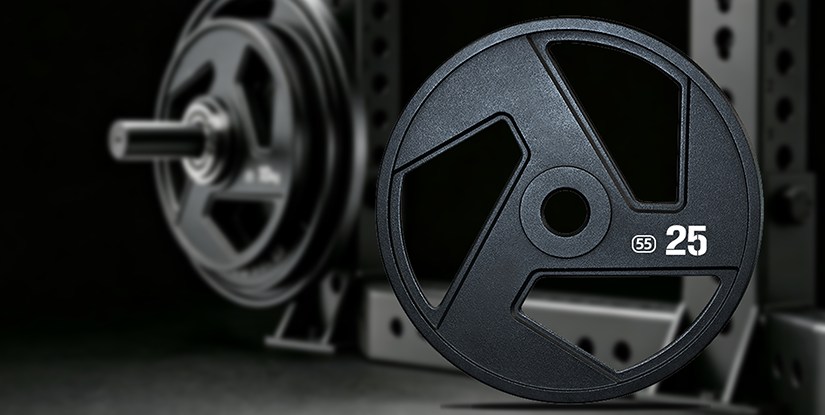
When evaluating your next bulk shipment, use the following comparison to align your selection with your specific facility needs and budget. This table illustrates how different finishes impact the long-term durability and maintenance requirements of your inventory.
| Material Finish | Typical Process | Primary Benefit | Commercial Duty Tier | Maintenance Requirement |
|---|---|---|---|---|
| Phosphate Treatment | Chemical degreasing and oxidation prevention | Cost-effective rust resistance | Budget / Entry-level | Low (Occasional oiling) |
| Powder Coating | Electrostatic spray and heat curing | High impact and chip resistance | Standard Commercial | Very Low (Minimal upkeep) |
| PU Coating | Polyurethane dip or spray application | Superior texture and aesthetics | Premium / Boutique | Low (Surface cleaning) |
| Rubber Coating | Vulcanization or heavy-duty dip | Maximum floor and noise protection | High-Traffic Commercial | Low (Periodic inspection) |
For distributors seeking to offer a diverse product line, we recommend diversifying your cast iron plate sourcing strategy. High-traffic strength centers typically require the durability of powder-coated or rubber-coated options, whereas standard commercial gyms may find high-quality phosphate-treated plates sufficient for their operational needs. Before finalizing a large-scale order, we suggest requesting a sample evaluation or a detailed specification sheet to confirm the coating adhesion and texture of the proposed finishes.
Standardized QC Protocols and Export Readiness
Effective cast iron plate sourcing requires a rigorous inspection of the final production stages to ensure that every unit meets international shipping and durability standards. For a professional supplier, the process does not end at the casting stage; it continues through precision calibration and protective packaging. A reliable factory must implement a structured pre-shipment QC workflow that specifically targets the integrity of the weight and the surface finish. This includes verifying the weight tolerance through calibrated scales to ensure consistency across high-volume wholesale orders, as even minor deviations can lead to disputes during bulk acceptance.
Beyond weight accuracy, the logistics of moving heavy iron across oceans demand specialized export packaging. During the final inspection, procurement officers should look for evidence of reinforced corner protection and moisture-resistant wrapping. This prevents the metal from oxidizing during long-transit sea freight and protects the coating from chipping due to vibration. For distributors managing high-volume shipments, confirming these commercial durability standards—including the thickness of the protective layer and the strength of the outer packaging—is essential to minimizing the risk of damaged goods upon arrival at the destination warehouse. We recommend coordinating a detailed inspection of the packing samples and confirming the MOQ for custom branding or specialized packaging requirements before the final container loading.
Critical QC Benchmarks for China Factory Export Orders
For distributors and large-scale gym operators, the final stage of cast iron plate sourcing is the most high-stakes phase of the procurement cycle. Relying on a China factory without a standardized inspection protocol often results in high return rates due to dimensional inconsistencies or surface failures. To maintain your brand reputation and protect your margins, you must implement rigorous verification of commercial cast iron plates before they leave the warehouse.
A professional QC process focuses on three critical failure points: weight tolerance, surface integrity, and dimensional accuracy. In many commercial settings, unverified wholesale gym weight plates arrive with significant weight deviations or uneven coating adhesion, which can lead to disputes during final acceptance. By establishing clear benchmarks for cast iron plate manufacturing, such as verifying the concentricity of the center bore and the uniformity of the powder coating, importers can ensure that every unit meets the high standards required for heavy-duty commercial use.
Standardized pre-shipment inspections should include a spot-check of the casting finish to identify any unexpected surface defects or porosity that could compromise the structural integrity of the plate. For high-volume sourcing, we recommend verifying the thickness and adhesion of the finish to ensure long-term commercial durability in high-traffic environments.
Pre-Shipment Inspection Checklist for High-Volume Orders
To mitigate the risk of high landed costs due to damaged or non-compliant goods, professional buyers should request a detailed inspection report focusing on specific physical attributes. When conducting a factory audit or a remote inspection, the following technical benchmarks are essential for verifying the quality of wholesale gym weight plates before they are loaded into containers.
| Inspection Metric | Technical Focus Area | Commercial Impact | Verification Method |
|---|---|---|---|
| Bore Precision | Concentricity and center hole alignment | Prevents barbell instability and uneven wear | Manual fit test with standard Olympic bar |
| Surface Integrity | Coating adhesion and finish uniformity | Reduces maintenance and prevents chipping | Visual inspection for bubbles or peeling |
| Structural Form | Base flatness and absence of casting imperfections | Ensures stable stacking and consistent feel | Surface plane touch test |
| Dimensional Accuracy | Outer diameter consistency and thickness | Guarantees weight accuracy across the set | Calibrated measurement spot-checks |
| Logistics Readiness | Export packaging and pallet stability | Protects margins by preventing transit damage | Load-bearing and moisture barrier check |
During the final QC stage, ensure that the export packaging is robust enough for international sea freight. This includes reinforced corner protection for heavy pallets and moisture-resistant wrapping to prevent oxidation during long transit times. Given that cast iron plate sourcing often involves high-volume shipments, confirm that the MOQ requirements and the lead time for replacement units are clearly documented in your OEM or ODM agreement to protect your supply chain continuity.
After confirming the technical benchmarks, the final step in a professional sourcing workflow is to transition from inspection to procurement finalization. Rather than simply accepting a shipment, successful importers use these quality gates to refine their long-term partnership terms with a China factory. Whether you are pursuing a private label program or a standard stock replenishment, aligning on these final details ensures that your landed cost remains predictable and your product quality remains consistent across every container.
We recommend that buyers initiate a formal sample approval process before committing to high-volume orders. Once the technical specifications for the commercial cast iron plates are verified, request a detailed timeline that includes the final QC report and a clear schedule for container loading. By integrating these rigorous verification steps into your wholesale strategy, you minimize the risk of receiving non-compliant goods and maximize the efficiency of your distribution network.
Optimizing Procurement with OEM and Private Label Solutions
For international distributors and gym equipment importers, effective cast iron plate sourcing extends beyond simple material selection; it involves building a recognizable brand through strategic OEM and ODM partnerships. When scaling a fitness product line, relying on generic stock limits your ability to differentiate in a crowded market. Leveraging a professional China factory allows you to transition from a simple reseller to a legitimate brand owner by integrating your specific brand identity into the manufacturing process.
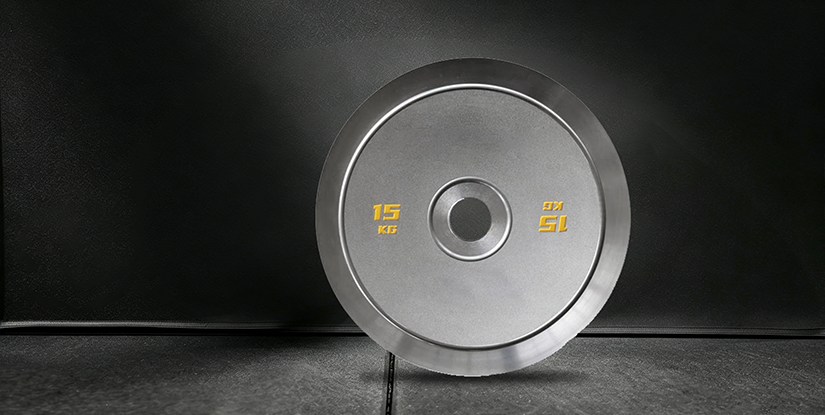
The strategic advantage of customization lies in the ability to control the aesthetic and functional details that define high-end commercial gear. Whether you require specific embossed logos, unique color palettes for powder coating, or specialized packaging for high-density shipping, these elements directly impact your distributor margin and long-term market positioning. While wholesale orders for standard stock items offer speed, private label programs allow for a tailored product that meets specific commercial gym requirements and regional market trends.
Navigating the complexities of cast iron plate manufacturing requires a clear understanding of how customization affects your bottom line. A professional supplier will provide transparent data regarding MOQ and lead time adjustments necessitated by bespoke designs. By aligning your technical specifications with factory capabilities, you can optimize the landed cost of your branded goods while ensuring the final product reflects the premium quality your clients expect.
Evaluating Customization Tiers for Bulk Procurement
Choosing between standard stock and customized production is a pivotal decision in professional cast iron plate sourcing. While purchasing wholesale gym weight plates from existing inventory provides the fastest way to replenish stock, it offers limited control over product differentiation. For distributors looking to build long-term equity, a structured OEM or ODM approach provides the necessary tools to align the product with a specific brand identity and market tier.
The following table outlines the practical trade-offs between standard procurement and customized solutions to assist in your capacity planning and budget allocation.
| Procurement Model | Customization Level | Primary Branding Options | Production Complexity | Typical MOQ Impact | Lead Time Impact |
|---|---|---|---|---|---|
| Standard Wholesale | Low (Stock items) | None or generic | Low (Ready to ship) | Lower | Short (Immediate dispatch) |
| Private Label | Medium (Surface focus) | Embossed logos/colors | Moderate (Coating/Finishing) | Moderate | Medium (Production cycle) |
| Full OEM/ODM | High (Full spec) | Custom molds/packaging | High (Casting/Machining) | Higher | Long (Tooling/Calibration) |
When evaluating commercial cast iron plates, consider that higher customization levels often require a more intensive quality control process. For example, a custom embossed logo requires specific mold adjustments during the casting phase, whereas a custom powder coating color requires specialized batch testing for adhesion. Professional buyers should request a detailed specification sheet and confirm the MOQ for any bespoke requests to ensure the projected landed cost remains within their target distributor margins.
To ensure your customized order meets international standards, we recommend initiating a sample approval process and requesting a factory audit. This allows you to verify the precision of the bore machining and the consistency of the surface finish before committing to a full-scale production run.
Technical Specifications and Quality Assurance in Bulk Production
Successful cast iron plate sourcing requires a rigorous inspection of the technical workflow, from the initial casting stage to the final export-ready state. For high-volume distributors, the goal is to ensure that every batch maintains a consistent surface finish and reliable weight accuracy. A standard production sequence typically involves sand casting, followed by precision CNC machining of the center bore to ensure a perfect Olympic collar fit, and finally, the application of a durable coating layer.
In professional cast iron plate manufacturing, the durability of the product is heavily dependent on the adhesion of the powder coating or paint. If the surface preparation is insufficient, the coating may chip during heavy usage, increasing the maintenance load for the end-user and damaging your brand reputation. To mitigate this, a reliable factory will implement a multi-stage process: casting, deburring, chemical treatment for adhesion, and high-temperature coating application.
Beyond the surface, the precision of the center bore is a critical QC point. An improperly machined bore can lead to uneven weight distribution or difficulty in plate loading, which are common failure modes in lower-tier equipment. During sample evaluation, buyers should specifically inspect the concentricity of the bore and the depth of the logo embossing to ensure the design remains legible and structurally sound after the coating process.
Before any bulk shipment departs, the export packaging must be verified to prevent transit damage. For wholesale orders of heavy iron goods, this typically involves reinforced heavy-duty cartons or custom wooden crates to protect the edges and prevent metal-on-metal friction during sea freight. We recommend that all procurement leads request a pre-shipment inspection report to confirm that the weight tolerance and coating integrity meet your specific commercial-grade standards before the container is sealed.
Logistics and Bulk Order Planning for International Distributors
For international distributors, the true cost of a shipment is never just the unit price from the factory. To protect your margins, you must calculate the landed cost, which integrates the base product price with freight, customs, and duties. Efficient cast iron plate sourcing requires a deep understanding of how shipping volumes and container optimization directly impact your total procurement budget. Failing to account for these variables can quickly erode the profitability of your wholesale gym weight plates inventory.
Optimizing your cast iron plate sourcing involves more than finding a low supplier; it requires strategic coordination with a China factory to manage lead times and logistics. When ordering commercial cast iron plates in bulk, professional buyers must evaluate the trade-offs between sea freight speeds and the necessity of high-density container loading. A well-planned procurement strategy ensures that your wholesale orders arrive with minimal unexpected overhead, allowing for more predictable scaling of your distribution network.
Strategic Shipping Models and Container Optimization
Navigating the complexities of international freight is a critical skill in professional cast iron plate sourcing. Most distributors must decide between various Incoterms, most commonly FOB (Free On Board) or CIF (Cost, Insurance, and Freight), to manage risk and cost. Selecting the right shipping method depends on your existing logistics infrastructure and your ability to manage the cargo once it reaches the destination port. For high-volume wholesale gym weight plates, maximizing container density is the primary lever for reducing the landed cost per unit.
| Shipping Model | Logistics Control | Primary Advantage | Best Use Case |
|---|---|---|---|
| FOB (Free On Board) | High: Buyer manages freight from origin port | Greater transparency on actual shipping costs | Established distributors with preferred freight forwarders |
| CIF (Cost, Insurance, and Freight) | Low: Supplier manages delivery to destination port | Reduced administrative burden during initial setup | First-time importers or smaller bulk orders |
| EXW (Ex Works) | Full: Buyer manages all transport from factory gate | Maximum control over the entire supply chain | Large-scale operations with dedicated logistics teams |
To achieve maximum efficiency during cast iron plate manufacturing and export, buyers should coordinate closely with the factory regarding container loading patterns. Because weight is the limiting factor in ocean freight rather than volume, strategic stacking is required to prevent damage and ensure the stability of the load. When planning your bulk order, always account for a realistic lead time that includes both the production cycle and the transit duration to avoid inventory stockouts. We recommend confirming the specific loading plan and weight distribution with your supplier prior to the vessel departure to ensure your wholesale shipment arrives safely and on schedule.
Protecting Margins via Export Packaging and QC
A critical oversight in cast iron plate sourcing is neglecting the final stage of the supply chain: protection during transit. Even high-quality commercial cast iron plates can suffer from surface abrasions, chipped coatings, or deformed edges if the export packaging is insufficient. For a professional distributor, a single damaged pallet can result in high replacement costs and diminished distributor margins. Therefore, evaluating the factory's approach to damage prevention is as essential as evaluating the material itself.
Reliable cast iron plate manufacturing must include a rigorous pre-shipment inspection that goes beyond simple visual checks. Professional sourcing protocols should require the factory to verify the weight tolerance of each batch and inspect the coating adhesion before the items are palletized. Standardized export packaging typically involves heavy-duty corrugated boxes, reinforced corner protectors, and heat-treated pallets to ensure stability during ocean freight. By demanding these specific QC standards, you ensure that your wholesale inventory arrives in a condition that meets the expectations of high-end commercial clients, effectively protecting your long-term landed cost and brand reputation.