Cast Iron Weight Plate Custom Supplier: Coating and Material
Material Selection for Commercial Cast Iron Plates
Selecting the right material base is a critical decision for any importer or distributor aiming to minimize long-term replacement costs and maintenance overhead. When sourcing through a cast iron weight plate custom supplier, procurement professionals must evaluate the structural integrity of the base metal, the precision of the casting process, and the durability of the final surface finish to ensure a low total cost of ownership. A failure to align these technical specifications with your specific commercial gym requirements can lead to premature oxidation, uneven weight distribution, or high return rates from end-users.
For high-volume commercial cast iron plates, the industry standard involves utilizing gray iron produced through the sand casting method. This process is favored by many professional China factory operations because it provides the necessary density and structural stability required for heavy-duty lifting environments. By choosing a reliable supplier that utilizes established casting and machining sequences, buyers can ensure that each unit maintains consistent concentricity and weight accuracy, which are essential for professional-grade equipment sets.
In the context of wholesale procurement, the choice between bare iron and coated options often depends on the target market's durability expectations and the distributor's margin requirements. While bare iron offers a classic aesthetic and lower landed cost, premium commercial settings often demand advanced surface treatments to prevent rust and enhance the user experience. Working with a custom gym equipment manufacturer allows you to specify these finishes to match your brand identity or the specific needs of your regional market.
Technical Comparison of Materials and Coatings
To optimize your procurement strategy, you must understand how different surface treatments impact the durability and long-term maintenance of your inventory. A professional cast iron weight plate custom supplier will offer various finishes that directly influence the product's resistance to oxidation and its impact on facility flooring. For example, while a bare metal finish may lower the initial landed cost, it requires more frequent maintenance in humid environments. Conversely, specialized coatings like powder coating or rubber coating provide superior protection and can reduce the frequency of replacement, thereby improving the overall ROI for your clients.
When evaluating wholesale weight plates, it is essential to consider the thickness of the coating and its adhesion to the cast iron base. A high-quality factory will ensure that the coating process does not compromise the weight tolerance or the concentricity of the plate. For instance, thick PU coating or heavy rubber encapsulation is often requested for high-end commercial facilities to provide better floor protection and noise reduction, whereas standard powder finishes are more common for general-purpose commercial gym equipment.
| Material Type | Coating Option | Common Process | Commercial Duty | MOQ Impact | Factory QC Point |
|---|---|---|---|---|---|
| Gray Iron | Bare Iron / Phosphate | Sand Casting & Machining | Budget Commercial | Low | Weight Tolerance |
| Gray Iron | Powder Coating | Electrostatic Spraying | Standard Commercial | Medium | Coating Adhesion |
| Gray Iron | Rubber / PU Coating | Molding or Dip Coating | Premium Commercial | High | Edge Smoothness |
Understanding these distinctions allows you to make informed decisions regarding OEM and ODM requests. Whether you are sourcing basic plates for a budget-friendly facility or high-end encapsulated plates for a premium studio, aligning your material specifications with your business model is vital for long-term success. We recommend requesting a detailed spec sheet or a sample evaluation from your supplier to verify the coating thickness and finish quality before proceeding with a bulk order.
Surface Finishing and Coating Durability
Selecting a reliable cast iron weight plate custom supplier requires a deep understanding of how surface treatments impact the total cost of ownership. For high-traffic facilities, the choice between bare iron and advanced coatings directly dictates long-term maintenance costs and replacement cycles. When managing wholesale weight plates procurement, buyers must weigh the initial savings of raw casting against the durability of professional finishes to ensure commercial gym durability across multiple years of heavy usage.
A professional custom gym equipment manufacturer typically offers several finishing routes to meet different budget and durability tiers. A common industry-standard approach involves a phosphate treatment to provide a base layer of oxidation resistance, followed by a heavy-duty powder coating. This multi-step process ensures better coating adhesion and prevents the premature rusting often seen in low-quality commercial cast iron plates sourced without proper pre-treatment. For distributors, choosing the right finish is a strategic decision to balance competitive landed costs with the high-performance expectations of commercial gym operators.
| Material Tier | Primary Coating | Commercial Duty | Maintenance Profile | |
|---|---|---|---|---|
| Standard Cast Iron | Paint / Enamel | Basic Spraying | Budget/Entry-level | High (Requires frequent cleaning) |
| Enhanced Commercial | Powder coating | Electrostatic Application | Standard Commercial | Low (High impact resistance) |
| Premium Professional | Phosphate treatment + PU | Multi-stage Coating | High-end Studio/Gym | Minimal (Superior moisture barrier) |
Evaluating Coating Adhesion and Surface Integrity
The technical difference between standard paint and professional finishes often determines the long-term value of your shipment. While basic liquid paint may offer a lower initial cost, it frequently suffers from poor coating adhesion under the high-impact conditions of a commercial facility. In contrast, an experienced supplier will utilize an electrostatic powder coating process. This method ensures the coating penetrates the microscopic textures of the cast iron surface, creating a much stronger bond that resists chipping and peeling during heavy usage.
For importers and distributors, the quality of the surface finishing is a critical metric during pre-shipment QC. A professional China factory will conduct visual and tactile inspections to ensure there are no uneven patches, bubbling, or loose flakes. This level of attention to detail prevents the common failure mode where coatings degrade shortly after arrival, which would otherwise damage your brand reputation and increase the replacement frequency for your end-users. When evaluating your next bulk order, always verify the specific application method used for the finish to ensure it meets the required commercial-grade standards.
The Impact of Coating Quality on Total Cost of Ownership (TCO)
For professional procurement leads, the true cost of a shipment is not just the initial FOB price, but the long-term maintenance load on the facility. A high-quality cast iron weight plate custom supplier understands that superficial finishes lead to high replacement rates. If a coating lacks proper adhesion, the resulting oxidation and chipping can significantly increase the operational expenses for gym owners. By prioritizing advanced finishes like high-grade powder coating, distributors can offer products that maintain their visual integrity and structural reliability even in high-humidity or high-traffic environments.
To mitigate these risks, it is essential to confirm the specific pre-shipment QC protocols used by your factory. A standard inspection should go beyond simple aesthetics; it must include checks for coating uniformity and surface hardness. For example, a reliable custom gym equipment manufacturer will ensure that the transition from the casting phase to the surface treatment phase is seamless, preventing the common issue of rust formation underneath the coating layer. This attention to detail ensures that your wholesale weight plates arrive ready for heavy-duty commercial service, protecting your distributor margins and enhancing your brand's reputation for quality.
Manufacturing Processes and Weight Calibration
Reliable manufacturing workflows are the foundation of professional procurement. A professional cast iron weight plate custom supplier utilizes a structured production sequence to ensure every unit meets commercial-grade standards for durability and balance. For distributors and gym owners, understanding these stages helps in evaluating the long-term value and TCO of a bulk order.
The standard production cycle begins with high-quality sand casting, where molten gray iron is poured into precision molds. This traditional method is industry-standard for producing the robust, heavy-duty profiles required for commercial cast iron plates. Once the casting has cooled and been removed from the mold, the plates undergo several critical stages to reach a professional finish.
Following the initial casting, the plates move to a CNC machining stage. This step is vital for refining the center bore and ensuring the concentricity of the plate. Precise machining prevents wobbling during high-volume use, a common failure mode in lower-tier products. After the structural refinement, the plates enter the surface treatment phase, which typically involves a powder coating line to provide a durable, corrosion-resistant finish. Finally, a rigorous weight calibration process is conducted. This ensures that the actual mass aligns with the stamped specifications, a non-negotiable requirement for wholesale weight plates used in professional settings. A reputable factory will perform these calibration and QC steps systematically to minimize discrepancies before the items are cleared for export. For importers, verifying these technical steps can help manage expectations regarding lead time and final landed cost during large-scale sourcing projects.
Surface Treatment and Coating Comparison
Selecting the appropriate finish is a critical decision for a professional cast iron weight plate custom supplier to provide. The coating choice directly impacts the maintenance load and the longevity of the product in high-traffic environments. For example, while bare iron is cost-effective, it requires more frequent upkeep to prevent oxidation. In contrast, a high-quality powder coating offers superior protection against moisture and physical abrasion, making it a preferred option for long-term commercial durability. When managing large-scale wholesale weight plates orders, distributors must weigh the initial unit cost against the long-term maintenance savings to optimize their total cost of ownership.
The following table outlines the common surface treatment options available through a professional custom gym equipment manufacturer to assist in your procurement planning:
| Material Type | Surface Treatment | Typical Process | Commercial Duty Tier | Maintenance Requirement | Best Use Case |
|---|---|---|---|---|---|
| Gray Cast Iron | Bare Iron | Sand Casting & Polishing | Budget / Basic | High (Requires oiling) | Standard commercial gyms |
| Gray Cast Iron | Phosphate Treatment | Chemical Bath & Primer | Standard Commercial | Moderate | High-volume training centers |
| Gray Cast Iron | Powder Coating | Electrostatic Application | Premium Commercial | Low (Corrosion resistant) | Boutique studios & luxury gyms |
| Cast Iron | Rubber/PU Coating | Molding or Dip Coating | Premium / Specialty | Minimal | High-end facility floors |
When evaluating your next batch, it is essential to confirm the coating adhesion standards with your supplier. A common failure mode in low-quality production is the chipping or peeling of the finish due to poor surface preparation. To mitigate this risk, we recommend requesting a sample or a detailed technical spec sheet during the sourcing phase. A professional factory will be able to provide details on their coating application methods and how they ensure durability before the final pre-shipment inspection. Understanding these nuances helps importers manage potential replacement planning and ensures the delivered goods align with the brand identity of their clients.
China Factory QC and Export Inspection Standards
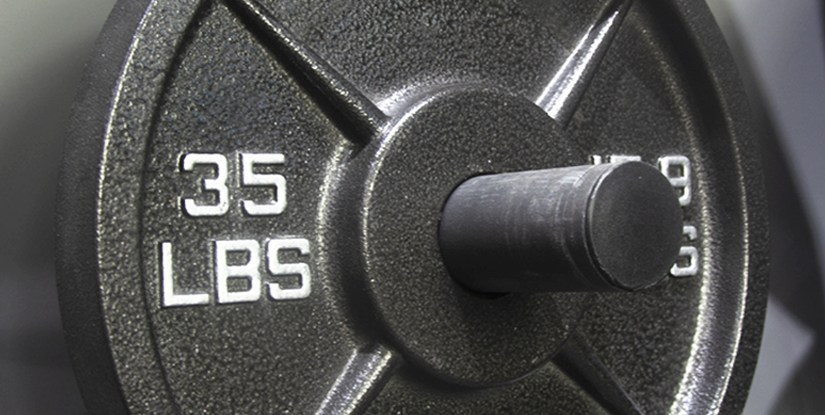
For international distributors, the risk of high landed costs often stems from receiving shipments with inconsistent weight tolerances or defective surface finishes. A reliable **cast iron weight plate custom supplier** mitigates these risks by implementing rigorous pre-shipment protocols. Instead of relying on superficial visual checks, a professional **China factory** utilizes standardized inspection sequences to ensure that every batch meets the durability requirements of high-traffic commercial environments.
Effective **commercial gym procurement** requires a focus on two critical technical pillars: weight precision and coating stability. During the production cycle, the **factory** must conduct a weight tolerance spot-check after the machining phase but before the final surface treatment. This ensures that the internal mass of the plate is consistent. Furthermore, testing for coating adhesion is vital; if the paint or powder coating fails to bond correctly to the cast iron base, the plates will chip prematurely during heavy use, leading to high return rates and damaged reputation for the distributor.
To maintain high margins, buyers should verify that the **supplier** manages the following QC checkpoints during the transition from production to export:
- Casting Integrity: Inspecting for surface voids or structural cracks in the gray iron base.
- Bore Precision: Ensuring the center hole is concentric and free of burrs for smooth barbell loading.
- Coating Adhesion: Verifying that the paint or powder coating remains intact under standard handling stress.
- Packaging Durability: Confirming that export-grade cartons and palletizing methods can withstand long-distance sea freight.
When managing your **sourcing** strategy, always confirm the **MOQ** and expected **lead time** for any **custom gym equipment manufacturer** to ensure your inventory levels align with seasonal demand. For large-scale **wholesale** orders, we recommend requesting a sample approval and a detailed technical spec sheet to verify that the **commercial cast iron plates** meet your specific brand standards before full-scale production begins.
For international distributors, the risk of high landed costs often stems from receiving shipments with inconsistent weight tolerances or defective surface finishes. A reliable cast iron weight plate custom supplier mitigates these risks by implementing rigorous pre-shipment protocols. Instead of relying on superficial visual checks, a professional China factory utilizes standardized inspection sequences to ensure that every batch meets the durability requirements of high-traffic commercial environments.
Effective procurement requires a focus on two critical technical pillars: weight precision and coating stability. During the production cycle, the factory must conduct a weight tolerance spot-check after the machining phase but before the final surface treatment. This ensures that the internal mass of the plate is consistent. Furthermore, testing for coating adhesion is vital; if the paint or powder coating fails to bond correctly to the cast iron base, the plates will chip prematurely during heavy use, leading to high return rates and damaged reputation for the distributor.
To maintain high margins, buyers should verify that the supplier manages the following QC checkpoints during the transition from production to export:
- Casting Integrity: Inspecting for surface voids or structural cracks in the gray iron base.
- Bore Precision: Ensuring the center hole is concentric and free of burrs for smooth barbell loading.
- Coating Adhesion: Verifying that the paint or powder coating remains intact under standard handling stress.
- Export Packaging: Confirming that heavy-duty cartons and palletizing methods can withstand long-distance sea freight.
When managing your sourcing strategy, always confirm the MOQ and expected lead time for any custom gym equipment manufacturer to ensure your inventory levels align with seasonal demand. For large-scale wholesale orders of commercial cast iron plates, we recommend requesting a sample approval and a detailed technical spec sheet to verify that the wholesale weight plates meet your specific brand standards before full-scale production begins.
Technical Inspection Benchmarks for Quality Assurance
A professional cast iron weight plate custom supplier must provide transparency regarding their inspection depth. For distributors, the difference between a budget tier and a premium tier is often found in the precision of the machining and the stability of the surface finish. Utilizing a qualitative comparison allows procurement managers to align their budget with the required commercial durability of their specific market segment.
| Inspection Point | Standard Commercial Grade | Premium/Competition Grade | B2B Sourcing Impact |
|---|---|---|---|
| Weight Calibration | Standard weight tolerance within industry-standard limits | High-precision machining for tighter weight consistency | Reduces disputes over SKU weight accuracy in bulk orders |
| Bore Concentricity | Basic center hole alignment for standard barbell use | Precision CNC machined bore for seamless loading | Minimizes barbell wobble and reduces long-term maintenance |
| Surface Coating | Basic paint or enamel finish | Advanced powder coating or high-adhesion polyurethane | Prevents chipping and maintains brand identity longevity |
| Casting Quality | Common gray iron casting with minor surface texture | Refined casting with minimal structural voids or burrs | Ensures structural integrity and smoother handling |
| Export Packaging | Standard carton boxing | Reinforced heavy-duty cartons and palletized loading | Reduces damage rates and lowers landed cost per unit |
When evaluating a custom gym equipment manufacturer, it is essential to understand how these technical variables influence your long-term ROI. A lower initial price point may seem attractive, but if the wholesale weight plates arrive with inconsistent bores or chipping coatings, the resulting replacement costs and customer dissatisfaction will quickly erode your distributor margins. We recommend that all wholesale buyers request a pre-shipment inspection report or a sample evaluation to confirm that the commercial cast iron plates meet the specific durability standards required for your target commercial or premium home-gym clients.
OEM/ODM Customization and Private Label Capabilities
For distributors and gym equipment importers, standard stock items often lack the unique edge required to compete in saturated markets. Engaging a professional cast iron weight plate custom supplier allows you to move beyond generic products and build a distinct brand identity. Through OEM and ODM services, you can transition from a simple reseller to a specialized provider of branded fitness solutions, significantly increasing your market positioning and long-term value.
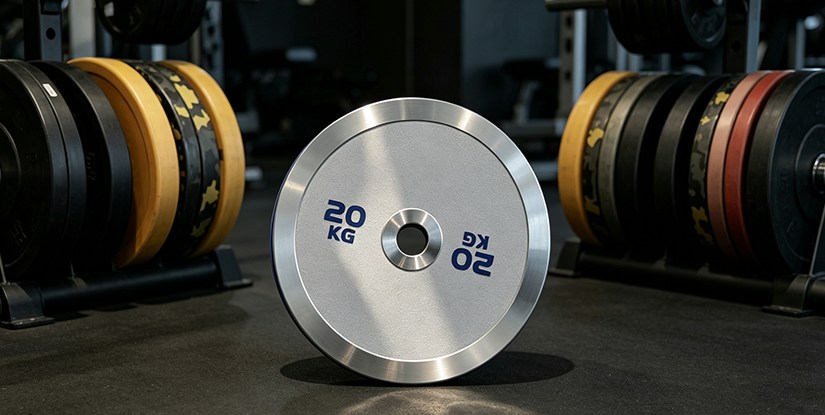
Customization goes far beyond basic aesthetics; it is a strategic tool for differentiation. A specialized custom gym equipment manufacturer can implement logo embossing directly into the sand casting process, ensuring your brand remains permanent and does not peel off like printed decals. This level of integration is essential for maintaining a professional appearance in high-traffic commercial environments. Furthermore, professional sourcing requests can include specific weight tolerance adjustments to meet strict commercial gym requirements, ensuring your branded sets are consistent across all weight increments.
Working directly with a China factory provides the technical flexibility to tailor both the visual and functional aspects of your product line. Whether you require specific diameter adjustments for specialized plate holes or custom color schemes via powder coating, these capabilities allow you to optimize your product catalog for specific niches, such as boutique studios or heavy-duty strength facilities, while maintaining a controlled wholesale cost structure.
Technical Comparison of Customization Options
When evaluating your next batch of commercial cast iron plates, the choice between surface finishes and branding methods directly impacts both the aesthetic longevity and the total cost of ownership. For high-volume importers, selecting the right combination of coating and logo application is a critical decision that affects the maintenance load and the perceived value of your branded collection. A professional cast iron weight plate custom supplier typically offers several tiers of customization to accommodate different market segments, from budget-friendly training centers to premium boutique studios.
| Material Base | Coating Type | Branding Method | Commercial Duty Tier | MOQ Impact | Factory QC Point |
|---|---|---|---|---|---|
| Cast Iron | Bare Iron / Phosphate | Raised Casting (Embossed) | Budget / Standard | Lower | Surface Roughness & Rust Resistance |
| Cast Iron | Powder Coating | Raised Casting + Color Spray | Mid-Tier Commercial | Moderate | Coating Adhesion & Uniformity |
| Cast Iron | Urethane Coating | Embedded Logo / Color | Premium / High-End | Higher | Encapsulation Integrity & Thickness |
The distinction between powder coating and urethane-based finishes is a common point of discussion during the sourcing phase. Powder coating is a standard, durable solution for wholesale weight plates, providing a hard, protective layer that resists scratches and chips in high-use environments. In contrast, a thicker urethane coating offers superior floor protection and a more premium hand-feel, though it often requires a higher MOQ due to the complexity of the molding and dipping processes. When designing your product line, consider how these finishes interact with your logo placement—whether you choose a permanent embossed cast logo or a high-visibility color-coded system to assist users in weight selection.
To ensure your custom specifications meet international export standards, we recommend requesting a sample evaluation or a pre-shipment inspection of the coating adhesion and weight calibration. Whether you are looking for a basic painted finish or a high-end custom branded solution, coordinating directly with your supplier during the initial design phase will help you manage lead times and ensure the final landed cost aligns with your distributor margins.
Logistics, Packaging, and Landed Cost Optimization
For international distributors and gym equipment importers, the final price of a shipment is rarely just the factory price. To maintain healthy distributor margins, you must account for the total landed cost, which includes manufacturing, export packaging, and international freight. Working with an experienced cast iron weight plate custom supplier allows you to optimize these variables through professional shipping optimization and high-density container loading strategies.
When sourcing wholesale weight plates in bulk orders, the weight-to-volume ratio is a critical factor in your procurement budget. Because cast iron is a high-density material, the primary goal is to maximize the weight capacity of a 20ft or 40ft container while ensuring the safety of the goods. A factory that understands sea freight requirements will utilize heavy-duty reinforced pallets and specialized steel strapping to prevent shifting during transit. This level of export-ready packaging protects your commercial cast iron plates from impact damage and ensures that the custom gym equipment manufacturer delivers a product that arrives in retail-ready condition, reducing the risk of costly returns or damaged inventory.
To minimize your total procurement expenditure, we recommend discussing MOQ tiers and shipping configurations during the initial sourcing phase. By aligning your order volume with standard container capacities, you can significantly reduce the per-unit shipping expense, thereby improving your overall ROI and competitiveness in your local market.
For international distributors and gym equipment importers, the final price of a shipment is rarely just the factory price. To maintain healthy distributor margins, you must account for the total landed cost, which includes manufacturing, export packaging, and international freight. Working with an experienced cast iron weight plate custom supplier allows you to optimize these variables through professional shipping optimization and high-density container loading strategies.
When sourcing wholesale weight plates in bulk orders, the weight-to-volume ratio is a critical factor in your procurement budget. Because cast iron is a high-density material, the primary goal is to maximize the weight capacity of a 20ft or 40ft container while ensuring the safety of the goods. A factory that understands sea freight requirements will utilize heavy-duty reinforced pallets and specialized steel strapping to prevent shifting during transit. This level of export-ready packaging protects your commercial cast iron plates from impact damage and ensures that the custom gym equipment manufacturer delivers a product that arrives in retail-ready condition, reducing the risk of costly returns or damaged inventory.
To minimize your total procurement expenditure, we recommend discussing MOQ tiers and shipping configurations during the initial sourcing phase. By aligning your order volume with standard container capacities, you can significantly reduce the per-unit shipping expense, thereby improving your overall ROI and competitiveness in your local market.
Packaging and Loading Method Comparison
Choosing the correct configuration depends on your storage capacity and the sensitivity of your specific commercial gym equipment order. A professional supplier will provide options to balance protection against the total landed cost.
| Packaging Type | Loading Method | Protection Level | Typical Use Case | Cost Impact |
|---|---|---|---|---|
| Reinforced Export Carton | Loose Loading | Medium | Small volume or mixed SKU orders | Lower freight cost; higher labor |
| Steel Banded Pallet | Palletized Loading | High | Standard wholesale shipments | Higher pallet cost; faster unloading |
| Heavy-Duty Wooden Crate | Full Container Load (FCL) | Maximum | High-end custom gym equipment manufacturer orders | Highest protection; optimized for long-haul sea freight |
Before finalizing your bulk purchase, we suggest requesting a detailed packing list and a 3D loading plan. This allows your logistics team to confirm the exact volume and weight density, ensuring a seamless transition from the China factory to your local warehouse.
For international distributors and gym equipment importers, the final price of a shipment is rarely just the factory price. To maintain healthy distributor margins, you must account for the total landed cost, which includes manufacturing, export packaging, and international freight. Working with an experienced cast iron weight plate custom supplier allows you to optimize these variables through professional shipping optimization and high-density container loading strategies.
When sourcing wholesale weight plates in bulk orders, the weight-to-volume ratio is a critical factor in your procurement budget. Because cast iron is a high-density material, the primary goal is to maximize the weight capacity of a 20ft or 40ft container while ensuring the safety of the goods. A factory that understands sea freight requirements will utilize heavy-duty reinforced pallets and specialized steel strapping to prevent shifting during transit. This level of export-ready packaging protects your commercial cast iron plates from impact damage and ensures that the custom gym equipment manufacturer delivers a product that arrives in retail-ready condition, reducing the risk of costly returns or damaged inventory.
To minimize your total procurement expenditure, we recommend discussing MOQ tiers and shipping configurations during the initial sourcing phase. By aligning your order volume with standard container capacities, you can significantly reduce the per-unit shipping expense, thereby improving your overall ROI and competitiveness in your local market.