Cast Iron Weight Plate OEM: Material and Sourcing Comparison
Cast Iron Weight Plate OEM: Material and Sourcing Overview
Navigating the complexities of high-volume procurement requires a clear understanding of how material integrity impacts long-term landed costs and replacement cycles. When establishing a supply chain, professional buyers must evaluate three critical checkpoints: the structural reliability of the casting, the precision of the machining process, and the logistical efficiency of the shipping volumes. Selecting a dedicated cast iron weight plate OEM ensures that these variables are standardized, reducing the risk of uneven weight distribution or premature surface degradation in high-traffic environments. For distributors and gym operators, the goal is to balance initial capital expenditure with the durability required for heavy commercial use.
In the global distribution market, the decision to source wholesale gym weight plates often hinges on the specific application of the equipment. While rubber-coated options provide noise reduction, cast iron remains the industry standard for strength training zones due to its compact footprint and extreme durability. A professional commercial weight plate manufacturer will provide various surface finishes—ranging from basic phosphate treatments to high-grade powder coating—to meet different aesthetic and functional requirements. Understanding these material tiers allows procurement leads to optimize their inventory for both budget-friendly commercial gyms and premium strength facilities.
Effective sourcing strategies must also account for the technical nuances of the production line. For instance, the transition from raw sand casting to the final calibration stage determines the concentricity and flatness of the plate. When engaging with a factory, it is standard practice to verify the sequence of machining and coating to ensure the product can withstand the rigors of daily commercial training without losing its structural integrity or aesthetic appeal.
" } }When planning a large-scale facility rollout or replenishing distributor stock, the choice between cast iron and rubber-coated alternatives directly influences your total cost of ownership. While rubber-coated plates are often preferred for sound dampening, cast iron plates offer a more compact profile and higher density, which is essential for maximizing storage efficiency in high-density training zones. For professional importers, the decision is rarely about preference and more about the specific operational requirements of the end-user facility and the projected maintenance load.
Material and Durability Comparison for Commercial Procurement
A strategic sourcing decision requires looking beyond the initial unit price to evaluate the long-term maintenance and floor protection needs of a commercial space. Cast iron plates, when produced by a reputable commercial weight plate manufacturer, undergo a specific sequence of casting and finishing to ensure they meet commercial-grade standards. This includes precision machining to ensure flatness and various surface treatments to prevent oxidation. In contrast, rubber-coated plates offer superior floor protection and noise reduction but may present different long-term maintenance challenges, such as coating adhesion or material degradation over several years of heavy use.
| Material Tier | Primary Process | Key Component/Feature | Commercial Duty | MOQ Impact | Factory QC Point |
|---|---|---|---|---|---|
| Cast Iron (Standard) | Sand Casting & Phosphate | Base Flatness | Budget/High-Volume | Lower | Weight Tolerance |
| Cast Iron (Premium) | Machining & Powder Coating | Coating Adhesion | Premium Strength Zones | Moderate | Bore Concentricity |
| Rubber Coated | Molding or Dip Coating | Encapsulation Layer | High-Traffic/Noise Control | Higher | Bond Line Integrity |
For distributors looking to optimize their margins, understanding these tiers is vital. A cast iron weight plate OEM can often provide customized powder coating or silk-screened branding to differentiate your product line within the market. When evaluating wholesale gym weight plates, always verify the pre-shipment inspection protocols regarding the bore concentricity and the surface finish durability. A well-managed factory will provide clear documentation on the calibration and quality control steps taken to ensure every batch meets the expected commercial specifications before export.
When planning a large-scale facility rollout or replenishing distributor stock, the choice between cast iron and rubber-coated alternatives directly influences your total cost of ownership. While rubber-coated plates are often preferred for sound dampening, cast iron plates offer a more compact profile and higher density, which is essential for maximizing storage efficiency in high-density training zones. For professional importers, the decision is rarely about preference and more about the specific operational requirements of the end-user facility and the projected maintenance load.
Material Characteristics and Manufacturing Processes
Understanding the structural integrity of a cast iron weight plate OEM production line is essential for distributors managing long-term replacement cycles. For high-volume importers, selecting between raw cast iron and rubber-coated options involves balancing durability against the total cost of ownership. A reliable commercial weight plate manufacturer will typically utilize sand casting for the base structure to ensure consistent density and shape across large batches.
The manufacturing sequence generally begins with sand casting the gray iron, followed by precision machining to ensure the center bore meets concentricity standards. To enhance the surface finish and prevent oxidation during sea freight, a powder coating process is industry-standard. This secondary layer provides a cleaner aesthetic and better grip for gym operators. When wholesale gym weight plates are ordered, the choice between a bare iron finish and a rubberized coating significantly impacts the landing cost and the maintenance requirements for the end-user facility.
Material and Process Comparison for Procurement
| Material Type | Primary Process | Surface Finishing | Commercial Duty | Sourcing Advantage |
|---|---|---|---|---|
| Cast Iron | Sand Casting | Powder Coating or Enamel | Standard Commercial | Lowest Landed Cost |
| Rubber Coated | Molding or Dip | Encapsulated Rubber | Premium/High-Traffic | High Durability/Low Noise |
For professional buyers, evaluating the weight tolerance and the quality of the surface finishing is a critical step in the sourcing process. A professional China factory will implement a calibration step after the casting and coating phases to ensure the weight remains within acceptable commercial-grade deviations before the pre-shipment QC stage.
Optimizing the procurement of a cast iron weight plate OEM requires a deep understanding of how manufacturing variables impact the total cost of ownership. While sand casting remains the foundation for high-volume production, the secondary processing stages—such as the precision of the center bore and the adhesion of the coating—are what define the long-term reliability of the unit in a high-traffic facility.
When managing large-scale wholesale orders, distributors should prioritize suppliers who implement a rigorous sequence of machining and calibration. A standard production flow typically involves casting, followed by CNC machining to ensure the bore concentricity is consistent, and finishing with a high-grade powder coating or enamel application. This sequence is vital to prevent common failure modes, such as uneven weight distribution or premature oxidation during long-distance shipping. For those seeking a commercial weight plate manufacturer, verifying these specific process steps is more effective than relying on generic quality claims.
Before finalizing a bulk order, we recommend that procurement leads request a detailed specification sheet to confirm the coating thickness and the specific calibration methods used. Establishing clear expectations regarding the MOQ and the pre-shipment inspection protocols for weight accuracy will ensure your landed cost remains predictable and your inventory meets professional gym standards.
Critical Inspection Points for Bulk Sourcing
Reliability in a cast iron weight plate OEM partnership is determined by the rigor of the final inspection stages. For high-volume importers, a common risk is receiving batches with inconsistent surface integrity or weight deviations that impact facility branding. A professional China factory should demonstrate a systematic approach to quality control, focusing on the bond between the iron core and the external layer. During the pre-shipment QC, technical buyers should prioritize a weight tolerance spot-check to ensure that each unit aligns with the promised commercial specifications, as even minor deviations can accumulate into significant discrepancies in large-scale shipments.
Beyond mass and weight, the longevity of wholesale gym weight plates depends heavily on coating adhesion. In many commercial settings, inferior coating applications can peel or crack under high-frequency use, leading to increased maintenance costs for the end-user. We recommend that distributors verify the sequence of machining and surface preparation—such as the degreasing and sandblasting steps—that occur before the final coating is applied. Ensuring that the manufacturer follows a standard casting to calibration workflow helps mitigate the risk of oxidation or surface failure during transit and long-term storage in diverse climates.
When negotiating wholesale contracts, it is highly effective to request a sample for a manual stress test or to review a standard inspection report from a recent production run. Confirming the MOQ and the specific lead time for custom branding or specialized finishes will allow for more accurate inventory planning. By focusing on these technical benchmarks—such as bore concentricity, coating durability, and calibration precision—procurement professionals can secure a more stable supply chain and higher margins for their distribution business.
Comparing Cast Iron and Rubber-Coated Options for Commercial Procurement
When managing a high-traffic facility, the choice between material types dictates your long-term maintenance budget and replacement cycles. For distributors and gym owners sourcing directly from a cast iron weight plate OEM, understanding the distinction between raw iron and coated alternatives is essential for calculating true landed costs and operational longevity.
While rubber-coated plates offer superior floor protection and noise reduction, they often involve higher initial procurement costs and complex manufacturing layers. Conversely, sourcing high-quality cast iron through a commercial weight plate manufacturer provides a streamlined, durable solution that excels in high-density strength training environments where extreme impact resistance is required.
| Material Tier | Primary Coating | Maintenance Profile | Durability Focus | Procurement Value |
|---|---|---|---|---|
| Standard Cast Iron | Powder Coating or Paint | Low; minimal upkeep required | High impact resistance | Optimal for high-volume wholesale gym weight plates |
| Rubber Coated | Vulcanized Rubber/PU | Moderate; coating can peel | Noise and floor shielding | Premium tier for boutique studios |
| Premium Steel | Chrome or Specialized Finish | High; requires surface care | Precision and aesthetics | Specialized competition settings |
Selecting the right cast iron weight plate OEM partner allows you to balance the initial wholesale investment against the total cost of ownership. A China factory specializing in precision casting can ensure that the base material meets commercial standards before any secondary coating is applied, reducing the risk of premature failure in heavy-duty environments.
Material and Process Specifications for Bulk Sourcing
The total cost of ownership (TCO) in commercial fitness is heavily influenced by the manufacturing sequence. For buyers looking for a reliable cast iron weight plate OEM, the process typically begins with sand casting to create the primary weight body, followed by precision machining to ensure the center bore meets concentricity standards. This sequence is critical for distributors because improper machining leads to uneven weight distribution and increased wear on barbell sleeves.
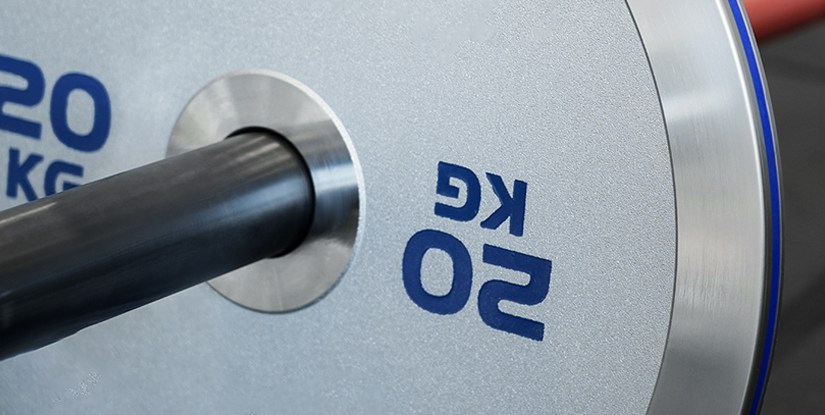
When evaluating a commercial weight plate manufacturer, procurement managers should distinguish between simple paint applications and industrial-grade powder coating. A high-quality wholesale gym weight plates supplier will utilize a multi-step surface finishing route—including phosphate treatment—to ensure high coating adhesion. This prevents the common failure mode of chipping or peeling under heavy use, which can increase long-term replacement costs and maintenance labor.
| Material Tier | Primary Coating | Manufacturing Process | Key QC Point | Commercial Duty | MOQ Impact |
|---|---|---|---|---|---|
| Standard Cast Iron | Powder Coating | Sand Casting & Machining | Bore Concentricity | High-Volume Gyms | Lower |
| Premium Cast Iron | Enamel or Specialized Paint | Precision Casting & Polishing | Surface Smoothness | Boutique Studios | Moderate |
| Rubber-Coated Steel | Vulcanized Rubber/PU | Molding or Dip Coating | Bond Line Adhesion | Premium Facilities | Higher |
Effective sourcing requires a deep look at the factory-level quality control (QC) applied to these components. A professional factory will conduct weight tolerance spot-checks and flatness inspections on the base of the plate before the final packaging stage. For large-scale importers, confirming these technical benchmarks during a pre-shipment inspection is the best way to protect profit margins and ensure the durability of the landed goods.
Logistics and Lead Time Considerations for Custom Orders
Complexity in the manufacturing route directly impacts your procurement timeline. When you engage a cast iron weight plate OEM for specialized finishes, such as high-grade powder coating or custom color-coded branding, the lead time naturally extends beyond standard stock orders. This is due to the additional drying cycles and calibration steps required to ensure the coating adheres perfectly to the cast iron surface without bubbling or peeling.
For distributors managing inventory cycles, understanding these variables is vital for calculating the final landed cost. While a commercial weight plate manufacturer can offer faster shipping for unbranded, standard-finish units, custom OEM requests involve a more rigorous production sequence—including casting, machining, and specialized surface treatment. Consequently, planning bulk orders with a larger buffer for lead time ensures that your facility or client remains fully equipped without unexpected stockouts.
To optimize your sourcing strategy, we recommend requesting a detailed production schedule and a sample approval process during the initial quote phase. Confirming the MOQ and the specific manufacturing steps for your chosen finish will allow for more accurate logistics planning, ensuring your container loading and arrival dates align with your facility's expansion or replenishment needs.
Optimizing Inventory with a Commercial Weight Plate Manufacturer
For distributors and warehouse operators, managing the delicate balance between SKU breadth and storage density is a critical factor in maintaining a healthy distributor margin. Selecting a reliable cast iron weight plate OEM allows you to streamline your supply chain by sourcing high-density, durable units that maximize every cubic meter of your warehouse. Unlike bulky rubber-coated alternatives, the compact profile of cast iron optimizes inventory turnover and reduces the landed cost per unit of volume during international shipping.
When sourcing wholesale gym weight plates, professional buyers must evaluate how material choice impacts long-term inventory efficiency. A high-quality commercial weight plate manufacturer provides products with consistent dimensional stability, ensuring that your stock remains uniform and stackable. This predictability reduces the risk of damaged shipments and minimizes the overhead associated with replacement planning, ultimately protecting your long-term ROI and ensuring a more predictable wholesale replenishment cycle.
Material Comparison for Strategic Procurement
Decision-makers must weigh the immediate capital expenditure against long-term maintenance requirements. While rubberized options offer certain surface benefits, a professional cast iron weight plate OEM provides a high-density solution that is essential for high-traffic commercial environments where space and weight-to-volume ratios are paramount. Choosing the right material profile directly impacts your shipping density and warehouse logistics.
| Material | Coating | Commercial Duty | Storage Footprint | Sourcing Strategy | Factory QC Point |
|---|---|---|---|---|---|
| Cast Iron | Paint or Powder Coating | High (Heavy-Duty) | Minimal / Compact | Bulk Volume / High Density | Surface Flatness & Base Integrity |
| Rubber Coated | Encapsulated Rubber | Medium (Standard) | Moderate / Bulky | Premium / Specialized SKU | Coating Adhesion & Bond Line |
For importers looking to maximize wholesale efficiency, the compact nature of cast iron allows for more units per container, significantly lowering the landed cost. When negotiating with a China factory, it is standard practice to verify the surface treatment—such as the quality of the powder coating—to ensure it does not chip during transit or heavy use. We recommend requesting a sample to evaluate the weight tolerance and the consistency of the finish before finalizing a large-scale sourcing order.
Logistics and Volume Optimization in Bulk Procurement
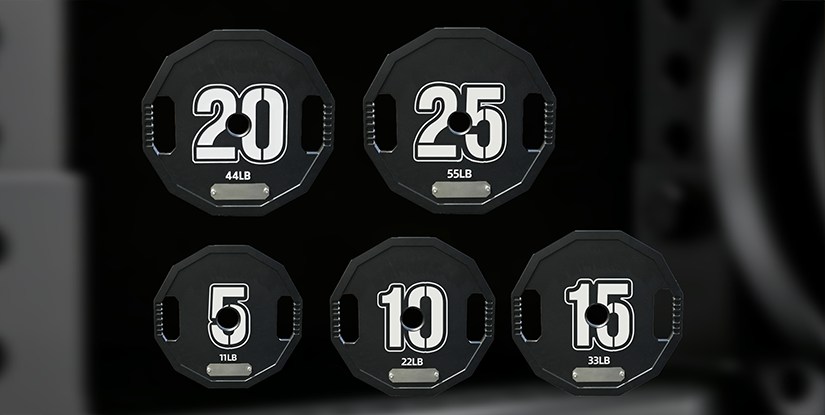
The decision to source through a cast iron weight plate OEM is often driven by the need to optimize the weight-to-volume ratio for long-distance ocean freight. Because cast iron is significantly more compact than rubber-coated or bumper-style plates, distributors can achieve much higher shipping density within a standard 20ft or 40ft container. This efficiency is a primary lever for reducing the landed cost when importing large-scale inventory from a China factory. By maximizing the actual weight carried per container, importers can mitigate the impact of high freight rates on their overall wholesale margins.
Effective sourcing also requires a clear understanding of how MOQ requirements and lead time interact with your warehouse replenishment cycles. A professional commercial weight plate manufacturer will typically offer tiered pricing based on order volume, allowing you to balance upfront capital expenditure against shipping savings. When preparing a bulk order, we advise buyers to coordinate closely with the supplier regarding export packaging specifications. High-standard export packaging—including reinforced pallets and protective corner guards—is essential to prevent surface damage to the powder coating or casting edges during multi-modal transit, ensuring that your wholesale gym weight plates arrive in a retail-ready condition for your clients.
Quality Control and Export Standards for China Factory Orders
Maintaining consistent weight tolerances and surface integrity is the primary challenge in high-volume cast iron weight plate OEM procurement. For distributors and gym owners, a single batch of inconsistent plates can lead to significant replenishment issues and increased maintenance costs. A professional China factory must implement a rigorous inspection sequence—from the initial sand casting stage to the final coating application—to ensure every unit meets commercial-grade expectations for thickness and concentricity.
Effective commercial gym procurement requires more than just selecting a supplier; it requires verifying the technical depth of their quality management. During the sourcing process, professional buyers should prioritize facilities that conduct systematic weight tolerance spot-checks and surface finish audits. Without these standardized protocols, the landed cost of your shipment may decrease initially, but the long-term cost of replacement and client dissatisfaction will rise due to uneven plate profiles or peeling coatings.
Pre-Shipment Inspection and Export Packaging
Before any wholesale gym weight plates leave the facility, a multi-stage QC process is essential to protect your investment. A reliable commercial weight plate manufacturer will perform a final calibration check to ensure the weight deviation remains within industry-standard limits. Furthermore, the QC process must include an adhesion test for any paint or powder coating to prevent premature chipping during heavy commercial use.
Because these products are high-density and heavy, export packaging is a critical component of the logistics chain. Standard industry practice involves utilizing reinforced pallets and heavy-duty corrugated dividers to prevent metal-on-metal friction during sea freight. For wholesale orders, ensuring that the factory uses moisture-resistant wrapping and secure strapping is vital to prevent rust and structural damage during long-transit ocean shipping, ultimately protecting your distributor margins.
Technical Inspection Benchmarks for Bulk Procurement
To minimize the risk of receiving defective inventory, professional importers must demand a standardized inspection checklist. Relying on generic assurances is insufficient; instead, utilize a technical comparison of inspection points to evaluate the capability of a cast iron weight plate OEM. A high-tier commercial weight plate manufacturer will provide transparency regarding their calibration and surface finishing protocols.
The following table outlines the essential metrics that should be verified during a pre-shipment inspection or a formal factory audit. These benchmarks ensure that your wholesale gym weight plates arrive with the structural integrity required for high-traffic commercial environments.
| Inspection Point | Commercial Standard Requirement | Procurement Impact | Typical QC Method |
|---|---|---|---|
| Weight Tolerance | Consistent weight deviation within industry-standard limits | Reduces replenishment disputes and ensures set balance | Randomized scale calibration checks |
| Surface Adhesion | High resistance to chipping and peeling under impact | Lowers long-term maintenance and replacement costs | Manual abrasion or impact test |
| Bore Concentricity | Centered center-hole for smooth barbell loading | Prevents uneven barbell tilt and uneven wear | Visual alignment and manual fit testing |
| Plate Flatness | Minimal warping across the casting surface | Ensures stable stacking and uniform floor contact | Surface flatness spot-checks |
| Packaging Durability | Reinforced palletizing and moisture-resistant wrapping | Protects landed cost by preventing transit damage | Visual inspection of pallet strapping and boxing |
When finalizing your sourcing strategy, we recommend requesting a detailed specification sheet and a sample approval process. Confirming the specific MOQ for custom branding or specialized coating requirements early in the discussion will prevent lead time delays. For large-scale distributors, conducting a remote or on-site factory audit to verify these QC stages is the most effective way to secure a reliable long-term partnership.
Customization and Private Labeling via OEM/ODM Services
For distributors and large-scale gym operators, moving beyond generic stock items is essential for building a recognizable brand. Utilizing cast iron weight plate OEM services allows you to transition from a mere importer to a brand owner. While standard wholesale orders provide immediate inventory, private label solutions offer the ability to embed your specific brand identity into every piece of equipment, increasing your long-term market value and customer loyalty.
The distinction between standard manufacturing and professional ODM lies in the depth of customization. A commercial weight plate manufacturer can provide more than just a logo; they can adjust the aesthetic and functional characteristics to meet specific commercial gym requirements. This includes selecting specific surface finishes, such as matte powder coating or high-gloss enamel, and customizing the embossing depth of your brand name on the cast iron surface. Leveraging a China factory for these specialized tasks ensures that your wholesale gym weight plates look and feel like a premium, proprietary product line rather than a generic commodity.
Effective sourcing strategies should account for the different tiers of customization available. A standard factory might offer basic silk-screened logos for low MOQ orders, whereas a full OEM partnership allows for deep integration of your design into the casting mold itself. This ensures that your branding is permanent and resistant to the wear and tear typical of high-traffic commercial environments, protecting your brand equity over years of heavy usage.
Customization Tiers for Professional Procurement
When planning your next inventory replenishment, understanding the technical depth of customization is vital for managing your landed cost and brand differentiation. A professional cast iron weight plate OEM partnership provides a structured way to scale from basic stock to high-end proprietary collections. Depending on your budget and market positioning, you can choose between surface-level branding or structural mold integration.
| Customization Tier | Branding Method | Technical Detail | Typical MOQ | Commercial Application |
|---|---|---|---|---|
| Standard Wholesale | Silk-screen or Paint | Surface-level logo application | Low | Budget-friendly gym replenishment |
| Advanced Customization | Color Coating | Custom powder coating colors | Medium | Themed studio or boutique gym branding |
| Full Private Label | Logo Embossing | Integrated into the casting mold | High | Premium distributor-owned product lines |
For procurement managers seeking a competitive edge, the ability to request custom weight increments is a significant advantage. While standard sets follow traditional increments, a specialized commercial weight plate manufacturer can often accommodate non-standard weight distributions to fill specific gaps in your product catalog. This level of precision requires a sophisticated ODM process, involving specialized calibration and mold adjustments during the initial casting stage.
From a sourcing perspective, it is important to note that deeper customization, such as deep-relief logo embossing, will naturally impact the lead time. While a standard order of wholesale gym weight plates might be ready for immediate export, a fully customized run requires additional time for mold fabrication and specialized pre-shipment QC. We recommend confirming your MOQ and technical specifications early in the procurement cycle to ensure your shipping schedule remains optimized for your distribution needs.