Cast Iron Plate Wholesale Factory: Material and Sourcing
Understanding the Value of a Cast Iron Plate Wholesale Factory
Many procurement leads fail by prioritizing low initial unit prices from unverified traders, only to face high replacement costs due to uneven weight distribution or premature surface oxidation. A professional cast iron plate wholesale factory provides a more stable economic model by offering high-density gray iron and standardized manufacturing processes that ensure long-term durability. By engaging in direct commercial weight plate sourcing, distributors and gym owners shift their focus from low-cost acquisition to minimizing the total cost of ownership through superior product longevity.
When evaluating a cast iron plate wholesale factory, the primary objective is to secure a TCO (Total Cost of Ownership) advantage. High-quality casting reduces the frequency of plate replacement and minimizes maintenance-related downtime in high-traffic commercial environments. For large-scale deployments, the ROI (Return on Investment) is realized through the extended lifecycle of the equipment and the reduction in secondary logistics costs associated with frequent re-ordering.
Optimizing your iron plate manufacturing QC protocols during the initial sourcing phase allows for better control over landed costs. A reliable supplier will provide clear documentation regarding the casting method and surface treatment, ensuring that the bulk shipment meets the structural requirements of a professional facility. This strategic approach to wholesale procurement transforms a simple purchase into a long-term asset for your fitness business.
Optimizing Landed Cost and Operational Efficiency
For high-volume importers and distributors, the true cost of a shipment is not just the unit price, but the sum of the landed cost and the operational stability the product provides. Sourcing through a cast iron plate wholesale factory allows for significant economies of scale, as direct manufacturing eliminates the middleman margins common with trading companies. This direct link enables more precise control over the weight tolerance and concentricity of each unit, which is critical for high-end commercial gym deployment where equipment uniformity is expected.
Effective logistics efficiency is another pillar of a successful procurement strategy. A professional cast iron plate wholesale factory understands the complexities of container loading optimization and export-grade packaging. By coordinating closely with the factory, buyers can ensure that heavy iron shipments are packed to prevent surface abrasion and maximize container volume, thereby reducing the shipping cost per unit. Furthermore, implementing a rigorous pre-shipment inspection protocol—focusing on weight accuracy and coating adhesion—prevents the high costs of receiving defective or non-compliant goods at your destination warehouse.
Ultimately, a robust iron plate manufacturing QC system serves as an insurance policy for your inventory. When you secure a partnership with a specialized manufacturer, you are not just buying plates; you are investing in a predictable supply chain. This predictability allows for better inventory planning, more reliable lead times for your clients, and a higher degree of confidence in the long-term performance of your commercial fitness assets.
Sourcing Model Comparison: Factory-Direct vs. Trading Options
Choosing the right procurement path significantly influences your long-term margins. While trading companies may offer lower entry barriers for small orders, a dedicated cast iron plate wholesale factory provides the structural advantages necessary for large-scale commercial deployments. The following table outlines the qualitative differences in sourcing models to assist in your decision-making process.
| Sourcing Model | Primary Focus | TCO Impact | QC Control | Best For |
|---|---|---|---|---|
| Direct Factory Sourcing | Manufacturing Scalability | Lowest long-term costs | High (Direct Oversight) | Distributors and Large Gym Chains |
| Trading Company | Product Variety | Higher due to markup | Moderate (Third-party) | Small Studio/Retail Stocking |
| OEM/ODM Partnership | Brand Identity | Optimized for Scale | Highest (Custom Specs) | Private Label Brands |
For professional buyers, the decision to move toward direct commercial weight plate sourcing is often driven by the need for technical consistency. A specialized factory can adjust casting parameters or surface treatments to meet specific client requirements, a level of customization that standard traders cannot easily facilitate. When you prioritize a supplier with deep expertise in iron casting, you mitigate the risks of uneven thickness or poor concentricity, ensuring your commercial assets remain high-performing for years.
Material Specifications and Casting Methods for Commercial Use
When conducting commercial weight plate sourcing, understanding the fundamental metallurgical differences is critical for long-term asset management. A professional cast iron plate wholesale factory typically utilizes gray iron as the primary material due to its inherent vibration-dampening properties and high compressive strength. For high-volume distributors, selecting the correct casting method directly impacts the durability and weight tolerance of the final shipment, influencing the total landed cost and product longevity in high-traffic gym environments.
The most common manufacturing route for standard commercial units is sand casting. This process involves pouring molten iron into a mold made of compressed sand, which creates a robust, heavy-duty structure suitable for bulk wholesale orders. While sand casting may result in a slightly more textured surface compared to precision machining, it is the industry standard for producing reliable, cost-effective plates for commercial gym deployments. A reputable China factory will ensure that the casting process minimizes internal air pockets to maintain structural integrity during heavy use.
For procurement professionals, the distinction between basic casting and precision-machined plates is vital. While standard sand casting provides the necessary mass, secondary processes like CNC machining are often employed to refine the inner ring diameter and ensure concentricity. This level of precision is essential for maintaining a balanced load on barbell sleeves, reducing mechanical wear on high-end lifting equipment. When evaluating a cast iron plate wholesale factory, buyers should confirm whether the plates undergo a calibration step to ensure consistent weight distribution across a full set.
Technical Comparison of Casting and Coating Standards
Selecting the appropriate production tier is essential for optimizing distributor margins and ensuring long-term durability. A professional cast iron plate wholesale factory provides various finishing options that dictate the maintenance load and floor protection requirements for your clients. For instance, while bare iron is cost-effective for high-volume shipments, powder coating or rubber encapsulation significantly extends the product lifecycle in high-traffic commercial settings.
The following table outlines the technical distinctions between common production tiers. This comparison helps procurement leads determine the right balance between initial sourcing costs and long-term value for different gym deployment scenarios.
| Material Tier | Surface Finish | Primary Process | Key Component / QC Point | Commercial Application |
|---|---|---|---|---|
| Gray Iron | Bare / Phosphate | Sand Casting | Inner Ring Concentricity | Budget-conscious Gyms |
| Gray Iron | Powder Coating | Casting + Machining | Coating Adhesion | Standard Commercial Studios |
| Ductile Iron | Rubber / PU Coated | Casting + Molding | Encapsulation Integrity | Premium Fitness Centers |
| Solid Steel | Chrome / Enamel | Precision Machining | Weight Tolerance Spot-check | Competition / High-End Training |
Effective iron plate manufacturing QC must focus on the interface between the material and the finish. For example, when ordering coated units, the iron plate manufacturing QC process should verify that the coating layer is uniform and free from air bubbles or peeling at the edges. For distributors, confirming these specific manufacturing steps with your supplier ensures that the bulk shipment meets the structural and aesthetic expectations of the end-user, thereby reducing the frequency of after-sales claims and replacement planning.
Ensuring Surface Integrity and Pre-Shipment Standards
The durability of a commercial gym's inventory often depends on the quality of the surface treatment applied during the final stages of production. A high-tier cast iron plate wholesale factory understands that a standard casting is only as good as its finishing. For instance, the application of powder coating is a standard requirement for mid-to-high-end commercial units. This process provides a protective barrier against oxidation and enhances the aesthetic appeal, which is a critical factor for studio operators and premium facility owners. During the iron plate manufacturing QC process, it is essential to verify the adhesion of this layer to ensure it does not chip or peel under the mechanical stress of heavy barbell loading and unloading.
Beyond simple aesthetics, professional surface finishing serves as a functional layer that mitigates the impact of metal-on-metal contact. When managing large-scale procurement, buyers should request detailed information regarding the pre-shipment inspection protocols used by the factory. A reliable China factory will perform routine checks on the uniformity of the finish and the structural integrity of the inner ring. For distributors managing complex logistics, understanding how these finishing steps influence the total lead time and the minimum MOQ is vital for accurate inventory planning and maintaining a consistent supply chain for end-users.
Comparing Material and Manufacturing Standards
Selecting the right cast iron plate wholesale factory involves evaluating how raw material composition and manufacturing precision impact your long-term operating expenses. For distributors and gym owners, the initial purchase price is only one component of the total cost of ownership; the durability of the casting determines how often you must replace inventory or deal with client complaints regarding surface degradation.
When engaging in commercial weight plate sourcing, buyers must distinguish between standard industrial castings and those optimized for high-traffic environments. A cast iron plate wholesale factory that utilizes high-grade gray iron through refined sand casting processes provides a much more stable foundation for commercial use. While lower-tier options may offer a lower upfront cost, they often suffer from structural inconsistencies that lead to premature cracking or uneven weight distribution under heavy use.
| Material Tier | Manufacturing Process | Typical Surface Finish | Commercial Durability | TCO Impact |
|---|---|---|---|---|
| Standard Gray Iron | Basic Sand Casting | Bare or Single Coat | Moderate | Higher replacement frequency |
| Premium Gray Iron | Precision Sand Casting & Machining | Powder Coating | High | Lower maintenance/long lifespan |
| Reinforced Steel | Forged or CNC Machined | Chrome or Specialized Coating | Very High | Maximum longevity for elite facilities |
The relationship between iron plate manufacturing QC and your bottom line is direct. A factory that implements rigorous weight calibration and concentricity checks ensures that every unit in a bulk shipment meets strict commercial standards. Neglecting these technical specifications during the sourcing phase often results in higher maintenance costs and reduced durability, eventually eroding the profit margins of distributors and the ROI of facility operators.
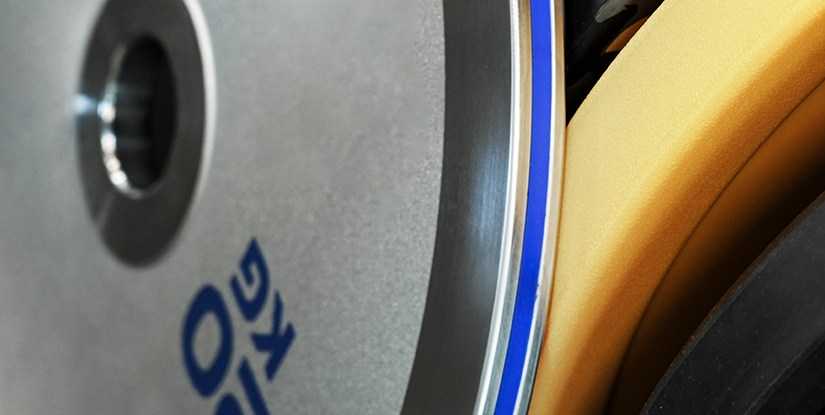
Effective iron plate manufacturing QC extends beyond simple weight checks; it requires a thorough inspection of surface integrity and structural uniformity. For instance, a high-quality cast iron plate wholesale factory will utilize a multi-stage finishing route—moving from the raw casting to a chemical phosphate treatment before applying a final powder coating. This sequence is critical for preventing oxidation and ensuring the coating adhesion remains intact even under the high-impact conditions typical of a commercial training floor.
When evaluating different tiers of commercial weight plate sourcing, buyers should pay close attention to how these processes affect the physical dimensions and usability of the plates. While a standard casting might suffice for low-traffic settings, professional-grade equipment requires precision machining to ensure the center hole and outer diameter remain consistent. This level of technical detail reduces the frequency of equipment downtime and minimizes the need for replacement, ultimately optimizing the long-term ROI for large-scale gym deployments.
To ensure your procurement strategy accounts for all variables, we recommend requesting a detailed spec sheet from your supplier. This should include specific details on the casting method, the multi-layer coating process, and the expected weight tolerance levels. For large-scale wholesale orders, it is also prudent to confirm the MOQ for custom branding or OEM requests to ensure your brand identity aligns with the technical output of the China factory.
Critical QC Checkpoints for Commercial Weight Plate Sourcing
Maintaining high standards of structural integrity is a fundamental requirement for any cast iron plate wholesale factory providing equipment for professional environments. When managing commercial weight plate sourcing, procurement professionals must look beyond the surface finish to ensure that every unit meets the rigorous demands of high-traffic gym environments. Failure to verify manufacturing precision can lead to uneven weight distribution, which increases the risk of equipment fatigue and long-term liability for the operator.
A reliable China factory will implement strict iron plate manufacturing QC protocols during the transition from the sand casting phase to the final machining and coating stages. For a successful commercial gym deployment, the supplier must guarantee that weight tolerances and concentricity remain within industry-standard ranges. This level of technical oversight ensures that plates sit flat on the barbell and maintain balance during heavy lifting sessions, protecting both the user and the longevity of the barbell itself.
Technical Inspection Points in the Production Cycle
A professional cast iron plate wholesale factory must prioritize the sequence of casting, machining, and finishing to prevent common defects like warping or surface cracking. The process begins with high-quality sand casting, where the molten iron is poured into precision molds. During this stage, the primary concern for any sourcing manager is the absence of air pockets or structural inconsistencies that could compromise the plate's integrity. Once the cast shape is set, the unit moves to the machining phase to ensure the central bore is perfectly centered. High-quality production requires a focus on concentricity, ensuring the plate rotates smoothly on the barbell without wobbling, which is a critical requirement for high-end commercial training environments.
After the mechanical shaping is complete, the surface treatment phase becomes the most vital part of the iron plate manufacturing QC process. Many distributors prioritize a robust powder coating application to prevent oxidation and rust. A common failure in lower-tier production is poor powder coating adhesion, where the coating peels or flakes under impact. To mitigate this, a reputable factory will perform visual and physical inspections to ensure the coating is uniform and tightly bonded to the iron substrate. Before any bulk shipment is cleared, a comprehensive pre-shipment inspection must be conducted. This includes checking for surface defects, verifying the smoothness of the outer rim, and confirming that the weight markings remain legible. For those managing large-scale orders, requesting a detailed inspection report or a sample approval from the supplier is an essential step to ensure the landed quality matches the initial technical specifications.
Comparison of Commercial-Grade Plate Specifications
Selecting the appropriate product tier is essential for optimizing both procurement costs and long-term durability. A professional cast iron plate wholesale factory will typically offer various levels of finishing and manufacturing precision to suit different commercial needs. For example, while standard cast iron plates are ideal for general strength training, specialized competition-spec plates require higher-level machining for perfect concentricity. Understanding these qualitative differences helps distributors and gym owners align their investment with their specific operational requirements and budget constraints.
| Material | Process | Key Component / Detail | Commercial Duty | MOQ Impact | Factory QC Point |
|---|---|---|---|---|---|
| Gray Iron | Sand Casting | Standard Inner Bore | Budget/Standard Gym | Low | Surface Cracks & Voids |
| Cast Iron | Machined & Powder Coated | Smooth Rim & Uniform Coating | Premium Commercial/Studio | Medium | Coating Adhesion |
| Steel/Iron Hybrid | Precision Machining | High-Precision Center Hole | High-Performance/Competition | High | Concentricity & Weight Balance |
When evaluating commercial weight plate sourcing, buyers should consider how these tiers affect the total cost of ownership. A higher-tier plate with superior surface finishing may require a higher MOQ, but it often results in lower maintenance and replacement costs over several years. We recommend that procurement leads request a sample evaluation or a pre-shipment inspection report to verify the quality of the central bore and the thickness of the coating before finalizing any bulk order.
Optimizing Logistics and Lead Times with a China Factory
Effective cast iron plate wholesale factory management requires a strategic focus on the intersection of production speed and shipping efficiency. For international distributors, the primary challenge is not just the quality of the iron, but the predictability of the supply chain. A well-managed cast iron plate wholesale factory provides the transparency needed to balance high inventory turnover with stable distributor margin through optimized container loading and streamlined lead time forecasting.
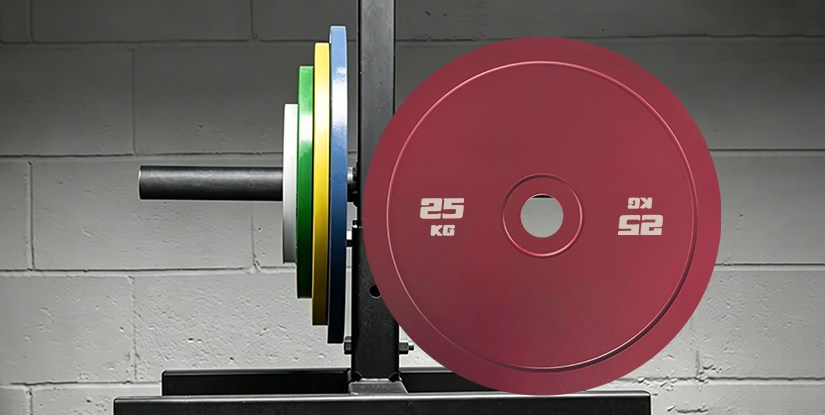
When conducting commercial weight plate sourcing, procurement professionals must account for the total landed cost, which is heavily influenced by shipping density and MOQ requirements. Relying on a China factory that offers specialized shipping optimization—such as optimized palletization and container volume maximization—allows importers to reduce per-unit freight expenses. Without this level of iron plate manufacturing QC regarding packaging and load density, unexpected freight surges can quickly erode profit margins.
Comparing Sourcing Models: Direct Factory vs. Trading Company
Choosing between a direct manufacturer and a trading partner significantly impacts your total landed cost and the level of control you maintain over the supply chain. While trading companies may offer a broader catalog, sourcing directly from a cast iron plate wholesale factory provides superior transparency regarding production schedules and raw material availability. For high-volume distributors, the ability to influence the manufacturing process through OEM or ODM requests is a critical advantage that intermediaries often cannot facilitate effectively.
| Sourcing Model | Typical MOQ | Lead Time Control | Shipping Control | Primary Advantage |
|---|---|---|---|---|
| Direct Factory | Higher | High (Direct Production Oversight) | Full (Optimized Container Loading) | Maximum Margin & Customization |
| Trading Company | Lower | Moderate (Dependent on Supplier) | Limited (Standardized Packaging) | Catalog Variety & Lower Entry Barrier |
For professional buyers, the goal of commercial weight plate sourcing is to secure a stable supply of high-duty equipment while minimizing logistical friction. A direct factory can provide detailed documentation regarding iron plate manufacturing QC, including weight calibration logs and surface finish inspections, before the goods ever reach the port. This direct oversight reduces the risk of receiving non-compliant batches that could damage your brand reputation and long-term profitability.
Before finalizing a purchase order, we recommend requesting a detailed specification sheet and confirming the current MOQ for your specific custom branding requirements. To ensure alignment with your local market standards, you may also request a sample evaluation or schedule a virtual factory audit to verify production capacity and export packaging protocols.
Ensuring Transit Integrity Through Export Packaging and Pre-Shipment Inspection
The logistical risk of long-distance ocean freight can significantly impact your final landed cost if the export packaging is insufficient. For a cast iron plate wholesale factory, the responsibility extends beyond the casting process to the final protection of the product. High-density iron loads are subject to significant kinetic energy during transit; without robust, industry-standard palletization and container reinforcement, even a minor shift can result in surface abrasions or structural damage to the shipment.
To maintain high warehouse efficiency upon arrival, professional importers must prioritize a China factory that implements a rigorous pre-shipment inspection protocol. This process should include a final check of the export packaging—specifically looking for heavy-duty corrugated dividers, reinforced corner protectors, and secure pallet strapping. Effective damage prevention strategies, such as utilizing moisture-resistant wraps and optimized stacking patterns, ensure that your bulk order arrives in a retail-ready state, ready for immediate distribution to your clients without the need for costly returns or replacements.
Custom Branding and OEM Capabilities for Distributors
For professional distributors and gym equipment importers, the ability to move beyond generic stock is a critical driver of market differentiation. When you partner with a cast iron plate wholesale factory, you are not just purchasing inventory; you are investing in the ability to scale your own brand identity through professional custom branding solutions. This strategic shift allows a distributor to transition from a mere reseller of commodities to a recognized provider of specialized fitness solutions.
Utilizing OEM and ODM services enables you to control the aesthetic and technical specifications of your product line, ensuring that every unit reflects your quality standards. Whether it is through precision embossed logos on the cast iron surface or specific powder coating colors, these customizations help build long-term customer loyalty. While private label production often requires a specific MOQ, the resulting increase in distributor margin and brand equity typically outweighs the initial volume commitments. By sourcing directly from a China factory, you can implement specialized designs that meet local market demands while maintaining a competitive landed cost.
Technical Comparison of Branding and Surface Finishes
Selecting the appropriate branding method is a critical decision for procurement managers balancing visual appeal with long-term durability. The method chosen for your commercial weight plate sourcing directly impacts the unit's resistance to chipping and the overall lifespan of the finish in high-traffic environments. A miscalculation here can lead to increased maintenance costs or premature replacement cycles, negatively affecting your total cost of ownership.
When evaluating a cast iron plate wholesale factory, it is essential to understand how different surface treatments interact with the cast iron substrate. For instance, while silk screen printing offers high visual clarity, it lacks the ruggedness required for heavy-duty commercial use. Conversely, physical modifications like embossing provide permanent branding that remains legible even after years of heavy usage and contact with other plates.
| Branding Method | Durability Level | Production Cost | Lead Time Impact | Ideal Commercial Use |
|---|---|---|---|---|
| Embossing | High | Moderate | Standard | Heavy-duty strength training |
| Silk Screen Printing | Low | Low | Short | Light-duty or boutique studios |
| Powder Coating | High | Moderate | Medium | Premium commercial gym sets |
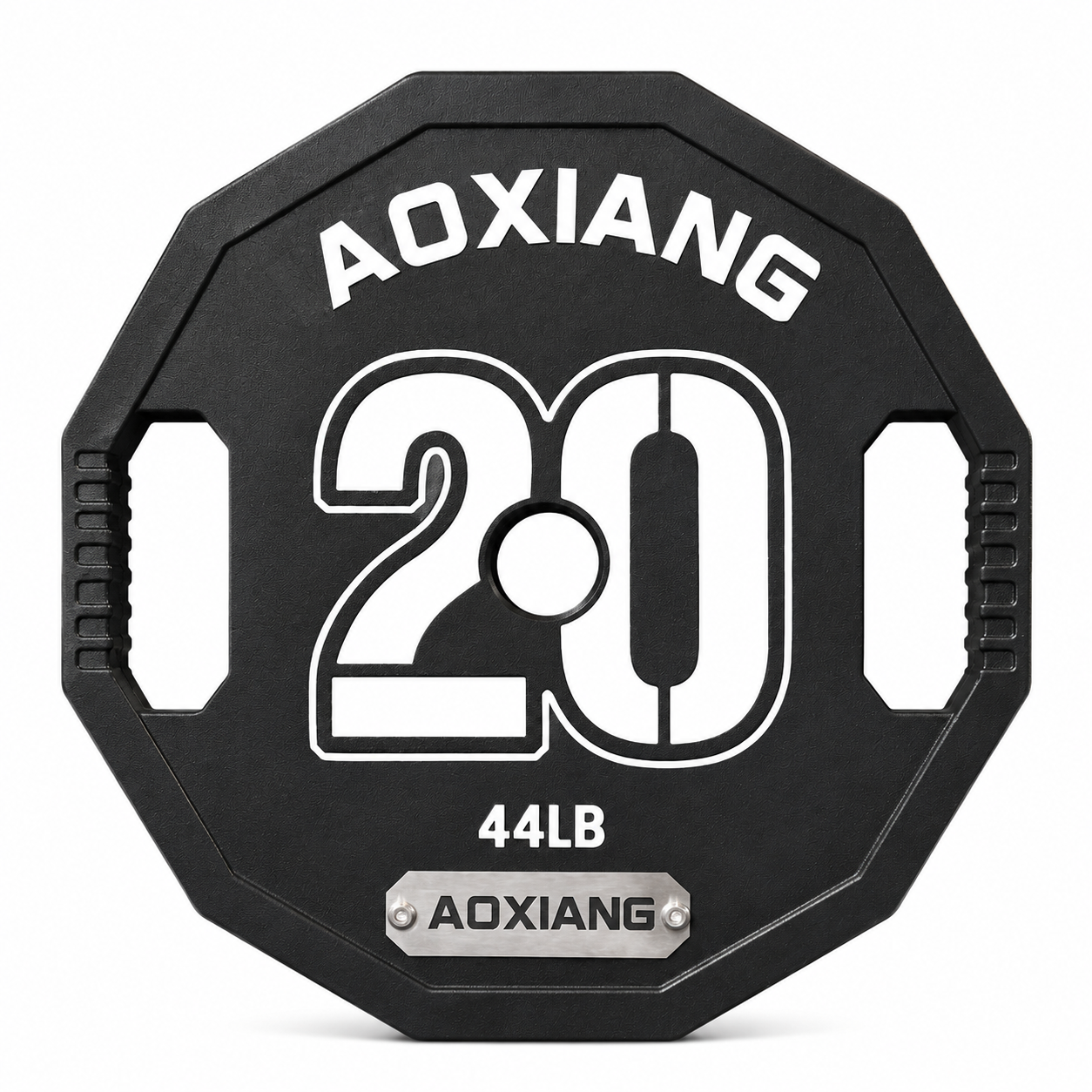
| Logo Plate | Very High | High | Long | High-end specialized equipment |
For distributors seeking the highest iron plate manufacturing QC standards, we recommend a combination of physical embossing and a high-grade powder coating. This dual-layer approach ensures that your brand remains visible and that the weight tolerance of the plate is not compromised by uneven coating thickness. While a metal logo plate offers the most premium look, it may increase the lead time and complexity of the assembly process. We advise discussing your specific MOQ requirements with your supplier to determine which method offers the best balance between aesthetic longevity and your target wholesale price point.
Logistics, Pre-Shipment Inspection, and Export Standards
Efficient global distribution requires more than just high-quality casting; it demands a rigorous logistical framework to protect your investment during transit. For a cast iron plate wholesale factory, the final stages of production—from pre-shipment QC to export packaging—are as critical as the initial pour. Without standardized protocols, the risk of surface oxidation, coating chipping, or pallet instability increases, which can significantly raise your landed cost and damage your brand reputation upon arrival at the warehouse.
A professional iron plate manufacturing QC process must include a multi-stage verification sequence: starting with weight calibration and concentricity checks, followed by a visual inspection of the powder coating adhesion and embossing clarity. Once the units pass these technical benchmarks, they enter the export-ready phase. For bulk orders, we utilize heavy-duty, reinforced packaging designed to withstand the rigors of sea freight and long-distance container movement. This includes high-density cardboard dividers or custom-sized crates to prevent metal-on-metal friction during transit.
Managing lead time effectively involves coordinating these QC steps with optimized container loading patterns. To maximize your shipping efficiency, we provide detailed packing lists and weight distributions, ensuring that each container is loaded to reach its maximum capacity without compromising safety or structural integrity. Whether you are managing a small wholesale shipment or a large-scale OEM project, our factory ensures that every pallet is heat-treated and secured according to international maritime standards. We encourage all sourcing managers to request a detailed pre-shipment inspection report and confirm the final MOQ and packaging specifications before the vessel departs to ensure a seamless delivery to your global distribution centers.