Cast Iron Weight Plate Wholesale Factory: Material Spec
Standardizing Material Selection for Commercial Gym Inventory
Many distributors fail by prioritizing low upfront costs over long-term material stability, leading to high replacement rates and damaged floor surfaces. A more profitable strategy involves sourcing from a professional cast iron weight plate wholesale factory that prioritizes structural integrity. By selecting high-grade gray iron through proven manufacturing routes, you ensure that your inventory can withstand the high-impact demands of a commercial environment while maintaining a consistent weight tolerance.
Reliable commercial cast iron plates must undergo a rigorous production sequence—starting from precision sand casting to final surface treatment—to prevent common failure modes like cracking or uneven thickness. For large-scale wholesale gym weight plates orders, understanding the relationship between the casting process and the final coating adhesion is vital for reducing your total cost of ownership and maintenance overhead.
Working directly with a specialized cast iron plate manufacturer allows you to control these technical variables. Whether you require a standard phosphate treatment for basic durability or a high-gloss powder coating for a premium private label look, aligning your specifications with factory-direct capabilities ensures a more predictable sourcing outcome and higher distributor margins.
Material and Surface Finish Comparison for Procurement
Deciding between different surface treatments is a critical step in the sourcing process. The choice between a basic phosphate treatment and advanced powder coating directly impacts the long-term maintenance load and the protection of your facility's flooring. For high-traffic environments, selecting a finish that offers superior adhesion ensures that your inventory maintains a professional appearance even under heavy use.
The following table provides a technical overview to assist in your next bulk order decision. It compares common material and process configurations found when working with a professional factory. This comparison focuses on how different finishes affect the durability and the overall maintenance requirements for your commercial clients.
| Material Type | Surface Finishing | Primary Process | Key QC Point | Commercial Duty | Floor Protection |
|---|---|---|---|---|---|
| Gray Iron | Phosphate Treatment | Sand Casting & Machining | Oxidation Resistance | Standard Commercial | Moderate |
| Gray Iron | Powder Coating | Casting & Powder Line | Coating Adhesion | Premium Commercial | High |
| Cast Iron | Enamel / Paint | Casting & Spraying | Color Uniformity | Budget Commercial | Low to Moderate |
When evaluating your next batch, we recommend requesting a sample to inspect the coating adhesion and the smoothness of the machined edges. A high-quality China factory will be able to provide specific details on their surface treatment sequence—from the initial casting to the final pre-shipment QC—to ensure the plates meet your specific durability standards and brand identity requirements.
Many distributors fail by prioritizing low upfront costs over long-term material stability, leading to high replacement rates and damaged floor surfaces. A more profitable strategy involves sourcing from a professional cast iron weight plate wholesale factory that prioritizes structural integrity. By selecting high-grade gray iron through proven manufacturing routes, you ensure that your inventory can withstand the high-impact demands of a commercial environment while maintaining a consistent weight calibration.
Reliable commercial cast iron plates must undergo a rigorous production sequence—starting from precision sand casting to final surface treatment—to prevent common failure modes like cracking or uneven thickness. For large-scale wholesale gym weight plates orders, understanding the relationship between the casting process and the final coating adhesion is vital for reducing your total cost of ownership and maintenance overhead.
Working directly with a specialized cast iron plate manufacturer allows you to control these technical variables. Whether you require a standard phosphate treatment for basic durability or a high-gloss powder coating for a premium private label look, aligning your specifications with factory-direct capabilities ensures a more predictable sourcing outcome and higher distributor margins.
Manufacturing Processes and Surface Finishing Standards
A professional cast iron weight plate wholesale factory follows a rigorous production sequence to ensure every unit meets international commercial standards. For importers and distributors, understanding this workflow is essential to mitigate the risk of receiving substandard inventory that could damage your brand reputation or increase maintenance costs.
The manufacturing journey begins with high-quality sand casting, where molten gray iron is poured into precision-engineered molds. This method is the industry standard for producing commercial cast iron plates with consistent density and structural integrity. Once the raw casting is cooled, the plates undergo a series of technical stages to transform them from raw metal into professional-grade gym equipment.
The Core Production Workflow
The transition from a raw casting to a finished product requires several precision steps. First, the plates enter the CNC machining stage, where the center hole is bored to ensure a perfect Olympic collar fit. This step is critical for distributors, as it prevents wobbling and ensures compatibility with high-end barbells. Following machining, the plates undergo weight calibration to ensure the finished mass aligns with the declared specifications, reducing the risk of weight discrepancies in bulk shipments.
The final stage involves surface finishing, which is a primary differentiator in wholesale gym weight plates quality. Depending on the buyer's OEM requirements, plates may receive a phosphate treatment for rust resistance or a heavy-duty powder coating for enhanced durability. This process ensures the coating adhesion is strong enough to withstand the high-impact environment of a commercial fitness facility.
Standard Manufacturing Sequence
Most professional cast iron plate manufacturer operations utilize the following sequence to maintain high throughput while meeting strict QC standards:
| Production Stage | Process Detail | B2B Sourcing Significance |
|---|---|---|
| Raw Casting | Sand Casting | Ensures structural density and base weight consistency |
| Precision Shaping | CNC Machining | Guarantees uniform bore diameter for Olympic bars |
| Weight Verification | Calibration | Reduces weight tolerance issues for commercial use |
| Surface Treatment | Powder Coating | Enhances long-term durability and prevents oxidation |
| Final Inspection | Pre-shipment QC | Verifies coating adhesion and physical dimensions |
When sourcing directly from a China factory, we recommend discussing the specific powder coating thickness and calibration methods during the initial MOQ negotiation. This ensures the final landed cost includes a product that meets your specific commercial-grade durability requirements.
Surface Finishing Options and Environment Compatibility
Choosing the correct surface treatment is a critical decision for distributors evaluating the long-term value of their inventory. While a standard bare iron finish might offer the lowest initial cost, it requires more frequent maintenance to prevent oxidation in high-humidity environments. For high-traffic commercial facilities, professional wholesale gym weight plates often utilize advanced finishing techniques to reduce the total cost of ownership and enhance product lifespan.
The selection between phosphate treatment and powder coating should be based on the specific end-user environment. Phosphate treatment provides a chemically etched surface that offers excellent rust resistance while maintaining a slim, industrial profile. Conversely, powder coating creates a thicker, more resilient barrier that is ideal for heavy-duty training zones. When coordinating an OEM or ODM project, specifying the finishing type allows you to tailor the product to either premium boutique studios or rugged, high-impact training centers.
| Finishing Type | Technical Process | Primary Benefit | Commercial Application |
|---|---|---|---|
| Bare Iron | Polished Sand Casting | Lowest unit cost | Budget-friendly training facilities |
| Phosphate Treatment | Chemical Oxidation Layer | Excellent rust resistance | Standard commercial weight rooms |
| Powder Coating | Electrostatic Spray Application | High impact and color durability | Premium commercial and boutique gyms |
For distributors looking to optimize their margins, selecting a finish that aligns with the target gym's maintenance capacity is vital. A robust coating reduces the frequency of replacement requests and enhances the perceived value of your brand. We suggest requesting a sample evaluation to verify coating adhesion and texture before finalizing any large-scale wholesale order from our factory.
Critical Inspection Points for Import Quality Assurance
To avoid the hidden costs of high return rates and client dissatisfaction, professional importers must look beyond the surface and focus on technical precision. A reliable cast iron weight plate wholesale factory implements strict inspection protocols that target the most common failure points in heavy-duty training equipment. For a distributor, these technical metrics directly influence the long-term reliability of the inventory and the overall landed cost of the shipment.
One of the most vital technical aspects to verify is concentricity. During the machining stage, any deviation in the center bore can lead to uneven weight distribution, causing plates to wobble or tilt on the barbell. This lack of balance is a common complaint in low-tier manufacturing and can lead to significant liability issues in commercial settings. High-standard commercial cast iron plates undergo rigorous dimensional checks to ensure that the center hole remains perfectly centered and smooth, facilitating a seamless fit with professional-grade Olympic bars.
Furthermore, weight tolerance is a non-negotiable metric for professional procurement. In bulk wholesale orders, even a small percentage deviation across hundreds of units can lead to massive discrepancies in total shipment weight and potential customs or compliance issues. A reputable cast iron plate manufacturer utilizes calibrated scales and standardized testing to ensure that the weight variance remains within acceptable industry-standard ranges. This precision protects the buyer's margin and ensures that the product meets the high expectations of commercial gym operators.
Finally, the durability of the surface finish must be validated through coating adhesion testing. For high-impact environments, it is not enough for the coating to look uniform; it must remain intact under mechanical stress. Importers should verify that the factory conducts spot-checks on the bond strength between the iron substrate and the powder coating or paint. This prevents premature chipping and oxidation, which are the leading causes of aesthetic and structural degradation in commercial gym equipment. When managing an OEM or ODM project, we recommend requesting specific verification of these QC steps to ensure your branded products maintain a premium appearance throughout their lifecycle.
Comparing Material Specifications and Commercial Utility
Selecting the right grade of iron is a critical decision for distributors managing long-term inventory and total cost of ownership. A professional cast iron weight plate wholesale factory provides various material configurations to balance durability with procurement budgets. For high-traffic commercial environments, the structural integrity of the plate directly impacts replacement cycles and maintenance overhead.
Understanding the distinction between standard casting and premium finishes allows importers to optimize their product mix. When sourcing commercial cast iron plates, the focus must remain on the stability of the metal and the adhesion of the surface treatment to prevent premature degradation in humid or high-use gym settings.
| Material Type | Primary Process | Surface Finish | Commercial Utility | Durability Level |
|---|---|---|---|---|
| Gray Iron | Sand Casting | Bare Iron or Phosphate | Standard Gyms / Budget Sourcing | Moderate |
| Cast Iron | Sand Casting | Powder Coating | Full-Scale Commercial Facilities | High |
| Ductile Iron | Precision Casting | Enamel or PU Coating | Premium Studios / Boutique Gyms | Very High |
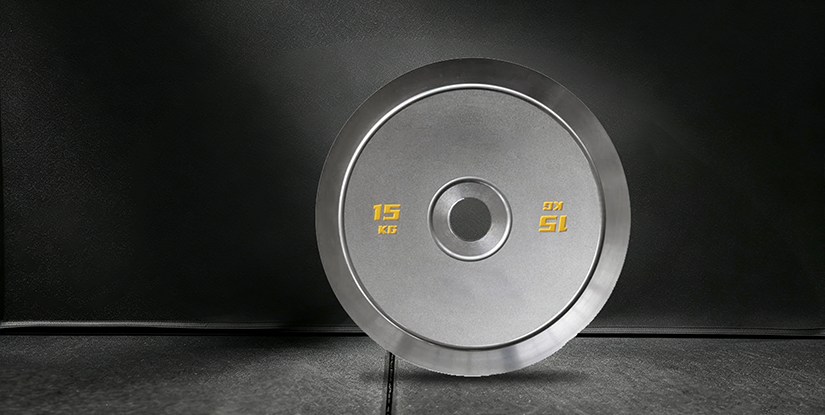
For buyers looking to expand their product lines, working with a cast iron plate manufacturer that offers wholesale gym weight plates with consistent powder coating ensures a lower rate of surface chipping. This technical reliability is essential when calculating the landed cost and long-term value for your clients.
A professional cast iron weight plate wholesale factory ensures that each batch meets specific mechanical and aesthetic standards required for international distribution. When evaluating a cast iron plate manufacturer, procurement leads should prioritize the consistency of the casting and the quality of the finishing process to minimize return rates and client complaints.
Material and Coating Technical Comparison
The following table outlines the typical variations found during the sourcing process. Choosing between a standard sand casting and a more refined precision casting affects both the initial unit cost and the long-term maintenance requirements for the end-user.
| Material Type | Core Process | Surface Treatment | Key Component / QC Point | Commercial Utility |
|---|---|---|---|---|
| Gray Iron | Sand Casting | Phosphate or Bare | Base Flatness | Standard Weight Rooms |
| Cast Iron | Sand Casting | Powder Coating | Coating Adhesion | High-Traffic Commercial Gyms |
| Ductile Iron | Precision Casting | Enamel / PU Coating | Concentricity & Surface Smoothness | Premium Fitness Studios |
For distributors managing high-volume orders, the selection of wholesale gym weight plates often depends on the balance between weight tolerance and surface protection. While bare iron is a cost-effective option for specific markets, powder-coated or enamel finishes are standard for commercial cast iron plates to prevent oxidation and extend the product lifecycle in professional environments.
Before finalizing a bulk order, we recommend requesting a sample to verify the thickness of the coating and the smoothness of the casting edges. A reliable cast iron weight plate wholesale factory will provide transparent documentation regarding their pre-shipment inspection protocols to ensure every unit meets your brand's quality expectations.
Selecting the right grade of iron is a critical decision for distributors managing long-term inventory and total cost of ownership. A professional cast iron weight plate wholesale factory provides various material configurations to balance durability with procurement budgets. For high-traffic commercial environments, the structural integrity of the plate directly impacts replacement cycles and maintenance overhead.
Understanding the distinction between standard casting and premium finishes allows importers to optimize their product mix. When sourcing commercial cast iron plates, the focus must remain on the stability of the metal and the adhesion of the surface treatment to prevent premature degradation in humid or high-use gym settings.
| Material Type | Primary Process | Surface Finish | Commercial Utility | Durability Level |
|---|---|---|---|---|
| Gray Iron | Sand Casting | Bare Iron or Phosphate | Standard Gyms / Budget Sourcing | Moderate |
| Cast Iron | Sand Casting | Powder Coating | Full-Scale Commercial Facilities | High |
| Ductile Iron | Precision Casting | Enamel or PU Coating | Premium Studios / Boutique Gyms | Very High |
For buyers looking to expand their product lines, working with a cast iron plate manufacturer that offers wholesale gym weight plates with consistent powder coating ensures a lower rate of surface chipping. This technical reliability is essential when calculating the landed cost and long-term value for your clients.
A professional cast iron weight plate wholesale factory ensures that each batch meets specific mechanical and aesthetic standards required for international distribution. When evaluating a cast iron plate manufacturer, procurement leads should prioritize the consistency of the casting and the quality of the finishing process to minimize return rates and client complaints.
China Factory QC Protocols and Pre-Shipment Inspection
Maintaining strict quality control is the most effective way for importers to mitigate the risks of receiving inconsistent or damaged inventory. When sourcing from a cast iron weight plate wholesale factory, professional buyers must verify that the production line adheres to rigorous commercial gym standards to prevent high replacement costs and client dissatisfaction. A reliable China factory will implement a multi-stage inspection process that covers everything from the initial casting stage to the final packaging of the wholesale gym weight plates.
A professional cast iron plate manufacturer focuses on three critical technical pillars during the pre-shipment phase: weight tolerance, surface finish consistency, and batch uniformity. Without these controls, a supplier risks delivering plates with uneven center of gravity or substandard coating adhesion, which can lead to rapid oxidation or structural failure in high-traffic environments. To ensure high-quality commercial cast iron plates, the inspection process typically includes the following technical checkpoints:
- Weight Calibration: Random sampling to ensure each unit stays within the industry-standard weight tolerance for a specific denomination.
- Surface Integrity: Visual and tactile inspections of the powder coating or paint layer to identify any bubbling, peeling, or uneven application.
- Dimensional Accuracy: Checking the concentricity of the center bore to ensure a seamless fit on Olympic bars.
- Batch Uniformity: Verifying that the texture, color, and branding markings remain consistent across the entire wholesale order.
For distributors managing high-volume sourcing, requesting a pre-shipment inspection report or a physical sample approval is a standard practice to confirm that the factory meets the specific requirements of the OEM or ODM contract. These protocols protect your landed cost and ensure that your brand identity remains intact when the products reach the end-user.
Technical Inspection Checklist for Bulk Orders
To mitigate the risk of high return rates, procurement officers should focus on the technical execution of the manufacturing sequence. A high-standard cast iron weight plate wholesale factory ensures that every stage—from the initial sand casting to the final surface treatment—is monitored. Discrepancies in the machining or coating stages can lead to uneven weight distribution or premature oxidation, which compromises the long-term value of your inventory.
The following checklist represents the standard technical requirements for high-grade commercial cast iron plates. We recommend using these points when conducting a remote audit or requesting a detailed pre-shipment report from your supplier:
| Technical Aspect | Inspection Focus | Standard Commercial Requirement | B2B Sourcing Impact |
|---|---|---|---|
| Casting Quality | Surface Imperfections | Minimal porosity or structural flaws | Reduces breakage during transit |
| Machining Precision | Bore Concentricity | Smooth, centered Olympic collar fit | Ensures smooth rotation on bars |
| Weight Calibration | Mass Consistency | Standardized tolerance levels per denomination | Protects distributor margins and trust |
| Coating Adhesion | Paint/Powder Integrity | Uniform layer without peeling or bubbling | Lowers maintenance and replacement costs |
| Dimensional Accuracy | Plate Thickness/Diameter | Uniformity across the entire batch | Optimizes stacking and storage efficiency |
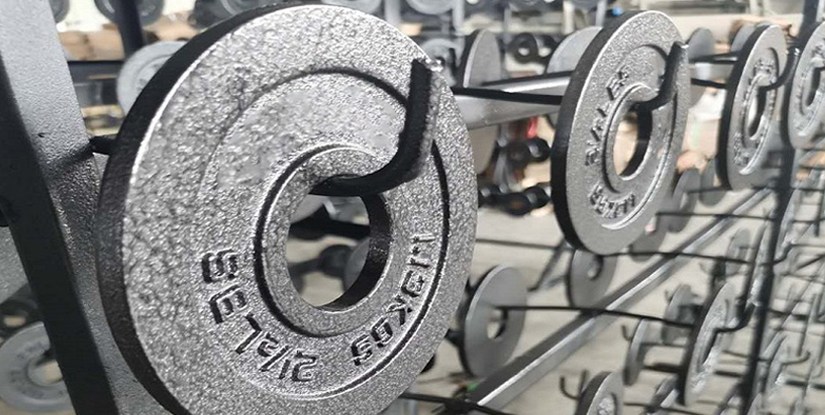
When managing large-scale wholesale shipments, verifying these specific technical points helps stabilize your total cost of ownership. Whether you are pursuing a standard wholesale replenishment or a custom OEM run, confirming these benchmarks before the container is loaded is essential for a successful sourcing operation.
| Inspection Category | Standard Requirement | Commercial Impact | QC Focus Point |
|---|---|---|---|
| Casting Integrity | Minimal surface porosity | Reduces breakage risk during transit | Structural density check |
| Machining Precision | Concentric center bore | Ensures smooth fit on Olympic bars | Bore alignment and diameter |
| Weight Accuracy | Standardized mass tolerance | Protects distributor margins | Denomination-specific sampling |
| Surface Treatment | Consistent coating adhesion | Lowers long-term maintenance load | Peeling and oxidation prevention |
| Batch Uniformity | Consistent branding/color | Maintains professional brand identity | Visual and tactile consistency |
By integrating these technical benchmarks into your procurement workflow, you can effectively manage the complexities of international sourcing. Whether you are executing a standard wholesale replenishment or a specialized OEM production run, establishing these rigorous standards with your factory ensures that the final landed cost remains optimized and your inventory remains premium. We recommend requesting a detailed pre-shipment inspection report or a physical sample approval to confirm that every batch of wholesale gym weight plates meets your specific commercial requirements before container loading.
Managing Bulk Orders: MOQ, Lead Times, and Export Logistics
Optimizing your commercial gym inventory requires a strategic approach to procurement, particularly when sourcing from a cast iron weight plate wholesale factory. For distributors and warehouse operators, the challenge lies in balancing high-volume availability with the logistical realities of international shipping and production cycles.
Managing bulk orders effectively involves more than just selecting a product; it requires a deep understanding of how MOQ requirements and lead time variables impact your landed cost and warehouse turnover. When engaging in China sourcing, professional buyers must account for the time required for casting, machining, and pre-shipment inspection to ensure that every shipment meets commercial-grade standards. Relying on a reliable cast iron plate manufacturer allows you to forecast stock levels more accurately, reducing the risk of stockouts during peak seasonal demand.
For those seeking to expand their product lines, utilizing wholesale gym weight plates as a foundation for OEM or ODM projects can significantly enhance your market positioning. A specialized supplier can offer customized branding and specific weight increments, provided the order volume meets the established MOQ thresholds. Understanding these variables is essential for maintaining healthy distributor margins and ensuring a seamless supply chain from the factory to your final destination.
Procurement Strategy: OEM vs. Stock Inventory
Deciding between standardized stock orders and customized production is a critical pivot point for any importer. A professional cast iron weight plate wholesale factory typically offers two distinct pathways: purchasing ready-to-ship items or engaging in full-scale manufacturing customization. While stock orders offer the advantage of shorter lead times and lower risk, OEM and ODM services allow distributors to build long-term brand equity through unique visual identities and specialized weight increments.
| Procurement Type | Typical Process | Branding Capability | MOQ Impact | Best For |
|---|---|---|---|---|
| Standard Stock | Direct dispatch from existing inventory | Limited to standard weight markings | Lower threshold for rapid replenishment | Testing market demand or emergency restocking |
| OEM Customization | Casting with specific logo embossing or specialized coating | Full control over brand identity and color schemes | Higher volume requirement for custom molds | Building a proprietary commercial fitness brand |
| ODM Development | Complete specification tailoring (material, finish, and size) | High level of customization for unique product lines | Significant volume and longer production cycles | Launching specialized professional equipment series |
When calculating your total landed cost, do not overlook the nuances of shipping and logistics. High-density products like commercial cast iron plates require optimized container loading patterns to maximize volume efficiency. A professional supplier will provide detailed packing lists and container utilization reports during the pre-shipment stage. To protect your distributor margin, we recommend coordinating closely with your factory contact to align lead time expectations with your warehouse capacity, ensuring that custom OEM runs are timed perfectly with your regional market demand.
Export Packaging and Shipping Safety Standards
The logistical complexity of transporting high-density iron goods requires rigorous attention to detail. For a professional cast iron plate manufacturer, the final stage of production is as critical as the casting itself. Without standardized export packaging, the risk of transit damage—such as coating chips, surface oxidation, or pallet structural failure—can significantly increase your replacement costs and negatively impact your long-term distributor margin.
A competent China factory utilizes industry-standard protocols to ensure the safe arrival of wholesale gym weight plates. This typically involves heavy-duty corrugated boxes or specialized wooden crates designed to withstand the high compressive forces of a fully loaded shipping container. To maximize warehouse efficiency upon arrival, we recommend specifying palletized configurations that align with your local forklift and racking specifications. A reliable supplier will also provide detailed weight-per-box and pallet-dimensions data, allowing you to accurately calculate both your shipping costs and your internal inventory management protocols.
Before any container is sealed, a comprehensive pre-shipment QC inspection is vital. This process should include a spot-check of the weight tolerance, a visual assessment of the coating adhesion, and a verification of the export packaging integrity. By confirming these details directly with your factory contact, you minimize the risk of receiving non-compliant goods and ensure that your bulk sourcing efforts translate into a high-quality, ready-to-sell inventory for your commercial clients.
Custom Branding and OEM/ODM Solutions for Distributors
For professional distributors and large-scale gym operators, sourcing generic inventory often limits long-term growth. Partnering with a specialized cast iron weight plate wholesale factory allows you to move beyond commodity trading toward building a recognizable market presence. By leveraging professional OEM and ODM capabilities, you can transition from a mere importer to a specialized brand owner.
The strategic value of private label manufacturing lies in the ability to control your brand identity. Instead of competing solely on price against generic imports, custom branding allows you to create a premium perception through specialized weight markings, unique color-coded systems, or proprietary logo embossing. This level of customization is essential for achieving significant market differentiation in crowded commercial fitness markets.
Beyond aesthetics, specialized manufacturing services help optimize your distributor margin. When you work with a cast iron plate manufacturer that offers integrated custom branding, you reduce the complexity of managing multiple sub-suppliers. Whether you require specific weight increment sets or custom packaging for easier retail distribution, a dedicated factory can align production with your specific brand standards and logistics requirements.
Effective wholesale gym weight plates sourcing should prioritize these high-value customization options to ensure your inventory reflects a professional, high-tier standard. This approach transforms standard commercial cast iron plates into branded assets that drive customer loyalty and increase the lifetime value of your product lines.
Technical Execution of Custom Branding and Specifications
Achieving high-tier brand identity requires more than just a surface-level logo; it requires precise integration into the manufacturing workflow. A professional cast iron weight plate wholesale factory typically utilizes high-relief logo embossing during the casting stage. This ensures that your brand identity is part of the physical structure of the plate rather than a fragile surface application that might peel over time. For distributors seeking a premium look, this method provides a permanent, professional finish that withstands the high-impact environment of commercial gyms.
For clients requiring more refined finishes, specialized coating processes are standard. While many standard units use basic paint, high-end wholesale gym weight plates often undergo a professional powder coating process. This provides a durable, uniform layer that protects the underlying iron from oxidation and improves the overall tactile feel. When negotiating your next bulk order, consider whether your brand strategy relies on color-coded weight identification or a specific texture, as these technical requirements will influence the production lead time and the final landed cost.
Precision is the most critical factor in professional procurement. A reliable cast iron plate manufacturer must implement rigorous weight calibration protocols. This involves checking each unit against industry-standard weight tolerances to ensure consistency across your entire shipment. For commercial gym owners and distributors, even small discrepancies in weight can lead to customer dissatisfaction and increased return rates. Therefore, ensuring the factory performs a thorough weight calibration and concentricity check before the pre-shipment QC stage is vital for maintaining your brand's reputation for quality.
| Customization Tier | Branding Method | Surface Finish | Typical Application | Sourcing Focus |
|---|---|---|---|---|
| Standard Wholesale | Basic Paint/Enamel | Single-coat finish | General commercial gyms | Cost-efficiency |
| Professional Tier | Logo Embossing | Powder coating | Premium fitness studios | Durability & Branding |
| Premium Private Label | Precision CNC Machining | Multi-layer specialized coating | High-end commercial chains | Brand identity & Precision |
When planning your procurement, always clarify the MOQ for specialized ODM requests. Advanced customizations, such as custom-shaped plates or unique handle textures, often require higher minimum volumes compared to standard stock items. We recommend requesting a detailed spec sheet and confirming the specific branding methods and coating adhesion standards during your initial inquiry to ensure the final product aligns perfectly with your market positioning.