Calibrated Steel Plate Manufacturer: Material and Specs
The Economic Value of a Calibrated Steel Plate Manufacturer
A calibrated steel plate manufacturer provides high-precision weight units designed for high-traffic commercial environments. Professional distributors and gym owners choose these units to ensure weight accuracy and long-term durability, reducing the frequency of replacement and optimizing the total cost of ownership through high-grade industrial engineering.
For large-scale distributors and facility operators, the decision to source from a specialized commercial weight plate supplier involves more than just initial unit costs. The true value lies in the long-term investment and the reduction of operational overhead. Low-quality plates often suffer from uneven weight distribution or surface degradation, leading to premature replacement cycles and increased maintenance labor. By partnering with a professional precision steel plate OEM, buyers secure equipment that maintains its structural integrity and aesthetic finish under rigorous daily use.
When managing high-volume wholesale procurement, understanding the TCO is essential for maintaining healthy distributor margins. Investing in precision-machined steel plates minimizes the risk of weight discrepancies that can compromise professional training standards. Sourcing directly from a China factory allows for optimized landed costs while ensuring that every batch meets the strict calibration standards required for premium commercial fitness facilities. This approach transforms a simple equipment purchase into a strategic asset that supports long-term business scalability.
Material Selection and Manufacturing Comparison
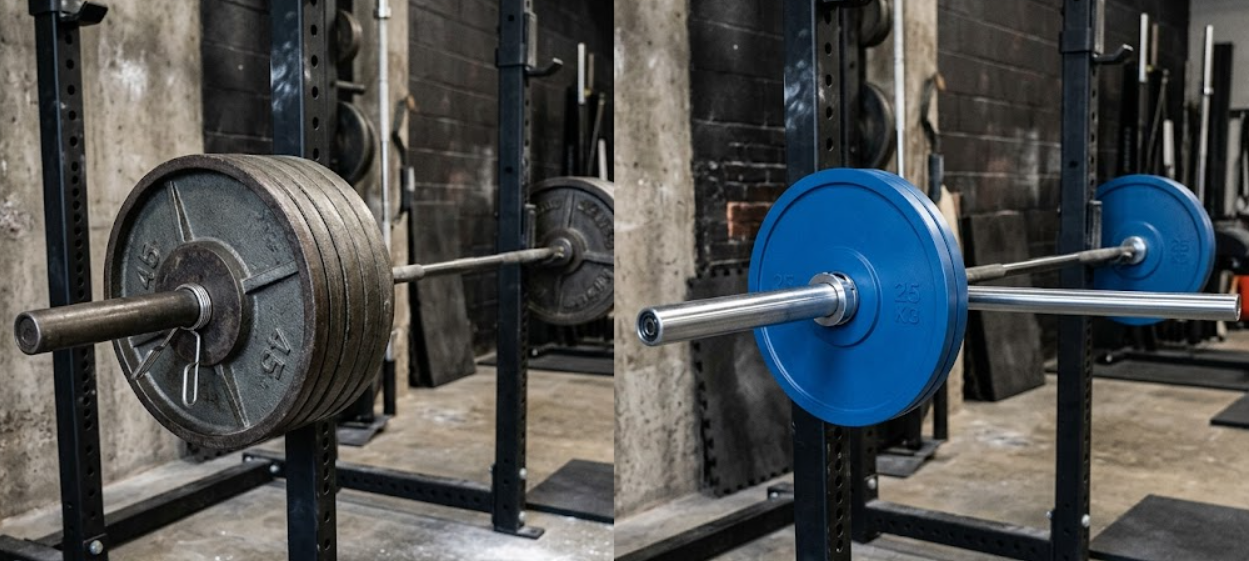
When evaluating procurement options, buyers must distinguish between the production methods of cast iron and machined steel. While cast iron remains a standard for general commercial use, precision-heavy environments require the technical rigor of a calibrated steel plate manufacturer to ensure strict weight compliance and structural uniformity.
The following comparison outlines the qualitative differences between these two common materials to assist in your sourcing strategy and help determine the appropriate tier for your specific facility requirements.
| Material | Primary Process | Commercial Use Tier | Maintenance Load | Sourcing Advantage |
|---|---|---|---|---|
| Cast Iron | Sand Casting & Finishing | Budget to Standard Commercial | Moderate (Requires surface inspection) | High volume availability and lower unit cost |
| Machined Steel | CNC Machining & Calibration | Premium / Competition Grade | Low (High durability and stability) | Precision weight accuracy for high-end facilities |
From a procurement standpoint, selecting the right material dictates your long-term maintenance load and replacement frequency. Cast iron is a reliable option for high-volume wholesale orders where cost-efficiency is the primary driver. However, for specialized training centers or professional strength platforms, the machining process used by a precision steel plate OEM offers superior flatness and concentricity. This ensures that the plates remain balanced during high-intensity movements, reducing the risk of mechanical wear on bars and weight collars. When negotiating with a supplier, it is recommended to confirm the specific calibration and machining steps to ensure the product aligns with your target market's quality expectations.
Optimizing Supply Chain Reliability and Customization
Navigating the complexities of international procurement requires a partner capable of handling more than just basic production. A professional calibrated steel plate manufacturer must offer robust solutions for both standard inventory and specialized branding. Whether you are looking for high-precision units or customized weight markings, the ability to scale production while maintaining strict quality standards is a critical differentiator in the global market.
For distributors seeking to expand their product lines, leveraging OEM or ODM capabilities is a strategic way to build brand identity. This includes customizing the surface finish, such as specialized powder coating colors, or implementing custom laser-etched weight markings. Such customization allows a precision steel plate OEM to provide a unique product offering that meets the specific aesthetic and technical requirements of your target commercial clients.
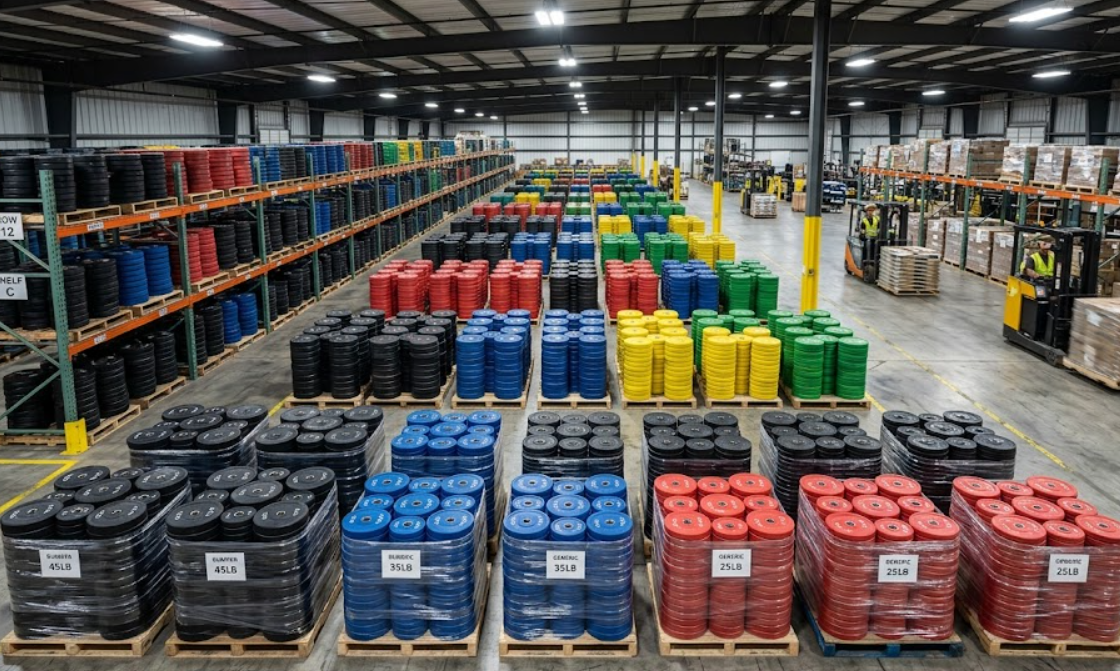
Managing logistics and landed costs effectively requires transparent communication regarding lead time and export packaging. High-density steel plates require specialized palletizing and reinforced container loading protocols to prevent damage during long-haul sea freight. A reliable commercial weight plate supplier will provide detailed documentation regarding weight tolerances and packaging dimensions, allowing you to accurately calculate shipping volumes and optimize your container utilization. This level of detail ensures that your MOQ requirements are met without unexpected surcharges or shipping delays.
To ensure long-term reliability, a rigorous QC process must be integrated into the production cycle. Before any shipment leaves the factory, essential checks—such as thickness verification, surface coating adhesion, and bore concentricity—must be performed. We recommend that all professional buyers schedule a pre-shipment inspection or request a sample approval to verify that the machining and calibration meet your facility's standards. This proactive approach to sourcing minimizes the risk of receiving non-compliant batches and protects your distributor margins.
Material Engineering: Machined Steel vs. Cast Iron
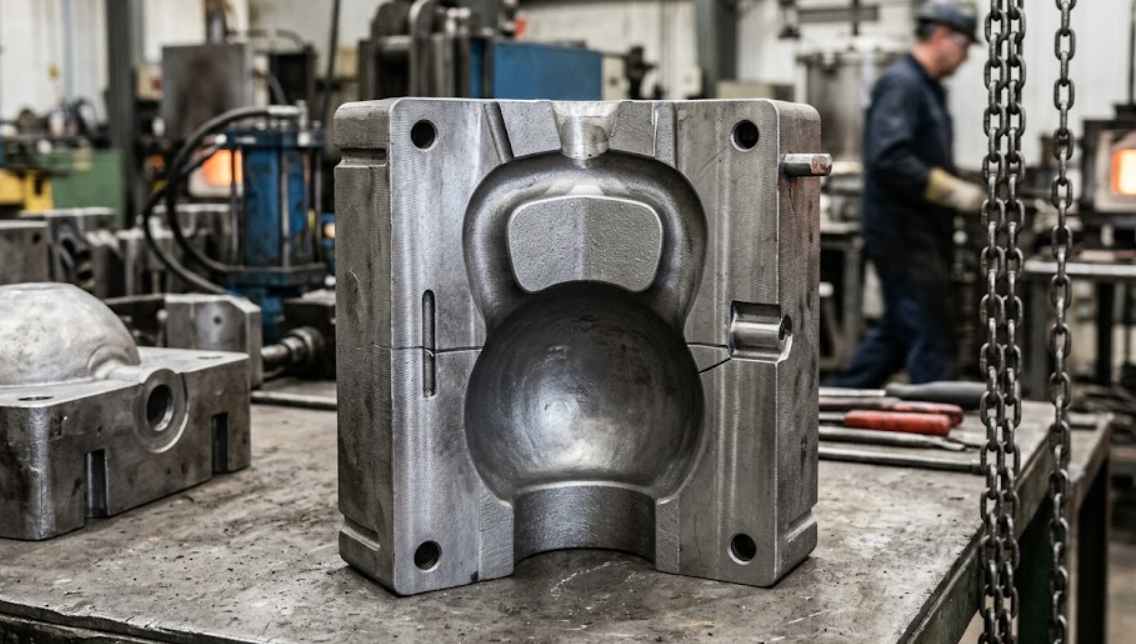
When sourcing high-end weight sets, understanding the structural divergence between casting and machining is vital for long-term procurement ROI. A professional calibrated steel plate manufacturer produces units where weight precision is achieved through subtractive manufacturing rather than additive molding. For distributors managing premium facility builds, the choice between these two materials dictates the long-term maintenance load and the precision level of the inventory.
While cast iron is a standard for high-volume wholesale orders due to its cost-efficiency, it often carries higher weight tolerance variances due to the nature of the sand casting process. In contrast, machined steel undergoes rigorous CNC processes to ensure exact dimensions, making it the preferred choice for commercial gym requirements where absolute balance and concentricity are non-negotiable. For importers, selecting the right precision steel plate OEM partner ensures that the final product meets the strict tolerances required for professional strength platforms.
| Material Type | Primary Process | Commercial Duty Tier | Weight Tolerance Profile | Sourcing Advantage |
|---|---|---|---|---|
| Cast Iron | Sand Casting | Budget to Standard Commercial | Commonly higher variance | Optimized for bulk wholesale |
| Machined Steel | CNC Machining | Premium/Competition Grade | High precision/Tight tolerance | Ideal for precision steel plate OEM |
| Rubber Coated Steel | Molding/Dip Coating | Standard Commercial | Moderate variance | Enhanced floor protection |
For buyers evaluating a commercial weight plate supplier, the decision often hinges on the intended use case. If the project involves standard commercial fitness centers, a China factory producing high-quality cast iron can significantly lower the landed cost. However, for specialized strength training facilities or competition-style environments, sourcing from a calibrated steel plate manufacturer ensures the level of technical accuracy and durability expected by professional athletes.
The technical divergence between these two manufacturing routes affects not only the initial purchase price but also the total cost of ownership and long-term facility maintenance. A professional calibrated steel plate manufacturer utilizes subtractive machining to achieve a level of surface flatness and concentricity that sand casting cannot consistently replicate. This distinction is a critical factor for distributors when determining which inventory tier best fits their target market's budget and performance needs.
Technical Specifications and Sourcing Logic
In many commercial settings, procurement teams must weigh the immediate savings of cast products against the long-term precision of machined steel. While sand casting is a highly efficient method for high-volume wholesale distribution, it can lead to minor imbalances that affect high-speed barbell movement. Conversely, a precision steel plate OEM focuses on the secondary machining phase—where the plate thickness and diameter are refined—to ensure the unit meets strict commercial-grade standards.
| Material | Process | Commercial Application | Durability Profile | Sourcing Advantage |
|---|---|---|---|---|
| Cast Iron | Sand Casting | Standard Commercial Gyms | High impact resistance | Lower MOQ for bulk orders |
| Machined Steel | CNC Machining & Calibration | Premium Strength Facilities | Exceptional dimensional stability | High-end precision steel plate OEM |
| Steel with Coating | Powder Coating / Molding | Multi-purpose Studios | Enhanced surface protection | Versatile commercial weight plate supplier |
When finalizing your procurement strategy, consider the end-user's environment. For large-scale commercial rollouts, a commercial weight plate supplier can offer various tiers to balance your landed cost with product performance. We recommend requesting a detailed specification sheet or a sample evaluation to confirm that the manufacturing tolerances and coating adhesion meet your specific distributor or brand requirements before proceeding with a full-scale bulk order.
Manufacturing Complexity and Procurement Impact
The choice between sand casting and CNC machining is not merely a technical preference; it is a strategic decision that directly impacts your lead time and inventory value. While sand casting is a highly efficient method for high-volume wholesale distribution, it involves a more straightforward production sequence that typically allows for faster turnaround. For distributors focused on rapid market entry or budget-conscious facility builds, sourcing cast iron via a reliable China factory offers a streamlined path to high-volume availability.
Conversely, a calibrated steel plate manufacturer utilizing CNC machining must integrate additional secondary processing stages. This rigorous machining phase—where the plate thickness and diameter are refined—ensures the level of precision required for premium strength platforms. Although this complexity can influence the MOQ and total lead time, the resulting dimensional stability and concentricity provide a significant advantage for high-end facility projects. When evaluating your next batch, consider whether your target market prioritizes the cost-efficiency of a high-volume supplier or the technical precision of a precision steel plate OEM.
To ensure the highest level of reliability in your supply chain, we recommend that procurement leads conduct a thorough factory audit or request a pre-shipment QC report. This should include a check of the weight tolerance spot-checks and surface flatness to ensure the products meet your brand's standards. Whether you are seeking a high-volume commercial weight plate supplier for standard commercial gym rollouts or a specialized partner for competition-grade equipment, confirming these technical benchmarks early will optimize your long-term landed cost and distributor margins.
Precision Calibration and Machining Processes
For distributors and high-end gym developers, the difference between standard plates and precision-engineered units lies in the technical rigor of the production line. A professional calibrated steel plate manufacturer utilizes advanced manufacturing to ensure that every unit meets strict commercial gym standards. When sourcing in bulk, understanding the transition from raw casting to precision finishing is essential for managing your landed cost and product reliability.
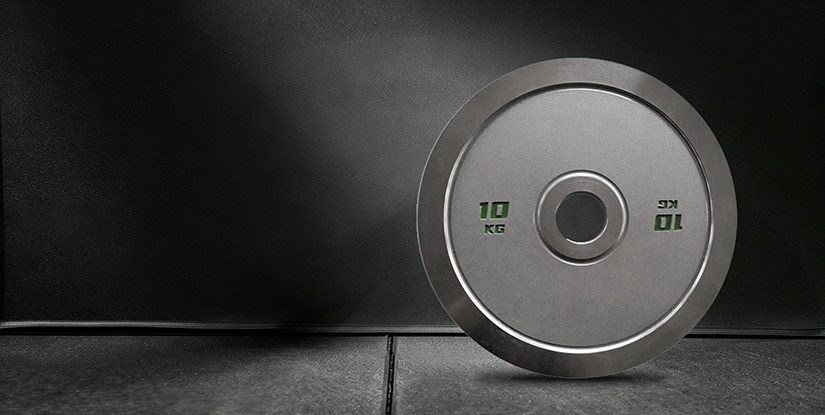
The production of high-grade steel plates requires a multi-stage approach that goes beyond basic casting. Most high-end units undergo a systematic process: starting with high-quality steel plate cutting, followed by CNC machining to refine the surface and bore, and ending with rigorous weight calibration. This sequence ensures that the concentricity of the center hole and the flatness of the plate face remain consistent, reducing vibration and wear on barbell sleeves during heavy use.
A reliable commercial weight plate supplier will typically implement these steps to maintain a tight weight tolerance across an entire production run. For importers, this precision is a critical factor in reducing long-term maintenance loads and ensuring the longevity of the equipment in high-traffic environments. By choosing a precision steel plate OEM with a sophisticated machining workflow, you mitigate the risk of receiving inconsistent batches that could damage your brand reputation or increase replacement costs.
Technical Comparison of Manufacturing Tiers
When evaluating the procurement of high-performance equipment, buyers must distinguish between the economies of scale found in standard casting and the technical precision of a full machining workflow. While sand casting is a cost-effective method for high-volume wholesale orders, it often results in variations in surface finish and center-bore concentricity. In contrast, a professional calibrated steel plate manufacturer integrates secondary machining stages to refine the plate geometry, ensuring a more stable load distribution during high-intensity training.
For distributors managing a premium product portfolio, the following table outlines the qualitative differences between production tiers to assist in your sourcing decisions and TCO calculations.
| Material Tier | Primary Process | Surface Finish | Bore Concentricity | Commercial Duty | Sourcing Context |
|---|---|---|---|---|---|
| Standard Cast Iron | Sand Casting | Rough/Natural | Standard | Budget/Commercial | High-volume wholesale |
| Machined Steel | CNC Machining | Smooth/Polished | High Precision | Premium/Competition | Specialized OEM/ODM |
| Coated Steel | Machining + Coating | Uniform/Protective | High Precision | Premium Commercial | Branded Private Label |
Understanding these nuances allows an importer to better align their orders with specific market segments. For instance, a commercial weight plate supplier offering CNC-refined edges and polished finishes can support a client's move toward a luxury boutique studio model, whereas standard casting remains the industry-standard choice for large-scale commercial gym fit-outs where budget efficiency is the primary driver. When negotiating your next bulk order, we recommend requesting a sample to inspect the surface finish and the precision of the center bore to ensure it meets your specific quality control requirements.
For international distributors and large-scale gym developers, the final stage of the procurement cycle is often the most critical. A professional calibrated steel plate manufacturer does not rely solely on automated processes; instead, they implement a rigorous manual and mechanical pre-shipment inspection to ensure that every batch leaving the China factory aligns with the high expectations of the North American market. This level of oversight is what separates a high-tier supplier from a basic trading entity, directly impacting your long-term replacement planning and product reliability.
During the final quality control phase, technicians focus on several key physical attributes. This includes a weight calibration check to verify that the mass of each unit falls within the accepted tolerance band, as well as a visual inspection of the surface coating and edge smoothness. For high-spec orders, the inspection also covers the concentricity of the center hole to ensure seamless fitment on Olympic barbells. By conducting these checks before the product is packed into export-grade shipping containers, the factory reduces the risk of receiving non-compliant inventory that could lead to costly returns or diminished distributor margins.
Effective sourcing strategies should always include a request for a detailed QC report or a sample approval process. When managing complex OEM or ODM projects, knowing the specific inspection points—such as coating adhesion and bore accuracy—allows you to better manage your landed cost and lead time. We recommend that buyers confirm the specific MOQ and lead time requirements during the initial inquiry to ensure that the production schedule accommodates your project's deployment timeline and shipping logistics.
OEM and Private Label Customization Capabilities
Transitioning from generic sourcing to a specialized brand-building strategy requires a reliable calibrated steel plate manufacturer capable of high-precision execution. For distributors and gym equipment importers, moving beyond off-the-shelf products to private label solutions is a critical step in establishing a unique brand identity in a competitive market. Working directly with a China factory allows you to control the aesthetic and technical specifications of your product line, ensuring your catalog meets specific regional or professional standards.
Whether you require custom weight markings, specific color-coded finishes, or unique branding on the plate face, OEM and ODM services provide the flexibility needed to scale. Professional buyers often seek these services to differentiate their offerings from standard wholesale stock. By managing the sourcing process through a specialized supplier, you can optimize your distributor margin while ensuring that every unit reflects your brand's commitment to quality. Most commercial weight plate supplier partners offer tiered MOQ options to accommodate both growing boutique studios and large-scale commercial distribution networks.
Technical Customization and Branding Specifications
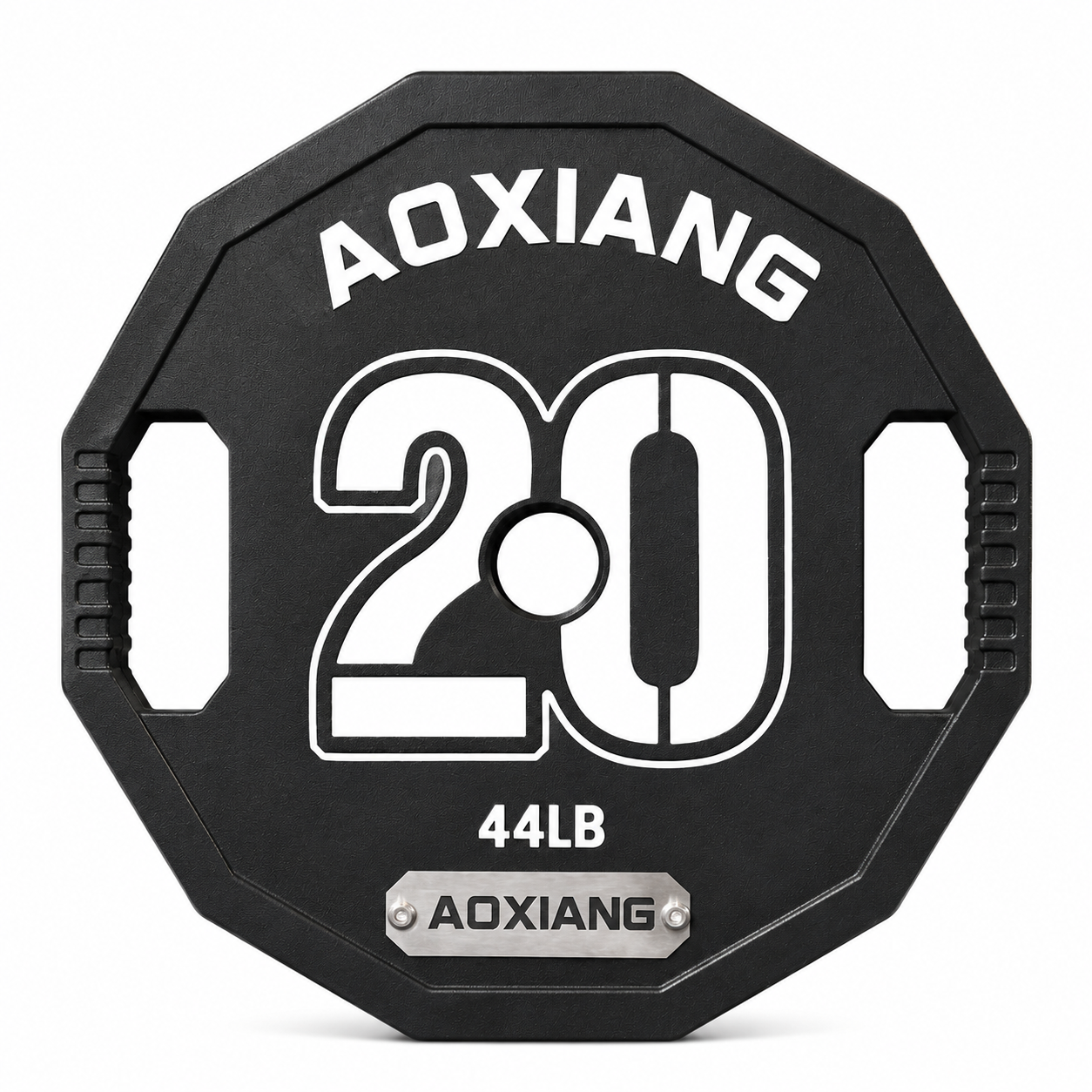
Precision in the commercial sector extends beyond the weight itself to the visual and tactile quality of the product. A professional precision steel plate OEM can integrate advanced manufacturing techniques to ensure your brand stands out. This includes high-precision CNC machining to maintain concentricity and flatness, which are essential for high-end training environments. Surface customization typically involves specialized processes such as laser etching or deep logo embossing, ensuring your brand identity remains intact even after years of heavy commercial use and high-impact training.
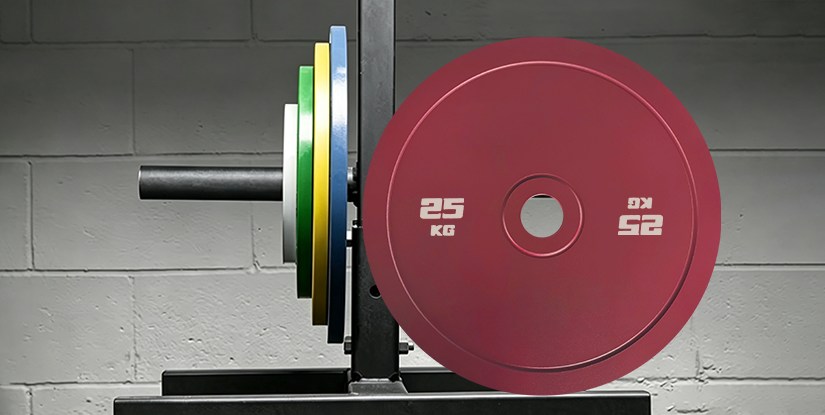
To meet diverse market demands, a leading calibrated steel plate manufacturer offers various finishing options that impact both durability and aesthetic appeal. For instance, while standard paint might suffice for budget tiers, premium commercial orders often specify high-durability powder coating or specialized plating to prevent oxidation and coating failure. These customization options allow you to build a cohesive product line that caters to different segments, from high-traffic commercial gyms to premium boutique studios, all while maintaining a consistent quality standard across your entire catalog.
| Customization Tier | Primary Material | Surface Process | Branding Method | Typical Commercial Use |
|---|---|---|---|---|
| Standard Commercial | Cast Iron | Powder Coating | Raised Embossing | General Gyms / Large Facilities |
| Professional Grade | Machined Steel | Electrostatic Powder Coating | Laser Etching | Performance Training Centers |
| Premium / Competition | Precision Steel | Advanced Color Coating | Precision CNC Engraving | High-End Studio / Specialized Training |
When managing large-scale procurement, it is vital to confirm how customization affects your lead time and landed cost. Detailed branding requirements, such as complex logo embossing or multi-stage coating processes, may influence the standard MOQ and production cycles. We recommend requesting a sample approval and a detailed spec sheet during the initial sourcing phase to ensure that the final product meets your exact technical and aesthetic expectations before full-scale production begins.
China Factory QC and Export Packaging Standards
For distributors and large-scale gym operators, the final stage of the procurement cycle is often the most volatile. Relying on a calibrated steel plate manufacturer that lacks rigorous pre-shipment inspection protocols can lead to unexpected losses in landed cost due to transit damage or weight discrepancies. A professional China factory must implement a multi-stage verification process to ensure that every batch meets the high-precision standards required for professional weightlifting environments.
Effective QC begins with a systematic weight tolerance spot-check. Rather than merely weighing a single sample, a reliable commercial weight plate supplier performs random sampling across the entire production run to ensure consistency. This step is critical for maintaining the integrity of your inventory and ensuring that customers receive the exact specifications promised. Beyond weight, the pre-shipment inspection must also verify the concentricity of the center bore and the adhesion of the surface coating to prevent peeling during heavy use.
To mitigate the risks of long-distance maritime freight, high-tier precision steel plate OEM services utilize specialized export packaging. This involves heavy-duty reinforced pallets, moisture-resistant wrapping, and corner protection to stabilize the load within the shipping container. Proper export packaging prevents the steel plates from shifting or colliding, which protects both the product finish and the structural integrity of the shipping container, ultimately reducing the total landed cost by minimizing insurance claims and replacement requests.
When coordinating a bulk order, the complexity of logistics requires more than just standard cardboard boxing. A professional calibrated steel plate manufacturer understands that the survival of the product depends on the structural integrity of the palletizing method used. For international sourcing, we implement a standardized layering system where plates are secured with high-tensile strapping and heavy-duty edge protectors. This ensures that even during the intense vibrations of sea freight, the weight remains a single, stable unit rather than a shifting hazard.
To address the high humidity levels common during transoceanic transit, our precision steel plate OEM protocols include multi-layered moisture protection. This typically involves a vacuum-sealed or heavy-duty poly-wrap approach to prevent oxidation and rust formation before the shipment reaches your warehouse. For distributors managing high-volume inventory, these strict export packaging standards are non-negotiable for maintaining product appearance and long-term value. We recommend that buyers confirm the specific packaging and MOQ requirements during the initial quote process to ensure the shipment is optimized for your specific distributor storage and unboxing workflows.
| Packaging Layer | Standard Component | Purpose for B2B Sourcing | Commercial Duty Level |
|---|---|---|---|
| Primary Layer | Moisture-resistant film | Prevents oxidation during sea freight | Premium/Commercial |
| Structural Support | Reinforced wooden pallet | Ensures stability for forklift loading | Standard Commercial |
| Edge Protection | High-density corner guards | Prevents strap damage to plate edges | Commercial |
| Outer Seal | Industrial shrink wrap | Reduces dust and environmental exposure | Wholesale/Bulk |
Before finalizing your wholesale shipment, we encourage partners to request a detailed pre-shipment documentation package. This should include photographic evidence of the palletizing and the moisture protection layers applied to your specific bulk order. Establishing these verification steps early helps streamline your factory audit and ensures that your landed cost remains predictable and your inventory arrives in a retail-ready state.
Optimizing Your Sourcing Strategy and Bulk Procurement
For international distributors and gym equipment importers, the transition from standard casting to precision-machined components represents a critical shift in product positioning. While cast iron remains a staple for budget-tier facilities, a professional calibrated steel plate manufacturer provides the high-tolerance accuracy required for premium commercial strength training environments. Navigating the complexities of a China factory requires understanding how machining processes impact both the final product weight accuracy and your total landed cost.
Sourcing directly from a precision steel plate OEM allows procurement leads to bypass the inconsistencies often found in lower-tier production. When managing high-volume orders, the difference between a standard cast plate and a precision-machined steel plate becomes apparent in the weight tolerance and surface finish. For those looking to scale their product lines, working with a dedicated commercial weight plate supplier ensures that your wholesale shipments meet the strict concentricity and flatness standards expected by professional strength clubs and elite training facilities.
Effective procurement planning must account for the technical requirements of the target market. Whether you are developing a private label line or replenishing stock for a large-scale distribution network, understanding the MOQ and lead time associated with precision machining is essential for maintaining a consistent supply chain and protecting your distributor margins.
Material and Process Comparison for Commercial Procurement
When evaluating long-term value and total cost of ownership (TCO), procurement officers must distinguish between the manufacturing routes of standard cast iron and precision-machined steel. While cast iron is a cost-effective solution for high-volume distribution, it often lacks the dimensional stability required for high-end performance. In contrast, a calibrated steel plate manufacturer utilizes advanced machining to ensure the product meets the rigorous standards of professional strength environments. Understanding these technical differences is vital when conducting a sourcing audit to ensure your inventory maintains high resale value and durability.
| Material | Process | Key Component | Commercial Duty | MOQ Impact | Factory QC Point |
|---|---|---|---|---|---|
| Cast Iron | Sand Casting | Bore Concentricity | Budget / Standard Commercial | Lower | Surface Flatness |
| Solid Steel | CNC Machining | Edge Profile | Premium / Competition Grade | Higher | Weight Tolerance |
| Steel with Coating | Machining + Powder Coating | Coating Adhesion | High-End Commercial | Medium | Surface Uniformity |
Selecting a commercial weight plate supplier involves more than just comparing unit prices; it requires a deep dive into the production sequence. A typical high-tier production line moves from raw material selection to machining, followed by precision calibration and finally surface finishing. For distributors, a precision steel plate OEM can offer significant advantages in product longevity and brand reputation by providing units with consistent weight distribution and superior finish quality. We recommend requesting a detailed specification sheet and confirming the MOQ for machined series to align your procurement timeline with your market launch or replenishment needs.
Logistics and Export Readiness for Bulk Orders
Managing international logistics requires more than just selecting a high-quality calibrated steel plate manufacturer; it necessitates a partner capable of professional export-grade execution. For distributors, the complexity of shipping heavy, high-density steel products means that export packaging becomes a critical factor in protecting your profit margins. Standardizing protection—such as using reinforced corner protectors, heavy-duty pallets, and moisture-resistant wrapping—is essential to prevent damage during long-haul sea freight and to ensure the product arrives at your warehouse in optimal condition.
To minimize the risk of unexpected expenses, procurement leads should evaluate the total landed cost rather than focusing solely on the factory-direct price. This includes accounting for freight, customs duties, and any potential surcharges. When working with a China factory for OEM or ODM projects, transparency regarding container loading optimization is vital. A professional supplier will provide detailed loading plans to maximize container volume, effectively reducing the shipping cost per unit. We suggest requesting a formal quote that includes detailed packing dimensions and weight specifications to facilitate accurate shipping and warehouse planning.