Calibrated Steel Plate Wholesale: Cast Iron vs Rubber
Material Selection for Calibrated Steel Plate Wholesale
For large-scale facility managers or boutique studio owners, selecting the right weight plate profile is a critical decision that affects both long-term maintenance costs and the overall user experience. When sourcing calibrated steel plate wholesale, buyers must choose between the traditional density of cast iron and the specialized protection of rubber-coated options. Depending on your specific commercial gym deployment, the material choice will directly impact floor longevity, noise levels, and your total cost of ownership. Most professional importers working with a China factory prioritize these distinctions to balance upfront wholesale costs against the durability required for high-traffic environments.
The choice between materials is rarely about "better" or "worse," but rather about the functional requirements of the facility. A high-intensity strength center might prioritize the compact footprint of cast iron, whereas a multi-purpose fitness club may require the shock absorption of rubber. Understanding these technical trade-offs during the sourcing phase ensures that your order meets the rigorous standards of professional training environments while remaining within budget.
Material and Performance Comparison
To assist in your procurement planning, the following table outlines the qualitative differences between the two most common material configurations found in the global market. This comparison focuses on how different manufacturing routes affect the long-term value of your commercial weight plate supplier order.
| Material Tier | Primary Coating/Finish | Standard Process | Commercial Duty | Maintenance Requirement |
|---|---|---|---|---|
| Cast Iron | Phosphate or Paint | Sand Casting & Machining | High-Intensity Strength | Low (Occasional Surface Check) |
| Rubber-Coated | Rubber or PU Molding | Steel Core & Encapsulation | Full-Range Functional/Bumper | Medium (Monitor Coating Adhesion) |
| Material | Coating | Process | Commercial Duty | Floor Protection | MOQ Impact | Factory QC Point |
|---|---|---|---|---|---|---|
| Cast Iron | Phosphate or Paint | Sand Casting & Machining | High-Intensity Strength | Low (Requires Mats) | Lower | Base Flatness |
| Rubber-Coated | Rubber or PU Molding | Steel Core & Encapsulation | Full-Range Functional | High (Built-in) | Higher | Coating Adhesion |
When evaluating calibrated steel plate wholesale, it is essential to note that rubber-encapsulated units typically require more complex assembly lines, often resulting in a higher MOQ compared to standard cast iron. While cast iron offers a compact density ideal for strength-focused facilities, rubber-coated plates provide significant value in multi-purpose environments by reducing impact noise and protecting expensive flooring. A professional OEM gym equipment manufacturing partner will provide specific technical sheets to help you determine which profile optimizes your landed cost and long-term facility maintenance schedule.
Before finalizing your bulk order, we recommend requesting a sample evaluation or a detailed specification sheet. This allows your team to verify the weight tolerance, surface finish, and the quality of the internal steel hub. Whether you are looking for custom branding via laser marking or require specific packaging for international shipping, confirming these technical details during the initial sourcing stage prevents unexpected delays in your facility deployment.
Manufacturing Processes and Lead Time Implications
The technical complexity of a material choice directly dictates the production timeline and logistical planning. For instance, a standard production run involving sand casting and subsequent powder coating for iron plates follows a predictable manufacturing sequence. This process typically moves from casting to machining, then to surface treatment, and finally to weight calibration. Because these steps are highly streamlined in a professional China factory, the lead time for cast iron products is generally shorter and more stable for large-scale replenishment.
Conversely, advanced options such as rubber-coated or PU-encapsulated plates involve a more intricate production route. These units require a steel core to be integrated with a high-grade rubber or polyurethane layer through specialized molding or dipping processes. This added layer of assembly means that OEM gym equipment manufacturing for these items often requires a longer lead time to ensure the coating adhesion is consistent across the entire batch. For distributors managing tight deployment schedules, it is vital to account for these additional manufacturing stages when calculating your total procurement window.
Furthermore, the specific requirements for weight calibration and precision machining can impact the final output speed. High-performance plates undergo more rigorous concentricity checks and thickness-uniformity monitoring to ensure they meet commercial-grade specifications. When managing bulk orders, we recommend coordinating closely with your supplier regarding the specific manufacturing path chosen, as this will influence both your initial MOQ and the final delivery date to your warehouse or facility.
Comparing Cast Iron and Rubber-Coated Plate Performance
When managing a high-traffic facility, the selection between material types dictates your long-term maintenance overhead and equipment longevity. For distributors and facility operators, understanding the functional trade-offs in calibrated steel plate wholesale procurement is essential for optimizing the Total Cost of Ownership (TCO). Choosing the wrong material can lead to increased floor repair costs or premature surface degradation under heavy use.
The decision often hinges on the specific commercial-use-scenario of your deployment. While cast iron offers high density and cost-efficiency for strength training zones, rubber-coated options provide necessary floor protection and noise reduction for high-impact environments like CrossFit boxes or functional training studios. Professional buyers must weigh these durability factors against the initial landed cost and MOQ requirements of their sourcing strategy.
| Material Type | Primary Coating/Finish | Typical Commercial Duty | Durability Profile | Procurement Value |
|---|---|---|---|---|
| Cast Iron | Paint or Powder Coating | Strength training and heavy lifting | High impact resistance; prone to chipping | Highest ROI for budget-conscious supplier orders |
| Rubber-Coated | Vulcanized Rubber or PU | High-impact functional training | Excellent impact absorption and noise control | Premium tier; higher wholesale unit cost |
| Steel Hub/Plate | Industrial Enamel | Standard commercial gym use | Consistent weight distribution | Balanced commercial weight plate supplier option |
For those seeking a commercial weight plate supplier capable of specialized OEM gym equipment manufacturing, the distinction extends to the manufacturing route. A China factory specializing in these units will typically utilize different calibration and coating processes to ensure the calibrated steel plate wholesale standards meet international commercial expectations. When evaluating OEM or ODM requests, ensure the manufacturer details the specific coating adhesion methods used for the rubber or PU layers to prevent delamination during high-frequency usage.
Technical Selection Criteria for Bulk Procurement
A specialized commercial weight plate supplier will differentiate their production lines based on the mechanical requirements of the end-user environment. While cast iron plates rely on a precise sand casting or die casting process followed by a surface finish like powder coating, rubber-coated or PU-coated plates involve a more complex multi-stage assembly. For buyers, this means a higher landed cost for rubber-coated options, but a lower long-term maintenance expense due to reduced impact noise and floor wear.
When vetting an OEM gym equipment manufacturing partner, it is vital to confirm that the weight tolerance and coating adhesion are prioritized during the pre-shipment stage. A high-tier China factory will not only focus on the core density but also on the secondary processes that ensure the plate's longevity in a commercial setting.
| Material | Process | Primary Component | QC Focus | Commercial Advantage | Maintenance/Durability | Sourcing/QC Focus |
|---|---|---|---|---|
| Cast Iron | Sand Casting & Powder Coating | Steel Inner Ring | Base Flatness | High density and space efficiency | Prone to chipping if dropped; low maintenance | weight tolerance & surface finish |
| Rubber-Coated | Injection Molding/Dip | Internal Steel Hub | coating adhesion | Noise reduction and floor protection | High impact absorption; premium durability | Rubber-to-steel bond integrity |
| Steel Plate | Machining & CNC Calibration | Solid Steel Core | Precision Diameter | Highest precision for heavy lifting | High durability; requires careful handling | calibrated steel plate wholesale accuracy |
To ensure the highest quality for your wholesale orders, we recommend requesting a technical spec sheet or a sample for evaluation. Professional procurement managers should verify the manufacturer's ability to handle custom OEM branding and confirm the MOQ for specific material-grade requests before finalizing the production schedule.
Manufacturing Processes and Surface Finishing Standards
For professional distributors and gym operators, understanding the technical divergence between production lines is essential when securing calibrated steel plate wholesale orders. The manufacturing workflow directly dictates the long-term durability and weight consistency of the inventory. A reliable commercial weight plate supplier must maintain rigorous control over the transition from raw metal to the finished, coated product to ensure that the landed cost remains low while the product lifespan remains high.
The production of cast iron plates typically begins with high-grade sand casting to create the primary shape. Following the initial casting, the plates undergo CNC machining to ensure the center hole is perfectly concentric and the striking surface is flat. For high-end OEM gym equipment manufacturing, the precision of this machining stage is critical, as it prevents wobbling during high-volume commercial use. Once the structural form is verified, the plates move to the surface finishing stage, which varies significantly depending on whether the end goal is a bare iron or a protective coated finish.
Technical Comparison of Plate Production Methods
| Material | Primary Process | Surface Treatment | Commercial Duty | Factory QC Point |
|---|---|---|---|---|
| Cast Iron | Sand Casting | Powder Coating | Standard Commercial | Coating Adhesion |
| Steel Hub & Rubber | Injection Molding | Rubber Encapsulation | Premium/High-Traffic | Bond Strength |
| Solid Steel | CNC Machining | Enamel/Paint | Performance/Studio | Surface Flatness |
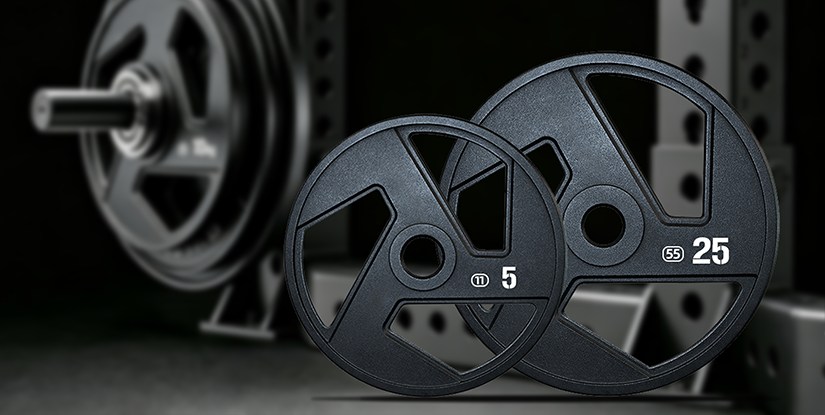
When sourcing from a China factory, buyers should evaluate the specific finishing techniques used for different product tiers. For standard cast iron, the process involves a multi-step powder coating line to prevent oxidation and improve aesthetics. In contrast, premium rubber-coated plates require a complex molding process where the rubber is applied over a steel or iron core. This requires strict quality control to ensure the rubber-to-metal bond is seamless, preventing the peeling or cracking that often occurs with lower-tier production methods. Detailed inspection of the weight calibration and the uniformity of the coating thickness is a mandatory step in any professional pre-shipment QC protocol.
Material Selection and Procurement Variables
Selecting the appropriate material profile for your inventory depends on the specific environment of the end-user facility. While cast iron remains the industry standard for durability and cost-efficiency, rubber-coated or PU-coated options offer specialized benefits for high-traffic commercial zones. When evaluating calibrated steel plate wholesale opportunities, distributors must weigh the initial procurement cost against the long-term maintenance requirements of each material type.
For instance, a standard cast iron plate with a high-quality powder coating is typically chosen for weight rooms where durability and weight-to-volume efficiency are the primary drivers. Conversely, rubber-coated plates are often requested for studio environments or boutique gyms where noise reduction and floor protection are essential to the facility's operational efficiency. A professional commercial weight plate supplier will provide detailed specifications regarding the thickness of the coating and the density of the rubber or PU layer to help you calculate the total cost of ownership (TCO) for your clients.
Ultimately, the choice between these materials affects your logistics and shipping profiles. Rubber-coated plates may have a slightly larger outer diameter than their cast iron counterparts of the same weight, which can impact container loading density and final landed cost during international export. We recommend requesting a sample or a detailed specification sheet from your OEM gym equipment manufacturing partner to confirm how these dimensional differences will affect your storage and distribution margins.
Factory QC and Pre-Shipment Inspection Protocols
For professional distributors and gym chains, the risk of receiving inconsistent batches during calibrated steel plate wholesale procurement can lead to significant logistical headaches and damaged brand reputation. Inconsistent weight tolerances or compromised surface finishes directly impact the total cost of ownership (TCO) and long-term durability in high-traffic environments. To mitigate these risks, a reputable China factory must implement a rigorous multi-stage inspection sequence that covers everything from raw casting to final export-ready packaging.
Reliable OEM gym equipment manufacturing requires more than just a basic visual check. A professional supplier ensures that each batch undergoes a standardized sequence: initial casting and machining, followed by weight calibration, and finally the application of the surface finish. This systematic approach guarantees that the weight tolerance remains within industry-standard margins and that the surface finish integrity is sufficient for heavy commercial use. For large-scale wholesale orders, these protocols are essential to maintain high quality-control standards across thousands of units.
Critical Inspection Points for Commercial Grade Plates
When conducting a pre-shipment inspection or requesting quality reports from a commercial weight plate supplier, procurement officers should focus on specific technical benchmarks. A standard QC process in a high-output factory typically includes checking the flatness of the plate, the concentricity of the center hole, and the adhesion strength of the coating. These steps ensure the product can withstand the mechanical stress of a professional strength training facility without premature degradation or uneven wear.
| Material Type | Typical Process | Key Component/QC Point | Commercial Duty | Sourcing Context |
|---|---|---|---|---|
| Cast Iron | Sand Casting & Powder Coating | Base Flatness & Coating Adhesion | Standard Commercial | High Volume/Low TCO |
| Rubber Coated | Steel Core & Injection Molding | Edge Seamlessness & Core Bond | Premium/High-Traffic | Durability Focused |
| Steel Bumper | Precision Machining & PU Coating | Concentricity & Impact Resilience | Competition/Professional | High Performance |
Before finalizing any sourcing contract, we recommend that buyers request a detailed specification sheet or a sample approval process. Depending on your MOQ, you may also request a third-party audit or a specific pre-shipment inspection to confirm that the calibrated steel plate wholesale batch meets your exact brand requirements and commercial gym standards. Proactive verification of these technical details helps secure predictable landed costs and ensures your inventory is ready for immediate deployment.
For professional distributors and gym chains, the risk of receiving inconsistent batches during calibrated steel plate wholesale procurement can lead to significant logistical headaches and damaged brand reputation. Inconsistent weight tolerances or compromised surface finishes directly impact the total cost of ownership (TCO) and long-term durability in high-traffic environments. To mitigate these risks, a reputable China factory must implement a rigorous multi-stage inspection sequence that covers everything from raw casting to final export-ready packaging.
Reliable OEM gym equipment manufacturing requires more than just a basic visual check. A professional supplier ensures that each batch undergoes a standardized sequence: initial casting and machining, followed by weight calibration, and finally the application of the surface finish. This systematic approach guarantees that the weight tolerance remains within industry-standard margins and that the surface finish integrity is sufficient for heavy commercial use. For large-scale wholesale orders, these protocols are essential to maintain high quality-control standards across thousands of units.
Sourcing and OEM Capabilities for Global Distributors
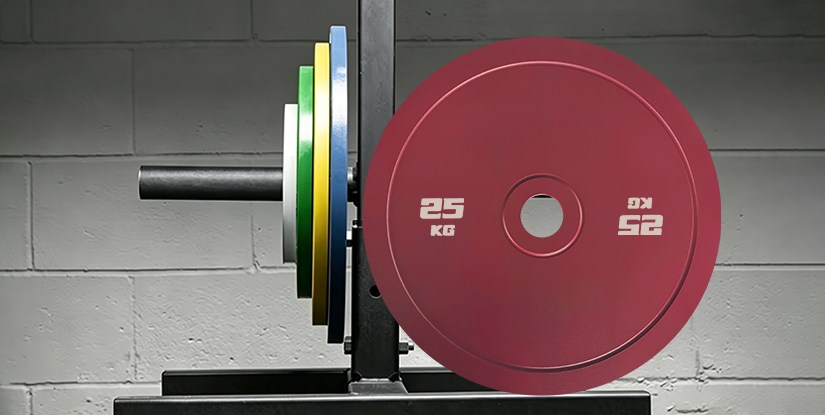
Optimizing your procurement strategy requires a deep understanding of how material selection impacts both your distributor margin and long-term inventory value. When engaging in calibrated steel plate wholesale, decision-makers must weigh the lower entry cost of raw cast iron against the premium positioning of high-end rubber-coated units. Selecting the right commercial weight plate supplier is not merely about the lowest unit price; it is about balancing the MOQ requirements with the expected durability and market demand of your specific region.
For distributors looking to scale, a China factory that offers robust OEM and ODM solutions provides a significant competitive edge. While cast iron plates offer a high-volume, cost-effective solution for budget-tier gyms, rubber-coated or PU-encapsulated plates serve the premium boutique and high-traffic commercial segments. A sophisticated sourcing strategy accounts for these variations to manage landed cost effectively while ensuring the product meets the rigorous standards of professional strength facilities.
Material Comparison and Procurement Specifications
Navigating the technical differences between material types is essential for a successful calibrated steel plate wholesale procurement cycle. Importers must evaluate how different manufacturing routes influence the durability of the final product and the total cost of ownership for the end-user. Choosing between standard cast iron and advanced rubberized coatings involves balancing weight density, impact resistance, and long-term maintenance requirements.
To assist in your technical evaluation, the following table outlines the structural and logistical differences typical of professional-grade options. This comparison helps in determining the most efficient OEM gym equipment manufacturing path based on your target market segment.
| Material | Coating Type | Manufacturing Process | Commercial Duty Tier | Logistics/Storage Impact | Factory QC Focus |
|---|---|---|---|---|---|
| Cast Iron | Powder Coating or Phosphate | Sand Casting and Machining | Budget / Standard Commercial | High Density / Low Volume | Surface Smoothness and Flatness |
| Rubber Coated | High-Grade Rubber or PU | Molding or Encapsulation | Premium / High-Traffic | Moderate Volume / Protective | Coating Adhesion and Edge Finish |
When finalizing your sourcing plan, consider how these material choices affect your MOQ and container loading efficiency. While cast iron offers a predictable and cost-effective profile for large-scale distribution, rubber-coated variants often command a higher retail premium but may require different handling and storage protocols during export. We recommend requesting a sample evaluation or a detailed spec sheet to confirm the specific coating adhesion and weight calibration standards of your chosen supplier before proceeding with bulk orders.
Custom Branding and Export Quality Control
A professional private label program allows distributors to build long-term brand equity through specialized product-specific identity. Beyond basic weight markings, high-tier OEM gym equipment manufacturing can include customized embossing, specialized color-coding, and distinct branding on the plate face or the center hub. This level of customization is essential for distributors who aim to transition from a generalist importer to a specialized brand provider in their local market.
To ensure product integrity during international transit, a reliable factory must implement a rigorous QC protocol. For rubber-encapsulated plates, this typically involves checking the adhesion of the coating to the internal steel or iron core to prevent peeling. For cast iron units, the focus remains on surface flatness and the consistency of the powder coating. Furthermore, high-volume orders require standardized export packaging—such as reinforced heavy-duty cartons or palletized shipping configurations—to minimize damage during sea freight and optimize container loading density, ultimately reducing your total landed cost.
Before committing to a large-scale wholesale contract, we suggest coordinating a pre-shipment inspection or requesting a formal factory audit. This allows you to verify the production capacity, confirm the lead time for your specific volume, and ensure that the weight calibration and branding alignment meet your professional standards. Contact us to discuss your specific MOQ and receive a detailed quotation for your next procurement cycle.
Optimizing Your Procurement Strategy for Commercial Deployment
When managing large-scale calibrated steel plate wholesale orders, professional buyers must look beyond the initial unit price to evaluate the total cost of ownership (TCO). For a commercial weight plate supplier, the distinction between cast iron and rubber-coated options is not merely aesthetic; it dictates long-term facility maintenance, floor longevity, and replacement cycles. Successful sourcing requires balancing upfront capital expenditure against the operational efficiency of your commercial gym deployment.
While cast iron plates offer a cost-effective solution for strength training zones, they lack the impact attenuation provided by specialized coatings. Conversely, rubber-coated variants, often produced via OEM gym equipment manufacturing processes, significantly enhance floor protection and reduce ambient noise in high-density training environments. Choosing the right material profile through a reliable China factory ensures that your investment minimizes future downtime and repair costs.
Evaluating TCO: Cast Iron vs. Rubber-Coated Options
Selecting the appropriate specification is a critical decision for distributors and gym operators. A high-quality supplier will provide detailed material profiles to help you determine the best fit for your specific market or facility needs.
| Material Type | Common Process | Key Component Focus | Commercial Duty Tier | Primary B2B Advantage |
|---|---|---|---|---|
| Cast Iron | Sand Casting & Powder Coating | Base Flatness & Surface Finish | Budget to Mid-Tier | Lower initial landed cost |
| Rubber-Coated | Steel Hub Casting & Rubber Molding | Coating Adhesion & Inner Ring | Premium/High-Traffic | Maximum floor protection |
When conducting a factory audit or evaluating a wholesale quote, it is prudent to request samples that demonstrate the thickness of the coating layer and the precision of the central bore. For large-scale sourcing, ensuring the factory maintains strict control over the transition between the steel core and the outer coating is vital for preventing premature peeling or edge wear in professional settings.
When managing large-scale calibrated steel plate wholesale orders, professional buyers must look beyond the initial unit price to evaluate the total cost of ownership (TCO). For a commercial weight plate supplier, the distinction between cast iron and rubber-coated options is not merely aesthetic; it dictates long-term facility maintenance, floor longevity, and replacement cycles. Successful sourcing requires balancing upfront capital expenditure against the operational efficiency of your commercial gym deployment.
While cast iron plates offer a cost-effective solution for strength training zones, they lack the impact attenuation provided by specialized coatings. Conversely, rubber-coated variants, often produced via OEM gym equipment manufacturing processes, significantly enhance floor protection and reduce ambient noise in high-density training environments. Choosing the right material profile through a reliable China factory ensures that your investment minimizes future downtime and replacement costs.