Cast Iron Weight Plate Bulk Buy: Manufacturing and QC
The High Cost of Low-Quality Cast Iron Weight Plate Bulk Buy Decisions
For a regional gym franchise or a large-scale fitness distributor, a single procurement error can jeopardize annual margins. When executing a cast iron weight plate bulk buy, many importers focus solely on the initial unit price, overlooking the long-term operational debt caused by substandard manufacturing. Whether you are sourcing for a high-traffic commercial facility or stocking a warehouse for distribution, the true cost of a "cheap" order often manifests through hidden logistics and maintenance expenses.
The risks of inadequate commercial cast iron plates extend far beyond simple aesthetic flaws. Inconsistent weight calibration leads to significant weight tolerance issues, which can undermine the professional integrity of a commercial training environment. Furthermore, poor quality control from an unverified China factory often results in brittle casting or uneven surface finishes, leading to a high replacement frequency. These variables create a high landed cost that includes not just the shipping and duties, but the inevitable expense of re-ordering and replacing defective inventory that failed to meet commercial-grade standards.
The financial impact of substandard industrial weight plate manufacturing is most visible in the form of rapid asset depreciation. When sourcing wholesale weight plates, procurement teams must account for the high cost of mechanical failure. Common defects, such as sand casting voids or air bubbles within the iron, create structural weak points that lead to cracking under heavy impact. These structural failures are often the result of a rushed production cycle or a lack of rigorous pre-shipment inspection at the source factory.
Beyond structural integrity, the most persistent issue in a cast iron weight plate bulk buy is the lack of precision in the machining stage. Inadequate weight calibration results in plates that do not match their labeled mass, a critical flaw that disrupts professional training protocols and damages a distributor's reputation. Additionally, poor concentricity in the center bore causes uneven wear on barbell sleeves and creates unbalanced loading during heavy lifts. For a professional operator, these technical failures translate into higher maintenance loads and a lower business ROI, as the lifespan of the equipment is significantly shortened compared to industry-standard units.
Evaluating Production Standards for High-Volume Sourcing
To mitigate the risks of a cast iron weight plate bulk buy, procurement officers must look beyond the invoice and evaluate the technical differentiation between standard and premium manufacturing. A professional wholesale order requires a clear understanding of how material grade and machining precision impact long-term commercial utility. Using the following comparison, you can better assess whether a supplier is offering true commercial-grade equipment or merely low-cost consumer-grade stock.
| Material | Process | Key Component | Commercial Duty | MOQ Impact | Factory QC Point |
|---|---|---|---|---|---|
| Gray Iron | Sand Casting | Base Flatness | Standard Gym Use | Lower | Surface Smoothness |
| High-Grade Cast Iron | CNC Machining | Bore Concentricity | High-Traffic Commercial | Standard | Weight Calibration |
| Carbon Steel | Precision Casting | Knurled/Smooth Edge | Professional/Competition | Higher | Coating Adhesion |
When evaluating commercial cast iron plates, the differentiation often lies in the post-casting stage. A high-standard factory will implement a secondary CNC machining process to ensure the center bore is perfectly concentric. This prevents the uneven loading that often plagues low-tier wholesale weight plates. Furthermore, a rigorous industrial weight plate manufacturing workflow includes a dedicated weight calibration step to ensure each unit meets the specified mass within a strict tolerance band. For distributors, verifying these specific QC points—such as base flatness and coating adhesion—is essential to ensuring a stable landed cost and protecting your brand reputation during large-scale imports.
Critical Material and Machining Standards for Commercial Cast Iron Plates
For professional distributors and gym procurement leads, a cast iron weight plate bulk buy represents a significant capital expenditure that requires absolute precision in material selection. High-volume sourcing from a China factory must prioritize structural integrity to ensure long-term durability in high-traffic environments. Unlike consumer-grade products, commercial cast iron plates demand rigorous engineering to prevent cracking or uneven wear under constant loading cycles.
The production cycle typically begins with high-grade sand casting to create the foundational shape of the plate. This process is essential for achieving the density required for wholesale weight plates used in professional strength facilities. Following the initial cast, the plates undergo precision machining to ensure the center bore is perfectly concentric, allowing for a smooth fit on Olympic barbells. Without strict industrial weight plate manufacturing protocols, slight deviations in the bore or flatness can lead to uneven weight distribution, increasing the risk of equipment instability and higher maintenance costs for the end-user.
To mitigate the risks of inconsistent weight distribution, a professional supplier must implement systematic weight calibration during the final stages of production. This ensures that every unit within a cast iron weight plate bulk buy meets the expected specifications, protecting the distributor's reputation and the client's ROI. We recommend that buyers request a detailed spec sheet and confirm the specific calibration and QC protocols during the initial sourcing phase to ensure all commercial cast iron plates meet international commercial standards.
Engineering Comparison: Surface Finishes and Finishing Processes
Selecting the correct surface treatment is a critical decision for a cast iron weight plate bulk buy, as it directly influences the total cost of ownership and long-term maintenance requirements. A professional supplier must offer various finishing options to suit different commercial environments, ranging from basic protective layers to high-durability aesthetic coatings. The choice between a simple phosphate treatment and a multi-layer powder coating system can significantly impact the resale value and lifespan of the equipment in a commercial gym setting.
The following table compares the standard industrial finishing methods used during industrial weight plate manufacturing to assist procurement officers in evaluating technical specifications and wholesale weight plates options.
| Material / Finish | Process Type | Key Component / Detail | Commercial Duty | MOQ Impact | Factory QC Point |
|---|---|---|---|---|---|
| Bare Gray Iron | Sand Casting | Natural Texture | Standard Commercial Use | Low | Surface Flatness |
| Phosphate Treatment | Chemical Bath | Anti-Corrosion Layer | High-Traffic Training | Medium | Coating Adhesion |
| Powder Coating | Electrostatic Spray | High-Durability Finish | Premium Studio/Gym | High | Thickness Uniformity |
| Machined Steel | CNC Machining | Concentric Bore | Precision Weight Sets | Medium | Weight Tolerance |
When evaluating commercial cast iron plates, it is essential to inspect the bond line adhesion of the coating. A high-quality China factory will utilize advanced powder coating lines to ensure the finish does not chip or peel under heavy impact. For high-end distributor margins, we suggest verifying the weight tolerance and the concentricity of the central bore during your pre-shipment inspection to ensure every unit meets the required commercial grade.
Critical Inspection Points for Pre-Shipment Quality Control
For distributors managing a cast iron weight plate bulk buy, the final inspection phase is the most critical step to protect the landed cost. Defective batches reaching a warehouse can lead to high return rates and damaged profit margins. To prevent this, a professional supplier must implement a rigorous pre-shipment protocol that focuses on physical geometry and surface integrity. Buyers should prioritize a China factory that provides transparent data on base flatness and coating adhesion, as these factors directly influence how the equipment performs in high-use commercial environments.
During the inspection of wholesale weight plates, technical leads should specifically verify the base flatness of the plates to ensure they sit level on a standard weight tree or lifting platform. Furthermore, a thorough check of the coating adhesion is necessary to confirm the finish can withstand repeated impact without chipping. When managing a cast iron weight plate bulk buy, we recommend confirming the specific export packaging standards with your partner. High-density stacking without reinforced corners or moisture-proof liners can lead to transit damage, increasing the total cost of ownership. To ensure seamless industrial weight plate manufacturing delivery, always confirm the final MOQ and lead time against your shipping schedule before the container is sealed.
Comparing Production Methods and Commercial Duty Specifications
Optimizing the Total Cost of Ownership (TCO) begins with understanding how manufacturing precision affects long-term replacement cycles. For distributors and gym operators, a cast iron weight plate bulk buy is not merely a single transaction but a long-term capital expenditure decision. Choosing between standard casting and precision-machined options directly impacts your maintenance load and the eventual ROI of your fitness facility.
When sourcing through a China factory, procurement professionals must evaluate the relationship between the initial wholesale price and the long-term durability of the units. Lower-tier production methods may reduce upfront costs but often lead to higher landed costs over time due to uneven wear, poor weight calibration, and frequent replacements caused by surface degradation.
| Production Method | Primary Material | Typical Process | Commercial Duty | TCO Impact |
|---|---|---|---|---|
| Standard Sand Casting | Gray Iron | Sand casting & basic finishing | Standard Commercial | Low initial cost; moderate replacement frequency |
| Precision Machined Casting | Cast Iron | Casting & CNC machining | Premium Commercial | Higher initial cost; high durability & precision |
| Coated Cast Iron | Cast Iron + PU/Rubber | Casting & dip molding | High-Traffic Studio | Protects flooring; reduces noise/maintenance |
Selecting commercial cast iron plates requires a balance between the industrial weight plate manufacturing speed and the required precision. For instance, while sand casting is the industry standard for high-volume wholesale weight plates, integrating a CNC machining step ensures the concentricity required for high-end strength facilities. Professional buyers should always verify if the factory provides specific weight calibration reports to ensure every unit in a bulk shipment meets the promised weight tolerance, thereby protecting your profit margins and client satisfaction.
The choice between production techniques often dictates the long-term operational efficiency of a facility. While standard methods meet basic requirements, premium procurement often necessitates specialized finishing to ensure longevity. For example, applying a high-grade powder coating to cast iron surfaces significantly enhances resistance to oxidation and surface chipping, which is essential for high-traffic environments where equipment durability is a primary KPI.
When evaluating a cast iron weight plate bulk buy, technical specifications such as the bond line adhesion of coatings or the precision of the center bore should be part of your pre-shipment inspection checklist. A well-executed production process ensures that the commercial cast iron plates delivered to your warehouse maintain their structural integrity and aesthetic appeal under heavy usage, reducing the frequency of replacement orders and stabilizing your long-term supply chain.
To ensure your procurement strategy aligns with your target market or facility needs, we recommend requesting a detailed specification sheet or a sample evaluation from your supplier. Confirming the MOQ for custom branding or specialized coating requirements during the initial inquiry phase will help streamline your lead time and optimize your landed cost calculations.
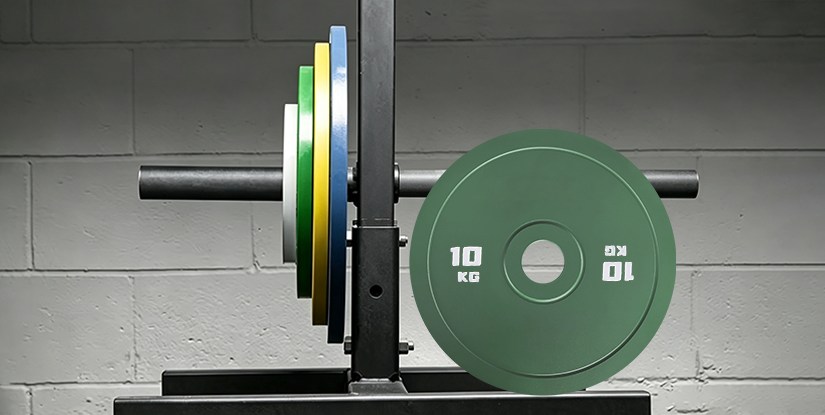
The choice between production techniques often dictates the long-term operational efficiency of a facility. While standard methods meet basic requirements, premium procurement often necessitates specialized finishing to ensure longevity. For example, applying a high-grade powder coating to cast iron surfaces significantly enhances resistance to oxidation and surface chipping, which is essential in high-traffic environments where equipment durability is a primary KPI.
When evaluating a cast iron weight plate bulk buy, technical specifications such as the bond line adhesion of coatings or the precision of the center bore should be part of your pre-shipment inspection checklist. A well-executed production process ensures that the commercial cast iron plates delivered to your warehouse maintain their structural integrity and aesthetic appeal under heavy usage, reducing the frequency of replacement orders and stabilizing your long-term supply chain.
To ensure your procurement strategy aligns with your target market or facility needs, we recommend requesting a detailed specification sheet or a sample evaluation from your supplier. Confirming the MOQ for custom branding or specialized coating requirements during the initial inquiry phase will help streamline your lead time and optimize your landed cost calculations.
Optimizing Your Sourcing via China Factory OEM and Custom Branding
For distributors and warehouse owners, moving beyond generic procurement to a specialized cast iron weight plate bulk buy strategy is essential for long-term profitability. Relying on unbranded, off-the-shelf stock often limits your ability to command premium pricing in local markets. By partnering directly with a China factory, you gain the ability to transition from a simple importer to a recognized brand owner through high-value OEM and ODM services.
The strategic advantage of custom branding lies in the control it offers over your brand identity. Instead of competing solely on price against generic commodities, you can offer specialized product lines that feature your unique logo, specific color palettes, or proprietary packaging. While high-tier customization often requires a specific MOQ, the resulting increase in distributor margin and customer loyalty provides a much higher return on investment than standard wholesale sourcing of unbranded goods.
Selecting a professional supplier that understands the nuances of commercial cast iron plates ensures that your custom specifications—such as specialized textures or specific weight tolerances—are met with industrial precision. This level of control reduces the risk of costly returns and strengthens your position as a reliable provider of high-end fitness equipment.
The technical execution of custom branding is a critical variable in the total cost of ownership. For a successful cast iron weight plate bulk buy, buyers must decide between surface methods that impact both aesthetics and long-term durability. The two primary methods—logo embossing and high-durability painting—offer different levels of value for your brand.
Logo embossing involves integrating the brand identity directly into the mold during the sand casting process. This creates a permanent, recessed relief that cannot be worn away by heavy usage, making it the gold standard for high-end commercial cast iron plates. Conversely, surface-level painting or stencil application is a cost-effective way to add color or branding, but it requires a high-quality surface finishing process to prevent chipping. If the weight calibration is precise but the coating adhesion is poor, the resulting product may fail to meet the professional standards expected by your clients.
To mitigate these risks, professional wholesale weight plates procurement must include a rigorous pre-shipment QC protocol. We recommend that importers focus on three specific inspection points: the integrity of the logo embossing depth, the adhesion of the surface finishing under friction testing, and the overall flatness of the plate. By verifying these export standards at the factory level, you ensure that your private label shipment arrives with the structural and aesthetic consistency required for premium commercial distribution.
Comparison of Sourcing Models: Standard Wholesale vs. Customized OEM/ODM
Selecting the right procurement model depends on your specific business scale and the level of market differentiation you wish to achieve. A standard wholesale approach is efficient for rapid stock replenishment, but a specialized industrial weight plate manufacturing partnership allows for much higher brand equity. The following comparison illustrates how different sourcing paths impact your landed cost and long-term market positioning.
| Sourcing Model | Customization Level | Branding Method | Typical Lead Time | Primary Business Value |
|---|---|---|---|---|
| Standard Wholesale | Low (Stock Items) | None / Generic | Short (Ready to Ship) | Fast turnover and low initial capital outlay |
| Tiered OEM | Medium (Colors/Sizes) | Logo Embossing | Moderate | Consistent brand identity and higher margins |
| Full ODM | High (Full Spec) | Custom Mold & Finish | Long (Production Cycle) | Maximum differentiation for premium distributors |
When planning a cast iron weight plate bulk buy, evaluate whether your current inventory needs are best served by immediate availability or by a long-term ODM strategy. While standard wholesale weight plates offer the fastest way to fill warehouse gaps, investing in customized commercial cast iron plates through a dedicated factory can significantly increase your competitive edge and protect your brand reputation in the professional fitness market.
Essential Pre-Shipment QC and Export Packaging for Wholesale Weight Plates
For distributors and large-scale importers, the technical success of a cast iron weight plate bulk buy depends entirely on the rigor of the final inspection stages. Relying on a China factory to deliver consistent quality requires more than just trust; it requires a standardized protocol for weight calibration and structural verification. When sourcing commercial cast iron plates at scale, any discrepancy in weight or surface integrity directly impacts your landed cost and long-term distributor margins.
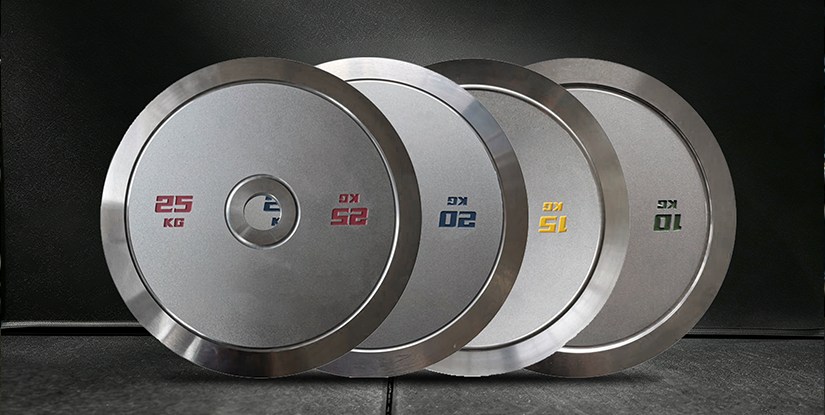
The primary risk in high-volume wholesale weight plates procurement is transit-related damage or calibration drift. If the weight tolerance exceeds industry-standard margins due to poor casting or imprecise machining, the entire shipment may be rejected upon arrival. Furthermore, inadequate export packaging can lead to rusted surfaces or chipped edges during ocean freight, forcing importers to absorb the cost of replacements and damaged goods. A professional supplier must prioritize robust container loading and protective coatings to ensure the product arrives in a showroom-ready state.
Technical Inspection Checklist for Distributors
To mitigate the risk of high return rates and damaged inventory, distributors should mandate a specific inspection protocol before any final payment is released. A high-tier industrial weight plate manufacturing workflow must include a verification of the surface finish and coating adhesion. During pre-shipment, technicians should check that the powder coating or enamel layer is uniform and lacks bubbles or peeling, which often indicates poor bonding to the cast iron substrate. This step is critical for maintaining the premium aesthetic required for commercial gym environments.
Beyond surface aesthetics, the structural integrity of the wholesale weight plates must be verified through specific physical checks. We recommend that your sourcing team or third-party inspectors focus on the following technical benchmarks:
- Bore Concentricity: Ensure the Olympic collar fit is perfectly centered to prevent wobbling during high-intensity use.
- Edge Smoothness: Verify that casting flash or sharp edges have been properly machined to prevent injury and equipment wear.
- Weight Calibration: Perform random spot-checks to ensure the deviation remains within acceptable commercial-grade tolerances.
- Coating Durability: Test the adhesion of the finish to ensure it can withstand heavy handling and moisture exposure.
Finally, the logistics of a cast iron weight plate bulk buy are won or lost in the warehouse. Effective palletization is mandatory to prevent shifting during sea freight. Each pallet should be secured with heavy-duty strapping and corner protectors, with the plates stacked in a way that maximizes container volume without compromising structural stability. High-quality sea freight protection, such as moisture-absorbent liners or anti-rust sprays, is essential to prevent oxidation during long-distance transit. Confirming these export packaging standards with your factory will protect your MOQ-based margins and ensure a seamless arrival at your distribution center.
Shipping Mode and Packaging Optimization Table
Efficient logistics management is a cornerstone of a successful cast iron weight plate bulk buy. For professional importers, selecting the correct shipping configuration is not just about freight costs, but about protecting the integrity of the commercial cast iron plates and optimizing the landed cost per unit. The following table outlines standard industry configurations to assist in your sourcing and warehouse planning.
| Shipping Mode | Packaging Type | Protection Level | Recommended for | Bulk Order Impact |
|---|---|---|---|---|
| LCL (Less than Container Load) | Individual Cardboard Box or Shrink Wrap | Standard | Small Studio Orders | Higher per-unit handling risk |
| FCL (Full Container Load) | Heavy-Duty Wooden Pallet + Reinforced Strapping | High | wholesale weight plates Distribution | Optimized for volume and stability |
| Air Freight (Express) | Double-Walled Corrugated Box + Custom Crating | Maximum | Rapid Sample Evaluation | Highest cost; lowest volume efficiency |
| Sea Freight (Bulk Container) | Industrial Pallet + Corner Protectors + Moisture Barrier | High (Commercial Grade) | industrial weight plate manufacturing Bulk Shipments | Lowest landed cost for large MOQ |
When finalizing your wholesale procurement plan, always confirm the specific export packaging requirements with your factory. For high-volume cast iron weight plate bulk buy orders, we suggest requesting a detailed palletization diagram to ensure the loading plan aligns with your local warehouse receiving capabilities and forklift specifications.
Strategic Procurement: Moving from Sample Approval to Bulk Order
Transitioning from a successful sample evaluation to a high-volume cast iron weight plate bulk buy requires a shift from technical verification to logistical synchronization. For distributors and warehouse managers, the goal is to move beyond individual unit testing and focus on the scalability of the industrial weight plate manufacturing process to ensure consistent margins across large shipments.
A successful sample evaluation serves as the technical baseline, but the true complexity lies in managing a bulk order with a China factory. At this stage, procurement professionals must align on the MOQ to optimize container utilization and finalize the lead time to prevent stockouts in local distribution centers. Failure to synchronize these variables often results in unexpected landed cost spikes due to shipping delays or sub-standard production runs that do not match the approved prototype.
Optimizing Distributor Margins and Supply Chain Efficiency
When sourcing commercial cast iron plates, the transition to full-scale production is where wholesale advantages become measurable. A professional supplier must demonstrate the ability to maintain weight tolerances and surface finish consistency across thousands of units, not just the initial sample. For the importer, managing the landed cost involves more than just the unit price; it requires a deep understanding of how wholesale weight plates are palletized and loaded to maximize container volume and reduce per-unit shipping expenses.
To mitigate risk during the transition from sample approval to mass production, we recommend establishing a rigorous pre-shipment protocol. This includes verifying that the China factory maintains strict control over the casting density and powder coating adhesion for every batch. By confirming these details during the bulk order phase, distributors can protect their long-term ROI and ensure that the commercial cast iron plates arriving at their warehouse meet the exact specifications required for high-traffic fitness environments.
To ensure a seamless transition from procurement planning to physical inventory, professional buyers must implement a standardized verification workflow. This final stage of the cast iron weight plate bulk buy process focuses on technical validation and logistical readiness to protect your capital investment and ensure long-term product reliability.
Pre-Shipment Inspection and Quality Control Protocols
A reliable supplier does not rely on a single check; instead, they employ a multi-stage inspection framework. Before any wholesale shipment leaves the factory, a comprehensive pre-shipment inspection must be conducted to verify that the mass-produced units match the approved prototype. This is critical for commercial cast iron plates, where subtle deviations in casting or finish can lead to high return rates and damaged brand reputation.
The inspection process should prioritize three critical technical pillars:
- Weight Calibration: Verification that the weight tolerance remains within the agreed industrial standard across the entire batch, ensuring consistency for high-end commercial sets.
- Surface Finishing: A rigorous check of the powder coating application to ensure uniform thickness, high adhesion, and no bubbling or chipping that could compromise the plate's durability.
- Dimensional Accuracy: Confirming the concentricity and bore diameter to ensure a perfect fit for Olympic barbells, preventing any mechanical friction issues during use.
For distributors managing high-volume wholesale weight plates, we recommend requesting a formal inspection report or arranging a third-party audit. This proactive step allows you to confirm that the industrial weight plate manufacturing standards have been upheld throughout the entire production run. Once these technical benchmarks are verified, you can proceed with final container loading and shipping documentation, ensuring your landed cost and inventory arrival schedules remain predictable and optimized for your market demands.
To ensure a seamless transition from procurement planning to physical inventory, professional buyers must implement a standardized verification workflow. This final stage of the cast iron weight plate bulk buy process focuses on technical validation and logistical readiness to protect your capital investment and ensure long-term product reliability.