Cast Iron Plate Casting Manufacturer: OEM Manufacturing
Cast Iron Plate Casting Manufacturer: Essential Sourcing for Commercial Gyms
A professional cast iron plate casting manufacturer provides high-density, durable weight plates designed for high-traffic fitness environments. For distributors and gym owners, sourcing directly from a specialized factory ensures consistent weight tolerances, long-term structural integrity, and a significantly lower total cost of ownership (TCO) compared to retail-grade alternatives.
Selecting the right supplier is a strategic decision that impacts your long-term operational efficiency. In the commercial fitness sector, procurement goes beyond mere unit price; it involves calculating the landed cost, durability under heavy usage, and the reliability of the supply chain. When managing high-volume procurement for large-scale gym deployments or international distribution, the quality of the casting process directly dictates how often your clients will require replacements. A substandard China factory might offer lower initial costs, but poor concentricity or uneven coating adhesion leads to increased maintenance and diminished brand reputation.
By partnering with a dedicated commercial weight plate OEM, buyers can secure customized specifications that align with their brand identity. Whether you require specific diameter tolerances for Olympic standards or specialized surface finishes, professional industrial iron plate production allows for greater control over the final product's performance. This level of sourcing expertise ensures that every batch meets the rigorous demands of commercial strength training, protecting your investment and enhancing your distributor margins through predictable product lifecycles.
Precision Manufacturing and Quality Control Standards
The technical excellence of a cast iron plate casting manufacturer is defined by the precision of its production line. High-tier industrial iron plate production begins with high-grade gray iron, utilizing advanced sand casting techniques to create a stable, dense core. Following the initial casting, the plates undergo rigorous CNC machining to ensure the central bore is perfectly concentric and the surface flatness meets commercial-grade requirements. This precision is vital for preventing uneven wear on barbell sleeves and maintaining a smooth rotation during heavy lifting sessions.
For professional buyers, the difference between a standard unit and a premium commercial-grade plate lies in the secondary processing stages. After the casting and machining, the plates enter a controlled surface finishing phase, such as a powder coating line or a specialized phosphate treatment. This process ensures high coating adhesion, preventing chips or rust in high-humidity gym environments. A professional commercial weight plate OEM partner will also implement strict weight calibration protocols to ensure that every unit within a batch falls within a tight tolerance band, providing the consistency required for professional strength training.
Before any bulk order is cleared for export, a comprehensive QC inspection must be conducted at the factory level. This includes a multi-point check of the bore diameter, the smoothness of the knurled or embossed edges, and the structural integrity of the casting. For international distributors, verifying these pre-shipment inspection standards is essential to minimize the risk of damaged goods or non-compliant weights upon arrival. By prioritizing these technical manufacturing details, procurement leads can ensure that their landed cost remains low by avoiding the high replacement rates associated with lower-tier production methods.
| Material | Process | Key Component/Detail | Commercial Duty | MOQ Impact | Factory QC Point |
|---|---|---|---|---|---|
| Gray Cast Iron | Sand Casting | High-density core | Standard commercial training | Standard | Casting density and void check |
| Carbon Steel | CNC Machining | Bore concentricity | High-frequency Olympic use | Moderate | Bore diameter and flatness |
| Coated Steel | Powder Coating | Coating adhesion layer | Premium studio environments | Higher | Surface finish and chip resistance |
When evaluating your next bulk procurement, we recommend requesting a detailed specification sheet and confirming the specific weight tolerance protocols used by your chosen factory. For customized projects, please contact us to discuss OEM requirements, sample approval processes, or to request a formal quote for your specific MOQ.
Commercial Deployment and TCO Optimization
Optimizing the Total Cost of Ownership (TCO) for a commercial facility requires a strategic balance between initial procurement costs and long-term maintenance. A professional cast iron plate casting manufacturer understands that the value of a weight plate is measured by its lifespan under heavy use. While lower-tier options may reduce initial capital expenditure, they often result in higher long-term costs due to rust, uneven wear, or bore inconsistencies. By prioritizing high-standard industrial iron plate production, gym operators and distributors can ensure their equipment remains functional and aesthetically consistent for years, protecting their brand reputation and maximizing ROI.
For large-scale facility deployments, the logistical efficiency of your sourcing strategy is just as critical as the material quality. Factors such as weight tolerance, packaging durability for export, and the ability to scale production must be aligned with your project timeline. Whether you are managing a single studio launch or a multi-location franchise rollout, working with a specialized commercial weight plate OEM allows for precise control over product specifications and shipping volumes. This level of customization ensures that your equipment fits perfectly within your facility's design and operational requirements, while also managing the complexities of international logistics and landed cost calculations.
| Material | Process | Key Component/Detail | Commercial Duty | MOQ Impact | Factory QC Point |
|---|---|---|---|---|---|
| Gray Cast Iron | Sand Casting | High-density core | Standard commercial training | Standard | Casting density and void check |
| Carbon Steel | CNC Machining | Bore concentricity | High-frequency Olympic use | Moderate | Bore diameter and flatness |
| Coated Steel | Powder Coating | Coating adhesion layer | Premium studio environments | Higher | Surface finish and chip resistance |
To ensure your procurement meets exact commercial standards, we invite you to request a detailed technical specification sheet or a sample for evaluation. Our team is available to discuss OEM customization options, specific MOQ tiers for bulk orders, and detailed export packaging solutions to secure your shipment. Contact us today to confirm your requirements and move forward with a formal quote for your next commercial project.
Material and Machining Standards for Industrial Iron Plate Production
Reliable sourcing for high-volume distributors begins with understanding the metallurgical integrity of the product. A professional cast iron plate casting manufacturer utilizes specific material compositions to ensure that weight plates withstand the high-impact environments of commercial gyms. For most wholesale orders, the standard involves high-quality gray iron, which provides the necessary density and vibration dampening required for long-term commercial use.
Effective industrial iron plate production relies on the precision of the sand casting process. This method allows for the creation of durable, heavy-duty plates that maintain structural integrity under heavy load. When sourcing from a China factory, procurement leads must evaluate the secondary machining stages to ensure the concentricity of the center bore. High-quality commercial weight plate OEM services typically include CNC machining to refine the bore diameter, ensuring a smooth, consistent fit for Olympic barbells. This level of commercial-grade precision reduces maintenance needs and prevents premature wear on barbell sleeves, ultimately protecting the long-term ROI of the gym equipment set.
Technical Specifications and Production Standards
Selecting the right supplier involves more than just comparing price per unit; it requires a deep dive into the manufacturing workflow. Below is a comparison of common production standards encountered during sourcing for large-scale deployments.
| Material | Primary Process | Key Component/Detail | Commercial Duty | MOQ Impact | Factory QC Point |
|---|---|---|---|---|---|
| Gray Iron | Sand Casting | Bore Concentricity | High-Volume Training | Standard | Weight Tolerance |
| Carbon Steel | CNC Machining | Knurled/Smooth Edge | Precision Lifting | Variable | Surface Flatness |
| Cast Iron | Powder Coating | Coating Adhesion | Commercial Strength | High | Thickness Uniformity |
For distributors looking to optimize their landed cost, understanding these variables is essential. A factory that offers integrated casting and machining can often provide better control over the final weight tolerance and surface finish, which are critical for maintaining brand reputation in the premium fitness market.
Beyond the fundamental casting structure, the final surface treatment dictates both the aesthetic longevity and the functional durability of the product. In high-traffic commercial environments, the transition from raw cast iron to a finished product requires rigorous quality control to prevent oxidation and surface degradation. When evaluating a cast iron plate casting manufacturer, procurement specialists should prioritize facilities that implement multi-stage finishing protocols, such as advanced powder coating or specialized plating, to ensure the equipment remains professional in appearance despite heavy usage.
Surface Finishing and Durability Optimization
The choice between a bare iron finish and a coated surface significantly impacts the total cost of ownership (TCO) for gym operators. While bare iron is a cost-effective option for certain wholesale tiers, a professional commercial weight plate OEM partner will typically offer high-grade powder coating. This process provides a robust protective layer that enhances resistance to moisture and chemical cleaners, which is essential for maintaining equipment in high-humidity or high-use environments. A well-executed coating process also improves the tactile feel and reduces the risk of surface chipping during rapid plate changes.
For specialized procurement needs, the precision of the manufacturing workflow extends to the final inspection points. A reliable China factory will conduct pre-shipment checks focusing on coating adhesion and the uniformity of the surface finish. This ensures that the plates meet the high standards expected by premium distributors and that the final landed cost reflects a product that requires minimal replacement or maintenance over its lifecycle. When planning bulk orders, we recommend requesting specific details on the thickness and durability of the coating to ensure it aligns with your brand's quality positioning.
Pre-Shipment Inspection and Export Logistics
Managing a successful bulk order requires more than just selecting a high-quality cast iron plate casting manufacturer; it requires absolute confidence in the final inspection protocols. Before any container is loaded, a professional factory must perform a rigorous pre-shipment inspection. This process focuses on critical variables such as weight calibration, bore concentricity, and coating adhesion to ensure that every unit delivered meets the specified commercial tolerances. For distributors, these checks are the final line of defense against the high costs of returns and damaged reputation in the international market.
Efficient export packaging is equally vital to protecting your distributor margin during long-distance sea freight. A specialized supplier will utilize reinforced, moisture-resistant packaging and heavy-duty palletizing to prevent any structural deformation or surface oxidation during transit. Whether you are managing a small-batch OEM project or a large-scale wholesale distribution, ensuring that the packaging can withstand the rigors of container loading and multiple handling points is essential. We recommend that procurement leads confirm the specific packaging standards and request detailed photos of the loading process to ensure the safety and integrity of the shipment before it leaves the facility.
Comparison of Commercial Weight Plate OEM Options
Selecting the right cast iron plate casting manufacturer is a strategic decision that extends far beyond the initial purchase price. For distributors and gym operators, the true value lies in the Total Cost of Ownership (TCO). While low-quality units may offer a lower upfront cost, they often result in higher long-term expenses due to rapid surface degradation, weight inaccuracies, and increased replacement frequency. By partnering with a professional commercial weight plate OEM, buyers can secure high-durability assets that maintain their aesthetic and functional integrity over years of heavy commercial use.
When evaluating industrial iron plate production, procurement professionals must weigh the advantages of different manufacturing tiers. A high-tier China factory focus on precision machining and advanced coating adhesion ensures that the landed cost remains low by minimizing maintenance and replacement cycles. Below is a comparison of common sourcing models to assist in your procurement planning.
| Sourcing Model | Primary Material Focus | Production Process | Commercial Duty Level | TCO Advantage | MOQ Impact |
|---|---|---|---|---|---|
| Standard Wholesale | Gray Iron | Sand Casting | Light Commercial | Lower initial CAPEX | Low |
| commercial weight plate OEM | Cast Iron / Carbon Steel | Precision Machining | High-Traffic Gyms | High durability/Low maintenance | Medium |
| Premium Private Label | High-Grade Alloy/Steel | CNC & Advanced Coating | Elite Performance Centers | Maximum asset longevity | High |
Optimizing your ROI requires a balance between industrial iron plate production efficiency and product longevity. A reliable cast iron plate casting manufacturer will provide transparency regarding their weight calibration processes and coating thickness, ensuring that your bulk order meets the rigorous standards of professional strength facilities. We recommend requesting a sample evaluation or a detailed spec sheet to confirm that the manufacturing tolerances and finish quality align with your brand identity and long-term commercial requirements.
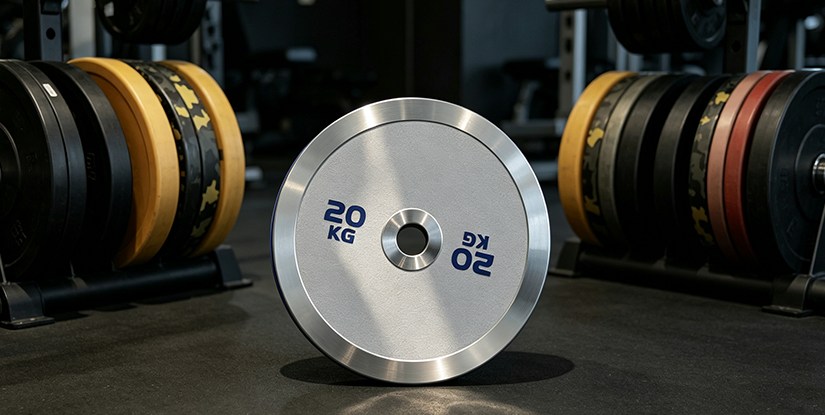
Technical Specification Comparison for Procurement Planning
To maximize long-term ROI, procurement leads must differentiate between basic casting and high-precision finishes. The following table outlines the technical variations available when sourcing through a professional cast iron plate casting manufacturer. Understanding these nuances allows for better forecasting of maintenance schedules and replacement cycles for your facility or distribution network.
| Material Type | Surface Finish | Manufacturing Process | Commercial Duty | Weight Tolerance Control | MOQ/Customization |
|---|---|---|---|---|---|
| Gray Cast Iron | Bare Iron / Phosphate | Sand Casting | Standard Commercial | Standard Calibration | Low MOQ / Standard |
| Cast Iron | powder coating | Sand Casting + Machining | High-Traffic Gyms | Enhanced Precision | Medium MOQ / OEM |
| Carbon Steel | Premium Polyurethane | CNC Machining | Elite Performance | Strict Tolerance | High MOQ / ODM |
When managing a commercial weight plate OEM program, the choice of coating significantly impacts the landed cost through durability. For instance, a powder coating application provides superior adhesion and resistance to chipping compared to standard paint, which is critical for high-throughput environments. A professional China factory will typically implement a multi-stage surface preparation process to ensure the bond line remains intact under heavy usage, reducing the frequency of replacement and lowering the long-term maintenance load for the end-user.
We advise all distributors to request a specific weight tolerance report and a coating adhesion test result during the sourcing phase. Confirming these technical benchmarks before a bulk order prevents the common pitfalls of substandard industrial iron plate production, such as uneven weight distribution or rapid oxidation. Contact our team to discuss your specific wholesale requirements, confirm MOQ levels, or arrange a factory audit to verify our quality control standards.
Precision Engineering: Bore Concentricity and Weight Calibration
For distributors and gym equipment importers, the technical integrity of a weight plate determines long-term durability and user safety. A professional cast iron plate casting manufacturer must prioritize high-precision machining to prevent uneven load distribution during high-volume commercial use. When sourcing in bulk, understanding these engineering tolerances is critical to minimizing replacement costs and ensuring product reliability.
Achieving commercial-grade precision requires more than basic sand casting; it demands rigorous industrial iron plate production standards. The two most critical factors for professional procurement teams are bore concentricity and weight calibration. If the central hole is even slightly off-center, the resulting wobble on a barbell creates instability, increasing wear on the bar sleeves and posing a safety risk in high-traffic training environments. This technical oversight often leads to higher maintenance loads and diminished ROI for facility operators.
To mitigate these risks, a reputable China factory utilizes CNC machining to ensure the central bore remains perfectly centered and smooth. Furthermore, precise weight calibration ensures that every unit in a commercial weight plate OEM order meets the exact specifications required for professional sets. This level of control is a standard part of a comprehensive China factory QC process, ensuring that every shipment meets the strict tolerances expected by international distributors. By prioritizing these technical details, a supplier helps buyers reduce the total cost of ownership and maintain high service standards for their end-users.
Engineering Comparison: Standard Casting vs. Precision Machining
Distributors must distinguish between basic casting and precision-engineered units to avoid high return rates. While standard casting is sufficient for certain low-tier applications, professional procurement for high-traffic facilities requires a higher standard of manufacturing to ensure long-term stability and professional performance.
| Material | Process | Key Component | Commercial Duty | MOQ Impact | Factory QC Point |
|---|---|---|---|---|---|
| Cast Iron | Sand Casting | Rough Bore | Entry-level/Home Use | Lower MOQ | Surface Roughness |
| Cast Iron | CNC Machining | Precision Concentric Bore | High-Traffic Commercial | Standard MOQ | Bore Centricity |
| Carbon Steel | Precision Machining | Calibrated Weight Edge | Professional Training | Higher MOQ | Weight Tolerance |
When evaluating a cast iron plate casting manufacturer, procurement leads should request specific data regarding the machining process used for the central sleeve. A high-quality commercial weight plate OEM order should ideally feature CNC-machined bores to ensure a smooth, concentric fit on Olympic barbells. This technical specification directly impacts the longevity of the barbell sleeves and the overall user experience in a professional setting. We recommend that all buyers confirm the specific weight tolerance and inspection protocols during the initial sourcing phase to ensure the landed cost aligns with the desired quality tier of the end-user facility.
When managing large-scale procurement, the technical distinction between a standard foundry and a professional cast iron plate casting manufacturer often comes down to the final finishing stages. For distributors, the goal is to provide a product that maintains its structural integrity and dimensional accuracy over years of heavy use. Relying on a factory that understands the nuances of weight calibration and bore precision is the most effective way to ensure high consumer satisfaction and low return rates.
A well-managed sourcing strategy involves more than just finding a low price; it requires verifying that the production line can handle the complexities of industrial iron plate production. This includes verifying the thickness of the coating layer, the smoothness of the inner ring, and the consistency of the weight across an entire batch. By selecting a supplier that utilizes advanced machining and strict pre-shipment inspections, buyers can mitigate the risks of receiving uneven or off-center units that disrupt commercial gym operations.
To optimize your procurement process, we recommend requesting a sample evaluation or a detailed specification sheet before finalizing a bulk order. This allows you to verify the MOQ requirements and confirm that the manufacturing capabilities align with your brand standards. Whether you are looking for a commercial weight plate OEM partner or a reliable source for private label production, ensuring a thorough factory audit and clear communication regarding lead time will help you maintain a competitive edge in your local market.
China Factory QC and Pre-Shipment Inspection Protocols
For international distributors and large-scale gym developers, the greatest risk in bulk procurement is receiving a shipment that fails to meet commercial-grade precision standards. A single batch of inconsistent weight plates can damage your reputation and increase long-term maintenance costs. To mitigate these risks, a professional cast iron plate casting manufacturer implements a multi-stage verification process that begins at the foundry and extends through the final export packaging stage.
Effective sourcing requires more than just selecting a supplier; it requires a partner with a transparent China factory quality control system. We focus on the specific mechanical and aesthetic variables that impact your landed cost and product longevity. Our protocols ensure that every unit arriving at your warehouse meets the strict expectations of high-traffic commercial environments.
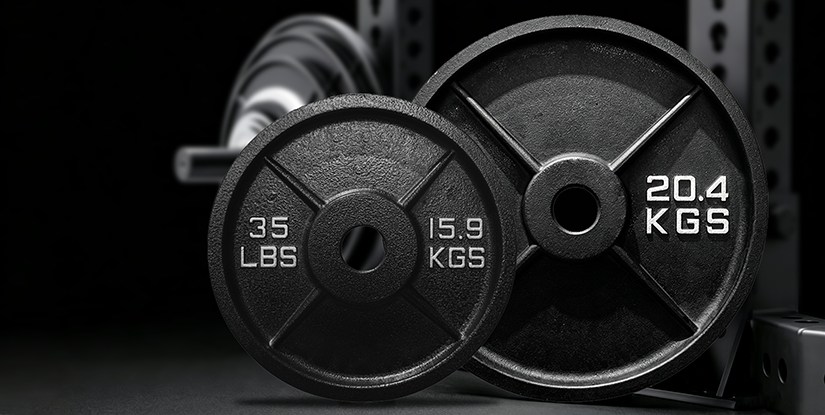
Rigorous Inspection Standards for Commercial Weight Sets
Our quality control workflow is designed to catch deviations in weight, concentricity, and surface finish before the goods leave the factory. This systematic approach reduces the likelihood of costly returns or replacements for your clients. We prioritize the following three critical inspection points:
- Weight Tolerance Spot-Check: Every batch undergoes a calibrated weight tolerance spot-check to ensure that the actual mass aligns with the declared specification. This prevents discrepancies in high-end commercial sets where precision is mandatory.
- Coating Adhesion and Surface Integrity: We perform rigorous testing on coating adhesion to ensure that the powder coating or paint layer remains bonded to the cast iron surface, even under heavy impact and frequent handling.
- Bore Concentricity and Flatness: To ensure smooth loading on Olympic bars, we inspect the dimensional accuracy of the center bore and the overall flatness of the plate surface.
By maintaining these high standards, a reliable commercial weight plate OEM partner helps you build a stable inventory that supports high-performance training environments. This level of industrial iron plate production excellence ensures that your wholesale orders arrive ready for immediate deployment in professional facilities.
Optimizing Logistics and Protecting Distributor Margins
The final stage of the procurement process is often where the most significant hidden costs occur. For a global distributor, the difference between a profitable shipment and a loss-making one lies in the quality of the export packaging. Because iron products are exceptionally heavy and prone to surface abrasion, standard shipping methods are insufficient. We implement specialized protocols to ensure your bulk order arrives in pristine condition, protecting your distributor margin from the high costs of transit-related damage.
Our logistics strategy focuses on maximizing container density while maintaining absolute shipping safety. We utilize heavy-duty palletizing techniques, employing reinforced wooden crates or high-strength pallets that are specifically designed to withstand the immense pressure of stacked iron plates during sea freight. This prevents the crushing or warping that can occur when multiple heavy layers are loaded into a single shipping container.
To ensure maximum warehouse efficiency upon arrival, we provide standardized pallet configurations. This allows your receiving team to move, stack, and inventory the products with minimal labor, reducing your operational overhead. By optimizing the way every cast iron plate casting manufacturer prepares a shipment, we help you reduce the total landed cost and ensure that your high-volume bulk order logistics are as streamlined and cost-effective as possible.
Inspection Checklist for Professional Sourcing and Audits
When conducting a factory audit or evaluating a sample from a cast iron plate casting manufacturer, distributors must look beyond the surface. A technical audit ensures that the industrial iron plate production line is capable of sustained, high-precision output that protects your brand reputation. Use the following technical comparison to evaluate the quality of your next commercial weight plate OEM order during your sourcing process.
| Inspection Point | Standard Requirement | Commercial Impact | QC Focus |
|---|---|---|---|
| Bore Concentricity | Uniform circularity within tight tolerance | Prevents uneven barbell loading and wear | Center hole alignment and diameter |
| Surface Flatness | Smooth, non-warped plane across diameter | Ensures stable stacking in gym storage | Deviation across the plate face |
| Coating Adhesion | Strong bond to cast iron substrate | Reduces chipping during high-traffic use | Resistance to impact and abrasion |
| Weight Precision | Consistent mass across the entire batch | Maintains professional training standards | Calibrated mass spot-checks |
To ensure your procurement strategy is successful, we recommend requesting a detailed spec sheet or a sample evaluation prior to a full bulk order. We are available to discuss your specific MOQ requirements, custom branding needs, or to provide a comprehensive quote for your next wholesale shipment from our China factory.
Optimizing Bulk Procurement: MOQ and Lead Time Management
For global distributors and large-scale gym equipment importers, managing inventory cycles requires more than just selecting a high-quality cast iron plate casting manufacturer; it requires a deep understanding of supply chain variables. When sourcing commercial weight plate OEM solutions, the relationship between order volume and logistical predictability directly dictates your competitive edge in the local market.
A primary challenge for warehouse operators is balancing the cost-efficiency of bulk orders against the capital tied up in long-term storage. High-volume procurement from a China factory can significantly lower the landed cost per unit, yet it necessitates a strategic approach to MOQ and lead time to avoid stockouts or excessive warehousing overhead. By aligning your procurement schedule with the production cycles of an experienced supplier, you can optimize your distributor margin and ensure a steady flow of inventory for your clients.
Strategic Sourcing for High-Volume Distribution
Effective industrial iron plate production planning involves more than just placing an order; it involves synchronizing with the manufacturer's capacity. Large-scale distributors often face the dilemma of high MOQ requirements for custom branding versus the shorter lead time of standard stock items. To maximize profitability, professional buyers must evaluate the total cost of ownership, considering how wholesale pricing tiers and shipping efficiencies impact the final distributor margin.
| Sourcing Model | Typical MOQ | Lead Time Impact | Primary Advantage | Commercial Duty |
|---|---|---|---|---|
| Standard Stock | Lower | Short/Predictable | Rapid replenishment for small studios | General commercial use |
| OEM Customization | Higher | Extended/Variable | Stronger brand identity and differentiation | Premium commercial/Tier-one facilities |
| Bulk Orders (Full Container) | Highest | Longer/Optimized | Maximum wholesale cost reduction | Large-scale gym chains/Distributors |
Understanding these variables allows procurement managers to move beyond simple price-per-unit metrics. A professional cast iron plate casting manufacturer provides more than just a product; they provide a predictable production schedule that supports your inventory turnover. When you negotiate with a supplier, transparency regarding these tiers is essential for maintaining a healthy cash flow and ensuring that your custom branding projects do not disrupt your standard inventory replenishment.
To maintain high distributor margin levels, we recommend evaluating the total landed cost—including shipping, duties, and warehousing—against the complexity of your OEM or ODM requirements. While customized specifications may increase initial lead time, they also build long-term brand equity and market differentiation that standard stock items cannot achieve.
Before finalizing your next procurement cycle, consider requesting a detailed spec sheet or a sample evaluation to confirm that the production standards meet your commercial requirements. We invite you to contact us to confirm current MOQ levels, discuss custom branding possibilities, or request a formal quote for your upcoming bulk order.
To ensure a seamless transition from the factory floor to your local warehouse, we implement a rigorous multi-stage protocol designed to protect your landed cost and product integrity. For high-volume importers, the risk of receiving damaged or non-compliant goods during transit can erode distributor margin overnight. Therefore, our cast iron plate casting manufacturer standards prioritize comprehensive export packaging and standardized logistics procedures to mitigate these commercial risks.
Pre-Shipment Inspection and Export-Grade Packaging
A professional pre-shipment inspection is the most critical step in the sourcing process. Before any container is sealed, our QC team performs systematic checks on every batch to ensure compliance with your specific OEM or ODM requirements. This includes verifying the weight calibration, checking the surface coating adhesion, and inspecting the concentricity of the bore to ensure a perfect fit for commercial barbel systems. By identifying potential issues at the China factory stage, we eliminate the high cost of returns and the logistical headache of faulty inventory reaching your facility.
To withstand the rigors of international ocean freight and multi-modal logistics, our export packaging is engineered for maximum durability. We utilize reinforced pallets, heavy-duty corrugated boxes, and specialized corner protection to prevent impact damage and moisture ingress. For bulk orders, we optimize container loading patterns to maximize volume efficiency, ensuring that your wholesale shipment is both cost-effective and structurally secure. This meticulous attention to detail ensures that when your shipment arrives, the product quality matches the high standards of your brand identity.