Cast Iron Weight Plate Wholesale Supplier: Material Spec
Cast Iron Weight Plate Wholesale Supplier: Material and Sourcing Fundamentals
For large-scale commercial gym chains and international fitness distributors, the distinction between high-volume density and precision machining is a critical factor in long-term asset management. When sourcing from a cast iron weight plate wholesale supplier, procurement leads must evaluate whether the structural integrity of gray iron or the precision of machined steel best serves their specific facility requirements and landed cost targets. Choosing the correct material profile directly impacts the durability of the inventory and the total cost of ownership for the end-user.
Most high-volume wholesale cast iron weight plates are produced via sand casting, a method that utilizes gray iron to ensure high density and cost-efficiency for bulk orders. While machined steel offers tighter weight tolerances for specialized training, the sand casting process remains the industry standard for general commercial gym environments due to its superior impact resistance and lower production costs. For a commercial gym plate supplier, balancing these material properties is essential to meeting the varying MOQ and performance demands of global clients.
Understanding these material nuances is the first step in a successful cast iron plate manufacturing QC assessment. Whether you are looking for standard plates or seeking an OEM partner for custom branding, the fundamental choice between cast iron and machined steel will dictate your long-term maintenance load and replacement cycles.
Material and Process Specification Comparison
To optimize procurement decisions, distributors must analyze how manufacturing processes affect both the unit price and the long-term durability of the product. A professional cast iron weight plate wholesale supplier provides detailed specifications to ensure the material matches the intended commercial duty. The following table outlines the technical differences between common production methods to assist in your sourcing evaluation.
| Material | Coating | Process | Key Component / QC Point | Commercial Duty | MOQ Impact |
|---|---|---|---|---|---|
| Gray Iron | Powder Coating | Sand Casting | Base Flatness & Logo Emboss | High-Volume Commercial Gyms | Lower MOQ required |
| Carbon Steel | Enamel / Paint | Machining | Bore Concentricity | Precision Training Studios | Higher MOQ for precision |
| Cast Iron | Black Oxide | Sand Casting | Coating Adhesion | Standard Weight Rooms | Standard Wholesale |
| Steel | Polyurethane (PU) | Molding / Coating | Encapsulation Layer | Premium/High-End Facilities | Customization Dependent |
When evaluating a China factory for bulk production, it is vital to focus on the weight calibration and the surface finish integrity. For example, the transition from a raw sand casting to a finished powder-coated unit requires a strict coating adhesion test to prevent chipping during heavy use. High-tier distributors often request a specific weight tolerance spot-check to ensure that even with the thickness of the coating, the plates meet the required commercial standards. Selecting the right process is not just about the initial purchase price, but about reducing the long-term maintenance load and ensuring high turnover efficiency in a commercial setting.
Export Logistics and Pre-Shipment Inspection Standards
Managing the transition from the factory floor to international shipping requires rigorous oversight of the final product stages. A professional cast iron weight plate wholesale supplier understands that the value of a bulk order is lost if items arrive with surface defects or incorrect weights. Therefore, the final stages of production—specifically the application of the protective layer and the finalization of the export packaging—are just as critical as the initial casting process.
A standard cast iron plate manufacturing QC protocol must include a comprehensive weight tolerance spot-check to verify that the final mass remains within the agreed-upon commercial deviation limits after the powder coating process. Furthermore, the durability of the finish is validated through a coating adhesion test, ensuring the surface can withstand the high-impact environment of a commercial gym without premature chipping or oxidation. For distributors, this level of scrutiny is essential to maintaining brand reputation and minimizing the landed cost associated with replacement claims.
To ensure maximum stability during ocean freight, the export packaging must be optimized for heavy-duty transport. This typically involves high-density corrugated boxes or reinforced wooden crates designed to prevent movement within the container. When calculating your total procurement budget, always factor in the lead time required for both the production run and the meticulous pre-shipment inspection. A reliable supplier will provide transparent timelines, allowing you to manage your inventory turnover and warehouse space efficiently while accounting for potential shipping durations.
Comparing Cast Iron and Machined Steel for Commercial Durability
When managing long-term facility expenditures, selecting a reliable cast iron weight plate wholesale supplier is a strategic decision that directly impacts your total cost of ownership (TCO). For distributors and gym owners sourcing from a China factory, understanding the material trade-offs between traditional casting and precision machining is essential for calculating long-term maintenance and replacement cycles.
While machined steel offers high-precision tolerances for specialized training, the standard wholesale cast iron weight plates remain the industry benchmark for high-traffic commercial environments due to their robust construction and cost-efficiency. Choosing the right material ensures that your initial procurement budget aligns with your long-term operational stability.
| Material Type | Primary Process | Commercial Duty | Maintenance Profile | Procurement Value |
|---|---|---|---|---|
| Cast Iron | Sand Casting | High-volume commercial gyms | Low; requires periodic surface check | High ROI for bulk orders |
| Machined Steel | CNC Machining | Specialized training centers | Moderate; sensitive to surface wear | Premium pricing per unit |
| Steel/Iron Hybrid | Forging & Machining | Elite performance facilities | Variable; depends on coating | High cost/High precision |
From a commercial gym plate supplier perspective, the durability of cast iron provides a significant advantage in heavy-use settings. A professional cast iron plate manufacturing QC process ensures that the base geometry, such as bore concentricity and plate flatness, meets rigorous standards before export, reducing the frequency of replacement and stabilizing your long-term landed cost.
Optimizing Procurement Through Technical Differentiation
Selecting between casting and machining is not merely a matter of preference but a calculation of long-term operational efficiency. For a professional cast iron weight plate wholesale supplier, the goal is to provide products that balance high-volume availability with structural integrity. While machined steel plates provide extreme precision, the sand casting process utilized by a high-capacity China factory offers a more resilient profile for heavy-duty commercial environments where impact and high-frequency usage are standard.
To assist in your sourcing evaluation, the following technical comparison highlights how different manufacturing paths affect your inventory and maintenance requirements. This data is critical for distributors calculating the long-term value of their initial bulk order.
| Material | Manufacturing Process | Surface Finish | Commercial Durability | Sourcing Advantage |
|---|---|---|---|---|
| Cast Iron | Sand Casting | Powder Coating or Enamel | High; optimized for impact | Best for high-volume wholesale |
| Machined Steel | CNC Machining | Polished or Chrome | Moderate; precision-dependent | Niche performance applications |
| Alloy Steel | Forging & Machining | Advanced Coating | Very High; premium durability | High-end facility requirements |
A competent commercial gym plate supplier will ensure that the cast iron plate manufacturing QC covers more than just weight accuracy. Rigorous pre-shipment inspections must include checks on bore concentricity, base flatness, and the adhesion of the powder coating layer. By prioritizing these technical specifications during the sourcing phase, importers can minimize the risk of defective units and ensure a smoother landed cost across large-scale distributions.
Material Reliability and Export Standards
The long-term profitability of a distribution model depends on the consistency of the incoming product. For a professional cast iron weight plate wholesale supplier, the focus extends beyond the initial sale to the durability of the coating and the precision of the casting. In high-traffic commercial settings, the primary risk is not just weight variance, but the premature degradation of the surface finish, which can lead to oxidation and increased maintenance costs.
A rigorous cast iron plate manufacturing QC protocol is essential to mitigate these risks. During the production cycle within a high-capacity China factory, quality control must specifically monitor the bond line adhesion of the powder coating and the concentricity of the center bore. Ensuring these technical benchmarks are met before the final export phase protects the buyer's margin by reducing the frequency of customer returns and replacement claims. When evaluating your next batch, confirm that the manufacturer performs regular weight tolerance spot-checks and surface adhesion tests to ensure the product meets the demands of professional strength facilities.
Manufacturing Processes and Surface Finishing Standards
When sourcing from a cast iron weight plate wholesale supplier, understanding the technical distinction between basic casting and precision finishing is vital for maintaining inventory accuracy. For distributors and gym equipment importers, the production method directly impacts the long-term durability and the weight consistency of every batch received from a China factory.
Most commercial-grade units utilize sand casting to create the primary structure. This process involves pouring molten gray iron into a sand mold, which is a cost-effective method for high-volume wholesale orders. However, the real value for a commercial gym plate supplier lies in the secondary machining and calibration stages. Without strict cast iron plate manufacturing QC, batches may suffer from uneven density or diameter fluctuations, leading to significant discrepancies in total weight across a single shipment.
Precision Engineering and Weight Calibration
To ensure high-tier performance, professional sourcing teams must verify that the wholesale cast iron weight plates undergo rigorous weight calibration. This involves fine-tuning the mass of each plate to meet specific tolerance bands, ensuring that a 20kg plate actually performs as a 20kg unit. High-quality cast iron weight plate wholesale supplier operations integrate precision machining to smooth out casting imperfections and ensure the center bore remains perfectly concentric for seamless barbell loading.
Surface Finishing: Powder Coating vs. Bare Iron
The final surface treatment determines the total cost of ownership (TCO) for your clients. While bare iron plates are common in budget-tier setups, they require frequent maintenance to prevent oxidation. For high-traffic commercial facilities, selecting a cast iron weight plate wholesale supplier that offers advanced surface finishing is a strategic move to reduce long-term maintenance loads and protect your brand reputation.
The most frequent choice for premium distributors is powder coating. This process involves applying a dry powder to the cast surface, which is then cured under heat to create a hard, protective shell. This finish is highly resistant to scratches and moisture, making it ideal for high-intensity environments. Alternatively, a phosphate treatment provides a more subtle, matte finish that enhances corrosion resistance without the thickness of a heavy coat. When evaluating your next batch, consider how these finishes impact the durability and aesthetic longevity of the equipment in a professional setting.
| Material Type | Surface Finish | Primary Process | Commercial Duty | Maintenance Requirement | Wholesale Value |
|---|---|---|---|---|---|
| Cast Iron | Bare Iron | Sand Casting | Standard Commercial | Moderate (Rust Prevention) | High Volume/Low Cost |
| Cast Iron | Phosphate Treatment | Chemical Bath | Mid-Tier Commercial | Low (Corrosion Resistant) | Balanced ROI |
| Cast Iron | Powder Coating | Electrostatic Application | Premium/High-Traffic | Minimal (Durable Shield) | High Value/Premium Branding |
| Steel | Machined/Polished | CNC Machining | Precision/Competition | Low (High Precision) | Specialized Sourcing |
For buyers managing large-scale procurement, the choice between these finishes affects both the landed cost and the long-term satisfaction of end-users. We recommend requesting a sample evaluation to check the powder coating adhesion and surface smoothness before finalizing a large-scale bulk order. A reliable supplier will provide detailed specifications on the coating thickness and the weight tolerance achieved during the final stages of production.
For an international distributor, the technical specification of the product is only half of the equation; the other half is the reliability of the logistics and the rigor of the pre-shipment QC. A single shipment of non-conforming goods can devastate your margins and increase your landed cost through returns and replacement planning. This is why professional sourcing protocols must extend beyond the factory floor and into the final packaging stages.
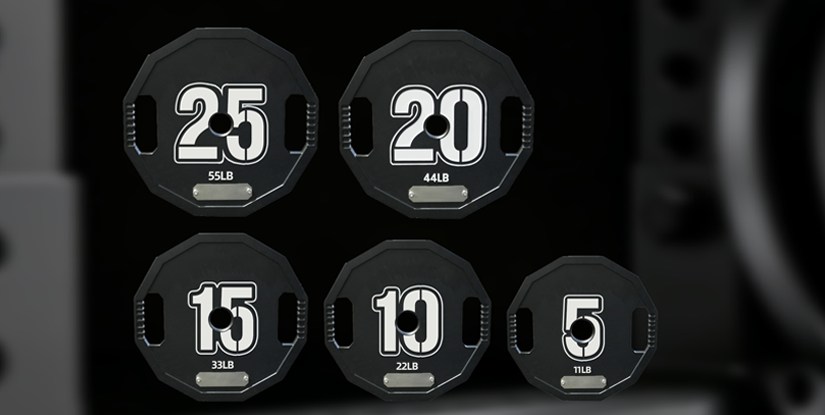
A professional cast iron weight plate wholesale supplier understands that the journey from a China factory to a North American warehouse involves multiple touchpoints of potential failure. Effective cast iron plate manufacturing QC does not end at the weight calibration stage; it continues through the inspection of the base flatness, the concentricity of the center bore, and the adhesion strength of the surface finish. We recommend that buyers request a specific pre-shipment inspection report to verify that all units meet the agreed-upon tolerance bands before the container is sealed.
Export Packaging and Container Loading Optimization
Efficient export packaging is a critical factor in reducing the risk of damage during long-haul maritime transit. For heavy, high-density items like cast iron, the packaging must be engineered to withstand stacking pressures and movement within a shipping container. High-tier manufacturers utilize heavy-duty corrugated boxes and reinforced palletization to ensure that the product arrives in a condition that meets commercial standards. This attention to detail helps maintain a stable lead time by preventing the need for insurance claims or replacement shipments due to transit-related damage.
When calculating your total procurement budget, you must account for how MOQ levels and container utilization affect your final landed cost. A strategic supplier will assist in optimizing container loading patterns—balancing weight distribution and volume—to ensure you are maximizing every cubic meter of shipping space. Whether you are looking for a standard wholesale order or a specialized OEM run with custom branding, understanding these logistics variables is essential for maintaining a healthy distributor margin and a predictable supply chain.
Optimizing Warehouse and Floor Layout Efficiency
Efficient space management is a critical factor for distributors and gym operators managing high-volume inventory. When sourcing from a cast iron weight plate wholesale supplier, the physical dimensions and stacking capabilities of the product directly influence your warehouse footprint and the long-term commercial layout of your facility. Selecting the right material thickness and profile ensures that your storage solutions remain scalable and organized.
For many importers, the primary challenge in bulk procurement is the logistical density of the shipment. Utilizing high-quality cast iron plates with standardized profiles allows for superior vertical storage and optimized stackability. This is especially vital when calculating the landed cost of a container, as maximizing the volumetric efficiency of each shipment reduces the per-unit shipping expense. By coordinating with a professional China factory, buyers can ensure that the plate thickness and diameter are consistent, preventing uneven stacking that could lead to safety issues or damaged inventory in a commercial gym layout.
Optimizing space/storage efficiency involves more than just floor area; it requires a strategic approach to how weight is distributed in both transit and on the gym floor. When you work with a reliable commercial gym plate supplier, you can request specific dimensions or custom branding that adheres to industry-standard profiles, ensuring that your storage racks and weight trees are utilized to their full potential without wasted vertical or horizontal gaps.
Distributors must also account for the critical relationship between thickness and diameter to maximize density. While machined steel plates often offer a thinner profile for the same weight, high-quality wholesale cast iron weight plates provide a robust, heavy-duty footprint that is often more cost-effective for large-scale commercial installations. A strategic procurement plan should evaluate the weight tolerance and dimensional consistency of each batch to ensure that storage trees and weight racks do not become unstable due to irregular plate thickness or non-concentricity.
To assist in your technical evaluation, the following table compares the storage and procurement implications of different plate types. This comparison focuses on how material selection affects your logistics and facility management.
| Material Type | Standard Profile | Storage Density | Weight Tolerance | Commercial Duty | MOQ Impact | Factory QC Point |
|---|---|---|---|---|---|---|
| Cast Iron | Thicker/Traditional | High (Vertical Stacking) | Standard Commercial | Heavy-Duty/High-Volume | Lower (Standard Molds) | Base Flatness & Bore |
| Machined Steel | Thin/Compact | Very High (Space Saving) | Precision/High-End | Premium/Specialized | Higher (Machining Time) | Edge Smoothness |
| Rubber Coated | Variable/Thicker | Medium (Bulky) | Impact Protection | High-Traffic/Bumper | Tiered by Coating Type | Coating Adhesion |
When evaluating your next batch, consider how these variables influence your total landed cost. A cast iron weight plate wholesale supplier can often provide optimized shipping configurations, such as customized palletizing or reinforced export packaging, to protect the integrity of the plates during long-distance transit. We recommend requesting a detailed spec sheet or a sample approval process to confirm that the thickness and diameter profiles align perfectly with your existing storage systems and brand identity requirements.
To ensure your inventory management remains efficient, it is essential to verify the dimensional consistency of your order before it leaves the production line. A professional cast iron plate manufacturing QC process should focus on the bore concentricity and the flatness of the plate base. These technical details are not merely aesthetic; they are the primary factors that determine if your plates will stack securely on commercial weight trees or if they will cause uneven tilting, which can lead to increased maintenance costs and potential safety hazards in a high-traffic facility.
For distributors and large-scale gym operators, the ability to scale an order through OEM or ODM services provides a significant competitive advantage. When you source directly from a China factory, you can negotiate specific tolerances that ensure your weight plates are perfectly compatible with your proprietary storage solutions or branded weight trees. This level of customization allows for a more cohesive brand identity while maximizing the vertical density of your floor layout. We suggest confirming the exact thickness-to-diameter ratios during the sourcing phase to avoid unexpected logistical bottlenecks during container loading or warehouse deployment.
Before finalizing your bulk order, we recommend a thorough review of the supplier's pre-shipment inspection protocols. A reliable supplier will provide documentation regarding weight calibration and surface finish consistency. Whether you are prioritizing the cost-effectiveness of traditional sand casting or the precision of a more specialized profile, aligning your procurement with strict factory-direct quality standards is the most effective way to protect your distributor margins and ensure long-term product reliability for your end-users.
China Factory QC and Export Packaging Protocols
Maintaining consistent product integrity is the primary concern for distributors and gym owners sourcing high volumes of weight equipment. A professional cast iron weight plate wholesale supplier must implement a multi-stage verification system to prevent the high landed costs associated with defective shipments. For bulk importers, the risk of receiving uneven or poorly finished plates can disrupt entire product launches or facility openings.
To mitigate these procurement risks, a reliable commercial gym plate supplier utilizes a rigorous cast iron plate manufacturing QC framework. This process begins at the sand casting stage to ensure structural integrity and ends with a final pre-shipment inspection before container loading. By focusing on technical precision, the China factory ensures that every unit meets the durability requirements of high-traffic commercial environments.
Technical Inspection Points and Calibration
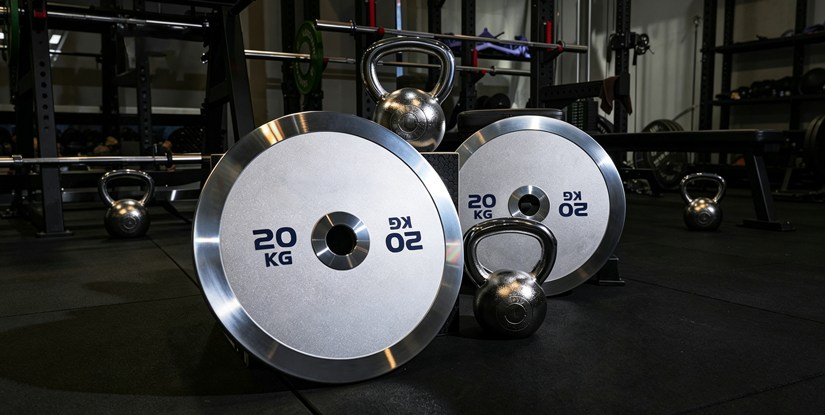
Quality control for heavy lifting equipment goes beyond simple visual checks. Professional wholesale cast iron weight plates undergo specific technical assessments to ensure they perform predictably under heavy use. A single defect in a bulk shipment can lead to significant replacement costs and diminished distributor margins.
The following inspection protocols are standard for high-tier wholesale production:
- Weight Calibration: Every batch undergoes a weight tolerance spot-check to ensure the actual mass aligns with the declared specification, preventing discrepancies in professional strength training environments.
- Concentricity Check: The central bore is inspected for roundness and alignment. Proper concentricity ensures the plate sits perfectly flat on a barbell, preventing wobbling or uneven weight distribution.
- Surface Finish Inspection: We examine the powder coating or paint adhesion to ensure no peeling or bubbling occurs. This is critical for maintaining the aesthetic and longevity of the equipment.
- Casting Defect Audit: Technicians inspect the gray iron surface for air pockets, cracks, or slag inclusions that could compromise the structural density of the plate.
For large-scale sourcing projects, we recommend scheduling a virtual factory audit or requesting a sample approval to verify these technical benchmarks. Understanding these specific QC touchpoints allows procurement leads to better manage their TCO (Total Cost of Ownership) and ensure long-term reliability for their end users.
Export Packaging and Logistics Efficiency
Shipping heavy, high-density iron products across oceans requires more than standard boxing; it requires a strategic approach to logistics to protect your margins. For a cast iron weight plate wholesale supplier, the goal is to maximize container utilization while ensuring zero transit damage. Poorly managed shipping protocols often lead to crushed cartons, rusted surfaces, or broken pallets, which directly increases the landed cost for the importer.
To prevent these issues, our China factory implements a standardized export packaging protocol designed for sea freight stability. We prioritize structural density and moisture protection to ensure that bulk orders arrive in retail-ready condition, regardless of the shipping duration or port handling intensity.
Our standard export-grade packaging includes:
- Heavy-Duty Cartons: We utilize reinforced, high-thickness corrugated boxes to withstand the compression forces typical of multi-layered container loading.
- Palletization Protocols: To optimize warehouse efficiency upon arrival, plates are secured on heavy-duty wooden or plastic pallets. This allows for rapid unloading via forklift and prevents the shifting of weight during transit.
- Moisture Protection: Since sea freight involves high-humidity environments, we apply specialized anti-rust treatments and moisture-absorbent liners. This ensures the surface finish remains pristine and prevents oxidation during the long-distance journey.
- Load Stabilization: We use industrial-strength strapping and corner protectors to secure the load, minimizing the risk of impact damage and ensuring high logistics efficiency within the shipping container.
By investing in professional export packaging, distributors can reduce the frequency of replacement claims and ensure a smoother inventory integration process. We recommend discussing your specific pallet dimensions and container loading preferences during the initial sourcing phase to optimize your shipping volume and total landed cost.
Tier-Based Procurement Comparison Table
To assist in your selection process, we have outlined the technical differences between various order tiers. Selecting the correct specification depends on your target market—whether you are supplying budget-friendly fitness centers or high-end boutique studios. A professional cast iron weight plate wholesale supplier provides these options to help you balance upfront procurement costs with long-term durability and brand positioning.
The following table compares the standard specifications used by our factory to ensure every client receives the appropriate level of technical precision for their specific business model:
| Order Type | QC Focus | Packaging Standard | Logistics Suitability | Typical Use Case |
|---|---|---|---|---|
| Standard Wholesale | Weight Tolerance & Surface Uniformity | Reinforced Corrugated Cartons | High-Volume Sea Freight | Commercial Gyms & General Retail |
| Premium OEM / Private Label | Bore Concentricity & Coating Adhesion | Palletized with Moisture Barriers | International Distribution | Boutique Studios & Premium Brands |
| Custom Brand Spec | Logo Embossing & Precision Calibration | Custom Branded Export Packaging | Direct-to-Distributor Sourcing | Specialized Fitness Equipment Brands |
When finalizing your wholesale order, please consider whether your end-users require higher precision in weight calibration or specialized surface finishes. We suggest requesting a detailed spec sheet or a sample evaluation to confirm that the MOQ and technical standards align with your distributor margins and long-term brand identity.
Custom Branding and OEM/ODM Sourcing Capabilities
For distributors and large-scale fitness retailers, the ability to differentiate a product line is critical to maintaining long-term market share. Relying on a generic cast iron weight plate wholesale supplier often limits your ability to build a recognizable brand. By utilizing professional OEM and ODM services, you can transform standard equipment into a specialized product line that reflects your unique value proposition.
Strategic custom branding allows you to integrate your company logo and specific color schemes directly into the casting or coating process. Whether through high-relief embossing on the iron surface or specialized powder coating in signature colors, these details strengthen your brand identity within the competitive commercial gym market. This level of customization moves your inventory from a basic commodity to a premium, branded asset.
Working directly with a China factory provides the technical infrastructure necessary to execute these complex requests. From precision sand casting for logo integration to specialized surface finishes, the factory can manage the entire production lifecycle. While these customized runs typically require a higher MOQ than standard stock orders, the investment is offset by the significantly improved distributor margin and the ability to offer exclusive, high-margin branded products to your end-users.
Achieving high-end product differentiation requires more than just a logo; it requires control over the technical manufacturing chain. A professional cast iron weight plate wholesale supplier must be able to execute precise technical specifications that align with your brand's quality standards. This includes managing the transition from raw sand casting to the final high-visibility surface treatment, ensuring that your proprietary designs are both durable and aesthetically consistent across large-scale shipments.
Technical Precision in Customization
When sourcing for premium commercial lines, the distinction lies in the level of control over the manufacturing process. Standard production often relies on basic molds, but advanced OEM capabilities allow for intricate customization. For instance, a specialized China factory can offer precision CNC machining for the center bore to ensure perfect concentricity, a critical factor for high-end commercial barbell compatibility. This level of technical oversight reduces the risk of uneven wear and extends the product lifecycle in high-traffic gym environments.
The surface finish is equally vital for a professional appearance. Beyond standard paint, we offer high-durability powder coating options that provide superior adhesion and resistance to chipping. This process is essential for distributors who want to offer color-coded weight systems that remain legible and aesthetically pleasing under heavy commercial use. By integrating these technical layers—from the initial casting to the final coating—you can secure a more competitive position in the global market.
To ensure these specifications meet your procurement requirements, we recommend discussing your specific custom specifications during the initial inquiry. Whether you require specific weight tolerances, unique diameter dimensions, or specialized color-coding, our technical team can provide a detailed spec sheet and confirm the necessary MOQ for your customized production run. Please contact us to request a sample evaluation or to discuss your project's technical roadmap.
Deciding between standard stock and customized solutions depends heavily on your target market segment and your desired distributor margin. While stock products offer the fastest lead time and lower entry barriers, professional wholesale cast iron weight plates with custom specifications allow you to capture the premium commercial sector. The following comparison highlights the operational and technical differences to assist your sourcing strategy.
OEM vs. Stock: Procurement Decision Matrix
| Feature | Standard Stock Product | Custom OEM/ODM Order |
|---|---|---|
| Material & Casting | Standard gray iron sand casting | Custom mold design & high-relief branding |
| Surface Finish | Basic black paint or bare iron | High-durability powder coating or color-coding |
| Technical Specs | Industry-standard center bore | Precision CNC machining for tighter tolerances |
| Branding | Generic or no branding | Full private label integration |
| Typical MOQ | Low to moderate | Higher, based on mold complexity |
| Production lead time | Short (ready-to-ship) | Longer (includes mold and sample approval) |
| Commercial Duty | General fitness/Home gym | High-traffic professional commercial gym |
For buyers seeking to establish a high-end product identity, the factory-direct OEM route is the superior long-term strategy. While the initial sourcing complexity and MOQ requirements are higher, the ability to control the weight calibration and surface adhesion ensures your brand is associated with reliability. If your goal is rapid inventory turnover with minimal risk, standard wholesale stock remains a highly efficient option for general distribution.