Cast Iron Plate Wholesale Distributor: Material and Sourcing
Understanding the Cast Iron Plate Wholesale Distributor Landscape
For large-scale commercial gym chains and multi-location fitness franchises, the procurement process moves beyond simple retail purchasing into complex global supply chain management. Selecting a reliable cast iron plate wholesale distributor is a strategic decision that directly impacts long-term capital expenditure and maintenance cycles. Unlike boutique studios that may buy small batches, professional importers require a partner capable of managing high-volume logistics, strict weight tolerances, and consistent surface finishes from a China factory to ensure equipment uniformity across all locations.
In the global fitness equipment market, a professional cast iron plate wholesale distributor serves as the critical link between industrial production and final facility installation. This role involves more than just moving inventory; it requires deep expertise in sourcing high-grade gray iron and managing the complexities of international freight. Whether you are developing a private label line or stocking a regional warehouse, understanding the transition from raw casting to a finished, export-ready product is essential for protecting your profit margins.
Effective procurement planning must account for the nuances of the manufacturing-to-distribution pipeline. For instance, when ordering commercial cast iron plates in bulk, buyers must evaluate the MOQ and lead time to prevent stockouts during peak expansion phases. A sophisticated wholesale weight plates strategy also considers the landed cost—the total price of the product once it reaches your warehouse—which includes manufacturing, ocean freight, customs duties, and local inland transport. By working directly with a supplier that maintains close oversight of the factory, distributors can better mitigate risks related to shipping delays or unexpected quality deviations.
Comparison of Sourcing Models for Commercial Procurement
Navigating the supply chain requires a clear understanding of how different entities manage production and logistics. For professional buyers, the choice between a direct manufacturer and a trading entity significantly affects your ability to implement custom branding and control the final landed cost. A dedicated cast iron plate manufacturer provides the highest level of control over the material integrity and technical specifications, whereas a trading company may offer more flexible logistics but less influence over the technical manufacturing process.
When evaluating a cast iron plate wholesale distributor, it is vital to assess how they handle the transition from production to the final container. A direct-to-factory model allows for much tighter oversight of weight calibration and surface treatment, which are critical for maintaining a high-end brand image. Below is a comparison of the common structural models encountered during international procurement.
| Sourcing Model | Primary Strength | Customization (OEM/ODM) | Typical MOQ | Quality Control (QC) Focus |
|---|---|---|---|---|
| Factory-Direct Manufacturer | Lowest unit cost & direct control | High (Deep OEM/ ODM support) | Higher (Volume-driven) | Direct oversight of casting & machining |
| Professional Distributor | Optimized logistics & warehousing | Moderate (Standardized product lines) | Flexible (Mid-range) | Pre-shipment inspection & packaging |
| Trading/Sourcing Agent | Product variety & ease of communication | Low (Mostly off-the-shelf stock) | Low (Small to mid-volume) | Final product appearance & count |
For those focused on long-term scalability, working with a cast iron plate manufacturer ensures that your technical requirements—such as specific knurling depth or specialized powder coating—are met at the source. For a high-volume wholesale weight plates order, we recommend requesting a detailed spec sheet and confirming the export packaging standards to ensure the items survive long-distance sea freight without surface damage or structural issues. Always verify the factory's ability to provide pre-shipment inspection reports to protect your investment.
Material Standards and Casting Processes for Commercial Use
Selecting a reliable cast iron plate wholesale distributor requires a deep understanding of the foundational engineering that ensures long-term durability in high-traffic environments. For professional importers and gym equipment distributors, the quality of the raw material directly impacts the total cost of ownership and product lifespan. Most commercial cast iron plates are produced using high-grade gray iron, which provides the density and structural integrity required for heavy-duty lifting. When sourcing directly from a China factory, procurement leads must verify that the manufacturer utilizes standardized sand casting techniques to minimize internal structural flaws and ensure consistent density across large volume orders.
The engineering precision of wholesale weight plates is defined by more than just the raw casting; it is determined by the calibration and finishing processes. A professional cast iron plate manufacturer must manage strict weight tolerance controls to ensure that every unit in a bulk shipment meets the specified weight class. Inconsistent casting or poor quality control during the machining phase can lead to concentricity issues, which increases maintenance costs and reduces the professional appeal of the equipment. For B2B buyers, establishing a clear MOQ and verifying the factory's ability to maintain these technical standards is essential for protecting distributor margins and ensuring client satisfaction.
The long-term value of your inventory depends heavily on the surface finishing applied after the initial casting. For large-scale procurement, the choice between a simple phosphate treatment and a multi-layer powder coating can significantly influence the maintenance load and the resale value of the equipment in the secondary market. A high-quality cast iron plate wholesale distributor will provide options that protect the iron from oxidation and environmental wear, ensuring the plates remain aesthetically consistent throughout their commercial lifecycle.
| Material | Surface Finishing | Primary Process | Commercial Duty | MOQ Impact | Factory QC Point |
|---|---|---|---|---|---|
| Gray Iron | Phosphate Treatment | Sand Casting | Standard Commercial Use | Standard | Base Flatness |
| Gray Iron | Powder Coating | Machining & Coating | Premium High-Traffic Gyms | Higher | Coating Adhesion |
| Carbon Steel | Enamel/Paint | CNC Machining | Competition/Specialty | Variable | Weight Calibration |
When evaluating a cast iron plate manufacturer for a private label project, procurement officers should request technical specifications regarding the surface treatment layers. For instance, a robust powder coating process provides a thicker, more resilient barrier against scratches and rust compared to basic paint. This is a critical factor for distributors aiming to offer premium-tier products. We recommend that buyers request a sample approval or a factory audit to witness the surface finishing and adhesion tests firsthand. Confirming these technical details during the initial sourcing phase helps prevent the high costs associated with defective bulk shipments and ensures a smoother export process for your global distribution network.
Critical Inspection Points for High-Volume Procurement
To minimize landed cost risks and prevent expensive returns, professional buyers must move beyond surface-level aesthetics and focus on mechanical precision. A reliable cast iron plate wholesale distributor should facilitate a rigorous pre-shipment inspection that targets the structural integrity of the entire batch. For high-volume orders, the most common failure points are not found in the material itself, but in the dimensional accuracy and the quality of the secondary finishing. A failure to verify these technical specs during the sourcing phase can lead to significant logistical headaches and diminished ROI for the end-user.
A high-tier cast iron plate manufacturer will prioritize several key engineering metrics during the final QC stages. First, technicians must verify the concentricity of the center hole to ensure that plates sit perfectly balanced on a barbell, preventing uneven weight distribution. Second, the base flatness must be checked to ensure the plate does not wobble or tilt when placed on a level surface. Finally, a critical test for any commercial cast iron plates involves testing the coating adhesion; this ensures that the paint or powder layer does not chip or flake under the high-impact conditions typical of a commercial gym environment.
Effective export packaging is the final safeguard for your inventory. To protect the precision-machined surfaces and the integrity of the coating during long-distance sea freight, distributors should utilize reinforced pallets and moisture-resistant wrapping. When negotiating your wholesale agreement, confirm that the factory uses export-grade materials to prevent transit damage. We suggest that procurement leads request a detailed pre-shipment inspection report or a video walkthrough of the packaging process to ensure that the wholesale weight plates arrive in a condition that meets professional commercial standards.
Comparing Material Specifications and Commercial Duty
Selecting a reliable cast iron plate wholesale distributor requires a deep understanding of how material grades influence the Total Cost of Ownership (TCO). For commercial gym operators and large-scale distributors, the initial purchase price is often secondary to the long-term durability and maintenance requirements of the equipment. Choosing high-quality commercial cast iron plates ensures that your facility maintains a professional appearance and operational efficiency over several years of high-volume usage.
When sourcing from a China factory, procurement professionals must differentiate between basic casting and precision-machined units. While standard sand casting is efficient for high-volume wholesale weight plates, the grade of the gray iron used determines the plate's resistance to cracking and its dimensional stability. Investing in superior materials reduces the frequency of replacement cycles, effectively lowering the landed cost per year of service.
| Material Type | Primary Process | Commercial Duty Level | TCO Impact | Sourcing Advantage |
|---|---|---|---|---|
| Gray Iron | Sand Casting | Standard Commercial | Low initial cost; moderate maintenance | High volume availability |
| Carbon Steel | CNC Machining | Premium/High-Traffic | High durability; low replacement rate | Precision weight accuracy |
| Steel Core w/ Coating | Injection/Molding | High-End Studio | Maximum floor protection; low noise | Premium brand identity |
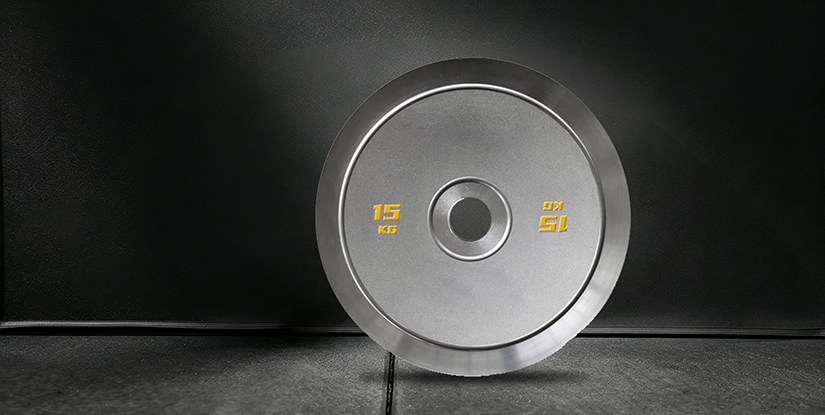
A professional cast iron plate manufacturer will provide detailed specifications regarding the weight tolerance and the concentricity of the center hole. For distributors managing large inventories, these technical details are critical to ensuring that every batch meets the expected quality standards. We recommend requesting a technical spec sheet and confirming the MOQ for any OEM or ODM requirements to align your procurement timeline with your project launch.
Understanding the nuances between basic casting and precision-engineered surfaces is essential for calculating long-term ROI. A professional cast iron plate wholesale distributor must provide clarity on how specific manufacturing choices impact the lifespan of the product in high-traffic environments. For instance, the difference between a standard sand-cast surface and a precision-machined edge affects not only the weight calibration but also how the plates interact with barbell sleeves and flooring systems.
Technical Differentiation in Material and Surface Finishes
The durability of your inventory depends heavily on the surface treatment applied after the casting process. While basic iron plates may rely on a simple phosphate treatment, premium commercial-grade units often utilize advanced powder coating or specialized finishes to prevent oxidation and surface degradation. When evaluating a potential cast iron plate manufacturer, it is vital to inspect the coating adhesion and the consistency of the center hole diameter to avoid issues with weight distribution or equipment compatibility.
| Material / Coating Type | Manufacturing Process | Key Component/Detail | Commercial Duty | MOQ Impact | Factory QC Point |
|---|---|---|---|---|---|
| Gray Iron (Bare) | Sand Casting | Standard Center Hole | Standard Commercial | Low | Surface Smoothness |
| Black Powder Coated | Casting + Powder Line | Uniform Texture | High-Traffic Gyms | Medium | Coating Adhesion |
| Machined Steel Core | CNC Machining | Precision Inner Ring | Elite/Competition | High | Weight Tolerance |
For distributors aiming to build a high-end brand identity, the selection of coating and machining processes is a critical decision. A higher MOQ may grant access to more specialized finishes or custom branding options, allowing for a more differentiated product offering in your local market. We suggest requesting a sample evaluation to verify the thickness of the coating and the precision of the weight markings before proceeding with a large-scale wholesale order. To ensure your procurement aligns with your budget and lead time, please contact us to confirm current capacity and discuss any OEM or ODM customization needs.
Optimizing Sourcing Through China Factory Direct Models
Managing supply chain volatility requires a strategic approach to production cycles. When procuring equipment in volume, selecting a reliable cast iron plate wholesale distributor with direct access to production lines can significantly stabilize your inventory turnover. By bypassing intermediary layers, importers can better manage the relationship between MOQ requirements and predictable delivery schedules.
The primary challenge in commercial procurement is the tension between custom branding and production speed. A China factory model offers a structured solution by aligning high-volume manufacturing with streamlined logistics. Unlike smaller trading entities, a dedicated cast iron plate manufacturer can optimize the casting and cooling cycles to accommodate bulk orders without compromising the strict weight tolerances required for commercial gym equipment. This direct-to-source sourcing strategy improves sourcing efficiency by reducing the number of touchpoints in the supply chain, ultimately lowering the total landed cost for distributors and gym operators alike.
Pre-Shipment Inspection and Technical Validation
To mitigate the risk of high return rates and logistical delays, professional procurement leads prioritize a cast iron plate wholesale distributor that provides transparent documentation of their inspection cycles. A high-tier cast iron plate manufacturer does not rely on visual estimation alone; instead, they employ precision-based validation for every batch. This includes a rigorous weight calibration process to ensure that the actual mass of each unit falls within the narrowest possible tolerance band allowed for commercial use. Such precision is vital for maintaining the credibility of your own brand when supplying premium fitness facilities.
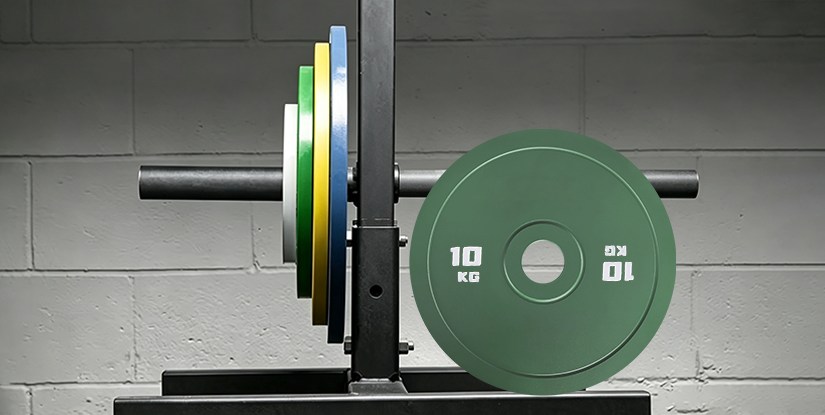
Beyond mass, structural stability is verified through concentricity testing and surface-level inspections. We focus on ensuring the center hole remains perfectly aligned and the surface coating maintains high adhesion levels. For example, during a standard pre-shipment inspection, technicians check the density of the cast iron to prevent structural brittleness and examine the uniformity of the surface finish. This meticulous attention to detail ensures that the wholesale weight plates can withstand the high-impact environments of commercial gyms without premature degradation. By confirming these technical specifications at the factory level, buyers can confidently manage their inventory turnover and reduce the long-term cost of quality-related replacements.
Standardized Export Packaging and Logistics Optimization
Efficient logistics planning is critical for managing the total landed cost of heavy metal goods. When sourcing from a cast iron plate wholesale distributor, the method of palletization and container loading directly influences both shipping expenses and the physical integrity of your inventory. A professional China factory will offer tiered packaging solutions tailored to specific shipping volumes and transit durations to optimize warehouse efficiency and prevent surface oxidation during sea freight.
The following table outlines the standard packaging protocols used to protect commercial cast iron plates across different procurement scales. Choosing the correct method ensures that your wholesale weight plates arrive at your facility without the need for costly de-rusting or surface repairs.
| Packaging Type | Protection Level | Best For | Logistics Impact |
|---|---|---|---|
| Standard Corrugated Box & Plastic Shrink Wrap | Basic | Low-volume wholesale orders | High density; optimized for small LCL shipments |
| Reinforced Wooden Crates with Internal Dividers | High | High-end OEM or private label batches | Prevents metal-on-metal friction and surface scratching |
| Industrial Heat-Treated Pallets with Corner Protectors | Maximum | Full Container Load (FCL) sourcing | Ensures stackability and structural stability for sea freight |
For large-scale bulk procurement, we recommend utilizing reinforced palletization. This method stabilizes the load within the shipping container, reducing the risk of shifting during ocean transit. Before finalizing your order, we suggest requesting a detailed specification sheet for the packaging to confirm it meets your local import compliance and warehouse handling requirements. Contact us today to confirm the MOQ or to discuss custom branding and specialized export packing for your next shipment.
Strategic Procurement and Customization Options
Expanding your product lineup requires more than just finding a generic cast iron plate wholesale distributor; it requires a partner capable of delivering high-margin, high-identity inventory. For established distributors and gym equipment importers, the ability to transition from stock items to branded assets is a critical lever for market positioning and long-term brand equity.
When sourcing through a professional China factory, the focus shifts from simple unit costs to the total value of OEM and ODM capabilities. A reliable supplier must offer more than standard molds; they must provide the technical infrastructure to support custom branding, ensuring your logo and specific aesthetic requirements are integrated directly into the production process without compromising structural integrity.
Scaling your inventory effectively involves navigating MOQ requirements and technical specifications. Whether you are requesting commercial cast iron plates with specific center-hole dimensions or seeking a unique finish to differentiate your catalog, a capable cast iron plate manufacturer will offer tiered solutions. This allows you to manage your landed cost while maintaining the premium feel expected in high-end fitness environments.
Technical Customization and Branding Specifications
To achieve product differentiation in a saturated market, professional buyers leverage advanced OEM processes to move beyond basic unbranded stock. High-tier wholesale weight plates are often distinguished by the precision of their surface identity. This involves choosing between relief-style logo embossing, where the brand mark is cast directly into the iron, or high-definition pad printing for more intricate graphic details. For distributors targeting premium commercial studios, these technical choices are essential for building a recognizable brand identity that justifies a higher retail margin.
Surface durability is another critical procurement dimension. While standard sand casting provides a rugged aesthetic, many distributors request a specialized powder coating to protect the metal from oxidation and improve the tactile experience. A high-quality powder coating application ensures the finish remains intact even under heavy usage, reducing the maintenance load for the end-user. Furthermore, strict weight tolerance control is a non-negotiable standard for any professional cast iron plate wholesale distributor. Reliable manufacturers utilize precision machining to ensure that each plate meets the expected weight within narrow industry-standard margins, preventing discrepancies that could lead to costly returns or distributor disputes during bulk shipments.
Choosing between standard inventory and customized production is a pivotal decision for any procurement lead. To assist in your evaluation, the following comparison outlines the operational differences between high-volume stock orders and fully tailored manufacturing solutions.
| Procurement Dimension | Standard Wholesale Stock | Custom OEM/ODM Orders |
|---|---|---|
| Primary Focus | Speed and low unit cost | Brand identity and differentiation |
| Branding Method | Generic or unbranded | Embossed logo or custom color coating |
| Technical Spec | Standardized industry dimensions | Customized thickness or specialized diameter |
| Typical MOQ | Lower threshold for rapid replenishment | Higher threshold for dedicated production runs |
| Lead Time | Short; optimized for immediate export | Longer; includes mold development and QC |
| Commercial Duty | Versatile for general gym use | Optimized for specialized studio requirements |
| Supply Chain Role | Inventory replenishment | New product line launches |
For distributors seeking to minimize risk, starting with standard wholesale weight plates is an effective way to test market response and manage initial landed cost. However, as your market presence grows, transitioning to customization via a specialized supplier allows you to control the aesthetic and technical standards of your entire product catalog. We recommend requesting a detailed spec sheet or a sample approval before committing to large-scale OEM production to ensure that all branding and material tolerances align with your specific commercial requirements.