Sourcing Cast Iron Dumbbell Weight Plates for Gyms
Vetting Manufacturers for High-Volume Iron Plate Orders
Many distributors fail by prioritizing the lowest unit price, resulting in batches with uneven weight distribution or brittle surfaces. A professional sourcing strategy instead focuses on rigorous manufacturing standards to ensure that every piece of cast iron dumbbell weight plates maintains consistent density and meets strict tolerance levels.
Prioritizing Structural Integrity in Bulk Procurement
When managing high-volume orders for large-scale fitness facilities, the primary concern shifts from simple aesthetics to long-term structural integrity. Low-quality casting processes often lead to internal air pockets or micro-fractures, which can cause premature cracking under heavy use. For commercial grade dumbbell weights, sourcing from factories that utilize advanced centrifugal casting or high-pressure molding is essential. This ensures the plates can withstand the impact of daily high-intensity training without compromising the safety or the lifespan of the equipment.
Technical Checklist for Material Quality and QC Protocols
To mitigate the risk of premature equipment failure, procurement managers must move beyond surface-level inspections and demand specific iron weight plate specifications. A robust quality control (QC) protocol should verify that the raw material composition is consistent across batches, preventing issues such as uneven weight distribution or brittle edges. When auditing potential suppliers, verify that they implement the following technical benchmarks:
- Casting Consistency: Ensure the manufacturer uses standardized molds to prevent variations in diameter and thickness that can disrupt facility layouts.
- Material Density: High-density casting is critical to prevent internal voids, which are the primary cause of structural failure in high-impact environments.
- Crack Resistance: Request documentation or testing data regarding the material's ability to withstand thermal changes and repeated physical impact.
- Tolerance Accuracy: Specify strict weight deviation limits (e.g., ±1-2%) to ensure professional-grade precision for commercial fitness applications.
Reliable manufacturers will provide clear transparency regarding their metallurgy and casting techniques, ensuring that every unit delivered meets the durability requirements of a high-traffic gym setting.
Comparing Casting Methods for Commercial Longevity
Selecting the appropriate manufacturing technique is a critical decision that dictates the total cost of ownership (TCO) for a facility. While different methods offer varying degrees of precision, the choice should be driven by whether you are supplying a budget-friendly boutique studio or a high-traffic commercial gym. The following comparison outlines how casting choices affect the durability and finish of your inventory.
| Feature | Sand Casting | Precision (Investment) Casting |
|---|---|---|
| Durability | High; excellent for heavy-duty impact | Very High; optimized for structural density |
| Surface Finish | Rough, textured, or matte finish | Smooth, consistent, and highly detailed |
| Weight Precision | Standard commercial tolerances | High-end precision for exact weight matching |
| Cost Implications | Cost-efficient for high-volume orders | Higher unit cost due to complex tooling |
| Best Use Case | Standard commercial gym distribution | Premium fitness brands & boutique studios |
For distributors managing large-scale MOQ requirements, sand casting often provides the best balance of durability and competitive pricing. However, if your target market demands premium aesthetics and exact weight increments, investing in precision casting will reduce long-term maintenance complaints and enhance your brand positioning.
The Necessity of Precision in Commercial Settings
In high-traffic fitness facilities, the subtle imbalance of a single weight can lead to uneven wear on equipment and user fatigue. For distributors and facility managers, ensuring that cast iron dumbbell weight plates meet strict iron weight plate specifications is not just about weight accuracy, but about long-term operational stability. Inconsistent casting leads to uneven weight distribution, which complicates inventory management and lowers the perceived quality of the gym's offerings.
Evaluating Dimensional Tolerance and Accuracy
When auditing factory samples or bulk shipments, procurement professionals must look beyond the nominal weight printed on the plate. True commercial grade dumbbell weights are defined by their dimensional tolerance. A tight tolerance ensures that the center of gravity remains consistent across a full set, preventing wobbling during high-intensity training. We recommend requesting technical drawings that specify the allowable deviation for both diameter and thickness to ensure seamless integration with standard dumbbell handles and storage racks.
Technical Benchmarks for Quality Assurance
To mitigate the risk of receiving substandard inventory, procurement managers should utilize a standardized inspection framework. Relying on visual inspection alone is insufficient for high-volume orders; instead, demand specific metrics regarding manufacturing precision. The following table outlines the critical quality control benchmarks required to verify factory capability and ensure the durability of your shipment.
| Technical Metric | Standard Requirement | Procurement Impact |
|---|---|---|
| Weight Deviation | ±1% to 1.5% | Ensures set uniformity and professional branding. |
| Surface Finish | Smooth/Uniform Coating | Reduces oxidation and prevents scratches on storage racks. |
| Concentricity | High Precision Center | Prevents uneven weight distribution and handle wobble. |
| Tolerance Levels | Strict Diameter Control | Guarantees compatibility with standard dumbbell sleeves. |
When negotiating with overseas manufacturers, explicitly include these iron weight plate specifications in your purchase order. Verifying these parameters during the pre-shipment inspection stage helps avoid the high costs associated with returning defective cast iron dumbbell weight plates or managing client complaints regarding weight imbalances.
Prioritizing Long-Term Durability and Surface Integrity
Beyond initial precision, the total cost of ownership in commercial fitness facilities is heavily dictated by how well the equipment withstands environmental factors and high-frequency use. High-quality casting techniques significantly improve durability by eliminating internal structural voids that can lead to cracking under stress. A robust manufacturing process ensures the metal density is uniform, which is essential for maintaining structural integrity over years of heavy training cycles.
A critical aspect of maintenance involves the coating integrity of the plates. In many commercial environments, humidity and perspiration can trigger rapid degradation if the surface treatment is substandard. When sourcing, prioritize manufacturers that utilize advanced oxidation resistance treatments—such as high-grade powder coating or specialized clear finishes—to prevent rust buildup. Ensuring the coating adheres strictly to the cast surface prevents premature chipping, which maintains a professional aesthetic and reduces the labor required for routine upkeep and cleaning.
Technical Benchmarks for Commercial Grade Dumbbell Weights
When sourcing for high-traffic facilities, the structural integrity of your inventory determines long-term replacement costs. High-quality cast iron dumbbell weight plates must maintain consistent density to withstand the mechanical stress of repetitive drops and heavy lifting typical in commercial settings.
Density and Casting Precision
Substandard manufacturing often results in internal air pockets or casting defects, which compromise the stability of the weight. For commercial grade dumbbell weights, a uniform density is non-negotiable; uneven distribution can lead to surface cracking or structural failure under high-impact use. Procurement managers should prioritize manufacturers utilizing advanced molding processes to ensure each plate meets strict tolerance levels, reducing the risk of premature breakage in a professional gym environment.
| Procurement Factor | Standard Cast Iron | Premium Commercial Grade |
|---|---|---|
| Density Consistency | Variable/Moderate | High/Uniform |
| Risk of Cracking | Higher under impact | Minimal/Low |
| Long-term TCO | Lower initial/Higher replacement | Higher initial/Lower lifecycle cost |
| Surface Finish | Rough/Inconsistent | Smooth/Precision-molded |
Evaluating Surface Finish and Coating Durability
The surface finish of your inventory directly impacts both the aesthetic longevity and the maintenance frequency of the equipment. In high-volume commercial settings, friction from handling and environmental humidity can lead to oxidation or coating degradation if the specifications are not properly vetted during the sourcing phase.
When reviewing iron weight plate specifications, it is essential to distinguish between basic protective layers and high-performance coatings. A superior coating prevents rust and ensures a smooth tactile experience, which reduces the long-term labor required for cleaning and upkeep. Use the following comparison to evaluate the trade-offs between standard and heavy-duty options for your facility.
| Coating Type | Primary Application | Coating Durability | Maintenance Requirement |
|---|---|---|---|
| Raw/Uncoated | Budget/Home Gyms | Low (Oxidizes quickly) | High (Requires regular oiling) |
| Black Oxide | Standard Commercial | Moderate (Rust-resistant) | Low (Standard cleaning) |
| Powder Coated | Premium Commercial/Boutique | High (Impact & Scratch resistant) | Minimal (Wipe down only) |
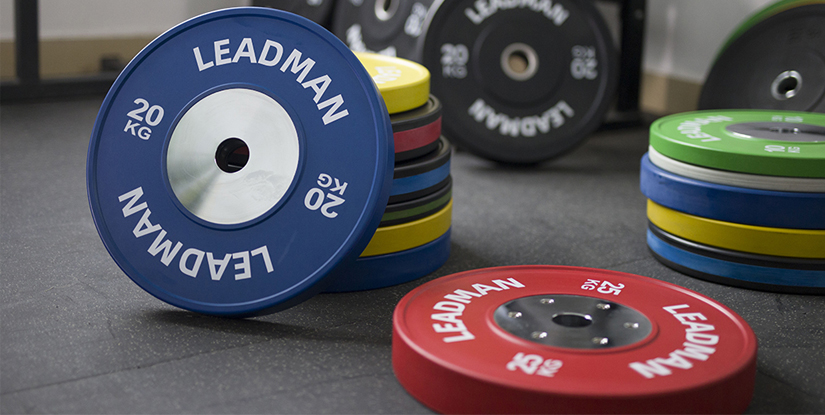
For distributors and large-scale gym operators, opting for powder-coated finishes often yields a better return on investment due to the reduced need for inventory replacement and lower oxidation risks in humid environments.
Weight Tolerance and Precision Standards
Beyond surface aesthetics, the core value of your procurement depends on the strictness of the weight tolerance. In a professional gym equipment procurement guide, we emphasize that precision is not just about accuracy, but about user safety and brand reputation. If a set of 10kg plates shows significant variance, it creates an unbalanced loading experience that can lead to injury or client dissatisfaction.
A high-tier manufacturer should provide a clear weight tolerance specification, typically within a ±1% to ±2% margin. This level of consistency ensures that every dumbbell in a multi-weight set provides a predictable, uniform feel. For high-volume distributors, securing products with tight precision minimizes the risk of inventory discrepancies and extends the overall maintenance cycle by ensuring the plates are balanced and structurally sound through years of intensive use.
Managing Warranty Claims and Material Defects in Bulk Shipments
Establishing a rigorous inspection protocol immediately upon arrival is essential for maintaining the long-term structural integrity of your inventory. In high-volume commercial settings, even minor deviations in manufacturing can lead to significant operational headaches if not identified during the initial receiving process.
Identifying Common Material Deviations
When receiving large shipments of commercial grade dumbbell weights, procurement managers must look beyond simple weight accuracy. Inspecting for surface coating defects—such as uneven powder coating, bubbling, or premature oxidation—is critical to prevent premature rust in humid gym environments. Furthermore, check for casting imperfections like micro-cracks or uneven edges that could compromise the safety of the cast iron dumbbell weight plates during heavy use. Identifying these flaws at the loading dock rather than after they reach the gym floor protects your margins and reduces the complexity of international warranty claims.
Defect Classification Framework for Quality Control
To streamline the reporting process with your factory or distributor, categorize findings into technical deviations versus aesthetic flaws. While slight variations in iron weight plate specifications are expected, significant deviations in weight or structural integrity should trigger an immediate claim. Use the following framework to differentiate between acceptable manufacturing tolerances and critical defects that require replacement.
| Defect Category | Typical Observation | Procurement Impact |
|---|---|---|
| Structural Integrity | Visible crack, deep pitting, or casting void | High: Safety hazard; immediate rejection required |
| Weight Deviation | Out of spec (exceeding ±2-3% tolerance) | Medium: Impact on precision and set completeness |
| Surface Finish | Uneven coating, bubbling, or rough texture | Low/Medium: Aesthetic issue or potential rust risk |
Effective quality control (QC) documentation relies on high-resolution photography and batch numbers. When reporting an uneven coating or surface irregularity, always document the specific batch to help the manufacturer refine their casting or finishing processes for future orders.
Logistics of Claims: Documentation and Evidence Standards
Navigating a dispute regarding bulk shipments requires strict adherence to documentation standards to differentiate between shipping damage and manufacturing defects. Damage sustained during transit—such as crushed packaging or bent metal edges—is often a logistics insurance matter, whereas a systemic weight deviation across an entire MOQ is a factory quality control issue. To secure a successful claim, procurement teams must capture high-resolution photographic evidence that clearly links the defect to a specific batch number or production lot.
This gym equipment procurement guide emphasizes that a vague claim is rarely successful. When an issue arises, provide a detailed report including the packing list, the specific SKU, and clear imagery of the faulty cast iron dumbbell weight plates alongside a calibrated scale or measurement tool. Maintaining this level of precision ensures that distributors and manufacturers can quickly verify if the flaw is an isolated transit accident or a recurring metallurgical failure in the production line.
Optimizing Packaging Configurations for International Freight
When sourcing cast iron dumbbell weight plates at scale, the unit price is only one component of your total procurement budget. To protect your margins, you must account for how shipping volume and container utilization impact your final landed cost. Efficient logistics planning prevents paying for "empty air" during transit.
The Impact of Dimensional Weight and Palletization
For commercial buyers, the relationship between product density and freight expenses is critical. Because iron is heavy, shipments are often weight-restricted, but improper palletization can trigger high dimensional weight charges. If your supplier uses oversized crates or inefficient stacking patterns, you end up paying for volume rather than actual product weight.
To achieve the best ROI, request a detailed packing list that specifies how many cast iron dumbbell weight plates fit per pallet and the total cubic volume per container. High-density packaging minimizes the footprint of each shipment, allowing you to maximize the capacity of a 20ft or 40ft container and significantly reduce the per-unit shipping overhead.
Packaging Configurations and Cost Efficiency
Selecting the right packaging tier involves a trade-off between initial procurement costs and the risk of transit damage. While standard options work for domestic distribution, international shipments of commercial grade dumbbell weights often require higher protection levels to prevent oxidation or surface chipping during long-haul sea freight.
| Configuration Type | Protection Level | Cost Efficiency | Best Use Case |
|---|---|---|---|
| Standard (Bulk/Single Box) | Low | Highest | Local distribution or short-haul transport |
| Reinforced (Double-Wall/Palletized) | Medium | Balanced | Standard international sea freight and regional warehouses |
| Custom (Steel Crate/Wooden Case) | High | Lower | High-value orders or long-distance ocean transit |
When reviewing iron weight plate specifications, ensure your supplier clarifies whether the weight includes the packaging. For distributors managing high-volume inventory, opting for reinforced palletization is often the most cost-effective strategy to minimize breakage claims and ensure the product arrives in retail-ready condition.
Strategic Volume Planning and MOQ Management
In a professional gym equipment procurement guide, one of the most overlooked variables is the relationship between order volume and shipping overhead. To optimize your procurement budget, you should align your MOQ (Minimum Order Quantity) with full container load (FCL) logic rather than just individual SKU requirements.
For large-scale facility setups or distributor restocking, bulk ordering is essential to drive down the landed cost per unit. Relying on LCL (Less than Container Load) for heavy cast iron dumbbell weight plates often leads to disproportionately high freight rates due to the high density of the cargo. Instead, aim to consolidate multiple SKUs—such as varying weights and diameters—to maximize container utilization. By planning shipments to fill a 20ft or 40ft container completely, you spread the fixed sea freight costs across a larger number of units, effectively reducing the logistics premium on every kilogram of iron arriving at your warehouse.
Calculating Total Landed Cost and Inventory Turnover
Procurement managers often focus on the unit price per kilogram, but a true ROI assessment requires calculating the total landed cost. This framework accounts for the movement of cast iron dumbbell weight plates from the factory floor to your warehouse or facility, ensuring that low initial quotes do not mask expensive logistical or operational realities.
Beyond the Unit Price: the Landed Cost Framework
To protect your margins, your budget must incorporate all variables associated with international freight and compliance. The true cost of your shipment includes the base manufacturer price plus freight charges, ocean or air transit fees, customs clearance costs, and specific import duties. Failing to account for these components can lead to significant budget overruns during the final settlement phase.
Furthermore, purchasing substandard commercial grade dumbbell weights introduces hidden overheads that decimate long-term profitability. Low-quality iron casting often results in uneven weight distribution or premature surface oxidation, leading to high replacement frequency and increased labor costs for facility maintenance. Investing in high-precision cast iron dumbbell weight plates minimizes these service-related expenses, providing a more predictable and stable cost of ownership over the equipment's lifecycle.
Comparing Long-Term Value: Budget vs. Commercial Grade
When evaluating your procurement strategy, it is essential to visualize how initial savings on lower-spec items often translate into higher operational expenses. The following comparison highlights the fundamental differences between entry-level options and professional-grade inventory.
| Variable | Budget / Low-Spec Option | Premium Commercial Grade |
|---|---|---|
| Weight Precision | High variance/tolerance | Strict industrial tolerances |
| Surface Coating | Basic paint or thin primer | Durable powder coat or high-gloss finish |
| Durability | Prone to chipping/oxidation | Resistant to heavy daily use |
| Replacement Cycle | Frequent (1–3 years) | Extended (5+ years) |
| Maintenance Needs | High (rust prevention/cleaning) | Low (minimal upkeep required) |
While the upfront investment for high-spec iron weight plate specifications may be higher, the reduction in replacement frequency and maintenance labor significantly lowers the total cost of ownership. For distributors and large-scale facility managers, selecting premium products ensures higher customer satisfaction and more stable inventory turnover.
Optimizing Stock Velocity and Warehouse Logistics
For distributors and large-scale fitness operators, profitability is driven by the balance between high inventory turnover and efficient stock replenishment cycles. While keeping a deep stock of every possible weight increment ensures you never miss a sale, it can also lead to capital being tied up in stagnant inventory and excessive warehouse space optimization challenges. Managing the physical footprint of heavy metal goods requires a strategic approach to ordering volume.
When negotiating with suppliers, the MOQ (Minimum Order Quantity) serves as a critical lever for both cost reduction and logistical planning. High-volume orders for common weight increments—such as 10kg, 15kg, or 20kg—can lower the per-unit landed cost and streamline shipping containers, but they also demand more sophisticated storage solutions. To maintain a healthy cash flow, procurement teams should align their order frequency with the specific iron weight plate specifications that experience the highest demand in their local markets, ensuring that high-turnover items remain in constant rotation without overextending warehouse capacity.