Cast Iron Plate Distributor: Material QC and Export
Optimizing Inventory Economics as a Cast Iron Plate Distributor
For a high-volume equipment importer or a regional cast iron plate distributor, profit margins are rarely won on the unit price alone; they are secured through the mastery of logistics and turnover. Whether you are supplying a national gym chain or a boutique studio network, the ability to balance stock availability with low landed cost determines your competitive edge. Efficient procurement requires moving beyond simple purchasing to a strategic understanding of how wholesale cast iron plates move through your warehouse and into the hands of end-users.
The primary challenge in large-scale distribution is the high cost of shipping heavy, dense iron. To maintain healthy margins, a commercial weight plate supplier must optimize container utilization and minimize the impact of dimensional weight. Relying on a China factory that understands export-grade container loading—ensuring plates are palletized and secured to prevent shifting—directly reduces breakage and minimizes the landed cost per unit. Furthermore, managing the relationship between MOQ and inventory turnover is critical; ordering too frequently increases shipping overhead, while ordering too much can tie up essential capital in slow-moving stock.
Strategic sourcing also involves diversifying your product mix to match market demand cycles. A professional China factory iron plate OEM partner can assist in this by offering varied weight increments and custom branding, allowing you to provide a complete solution to your clients rather than just a single SKU. By optimizing your sourcing strategy to include both high-turnover standard weights and specialized OEM requests, you can maximize the utility of every shipping container and improve the overall ROI of your distribution business.
To maximize operational efficiency, distributors must evaluate the structural differences between various sourcing models. Choosing between a direct manufacturer and a third-party entity affects not only your initial bulk pricing but also your long-term ability to scale through customization and technical support. Below is a comparison of the two primary procurement paths for professionals looking to optimize their supply chain.
| Sourcing Model | Primary Focus | Customization (OEM/ODM) | Typical MOQ | Quality Control (QC) Control | Distributor Margin Potential |
|---|---|---|---|---|---|
| Direct Factory Sourcing | Scale and Unit Cost | High (Full Brand Identity) | Higher (Volume-based) | Direct oversight of production | Maximum |
| Trading Company | Variety and Speed | Limited (Stock-based) | Lower (Flexible) | Indirect (Via Agent) | Moderate |
When your goal is to build a proprietary brand, working directly with a China factory iron plate OEM provides the highest degree of control over product specifications and branding consistency. While a direct supplier may require a higher MOQ to initiate a custom run, the reduction in middleman fees significantly improves your long-term profit margins. This model is ideal for distributors who possess the warehouse capacity to manage bulk shipments and wish to offer exclusive, branded weight sets to their commercial clients.
Conversely, a trading company may offer more flexibility for smaller, specialized orders, but this often comes at the expense of your ability to implement strict quality control protocols at the source. For distributors focused on high-volume, standardized wholesale cast iron plates, the direct-to-factory route remains the industry standard for minimizing the landed cost and ensuring that every batch meets your specific commercial-grade requirements. We recommend requesting a detailed spec sheet and confirming MOQ tiers before finalizing your next sourcing contract.
To maximize operational efficiency, distributors must evaluate the structural differences between various sourcing models. Choosing between a direct manufacturer and a third-party entity affects not only your initial bulk pricing but also your long-term ability to scale through customization and technical support. Below is a comparison of the two primary procurement paths for professionals looking to optimize their supply chain.
| Sourcing Model | Primary Focus | Customization (OEM/ODM) | Typical MOQ | Quality Control (QC) Control | Distributor Margin Potential |
|---|---|---|---|---|---|
| Direct Factory Sourcing | Scale and Unit Cost | High (Full Brand Identity) | Higher (Volume-based) | Direct oversight of production | Maximum |
| Trading Company | Variety and Speed | Limited (Stock-based) | Lower (Flexible) | Indirect (Via Agent) | Moderate |
When your goal is to build a proprietary brand, working directly with a China factory iron plate OEM provides the highest degree of control over product specifications and branding consistency. While a direct supplier may require a higher MOQ to initiate a custom run, the reduction in middleman fees significantly improves your long-term profit margins. This model is ideal for distributors who possess the warehouse capacity to manage bulk shipments and wish to offer exclusive, branded weight sets to their commercial clients.
Conversely, a trading company may offer more flexibility for smaller, specialized orders, but this often comes at the expense of your ability to implement strict quality control protocols at the source. For distributors focused on high-volume, standardized wholesale cast iron plates, the direct-to-factory route remains the industry standard for minimizing the landed cost and ensuring that every batch meets your specific commercial-grade requirements. We recommend requesting a detailed spec sheet and confirming MOQ tiers before finalizing your next sourcing contract.
Material Integrity: Cast Iron vs. Machined Calibrated Steel
For a professional cast iron plate distributor, understanding the structural divergence between casting methods and machining processes is vital for managing long-term TCO and client expectations. When sourcing from a China factory, buyers must distinguish between high-volume sand casting and high-precision CNC machining to ensure the product aligns with the intended commercial environment. Choosing the wrong manufacturing path can lead to increased maintenance loads or inconsistent weight delivery across a large-scale facility installation.
While sand casting is the industry standard for high-volume wholesale cast iron plates due to its cost-efficiency and robust density, it offers different tolerance profiles than machined steel. A reliable commercial weight plate supplier will provide clear documentation regarding the weight tolerance bands and the concentricity of the center bore to prevent uneven wear on barbell sleeves. For distributors, the decision often hinges on balancing the lower landed cost of cast iron against the extreme precision of calibrated steel for premium studio applications.
| Material Type | Primary Process | Commercial Duty | Weight Tolerance Profile | Procurement Logic (TCO) |
|---|---|---|---|---|
| Cast Iron | Sand Casting | High-traffic commercial gyms | Standard industrial band | Optimized for bulk volume and margin |
| Machined Steel | CNC Machining | Premium training studios | High-precision calibrated | Higher initial CAPEX; lower replacement rate |
| Steel Alloy | Forging / Machining | Competition/Performance environments | Strict precision standards | Specialized niche sourcing |
When managing China factory iron plate OEM orders, procurement leads should verify the specific surface finishing applied after the casting process. Whether utilizing a phosphate treatment for rust prevention or a heavy-duty powder coating, the adhesion of the finish to the cast iron base determines the long-term aesthetic and structural durability in high-humidity commercial settings. We recommend requesting a sample to evaluate the flatness of the plate and the smoothness of the bore edge before finalizing large-scale wholesale contracts.
To ensure long-term operational efficiency, procurement professionals must look beyond the initial purchase price and evaluate the technical specifications of the center bore and surface coating. A high-quality cast iron plate distributor knows that the durability of a shipment is often determined by the precision of the finishing stages. For instance, the concentricity of the center hole is a critical factor; if the bore is not properly machined after the sand casting process, it can lead to uneven weight distribution and premature wear on expensive barbell sleeves, increasing the maintenance load for the end-user.
When evaluating a commercial weight plate supplier, it is essential to ask about the specific surface treatment used to prevent oxidation. In many high-traffic environments, a standard bare iron finish may be insufficient. Instead, many distributors opt for a high-grade powder coating or a specialized phosphate treatment. This ensures that the branding or weight markings remain legible and the surface remains resistant to chipping during heavy use. If you are managing a China factory iron plate OEM project, we suggest requesting a detailed specification sheet that clarifies the thickness and adhesion strength of the coating layer to ensure it meets your brand's quality standards.
Before finalizing any large-scale wholesale agreement, we recommend a structured verification process. This includes a formal request for a sample to inspect the flatness of the plate and the smoothness of the bore edges. Furthermore, it is prudent to confirm the specific QC protocols used during pre-shipment, such as weight tolerance spot-checks and coating adhesion tests, to ensure that every unit in your bulk order meets the required commercial-grade benchmarks.
Before finalizing any large-scale wholesale agreement, we recommend a structured verification process. This includes a formal request for a sample to inspect the flatness of the plate and the smoothness of the bore edges. Furthermore, it is prudent to confirm the specific QC protocols used during pre-shipment, such as weight tolerance spot-checks and coating adhesion tests, to ensure that every unit in your bulk order meets the required commercial-grade benchmarks.
Manufacturing Precision and Surface Finishing Processes
Maintaining consistent weight standards is the primary technical challenge for any cast iron plate distributor managing high-volume inventory. For professional importers, the difference between a standard unit and a high-performance tool lies in the precision of the sand casting process and the subsequent surface treatment. When sourcing at scale, understanding these manufacturing nuances is essential to ensure the reliability of your product lineup.
In many commercial settings, the structural integrity of a plate depends on the quality of the mold and the density of the iron. A professional commercial weight plate supplier utilizes refined casting techniques to minimize air pockets and ensure uniform density. Furthermore, the application of high-grade powder coating is not merely aesthetic; it serves as a critical barrier against oxidation and wear in high-traffic environments, extending the lifecycle of the equipment and reducing long-term maintenance costs for the end-user.
For buyers looking to secure high-quality wholesale cast iron plates, technical specifications such as weight tolerance and surface adhesion are the most vital metrics. A reliable China factory will implement rigorous testing to ensure that every batch meets the required dimensional accuracy and coating durability before being cleared for export.
Technical Comparison of Finishing Processes for Commercial Durability
Selecting the appropriate surface treatment is a strategic procurement decision that directly impacts the Total Cost of Ownership (TCO) for your clients. While basic iron units may offer lower initial costs, they often lead to higher maintenance loads due to oxidation. A professional commercial weight plate supplier must provide options that balance aesthetic longevity with structural resilience. For distributors, choosing between a chemical treatment and a thick-film coating can define the product's market positioning and durability in high-intensity training environments.
| Material Finish | Process Detail | Commercial Duty | Maintenance Load | MOQ Impact | Factory QC Point |
|---|---|---|---|---|---|
| Bare Iron | Phosphate Treatment | Standard Commercial | Moderate (Oxidation Risk) | Low | Surface Roughness |
| Black Enamel | Paint Spraying | Standard Commercial | Moderate (Chip Risk) | Medium | Coating Adhesion |
| Powder Coated | Electrostatic Application | Premium Commercial | Low (High Durability) | High | Thickness Uniformity |
| Rubber/PU Coated | Injection or Dip | High-End Studio | Very Low (Floor Protection) | High | Encapsulation Integrity |
When evaluating a China factory iron plate OEM proposal, it is vital to request specific details regarding the application method. For instance, a high-quality powder coating application ensures the finish remains intact even under heavy mechanical impact, which is essential for maintaining a premium brand identity. If your procurement strategy focuses on high-volume, cost-effective distribution, a phosphate treatment may suffice, but for premium studio clients, a more robust coating is often the better long-term investment. We recommend confirming the specific surface finishing standards and the associated lead time for custom coating requests during your initial inquiry to ensure your inventory planning remains accurate.
Critical Inspection Points for Export-Grade Quality Control
Before any bulk order leaves the warehouse, a rigorous pre-shipment inspection must be conducted to mitigate the risk of high return rates or client dissatisfaction. For a professional cast iron plate distributor, the cost of receiving defective units—such as those with uneven weight distribution or poor surface finish—can significantly erode distributor margins and increase landed costs. Therefore, the inspection process must focus on the physical and geometric integrity of each unit to ensure it meets international commercial standards.
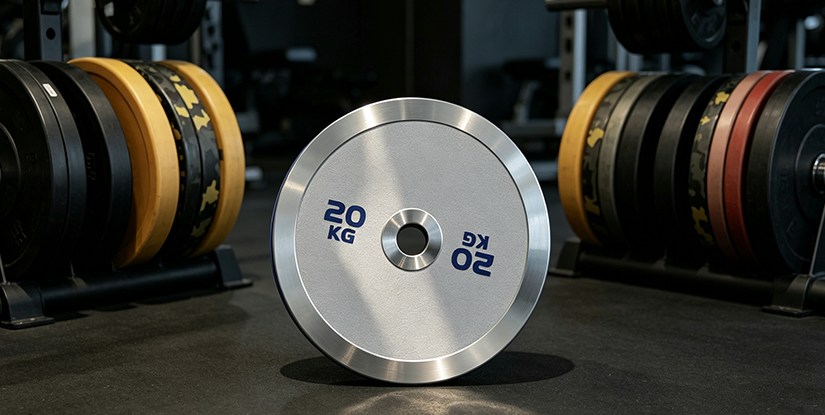
Quality control protocols at a reputable China factory typically include several high-precision checks. First, technicians must verify the concentricity of the center bore to ensure the plate sits perfectly straight on a barbell without wobbling. Second, the base flatness is measured to prevent uneven contact points that can cause instability during heavy lifts. Finally, the coating adhesion is tested to ensure that the surface treatment will not chip or peel under the mechanical stress of daily commercial use. These technical benchmarks are non-negotiable for maintaining a high-quality wholesale cast iron plates inventory.
Beyond individual unit specs, the export packaging process is a vital component of the final QC stage. To protect the integrity of the casting and the finish during long-distance ocean freight, plates should be secured in reinforced, moisture-resistant containers or heavy-duty palletized configurations. For buyers managing large-scale imports, confirming that the factory utilizes standardized, high-strength export-grade packaging is essential to prevent transit damage and ensure that the product arrives at your warehouse in showroom condition. We suggest requesting a detailed packaging specification and a sample of the loading configuration when you confirm your MOQ to better plan your logistics and warehousing efficiency.
China Factory QC Standards for High-Volume Export
For any professional cast iron plate distributor, the primary risk in bulk procurement is the variance in weight accuracy and surface integrity. Relying on a China factory that lacks standardized pre-shipment protocols often leads to high return rates and damaged distributor margins. To maintain commercial-grade standards, a reputable commercial weight plate supplier must implement rigorous inspection cycles that move beyond basic visual checks to address the technical requirements of high-traffic gym environments.
The cost of inadequate quality control is not merely a single defective unit; it is the logistical burden of replacing heavy, low-margin stock across international borders. A professional wholesale cast iron plates procurement strategy requires a supplier to provide verifiable data on weight tolerance and surface finish consistency. By ensuring every batch meets strict concentricity and coating adhesion standards, importers can protect their long-term ROI and maintain brand reliability in their local markets.
Technical Inspection Protocols and Pre-Shipment Standards
A reliable China factory does not wait for the container to be loaded to begin inspections. For high-volume OEM orders, the pre-shipment inspection must focus on the structural and dimensional stability of the casting. This includes verifying the weight tolerance of the plates to ensure they fall within the industry-standard deviation required for commercial use. Without this step, a cast iron plate distributor risks receiving shipments where the weight variance impacts the professional user experience and increases customer complaints.
Beyond weight, the surface finish is a critical indicator of manufacturing maturity. A high-tier commercial weight plate supplier will inspect the casting for micro-cracks, unevenness in the powder coating, and the precision of the center bore. These technical details ensure that the plates sit flat on a barbell and that the coating remains intact despite heavy usage. For those seeking wholesale cast iron plates, requesting a detailed QC report that covers weight tolerance and surface finish adhesion is a mandatory step in the sourcing process to ensure the landed cost remains optimized through reduced replacement needs.
Effective pre-shipment oversight must also extend to the physical durability of the product during transit. A professional China factory iron plate OEM setup should prioritize a multi-layered approach to packaging that protects the integrity of the casting and the surface finish. For large-scale wholesale cast iron plates orders, standard single-layer protection is often insufficient to prevent chipping or edge damage during sea freight. High-volume importers should verify that the export packaging includes reinforced corner protection and heavy-duty pallets to maintain the structural stability of the shipment.
When auditing a potential supplier, buyers should request a visual verification of the following technical benchmarks to ensure the batch meets commercial expectations:
- Sand casting integrity: Checking for surface porosity or casting flaws that could compromise the plate's strength.
- Concentricity: Ensuring the center bore is perfectly aligned to prevent barbell wobbling during high-intensity training.
- Weight calibration: Verifying that each plate meets the specified mass within the allowed industrial tolerance.
- Powder coating adhesion: Testing the bond strength of the finish to prevent peeling or rust under heavy use.
- Export packaging density: Confirming the stacking strength and protection levels for long-distance container loading.
By integrating these specific inspection points into your sourcing checklist, you can mitigate the risks associated with high-volume imports. Whether you are managing a small studio distribution or a large-scale commercial supply chain, confirming these technical details before the final payment ensures that your cast iron plate distributor partnership remains profitable and reliable.
Effective pre-shipment oversight must also extend to the physical durability of the product during transit. A professional China factory iron plate OEM setup should prioritize a multi-layered approach to packaging that protects the integrity of the casting and the surface finish. For large-scale wholesale cast iron plates orders, standard single-layer protection is often insufficient to prevent chipping or edge damage during sea freight. High-volume importers should verify that the export packaging includes reinforced corner protection and heavy-duty pallets to maintain the structural stability of the shipment.
When auditing a potential supplier, buyers should request a visual verification of the following technical benchmarks to ensure the batch meets commercial expectations:
- Sand casting integrity: Checking for surface porosity or casting flaws that could compromise the plate's strength.
- Concentricity: Ensuring the center bore is perfectly aligned to prevent barbell wobbling during high-intensity training.
- Weight calibration: Verifying that each plate meets the specified mass within the allowed industrial tolerance.
- Powder coating adhesion: Testing the bond strength of the finish to prevent peeling or rust under heavy use.
- Export packaging density: Confirming the stacking strength and protection levels for long-distance container loading.
By integrating these specific inspection points into your sourcing checklist, you can mitigate the risks associated with high-volume imports. Whether you are managing a small studio distribution or a large-scale commercial supply chain, confirming these technical details before the final payment ensures that your cast iron plate distributor partnership remains profitable and reliable.
OEM and Private Label Customization Capabilities
For professional importers and distributors, a standard product catalog often fails to capture a specific brand identity or meet niche market demands. As a specialized cast iron plate distributor, we provide comprehensive OEM and ODM solutions designed to transform generic iron products into high-value branded assets. Whether you are launching a premium boutique studio line or expanding a large-scale commercial fitness chain, our China factory offers the technical infrastructure to execute precise branding and structural customization according to your exact specifications.
Successful wholesale scaling requires more than just a logo; it requires a partner capable of managing complex manufacturing variables. We facilitate private label production that encompasses everything from custom mold shapes and embossed weight markings to specific surface finishes. By working directly with our factory, buyers can control the visual and tactile identity of their weight plates, ensuring that every unit shipped meets the rigorous commercial gym requirements of their local market. We offer tiered MOQ options to accommodate both rapid market entry for new brands and high-volume replenishment for established supplier networks.
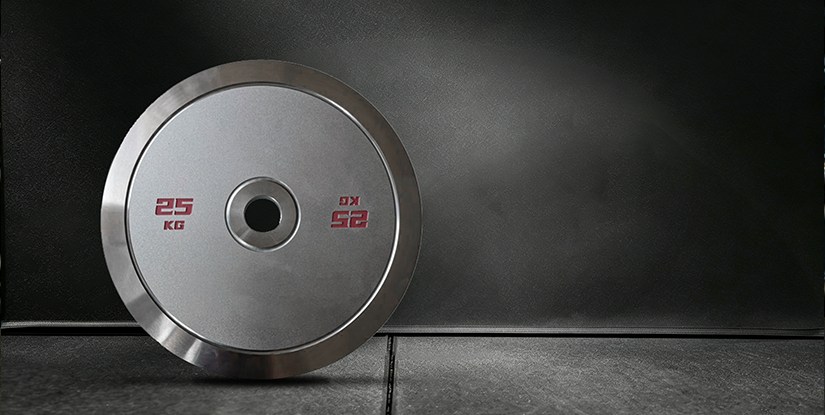
Our customization scope ensures that your commercial weight plate supplier capabilities extend beyond simple procurement. We can implement specialized weight calibration protocols, unique color-coded coatings, or proprietary texture patterns on the plate surface. This level of detail is essential for distributors aiming to differentiate their product lines in competitive regions, moving away from generic commodities toward recognized, high-margin branded equipment.
Technical Customization Levels and Procurement Specifications
Selecting the correct level of customization is a critical decision for any cast iron plate distributor looking to optimize the balance between landed cost and brand exclusivity. The following comparison outlines the technical differences between standard stock and full-scale OEM production to assist in your sourcing strategy.
| Specification Category | Standard Wholesale Option | Premium OEM/ODM Solution |
|---|---|---|
| Material Base | Standard Gray Iron | Customized Alloy or High-Density Cast Iron |
| Surface Coating | Basic Black Paint or Bare Iron | Multi-layer Powder Coating or PU Coating |
| Branding Method | Pre-set Factory Logo | Custom Embossing or Laser Weight Marking |
| Weight Tolerance | Industry-Standard Variance | Precision Calibrated Specs |
| Packaging | Standard Export Pallets | Custom Branded Sleeves or Reinforced Crates |
| MOQ | Lower Volume Requirements | Higher Volume for Custom Tooling |
| Lead Time | Standard Production Cycle | Extended Due to Custom Mold/Coating |
| Commercial Duty | General Commercial Use | High-End Professional/Competition Grade |
When evaluating a China factory iron plate OEM partnership, it is vital to understand how these variables impact your long-term ROI. While standard stock offers faster turnaround for immediate inventory needs, investing in a custom ODM program allows you to secure a unique market position. A professional wholesale buyer should always request a detailed specification sheet and confirm the specific MOQ for any customized coating or embossed branding to ensure alignment with their distribution and marketing timelines.
Precision Manufacturing and Export-Grade Quality Control
Achieving a premium brand identity requires a manufacturing process that moves beyond basic casting. For a high-tier cast iron plate distributor, the value lies in the technical execution of the final product. Our production workflow begins with high-precision sand casting to ensure structural integrity, followed by rigorous CNC machining to achieve the exact bore concentricity required for professional barbell compatibility. This technical foundation allows us to serve as a reliable commercial weight plate supplier for clients who demand tight tolerances and consistent performance in high-traffic environments.
The finishing stage is where visual branding meets commercial durability. We utilize advanced powder coating lines to apply specialized finishes that resist chipping and oxidation, ensuring your private label products maintain a premium appearance over years of heavy use. During the wholesale production cycle, we implement a multi-stage QC protocol: first, weight calibration is performed to ensure every plate meets the specified weight class; second, we conduct surface adhesion tests on the powder coating; and finally, a pre-shipment inspection verifies the clarity of the logo embossing. This comprehensive approach ensures that when you source from our China factory, your landed cost is protected by a reduction in defective returns and high customer satisfaction.
Logistics and Container Loading for Bulk Orders
Managing the global supply chain for heavy lifting equipment requires precise coordination to protect profit margins. For any professional cast iron plate distributor, the primary challenge is not just sourcing quality units, but managing the high weight-to-volume ratio inherent in iron products. Efficient container loading strategies are essential to ensure that high-density shipments do not exceed maritime weight limits while maximizing every cubic meter of available space.
When managing bulk orders, the complexity of sea freight logistics can significantly impact your total landed cost. Relying on a China factory that understands weight optimization can prevent the common pitfall of paying for "shipping air" or facing unexpected port surcharges due to overweight containers. A professional commercial weight plate supplier will provide detailed packing lists and volumetric data to ensure your cargo is optimized for both stability and cost-efficiency.
Optimizing Shipping Efficiency and Landed Cost
Effective logistics planning begins at the factory level. Because cast iron is exceptionally dense, the goal is to reach the maximum weight capacity of a 20ft or 40ft container before hitting the volumetric limit. This requires a strategic approach to palletization and stacking patterns to prevent damage and ensure safe transit via sea freight.
A reliable wholesale cast iron plates partner will implement standardized export packaging that balances protection with density. This includes using heavy-duty pallets and reinforced corner protectors to handle the immense pressure of stacked plates. By optimizing the load density, a China factory iron plate OEM helps importers reduce the per-unit shipping cost, directly improving the distributor's competitive edge in the North American market.
Export-Grade Packaging and Loading Standards
To maintain product integrity during long-distance transit, a professional commercial weight plate supplier must implement rigorous packaging protocols. Standard retail methods are insufficient for the mechanical stresses of ocean freight. Instead, we utilize heavy-duty palletization and reinforced cartons designed specifically for high-density iron shipments. This approach minimizes the risk of dented edges or coating abrasions that can occur when thousands of kilograms shift during sea transit.
Moisture protection is a critical technical requirement for any wholesale cast iron plates order. To prevent oxidation and surface rust during the transit through varying humidity zones, each unit is typically treated with a specialized anti-rust coating or wrapped in moisture-resistant film before being placed into reinforced export-grade cartons. This attention to detail ensures that the product arrives at your warehouse in the same condition it left the factory, preserving your brand reputation and reducing replacement claims.
For distributors looking to optimize their landed cost, we offer customized loading configurations. Whether you are sourcing a single 20ft container or multiple 40ft units, our logistics team coordinates precise stacking patterns to maximize weight utilization. By ensuring the load is balanced and secured with industrial-grade strapping, we guarantee that your cast iron plate distributor inventory reaches its destination safely, maximizing the ROI on every shipping container.
Shipping Configuration vs. Efficiency
Strategic procurement planning requires a clear understanding of how container selection impacts both volume utilization and the total landed cost. Because iron products are exceptionally dense, the weight limit of the container is almost always reached before the volumetric capacity is filled. Therefore, a professional cast iron plate distributor must select a configuration that prioritizes weight-to-volume efficiency to avoid paying for empty space while ensuring the vessel remains within safety compliance.
| Container Type | Loading Method | Volume Utilization | Best For (MOQ/Order Type) |
|---|---|---|---|
| 20ft Standard Container | Floor Loading / Heavy Pallets | High Weight / Low Volume | Small to Mid-sized wholesale orders |
| 40ft High Cube Container | Palletized / Tiered Stacking | Medium Weight / High Volume | Diverse OEM product mixes |
| 40ft Standard Container | Manual Loading / High Density | Maximum Weight Capacity | Large-scale China factory iron plate OEM runs |
When coordinating with a supplier, we recommend requesting a detailed loading plan during the pre-shipment phase. This allows you to verify that the stacking height and pallet weight distribution align with your warehouse unloading capabilities and local port regulations. Optimizing these configurations is a critical step in maintaining a healthy distributor margin for any high-volume commercial weight plate supplier.