Casting Manufacturer Fitness Equipment: OEM Manufacturing
Casting Manufacturer Fitness Equipment: Essential Procurement Criteria
A professional casting manufacturer fitness equipment specializes in producing heavy-duty iron components through high-precision molding techniques. For distributors and gym owners, sourcing from a specialized China factory ensures a balance of structural density and surface consistency, which is vital for long-term commercial durability and reduced maintenance overhead.
When managing large-scale procurement, understanding the technical nuances of commercial weight casting is critical to avoiding the high landed costs associated with defective or inconsistent batches. Professional buyers must evaluate whether a supplier utilizes traditional methods or advanced automation to meet specific weight tolerances and handle ergonomics required for high-traffic commercial environments.
Evaluating Material Integrity and Casting Techniques
The choice between different manufacturing routes directly impacts the lifecycle of the equipment and your overall ROI. For instance, commercial weight casting often relies on sand casting for large, irregular shapes, whereas more precise, high-volume components may utilize die casting. Selecting the correct method ensures that the finished product meets the rigorous demands of professional strength training facilities.
In many wholesale procurement scenarios, the distinction between standard and premium casting becomes apparent during the surface finishing stage. A reliable casting manufacturer fitness equipment provider will implement strict protocols to ensure that the transition from the raw cast body to the final coating—whether powder coated or enamel—is seamless, preventing premature chipping or oxidation in humid gym environments.
| Material/Process Type | Common Application | Commercial Duty Tier | Procurement Focus | Typical QC Check Point |
|---|---|---|---|---|
| Sand Casting | Large Dumbbells & Kettlebells | Standard Commercial | Bulk Volume & Cost | Base Flatness & Surface Uniformity |
| Die Casting | Precision Small Weights | Premium/Competition | Detail & Precision | Concentricity & Edge Smoothness |
| Powder Coating | High-Traffic Iron Sets | Enhanced Durability | Coating Adhesion | Surface Texture Consistency |
| OEM fitness equipment production | Custom Brand Identity | Full Private Label | Design & Branding | Logo & Color Accuracy |
For distributors looking to optimize their sourcing strategy, it is essential to verify the OEM capabilities of a partner. This includes the ability to execute OEM fitness equipment production that incorporates custom branding or specific handle textures. High-quality production requires a controlled sequence: starting with precise mold creation, moving through controlled cooling to prevent cracks, and concluding with rigorous weight calibration before export packaging.
Optimizing your inventory requires a clear understanding of how manufacturing choices impact your long-term distributor margins. When evaluating a casting manufacturer fitness equipment, the focus must extend beyond the initial unit price to the total cost of ownership. A mismatch in casting quality or coating adhesion can lead to high replacement rates and diminished brand reputation in the professional market.
To ensure your next bulk order meets international standards, we recommend conducting a thorough pre-shipment evaluation. This should include a review of the factory's ability to maintain consistency across different weight classes and a verification of their capacity for OEM fitness equipment production. Requesting a detailed specification sheet and confirming the MOQ for custom branding or specialized finishes will help you better plan your landed cost and warehouse logistics.
Quality Control and Export Logistics Optimization
Effective sourcing for high-volume orders requires more than just selecting a capable factory; it requires a rigorous verification of the final output through structured QC. For professional buyers, the risk of receiving inconsistent batches—such as uneven handle knurling or weight variances—can significantly inflate landed costs and damage distributor reputation. A professional casting manufacturer fitness equipment provider must implement a multi-stage inspection process that includes weight tolerance spot-checks and coating adhesion testing to ensure every unit meets commercial-grade expectations.
Beyond product integrity, the logistics of moving heavy iron components across oceans demand specialized expertise. High-quality OEM fitness equipment production must include robust export packaging protocols, such as reinforced corner protection and moisture-resistant wrapping, to maintain shipping stability during long-haul sea freight. We recommend that importers coordinate closely with their supplier to finalize container loading plans, ensuring that the MOQ and lead time requirements are balanced against the need for optimized container density and safe arrival at your warehouse.
Material Selection and Casting Techniques for Commercial Durability
Selecting a reliable casting manufacturer fitness equipment partner requires a deep understanding of how raw material integrity affects long-term replacement cycles. For distributors and gym owners, the choice between different casting methods directly impacts the total cost of ownership and the frequency of maintenance requests. High-volume wholesale buyers must prioritize materials that maintain structural consistency under heavy daily use in high-traffic commercial environments.
The foundation of commercial weight casting begins with the selection of high-grade gray iron or ductile iron. In a professional China factory setting, the sand casting process is the industry standard for producing heavy-duty weights, as it allows for the creation of complex, ergonomic shapes while ensuring the density required for professional-grade stability. Choosing the correct manufacturing route is essential when calculating the landed cost versus the expected lifespan of the equipment.
| Material Type | Primary Casting Method | Commercial Duty Tier | Durability Profile | Procurement Consideration |
|---|---|---|---|---|
| Gray Cast Iron | Sand Casting | Standard Commercial | High impact resistance | Best for high-volume wholesale |
| Ductile Iron | Precision Casting | Premium Commercial | Superior toughness | Higher MOQ typically required |
| Solid Steel | Machined/Forged | Elite/Competition | Maximum longevity | Premium sourcing cost |
When managing OEM fitness equipment production, procurement leads should evaluate how surface treatments interact with the base casting. For example, a well-executed powder coating or enamel finish does more than provide aesthetic value; it acts as a critical barrier against oxidation and surface wear. A professional supplier will ensure that the casting surface is properly machined and de-burred before any coating application to prevent premature peeling or structural flaws.
Evaluating Surface Finishes and Coating Adhesion
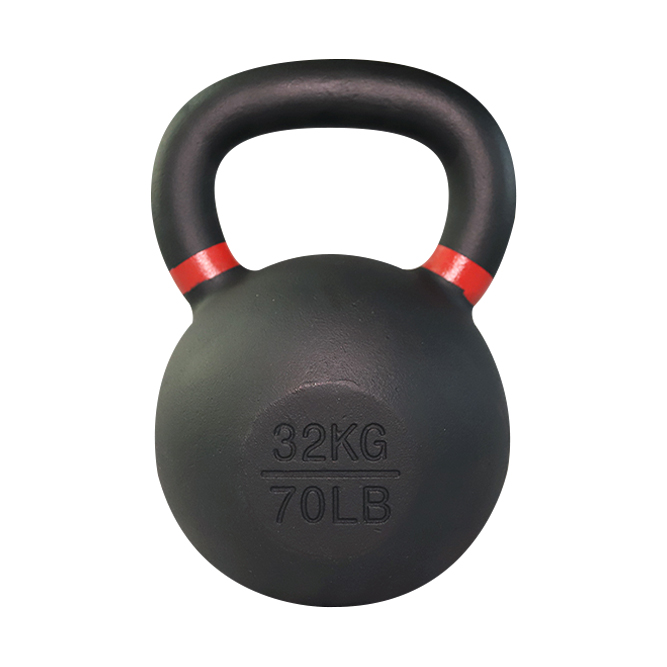
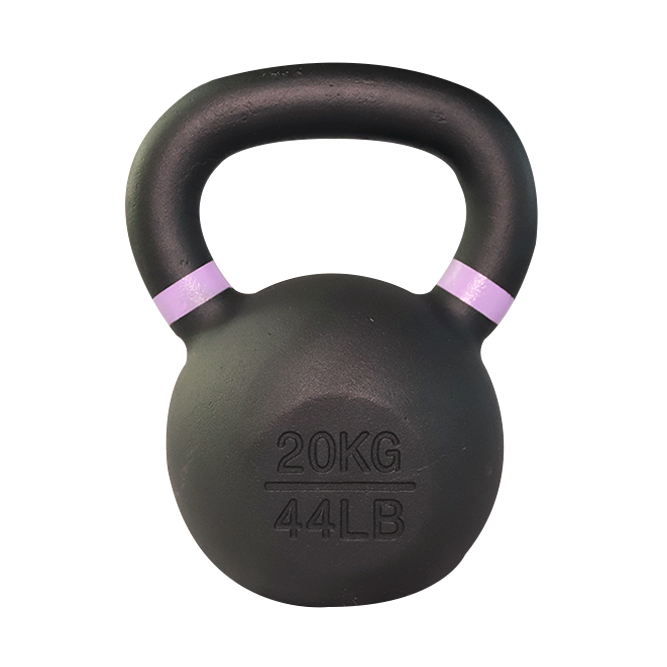
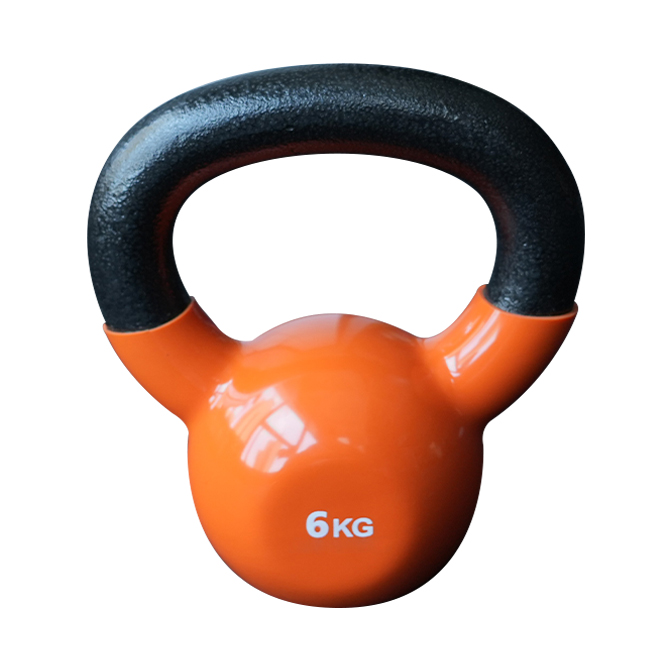
Beyond the base metal, the final surface treatment determines how the equipment performs in diverse commercial settings. For instance, a high-quality powder coating application is a standard requirement for most commercial-grade weights, providing a durable, textured layer that resists chipping during high-frequency use. In contrast, a PU coating or polyurethane finish offers a smoother, more premium tactile experience often preferred for boutique studio environments, though it may involve different sourcing considerations regarding long-term wear resistance and labor-intensive application processes.
The choice of finish also affects the maintenance load for your facility. While a simple phosphate treatment on bare iron is cost-effective for wholesale distribution, it requires more frequent oversight to prevent oxidation. Premium coatings, such as high-grade rubber or advanced polymer layers, are designed to protect both the equipment and the facility flooring, effectively reducing the long-term replacement frequency and improving the overall ROI for gym operators. When conducting a factory audit or reviewing samples, we recommend inspecting the coating adhesion and the consistency of the surface texture to ensure it meets your brand's quality standards.
Pre-Shipment QC and Export Standards for Global Distribution
A critical failure point for many importers is the discrepancy between sample approval and the actual bulk shipment. To protect your distributor margins, a professional casting manufacturer fitness equipment partner must implement a rigorous pre-shipment QC protocol. This process is not merely a final check but a multi-stage validation designed to ensure that every unit arriving at your warehouse meets the exact specifications promised during the OEM design phase. For high-volume importers, a single batch of inconsistent weights can lead to significant after-sales costs and damaged brand reputation.
During the final inspection stages, technical teams focus on several key verification points. First, a weight tolerance spot-check is conducted to ensure that the mass of each unit falls within the industry-standard deviation, preventing disputes over product accuracy. Second, the coating adhesion is tested to ensure the surface finish remains intact during transit and heavy use. Finally, the structural integrity of the handle and any junction points is visually and physically inspected to confirm there are no casting flaws or surface irregularities. By prioritizing these export standards, a reliable factory minimizes the risk of returns and ensures a smoother landed cost for the end-user.
When evaluating your next batch, we recommend requesting a detailed inspection report or arranging a third-party audit to verify these technical benchmarks. Whether you are managing a small studio order or a large-scale wholesale distribution contract, confirming the pre-shipment QC steps—including packaging durability and container loading stability—is essential for a successful long-term partnership.
Precision in Manufacturing: From Casting to Surface Finishing
For distributors and professional importers, the structural integrity of weight equipment depends entirely on the precision of the casting manufacturer fitness equipment workflow. High-volume procurement requires a standardized sequence that moves from raw material melting to final surface treatment to ensure every unit meets commercial-grade expectations. A reliable China factory typically follows a rigorous path of sand casting, machining, and multi-stage coating to minimize the risk of structural defects or coating failure in high-traffic environments.
The technical process begins with sand casting, where molten iron is poured into specialized molds to create the core shape of the equipment. This method is industry-standard for producing high-density, durable weights that can withstand the rigors of a commercial gym. Following the initial cast, the units undergo machining to refine critical dimensions and ensure concentricity. This stage is vital for maintaining weight accuracy and smooth handling, which directly impacts the long-term commercial durability and user experience of the product.
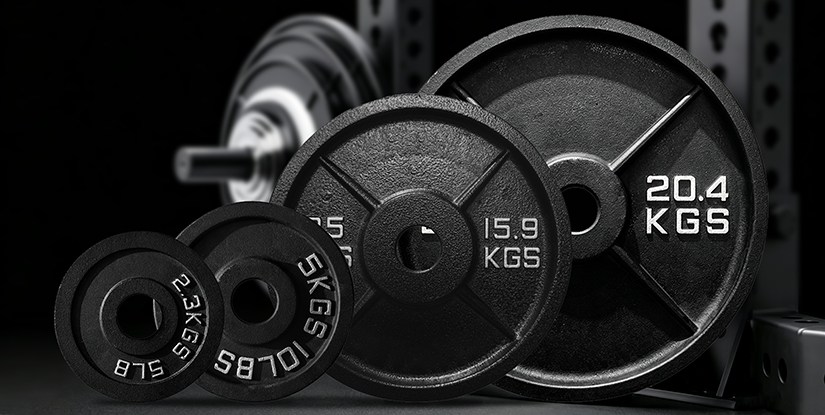
Once the structural form is verified, the surface finishing stage determines the product's longevity and aesthetic value. A professional OEM fitness equipment production line utilizes advanced powder coating applications to provide a resilient, high-impact layer that prevents oxidation and surface wear. This layer is essential for commercial weight casting products, as it protects the base metal from moisture and heavy usage. For buyers managing a large-scale rollout, selecting a manufacturer with a controlled coating environment ensures consistent color, texture, and adhesion across all bulk orders, reducing the total cost of ownership through decreased maintenance needs.
Technical Selection Matrix for Procurement Managers
Understanding the relationship between material selection and surface treatment is critical when evaluating a casting manufacturer fitness equipment for long-term distribution. The choice between raw finishes and advanced encapsulation directly affects the landed cost and the maintenance requirements for the end-user. For instance, while bare iron is cost-effective for budget-tier gym setups, it requires higher replacement planning due to oxidation risks. Conversely, premium coatings offer higher durability but may impact the initial wholesale price and MOQ requirements.
The following table provides a qualitative comparison to assist in your sourcing decisions, focusing on the trade-offs between durability, cost, and maintenance for different commercial environments.
| Material Type | Finishing Method | Commercial Duty Tier | Primary Benefit | Maintenance Load | Procurement Context |
|---|---|---|---|---|---|
| Cast Iron | Phosphate / Paint | Budget / Standard | Low initial cost | Moderate (rust prevention) | High-volume wholesale |
| Cast Iron | Powder Coating | Commercial / Premium | High impact resistance | Low (excellent adhesion) | Standard gym distribution |
| Steel / Iron | Rubber / PU Coating | Premium / High-End | Floor protection & noise reduction | Minimal (abrasion resistant) | Specialty studio / Boutique |
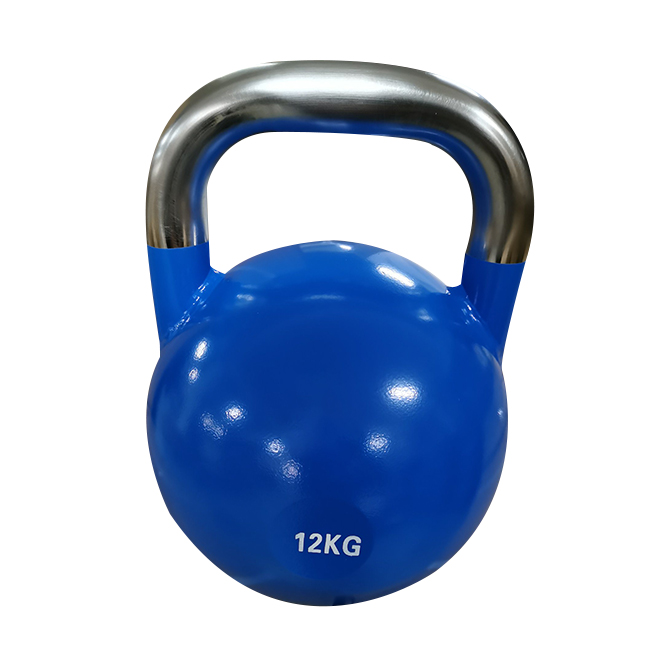
| Chrome-Manganese | Chrome Plating | Competition / Professional | Maximum precision & aesthetics | Very Low | Specialized training centers |
When managing large-scale orders, it is essential to verify the specific commercial weight casting standard with your supplier. A common failure mode in lower-tier production is poor coating adhesion, which leads to premature peeling under heavy use. We recommend requesting a sample evaluation or a technical spec sheet to confirm that the surface treatment is compatible with your target market's usage intensity. This ensures that your brand identity remains intact through consistent product appearance and reliable performance over the equipment's lifecycle.
For global distributors, the final stage of OEM fitness equipment production is not complete until the product passes rigorous pre-shipment protocols and is secured for long-distance transit. A professional China factory understands that a single defect in a bulk shipment can significantly impact your distributor margins and brand reputation. Therefore, the focus shifts from manufacturing precision to export-ready stability, ensuring that every unit arrives with the expected weight tolerance and surface integrity intact.
A critical component of the casting manufacturer fitness equipment workflow is the multi-stage QC inspection. Before any container is loaded, specialized teams perform spot-checks on weight calibration and surface adhesion. For high-volume commercial weight casting orders, we look beyond basic aesthetics to verify the structural soundness of the handles and the uniformity of the coating. This level of scrutiny ensures that your landed cost remains optimized by minimizing the need for replacement parts or after-sales claims due to shipping-induced damage.
Efficient sourcing also requires a clear understanding of lead time and export packaging capabilities. To protect heavy cast iron products during sea freight, we implement industrial-grade export packaging. This typically includes heavy-duty corrugated boxes, reinforced corner protectors, and palletization designed to withstand the rigors of container loading and maritime transport. For buyers managing complex supply chains, transparency regarding MOQ and production lead times is essential for accurate inventory planning and seasonal distribution cycles.
Whether you are looking for a single SKU or a diverse product range for a full-scale gym rollout, we recommend discussing your specific logistics requirements early in the procurement process. We invite professional buyers to request a formal quote, confirm the current MOQ for custom branding, or schedule a factory audit to verify our production standards firsthand. Contact us to secure your wholesale pricing and ensure your next bulk order meets the highest commercial-grade benchmarks.
China Factory QC Standards and Export Packaging Protocols
Maintaining consistent weight standards and protecting surface finishes is a primary concern for distributors sourcing from a casting manufacturer fitness equipment. A single batch of unevenly weighted or poorly coated units can significantly increase your landed cost through replacement claims and damaged distributor margins. To mitigate these risks, a professional China factory must implement rigorous inspection protocols that extend beyond the initial casting phase.
For high-volume commercial weight casting, the QC process typically begins with weight tolerance spot-checks and concentricity verification to ensure every unit meets the specified commercial grade. Once the physical dimensions are validated, the focus shifts to the surface integrity of the OEM fitness equipment production. This includes checking the adhesion of the powder coating or any encapsulation layer to prevent chipping during transit. A reliable supplier will also inspect the handle texture and the smoothness of the junction points to ensure no sharp edges remain.
Effective export packaging is the final defense against logistics-related damage. For bulk wholesale orders, factory standards usually involve heavy-duty corrugated boxes and reinforced palletizing to stabilize the load within a shipping container. Proper stacking protocols and moisture-resistant liners are essential when shipping heavy cast products to prevent rust or structural deformation. By prioritizing these pre-shipment steps, importers can ensure that their MOQ-level orders arrive in a condition that is ready for immediate retail or commercial deployment, thereby protecting their long-term ROI.
Inspection Benchmarks and Shipping Durability
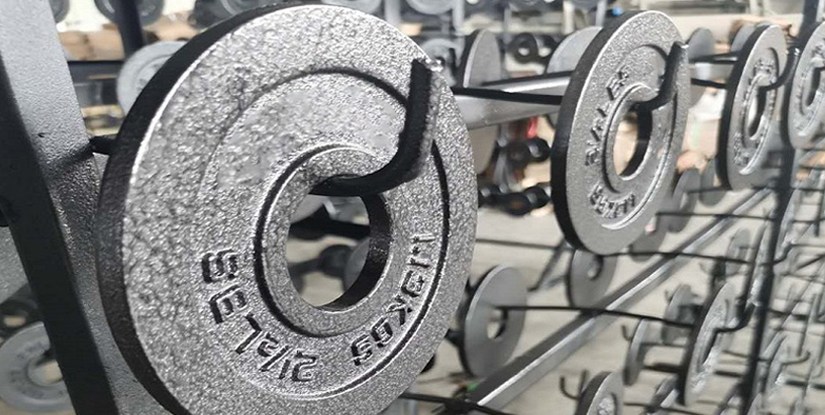
A professional procurement checklist for a casting manufacturer fitness equipment must prioritize physical consistency and structural integrity. During the final stage of OEM fitness equipment production, experienced buyers often request a pre-shipment inspection to verify specific technical benchmarks that directly impact long-term durability and client satisfaction.
| Inspection Category | Technical Focus | Commercial Duty Level | Typical QC Point |
|---|---|---|---|
| Weight Accuracy | Mass consistency across the batch | Premium/Competition | Random sample spot-check |
| Surface Finish | Coating adhesion and texture | Commercial/Standard | Visual and touch inspection |
| Structural Integrity | Handle-to-body junction smoothness | All Commercial Tiers | Edge deburring verification |
| Packaging Strength | Load stability and moisture resistance | Bulk/Wholesale Export | Pallet stacking test |
When managing bulk orders, the risk of transit-related damage increases with volume. A competent supplier will utilize specialized export-grade packaging designed for heavy cast materials. This involves using high-density corrugated dividers and reinforced outer cartons to ensure shipping safety during long-haul maritime transport. For distributors, ensuring that the factory utilizes moisture-resistant liners and standardized pallet dimensions is vital to optimizing container space and reducing the total landed cost. We recommend confirming these packaging specifications during your initial sourcing consultation to ensure your inventory arrives ready for immediate commercial deployment.
OEM and Private Label Capabilities for Global Distributors
For international distributors and gym equipment importers, securing a reliable casting manufacturer fitness equipment partner is about more than just sourcing individual units; it is about building a scalable brand. High-tier OEM services allow you to transition from a simple reseller to a recognized brand owner by integrating your unique identity into the production line. This strategic move helps maximize your distributor margin by reducing reliance on generic, unbranded stock and increasing the perceived value of your catalog.
The scope for customization extends far beyond simple logo placement. A professional factory can accommodate diverse requirements for commercial weight casting, including specialized handle textures, specific weight increments, and unique color palettes for powder coating. Whether you are looking for a private label solution for a boutique studio line or a high-volume wholesale order for a global retail chain, the ability to control the aesthetic and functional specifications is vital. While a higher MOQ may be required for highly specialized molds, the long-term benefit is a differentiated product offering that stands out in a crowded commercial market.
Customization Tiers and Material Specifications
When evaluating a casting manufacturer fitness equipment, procurement professionals must distinguish between standard stock items and high-spec custom orders. The choice between basic cast iron and premium finishes directly impacts the total cost of ownership (TCO) and the maintenance requirements for the end-user. For example, while a standard phosphate treatment is cost-effective for high-volume distribution, a high-grade powder coating provides superior durability against oxidation in humid commercial environments, justifying the slight increase in landed cost.
For distributors focusing on premium studio equipment, PU coating (polyurethane) offers a high-end aesthetic and enhanced floor protection, which can be a significant selling point for boutique fitness brands. Below is a comparison of common material and finish configurations used in OEM fitness equipment production to assist in your sourcing strategy.
| Material Base | Surface Finishing | Commercial Duty Tier | Typical Use Case | Procurement Impact |
|---|---|---|---|---|
| Gray Cast Iron | Paint / Enamel | Budget / Entry-Level | General Commercial Gyms | Lowest MOQ and unit cost |
| Cast Iron | Powder Coating | Standard Commercial | Full-Service Fitness Centers | Balanced durability and margin |
| Cast Iron / Steel | PU Coating | Premium / Boutique | High-End Studios / Home Gyms | Higher factory spec requirements |
| Solid Steel | Chrome Finish | Competition / Elite | Professional Training Facilities | Strict weight tolerance monitoring |
Understanding these variables allows you to align your sourcing decisions with your target market's expectations. If your goal is to provide high-durability equipment for heavy-use environments, opting for a factory-direct solution that includes multi-stage surface finishing will reduce long-term replacement costs and improve your reputation as a reliable supplier. We recommend requesting a sample evaluation or a detailed specification sheet to confirm how specific finishes meet your brand's quality standards before finalizing bulk orders.
Optimizing Your Sourcing Strategy and Total Landed Cost
For professional distributors and gym equipment importers, understanding the relationship between a casting manufacturer fitness equipment and the final total landed cost is critical for maintaining healthy margins. Sourcing directly from a China factory allows for significant cost advantages, but these must be balanced against the long-term expenses of maintenance and replacement caused by poor material quality.
When selecting a supplier for high-volume orders, the focus should remain on how material selection impacts the lifecycle of the product. For instance, choosing high-grade commercial weight casting with superior surface finishing reduces the frequency of rust-related returns and surface degradation. While lower-tier options might offer a lower initial invoice price, the true cost includes the increased labor required for upkeep and the diminished brand reputation caused by premature wear. By prioritizing a casting manufacturer fitness equipment specialist that utilizes consistent commercial weight casting processes, buyers can ensure higher durability and lower long-term maintenance overhead, ultimately protecting their wholesale profitability and investment.
Comparison of Casting and Coating Specifications for Commercial Orders
Selecting the appropriate finish for your inventory involves balancing durability requirements against the MOQ and budget constraints of your specific market. For large-scale OEM fitness equipment production, the choice between traditional sand casting and advanced coating methods directly affects the product's lifespan in high-traffic environments.
| Material & Process | Key Component/Detail | Commercial Duty Tier | Typical Application | MOQ Impact | Factory QC Point |
|---|---|---|---|---|---|
| Sand Casting + Powder Coating | Handle Texture & Surface Smoothness | Standard Commercial | General Gyms & Studios | Lower (Standardized) | Coating Adhesion & Base Flatness |
| Sand Casting + PU Coating | Encapsulation Layer Integrity | Premium Commercial | High-End Fitness Centers | Moderate (Custom Color) | Layer Uniformity & Thickness |
| Precision Casting + Chrome Finish | Knurling Precision & Grip | Competition/Elite | Professional Training | Higher (Specialized) | Concentricity & Surface Polish |
| Cast Iron + Rubber Coating | Impact Resistance & Floor Protection | High-Impact/Functional | CrossFit & Weight Rooms | Variable (Material Sourcing) | Bonding Strength & Weight Tolerance |
When evaluating a casting manufacturer fitness equipment partner, it is essential to confirm how these processes integrate with your private label or brand identity requirements. A professional supplier will provide clear documentation regarding the production sequence—from the initial casting stage through to the final coating and pre-shipment inspection—to ensure your wholesale shipment meets international commercial standards. We recommend requesting a detailed specification sheet or a sample evaluation to confirm that the coating adhesion and component tolerances align with your distributor quality expectations before finalizing your bulk order.
Pre-Shipment QC and Logistics Optimization for Global Distribution
A critical failure point in international wholesale procurement is the gap between factory exit and final arrival. To protect your margins, a professional casting manufacturer fitness equipment partner must implement a rigorous pre-shipment QC protocol. This goes beyond basic visual checks; it involves verifying weight tolerance, ensuring handle texture consistency, and confirming base flatness across the entire batch. For bulk orders, these technical details prevent the high cost of receiving defective or non-compliant stock at your local warehouse.
Effective OEM fitness equipment production also requires optimized export packaging and logistics planning to manage the landed cost. High-density casting products require reinforced packaging to prevent damage during sea freight and to ensure container loading efficiency. We advise distributors to coordinate closely with the factory regarding lead time and container volume to minimize storage fees and optimize shipping schedules. By focusing on these logistical details and strict QC, you can maintain a competitive edge in your local market while ensuring the high-quality standards your clients expect.