Steel Kettlebell China Manufacturer: Material and Sourcing
Steel Kettlebell China Manufacturer: Material and Sourcing Fundamentals
Selecting a reliable steel kettlebell China manufacturer requires a rigorous evaluation of three critical procurement pillars: material integrity, technical specification alignment, and logistical reliability. For distributors and gym equipment importers, the primary risk involves sourcing units that suffer from premature coating failure or weight inconsistencies, which directly increases the long-term TCO. A professional sourcing strategy must move beyond initial unit costs to account for the durability of the casting and the precision of the surface finish to ensure long-term product viability in high-traffic commercial environments.
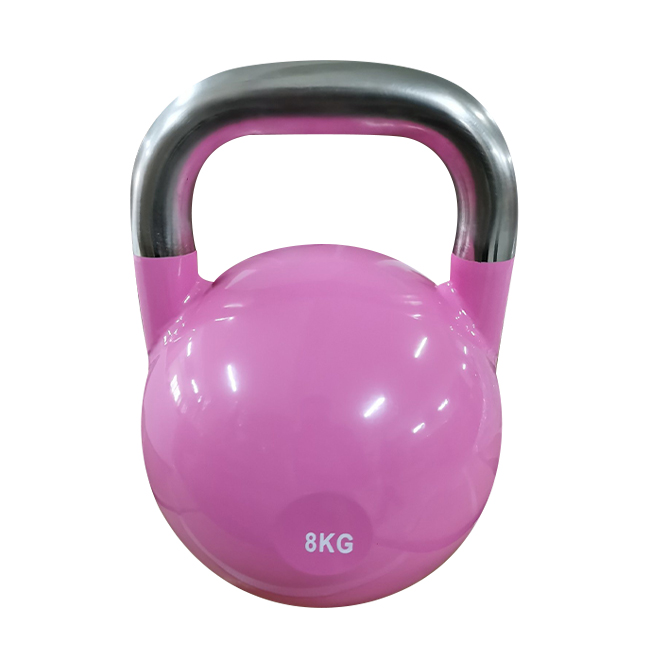
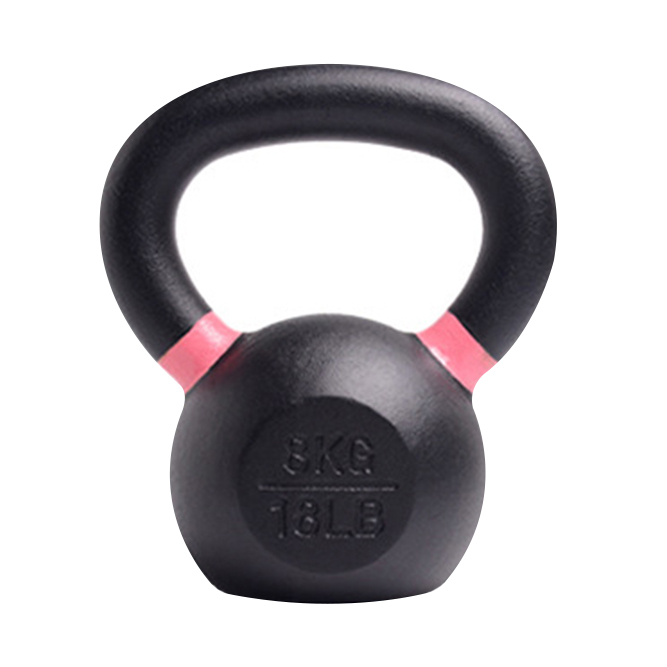
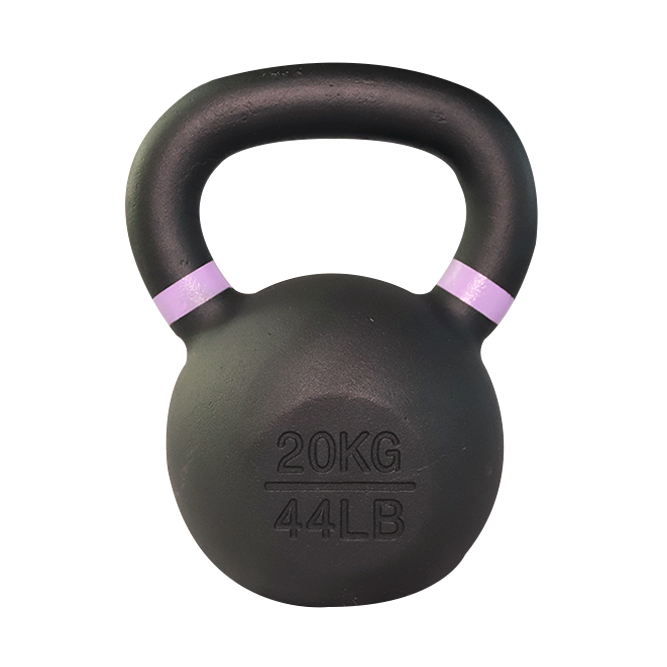
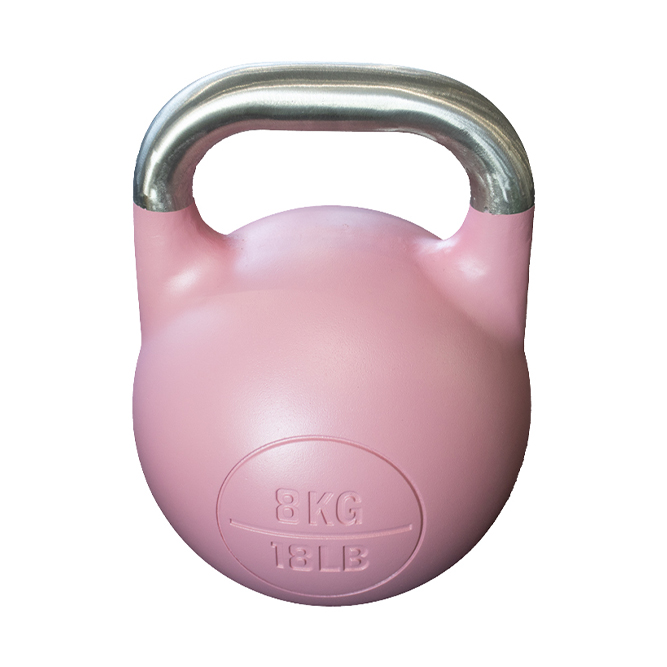
When evaluating wholesale iron kettlebells, the distinction between budget-grade and professional-grade materials determines the replacement cycle of your inventory. Most commercial-grade units utilize high-quality cast iron or solid steel to ensure a consistent center of gravity and structural density. While cast iron remains the industry standard for durability and cost-efficiency in bulk orders, premium distributors often seek specialized finishes such as powder coating or PU encapsulation to enhance the user experience and protect the base metal from oxidation during long-term storage or high-humidity usage.
The choice between a standard commercial steel kettlebell supplier and a specialized China kettlebell factory OEM often hinges on the level of customization available for your brand identity. A specialized factory can provide advanced surface treatments—such as high-adhesion powder coating or specialized knurling depths—that differentiate your product line from generic market offerings. Understanding these material nuances allows importers to better manage their landed cost while maintaining high standards for their end-users.
Manufacturing Processes and Durability Comparison
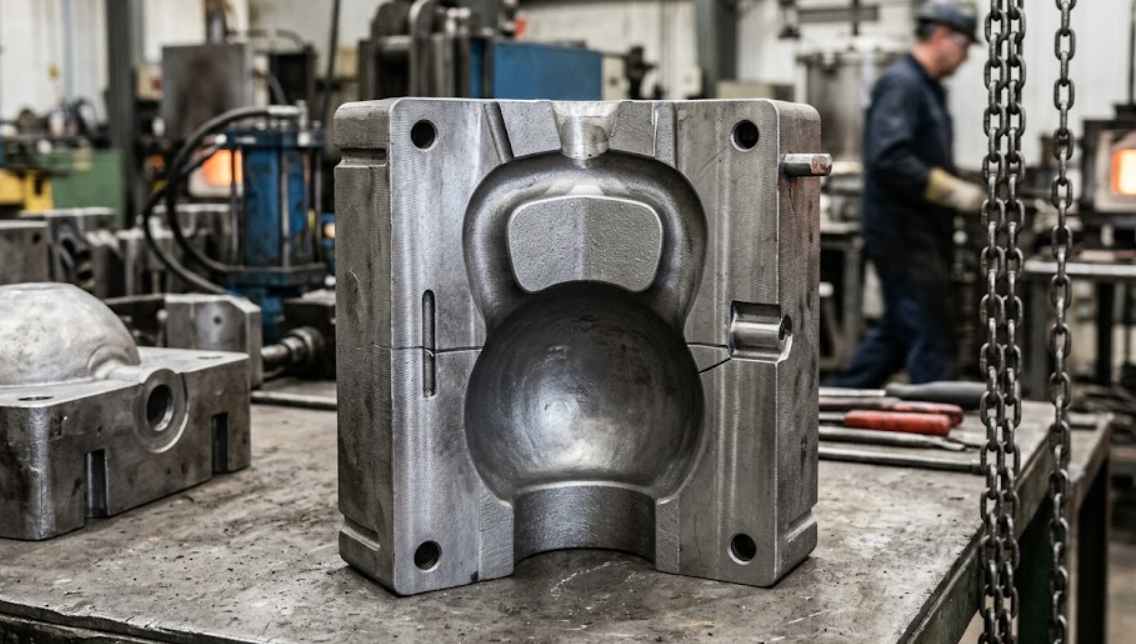
The technical distinction between production methods significantly impacts the long-term value of your inventory. For professional buyers, understanding whether a unit is produced via traditional sand casting or advanced molding techniques is essential for assessing the durability of the handle-to-body junction and the longevity of the surface finish. A professional steel kettlebell China manufacturer will typically implement a multi-stage manufacturing process—beginning with casting, followed by precision machining of the handle, and concluding with a high-grade coating application—to ensure the product meets commercial-grade expectations.
In high-volume procurement, the method of surface finishing is a primary driver of both aesthetic quality and maintenance requirements. While bare iron is common for budget-tier orders, a premium China kettlebell factory OEM will offer advanced options like powder coating or PU encapsulation. These processes are critical for preventing oxidation and ensuring the coating adhesion remains intact during heavy use, thereby reducing the rate of returns and increasing the product's lifespan in a commercial gym setting.
| Material Tier | Manufacturing Process | Key Component Focus | Commercial Duty | MOQ Impact | Factory QC Point |
|---|---|---|---|---|---|
| Cast Iron | Sand Casting | Base Flatness | Standard Commercial | Lower | Weight Tolerance |
| Steel / Iron | Machining & Powder Coating | Handle Texture | Premium Commercial | Moderate | Coating Adhesion |
| High-Grade Steel | CNC Machining & PU/Rubber Coating | Handle-to-Body Junction | Elite / Competition | Higher | Concentricity Check |
When finalizing your sourcing plan, it is vital to confirm the specific QC protocols used for weight calibration and surface integrity. A reputable supplier will provide transparency regarding their weight tolerance bands and the thickness of the coating layer. Before proceeding with a bulk order, we recommend requesting a sample to evaluate the handle grip comfort and the durability of the finish to ensure it aligns with your brand's quality standards and target market positioning.
Evaluating Material Durability: Cast Iron vs. Steel Options
When sourcing for high-traffic facilities, understanding the Total Cost of Ownership (TCO) is more critical than initial unit price. A professional steel kettlebell China manufacturer provides various material configurations that impact long-term replacement cycles and maintenance overhead. For distributors and gym owners, the choice between cast iron and solid steel involves balancing upfront procurement costs against the long-term durability required for heavy commercial use.
Selecting the wrong material can lead to rapid surface degradation or weight imbalances, increasing your replacement frequency. Whether you are managing a boutique studio or a large-scale distribution network, evaluating the structural integrity of wholesale iron kettlebells ensures your inventory maintains its value over time. A reliable commercial steel kettlebell supplier will offer clear distinctions between casting methods and surface treatments to help you optimize your landed cost and product longevity.
| Material Tier | Primary Process | Commercial Duty | TCO Profile | Sourcing Context |
|---|---|---|---|---|
| Cast Iron | Sand casting | Standard Commercial | Low initial cost; moderate maintenance | High volume wholesale |
| Solid Steel | Machining/Forging | Premium/Competition | Higher initial cost; extremely low maintenance | Specialized OEM orders |
| Steel with Coating | Powder coating | High-End Commercial | Balanced cost; high aesthetic longevity | Custom private label |
From a sourcing perspective, the distinction between a single-piece sand casting and a precision-machined steel unit dictates your target market. While sand casting is the industry standard for general commercial fitness, specialized China kettlebell factory OEM services can provide advanced surface finishes like high-grade powder coating to prevent oxidation in humid environments. This technical differentiation allows importers to align their product catalog with specific client needs, from budget-friendly gym setups to high-end performance centers.
To maximize your return on investment, procurement managers must look beyond the unit price and evaluate how material selection affects the long-term maintenance load. For example, while standard cast iron is highly cost-effective for mass-market distribution, it may require more frequent surface inspections compared to precision-machined steel options. A professional steel kettlebell China manufacturer can assist in selecting the optimal material profile based on your specific target market and the expected usage intensity of the end-user facility.
When finalizing your procurement plan, we recommend requesting a technical specification sheet to verify the coating adhesion and handle texture consistency. If your business model relies on high-turnover retail or budget-conscious gym chains, the high-volume production capabilities of a China kettlebell factory OEM ensure you can maintain a diverse inventory without compromising on fundamental structural integrity. Contact our team to discuss your specific requirements, confirm current MOQ tiers, or request a sample for quality evaluation before placing a bulk order.
Optimizing your procurement strategy requires a deep dive into how manufacturing precision affects long-term reliability. A reputable factory will implement a rigorous production sequence—moving from casting or forging through CNC machining to final surface treatment—to ensure every unit meets commercial standards. For high-volume distributors, the goal is to minimize the landed cost of defects and returns by selecting a supplier that prioritizes consistency in weight tolerance and structural integrity.
Manufacturing Precision and Quality Control Standards
The difference in value between a budget unit and a premium commercial product often lies in the technical execution of the manufacturing process. While sand casting is a common route for mass production, a specialized China kettlebell factory OEM will focus on critical checkpoints such as weight calibration and concentricity to ensure the center of gravity remains stable. High-quality production involves a sequence of machining and surface finishing to eliminate the rough edges or structural inconsistencies that often plague lower-tier imports.
Beyond the core shape, professional buyers must evaluate the quality of the surface finish and coating adhesion. Whether you are sourcing units with a standard paint finish or a more durable powder coating, the attachment of the layer to the base metal is vital for preventing rust and peeling in high-usage environments. During the pre-shipment QC phase, a professional manufacturer should perform spot checks on the handle-to-body junction and the consistency of the knurling to ensure the grip remains functional and safe for the end-user.
To ensure your bulk order meets your brand identity requirements, we suggest a structured inspection process. Before finalizing your shipment, you should confirm the weight tolerance band and request details on the surface treatment methods used. If you are planning a large-scale distribution or a private label launch, please contact us to discuss your specific technical requirements, confirm the current MOQ for customized finishes, or arrange a sample evaluation to verify the build quality firsthand.
Manufacturing Processes and Surface Finishing Standards
Reliable production workflows are essential when sourcing from a steel kettlebell China manufacturer to ensure every unit meets commercial-grade standards. For high-volume distributors, understanding the transition from raw casting to the final finish is critical for managing long-term replacement costs and maintaining product consistency across large batches.
The standard production sequence typically begins with sand casting to create the primary bell shape, followed by precision machining to refine the handle and body dimensions. A critical step in this sequence is weight calibration, where each unit is checked against standard weight bands to ensure accuracy before moving to the finishing stage. For a commercial steel kettlebell supplier, maintaining tight control over these mechanical steps prevents the high return rates often seen with lower-tier wholesale iron kettlebells.
Essential Production Stages for Commercial Durability
The durability of a kettlebell is largely determined by the integrity of its surface treatment and the quality of the casting. In many commercial settings, a high-quality China kettlebell factory OEM will utilize a multi-stage process to ensure the coating does not chip or peel during heavy use. This is especially important for maintaining the aesthetic value of a gym's inventory and reducing the maintenance load for the end-user.
A common industry-standard workflow involves a phosphate treatment to prepare the iron surface, followed by a high-durability powder coating application. This process ensures excellent coating adhesion, which is a vital point for any factory to verify during pre-shipment QC. For buyers focusing on premium commercial-grade equipment, selecting a process that includes a robust powder coating or a thick PU encapsulation will significantly improve the product's lifecycle and overall TCO.
| Material Type | Primary Process | Surface Finish | Commercial Duty | MOQ Impact | Factory QC Point |
|---|---|---|---|---|---|
| Cast Iron | Sand Casting | Powder Coating | Standard Commercial | Lower | Coating Adhesion |
| Ductile Iron | Centrifugal Casting | PU/Rubber Coating | Premium/High-Impact | Higher | Encapsulation Integrity |
| Solid Steel | Machining | Chrome Finish | Competition/Studio | Moderate | Weight Tolerance |
Evaluating the specific finishing methods is a vital part of the procurement process. The choice between a standard metal finish and a specialized coating directly influences the total cost of ownership (TCO) for gym operators. For instance, while a basic finish might offer a lower initial landed cost, it may lead to higher maintenance costs due to surface oxidation or chipping in high-traffic environments.
When evaluating your next batch, consider how the coating interacts with the metal substrate. A professional steel kettlebell China manufacturer will often include a phosphate treatment to create a microscopic texture that improves the bond between the iron and the finish. This step is essential for ensuring long-term coating adhesion, preventing the common failure mode where paint flakes off during heavy use. For distributors, this translates to fewer customer complaints and a more reliable brand reputation.
For high-end studio environments where floor protection and grip consistency are priorities, opting for a PU coating or a specialized rubber encapsulation is often the preferred route. While these options may involve a higher MOQ or slightly different lead times, the resulting product offers superior durability and a more premium tactile experience. We recommend that buyers request a sample evaluation to check the thickness and texture of the coating before committing to large-scale wholesale orders.
Final Inspection and Export Standards
The final stage of production is arguably the most critical for ensuring the reliability of your bulk shipment. Before any product leaves the facility, a rigorous pre-shipment QC protocol must be executed to identify defects that could lead to high return rates or client dissatisfaction. A professional steel kettlebell China manufacturer will prioritize several specific inspection points to protect the distributor's margin and ensure the product meets international commercial standards.
One essential check involves a coating adhesion test to ensure the surface treatment—whether powder coating or PU—is properly bonded to the iron. In high-traffic gym environments, poor adhesion leads to unsightly chipping, which can damage a brand's reputation. Additionally, inspectors must verify the handle texture and knurling consistency. A uniform handle provides a predictable grip, which is a non-negotiable requirement for professional studio operators and commercial gym owners.
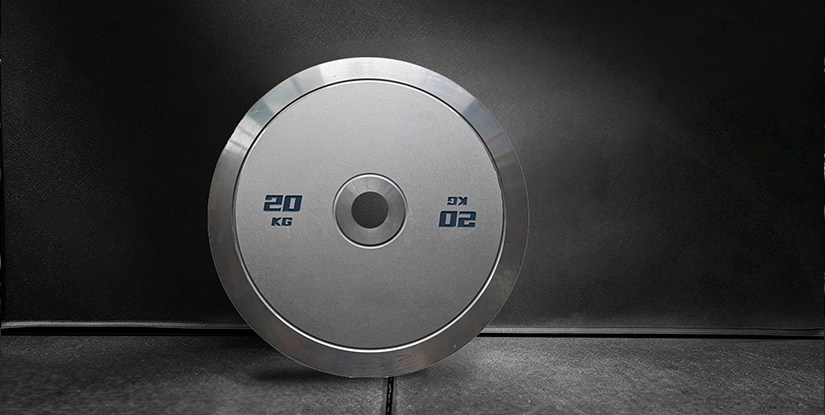
Weight tolerance is another critical metric during the final audit. Every unit in a wholesale order must fall within the acceptable weight band to ensure consistency across the entire set. Discrepancies in weight can lead to significant issues for professional trainers and facility managers who rely on precision. Furthermore, a reliable China kettlebell factory OEM will perform a final inspection of the base flatness and handle-to-body junction to ensure there are no structural weak points.
Finally, the integrity of the export packaging determines the landed cost efficiency of your shipment. To prevent damage during sea freight, heavy kettlebells should be secured in reinforced, moisture-resistant cartons that can withstand stacking in a shipping container. We recommend that procurement leads confirm the specific export packaging standards with their supplier to ensure that the goods arrive in optimal condition, minimizing the risk of transit-related losses or replacement requests.
Critical Quality Control Points for Bulk Imports
Maintaining consistent standards is the primary challenge when managing large-scale procurement from a steel kettlebell China manufacturer. For distributors and gym chains, the transition from raw casting to final surface finishing represents the most critical window for ensuring long-term commercial durability. A failure to implement rigorous pre-shipment inspection protocols can result in high return rates due to coating chips, uneven weight distribution, or handle irregularities.
To protect your margins and ensure product longevity, professional buyers must verify that the China kettlebell factory OEM processes include specific checkpoints for weight accuracy and surface integrity. Relying on a commercial steel kettlebell supplier that offers transparent inspection reports for wholesale iron kettlebells is essential for reducing the total cost of ownership and minimizing replacement cycles in high-traffic environments.
Essential Inspection Benchmarks for Bulk Orders
When conducting a factory audit or reviewing third-party inspection reports, focus on the following technical dimensions to ensure the batch meets commercial-grade specifications:
- Weight Tolerance Verification: Confirm that the factory utilizes calibrated scales to ensure each unit stays within the industry-standard weight band.
- Coating Adhesion: Inspect the surface finishing to ensure the powder coating or plating is uniform and resistant to chipping during impact.
- Handle Geometry: Verify the concentricity of the handle and the consistency of the knurling texture for a professional grip.
- Base Flatness: Ensure the casting bottom is level to prevent wobbling or uneven wear on gym flooring.
For high-volume sourcing, we recommend requesting a sample approval batch that undergoes a full pre-shipment inspection to validate these specific metrics before the final FOB or CIF shipment is released.
Technical Comparison of Manufacturing Standards and Procurement Impact
Selecting the correct production tier is a strategic decision that affects both your initial landed cost and the long-term replacement frequency. When negotiating with a steel kettlebell China manufacturer, understanding the relationship between the casting method and the final finish is vital for managing distributor margins. A high-quality commercial steel kettlebell supplier will provide clear distinctions between production lines to help you align your inventory with specific market segments, whether you are targeting budget-friendly studios or premium fitness centers.
The following table provides a qualitative comparison to assist in your sourcing decisions, highlighting how different manufacturing approaches impact MOQ and overall product lifecycle. For those pursuing wholesale iron kettlebells for high-traffic commercial use, the choice of coating type and casting precision will directly dictate the durability of the brand identity you are building through your private label.
| Material & Process Tier | Casting Method | Coating Type | Commercial Grade | MOQ Impact | Factory QC Point |
|---|---|---|---|---|---|
| Standard Commercial | Sand Casting | Basic Paint / Enamel | Budget / Entry-Level | Lower MOQ | Surface Smoothness |
| Professional Grade | Sand Casting | Powder Coating | Mid-Tier Commercial | Moderate MOQ | Coating Adhesion |
| Premium / Competition | Precision Die Casting | PU or Rubber Encapsulation | High-End / Studio | Higher MOQ | Weight Tolerance & Handle Junction |
When evaluating a China kettlebell factory OEM proposal, always request detailed specifications regarding the casting density and the coating application method. For bulk wholesale orders, we advise confirming if the factory can provide specific QC documentation for the handle-to-body junction and weight calibration to ensure your shipment meets the expected quality standards upon arrival.
Export Packaging and Logistics Optimization
The final stage of the procurement process is often the most overlooked by importers, yet it is where the highest risk of landed cost increases occurs. A professional China kettlebell factory OEM must prioritize specialized export packaging to protect the integrity of the product during long-distance maritime transit. Even a high-quality commercial steel kettlebell supplier cannot mitigate the damage caused by inadequate protection against moisture, salt air, or physical impact within a shipping container.
To minimize the risk of surface oxidation or structural damage, ensure your sourcing requirements include robust, logistics-ready packaging standards. For wholesale iron kettlebells, this typically involves heavy-duty corrugated boxes, reinforced corner protectors, and moisture-absorbent desiccant packs to prevent rust during sea freight. Utilizing standardized palletizing and shrink-wrapping protocols ensures that your bulk order remains stable, reducing the likelihood of breakage and ensuring that the shipping safety of your entire shipment is maintained from the factory to your local warehouse.
When finalizing your MOQ and lead time, confirm that the factory uses high-density packaging suitable for high-volume sea freight. This attention to detail in the final QC and packing phase is essential for maintaining your distributor margins and ensuring that the product arrives in a condition that meets your brand's quality expectations.
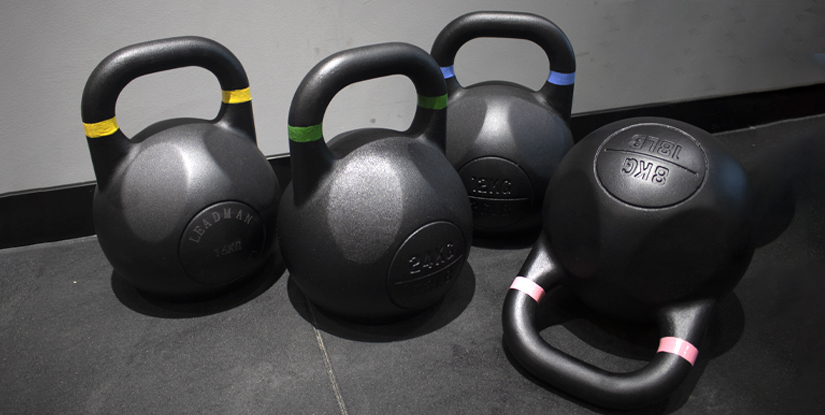
OEM and Private Label Capabilities for Global Distributors
Distributors and large-scale gym operators often face the challenge of maintaining a unique market presence while managing high procurement volumes. Relying on generic stock can dilute your brand identity and limit your ability to cater to specific high-end commercial requirements. Partnering with a professional steel kettlebell China manufacturer allows you to transition from a mere reseller to a branded provider through structured OEM and ODM solutions. This strategic move optimizes your landed cost by consolidating diverse product lines into a single production source.
A specialized China kettlebell factory provides the technical infrastructure required to move beyond standard inventory. Whether you are looking to establish a private label line for a boutique studio chain or require custom branding for a global distribution network, the scope of customization is extensive. Professional sourcing through a direct factory ensures that your specific product requirements are met during the initial casting and coating stages, rather than through superficial after-market additions.
Customization Scope for Commercial Distribution
To maintain competitive margins, distributors must balance customization depth with MOQ constraints. A professional commercial steel kettlebell supplier typically offers three primary layers of customization to ensure your product line meets both aesthetic and functional market demands:
- Branding and Aesthetics: Beyond simple logo etching or sandblasting, high-tier ODM services allow for integrated brand identity, such as custom color-coded powder coating or specialized handle textures that align with your brand's premium positioning.
- Weight and Specification Management: Instead of standard retail increments, a wholesale partner can facilitate specific weight increments tailored to professional strength and conditioning programs, ensuring your inventory meets the exact needs of commercial clients.
- Surface Finish and Durability: You can specify the exact surface finish customization required for your target environment, such as choosing between a high-adhesion powder coating for durability or a PU coating for improved grip and floor protection.
By leveraging these OEM capabilities, importers can mitigate the risk of carrying slow-moving, generic stock and instead build a specialized catalog that justifies premium pricing in their local markets.
| Customization Tier | Scope of Modification | Typical MOQ | Lead Time Impact | Commercial Utility |
|---|---|---|---|---|
| Standard Wholesale | Existing molds, standard colors, and stock weight increments. | Low | Minimal | Fastest way to stock basic inventory for general retail or budget gyms. |
| Basic Private Label | Standard products with custom logo etching or color-coded powder coating. | Medium | Standard | Ideal for distributors building a consistent brand identity for a mid-tier line. |
| Full Customization | Custom mold shapes, specialized handle textures, and unique material coatings. | High | Extended | Best for premium brands requiring highly specialized, professional-grade equipment. |
Selecting the correct level of service from a steel kettlebell China manufacturer depends on your long-term inventory strategy and target market positioning. For distributors focused on rapid turnover, standard wholesale iron kettlebells offer the most efficient path to market with the lowest MOQ and fastest delivery. However, for those aiming to capture the premium segment, investing in ODM services allows for a more distinctive product that differentiates your catalog from generic competition.
Before finalizing your next procurement order, we recommend requesting a detailed spec sheet or a sample evaluation to confirm that the customized coating or handle texture meets your quality standards. Contact our team to discuss your specific MOQ requirements, bulk pricing tiers, or to begin the process of developing your own custom branded product line.
Technical Execution of Custom Orders and QC Standards
For professional importers, the risk of custom branding lies in the failure of secondary processes. A common pain point in sourcing customized steel equipment is the degradation of aesthetics under heavy use—such as peeling paint or fading logos. To mitigate this, a high-tier China kettlebell factory OEM integrates branding directly into the manufacturing workflow. Instead of applying surface-level stickers, professional ODM processes often utilize precision sandblasting or laser etching on the cast surface before the final coating application to ensure permanent brand visibility.
Quality control (QC) for custom orders must extend beyond basic weight checks to include specialized durability tests. For example, when a commercial steel kettlebell supplier provides customized powder coating, the factory must verify logo adhesion and coating thickness to prevent chipping during high-impact commercial training. Furthermore, rigorous weight tolerance monitoring is essential during the casting and machining stages to ensure that custom-branded units meet the exact specifications required for professional strength and conditioning environments. Finally, to protect the integrity of your branded products during long-distance transit, specialized export packaging—including reinforced corner protection and moisture-resistant wrapping—is a mandatory standard to ensure your shipment arrives in retail-ready condition, protecting your distributor margins and reducing the landed cost of damaged goods.
Logistics and Export Packaging for High-Volume Orders
Optimizing the total landed cost requires more than just negotiating a lower unit price; it requires a strategic approach to how goods arrive at your warehouse. For professional importers and distributors, the relationship between protective standards and shipping efficiency is critical. When sourcing from a steel kettlebell China manufacturer, the quality of the secondary and tertiary packaging directly impacts your final margins by reducing the frequency of unsellable, damaged units upon arrival.
The high density and weight of iron products make them susceptible to impact damage during long-distance sea freight. Without rigorous export packaging protocols, even high-quality products can suffer from coating chips, dented handles, or broken weight tolerances due to shifting in a container. To ensure damage prevention, a professional China factory must implement a standardized loading sequence that prioritizes structural integrity over simple volume filling.
For bulk orders, standard retail boxing is insufficient. A reliable commercial steel kettlebell supplier will utilize heavy-duty cartons designed to withstand stacking pressure. Furthermore, advanced palletization—including the use of corner protectors, shrink wrapping, and heavy-duty strapping—is essential to stabilize the load. This systematic approach to logistics ensures that your wholesale iron kettlebells arrive in a condition that meets commercial-grade expectations, protecting your investment and your distributor reputation.
Optimizing Shipping Methods and Landed Cost Efficiency
Professional procurement managers must evaluate the trade-offs between speed and budget when coordinating large-scale shipments. Depending on your inventory turnover requirements and current market demand, selecting the appropriate logistics model is vital for maintaining a healthy bottom line. A qualified China kettlebell factory OEM will provide data-driven guidance on how different shipping volumes affect your total landed cost, ensuring that your capital is not unnecessarily tied up in shipping overhead or excessive air freight costs.
The following table compares the three most common shipping configurations used by a professional supplier to help you determine the best fit for your distribution model:
| Shipping Method | Typical Use Case | Packaging Requirement | Logistics Advantage | Cost Impact |
|---|---|---|---|---|
| Sea Freight (LCL/FCL) | Large-scale inventory replenishment | Standardized palletized shipping with heavy-duty strapping | Highest volume efficiency for bulk shipments | Lowest cost per unit for high-volume orders |
| Air Freight | Urgent restock of high-demand SKUs | Enhanced protective layers and reinforced outer cartons | Fastest delivery for time-sensitive market needs | Highest cost; primarily for low-weight/high-value items |
| Express Courier | Sample evaluation and small test batches | Individual protective layers and high-durability boxes | Maximum flexibility for small-scale testing | Variable; depends heavily on total weight |
To minimize damage during transit, ensure your chosen factory utilizes multiple protective layers, such as edge protectors and high-density foam, to prevent friction between units. For large-scale container loading, we recommend requesting a loading plan from your manufacturer to verify that the weight distribution is optimized for stability. This level of detail in the sourcing process helps prevent the common pitfall of high breakage rates during long-distance ocean transit, ultimately protecting your distributor margins.
Pre-Shipment Inspection and QC Benchmarks
Before finalizing any high-volume shipment, a rigorous pre-shipment inspection is the final line of defense for your quality standards. For a professional steel kettlebell China manufacturer, the inspection protocol must move beyond superficial aesthetics to verify functional and structural integrity. Relying on a generic QC check is a high-risk strategy; instead, procurement leads should demand specific verification of weight tolerance and surface durability to ensure every unit meets the strict requirements of a commercial gym environment.
A standard inspection checklist for professional wholesale orders should include the following critical checkpoints:
- Weight Tolerance Verification: Random spot-checks to ensure units fall within the industry-standard weight deviation range.
- Coating Adhesion: Testing the bond strength of powder coating or PU layers to prevent premature chipping during heavy use.
- Handle and Junction Integrity: Inspecting the handle-to-body junction for any casting flaws or structural weaknesses.
- Packaging and Loading Supervision: Verifying the stability of palletized loads and the effectiveness of edge protectors before the container is sealed.
When negotiating your next bulk order, clearly define the acceptable MOQ and lead time parameters for both production and inspection phases. A transparent China kettlebell factory OEM will provide a detailed inspection report and allow for third-party oversight to confirm that the final product matches the approved sample. By integrating these strict QC steps into your sourcing workflow, you significantly reduce the risk of receiving damaged or non-compliant inventory, thereby protecting your long-term distributor margins and operational efficiency.