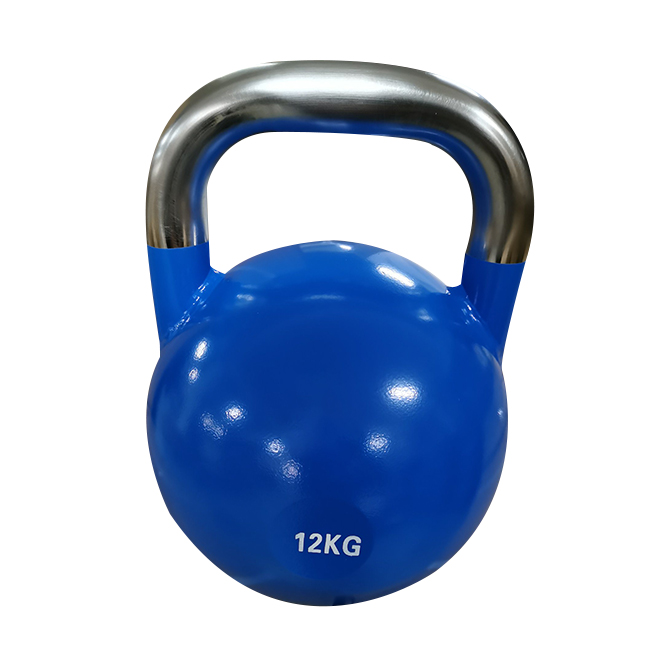
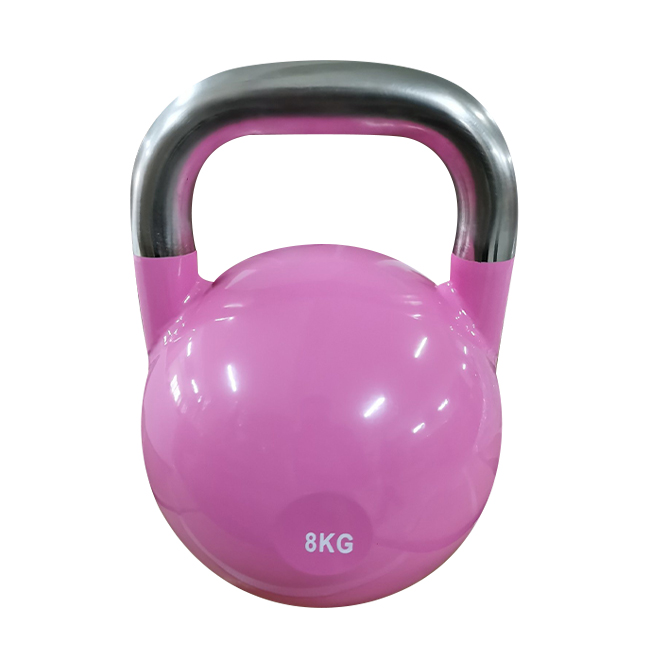
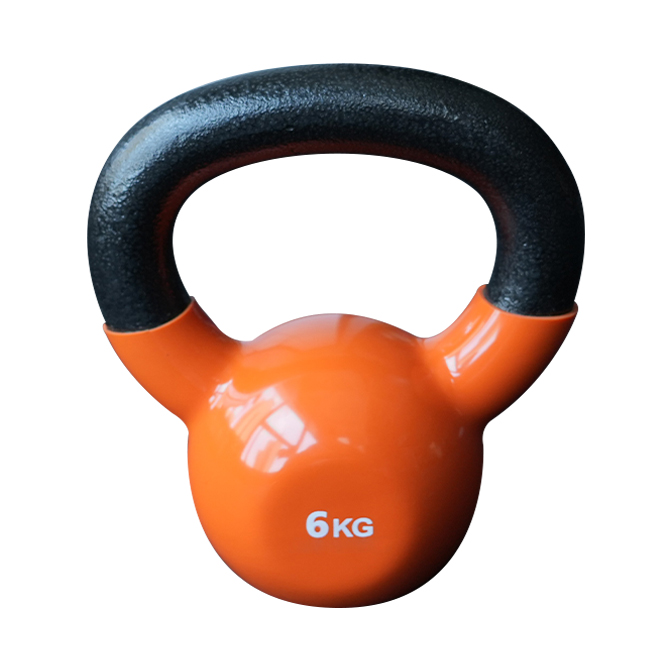
Kettlebell Weight for Beginners: China Factory OEM Supply
Kettlebell Weight for Beginners: Optimizing Inventory for Distributors
A standard kettlebell weight for beginners typically encompasses a range of lower-intensity loads designed to facilitate skill acquisition and foundational strength. For distributors and warehouse managers, sourcing these specific weights through a commercial kettlebell manufacturer ensures consistent weight accuracy and long-term durability for high-traffic fitness environments.
Managing a diverse inventory requires a strategic approach to SKU rationalization. When distributors fail to standardize their offerings, they often face fragmented stock levels and increased logistics costs. By prioritizing wholesale kettlebell sets that follow industry-standard weight increments, procurement professionals can significantly improve inventory turnover and streamline their gym equipment sourcing workflows.
Maintaining a predictable stock of entry-level weights reduces the complexity of replenishment cycles. A well-structured inventory focused on high-demand, foundational weights allows for better warehouse efficiency and more predictable landed costs. Instead of managing an excessive variety of niche SKUs, professional buyers should focus on high-volume, standardized batches provided by a reliable factory to maximize their profit margins and service reliability.
Evaluating Sourcing Models for Maximum Distributor Margin
Choosing the right procurement channel directly dictates your landed cost and long-term profitability. While local traders offer low-barrier entry, they often introduce multiple layers of markup and inconsistent quality control. For professional buyers looking to scale, direct engagement with a China factory provides a significant advantage in both unit cost and customization capability.
The following table compares common procurement structures to assist in your gym equipment sourcing decision-making process. It highlights how direct-to-factory models optimize the relationship between MOQ and gross profit margins.
| Sourcing Model | Typical MOQ | Primary Advantage | Landed Cost Impact | Customization (OEM/ODM) |
|---|---|---|---|---|
| Local Trading Company | Low | Immediate availability | High (Multiple markups) | Very Limited |
| International Trading Agent | Medium | Simplified logistics | Moderate | Limited Branding |
| China factory Direct | High | Highest profit margin | Lowest (Direct pricing) | Full OEM/ODM Support |
When your business model relies on high-volume replenishment, the ability to control the production line is essential. Utilizing a commercial kettlebell manufacturer for OEM orders allows you to implement your own brand identity and specific weight tolerances. This control over the factory output ensures that every kettlebell weight for beginners in your shipment meets the exact specifications required by your local market, reducing the risk of costly returns and protecting your reputation as a premium supplier.
To optimize your next procurement cycle, we recommend requesting a detailed specification sheet and a formal quote based on your target MOQ. We invite distributors to initiate a sample evaluation or schedule a virtual factory audit to confirm our quality control standards before finalizing bulk orders.
Strategic Brand Differentiation Through Private Label Services
For distributors aiming to move beyond generic commodities, the ability to offer a proprietary product line is a critical competitive lever. Relying solely on unbranded, off-the-shelf inventory often leads to price wars and shrinking margins. By leveraging custom branding and private label solutions, you can transform a standard kettlebell weight for beginners into a signature product that builds long-term customer loyalty and strengthens your market position.
A professional commercial kettlebell manufacturer can assist in developing unique aesthetic and functional features that differentiate your catalog. This might include specific color palettes, custom logo engravings, or specialized handle textures tailored to your target demographic. These high-value details allow you to justify premium pricing within your distribution network while maintaining a low landed cost through direct wholesale procurement.
The transition from a general importer to a brand owner requires a partner capable of handling complex product differentiation requests. Whether you require specific weight increments or unique packaging for retail-ready wholesale kettlebell sets, a professional factory can scale production to match your growth. We recommend discussing your specific branding requirements during the initial inquiry stage to ensure that your bulk order aligns perfectly with your long-term brand identity and market expansion goals.
Strategic Sourcing: Selecting a Reliable Commercial Kettlebell Manufacturer
Optimizing your inventory requires a precise kettlebell weight for beginners selection that balances weight accuracy with cost-efficiency. For distributors and large-scale importers, sourcing directly from a commercial kettlebell manufacturer eliminates the middleman markup, ensuring higher margins on every unit sold. Relying on a China factory allows for tighter control over production tolerances and material consistency, which are critical for maintaining professional standards in commercial fitness environments.
When planning your next replenishment cycle, understanding the structural differences in the supply chain is vital. Choosing between a direct factory and a trading company significantly impacts your landed cost and your ability to offer wholesale kettlebell sets with customized branding. A direct-to-factory model provides the scalability needed for rapid market expansion and reliable gym equipment sourcing.
| Procurement Model | Primary Advantage | Typical MOQ | Supply Chain Control |
|---|---|---|---|
| Direct Factory Sourcing | Maximum Profit Margin | Higher | Full Control over QC and OEM |
| Trading Company | Low Initial Volume | Lower | Limited Oversight of Production |
| Private Label OEM | Brand Identity Growth | Customized | High Specification Control |
To ensure long-term profitability, professional buyers should prioritize partners capable of high-volume wholesale production and rigorous pre-shipment inspections. We recommend requesting a detailed specification sheet and confirming the MOQ for custom color or branding requests before finalizing your procurement contract.
Technical Specifications and Quality Control Standards
Maintaining high standards for every kettlebell weight for beginners in your inventory starts with strict technical oversight. Professional distributors require a commercial kettlebell manufacturer that adheres to rigorous weight accuracy tolerances. Inconsistent casting or uneven paint distribution can lead to high return rates and damaged brand reputation. A professional China factory utilizes standardized molds and precision weighing protocols to ensure that a 4kg unit and a 16kg unit both meet exact weight specifications, minimizing discrepancies that affect professional training sessions.
Beyond weight, the durability of the outer coating and handle ergonomics is a critical component of your gym equipment sourcing strategy. High-impact environments demand high-quality cast iron or powder-coated finishes that resist chipping and oxidation. We implement strict QC protocols during the production phase to monitor material density and handle smoothness. This attention to detail reduces the total cost of ownership for your end-users and decreases the frequency of replacement requests for your warehouse. To mitigate procurement risks, we advise all partners to schedule a pre-shipment inspection or a factory audit to verify that the production batch aligns with your specific quality benchmarks.
Optimizing Logistics and Landed Cost for Bulk Orders
Efficient logistics management is a decisive factor in determining the final landed cost of your inventory. For distributors managing large-scale shipments, the way a kettlebell weight for beginners is packaged directly influences container utilization and shipping efficiency. Utilizing optimized export packaging—such as reinforced, heavy-duty corrugated boxes or custom-fit palletized configurations—minimizes the risk of movement and damage during long-haul maritime transit. This level of structural integrity ensures that your wholesale kettlebell sets arrive at your warehouse in pristine condition, ready for immediate distribution without the need for costly returns or replacements.
Strategic planning for a bulk order must also account for the complexities of international freight and customs clearance. By working with an experienced commercial kettlebell manufacturer, you can better coordinate lead times with shipping schedules to optimize container loading density. High-density loading strategies reduce the per-unit shipping cost, effectively lowering your total procurement expenditure. Whether you are importing a single container or managing a rolling replenishment cycle, focusing on these logistical variables allows you to maintain competitive pricing and protect your distributor margins in a volatile global market.
To finalize your procurement strategy, we suggest contacting our team to request a comprehensive quote based on your specific volume requirements. We can provide detailed information regarding current lead times, customized export packaging options, and tiered pricing for large-scale orders to help you optimize your next sourcing cycle.
Kettlebell Weight for Beginners: Standardizing Weight Accuracy and Durability
For professional distributors and gym procurement managers, the reliability of a kettlebell weight for beginners is defined by more than just the starting load; it is defined by precision and long-term commercial durability. When sourcing wholesale kettlebell sets, even minor deviations in mass can lead to client dissatisfaction and high replacement rates. A professional commercial kettlebell manufacturer must ensure that every unit meets strict tolerance standards to maintain a low TCO (Total Cost of Ownership) for the end-user.
In high-volume environments, inconsistent weight accuracy creates friction in training and accelerates wear on equipment coatings. By partnering with a direct China factory, importers can implement rigorous factory-direct QC protocols. This ensures that the kettlebell weight for beginners remains consistent across an entire production batch, protecting your brand reputation and reducing the need for costly replacements due to manufacturing defects.
Effective gym equipment sourcing requires a focus on the intersection of mass precision and structural integrity. Whether you are ordering via OEM or purchasing stock, verifying the density and casting quality is essential for ensuring the product survives the rigors of high-volume usage in commercial settings.
Technical Comparison: Commercial-Grade vs. Consumer-Grade Specifications
Procurement leads must distinguish between lightweight residential models and professional-grade equipment to avoid the hidden costs of premature wear. While consumer-grade products often prioritize low cost, they frequently lack the material integrity required for high-traffic facilities. A professional commercial kettlebell manufacturer utilizes higher-density casting processes and industrial-grade coatings to ensure long-term stability.
The following table outlines the critical differences in manufacturing standards that impact your long-term ROI and replacement cycles when managing wholesale kettlebell sets.
| Specification Feature | Standard Consumer-Grade | Professional Commercial-Grade |
|---|---|---|
| Weight Tolerance | Variable/High Deviation | Strict/Industry-Standard Precision |
| Surface Coating | Thin Paint or Basic Plastic | Heavy-Duty Polyurethane or High-Grade Cast Iron |
| Handle Durability | Standard Casting | Reinforced Ergonomic Design for High Volume |
| Sourcing Context | Retail/Single-Unit Purchase | Bulk gym equipment sourcing |
| Maintenance Load | High (Frequent Replacement) | Low (Built for Commercial Longevity) |
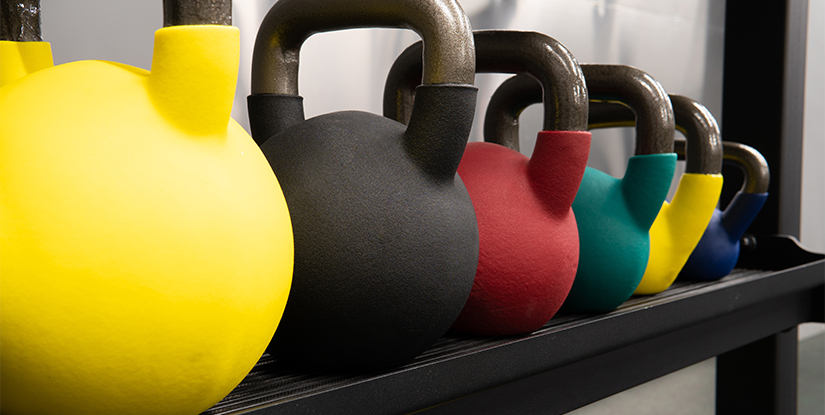
When evaluating your next batch, prioritize the kettlebell weight for beginners specifications that offer superior coating durability. Selecting a China factory that specializes in high-density iron ensures that the handles and bells can withstand constant impact without surface degradation. To ensure these standards meet your specific distributor requirements, we recommend requesting a technical spec sheet or a sample approval before finalizing your bulk order.
Optimizing your inventory requires a strategic approach to product lifecycle management. For distributors, the goal is to minimize the frequency of replacement orders while maximizing the perceived value of the kettlebell weight for beginners in the market. Relying on a high-standard commercial kettlebell manufacturer allows you to secure products with reinforced structural integrity, which directly translates to lower maintenance overhead for your clients.
When managing large-scale wholesale kettlebell sets, the subtle cost of poor material selection becomes evident through chipped coatings and handle fatigue. By focusing on professional gym equipment sourcing, you mitigate these risks through better material density and industrial-grade finishing. We invite procurement professionals to contact us to confirm MOQ, request detailed material certifications, or discuss specialized OEM customization for your upcoming shipments.
Customization and Private Label: Expanding Your Brand with OEM Solutions
Establishing a professional market presence requires more than just standard inventory; it requires a distinct identity. For distributors and gym owners, utilizing OEM and ODM services allows for the creation of specialized product lines that move beyond generic offerings. By leveraging a China factory, you can transition from a mere reseller to a recognized brand owner with a unique market position.
The strategic value of private label manufacturing lies in the ability to control every aspect of the product's aesthetic and functional profile. When sourcing a kettlebell weight for beginners, you are not just buying a tool; you are investing in a product that carries your reputation. Customizing handle textures, color schemes, and weight increments allows you to build a cohesive brand identity that resonates with your specific target demographic, whether they are boutique studio clients or high-end home gym enthusiasts.
This level of differentiation is essential for long-term gym equipment sourcing success. Instead of competing solely on price against generic imports, customized solutions allow you to command higher margins by offering a specialized product experience. Whether you require specific color-coded weight increments for easier identification or custom embossed logos, a professional commercial kettlebell manufacturer can integrate these requirements into your wholesale kettlebell sets to ensure your brand stands out in a crowded global marketplace.
Technical Comparison: Stock Procurement vs. Custom OEM Solutions
Deciding between purchasing standard inventory and investing in customized production depends on your long-term scaling strategy and target margins. For high-volume distributors, understanding the structural differences in production can optimize your landed cost and market differentiation.
| Feature/Dimension | Standard Stock Procurement | Custom OEM/ODM Solutions |
|---|---|---|
| Product Specification | Industry-standard dimensions and colors | Custom colors, textures, and logo integration |
| Branding Capability | Generic or third-party neutral | Full private label and custom branding |
| Order Flexibility | Lower MOQ for rapid replenishment | Higher MOQ for specialized production runs |
| Lead Time | Short; ready for immediate export | Extended; includes design and tool validation |
| Cost Structure | Lower initial outlay per unit | Higher initial setup; better long-term margins |
When sourcing a kettlebell weight for beginners, the choice between stock and custom production affects your inventory turnover. Standard wholesale kettlebell sets are ideal for immediate fulfillment and testing market demand with minimal risk. However, for established distributors looking to build a proprietary line, the OEM route provides the necessary control over product aesthetics and perceived value.
A professional commercial kettlebell manufacturer can assist in navigating these technical decisions. Whether you are optimizing for a specific color-coded weight progression to assist novice users or requiring a specific handle diameter for ergonomic standards, the factory-direct approach ensures your technical requirements are met during the pre-shipment phase. We recommend reviewing your projected annual volume and branding goals before confirming your next sourcing order to ensure the best balance of lead time and customization depth.
Quality Assurance and Export Logistics Strategy
Reliability in bulk procurement is determined by the rigor of the pre-shipment process. For professional buyers, the primary risk in international gym equipment sourcing is not just the product specification, but the consistency of the batch. A reputable commercial kettlebell manufacturer must implement multi-stage inspection protocols to ensure that every unit within a wholesale kettlebell sets order meets the exact weight tolerances required for commercial use. This includes verifying casting density, handle ergonomics, and coating adhesion to prevent premature wear in high-traffic environments.
Beyond physical quality, logistics efficiency directly impacts your final landed cost. Professional sourcing requires a partner who understands the nuances of heavy-duty export packaging. Because kettlebells are high-density, high-impact items, packaging must be engineered to withstand container loading stresses and maritime transport. Optimized palletization and container loading plans are essential to maximize volume efficiency and reduce shipping costs per unit, ensuring your inventory arrives in a condition that is ready for immediate retail or studio distribution.
To mitigate procurement friction, we advise buyers to establish clear documentation standards during the initial factory audit or sample approval phase. This includes defining acceptable weight deviation percentages, material certifications, and specific requirements for export-grade crates. By aligning on these technicalities before the production run begins, you ensure that your kettlebell weight for beginners inventory maintains high turnover rates without the cost of replacements or customer dissatisfaction due to inconsistent quality.
Logistics and Export Efficiency: Managing Bulk Orders from China
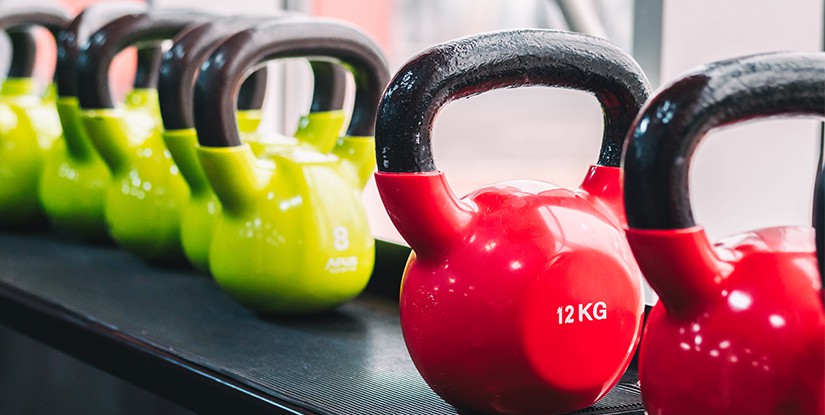
Optimizing your inventory requires more than just selecting the right weight increments; it requires a stable supply chain. When sourcing kettlebell weight for beginners, distributors must account for the complexities of international freight and the volatility of ocean shipping. A reliable China factory provides the structural consistency needed to manage stock levels without facing unexpected shortages or inflated costs.
Effective gym equipment sourcing involves calculating the total landed cost rather than just the unit price. For many importers, the true expense of a bulk order is often hidden in unexpected shipping logistics delays or port congestion. By working directly with a commercial kettlebell manufacturer, buyers can better predict lead time windows and ensure that their wholesale kettlebell sets arrive in alignment with seasonal market demand.
| Sourcing Model | Typical Lead Time | Logistics Control | Cost Predictability |
|---|---|---|---|
| Direct Factory Order | 30–45 Days | High (Direct Container Loading) | High (Stable FOB/CIF Pricing) |
| Third-Party Trader | 15–30 Days | Moderate (Fragmented Supply) | Low (Variable Markup Fees) |
To maintain healthy distributor margins, we recommend verifying MOQ requirements and shipping schedules during the initial sourcing phase. Clear communication regarding OEM specifications and export packaging ensures that your kettlebell weight for beginners arrives in professional, retail-ready condition, ready for immediate distribution or facility installation.
Evaluating Sourcing Efficiency: Factory vs. Trading Company
Selecting the right procurement partner for wholesale kettlebell sets requires a deep understanding of how different supply models impact your bottom line and operational agility. For professional buyers, the decision often rests on the balance between order volume flexibility and the depth of customization available through OEM or ODM services. A direct commercial kettlebell manufacturer offers the most control over technical specifications, whereas trading entities may offer lower entry barriers for smaller, more frequent shipments.
The following comparison outlines the structural differences between working with a direct China factory and a trading company. This is a critical step in your gym equipment sourcing strategy to ensure long-term scalability and brand consistency.
| Sourcing Dimension | Direct Factory-Direct Model | Trading Company/Agent Model |
|---|---|---|
| Minimum Order Quantity (MOQ) | Higher requirements for custom OEM projects | Lower MOQ for ready-to-ship stock |
| Customization Capability | Full ODM control over color, texture, and branding | Limited to existing product lines and standard colors |
| Production Lead Time | Extended for bespoke specifications | Faster for standard, pre-manufactured units |
| Cost Structure | Transparent, direct-from-source pricing | Includes intermediary margins and service fees |
| Quality Control Oversight | Direct access to factory QC and pre-shipment inspections | Indirect oversight through third-party reports |
When your business model requires specialized kettlebell weight for beginners—such as specific handle diameters or unique coating textures for branding—the direct factory route is the most efficient path to achieving professional-grade standards. We suggest requesting a detailed spec sheet and confirming your specific MOQ during the initial inquiry to align your procurement timeline with your expected market launch.
Rigorous Quality Control and Export Packaging Standards
The logistical risk of importing heavy, dense steel or cast iron products is significant. Without strict adherence to professional standards, even high-quality kettlebell weight for beginners can suffer from surface abrasions, handle deformation, or coating failure during transoceanic transit. To mitigate these risks, a professional commercial kettlebell manufacturer must implement a multi-stage verification process that extends far beyond the production line.
Effective gym equipment sourcing requires a focus on two critical pillars: weight accuracy and shipping damage prevention. We prioritize a rigorous QC protocol where every unit is verified against strict tolerance levels. This ensures that the weight remains consistent across your entire wholesale kettlebell sets, maintaining the professional integrity of your inventory. For large-scale distributors, even a minor deviation in weight can lead to compliance issues or customer dissatisfaction in commercial settings.
Beyond weight precision, the final stage of our process focuses on specialized export packaging. To safeguard your investment, we utilize heavy-duty, reinforced carton structures and moisture-resistant liners designed specifically for long-haul maritime shipping. This high-standard packaging is engineered to prevent friction between units and withstand the physical stresses of container loading and unloading. By prioritizing these structural safeguards, we help you minimize the landed cost of replacements and ensure your products arrive ready for immediate retail or facility deployment.
Maximizing Returns via Wholesale Kettlebell Sets and Product Mix
Strategic inventory management for distributors requires a precise balance between high-volume staples and specialized weights. When sourcing from a commercial kettlebell manufacturer, the objective is to minimize dead stock while maximizing inventory turnover through a predictable product mix. A diverse range of kettlebell weight for beginners serves as the entry point for new users, ensuring your warehouse remains a high-velocity hub for fitness professionals and retail clients alike.
Relying on inconsistent standard weight increments can lead to gaps in your catalog that drive customers to competitors. By securing wholesale kettlebell sets that follow industry-standard progressions, you satisfy the broad market demand for both light introductory units and heavier professional-grade equipment. This approach optimizes your sourcing strategy, ensuring that every cubic meter of shipping container space is utilized for high-demand SKUs that offer reliable margins.
Analyzing Sourcing Models: Stock Trading vs. Factory-Direct OEM
For professional importers, the decision between purchasing generic stock from a trading company and establishing an OEM relationship with a China factory significantly impacts the long-term landed cost and brand equity. While trading companies offer low-barrier entry, they often lack the control over weight accuracy and material consistency required for high-end commercial distribution. Selecting a dedicated commercial kettlebell manufacturer allows for tighter oversight of the production line, ensuring that every unit meets the rigorous standards of professional gym environments.
The following comparison illustrates why direct gym equipment sourcing is the preferred method for scaling a professional fitness brand and protecting distributor margins.
| Evaluation Metric | General Trading Company (Stock) | Direct Factory-Direct / OEM Model |
|---|---|---|
| Weight Accuracy | Variable; higher risk of deviation | Strict; controlled tolerance levels |
| Custom Branding | Limited or unavailable | Full support for private label/identity |
| Landed Cost Control | Higher due to middleman markup | Optimized through direct procurement |
| Quality Control (QC) | Third-party dependent | Integrated pre-shipment inspection |
| Production Scalability | Limited to existing inventory | High; driven by your specific MOQ |
| Long-term ROI | Lower; higher replacement frequency | Higher; built for commercial durability |
When evaluating your next batch of kettlebell weight for beginners, consider the total cost of ownership. A lower initial price from an unverified supplier often results in higher costs later due to weight discrepancies and premature wear. By prioritizing a structured wholesale partnership, you secure a more stable supply chain and a more reliable product profile for your end-users.
Optimizing Lead Times and Export Logistics
Efficient gym equipment sourcing extends beyond the production line; it requires a robust understanding of how logistics impact your landed cost. For distributors managing high-volume orders, the lead time from the initial purchase order to the arrival at your warehouse is a critical variable. A professional China factory provides predictable production schedules, allowing you to align your inventory replenishment with seasonal market shifts and consumer demand cycles.
To protect your margins, it is essential to verify that your partner utilizes high-standard export packaging. When shipping heavy, high-density items like wholesale kettlebell sets, the packaging must prevent metal-on-metal friction and ensure structural integrity during ocean freight. Reliable manufacturers prioritize container loading efficiency, optimizing the volume-to-weight ratio to reduce shipping costs per unit. This attention to detail ensures that your kettlebell weight for beginners arrives in pristine condition, ready for immediate retail or commercial distribution without the need for costly replacements or returns.
Before finalizing your next procurement cycle, we recommend contacting our team to request a detailed spec sheet, confirm your specific MOQ, or discuss custom branding requirements. We are available to assist with sample approval and can facilitate a factory audit to ensure our production standards align with your commercial quality expectations.