Gym Cycle Manufacturers: Global Export from China Factory
Evaluating Gym Cycle Manufacturers for Global Sourcing
Selecting high-tier gym cycle manufacturers is a strategic decision for distributors and gym chains looking to secure high-performance assets. Professional buyers prioritize gym cycle manufacturers that offer a combination of mechanical durability, consistent production capacity, and scalable manufacturing processes to ensure long-term operational efficiency and minimized maintenance overhead.
Procurement risks often arise from inadequate quality oversight or unpredictable supply chains. To protect your margins, you must qualify a professional cycling equipment supplier based on their ability to maintain rigorous QC standards and provide transparent lead time projections. A reliable factory should offer clear documentation regarding material grades and component testing to prevent unexpected downtime in commercial environments.
When managing commercial indoor cycle wholesale orders, understanding the distinction between a trading company and a factory-direct source is vital for controlling the landed cost. Direct sourcing allows for better negotiation on MOQ and provides greater flexibility for OEM or ODM requests, ensuring the final product aligns with your specific brand identity and regional market demands.
Sourcing Model Comparison: Factory vs. Trading Company
Distinguishing between a direct heavy-duty gym cycle factory and a third-party trading company is essential for optimizing your procurement budget. While trading companies may offer convenience, they often introduce additional layers of cost and communication friction. For large-scale distributors, direct sourcing from a China factory ensures greater control over product specifications, component quality, and total landed cost.
| Procurement Dimension | Direct Manufacturer (Factory-Direct) | Trading Company (Middleman) |
|---|---|---|
| Customization Depth | High capability for OEM and ODM solutions | Limited to existing stock or basic branding |
| Pricing Structure | Direct wholesale pricing with better margins | Markup applied by the intermediary |
| Quality Control | Direct oversight of QC and pre-shipment testing | Dependent on third-party inspection reports |
| Production Flexibility | High ability to adjust MOQ and custom specs | Strict adherence to supplier's standard catalog |
| Supply Chain Transparency | Full visibility into raw materials and production | Limited visibility into the actual manufacturing process |
For professional buyers, selecting the right supplier involves more than just comparing price lists. A true manufacturer provides the technical documentation and engineering support necessary for complex global distribution. Before finalizing your next bulk order, we recommend requesting a detailed spec sheet, confirming the current MOQ for your specific configuration, and scheduling a virtual factory audit to verify production capabilities.
Technical Compliance and Export Standards
For high-volume distributors, the risk of receiving damaged or substandard units is a significant threat to profitability. A qualified heavy-duty gym cycle factory must demonstrate more than just assembly capability; they must prove adherence to rigorous international standards for structural integrity and safety. In a high-traffic commercial setting, any failure in component durability directly impacts your brand reputation and increases the total cost of ownership for your clients. Therefore, technical compliance is a non-negotiable metric during the vendor qualification process.
Beyond the build quality of the machine itself, professional procurement leads must evaluate the manufacturer's expertise in export-ready logistics. This includes the utilization of reinforced export packaging designed to withstand long-haul ocean freight and multiple handling points. High-quality export packaging protects sensitive electronics and precision bearings from moisture and physical impact, reducing the incidence of DOA (Dead on Arrival) units. When you secure a partnership with a professional professional cycling equipment supplier, you are not just buying hardware; you are investing in a supply chain capable of delivering consistent, high-performance assets globally with minimal transit-related loss.
Standardizing Quality Control and Pre-Shipment Inspections
Reliable gym cycle manufacturers must implement rigorous testing to protect the total cost of ownership for global distributors. Sourcing commercial indoor cycle wholesale orders without strict oversight often leads to high maintenance costs and premature part failure in high-traffic environments.
A professional professional cycling equipment supplier mitigates these risks through standardized quality control protocols. Every unit undergoes stress testing and component verification to ensure long-term durability. For high-volume wholesale importers, a formal pre-shipment inspection at the China factory is the most effective way to verify that all specifications meet international commercial standards before the final export process begins.
Technical Inspection Checklist for B2B Procurement
To minimize landed cost risks and prevent defective returns, procurement leads should utilize a structured technical checklist during factory audits. Relying on a heavy-duty gym cycle factory that provides transparent inspection documentation ensures that your bulk order meets the mechanical and electronic requirements of high-intensity commercial settings.
| Inspection Category | Technical Focus Area | B2B Verification Standard |
|---|---|---|
| Mechanical Integrity | Bearing smoothness and resistance mechanism | Continuous load testing and friction stability |
| Electronic Systems | Console responsiveness and sensor accuracy | Power cycle endurance and signal interference check |
| Structural Build | Frame weld quality and bolt torque | High-vibration resistance and weight-bearing test |
| Aesthetic & Finish | Powder coating uniformity and decal adhesion | Scratch resistance and high-wear surface durability |
| Final Assembly | Component compatibility and noise levels | Decibel threshold monitoring during operation |
When managing sourcing for large-scale distribution, we recommend requesting a video of the specific MOQ batch undergoing functional testing. This transparency allows distributors to validate part consistency and electronic stability before the factory releases the shipment for international transit.
Effective replacement planning starts with the quality of the initial batch. A reliable supplier ensures that every component, from the drive belt to the resistance flywheel, is consistent across the entire order. For distributors managing high-volume wholesale accounts, unexpected part failures can disrupt service agreements and damage brand reputation. By prioritizing a factory that offers detailed technical documentation and real-time testing data, importers can better project long-term maintenance schedules and optimize their local spare parts inventory.
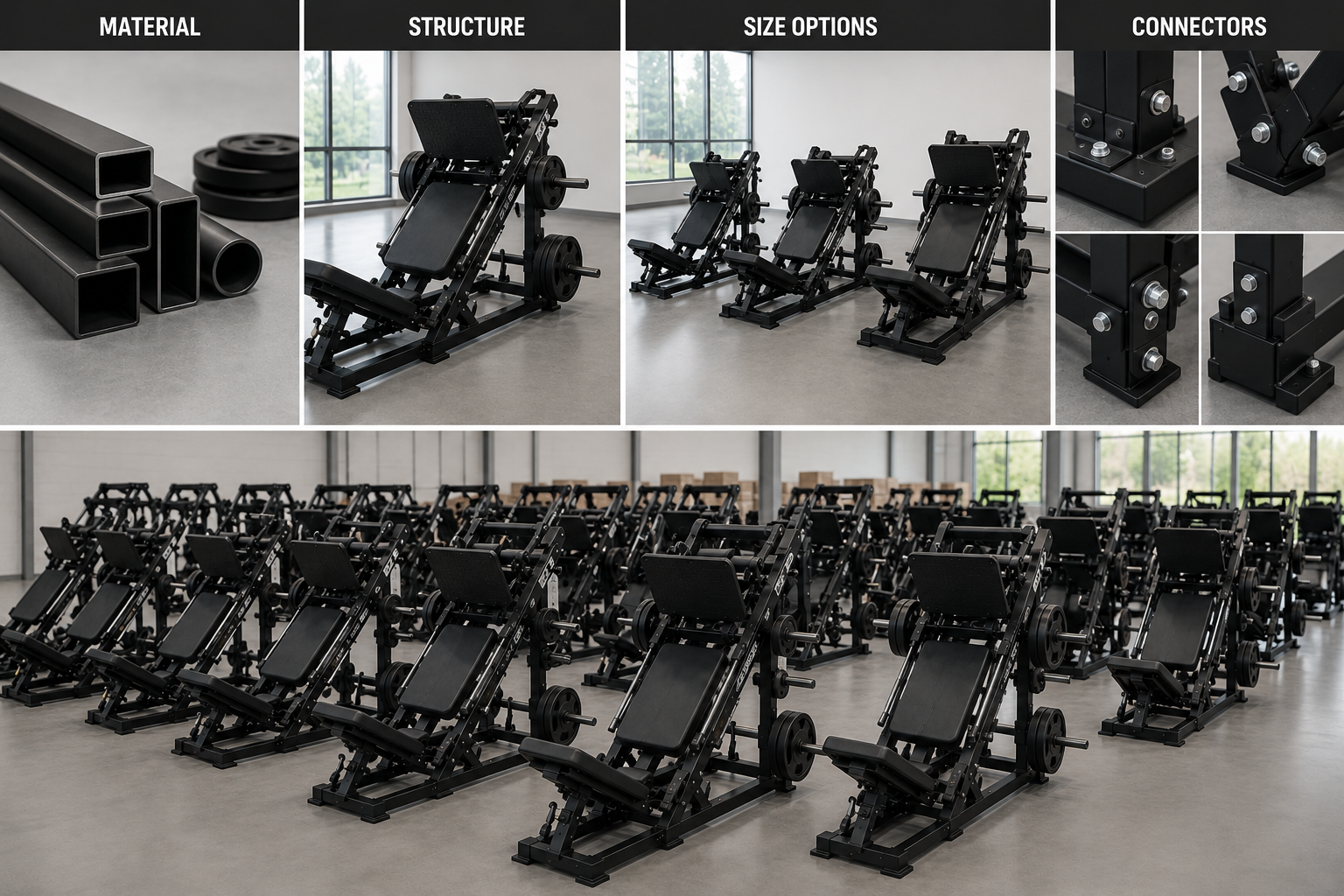
Furthermore, the ability to integrate OEM or ODM specifications into the quality control workflow is a critical differentiator. Whether you are requesting custom branding or specific mechanical adjustments, the China factory must demonstrate that these modifications do not compromise the structural integrity of the unit. This level of precision ensures that your private label products perform with the same reliability as tier-one industry standards, ultimately protecting your profit margins and reducing the frequency of costly warranty claims.
Optimizing Total Cost of Ownership via Direct Sourcing
For distributors and large-scale gym operators, evaluating gym cycle manufacturers requires looking beyond the initial purchase price. True procurement efficiency is found in the total cost of ownership (TCO), which integrates the landed cost, maintenance frequency, and the long-term durability of the unit under high-volume commercial usage. Sourcing directly from a China factory allows buyers to bypass the inflated margins of middleman traders, ensuring that capital is invested in high-spec components rather than service premiums.
When procurement teams prioritize commercial indoor cycle wholesale through direct channels, they gain better control over the entire lifecycle of the equipment. A lower initial invoice often masks hidden expenses such as frequent part replacements or high downtime. By selecting a professional professional cycling equipment supplier, you secure units designed for heavy-duty cycling, effectively reducing the long-term operational expenditure (OPEX) and increasing the overall ROI of your fitness facility or distribution inventory.
| Procurement Model | Initial Capital Expenditure | Maintenance & Parts Access | Long-term ROI Potential |
|---|---|---|---|
| Local Trading Company | Higher due to markup | Limited to local stock | Lower due to high depreciation |
| heavy-duty gym cycle factory | Optimized via direct wholesale | Direct access to OEM components | High due to durability and low OPOPEX |
To maximize profitability, professional buyers must differentiate between simple product procurement and strategic supply chain management. Selecting the right gym cycle manufacturers involves analyzing how production capabilities influence your long-term margins. For instance, a direct factory provides much higher transparency regarding component quality and assembly standards compared to a third-party distributor. This transparency is critical when you need to verify that the hardware can withstand the rigorous demands of a commercial environment without frequent service interruptions.
A strategic advantage of working with a dedicated professional cycling equipment supplier is the ability to customize specifications to meet local market demands or specific facility requirements. Whether you are looking to implement OEM branding for your own fitness line or require specific technical adjustments for a high-intensity studio, direct-source partnerships offer the flexibility that standard trading companies cannot match. This level of control over the manufacturing process ensures that your landed cost remains competitive while the equipment durability remains high.
Before finalizing a bulk order, we recommend that procurement managers request a detailed technical specification sheet and confirm the specific MOQ for customized orders. To ensure total alignment with your quality standards, you may also request a formal factory audit or a sample evaluation to test the mechanical tolerances and build stability of the units in person.
Reliability in a commercial setting depends on the integrity of the supply chain. When sourcing at scale, the risk of high maintenance costs or premature equipment failure can quickly erode your profit margins. A high-standard heavy-duty gym cycle factory mitigates this risk by implementing rigorous quality control protocols at every stage of production. This level of oversight ensures that the drive systems, flywheel stability, and structural frames are engineered to withstand thousands of hours of high-intensity use, protecting your long-term ROI.
Effective procurement planning must also account for the availability of replacement parts to minimize downtime in high-traffic facilities. Professional buyers should verify that their chosen gym cycle manufacturers maintain a robust inventory of essential components, such as belts, bearings, and resistance mechanisms. By establishing a partnership with a direct supplier that offers streamlined access to both complete units and specialized service parts, you ensure that your facility or distribution network remains operational even during heavy usage cycles, thereby optimizing the total lifecycle value of your investment.
Customization Capabilities: OEM and ODM Options
For distributors looking to scale, moving beyond standard stock orders to specialized gym cycle manufacturers allows for the creation of a proprietary product line. Relying on generic wholesale models often limits a distributor's ability to differentiate in a saturated market, whereas OEM and ODM services provide the technical infrastructure to build a distinct brand identity through tailored mechanical specifications and aesthetic control.
Transitioning from a simple importer to a specialized brand owner requires a professional cycling equipment supplier that can manage complex technical requests. Whether you require specific resistance mechanisms, unique console software integration, or custom color schemes to match your catalog, a capable China factory can execute these requirements at scale. This level of customization ensures your equipment meets specific regional market demands or high-end studio requirements while maintaining a competitive landed cost.
Effective sourcing involves choosing between a standard product catalog or a fully customized development path. While standard orders offer faster lead times, utilizing ODM services allows you to leverage the existing R&D of a factory to launch a specialized product with minimal initial engineering overhead. This strategic approach helps professional buyers manage capital expenditure while building long-term equity in their own equipment labels.
Technical Comparison: Wholesale vs. Custom Solutions
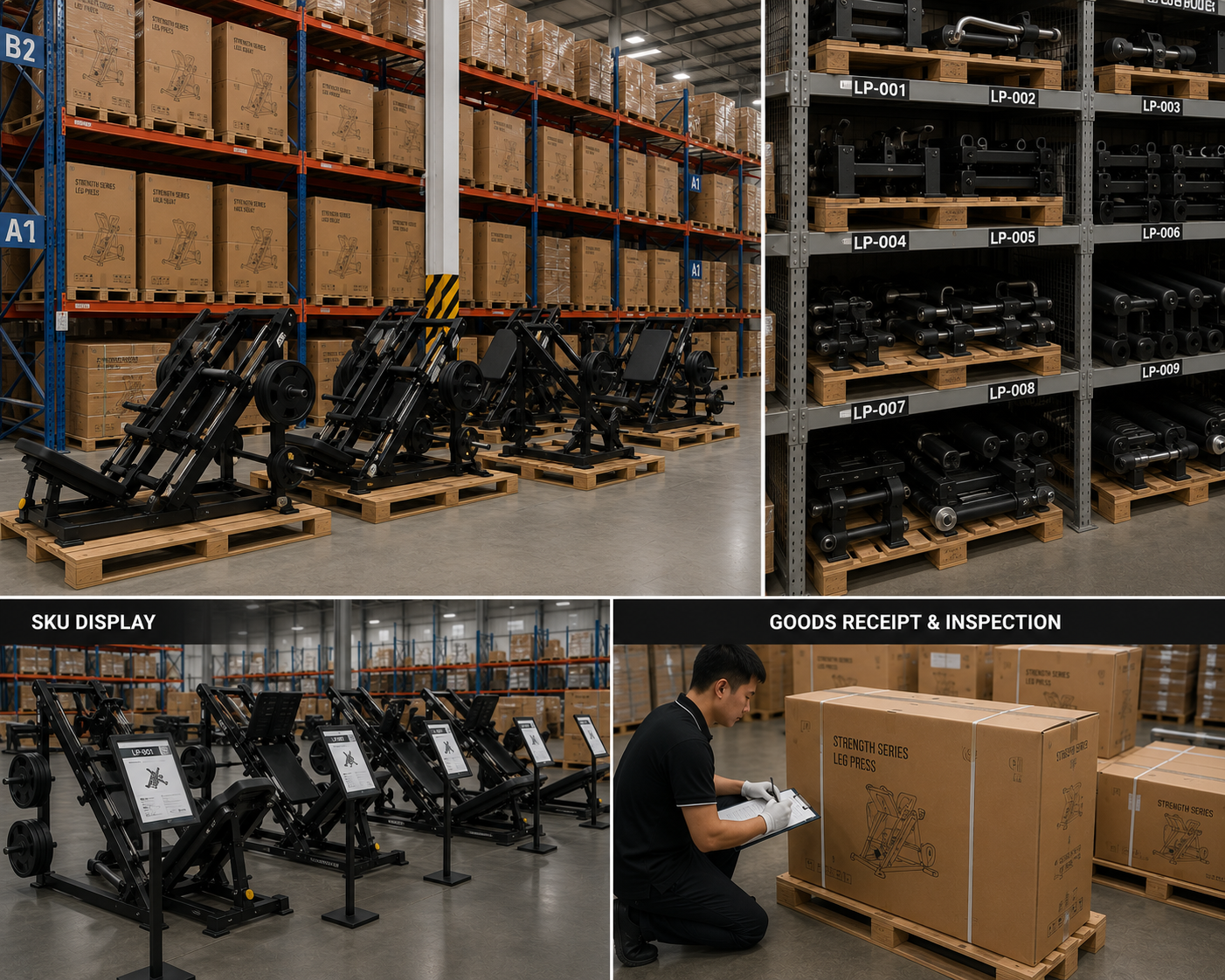
Selecting the right procurement path depends on your specific business model and growth objectives. While standard commercial indoor cycle wholesale orders provide rapid deployment for immediate inventory needs, advanced customization through gym cycle manufacturers offers the ability to engineer products that meet niche market segments or specific high-intensity durability standards.
| Feature Category | Standard Wholesale Sourcing | Custom OEM/ODM Solutions |
|---|---|---|
| Primary Objective | Rapid inventory replenishment | Product differentiation and brand building |
| Technical Specifications | Standardized, factory-set components | Variable resistance, console, and frame specs |
| Branding Options | Generic or standard logo placement | Full private label and custom color palettes |
| Customization Level | Low (limited to color or minor decals) | High (mechanical and software integration) |
| Typical MOQ | Lower volume per SKU | Higher volume required for engineering |
| Lead Time | Shorter (standard production cycles) | Extended (R&D and tooling phases) |
| Lower initial capital expenditure | Higher upfront development, lower long-term unit cost |
Evaluating these paths is essential for optimizing your long-term ROI. A heavy-duty gym cycle factory can support both paths, but the strategic value of OEM services becomes evident as your market share grows. We recommend requesting a detailed spec sheet or a sample evaluation to confirm how customized configurations will impact your total landed cost and distribution margins before committing to a full-scale production run.
Ensuring Precision via Technical Workflow and QC
The transition from initial concept to a finished unit requires a rigorous operational workflow to prevent technical errors that can escalate total cost of ownership. A professional professional cycling equipment supplier manages this through a structured sequence: beginning with detailed technical drawings and engineering validation, followed by a dedicated prototyping phase. This prototyping stage is critical for bulk buyers to verify mechanical tolerances and resistance smoothness before the full-scale production lead time begins. Without this step, minor deviations in parts can lead to significant shipping discrepancies and increased maintenance loads for the end-user.
For high-volume importers, direct communication with the heavy-duty gym cycle factory is the most effective way to ensure technical precision. By bypassing intermediaries and engaging directly with the production team, buyers can oversee the QC process at multiple checkpoints. This includes raw material testing, assembly-line inspections, and pre-shipment testing of the resistance mechanisms. Maintaining such oversight ensures that every unit meets the rigorous standards expected in commercial environments, effectively protecting your distributor margins and reducing the risk of costly after-sales returns or replacements.
Logistics Efficiency: Export Packaging and Container Loading
Optimizing the landed cost is a critical priority for distributors and gym owners sourcing high-volume orders from a China factory. Beyond the unit price, the efficiency of export packaging and container utilization directly determines your final procurement budget and profit margins.
Standard or inadequate packaging often leads to high breakage rates during maritime transit, forcing importers to absorb the cost of replacement parts or entire units. To mitigate these risks, a professional heavy-duty gym cycle factory implements rigorous protection protocols. High-density foam, reinforced corrugated cardboard, and heavy-duty wooden crates are essential for damage prevention when shipping sensitive electronic components and heavy steel frames across oceans.
Furthermore, maximizing container loading efficiency allows gym cycle manufacturers to reduce the shipping cost per unit. By optimizing the dimensions of the commercial indoor cycle wholesale units and utilizing nested or stackable configurations, a professional cycling equipment supplier helps importers decrease the total number of containers required for a single shipment. This strategic approach to volume optimization ensures that your sourcing strategy remains cost-effective and minimizes the logistical overhead associated with large-scale wholesale distributions.
Packaging and Volume Optimization Strategies
Selecting the correct packaging tier is essential when managing the landed cost for high-volume shipments. A professional cycling equipment supplier must balance protection against volumetric weight to ensure the highest possible ROI during maritime transit. The following table illustrates how different packaging configurations impact both product safety and shipping density for commercial indoor cycle wholesale orders.
| Packaging Type | Protection Level | Volume Efficiency | Best Use Case |
|---|---|---|---|
| Standard Reinforced Carton | Moderate | High | Low-volume wholesale or air freight |
| Double-Wall Corrugated + Foam | High | Medium | Standard commercial indoor cycle wholesale sea shipments |
| Heavy-Duty Wooden Crate | Maximum | Low | Premium gym cycle manufacturers export for high-end electronics |
| Nested/Stackable Configuration | High | Very High | Bulk sourcing for large-scale distributor inventory |
For distributors aiming to maximize container capacity, we recommend discussing customized crate dimensions with your gym cycle manufacturers during the pre-shipment stage. Optimizing the height-to-width ratio of the packaging can significantly reduce the number of empty air pockets in a 40HQ container, directly lowering your freight-per-unit expense. We suggest requesting a detailed loading plan and technical specification sheet to confirm how your specific order will be palletized before finalizing the production schedule.
| Packaging Type | Protection Level | Volume Efficiency | Best Use Case |
|---|---|---|---|
| Standard Reinforced Carton | Moderate | High | Low-volume wholesale or air freight |
| Double-Wall Corrugated + Foam | High | Medium | Standard commercial indoor cycle wholesale sea shipments |
| Heavy-Duty Wooden Crate | Maximum | Low | Premium gym cycle manufacturers export for high-end electronics |
| Nested/Stackable Configuration | High | Very High | Bulk sourcing for large-scale distributor inventory |
For distributors aiming to maximize container capacity, we recommend discussing customized crate dimensions with your gym cycle manufacturers during the pre-shipment stage. Optimizing the height-to-width ratio of the packaging can significantly reduce the number of empty air pockets in a 40HQ container, directly lowering your freight-per-unit expense. We suggest requesting a detailed loading plan and technical specification sheet to confirm how your specific order will be palletized before finalizing the production schedule.
Managing MOQ and Lead Times for Bulk Distribution
Efficient inventory management requires a deep understanding of how gym cycle manufacturers structure their production cycles. For international distributors, navigating the relationship between MOQ and lead time is critical to maintaining healthy cash flow and avoiding stockouts during peak seasonal demand.
A common challenge in global sourcing is the volatility of shipping schedules and production delays. When ordering commercial indoor cycle wholesale quantities, failing to align your procurement calendar with the China factory production schedule can significantly increase your landed cost through emergency air freight or increased warehousing fees. Optimizing your order volume helps stabilize these variables.
| Order Type | Typical MOQ | Production Lead Time | Logistics Focus |
|---|---|---|---|
| Standard Stock Order | Low | Short (2-3 weeks) | Rapid replenishment |
| Custom OEM Order | High | Long (8-12 weeks) | Branding and specialized specs |
| professional cycling equipment supplier Bulk Contract | Variable | Scheduled | Container optimization and TCO |
To mitigate risk, we recommend calculating your buffer stock based on the heavy-duty gym cycle factory standard lead time. By committing to higher volumes, you can leverage better economies of scale, reducing the per-unit impact of international logistics and ensuring a more predictable arrival of goods at your distribution center.
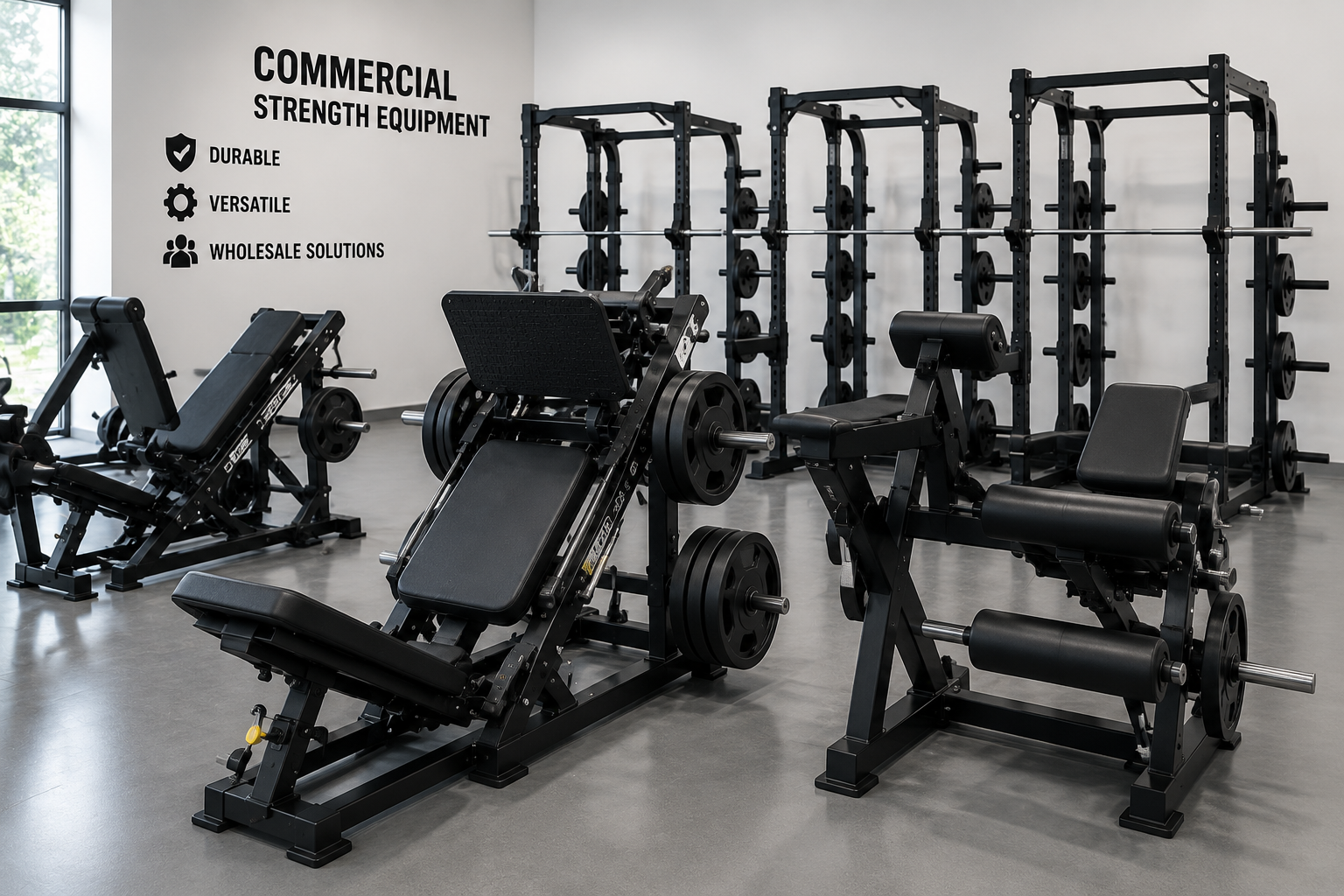
Strategic procurement involves choosing between rapid fulfillment and high-level customization. When working with a heavy-duty gym cycle factory, buyers must decide if the immediate availability of stock items or the long-term brand equity of a custom build better serves their market position. Choosing the right path prevents the friction of unexpected delays and ensures your inventory aligns with your revenue targets.
Customization Capabilities: OEM vs. ODM Models
For distributors seeking a competitive edge, understanding the technical depth of a professional cycling equipment supplier is essential. While standard models offer speed, OEM services allow you to integrate your specific brand identity into the hardware, from color schemes to console software. Alternatively, ODM partnerships offer more profound structural modifications, allowing you to influence the very engineering of the machine to meet regional market demands or specific durability requirements.
To ensure a smooth transition from production to local distribution, we advise initiating the technical audit and sample approval process well in advance of your peak season. Contact us to request a detailed specification sheet, confirm the current MOQ for customized batches, or schedule a virtual factory audit to verify production standards before your next bulk order.
Ensuring Quality and Reducing Damage via Export Standards
The final stage of the procurement cycle involves rigorous quality assurance to protect your distributor margins. Even the most reliable gym cycle manufacturers face risks if the transition from factory floor to international shipping containers is poorly managed. A lack of standardized QC protocols can result in high replacement costs and diminished brand reputation upon arrival.
To mitigate these risks, we implement strict pre-shipment inspection protocols. Every unit undergoes functional testing to ensure mechanical compliance before being secured in high-strength export packaging. This specialized packaging is engineered to withstand the rigors of maritime transport, minimizing the likelihood of component damage. By prioritizing robust protection and detailed documentation, we ensure that your bulk shipment arrives in a ready-to-deploy state, effectively lowering your long-term maintenance load and overall landed cost.
Next Steps for Professional Procurement and Sourcing
Transitioning from initial research to a formal partnership requires a structured approach to mitigate risk. When you move beyond browsing and begin engaging with gym cycle manufacturers, the focus must shift from product aesthetics to supply chain reliability and technical compliance.
Standardizing the Selection Process
To ensure your investment meets commercial standards, follow this professional procurement checklist. Successful importers often start by requesting a full technical specification sheet and a detailed commercial indoor cycle wholesale price list to evaluate volume-based discounts. A rigorous sample evaluation is non-negotiable; verify the flywheel resistance, drivetrain stability, and console responsiveness before committing to a container load. Once the unit meets your standards, request a formal factory audit to confirm the facility possesses the necessary certifications for international export. Finally, always perform a comprehensive landed cost calculation, accounting for the base unit price, MOQ requirements, ocean freight, and local customs duties to protect your distributor margins.
Sourcing Model Comparison for Scale and Control
Before finalizing your procurement strategy, it is essential to distinguish between the different layers of the supply chain. Selecting the right professional cycling equipment supplier depends on whether your priority is rapid stock turnover or long-term brand equity through customization. A heavy-duty gym cycle factory offers direct control over the production line, whereas trading entities provide broader catalog variety at the cost of margin and oversight.
| Sourcing Dimension | Direct China Factory | Trading Company / Distributor |
|---|---|---|
| Primary Advantage | Optimized landed cost and high margins | Low initial volume requirements |
| Customization Capability | Full OEM and ODM integration | Limited to existing stock variations |
| Quality Oversight | Direct QC and pre-shipment inspection | Indirect oversight via third-party agents |
| Supply Chain Control | Direct sourcing from the factory | Subject to middleman lead times |
| Scalability | High capacity for large-scale wholesale | Variable based on agent inventory |
For distributors looking to build a proprietary product line, engaging directly with a China factory is the most effective way to manage long-term TCO. By controlling the OEM process, you can implement specific branding and technical adjustments that differentiate your offering in the North American market. Once you have identified a suitable partner, proceed by requesting a formal quote to confirm current MOQ levels and lead times for your initial container shipment.
Securing Long-Term Operational Stability
The final stage of procurement involves securing the operational lifecycle of your inventory. Beyond the initial shipment, professional buyers must confirm the long-term availability of replacement parts and technical support. A reliable gym cycle manufacturers partner should provide a clear roadmap for spare parts, such as belts, flywheels, and electronic components, to ensure your clients experience minimal downtime. Neglecting this stage can lead to high maintenance costs and diminished brand reputation for distributors.
To finalize your selection, initiate a formal discussion regarding bulk pricing negotiation and the technical specifics of the after-sales framework. It is standard practice to mandate a final pre-shipment inspection to verify that every unit meets the agreed-upon commercial grade. This rigorous process ensures that the high-performance standards required for professional cycling equipment are maintained from the production line to the final destination, ultimately protecting your total cost of ownership and long-term ROI.